
The article "Elephants Call Each Other by Name, Study Finds" from BBC's Discover Wildlife reveals that wild African elephants may use special sounds like names to call one another. Researchers found that elephants respond more when their name is called, suggesting they recognize and understand it. This discovery shows elephants may be capable of abstract thinking, like humans.
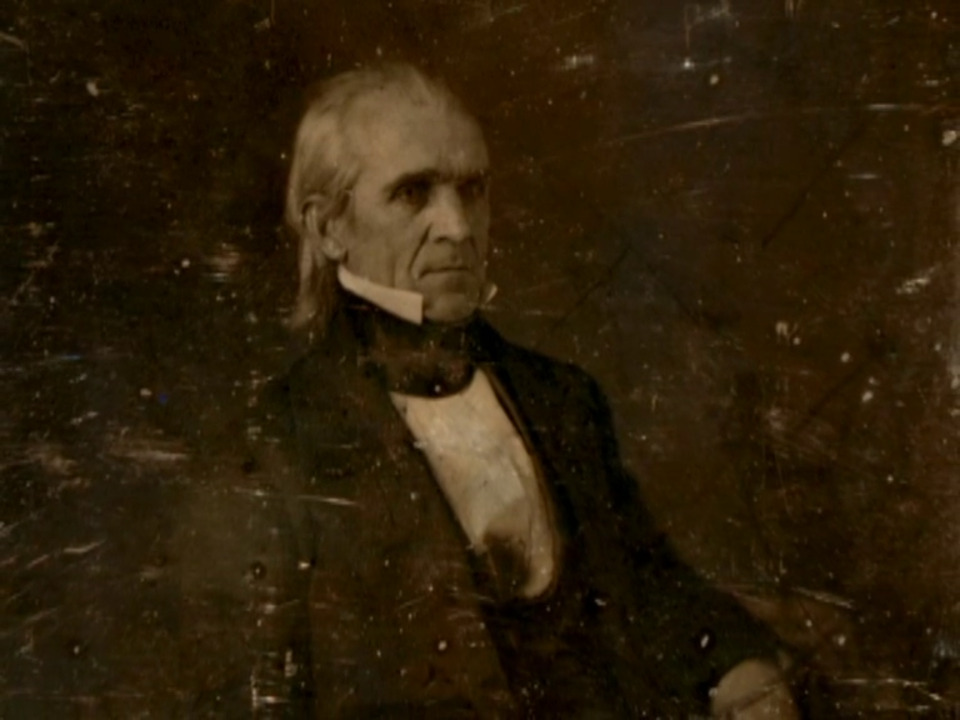
In James K. Polk and the Push West, learn how President James K. Polk pursued the goal of expanding the United States from the Atlantic to the Pacific. Polk oversaw the annexation of Texas, negotiated the Oregon Territory with Britain, and led the country through the Mexican-American War, securing California and other western lands. His presidency was marked by rapid territorial growth and national ambition, though it came with significant casualties and controversy.
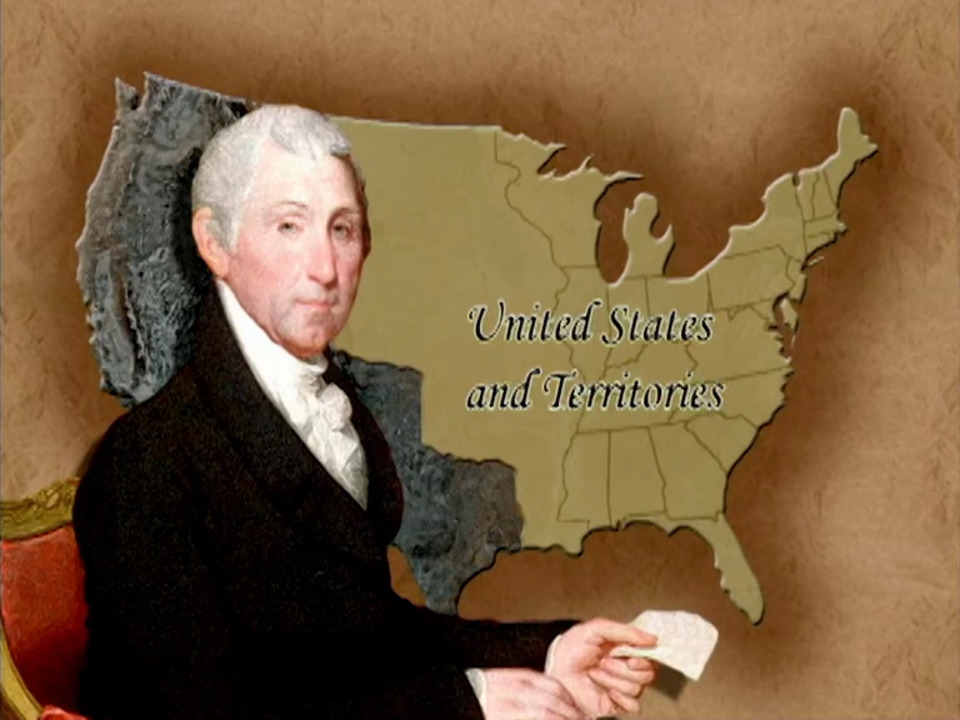
In James Monroe, the Monroe Doctrine, and a Growing Nation, learn how President James Monroe led the United States during a period of rising national pride and optimism after the War of 1812. His administration obtained Florida from Spain, and in 1823, Monroe issued the Monroe Doctrine, declaring the Western Hemisphere closed to new European colonies while pledging U.S. neutrality in European conflicts. These actions helped establish the United States as a full-fledged nation, though the "Era of Good Feelings" would eventually come to a bitter end as political and sectional tensions resurfaced.
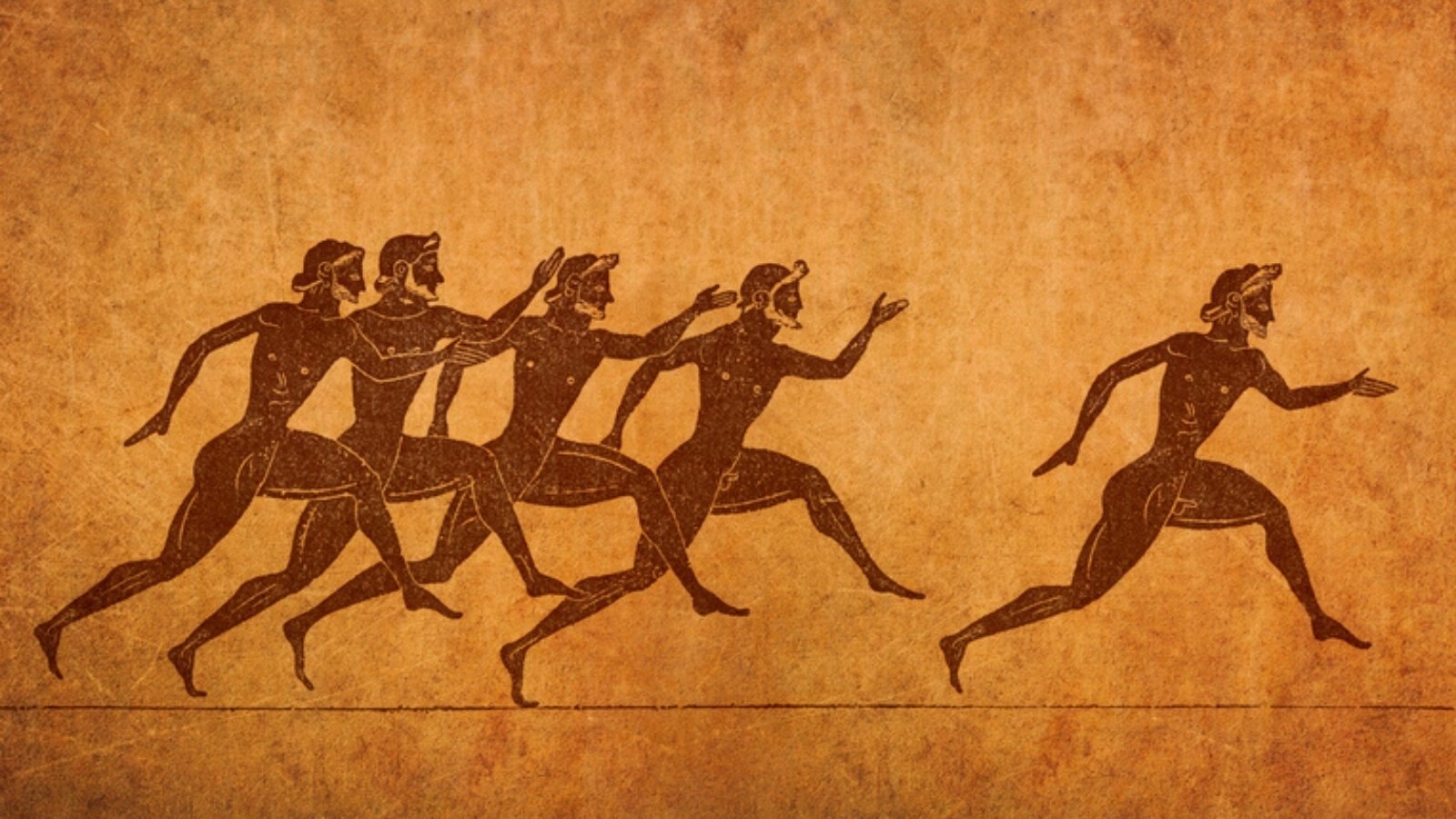
The article "What Were the Ancient Olympics Like? Take a Visit to the Games of 436BC" from BBC's HistoryExtra is a time-travel guide to one of the greatest sporting events of the ancient world. With vivid descriptions of travel, food, competition, and cultural traditions, readers explore the five-day festival in Olympia. From brutal pankration to sacred feasts for Zeus, the ancient Games come vividly to life.
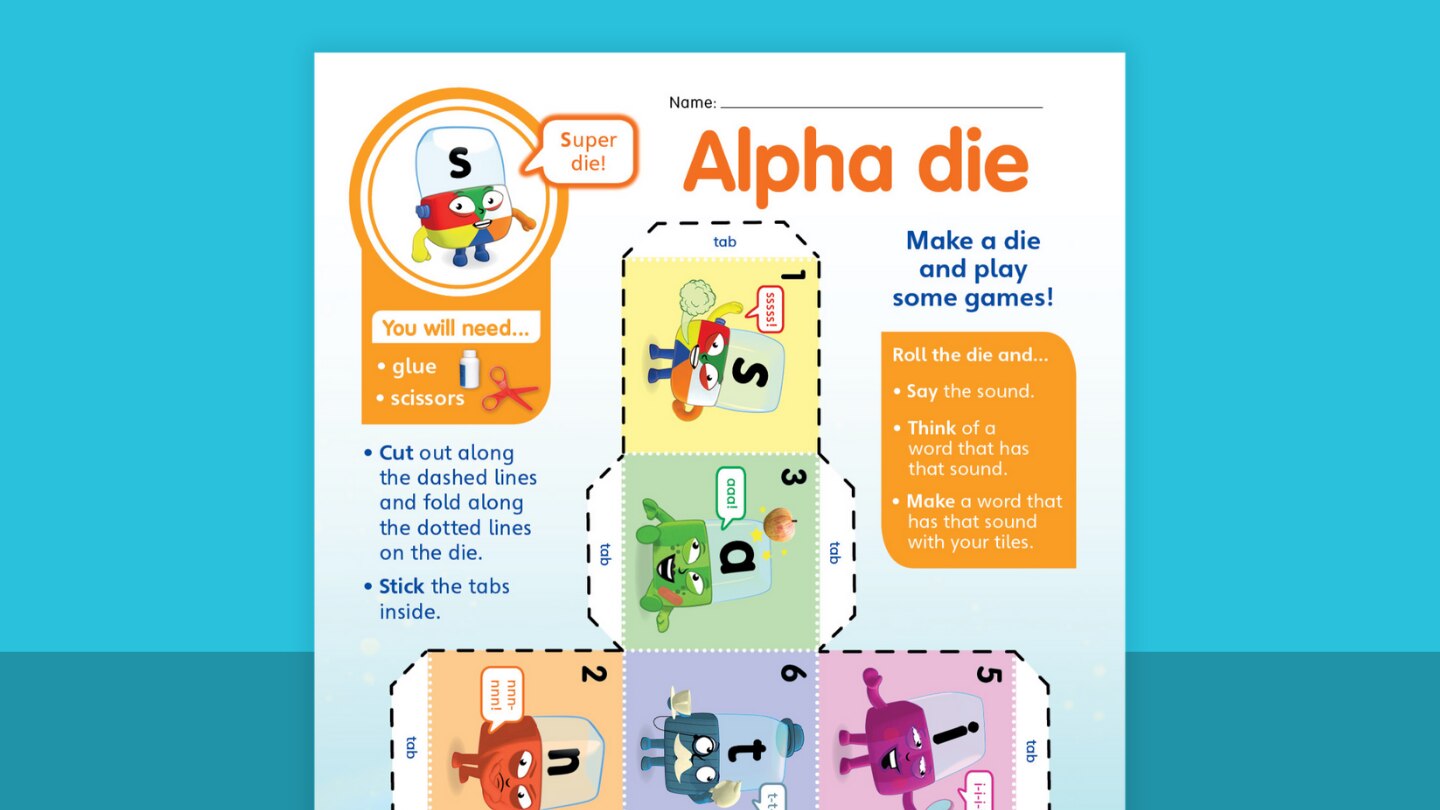
Make a die and play some games! Here's how to play:
- Cut along the dashed lines and fold along the dotted lines on the die.
- Stick the tabs inside.
- Roll the die and say the sound.
- Think of a word that has that sound.
- Make a word that has that sound with your tiles.
Watch full episodes of Alphablocks on their official YouTube channel!
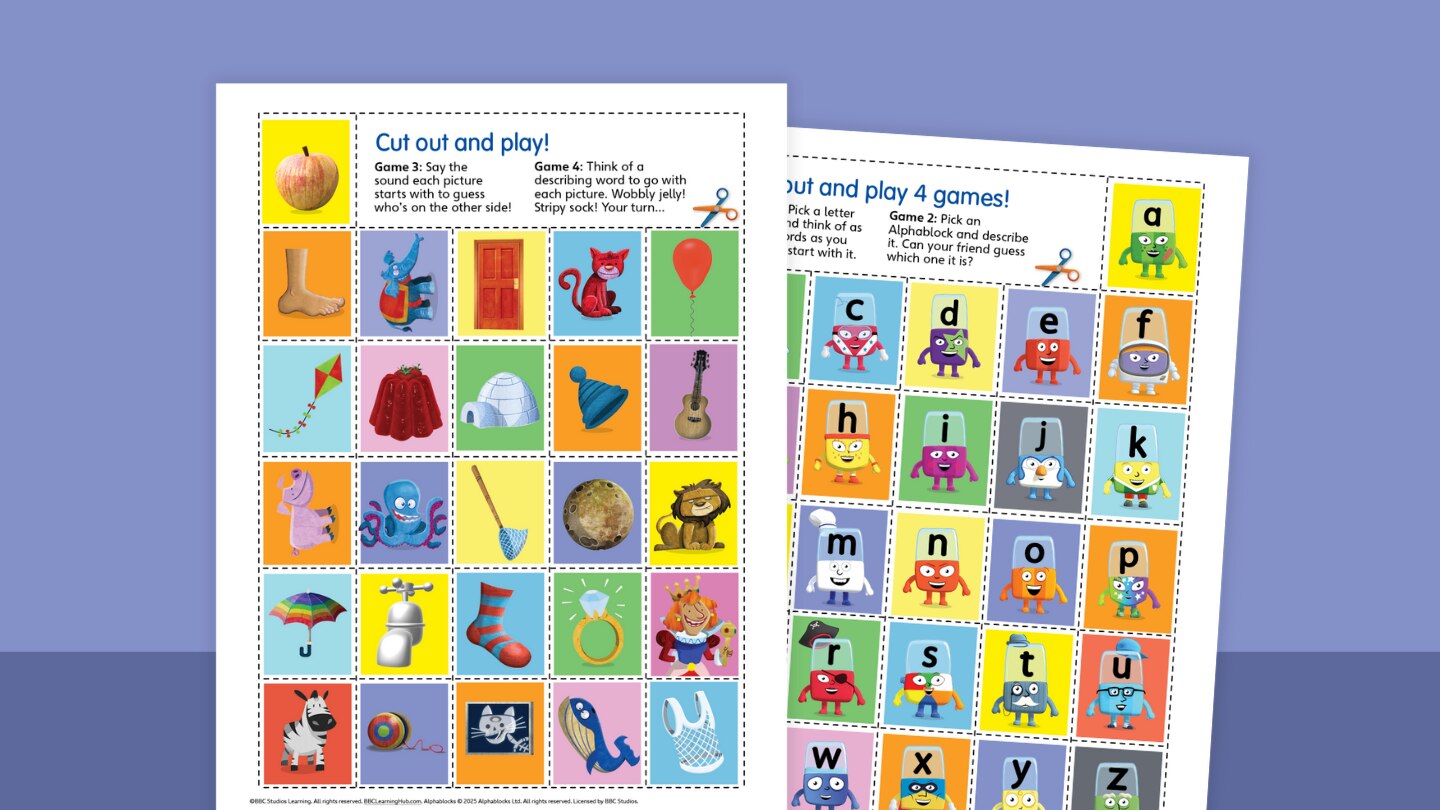
With these Alphablocks cards, you can play four fun learning games:
- Pick a letter sound and think of as many words as you can that start with it.
- Pick an Alphablock and describe it. Can your friend guess which one it is?
- Say the sound each picture starts with to guess who's on the other side!
- Think of a describing word to go with each picture. Wobbly jelly! Stripy sock! Your turn...
Watch full episodes of Alphablocks on their official YouTube channel!
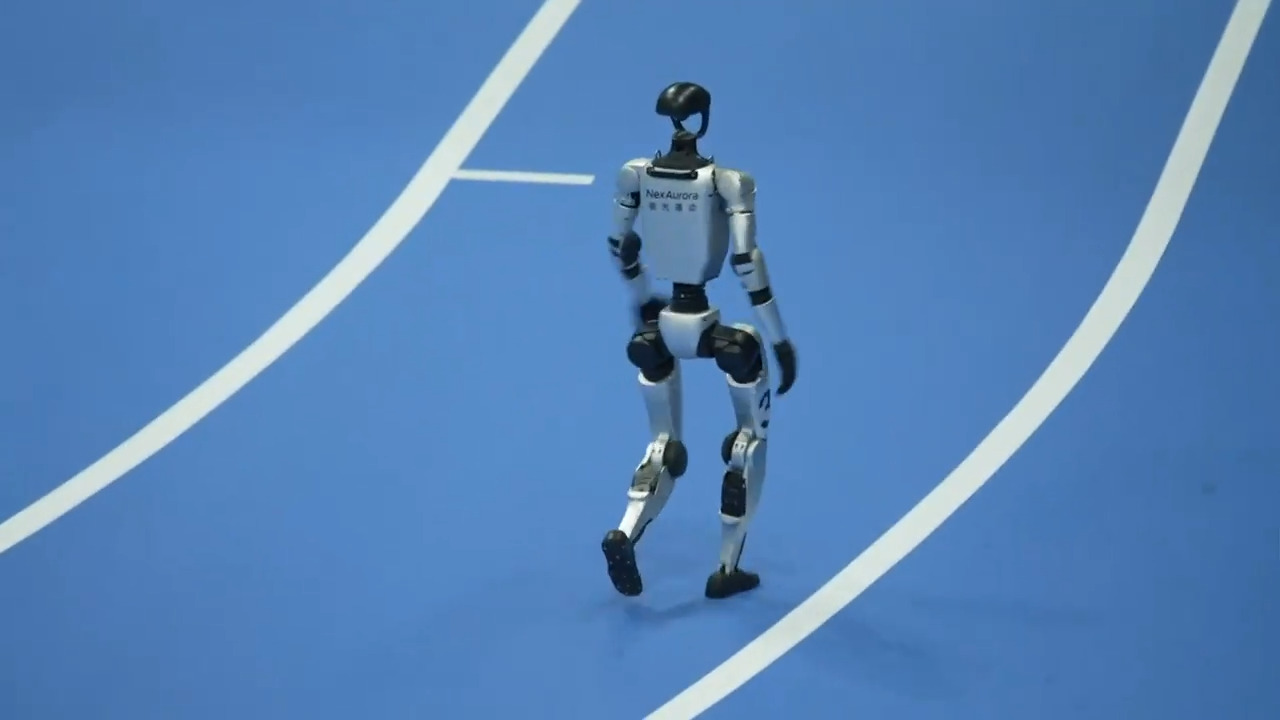
If humans have the Olympics, robots have their own ultimate showdown: the World Humanoid Robot Games in Beijing, China. It’s a high-energy mix of sport and science where humanoid robots sprint, box, and compete in athletic challenges designed to test just how “human-like” they really are.
But this isn’t just for fun (though it definitely looks fun to watch). Engineers use the competition to push their robots to the limit — testing speed, balance, coordination, and decision-making. Every stumble or success helps them figure out how to build smarter, stronger machines for the future. There’s prize money and recognition on the line too, which helps fuel a fast-growing robotics industry already backed by billions of dollars.
And no, this doesn’t mean robot athletes are about to take over your school sports day. Experts say humanoid robots are still mostly heading toward factories and specialized jobs — not everyday life. So for now, the biggest robot “athlete” you’ll probably meet is still your vacuum cleaner doing laps around the living room.
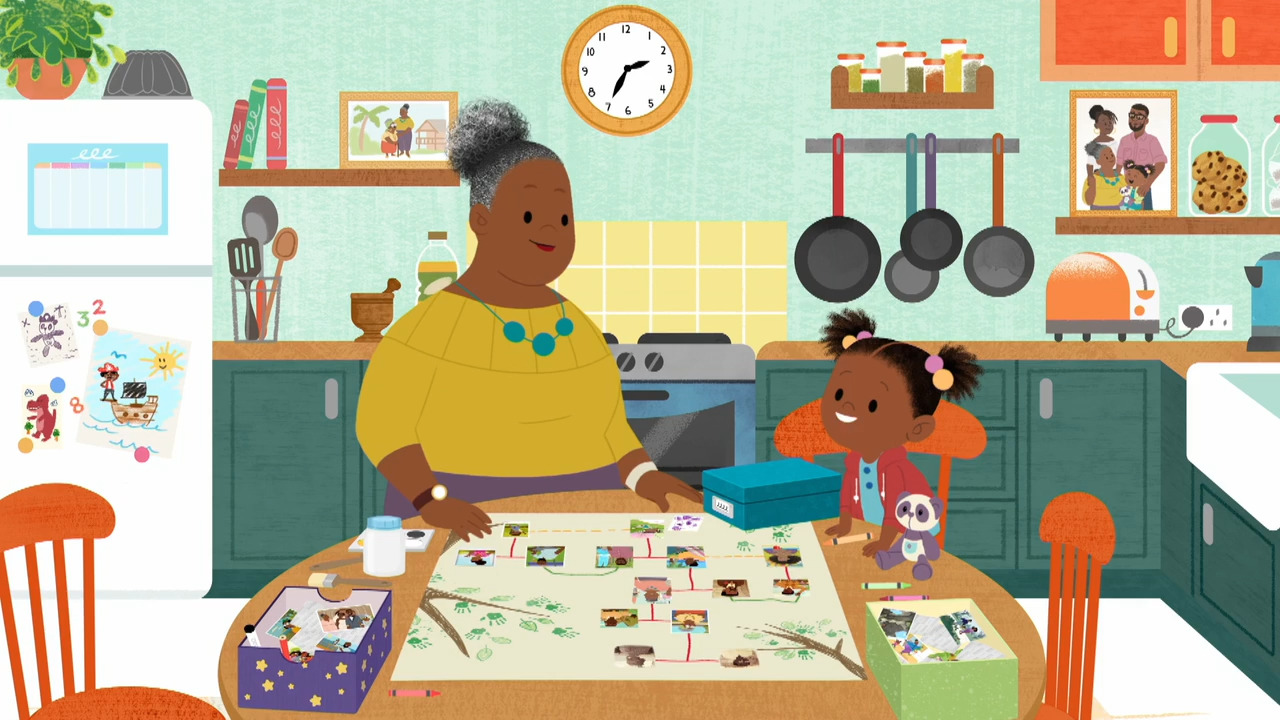
Every family has a story — and JoJo is about to find out just how big hers really is. With Gran Gran's help, she traces her roots all the way back to a great-great-gran gran, discovers that Auntie Dee is actually Mummy's cousin, and learns she was named after an ancestor called Josephine. (JoJo. Josephine. Mind. Blown.) A real-life family then gets their hands literally covered in paint to make their own handprint family tree — because what's better than turning family history into a craft project? This one's guaranteed to send kids running to ask their parents a hundred questions about grandparents and great grandparents!
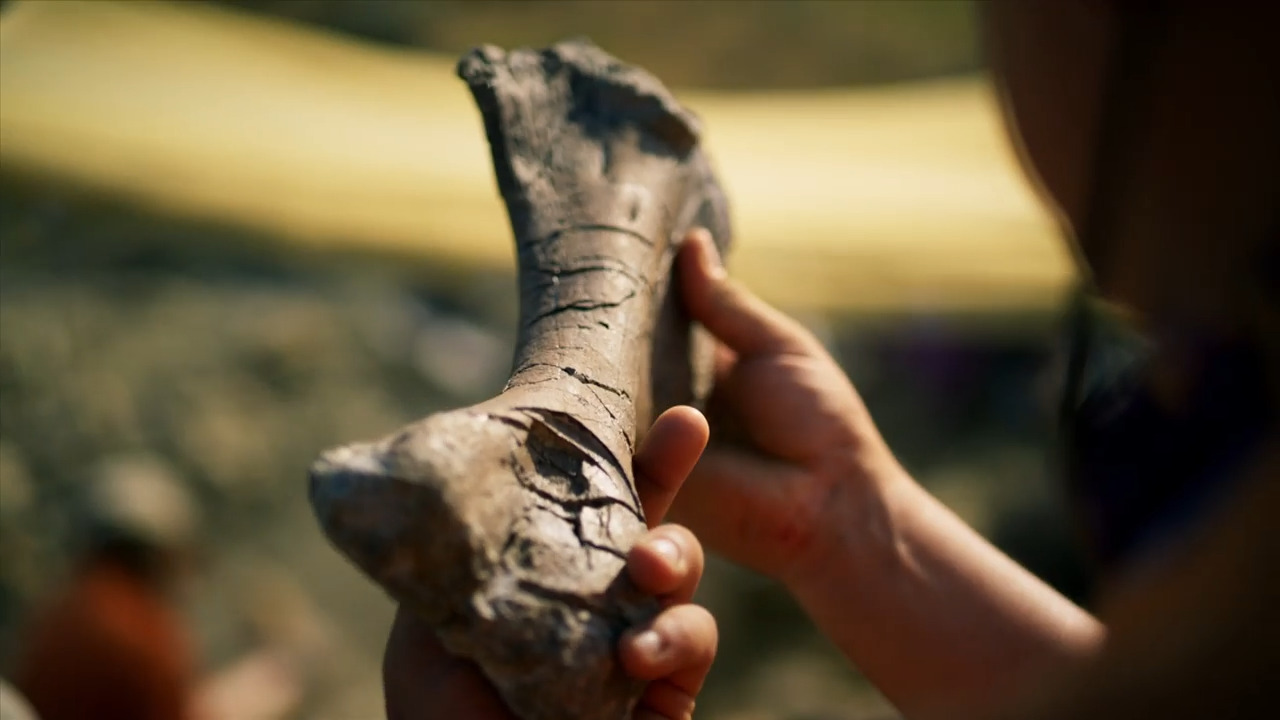
Explore the fascinating world of paleontology with "Digging Up a Baby Triceratops," a captivating clip from the iconic BBC series Walking With Dinosaurs. Join team leader Eric Lund and fossil restorer Nikki Simon as they uncover the rare remains of a young Triceratops named Clover. This video offers a unique glimpse into the life of a baby dinosaur, emphasizing the importance of teamwork and scientific inquiry. Perfect for sparking discussions about natural history and the methods of paleontologists, this engaging clip is sure to ignite curiosity in young learners. This video is included in our Walking With Dinosaurs Virtual Field Trip.
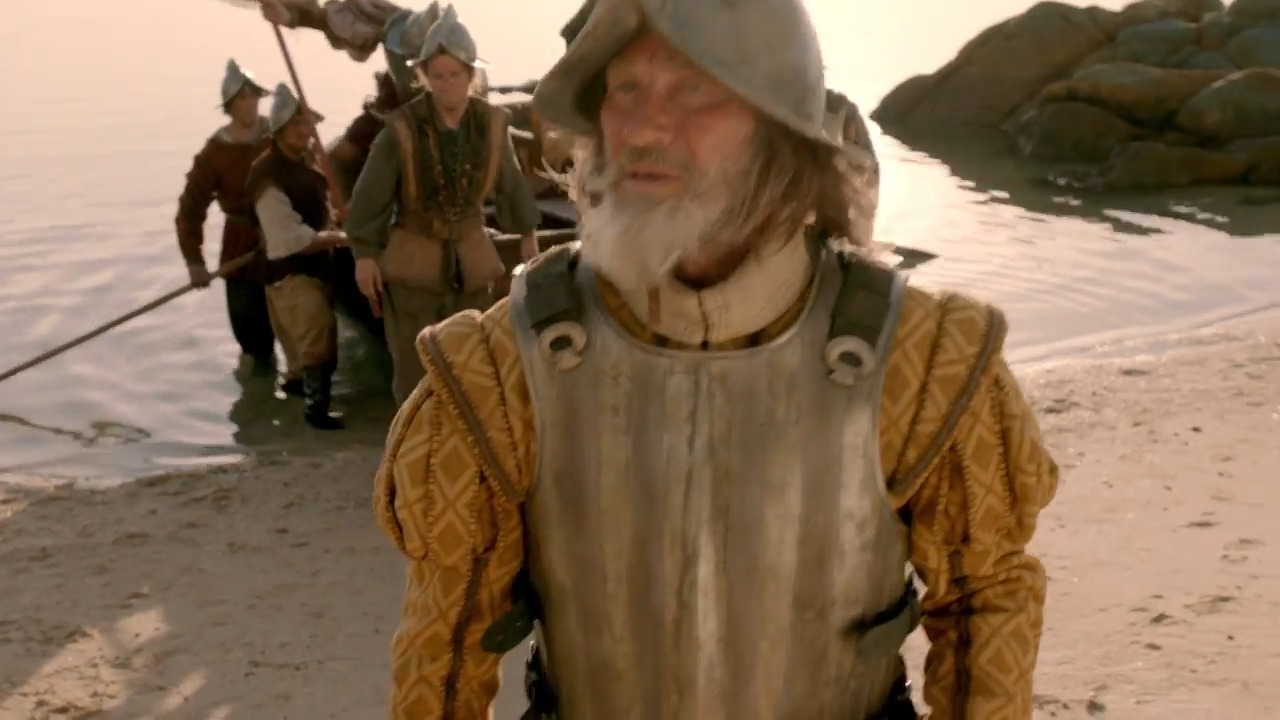
In Columbus in the New World, host Andrew Marr recounts how Christopher Columbus lands on the Bahamian island of Guanahani and decides to name it San Salvador. After meeting with the Indigenous people on the island, Columbus describes how he thinks he can claim the land for Spain, enslave the people, and convert them to Christianity. This kicks off a global gold rush. This video is excerpted from BBC’s Andrew Marr's History of the World, a story of human history that uses reenactments, modern footage, and storytelling to explain history’s greatest achievements.
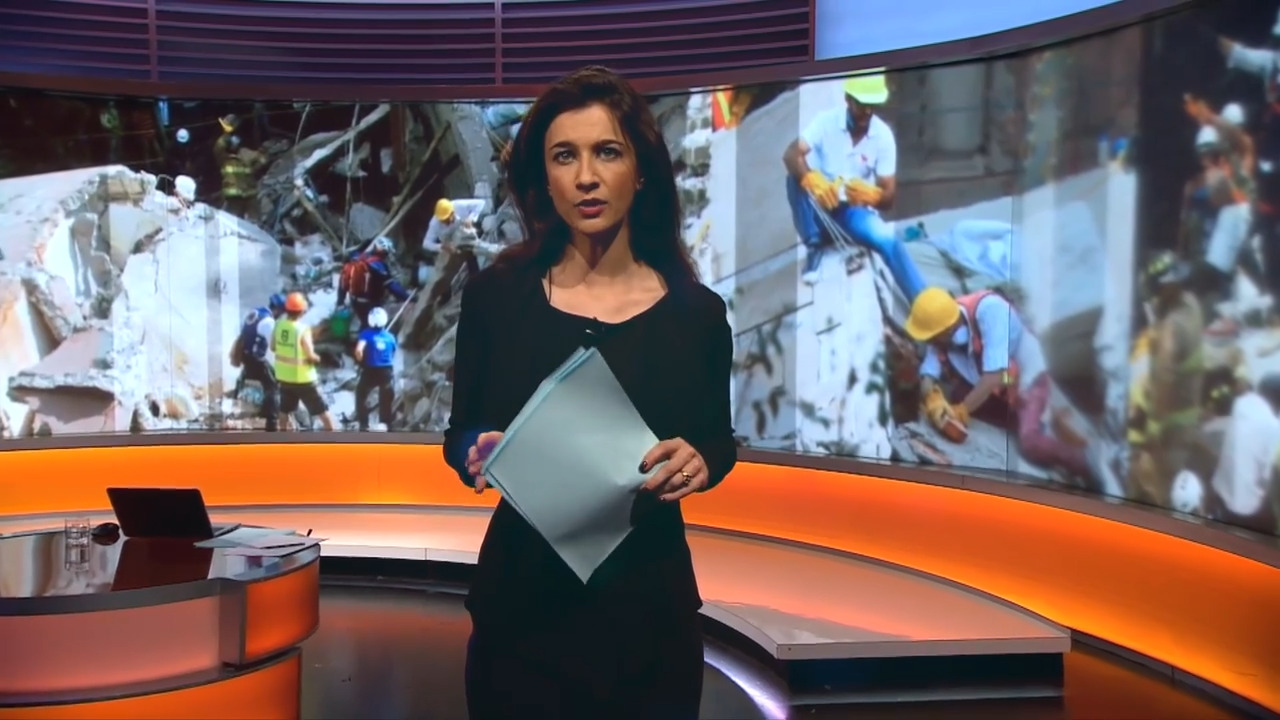
In How Do Journalists Earn Our Trust?, host Radzi Chinyanganya explains how journalists can earn our trust in a world of viral social media and misinformation. He highlights the importance of accuracy in the story of a rescue operation of a little girl named Frida Sofia after a devastating earthquake in September of 2017 in Mexico. International media, including The New York Times and the Associated Press, picked up the story and Frida went viral. In the end, the story wasn’t based on fact, and no one named Frida had ever even attended the school. Being transparent and admitting their mistakes can help journalists earn trust. This video is excerpted from BBC’s My World, a program created for teenagers eager to learn more about the important stories shaping our world.
The article "Elephants Call Each Other by Name, Study Finds" from BBC's Discover Wildlife reveals that wild African elephants may use special sounds like names to call one another. Researchers found that elephants respond more when their name is called, suggesting they recognize and understand it. This discovery shows elephants may be capable of abstract thinking, like humans.
In James K. Polk and the Push West, learn how President James K. Polk pursued the goal of expanding the United States from the Atlantic to the Pacific. Polk oversaw the annexation of Texas, negotiated the Oregon Territory with Britain, and led the country through the Mexican-American War, securing California and other western lands. His presidency was marked by rapid territorial growth and national ambition, though it came with significant casualties and controversy.
In James Monroe, the Monroe Doctrine, and a Growing Nation, learn how President James Monroe led the United States during a period of rising national pride and optimism after the War of 1812. His administration obtained Florida from Spain, and in 1823, Monroe issued the Monroe Doctrine, declaring the Western Hemisphere closed to new European colonies while pledging U.S. neutrality in European conflicts. These actions helped establish the United States as a full-fledged nation, though the "Era of Good Feelings" would eventually come to a bitter end as political and sectional tensions resurfaced.
The article "What Were the Ancient Olympics Like? Take a Visit to the Games of 436BC" from BBC's HistoryExtra is a time-travel guide to one of the greatest sporting events of the ancient world. With vivid descriptions of travel, food, competition, and cultural traditions, readers explore the five-day festival in Olympia. From brutal pankration to sacred feasts for Zeus, the ancient Games come vividly to life.
Make a die and play some games! Here's how to play:
- Cut along the dashed lines and fold along the dotted lines on the die.
- Stick the tabs inside.
- Roll the die and say the sound.
- Think of a word that has that sound.
- Make a word that has that sound with your tiles.
Watch full episodes of Alphablocks on their official YouTube channel!
With these Alphablocks cards, you can play four fun learning games:
- Pick a letter sound and think of as many words as you can that start with it.
- Pick an Alphablock and describe it. Can your friend guess which one it is?
- Say the sound each picture starts with to guess who's on the other side!
- Think of a describing word to go with each picture. Wobbly jelly! Stripy sock! Your turn...
Watch full episodes of Alphablocks on their official YouTube channel!
If humans have the Olympics, robots have their own ultimate showdown: the World Humanoid Robot Games in Beijing, China. It’s a high-energy mix of sport and science where humanoid robots sprint, box, and compete in athletic challenges designed to test just how “human-like” they really are.
But this isn’t just for fun (though it definitely looks fun to watch). Engineers use the competition to push their robots to the limit — testing speed, balance, coordination, and decision-making. Every stumble or success helps them figure out how to build smarter, stronger machines for the future. There’s prize money and recognition on the line too, which helps fuel a fast-growing robotics industry already backed by billions of dollars.
And no, this doesn’t mean robot athletes are about to take over your school sports day. Experts say humanoid robots are still mostly heading toward factories and specialized jobs — not everyday life. So for now, the biggest robot “athlete” you’ll probably meet is still your vacuum cleaner doing laps around the living room.
Every family has a story — and JoJo is about to find out just how big hers really is. With Gran Gran's help, she traces her roots all the way back to a great-great-gran gran, discovers that Auntie Dee is actually Mummy's cousin, and learns she was named after an ancestor called Josephine. (JoJo. Josephine. Mind. Blown.) A real-life family then gets their hands literally covered in paint to make their own handprint family tree — because what's better than turning family history into a craft project? This one's guaranteed to send kids running to ask their parents a hundred questions about grandparents and great grandparents!
Explore the fascinating world of paleontology with "Digging Up a Baby Triceratops," a captivating clip from the iconic BBC series Walking With Dinosaurs. Join team leader Eric Lund and fossil restorer Nikki Simon as they uncover the rare remains of a young Triceratops named Clover. This video offers a unique glimpse into the life of a baby dinosaur, emphasizing the importance of teamwork and scientific inquiry. Perfect for sparking discussions about natural history and the methods of paleontologists, this engaging clip is sure to ignite curiosity in young learners. This video is included in our Walking With Dinosaurs Virtual Field Trip.
In Columbus in the New World, host Andrew Marr recounts how Christopher Columbus lands on the Bahamian island of Guanahani and decides to name it San Salvador. After meeting with the Indigenous people on the island, Columbus describes how he thinks he can claim the land for Spain, enslave the people, and convert them to Christianity. This kicks off a global gold rush. This video is excerpted from BBC’s Andrew Marr's History of the World, a story of human history that uses reenactments, modern footage, and storytelling to explain history’s greatest achievements.
In How Do Journalists Earn Our Trust?, host Radzi Chinyanganya explains how journalists can earn our trust in a world of viral social media and misinformation. He highlights the importance of accuracy in the story of a rescue operation of a little girl named Frida Sofia after a devastating earthquake in September of 2017 in Mexico. International media, including The New York Times and the Associated Press, picked up the story and Frida went viral. In the end, the story wasn’t based on fact, and no one named Frida had ever even attended the school. Being transparent and admitting their mistakes can help journalists earn trust. This video is excerpted from BBC’s My World, a program created for teenagers eager to learn more about the important stories shaping our world.