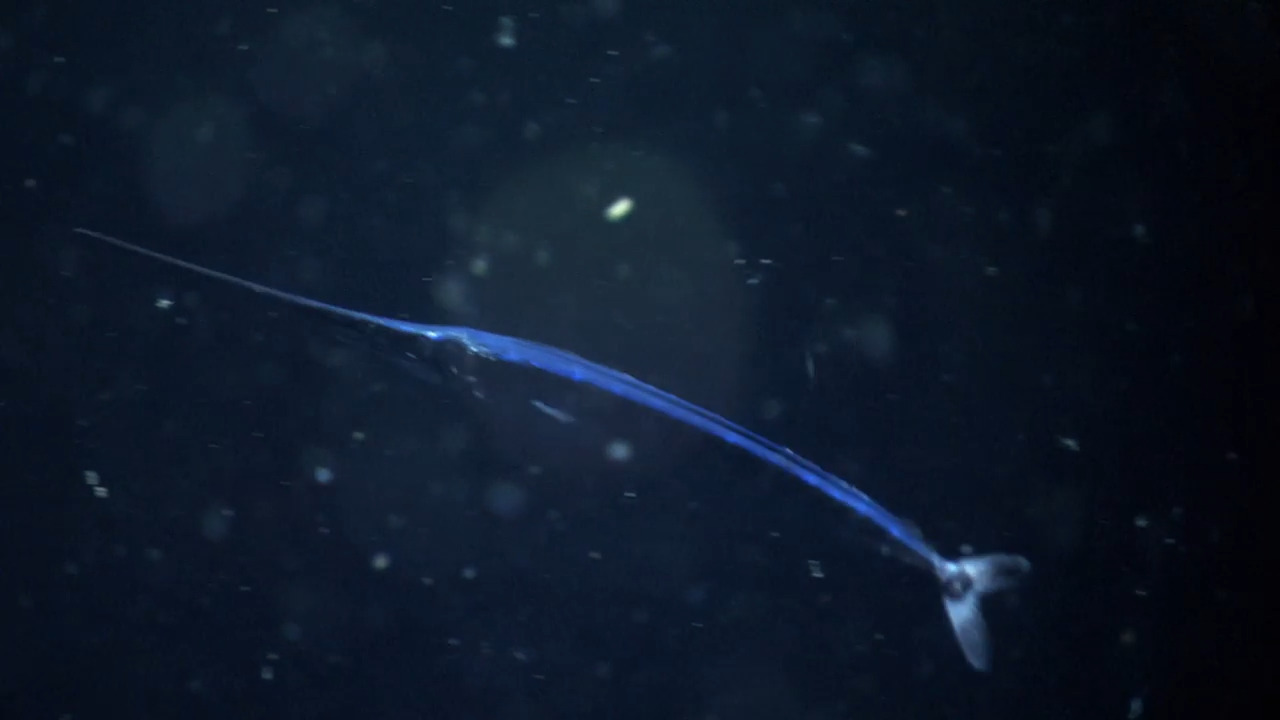
In The Nocturnal Migration of Plankton, narrator David Attenborough explains how plankton retreats into the ocean depths as the Sun rises. To follow them, we descend in a submarine where pressure increases, and temperatures drop. At 500 meters (1,640 feet) below, strange creatures emerge. Organic particles, known as marine snow, drift down, serving as food for many animals like the sea spider, which uses feathered leg-like appendages to capture it. Meanwhile, the sawtooth eel waits motionless, ready to strike at silhouetted prey swimming near the faint glow from the surface. This video is excerpted from BBC’s Planet Earth, a breathtaking documentary series that highlights the natural wonders of our planet.
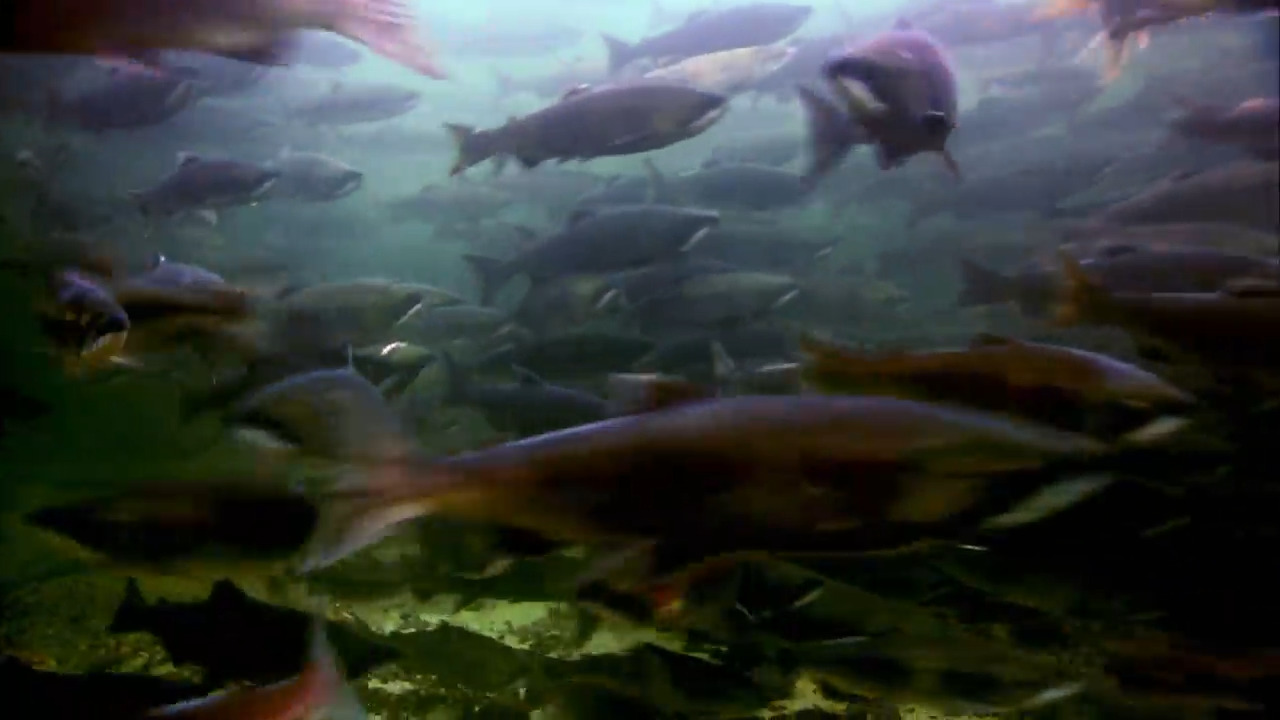
In The Great Salmon Migration, narrator Sir David Attenborough explains that in the world's largest fresh-water fish migration, salmon migrate upstream to where there are fewer predators to eat their eggs. Grizzly bears, however, threaten the fish. This video is excerpted from BBC's Planet Earth, a breathtaking documentary series that highlights the natural wonders of our planet.
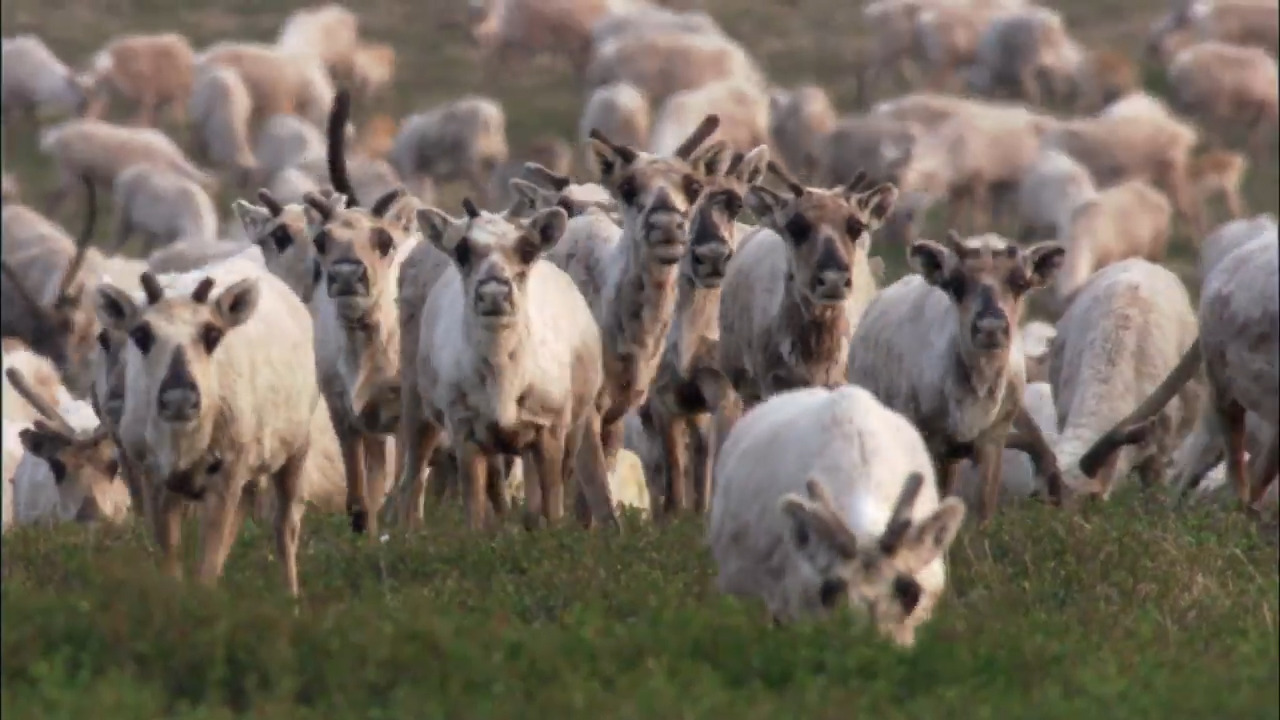
In The World's Longest Overland Migration, narrator Sir David Attenborough takes us above the Arctic tundra to see millions of caribou, along with their newborn calves, migrate thousands of miles as they are pursued by hungry wolves. This video is excerpted from BBC's Planet Earth, a breathtaking documentary series that highlights the natural wonders of our planet.
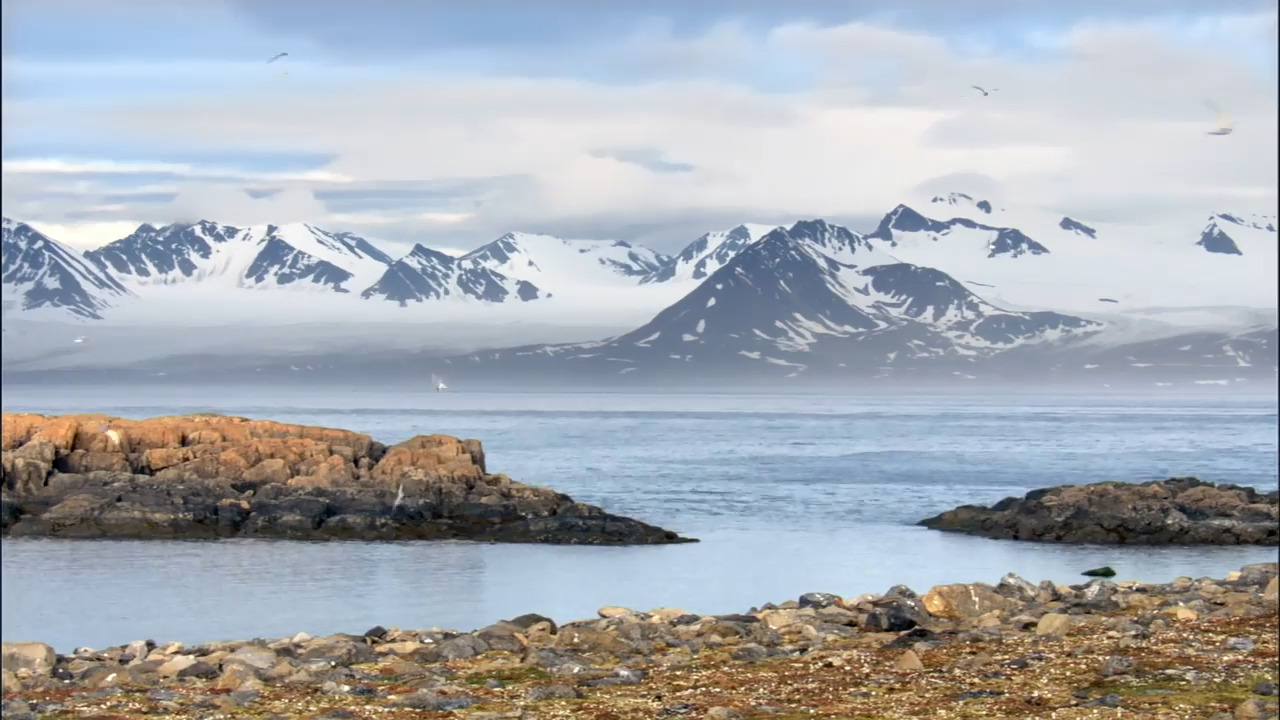
In Welcome to the Arctic: Summer Migration, narrator Sir David Attenborough describes how birds, including the Arctic terns, red phalaropes, and more have flown to the Arctic to enjoy the feeding grounds during summer. This video is excerpted from BBC’s Frozen Planet, a series that shows a fragile world of beauty and hostility, where nature finds a way to survive and thrive in frigid conditions.

In Gray Whales and Their Long Migration, narrator Sir David Attenborough describes the gray whale’s long migration from Mexico to Alaska where they feed on krill. Whale cows must wait until their young are strong enough to make the journey. This video is excerpted from BBC’s Blue Planet, a definitive documentary series diving into the mysterious depths of the sea to discover the natural history of the world’s oceans and the rarely seen marine life that reside there.
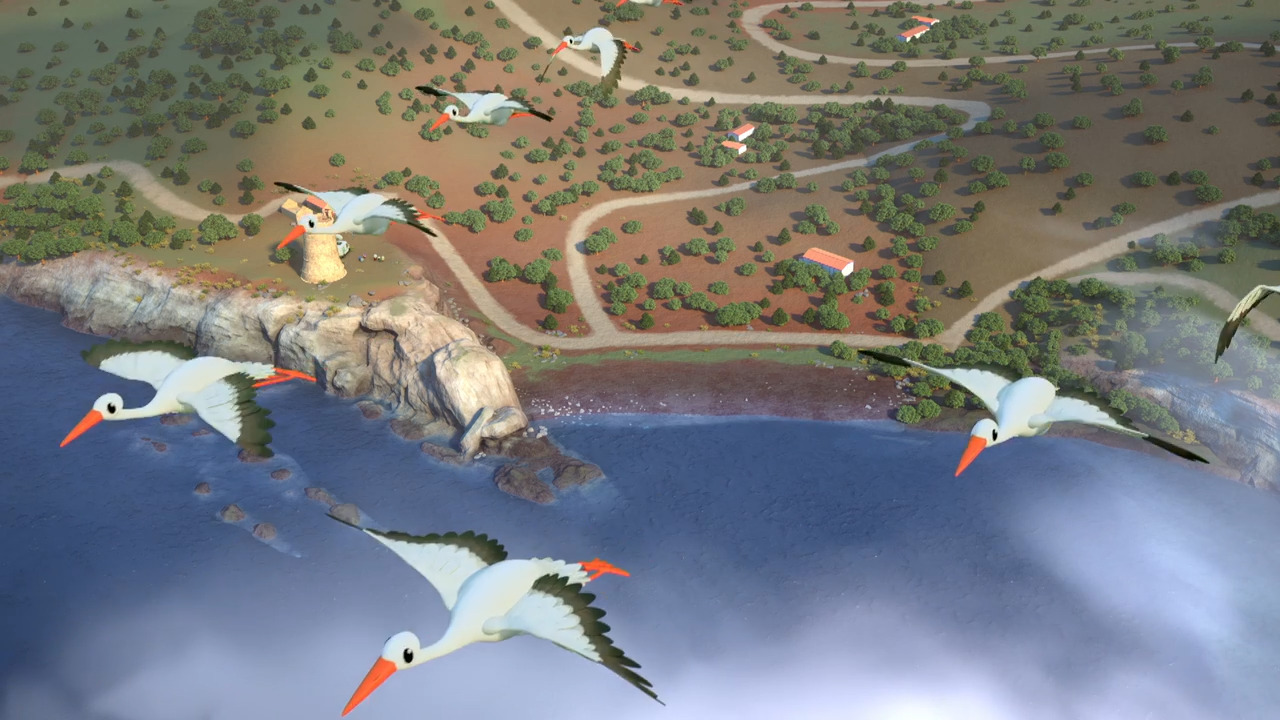
In The Go Jetters and the Great Stork Migration, the Go Jetters crew is preparing baby storks to take to the sky on their annual migration from Spain to Africa. Ubercorn shares funky facts about bird migration, like why they fly in a V formation and how baby storks know where to go when they migrate. This video is excerpted from BBC’s Go Jetters, a series that follows the adventures of four international heroes as they travel the globe visiting landmarks and solving environmental problems with Ubercorn, a disco-dancing unicorn.
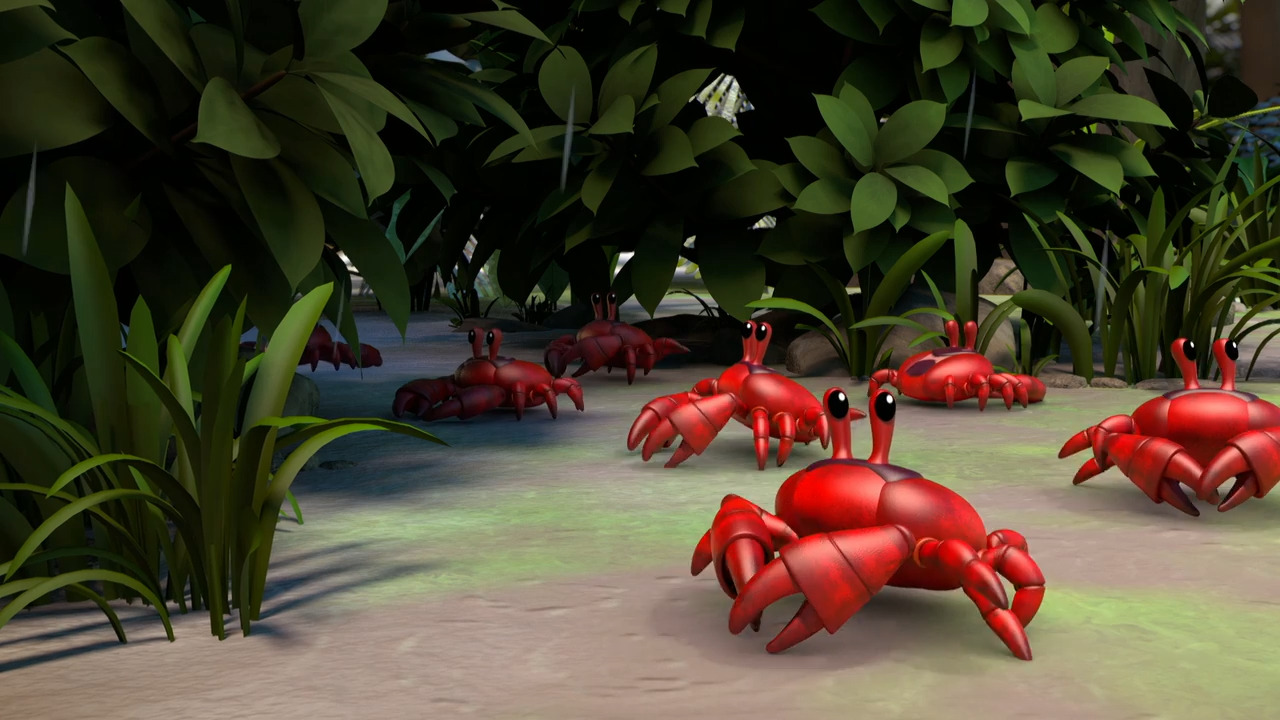
In The Go Jetters Learn About the Christmas Island Crab Migration, the Go Jetters crew visits Christmas Island to learn about the annual red crab migration. Ubercorn shares funky facts about the island and how the islanders help the crabs during their migration from the center of the island to the sea. This video is excerpted from BBC’s Go Jetters, a series that follows the adventures of four international heroes as they travel the globe visiting landmarks and solving environmental problems with Ubercorn, a disco-dancing unicorn.
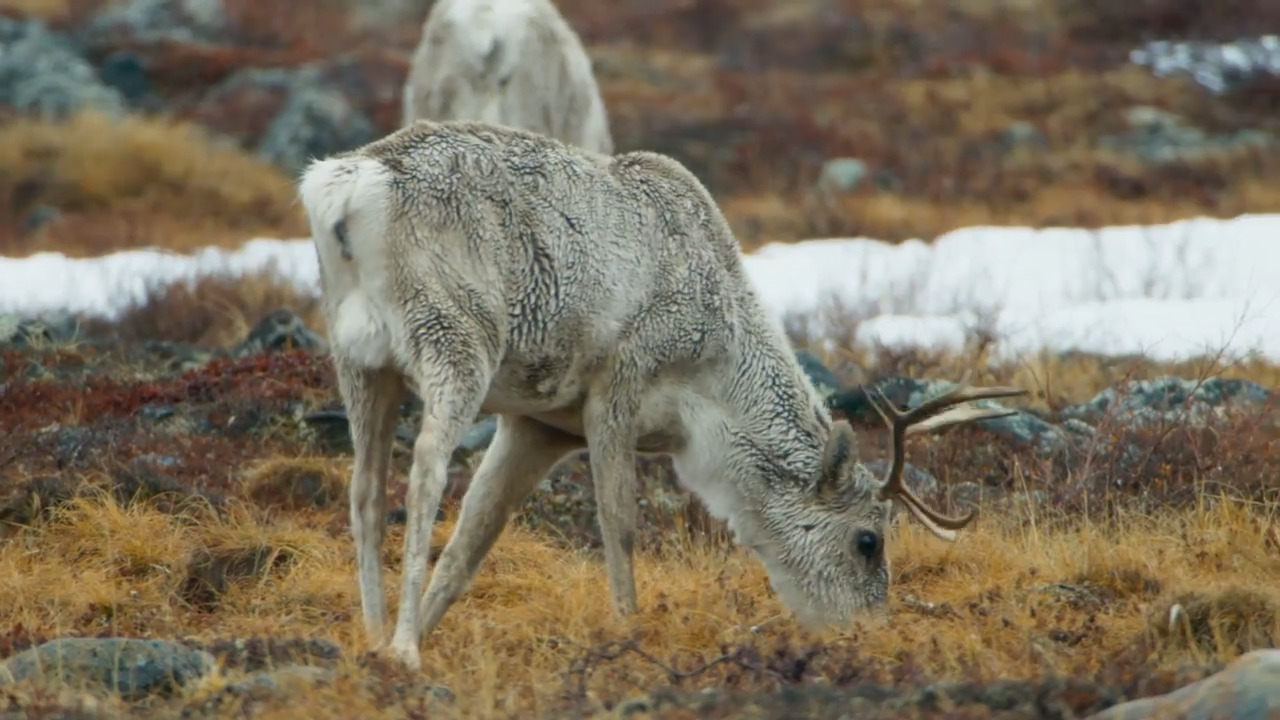
In A Caribou Migration Across the Tundra, follow narrator Sir David Attenborough on an incredible journey as caribou calves embark on their first migration across the Arctic tundra. Watch their determination and resilience as they encounter predators and navigate the difficulties of their surroundings. This video is excerpted from BBC’s Planet Earth II, a breathtaking documentary series that highlights the natural wonders of our planet.
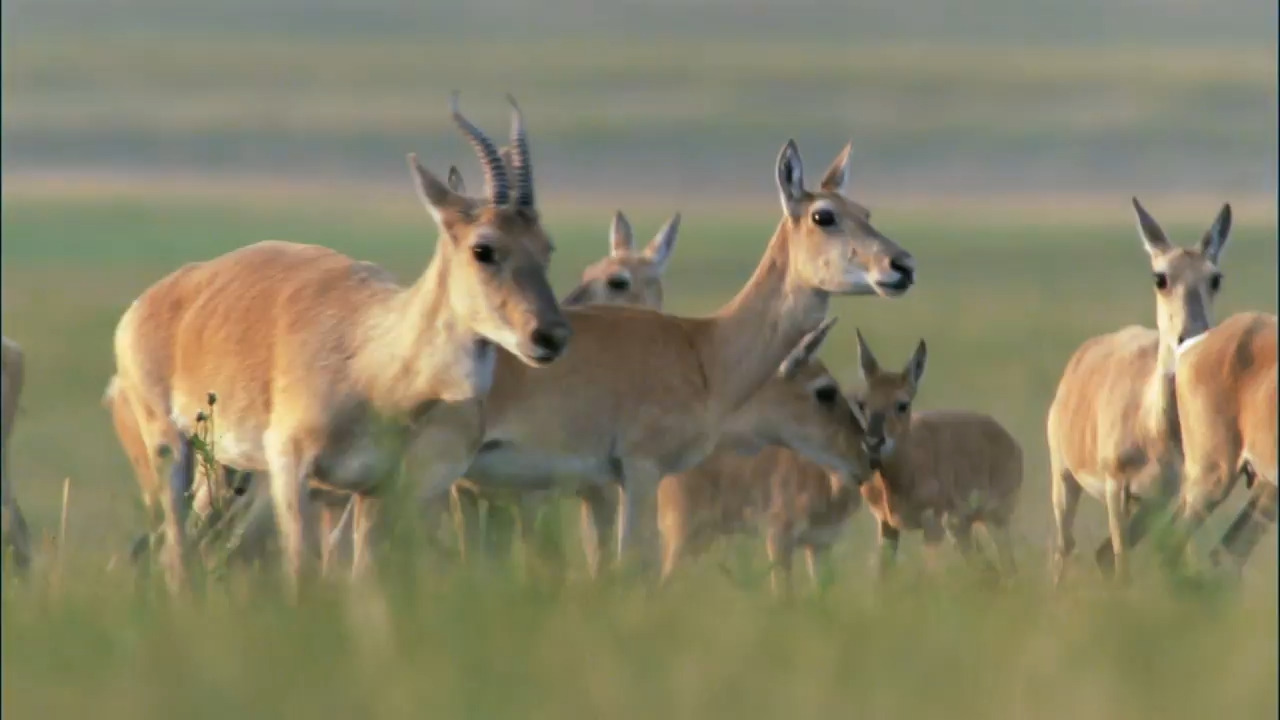
In Extraordinary Migration of Mongolian Gazelles, narrator Sir David Attenborough explains how gazelles all come together once a year, and nearly all gazelle calves are born within the space of 10 days. This provides protection against predators in an environment where there are few places to hide. This video is excerpted from BBC's Planet Earth, a breathtaking documentary series that highlights the natural wonders of our planet.
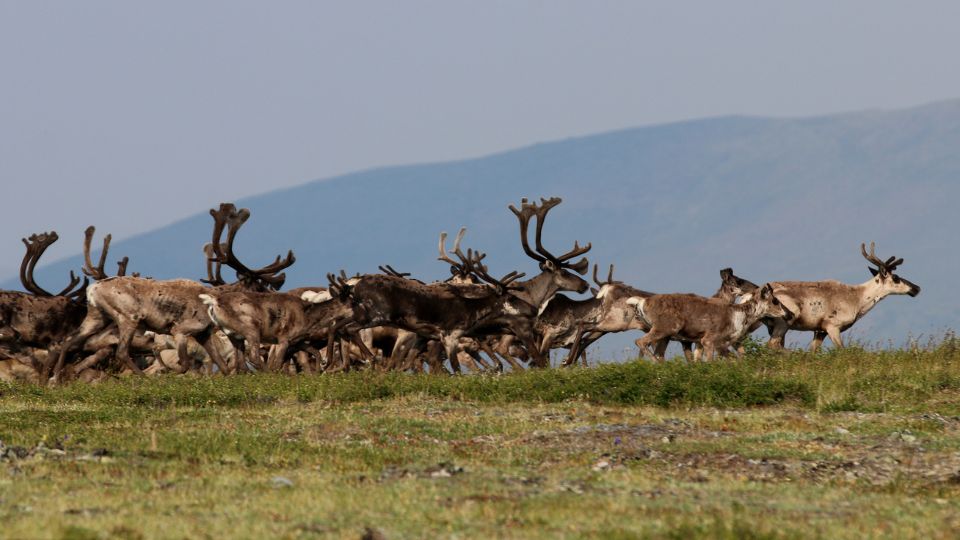
Join one of the greatest gatherings on Planet Earth! First watch The Desert Locust Finds New Feeding Grounds, a short clip from the award-winning BBC series Planet Earth. Sir David Attenborough takes you on an incredible journey as caribou calves embark on their first migration across the Arctic tundra. Watch their determination and resilience as they encounter predators and navigate the difficulties of their surroundings.
Once your students have watched the video, invite them to check for understanding with this quick, 8-question quiz!
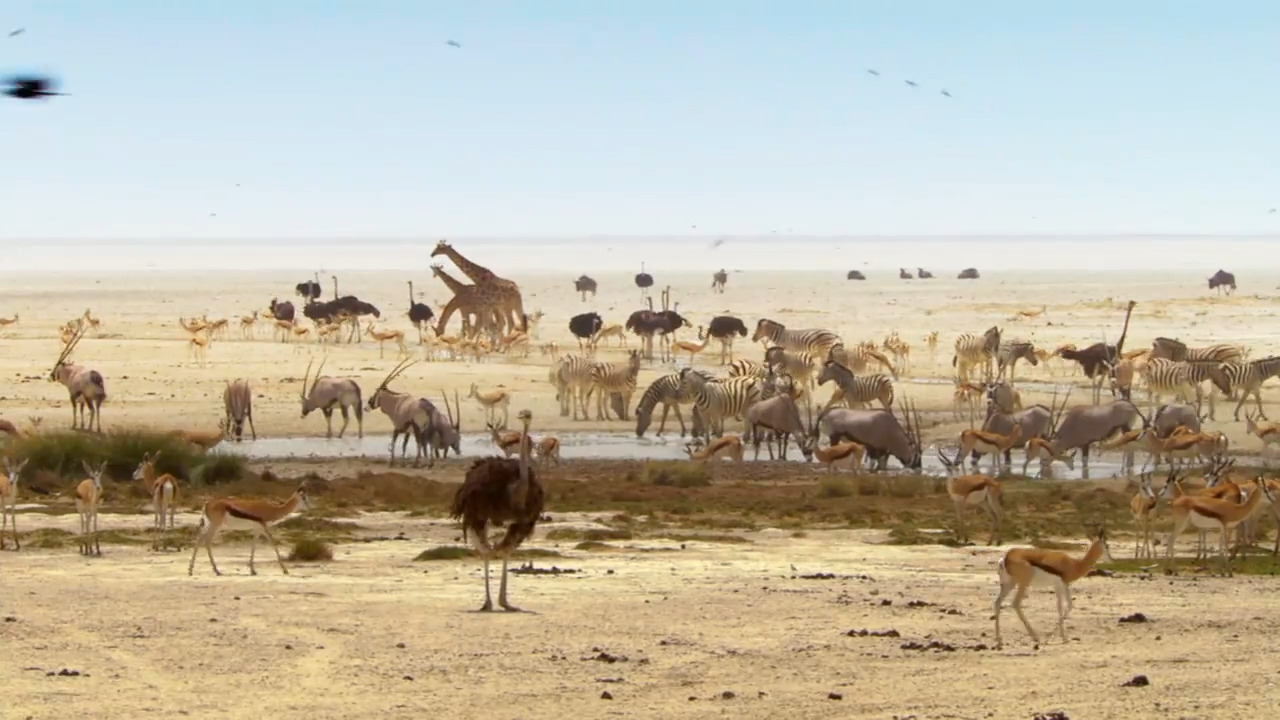
In The Incredible Migrations of the Kalahari, narrator Sir David Attenborough shows how animals like zebras and elephants navigate the harsh environment of the Kalahari Desert. Using instinct and memory, they undertake incredible migrations to find scarce water supplies during the dry season, demonstrating remarkable adaptation and resilience. This video is excerpted from BBC’s Planet Earth II, a breathtaking documentary series that highlights the natural wonders of our planet.
In The Nocturnal Migration of Plankton, narrator David Attenborough explains how plankton retreats into the ocean depths as the Sun rises. To follow them, we descend in a submarine where pressure increases, and temperatures drop. At 500 meters (1,640 feet) below, strange creatures emerge. Organic particles, known as marine snow, drift down, serving as food for many animals like the sea spider, which uses feathered leg-like appendages to capture it. Meanwhile, the sawtooth eel waits motionless, ready to strike at silhouetted prey swimming near the faint glow from the surface. This video is excerpted from BBC’s Planet Earth, a breathtaking documentary series that highlights the natural wonders of our planet.
In The Great Salmon Migration, narrator Sir David Attenborough explains that in the world's largest fresh-water fish migration, salmon migrate upstream to where there are fewer predators to eat their eggs. Grizzly bears, however, threaten the fish. This video is excerpted from BBC's Planet Earth, a breathtaking documentary series that highlights the natural wonders of our planet.
In The World's Longest Overland Migration, narrator Sir David Attenborough takes us above the Arctic tundra to see millions of caribou, along with their newborn calves, migrate thousands of miles as they are pursued by hungry wolves. This video is excerpted from BBC's Planet Earth, a breathtaking documentary series that highlights the natural wonders of our planet.
In Welcome to the Arctic: Summer Migration, narrator Sir David Attenborough describes how birds, including the Arctic terns, red phalaropes, and more have flown to the Arctic to enjoy the feeding grounds during summer. This video is excerpted from BBC’s Frozen Planet, a series that shows a fragile world of beauty and hostility, where nature finds a way to survive and thrive in frigid conditions.
In Gray Whales and Their Long Migration, narrator Sir David Attenborough describes the gray whale’s long migration from Mexico to Alaska where they feed on krill. Whale cows must wait until their young are strong enough to make the journey. This video is excerpted from BBC’s Blue Planet, a definitive documentary series diving into the mysterious depths of the sea to discover the natural history of the world’s oceans and the rarely seen marine life that reside there.
In The Go Jetters and the Great Stork Migration, the Go Jetters crew is preparing baby storks to take to the sky on their annual migration from Spain to Africa. Ubercorn shares funky facts about bird migration, like why they fly in a V formation and how baby storks know where to go when they migrate. This video is excerpted from BBC’s Go Jetters, a series that follows the adventures of four international heroes as they travel the globe visiting landmarks and solving environmental problems with Ubercorn, a disco-dancing unicorn.
In The Go Jetters Learn About the Christmas Island Crab Migration, the Go Jetters crew visits Christmas Island to learn about the annual red crab migration. Ubercorn shares funky facts about the island and how the islanders help the crabs during their migration from the center of the island to the sea. This video is excerpted from BBC’s Go Jetters, a series that follows the adventures of four international heroes as they travel the globe visiting landmarks and solving environmental problems with Ubercorn, a disco-dancing unicorn.
In A Caribou Migration Across the Tundra, follow narrator Sir David Attenborough on an incredible journey as caribou calves embark on their first migration across the Arctic tundra. Watch their determination and resilience as they encounter predators and navigate the difficulties of their surroundings. This video is excerpted from BBC’s Planet Earth II, a breathtaking documentary series that highlights the natural wonders of our planet.
In Extraordinary Migration of Mongolian Gazelles, narrator Sir David Attenborough explains how gazelles all come together once a year, and nearly all gazelle calves are born within the space of 10 days. This provides protection against predators in an environment where there are few places to hide. This video is excerpted from BBC's Planet Earth, a breathtaking documentary series that highlights the natural wonders of our planet.
Join one of the greatest gatherings on Planet Earth! First watch The Desert Locust Finds New Feeding Grounds, a short clip from the award-winning BBC series Planet Earth. Sir David Attenborough takes you on an incredible journey as caribou calves embark on their first migration across the Arctic tundra. Watch their determination and resilience as they encounter predators and navigate the difficulties of their surroundings.
Once your students have watched the video, invite them to check for understanding with this quick, 8-question quiz!
In The Incredible Migrations of the Kalahari, narrator Sir David Attenborough shows how animals like zebras and elephants navigate the harsh environment of the Kalahari Desert. Using instinct and memory, they undertake incredible migrations to find scarce water supplies during the dry season, demonstrating remarkable adaptation and resilience. This video is excerpted from BBC’s Planet Earth II, a breathtaking documentary series that highlights the natural wonders of our planet.