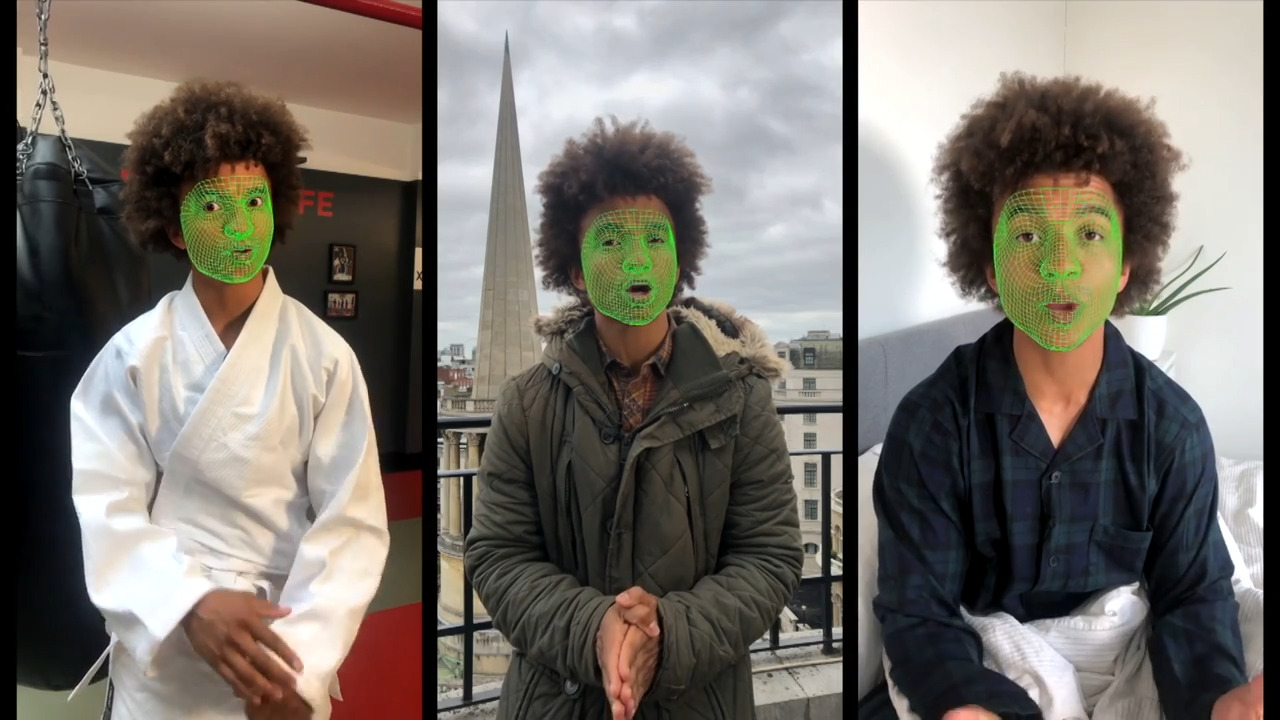
In Is Digital Media Reliable?, host Radzi Chinyanganya explores the emerging technology of deep fakes and its implications for the media, politics, and society. This video explains how deep fake videos, which use artificial intelligence to manipulate images and sound, can create realistic yet entirely fabricated content. Learn how deep fakes are made, discuss their potential uses (both harmful and harmless), and examine the dangers they pose in spreading misinformation. This video is excerpted from BBC’s My World, a program created for teenagers eager to learn more about the important stories shaping our world.
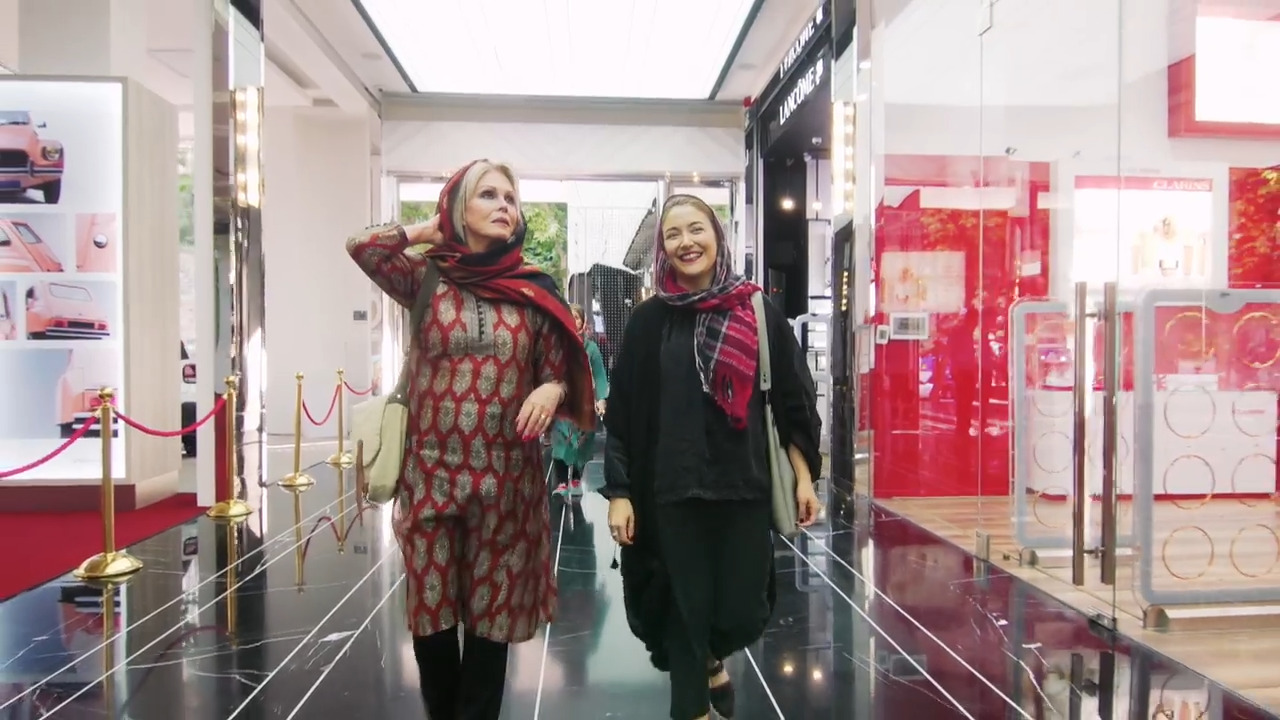
In Challenging Preconceptions of Iran, host Joanna Lumley visits a shopping mall in Tehran. As she explores the mall, her guide explains how the use of social media by young people in Iran is helping to connect individuals and shift some attitudes about life in the country. Through this experience, Joanna gains a deeper understanding of the evolving social landscape of Iran, highlighting how modern technology and cultural traditions intersect in the lives of its people. This video is excerpted from BBC’s Joanna Lumley’s Silk Road Adventure, a documentary series uncovering the rich history and cultural treasures of the Silk Road.
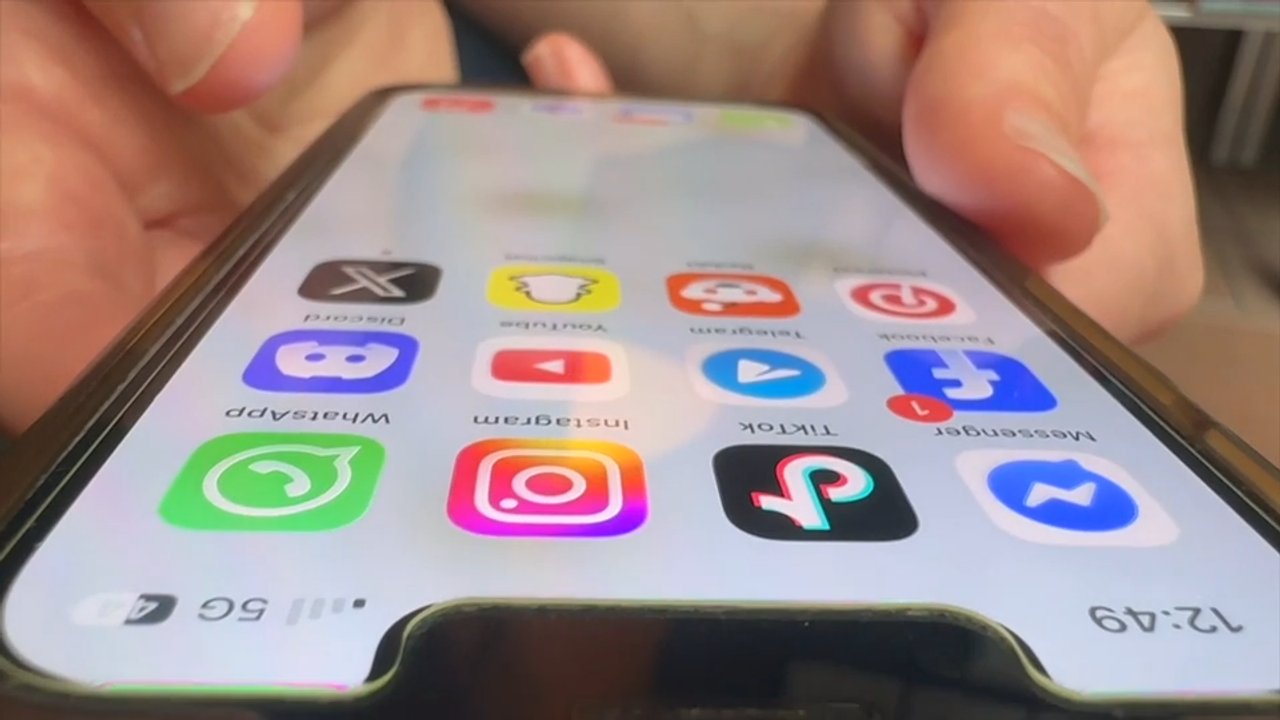
The UK might be looking at 2027 with a lot less scrolling and far fewer TikTok dances, as Prime Minister (at the time) Kier Starmer announced plans to ban people under 16 from using social media, planned for spring.
Many of the ban's strongest supporters are parents who lost children in cases linked to online harms and have been campaigning for this for years. Though they’re happy about the announcement, there’s still some skepticism about how the ban will actually work, the logistics of how it will be enforced, and what sort of pushback there will be.
Even before taking effect, the proposal has sparked debate. Some people argue the ban is too strict and that better guidance, education, and parental controls would be more effective. Others point out that many teenagers use social media to stay in touch with friends and family. Some also worry the ban could give parents a false sense of security if they rely on it instead of staying involved in their children's online lives.
Tech companies argue the ban may not keep children as safe as supporters hope, as a ban on widely-used platforms might push some young people toward less-regulated online spaces that aren’t included in the ban or entice them to find a work-around for the age verification.
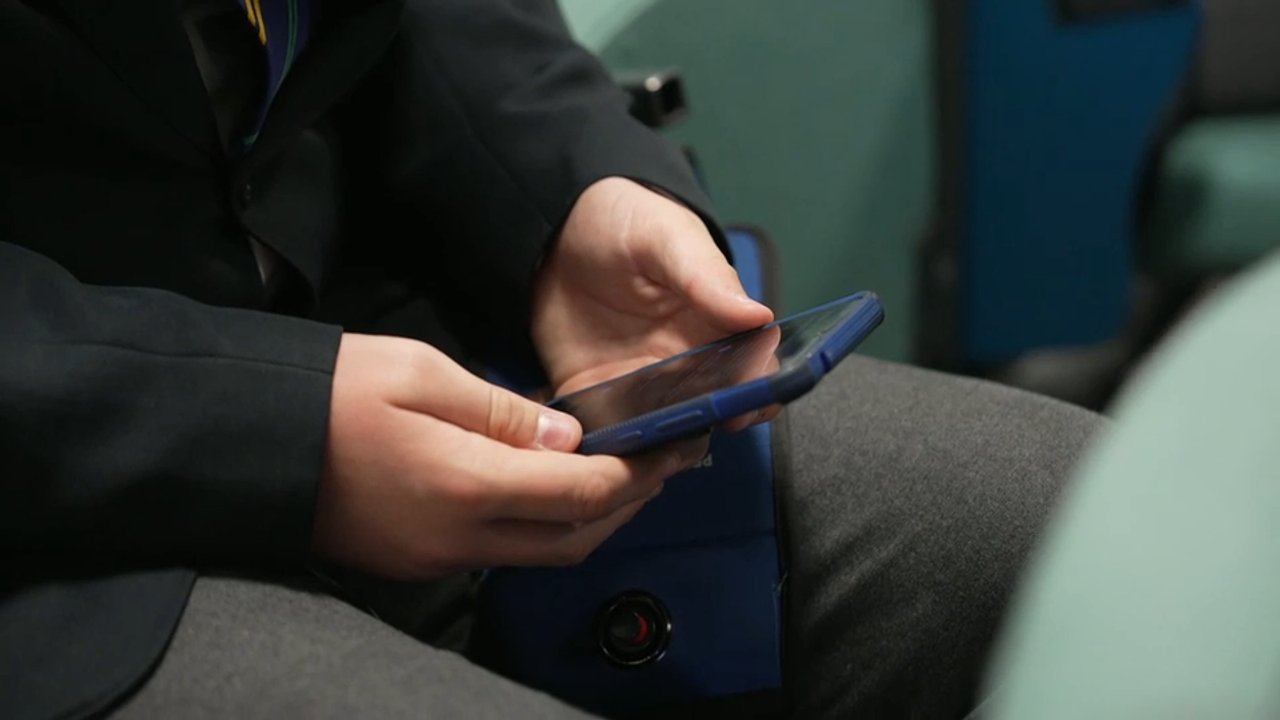
Some high school students recently swapped their smartphones for basic "brick" phones — the kind with no social media or apps, just texting, calling, and the classic game Snake.
The three-week experiment offered a preview of what life might look like once the UK's proposed ban on social media for under-16s takes effect next year. Calls to limit young people's social media use have been building for years, as critics argue some app features are designed to keep users scrolling. Some young people spend up to 20 hours a day on screens, which can affect sleep and time for schoolwork. Many students — along with their parents or carers — say they're struggling to manage screen time.
Feedback from the students was mixed. Some missed chatting with friends online and keeping up with trends. Others found they spent more time outdoors or with family and friends in person. Many said they didn't end up missing screen time as much as they expected.
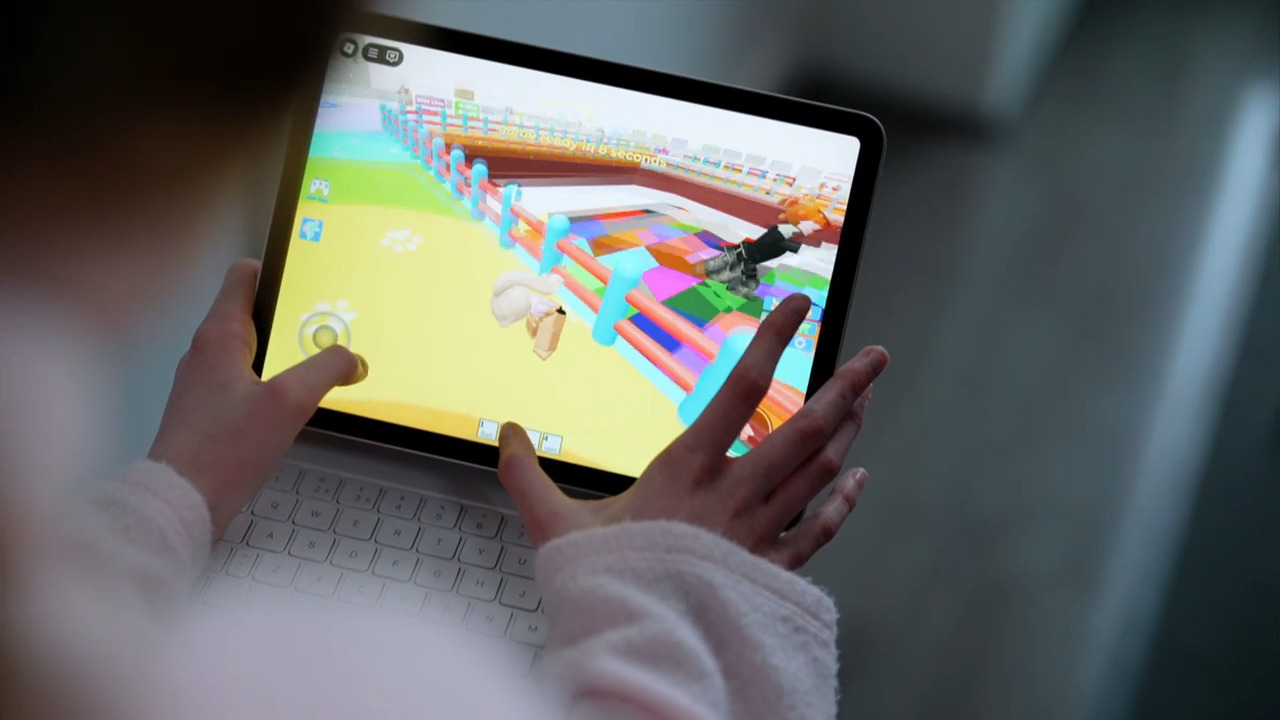
Roblox has exploded into one of the most popular gaming platforms in the world, especially for kids ages 8–12. What started as a small company has grown into a massive online universe with more than 40 million user-created games and experiences — from obstacle courses and role-playing worlds to fashion shows and virtual adventures. In fact, Roblox now has more monthly users than Nintendo Switch and Sony PlayStation combined.
But with its huge popularity comes growing controversy. Critics say that because almost anyone can create a game on the platform, some content may not always be appropriate for younger users. That has raised questions from parents and safety experts about how well kids are protected online.
Roblox co-founder and CEO Dave Baszucki says the company takes safety seriously and has “no tolerance” for inappropriate content. The platform has introduced new protections, including limits on messaging for users under 13. Still, reports show that some kids can sometimes find ways around age restrictions, which keeps the debate going.
Baszucki also says millions of users are having positive, creative experiences on Roblox every day — and reminds parents that they ultimately decide whether it’s the right platform for their children.
This Earth Day (or anytime this month), share this inspiring video playlist designed to spark curiosity and action in students ages 8–14. From incredible wildlife conservation stories to real-world environmental solutions, each clip invites students to explore the beauty of our planet — and the challenges it faces.
Get a closer look at how forests support life on Earth, discover innovative ideas like renewable energy, and meet the people working to protect endangered species and restore habitats. Along the way, students will see how small choices can make a big difference for our world.
Packed with powerful moments and meaningful learning, this playlist encourages students not just to learn about the Earth — but to think about how they can help protect it.
In What Is News?, host Radzi Chinyanganya introduces the concept of news: its history, purpose, and its potential downside. From its earliest iterations, news provides the information needed for people to make decisions and stay safe. Today, technology allows us to learn information in real time on both a local and global scale. It can be overwhelming to know what to give our attention to and what is real or fake, so it’s necessary to be a smart consumer of news and have trusted sources. This video is excerpted from BBC’s My World, a program created for teenagers eager to learn more about the important stories shaping our world.
In Is Digital Media Reliable?, host Radzi Chinyanganya explores the emerging technology of deep fakes and its implications for the media, politics, and society. This video explains how deep fake videos, which use artificial intelligence to manipulate images and sound, can create realistic yet entirely fabricated content. Learn how deep fakes are made, discuss their potential uses (both harmful and harmless), and examine the dangers they pose in spreading misinformation. This video is excerpted from BBC’s My World, a program created for teenagers eager to learn more about the important stories shaping our world.
In Challenging Preconceptions of Iran, host Joanna Lumley visits a shopping mall in Tehran. As she explores the mall, her guide explains how the use of social media by young people in Iran is helping to connect individuals and shift some attitudes about life in the country. Through this experience, Joanna gains a deeper understanding of the evolving social landscape of Iran, highlighting how modern technology and cultural traditions intersect in the lives of its people. This video is excerpted from BBC’s Joanna Lumley’s Silk Road Adventure, a documentary series uncovering the rich history and cultural treasures of the Silk Road.
The UK might be looking at 2027 with a lot less scrolling and far fewer TikTok dances, as Prime Minister (at the time) Kier Starmer announced plans to ban people under 16 from using social media, planned for spring.
Many of the ban's strongest supporters are parents who lost children in cases linked to online harms and have been campaigning for this for years. Though they’re happy about the announcement, there’s still some skepticism about how the ban will actually work, the logistics of how it will be enforced, and what sort of pushback there will be.
Even before taking effect, the proposal has sparked debate. Some people argue the ban is too strict and that better guidance, education, and parental controls would be more effective. Others point out that many teenagers use social media to stay in touch with friends and family. Some also worry the ban could give parents a false sense of security if they rely on it instead of staying involved in their children's online lives.
Tech companies argue the ban may not keep children as safe as supporters hope, as a ban on widely-used platforms might push some young people toward less-regulated online spaces that aren’t included in the ban or entice them to find a work-around for the age verification.
Some high school students recently swapped their smartphones for basic "brick" phones — the kind with no social media or apps, just texting, calling, and the classic game Snake.
The three-week experiment offered a preview of what life might look like once the UK's proposed ban on social media for under-16s takes effect next year. Calls to limit young people's social media use have been building for years, as critics argue some app features are designed to keep users scrolling. Some young people spend up to 20 hours a day on screens, which can affect sleep and time for schoolwork. Many students — along with their parents or carers — say they're struggling to manage screen time.
Feedback from the students was mixed. Some missed chatting with friends online and keeping up with trends. Others found they spent more time outdoors or with family and friends in person. Many said they didn't end up missing screen time as much as they expected.
Roblox has exploded into one of the most popular gaming platforms in the world, especially for kids ages 8–12. What started as a small company has grown into a massive online universe with more than 40 million user-created games and experiences — from obstacle courses and role-playing worlds to fashion shows and virtual adventures. In fact, Roblox now has more monthly users than Nintendo Switch and Sony PlayStation combined.
But with its huge popularity comes growing controversy. Critics say that because almost anyone can create a game on the platform, some content may not always be appropriate for younger users. That has raised questions from parents and safety experts about how well kids are protected online.
Roblox co-founder and CEO Dave Baszucki says the company takes safety seriously and has “no tolerance” for inappropriate content. The platform has introduced new protections, including limits on messaging for users under 13. Still, reports show that some kids can sometimes find ways around age restrictions, which keeps the debate going.
Baszucki also says millions of users are having positive, creative experiences on Roblox every day — and reminds parents that they ultimately decide whether it’s the right platform for their children.
This Earth Day (or anytime this month), share this inspiring video playlist designed to spark curiosity and action in students ages 8–14. From incredible wildlife conservation stories to real-world environmental solutions, each clip invites students to explore the beauty of our planet — and the challenges it faces.
Get a closer look at how forests support life on Earth, discover innovative ideas like renewable energy, and meet the people working to protect endangered species and restore habitats. Along the way, students will see how small choices can make a big difference for our world.
Packed with powerful moments and meaningful learning, this playlist encourages students not just to learn about the Earth — but to think about how they can help protect it.
In What Is News?, host Radzi Chinyanganya introduces the concept of news: its history, purpose, and its potential downside. From its earliest iterations, news provides the information needed for people to make decisions and stay safe. Today, technology allows us to learn information in real time on both a local and global scale. It can be overwhelming to know what to give our attention to and what is real or fake, so it’s necessary to be a smart consumer of news and have trusted sources. This video is excerpted from BBC’s My World, a program created for teenagers eager to learn more about the important stories shaping our world.