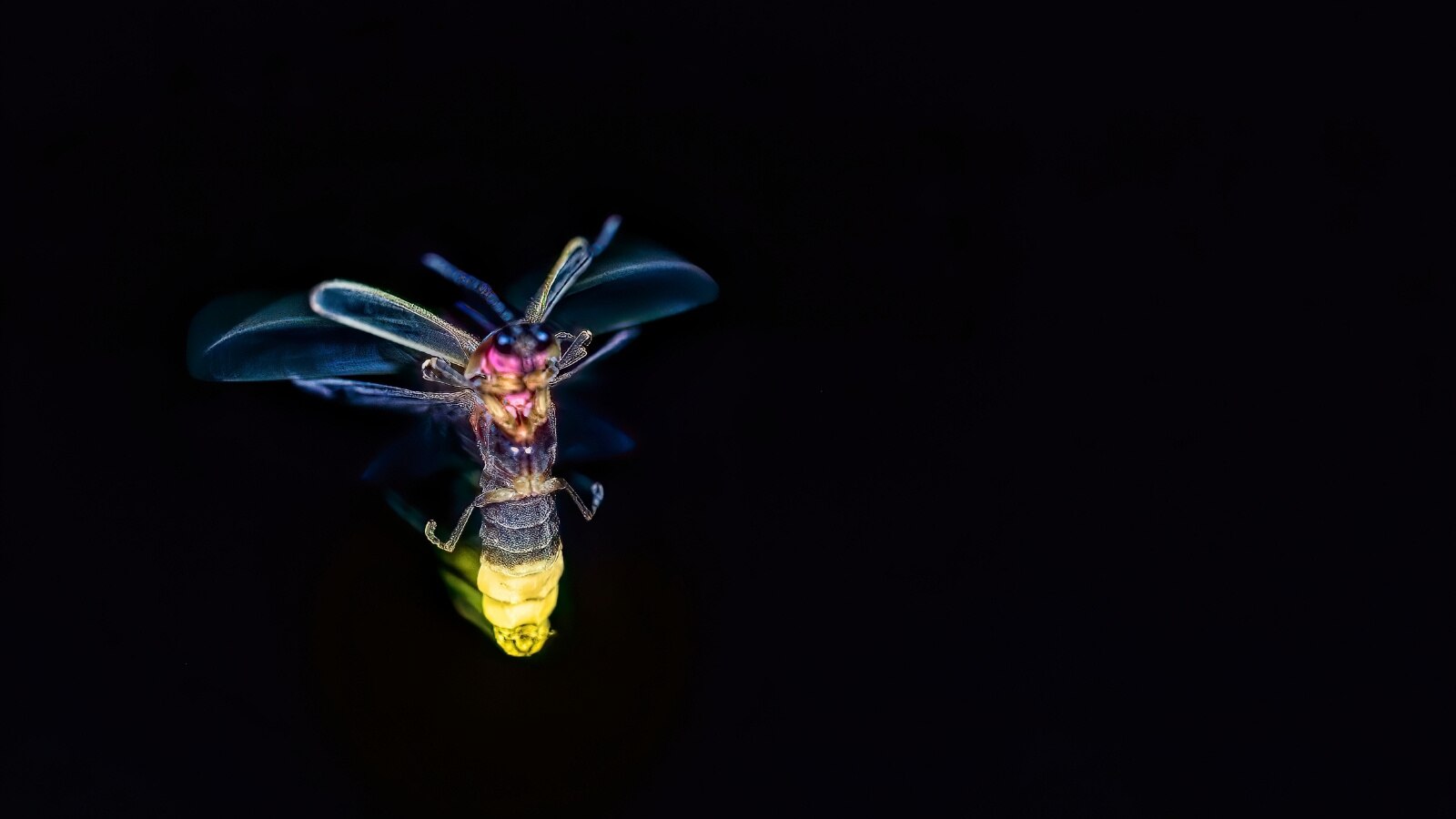
The article "Why Do Some Animals Glow? The Amazing Science of Bioluminescence" from BBC's Discover Wildlife explains how animals like glow-worms, squid, and fireflies produce light using special chemicals. It explores the role of luciferins and luciferase, the different colors of glow, and how creatures use this glow for communication, hunting, or self-defense.
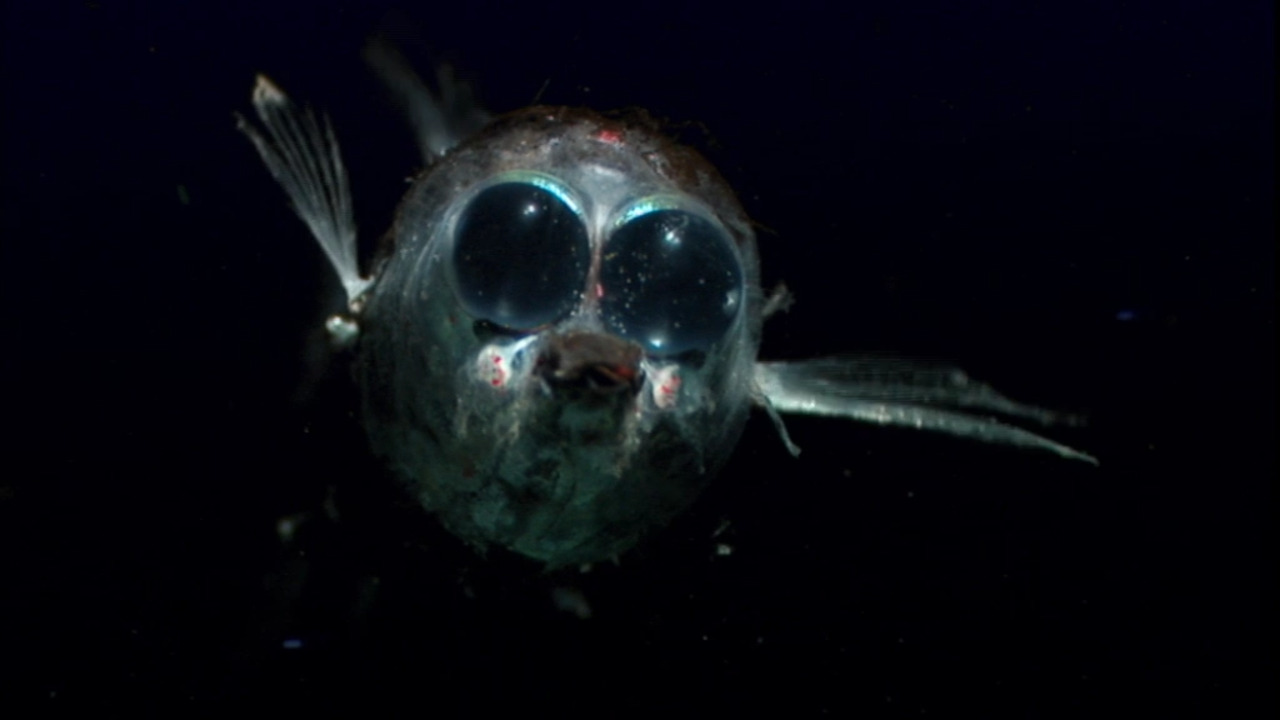
In Hatchet Fish in the Twilight Zone, narrator Sir David Attenborough describes how predators and prey interact in the "twilight zone." Watch how a hatchet fish has adapted to hide in low light and how its predator has adapted to be able to find it. This video is excerpted from BBC’s Blue Planet, a definitive documentary series diving into the mysterious depths of the sea to discover the natural history of the world’s oceans and the rarely seen marine life that reside there.
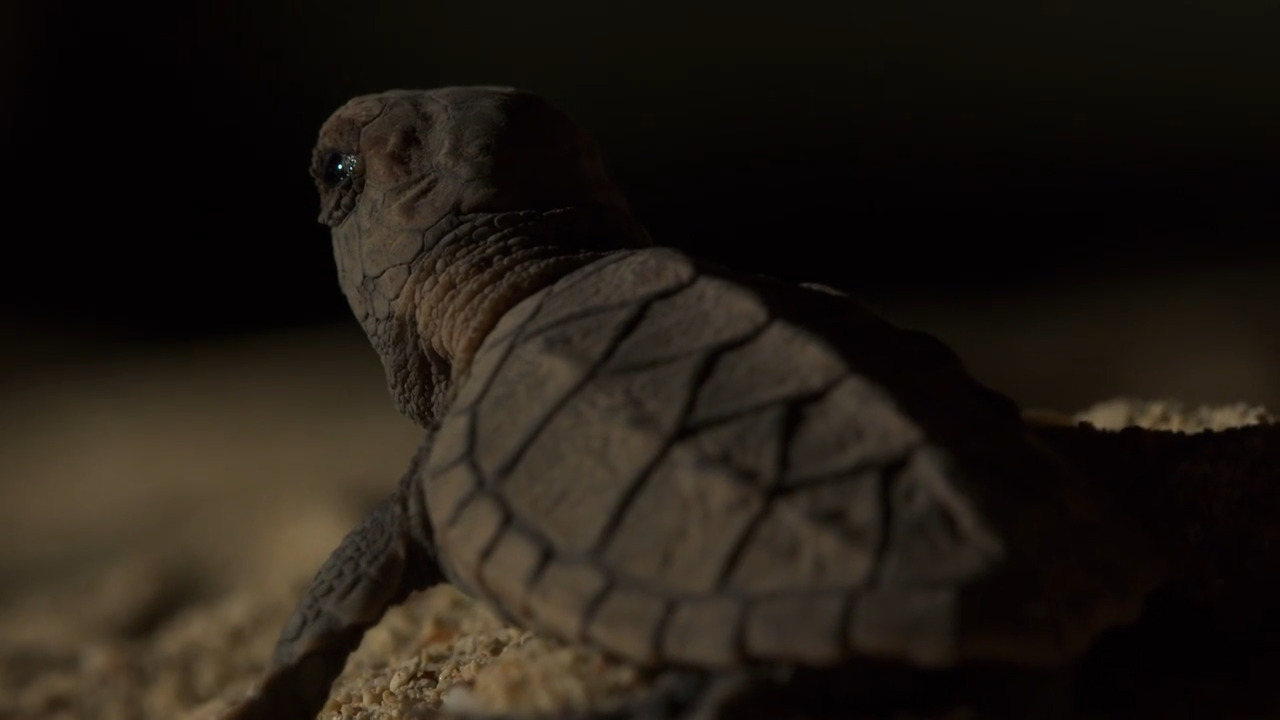
In Impact of City Lights on Wildlife, narrator Sir David Attenborough explores how artificial lighting disrupts the natural instincts of sea turtle hatchlings. Instead of heading toward the ocean, they are drawn to the bright lights of urban areas, putting them in danger. This video is excerpted from BBC’s Planet Earth II, a breathtaking documentary series that highlights the natural wonders of our planet.
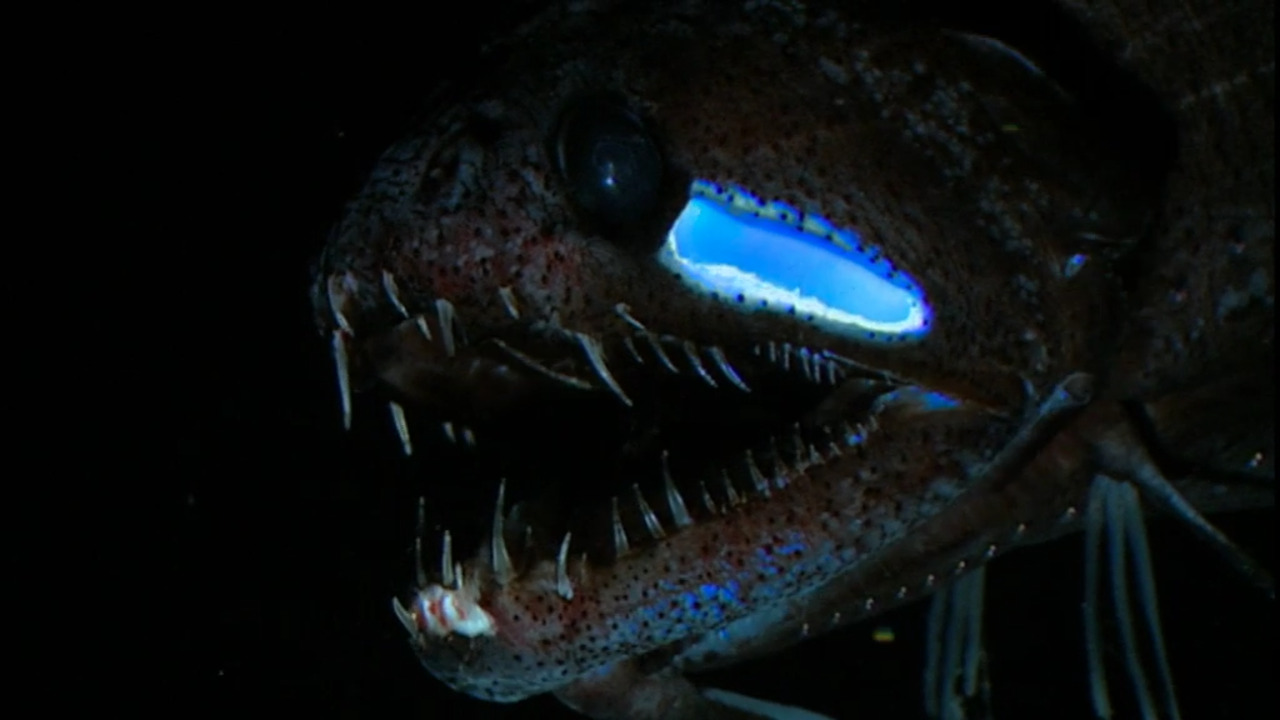
In Lights in the Deep Sea, narrator Sir David Attenborough explores how animals in the deep sea use light. Watch animals use light to catch prey and escape predators. This video is excerpted from BBC’s Blue Planet, a definitive documentary series diving into the mysterious depths of the sea to discover the natural history of the world’s oceans and the rarely seen marine life that reside there.
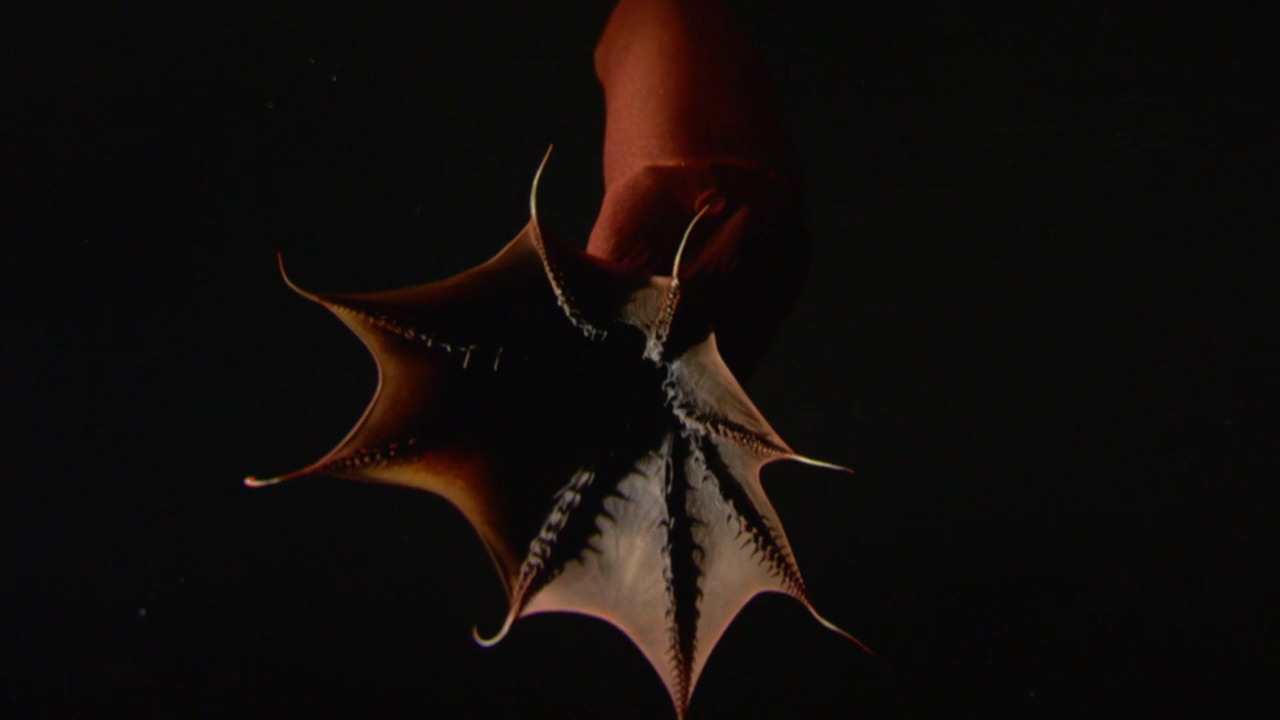
In Navigating the Dark Depths of the Ocean, narrator David Attenborough highlights the deep ocean, where no sunlight reaches, and animals have adapted to survive in total darkness with minimal food. The Dumbo octopus glides effortlessly through the water, conserving energy. The vampire squid uses bioluminescent bacteria to create light patterns that confuse predators. In this extreme environment, creatures must rely on special adaptations to detect food, avoid danger, and navigate the dark depths. This video is excerpted from BBC’s Planet Earth, a breathtaking documentary series that highlights the natural wonders of our planet.
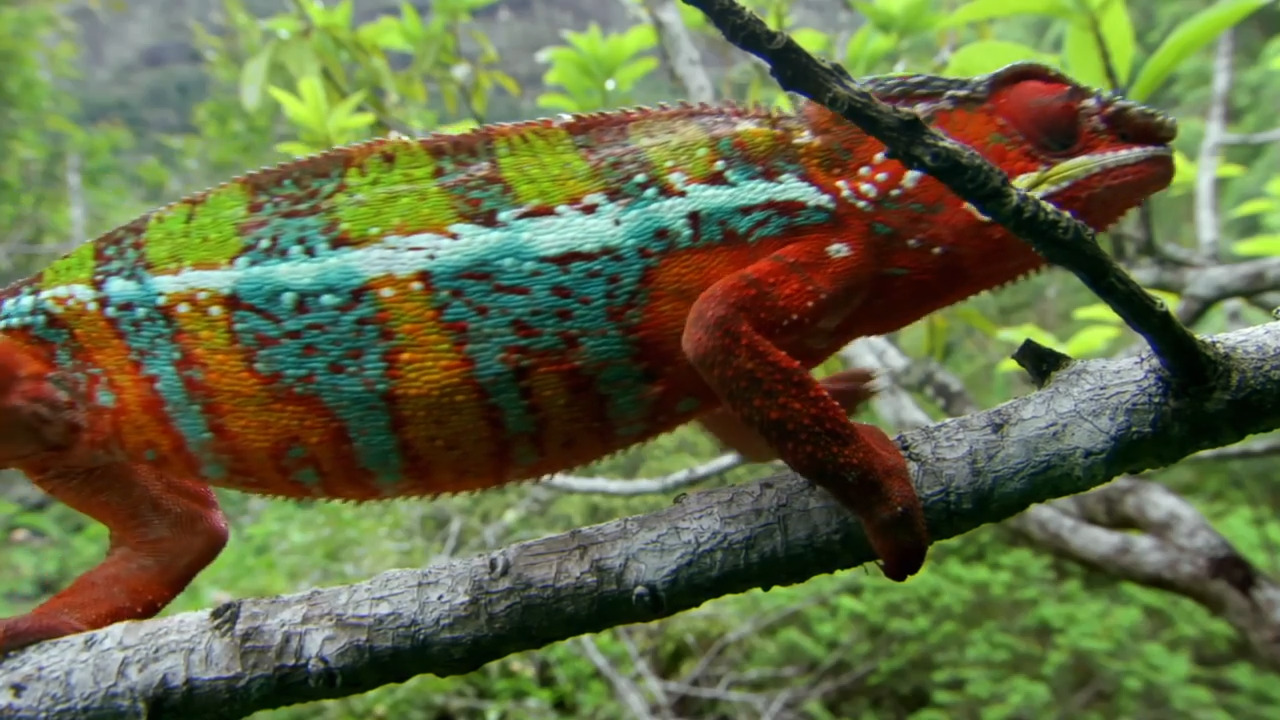
In Protective Pigments, evolutionary biologist Ben Garrod explains the critical role of pigment in protecting vertebrates from ultraviolet light and its broader functions in communication and survival strategies. Find out how pigments, like melanin, protect the skin at a molecular level and the diverse ways animals utilize color for camouflage, signaling, and mate selection. This video is excerpted from Secrets of Skin, a documentary series exploring the natural history of the body’s largest organ.
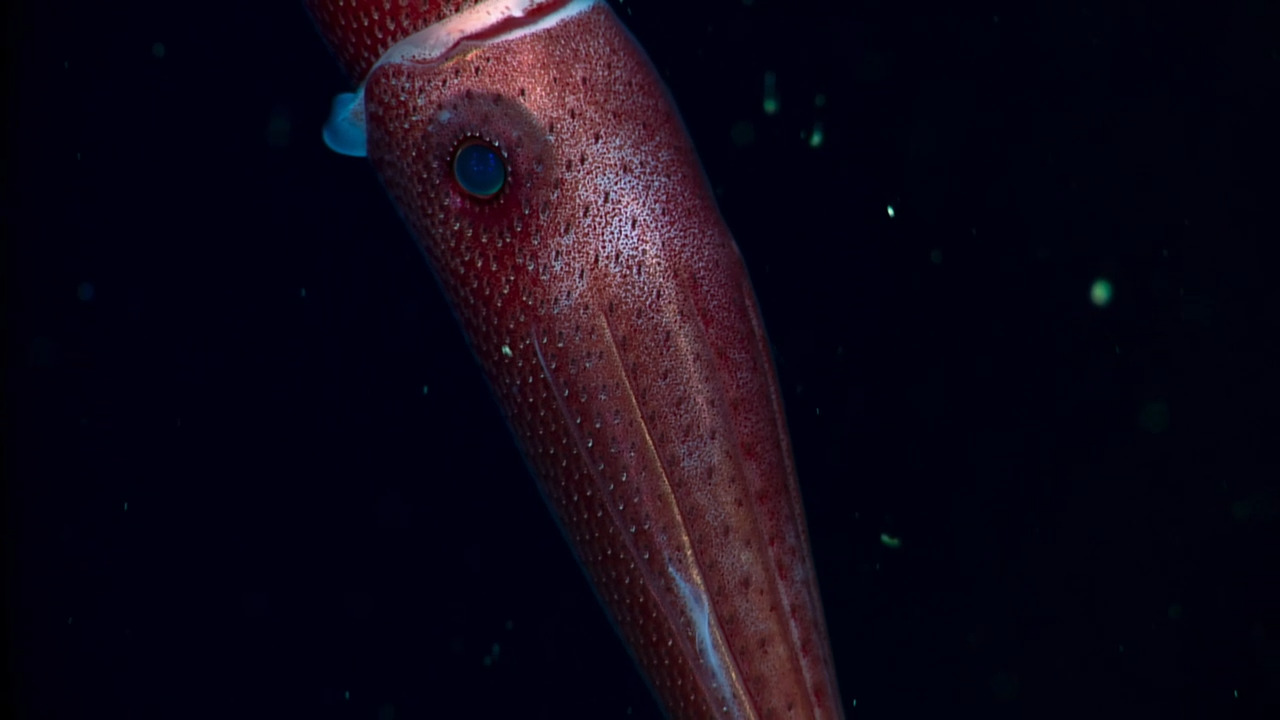
In A Sea of Doom Beneath the Pacific, narrator Sir David Attenborough investigates the world of the deep ocean, where only a small amount of light shines and animals have evolved in interesting ways. This video is excerpted from BBC’s Blue Planet II, a natural history series that explores the world's oceans, the animals that live in them, and the threats they face, using modern filming techniques and equipment to capture previously unseen areas of the ocean.
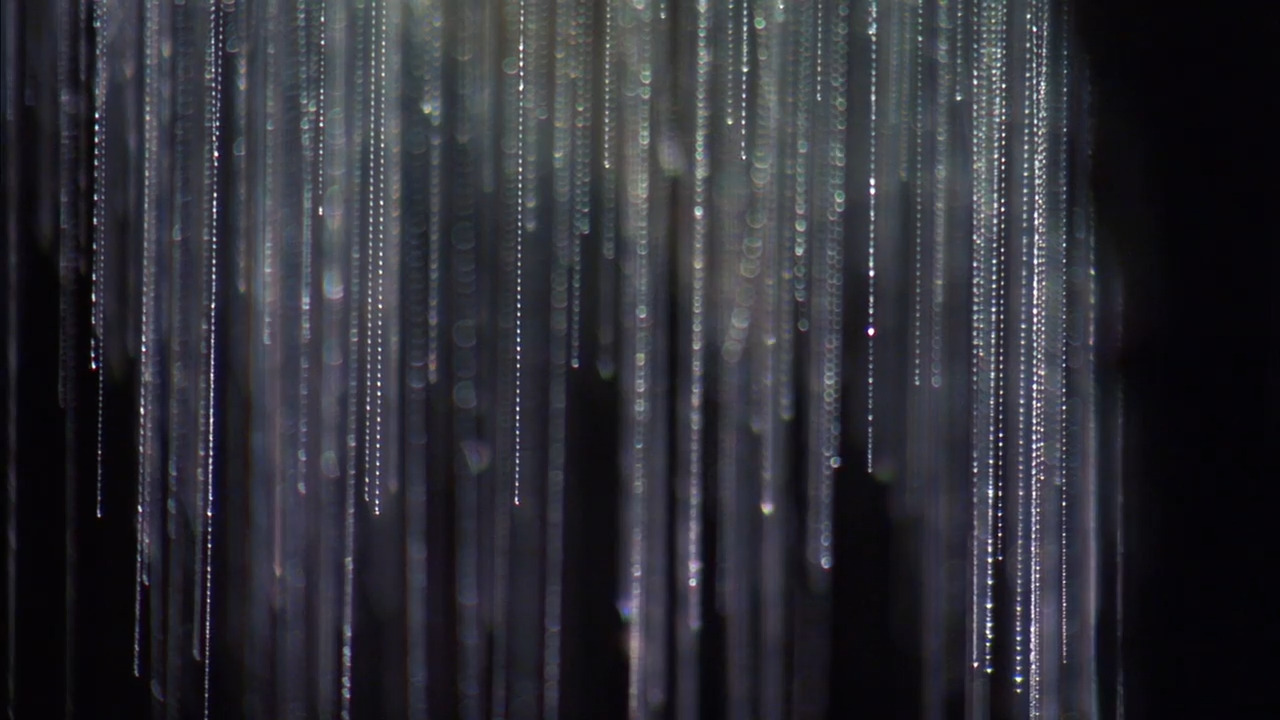
In Cave Glow Worms and Their Hunting Techniques, narrator Sir David Attenborough highlights the fascinating hunting tactics of cave glow worms. Living in the darkness of caves, these small insects use sticky silk threads, which they produce along with mucus from their mouths, to trap insects. Glow worms emit a faint blue light from their bodies while they wait in a mucus hammock, attracting insects toward the sticky traps. Once an insect becomes ensnared, the glow worm reels in the thread and devours its prey. This video is excerpted from BBC’s Planet Earth, a breathtaking documentary series that highlights the natural wonders of our planet.
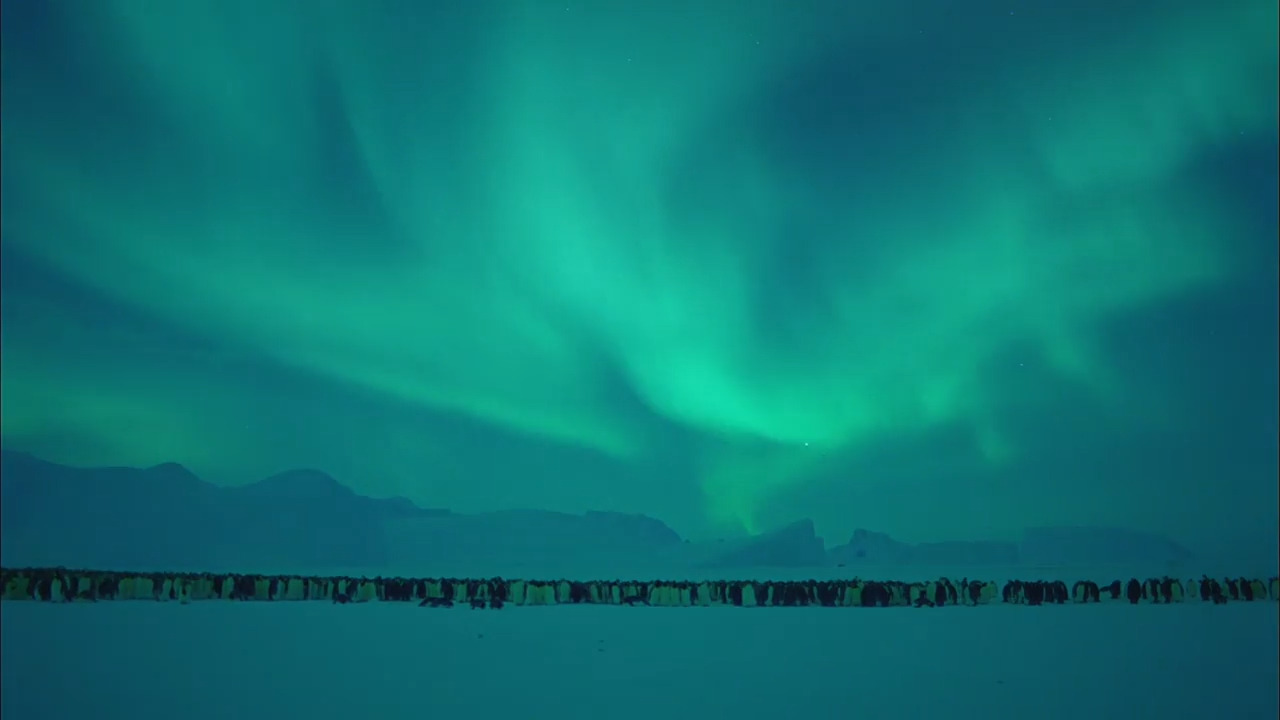
In The Dancing Lights of the Auroras s, narrator Sir David Attenborough explains how auroras are formed at the North and South Poles. Watch these amazing dancing lights move through the sky. This video is excerpted from BBC’s Frozen Planet, a series that shows a fragile world of beauty and hostility, where nature finds a way to survive and thrive in frigid conditions.
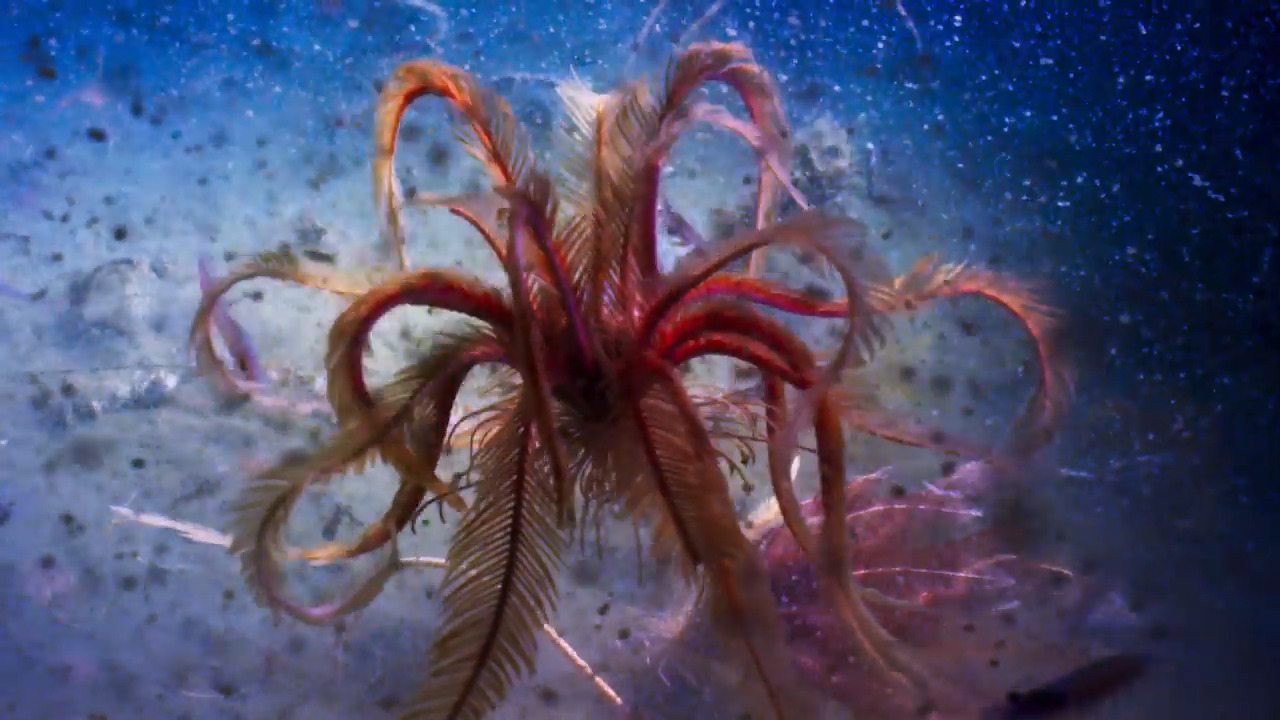
In Diving to the Depths of the Ocean, narrator Sir David Attenborough dives into sea life in one of the most unimaginable places. With no light present and freezing temperatures, it’s simply amazing to see the abundance of species thriving at these depths. This video is excerpted from BBC’s Blue Planet II, a natural history series that explores the world's oceans, the animals that live in them, and the threats they face, using modern filming techniques and equipment to capture previously unseen areas of the ocean.
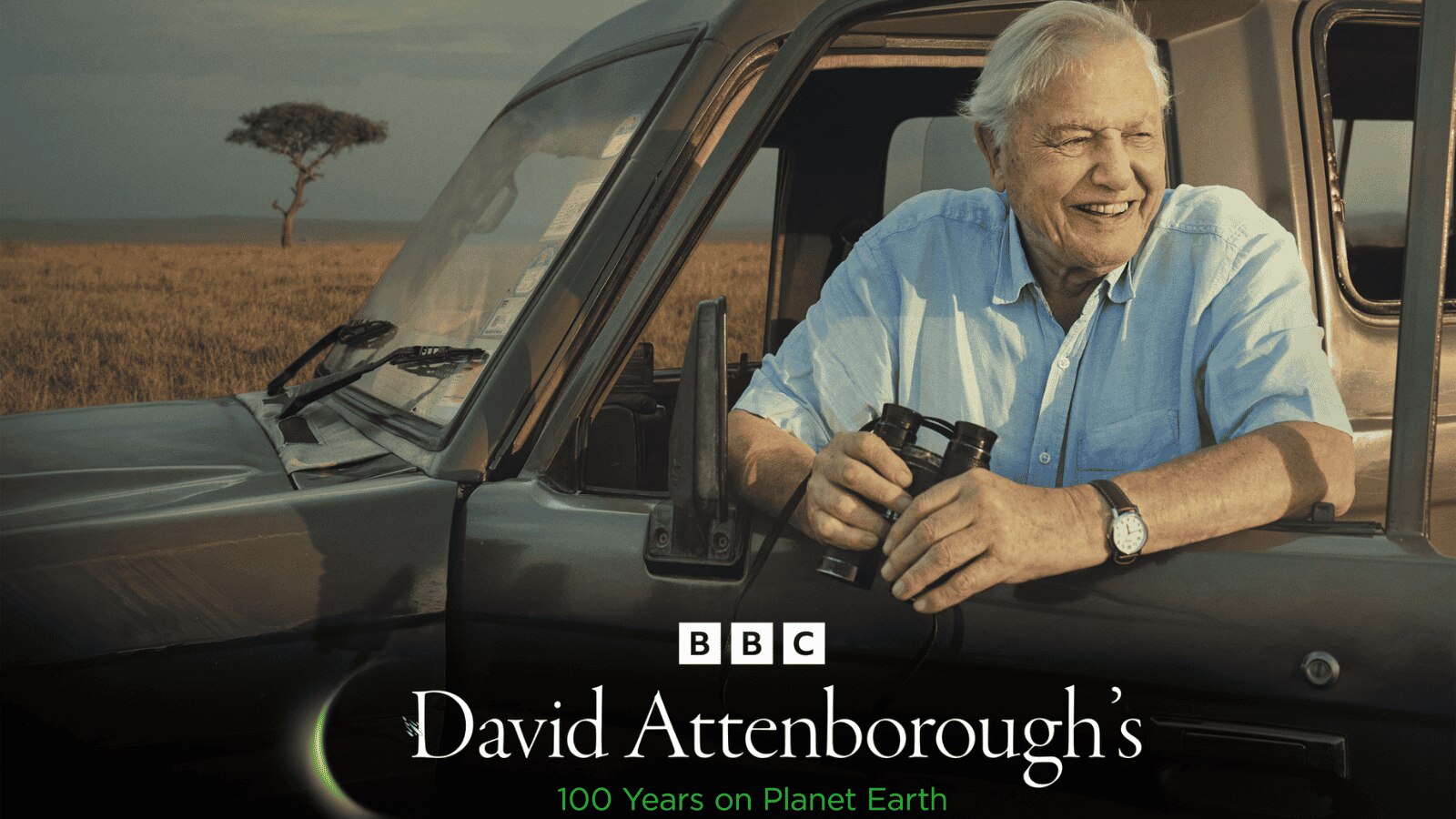
Celebrate the incredible work of Sir David Attenborough — a storyteller who has helped millions of students and viewers explore the natural world. On the occasion of his 100th birthday on May 8, 2026, we honor his enormous accomplishments in the field of environmental advocacy and his role in revolutionizing nature documentaries.
This playlist brings together 10 unforgettable clips from landmark BBC series like Planet Earth, Blue Planet, and Frozen Planet. Each video showcases amazing wildlife, powerful storytelling, and moments that spark curiosity and wonder.
Perfect for the classroom or at home, these videos help students connect with nature, understand our planet, and feel inspired to protect it.
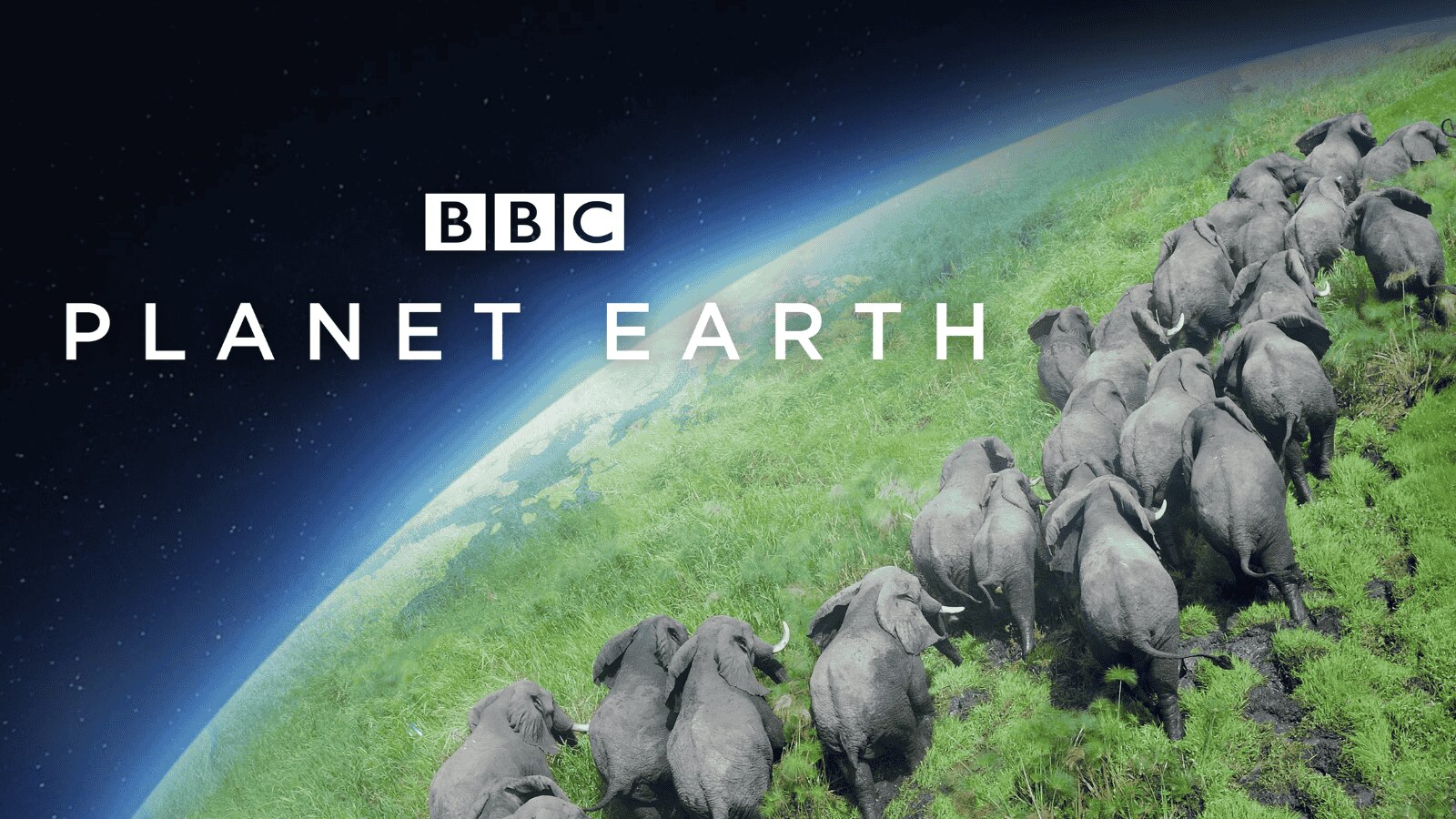
March 5, 2026, marks the 20th anniversary of premiere of BBC's Planet Earth (and it's just in time for Earth Day on April 22, too!). The breathtaking and award-winning documentary series, narrated by none other than Sir David Attenborough, highlights the natural wonders of our planet. In honor of this momentous occasion, we've put together some of the most popular clips from this beloved natural history show for students ages 8–14.
Get up close and personal with hydroplaning dolphins. Witness an iguana hatchling's terrifying race to survive, pursued by racer snakes. Watch the first steps of two polar bear cubs emerging from hibernation. More of the real-life magic of our blue marble awaits in this video playlist, part of our Planet Earth Collection. Grab your Planet Earth Passport and start exploring!
The article "Why Do Some Animals Glow? The Amazing Science of Bioluminescence" from BBC's Discover Wildlife explains how animals like glow-worms, squid, and fireflies produce light using special chemicals. It explores the role of luciferins and luciferase, the different colors of glow, and how creatures use this glow for communication, hunting, or self-defense.
In Hatchet Fish in the Twilight Zone, narrator Sir David Attenborough describes how predators and prey interact in the "twilight zone." Watch how a hatchet fish has adapted to hide in low light and how its predator has adapted to be able to find it. This video is excerpted from BBC’s Blue Planet, a definitive documentary series diving into the mysterious depths of the sea to discover the natural history of the world’s oceans and the rarely seen marine life that reside there.
In Impact of City Lights on Wildlife, narrator Sir David Attenborough explores how artificial lighting disrupts the natural instincts of sea turtle hatchlings. Instead of heading toward the ocean, they are drawn to the bright lights of urban areas, putting them in danger. This video is excerpted from BBC’s Planet Earth II, a breathtaking documentary series that highlights the natural wonders of our planet.
In Lights in the Deep Sea, narrator Sir David Attenborough explores how animals in the deep sea use light. Watch animals use light to catch prey and escape predators. This video is excerpted from BBC’s Blue Planet, a definitive documentary series diving into the mysterious depths of the sea to discover the natural history of the world’s oceans and the rarely seen marine life that reside there.
In Navigating the Dark Depths of the Ocean, narrator David Attenborough highlights the deep ocean, where no sunlight reaches, and animals have adapted to survive in total darkness with minimal food. The Dumbo octopus glides effortlessly through the water, conserving energy. The vampire squid uses bioluminescent bacteria to create light patterns that confuse predators. In this extreme environment, creatures must rely on special adaptations to detect food, avoid danger, and navigate the dark depths. This video is excerpted from BBC’s Planet Earth, a breathtaking documentary series that highlights the natural wonders of our planet.
In Protective Pigments, evolutionary biologist Ben Garrod explains the critical role of pigment in protecting vertebrates from ultraviolet light and its broader functions in communication and survival strategies. Find out how pigments, like melanin, protect the skin at a molecular level and the diverse ways animals utilize color for camouflage, signaling, and mate selection. This video is excerpted from Secrets of Skin, a documentary series exploring the natural history of the body’s largest organ.
In A Sea of Doom Beneath the Pacific, narrator Sir David Attenborough investigates the world of the deep ocean, where only a small amount of light shines and animals have evolved in interesting ways. This video is excerpted from BBC’s Blue Planet II, a natural history series that explores the world's oceans, the animals that live in them, and the threats they face, using modern filming techniques and equipment to capture previously unseen areas of the ocean.
In Cave Glow Worms and Their Hunting Techniques, narrator Sir David Attenborough highlights the fascinating hunting tactics of cave glow worms. Living in the darkness of caves, these small insects use sticky silk threads, which they produce along with mucus from their mouths, to trap insects. Glow worms emit a faint blue light from their bodies while they wait in a mucus hammock, attracting insects toward the sticky traps. Once an insect becomes ensnared, the glow worm reels in the thread and devours its prey. This video is excerpted from BBC’s Planet Earth, a breathtaking documentary series that highlights the natural wonders of our planet.
In The Dancing Lights of the Auroras s, narrator Sir David Attenborough explains how auroras are formed at the North and South Poles. Watch these amazing dancing lights move through the sky. This video is excerpted from BBC’s Frozen Planet, a series that shows a fragile world of beauty and hostility, where nature finds a way to survive and thrive in frigid conditions.
In Diving to the Depths of the Ocean, narrator Sir David Attenborough dives into sea life in one of the most unimaginable places. With no light present and freezing temperatures, it’s simply amazing to see the abundance of species thriving at these depths. This video is excerpted from BBC’s Blue Planet II, a natural history series that explores the world's oceans, the animals that live in them, and the threats they face, using modern filming techniques and equipment to capture previously unseen areas of the ocean.
Celebrate the incredible work of Sir David Attenborough — a storyteller who has helped millions of students and viewers explore the natural world. On the occasion of his 100th birthday on May 8, 2026, we honor his enormous accomplishments in the field of environmental advocacy and his role in revolutionizing nature documentaries.
This playlist brings together 10 unforgettable clips from landmark BBC series like Planet Earth, Blue Planet, and Frozen Planet. Each video showcases amazing wildlife, powerful storytelling, and moments that spark curiosity and wonder.
Perfect for the classroom or at home, these videos help students connect with nature, understand our planet, and feel inspired to protect it.
March 5, 2026, marks the 20th anniversary of premiere of BBC's Planet Earth (and it's just in time for Earth Day on April 22, too!). The breathtaking and award-winning documentary series, narrated by none other than Sir David Attenborough, highlights the natural wonders of our planet. In honor of this momentous occasion, we've put together some of the most popular clips from this beloved natural history show for students ages 8–14.
Get up close and personal with hydroplaning dolphins. Witness an iguana hatchling's terrifying race to survive, pursued by racer snakes. Watch the first steps of two polar bear cubs emerging from hibernation. More of the real-life magic of our blue marble awaits in this video playlist, part of our Planet Earth Collection. Grab your Planet Earth Passport and start exploring!