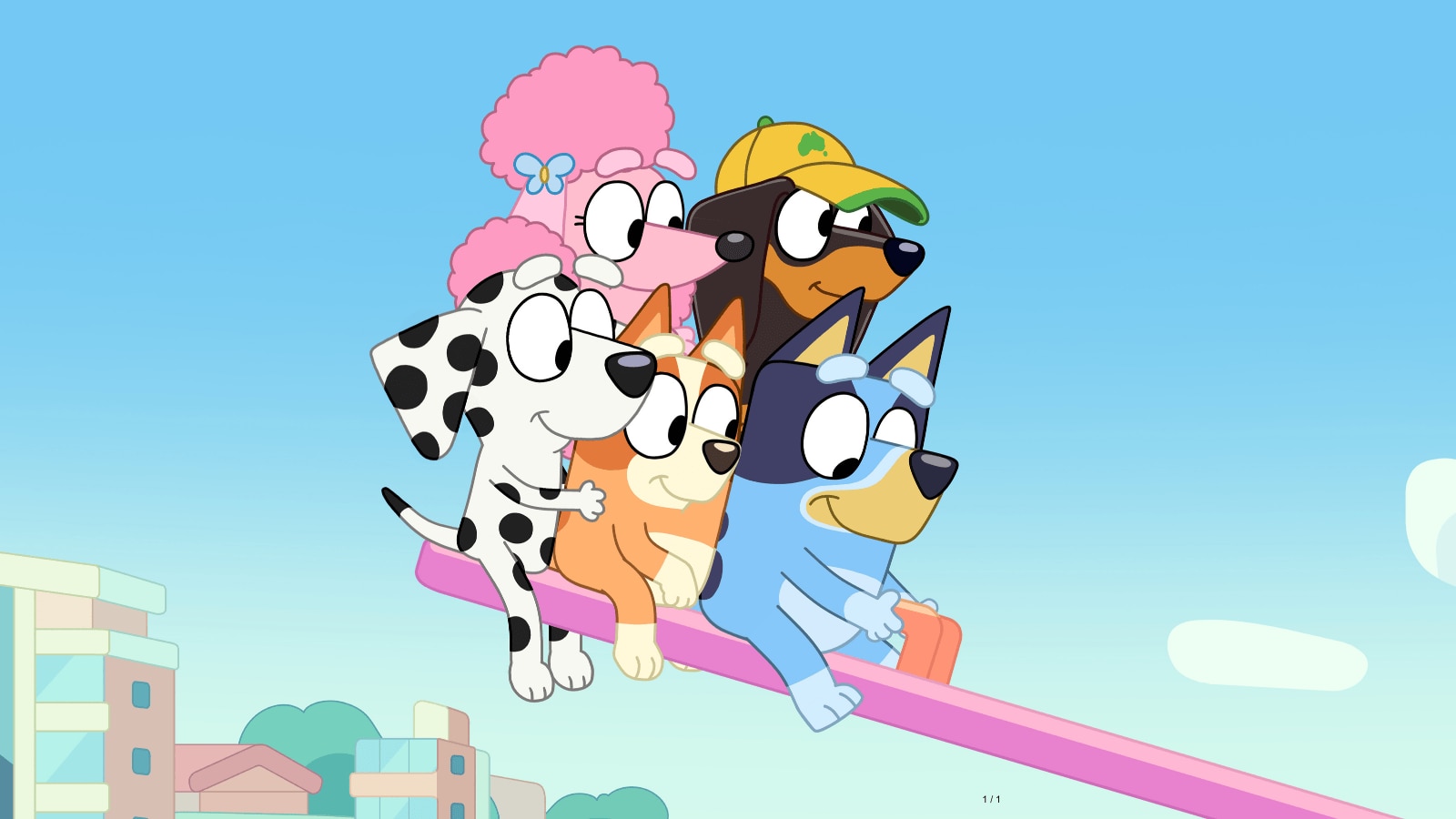
Easy, joyful activities for kids ages 4–7 inspired by Bluey and her family.
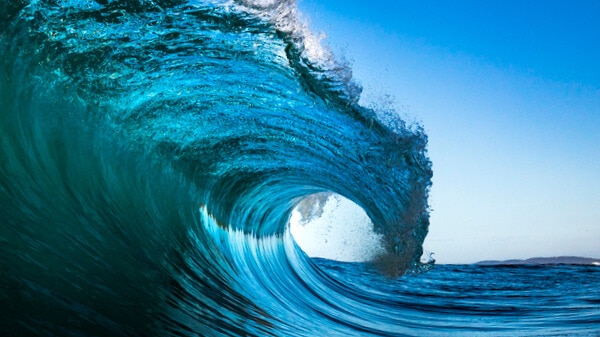
Explore the impact of human activity on our oceans with this comprehensive lesson collection. Featuring curated BBC video clips and printable activities, these resources dive into topics like pollution, overfishing, and ocean habitats, helping students understand the challenges facing ocean life and inspiring them to become ocean conservation advocates!
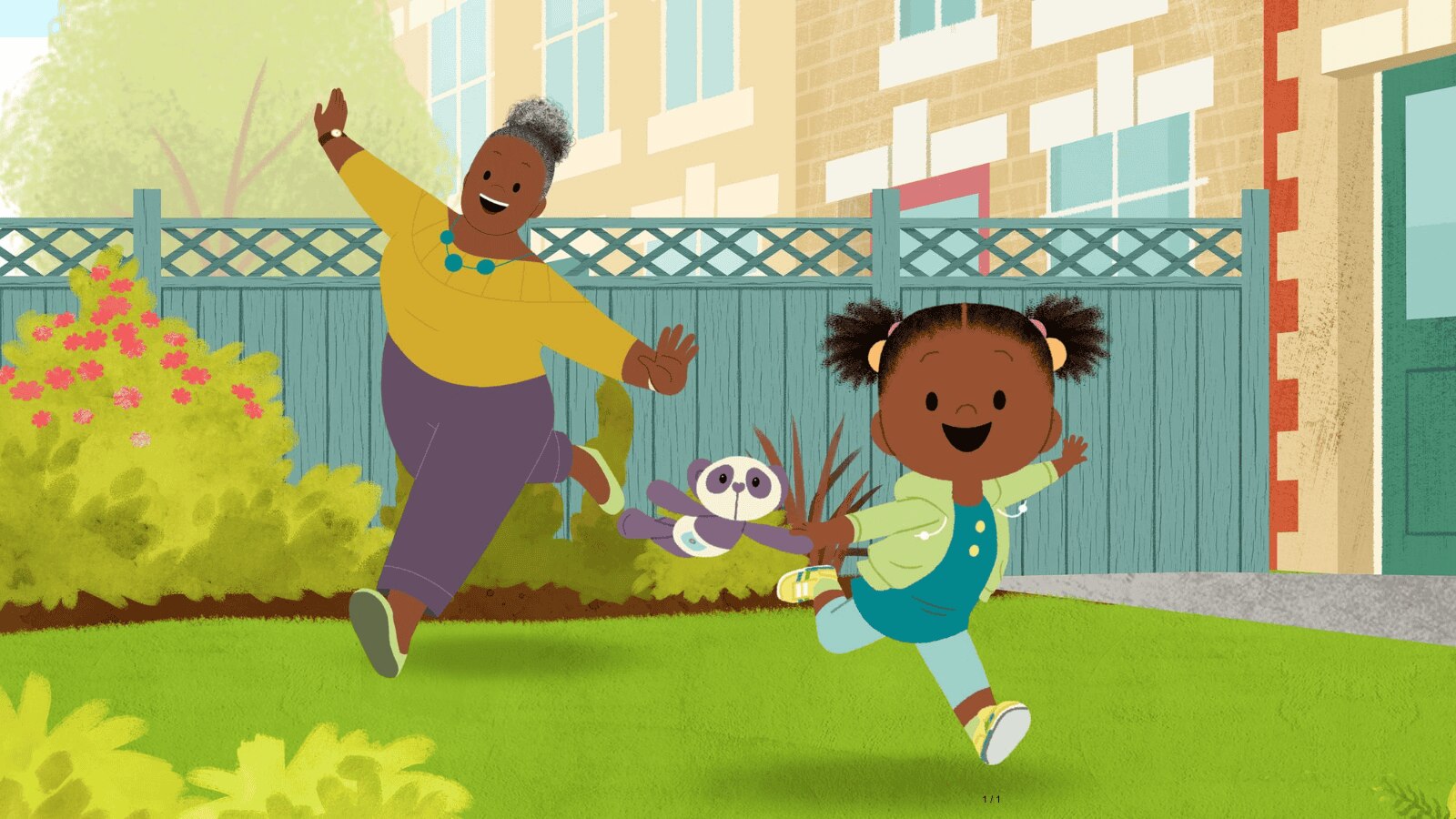
Introducing your new favorite duo! JoJo & Gran Gran is a BBC children's animated television series that follows an inquisitive and cheerful 4-and-a-half-year-old girl and her loving grandmother, who always has something new to teach her. Young learners will love learning alongside the diverse cast of characters as they get to know their community and explore the natural world around them.
This is quick and easy seasonal content — perfect for an intro to a life science (plants, trees, flowers) or social studies (holidays!) lesson. Or watch the video and then try what JoJo and Gran Gran did, whether it's making a fruit crumble or writing a poem.
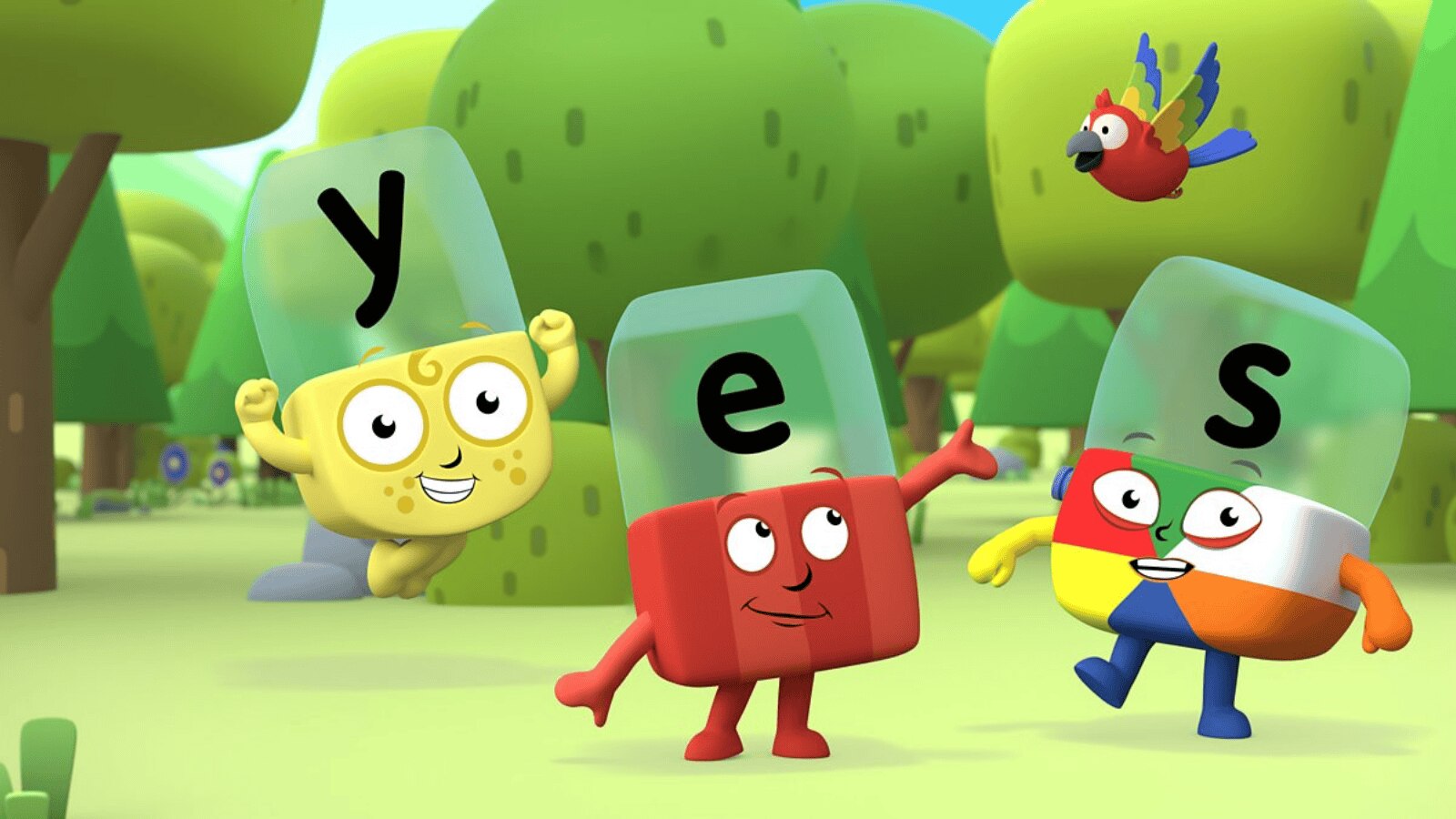
Meet the Alphablocks — 26 living letters who discover that when they hold hands to make a word, something magical happens. Celebrated for its innovative approach to teaching reading, Alphablocks makes learning joyful, active, and engaging for early learners. This free collection of Alphablocks worksheets brings that magic to life at home or in the classroom, with Alphablocks letter cards kids can use to build words, alphabet finger puppets, and playful worksheets that teach letter sounds.
Watch full episodes of the award-winning show for kids ages 3–6 on the official Alphablocks YouTube channel!
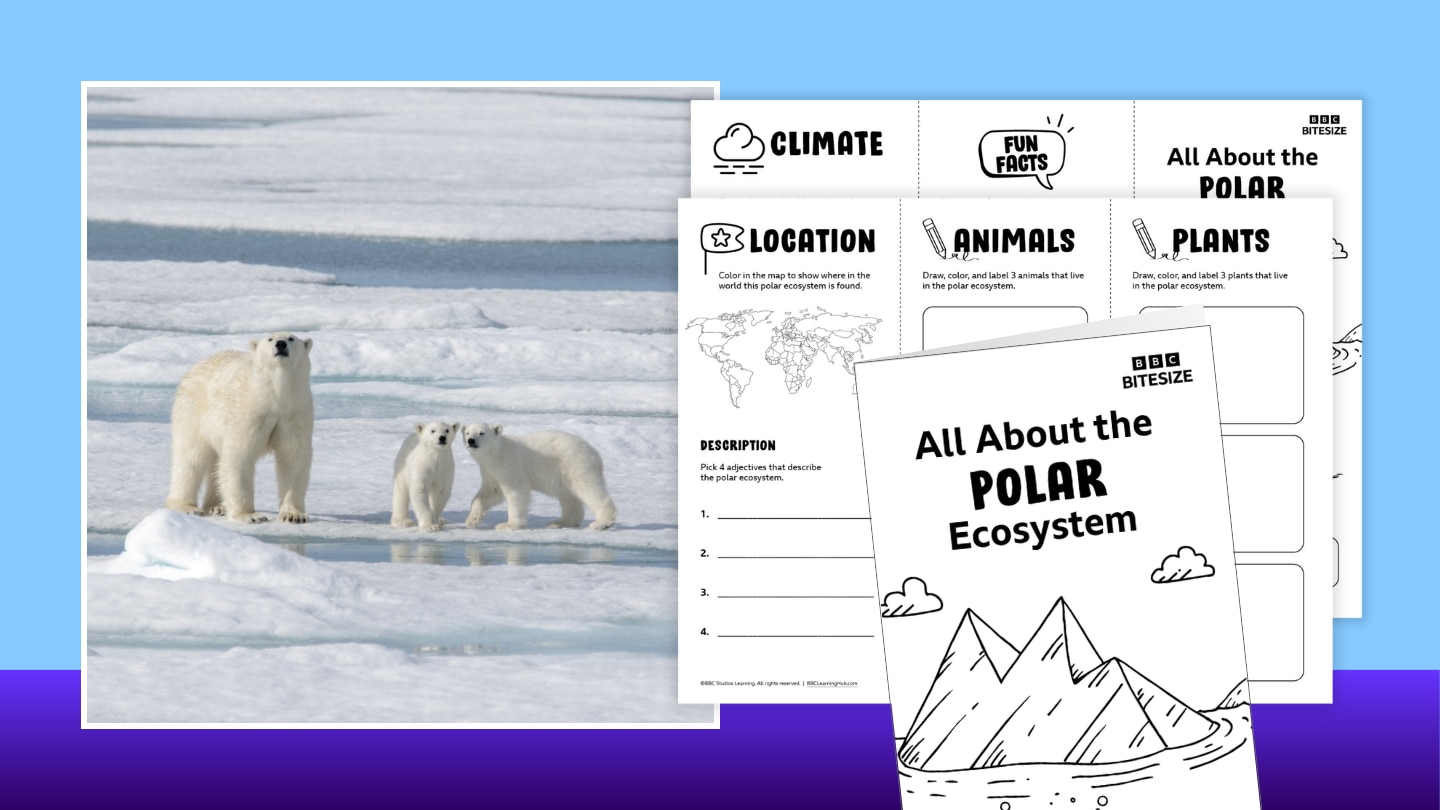
Bring your students on an icy exploration of the polar ecosystem! The Arctic and Antarctica may look frozen and empty at first glance, but they’re full of life perfectly adapted to the cold.
✨ Perfect for grades 3–8, here’s what you need to bring ecosystems to life:
- Iconic BBC Videos: Share the clips on this page to introduce the location, plants, animals, and climate of the polar regions. (Don't miss the narwhals and emperor penguins!) Brought to you by world-class BBC programs like Planet Earth, Frozen Planet, and Seven Worlds, One Planet.
- Free Printable: Use the Polar Brochure Template to help students pull it all together in an ecosystem report with facts they’ve learned (and a little extra research).
It’s everything you need to make ecosystems easy to teach and truly memorable for your students.
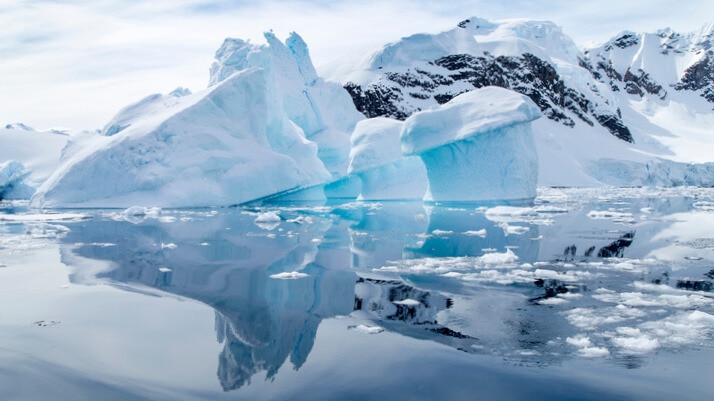
Dive into the wonders of Antarctica with this multi-grade lesson collection! Tailored for K–2, 3–5, 6–8, and 9–12, each unit includes engaging activities, thought-provoking discussions, and hands-on projects to uncover the mysteries of the frozen continent. Enhance your teaching with stunning BBC video clips showcasing Antarctic wildlife, research stations, and breathtaking icy landscapes. Printable resources like animal fact sheets, scientist journal templates, and conservation challenges bring the learning to life for your students. Perfect for science, geography, and environmental lessons!
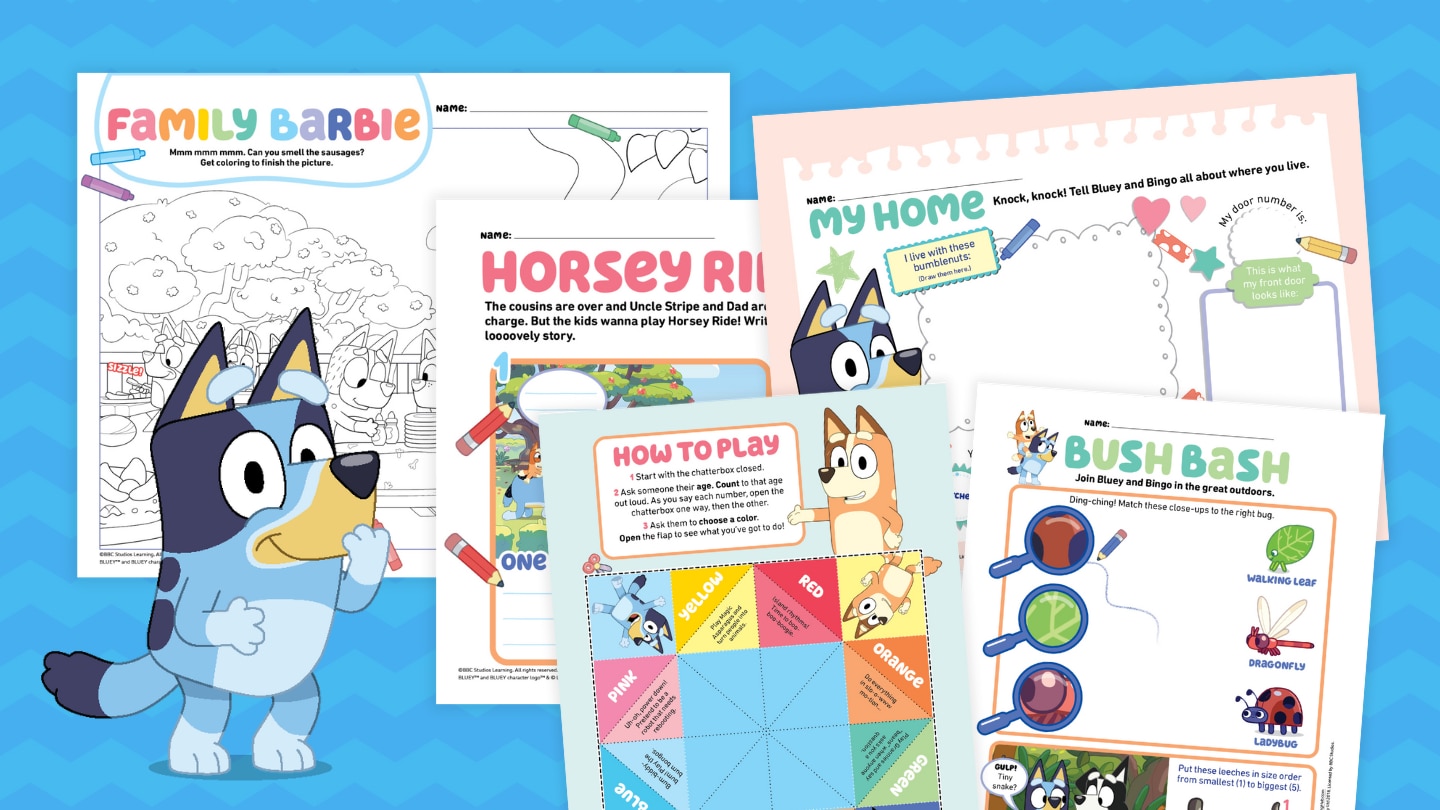
Get ready for hours of fun with Bluey and her friends! This collection of activity pages is packed with puzzles, coloring sheets, games, and creative challenges that bring the world of Bluey to life. Perfect for playtime or rainy days — let’s play!
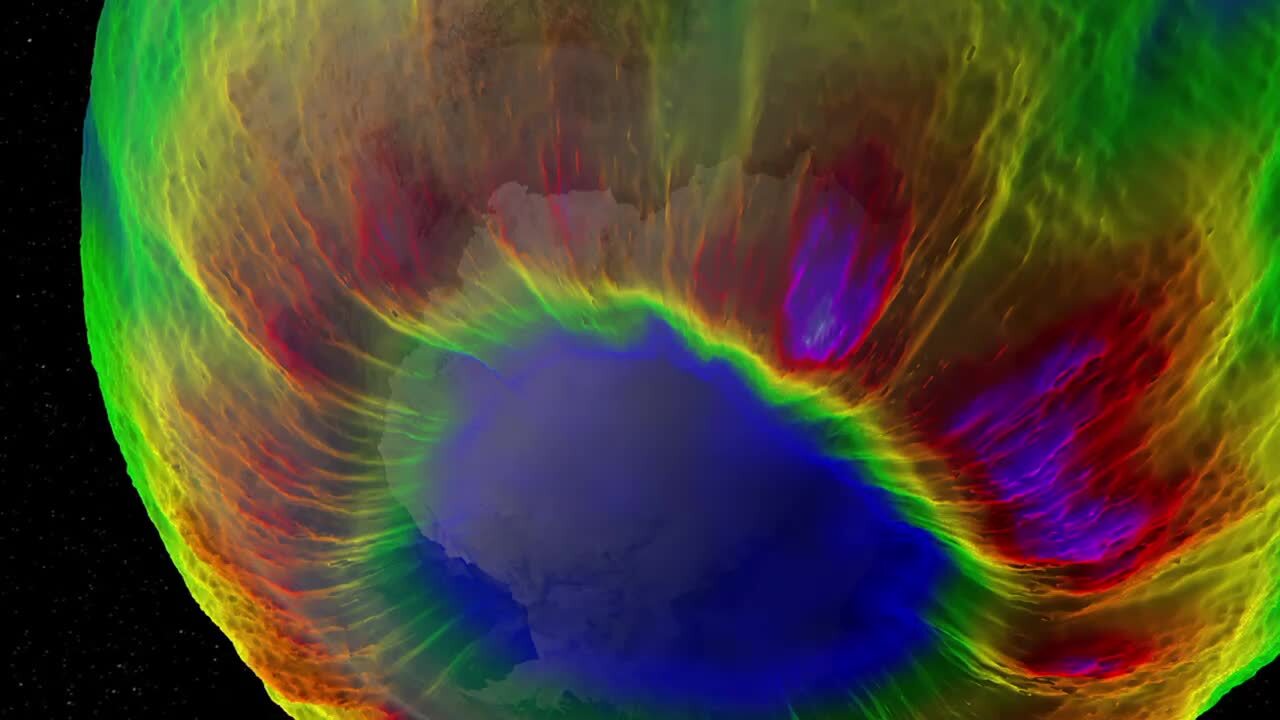
In Breathing Life Into Earth, geologist Iain Stewart explains how oxygen left the ocean and filled the atmosphere, creating a huge turning point in the story of life on Earth. This oxygen helped form the ozone layer, which acts like a protective shield, blocking harmful radiation from the Sun and allowing life to thrive. Without oxygen, Earth wouldn’t have been able to support all the amazing life forms we know. This video is excerpted from BBC’s Earth: The Power of the Planet, a documentary series in which Dr. Iain Stewart discovers how Earth's forces can shape nature, species, and even the climate.
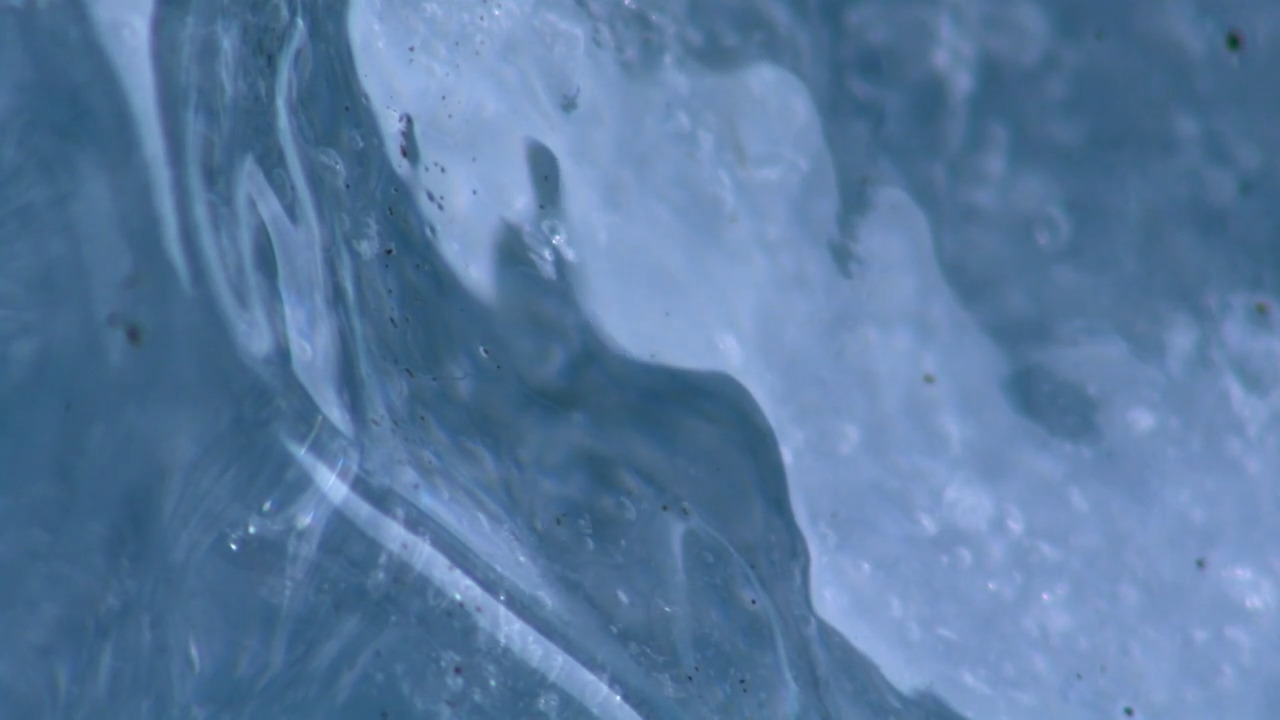
In Microscopic Life in Ice, Professor Brian Cox explores an ice cave and finds microorganisms that are living in the ice. He discusses what this means for life on other planets and moons with scientist Richard Hoover. This video is excerpted from BBC’s The Planets, a series that explores the dramatic lives of the eight planets in our Solar System.
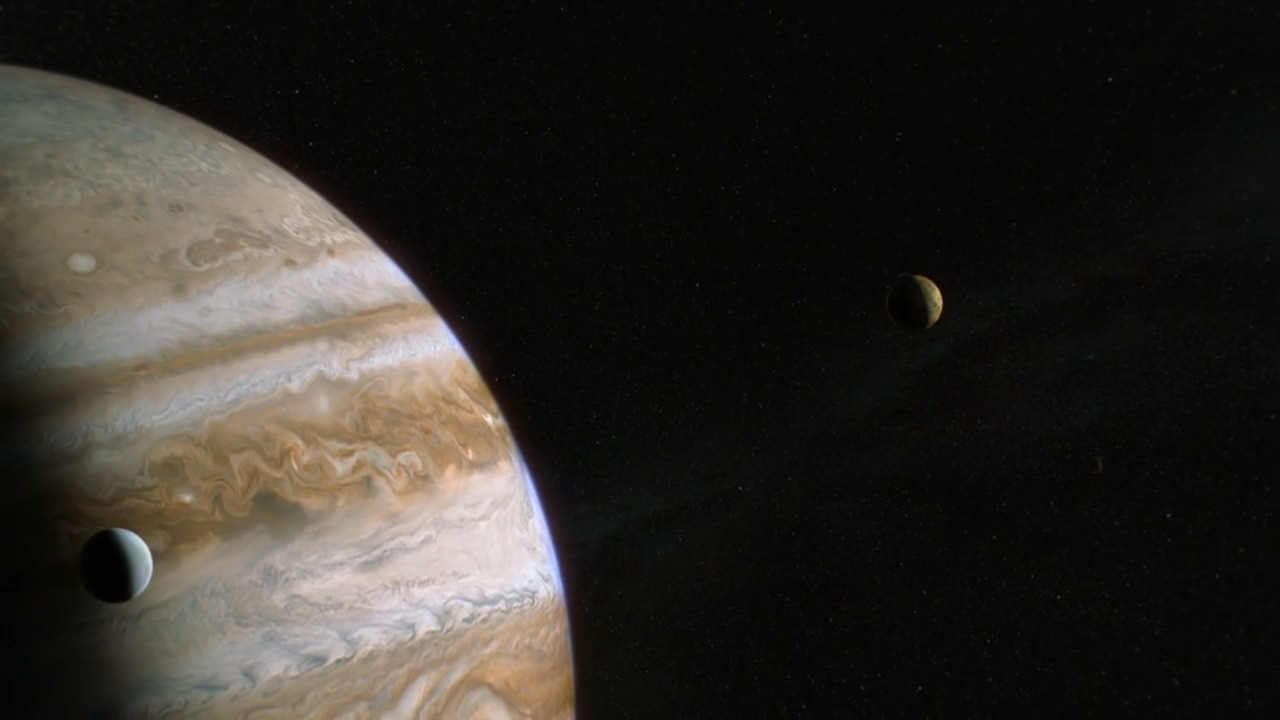
In Europa and Life on Moons, Professor Brian Cox explains how the geological discoveries on faraway moons have impacted what scientists think about them. Then he visits an ice cave in Iceland to discuss how the ice cave can teach us about Europa, Jupiter’s moon. This video is excerpted from BBC’s The Planets, a series that explores the dramatic lives of the eight planets in our Solar System.
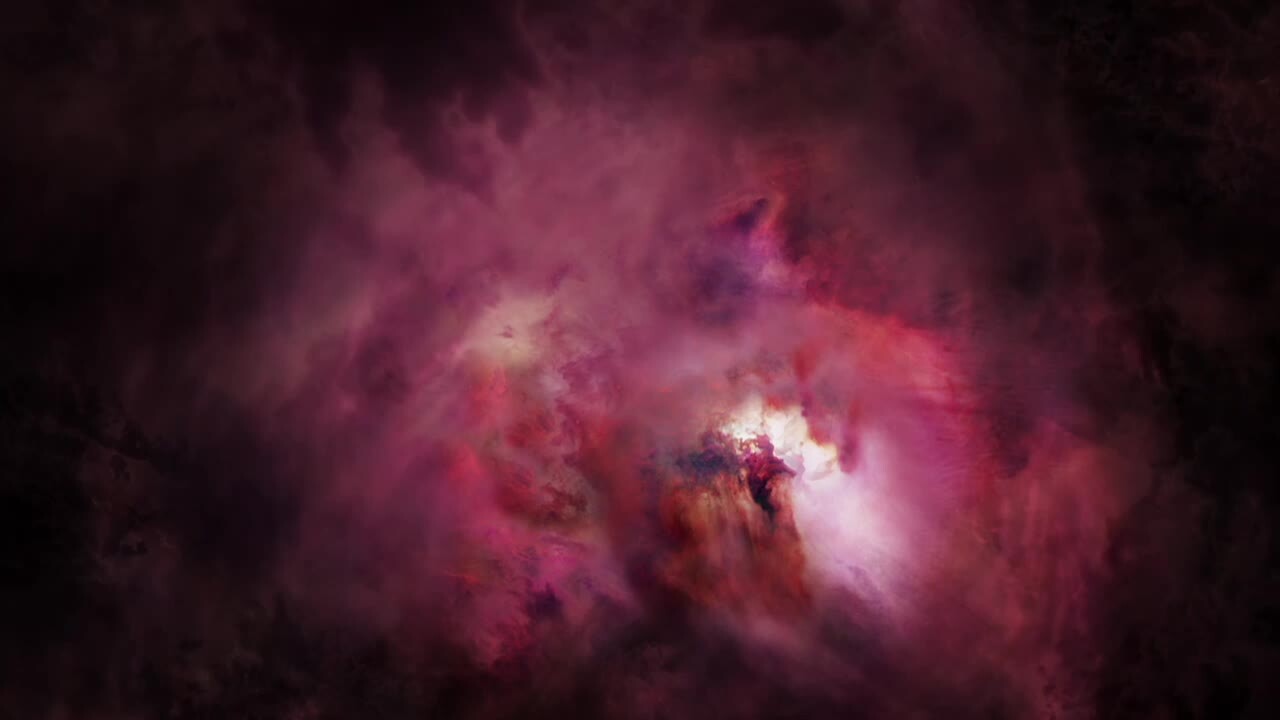
In The Search for Life Continues, Professor Brian Cox wonders about the possibility of complex life and civilization on other planets. And, if we are, in fact, alone in our galaxy, what does that mean for our value in the Universe? This video is excerpted from BBC’s The Planets, a series that explores the dramatic lives of the eight planets in our Solar System.
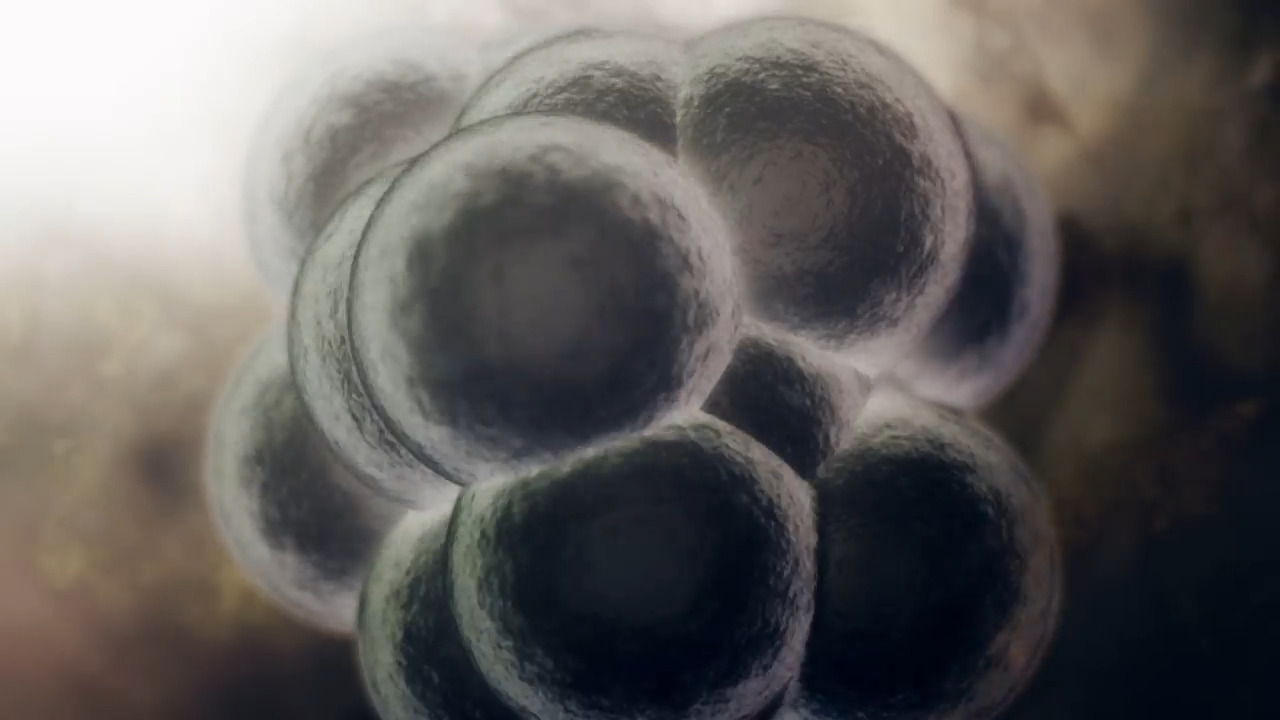
In Intelligent Life — Is It Out There?, Professor Brian Cox explains what happened when complex life developed and what this means for the search for life beyond Earth. This video is excerpted from BBC’s The Planets, a series that explores the dramatic lives of the eight planets in our Solar System.
Easy, joyful activities for kids ages 4–7 inspired by Bluey and her family.
Explore the impact of human activity on our oceans with this comprehensive lesson collection. Featuring curated BBC video clips and printable activities, these resources dive into topics like pollution, overfishing, and ocean habitats, helping students understand the challenges facing ocean life and inspiring them to become ocean conservation advocates!
Introducing your new favorite duo! JoJo & Gran Gran is a BBC children's animated television series that follows an inquisitive and cheerful 4-and-a-half-year-old girl and her loving grandmother, who always has something new to teach her. Young learners will love learning alongside the diverse cast of characters as they get to know their community and explore the natural world around them.
This is quick and easy seasonal content — perfect for an intro to a life science (plants, trees, flowers) or social studies (holidays!) lesson. Or watch the video and then try what JoJo and Gran Gran did, whether it's making a fruit crumble or writing a poem.
Meet the Alphablocks — 26 living letters who discover that when they hold hands to make a word, something magical happens. Celebrated for its innovative approach to teaching reading, Alphablocks makes learning joyful, active, and engaging for early learners. This free collection of Alphablocks worksheets brings that magic to life at home or in the classroom, with Alphablocks letter cards kids can use to build words, alphabet finger puppets, and playful worksheets that teach letter sounds.
Watch full episodes of the award-winning show for kids ages 3–6 on the official Alphablocks YouTube channel!
Bring your students on an icy exploration of the polar ecosystem! The Arctic and Antarctica may look frozen and empty at first glance, but they’re full of life perfectly adapted to the cold.
✨ Perfect for grades 3–8, here’s what you need to bring ecosystems to life:
- Iconic BBC Videos: Share the clips on this page to introduce the location, plants, animals, and climate of the polar regions. (Don't miss the narwhals and emperor penguins!) Brought to you by world-class BBC programs like Planet Earth, Frozen Planet, and Seven Worlds, One Planet.
- Free Printable: Use the Polar Brochure Template to help students pull it all together in an ecosystem report with facts they’ve learned (and a little extra research).
It’s everything you need to make ecosystems easy to teach and truly memorable for your students.
Dive into the wonders of Antarctica with this multi-grade lesson collection! Tailored for K–2, 3–5, 6–8, and 9–12, each unit includes engaging activities, thought-provoking discussions, and hands-on projects to uncover the mysteries of the frozen continent. Enhance your teaching with stunning BBC video clips showcasing Antarctic wildlife, research stations, and breathtaking icy landscapes. Printable resources like animal fact sheets, scientist journal templates, and conservation challenges bring the learning to life for your students. Perfect for science, geography, and environmental lessons!
Get ready for hours of fun with Bluey and her friends! This collection of activity pages is packed with puzzles, coloring sheets, games, and creative challenges that bring the world of Bluey to life. Perfect for playtime or rainy days — let’s play!
In Breathing Life Into Earth, geologist Iain Stewart explains how oxygen left the ocean and filled the atmosphere, creating a huge turning point in the story of life on Earth. This oxygen helped form the ozone layer, which acts like a protective shield, blocking harmful radiation from the Sun and allowing life to thrive. Without oxygen, Earth wouldn’t have been able to support all the amazing life forms we know. This video is excerpted from BBC’s Earth: The Power of the Planet, a documentary series in which Dr. Iain Stewart discovers how Earth's forces can shape nature, species, and even the climate.
In Microscopic Life in Ice, Professor Brian Cox explores an ice cave and finds microorganisms that are living in the ice. He discusses what this means for life on other planets and moons with scientist Richard Hoover. This video is excerpted from BBC’s The Planets, a series that explores the dramatic lives of the eight planets in our Solar System.
In Europa and Life on Moons, Professor Brian Cox explains how the geological discoveries on faraway moons have impacted what scientists think about them. Then he visits an ice cave in Iceland to discuss how the ice cave can teach us about Europa, Jupiter’s moon. This video is excerpted from BBC’s The Planets, a series that explores the dramatic lives of the eight planets in our Solar System.
In The Search for Life Continues, Professor Brian Cox wonders about the possibility of complex life and civilization on other planets. And, if we are, in fact, alone in our galaxy, what does that mean for our value in the Universe? This video is excerpted from BBC’s The Planets, a series that explores the dramatic lives of the eight planets in our Solar System.
In Intelligent Life — Is It Out There?, Professor Brian Cox explains what happened when complex life developed and what this means for the search for life beyond Earth. This video is excerpted from BBC’s The Planets, a series that explores the dramatic lives of the eight planets in our Solar System.