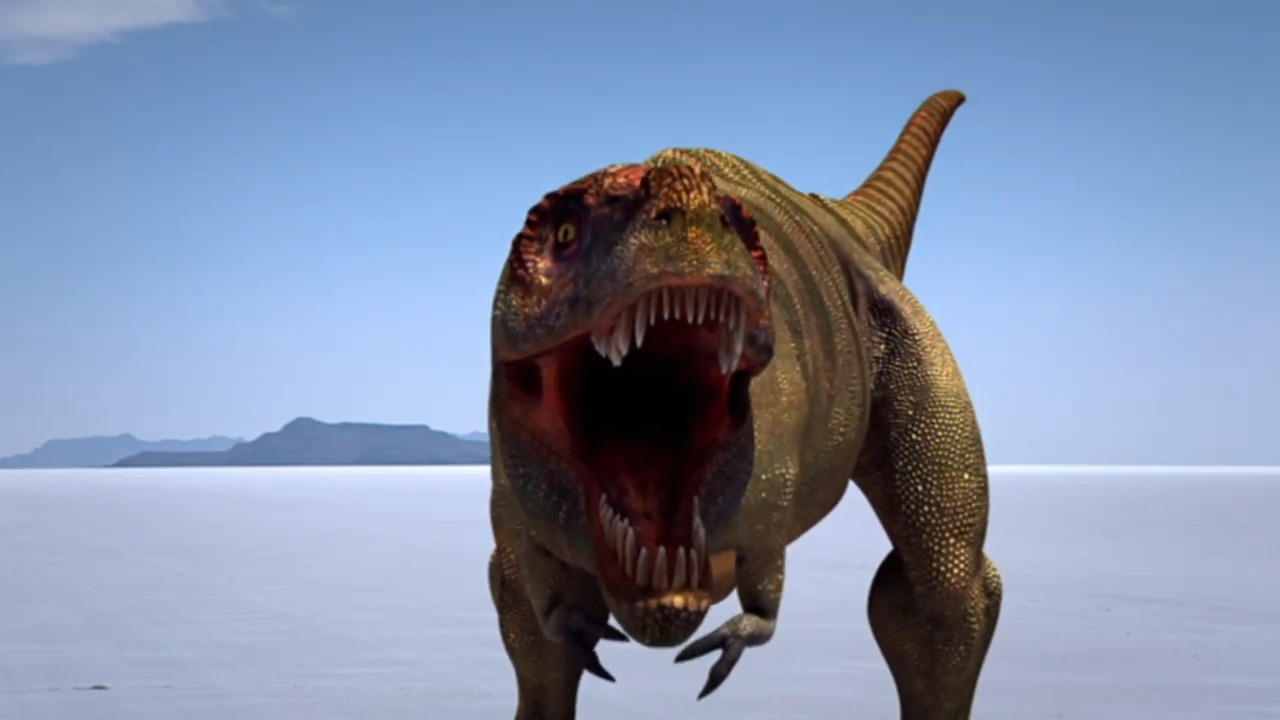
In T. Rex's Jaws of Death, naturalist Steve Backshall highlights the “weaponry” possessed by the Tyrannosaurus rex, including the head, teeth, and tremendous jaws that put this dinosaur at the top of the food chain. This video is excerpted from BBC’s Deadly Dinosaurs, a documentary series in which host Steve Backshall is on the hunt for the deadliest animals to have walked the Earth — dinosaurs — exploring features of several species and putting their abilities to the test to reveal the raw power of these creatures.
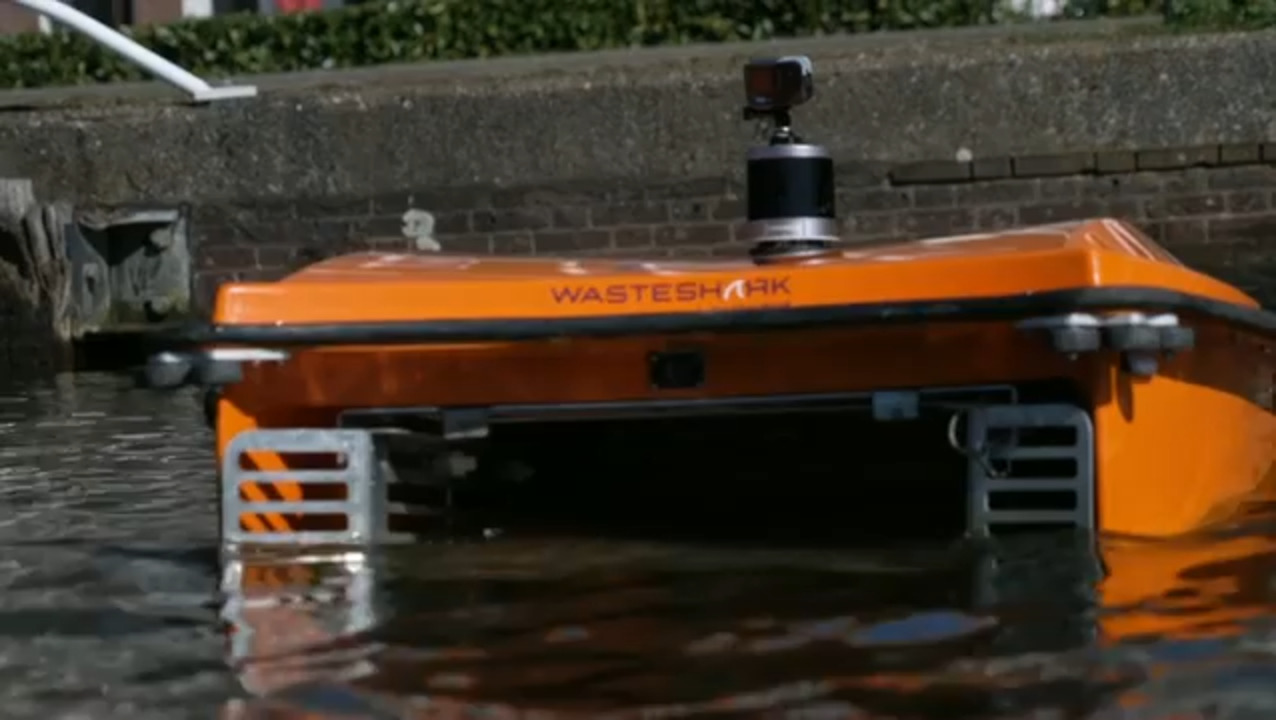
There’s a shark in the water! No, no, it’s good — we promise! The WasteShark is not actually a shark, but an autonomous robot that was built to tackle a big problem: plastic pollution in the water. Some estimates put the amount of plastic waste in the hundreds of millions of metric tons. Between canals, rivers, and oceans, waterways around the world are affected.
To make things worse, marine plastic is a relatively new problem, so the solutions haven’t caught up to the issue. The old methods of putting people in boats to fish out plastic isn’t enough, so Richard Hardiman, CEO of RanMarine Technology, took to the drawing board and built a robot.
The WasteShark is basically a vacuum that cruises around the water and sucks up trash, without needing a person to sit and drive it. It can be controlled remotely or put in autonomous mode, because of its sophisticated addition: software that helps it identify and avoid sucking up items that are not trash. The ducks and fish are very grateful. Despite its sophistication, there are still challenges with developing the robot, since scientists have to figure out how to program it to recognize and act on reflections, currents, and wind.
The shark can gather up to a ton of trash over a 24 hour period, which is just the beginning of what needs to be done to reverse the pollution issue. Luckily, the next step is already in the works: the MegaShark.
In T. Rex's Jaws of Death, naturalist Steve Backshall highlights the “weaponry” possessed by the Tyrannosaurus rex, including the head, teeth, and tremendous jaws that put this dinosaur at the top of the food chain. This video is excerpted from BBC’s Deadly Dinosaurs, a documentary series in which host Steve Backshall is on the hunt for the deadliest animals to have walked the Earth — dinosaurs — exploring features of several species and putting their abilities to the test to reveal the raw power of these creatures.
There’s a shark in the water! No, no, it’s good — we promise! The WasteShark is not actually a shark, but an autonomous robot that was built to tackle a big problem: plastic pollution in the water. Some estimates put the amount of plastic waste in the hundreds of millions of metric tons. Between canals, rivers, and oceans, waterways around the world are affected.
To make things worse, marine plastic is a relatively new problem, so the solutions haven’t caught up to the issue. The old methods of putting people in boats to fish out plastic isn’t enough, so Richard Hardiman, CEO of RanMarine Technology, took to the drawing board and built a robot.
The WasteShark is basically a vacuum that cruises around the water and sucks up trash, without needing a person to sit and drive it. It can be controlled remotely or put in autonomous mode, because of its sophisticated addition: software that helps it identify and avoid sucking up items that are not trash. The ducks and fish are very grateful. Despite its sophistication, there are still challenges with developing the robot, since scientists have to figure out how to program it to recognize and act on reflections, currents, and wind.
The shark can gather up to a ton of trash over a 24 hour period, which is just the beginning of what needs to be done to reverse the pollution issue. Luckily, the next step is already in the works: the MegaShark.