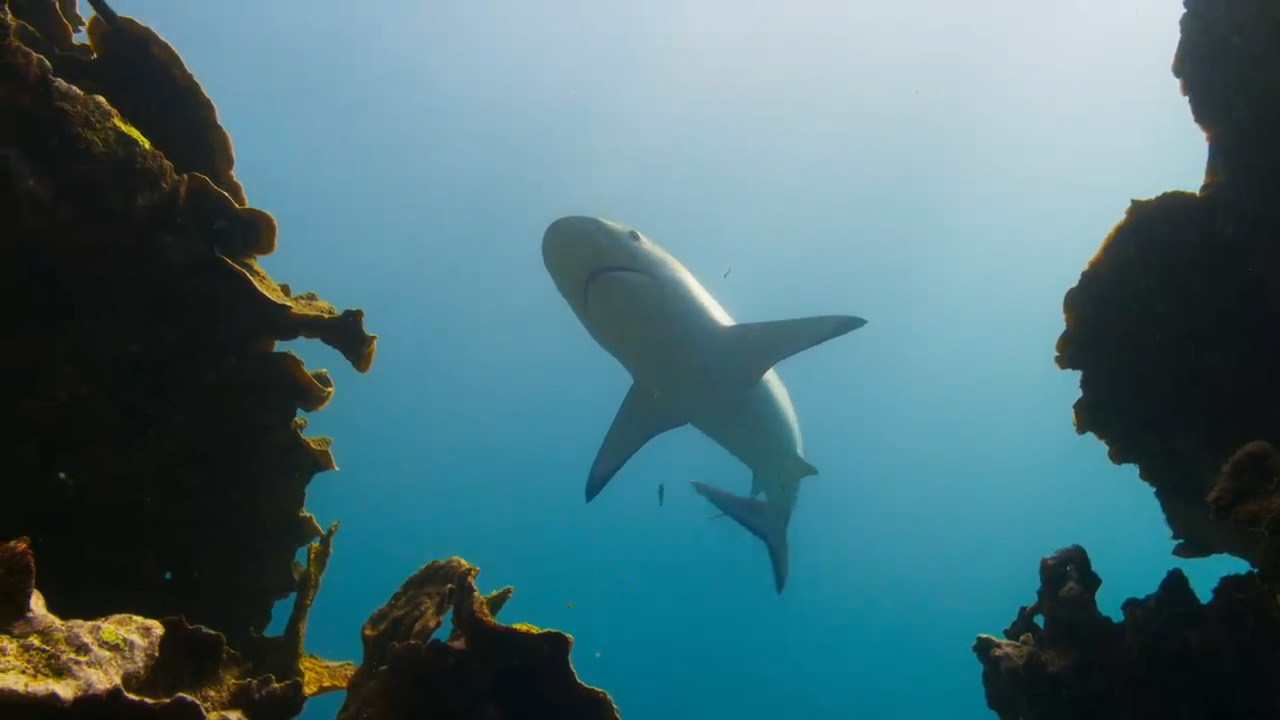
In Sharks' Hunting Techniques on the Coral Reef, narrator Sir David Attenborough explains how sharks around the coral reef work together to herd shoals of fish toward the shore. Their technique traps millions of fish in shallow waters, allowing the sharks to fill their stomachs. This video is excerpted from BBC’s Seven Worlds, One Planet, a series featuring remarkable animal behavior from all seven continents.
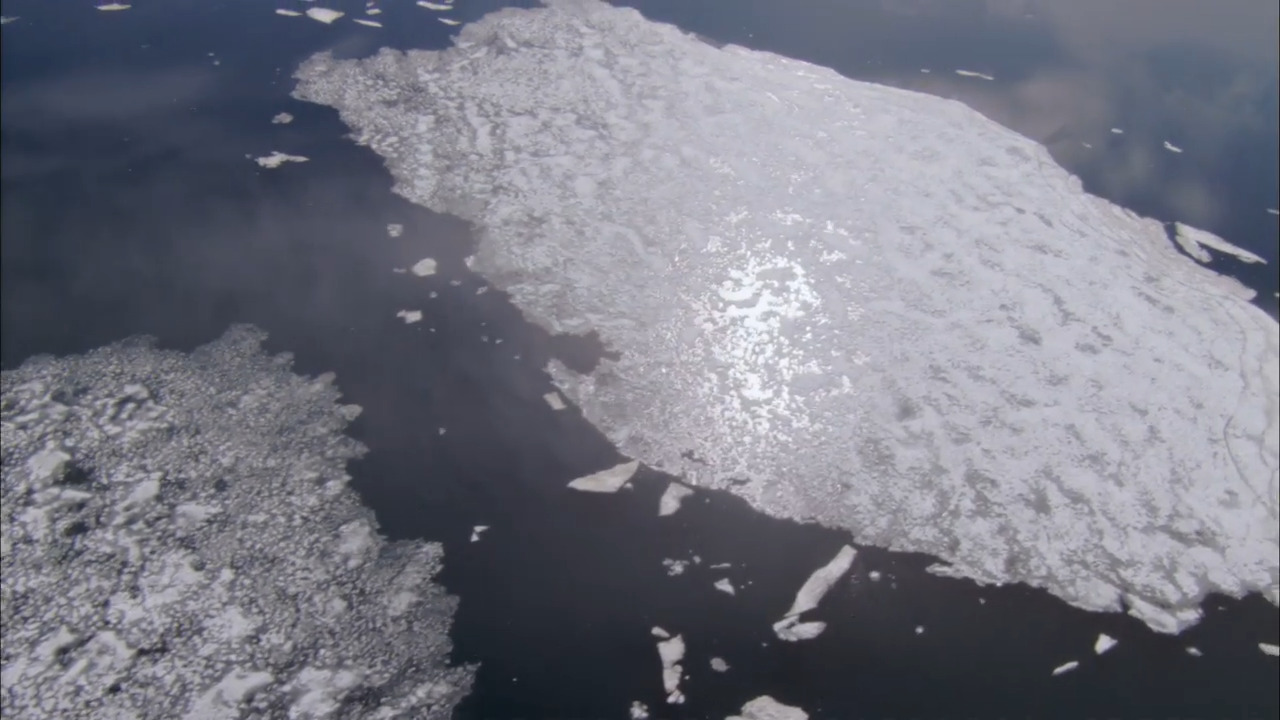
In Hunting and Nesting in the Arctic During Summer Melt, narrator Sir David Attenborough details the dramatic transformation of the Arctic landscape as summer approaches. Glacial meltwaters flow into the sea, and the once-solid ice sheets begin to break apart. This unstable environment poses significant challenges for polar bears, who rely on sea ice to hunt for seals. As the ice weakens, a male polar bear struggles to find stable ground, a grim reminder of the impact of climate change. Meanwhile, seabirds, such as little auks, return to the Arctic seeking bare rock for nesting. This video is excerpted from BBC’s Planet Earth, a breathtaking documentary series that highlights the natural wonders of our planet.

In Cave Glow Worms and Their Hunting Techniques, narrator Sir David Attenborough highlights the fascinating hunting tactics of cave glow worms. Living in the darkness of caves, these small insects use sticky silk threads, which they produce along with mucus from their mouths, to trap insects. Glow worms emit a faint blue light from their bodies while they wait in a mucus hammock, attracting insects toward the sticky traps. Once an insect becomes ensnared, the glow worm reels in the thread and devours its prey. This video is excerpted from BBC’s Planet Earth, a breathtaking documentary series that highlights the natural wonders of our planet.
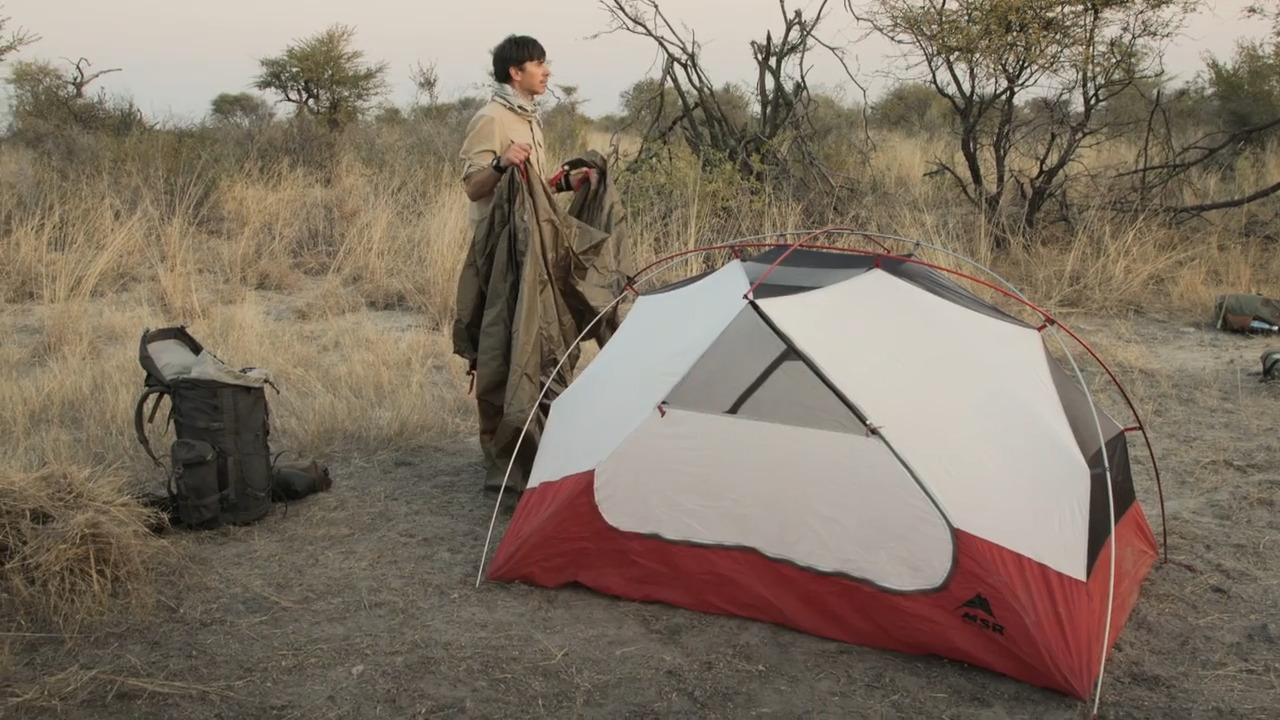
In Hunting and Camping in the Kalahari, host Simon Reeve camps with the San people in the Kalahari, learning their survival skills. As night falls, he tries his hand at making fire with sticks, a skill the San men have mastered. Around the campfire, one man explains how coffee helps him stay alert to listen for predators like lions, sharing a gripping story of waking up to a pride nearby. He reflects on the courage it takes to hunt, reminding Simon that providing for family is worth the risks. This video is excerpted from BBC’s Wilderness With Simon Reeve, an epic adventure into the heart of Earth’s last great wild areas, where nature is at its most beautiful and fragile.
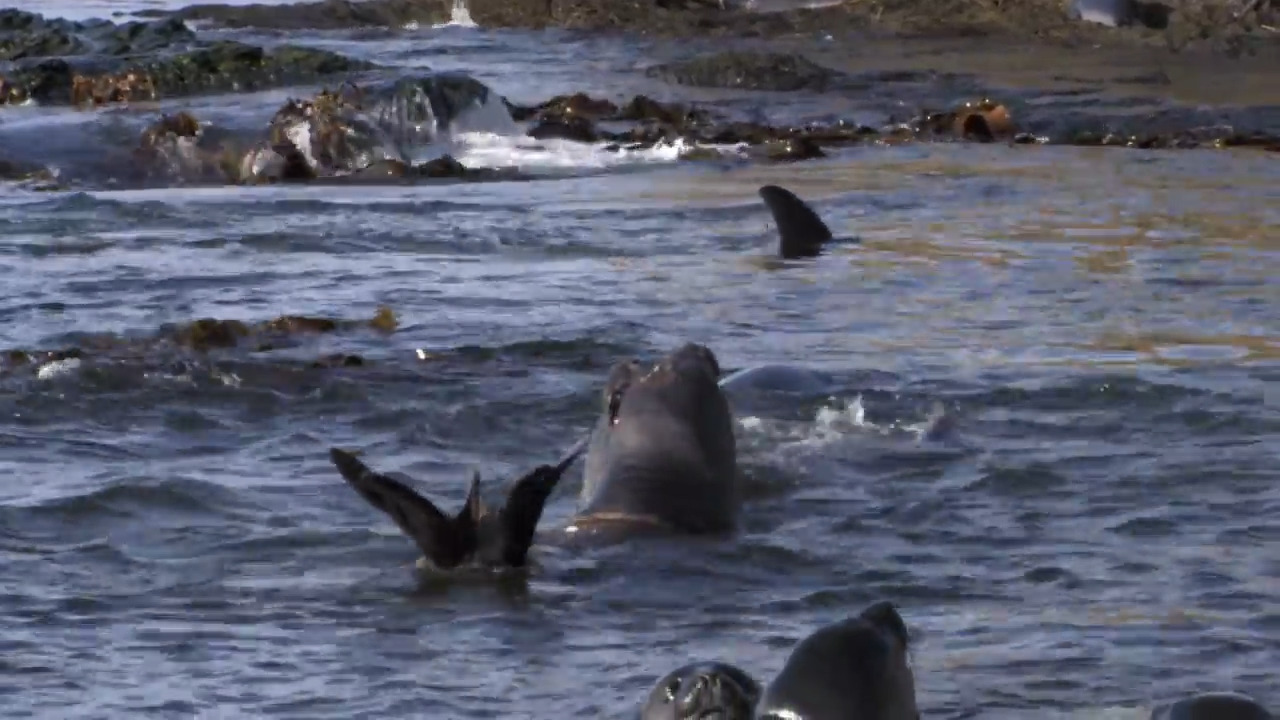
In Orca Life and Hunting Skills, narrator Sir David Attenborough explores the world of orcas, the largest and most powerful members of the dolphin family. Follow this pod of nine, including a mother and her calf, as they navigate a narrow channel to hunt elephant seals. Using careful timing and strategy, the mother secures a meal, highlighting the intelligence and skill of these apex predators. This video is excerpted from BBC's Life, a show that explores the remarkable strategies animals and plants use to ensure their survival.
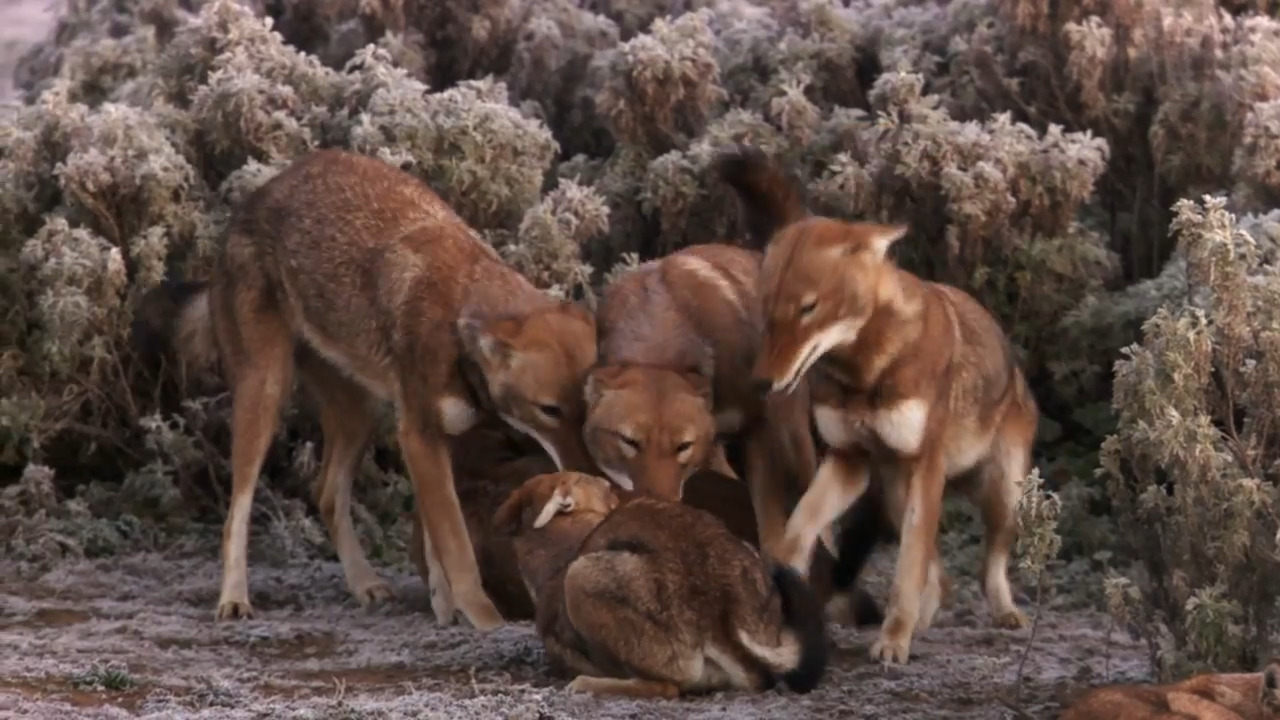
In Ethiopian Wolves’ Hunting Strategy, narrator Sir David Attenborough shows the packs of Ethiopian wolves that live high up in the mountaintops. With one dominant female, the pack works together to care for the pups. In this pack, a mother wolf with six pups stays behind to care for them while the rest head out each day to hunt. But unlike other wolves that hunt in groups, these wolves spread out across the mountains to hunt rats, bringing their daily catch back to the den. This video is excerpted from BBC's Life, a show that explores the remarkable strategies animals and plants use to ensure their survival.
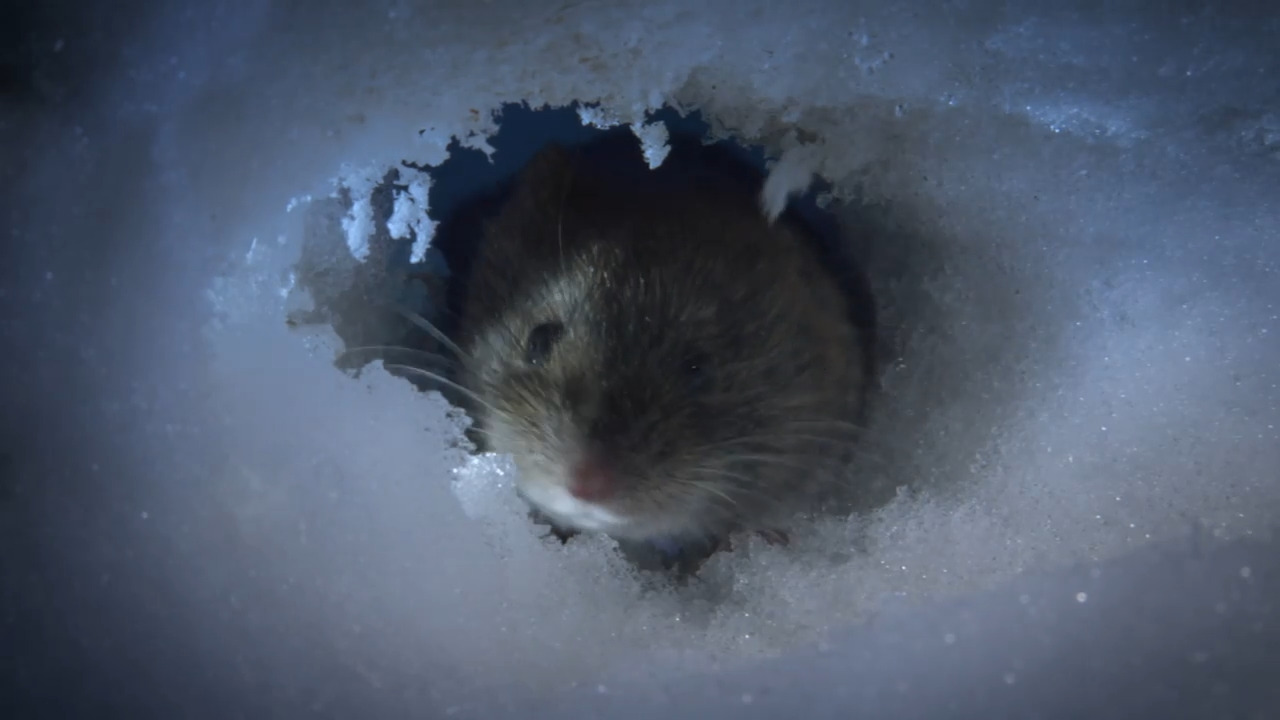
In Hiding and Hunting Under the Snow, narrator Sir David Attenborough explains how animals in the Arctic use the snow to escape predators, like the vole who burrows and buries itself to escape a grey owl. But while a burrow may be small enough to evade an owl, it won’t help when trying to escape a weasel on the prowl. This video is excerpted from BBC’s Frozen Planet, a series that shows a fragile world of beauty and hostility, where nature finds a way to survive and thrive in frigid conditions.
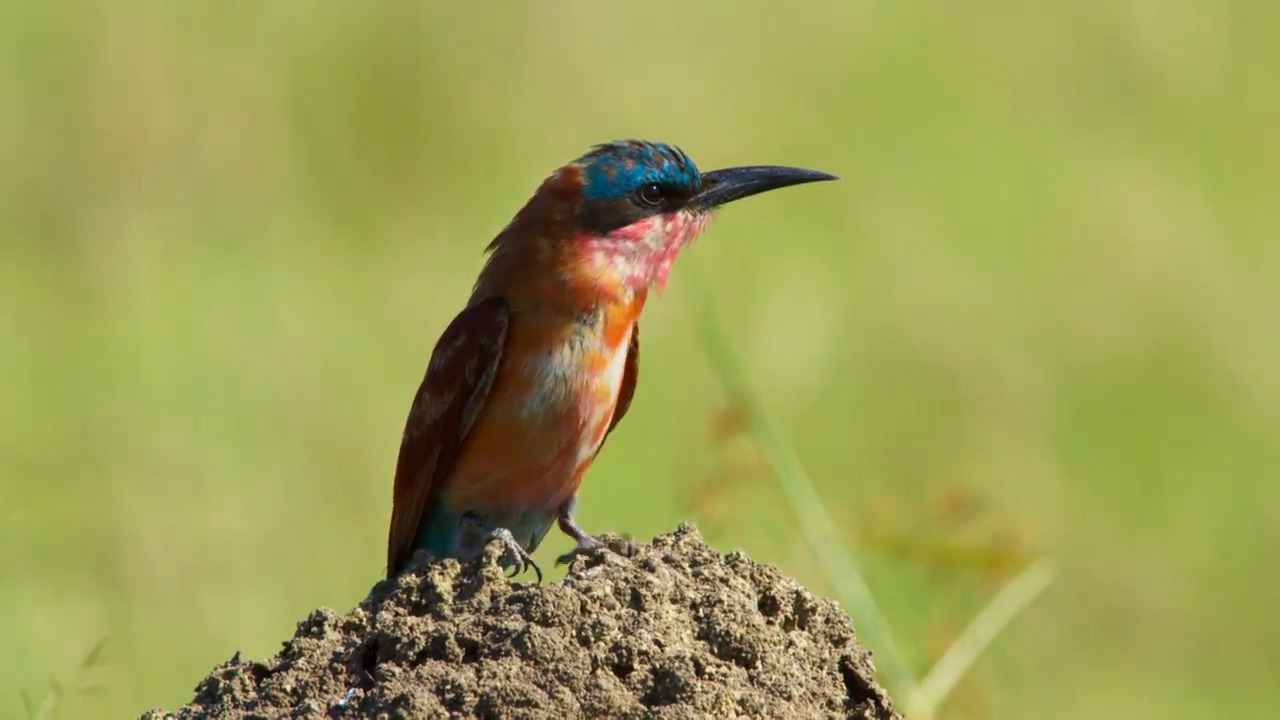
In Insect Hunting with Africa's Giants, narrator Sir David Attenborough explains a unique partnership between carmine bee-eaters and elephants. These birds follow elephants across the African savanna to catch insects stirred up by the elephants' movements. This fascinating collaboration is a perfect example of how different species can work together to survive. This video is excerpted from BBC’s Planet Earth II, a breathtaking documentary series that highlights the natural wonders of our planet.
In Sharks' Hunting Techniques on the Coral Reef, narrator Sir David Attenborough explains how sharks around the coral reef work together to herd shoals of fish toward the shore. Their technique traps millions of fish in shallow waters, allowing the sharks to fill their stomachs. This video is excerpted from BBC’s Seven Worlds, One Planet, a series featuring remarkable animal behavior from all seven continents.
In Hunting and Nesting in the Arctic During Summer Melt, narrator Sir David Attenborough details the dramatic transformation of the Arctic landscape as summer approaches. Glacial meltwaters flow into the sea, and the once-solid ice sheets begin to break apart. This unstable environment poses significant challenges for polar bears, who rely on sea ice to hunt for seals. As the ice weakens, a male polar bear struggles to find stable ground, a grim reminder of the impact of climate change. Meanwhile, seabirds, such as little auks, return to the Arctic seeking bare rock for nesting. This video is excerpted from BBC’s Planet Earth, a breathtaking documentary series that highlights the natural wonders of our planet.
In Cave Glow Worms and Their Hunting Techniques, narrator Sir David Attenborough highlights the fascinating hunting tactics of cave glow worms. Living in the darkness of caves, these small insects use sticky silk threads, which they produce along with mucus from their mouths, to trap insects. Glow worms emit a faint blue light from their bodies while they wait in a mucus hammock, attracting insects toward the sticky traps. Once an insect becomes ensnared, the glow worm reels in the thread and devours its prey. This video is excerpted from BBC’s Planet Earth, a breathtaking documentary series that highlights the natural wonders of our planet.
In Hunting and Camping in the Kalahari, host Simon Reeve camps with the San people in the Kalahari, learning their survival skills. As night falls, he tries his hand at making fire with sticks, a skill the San men have mastered. Around the campfire, one man explains how coffee helps him stay alert to listen for predators like lions, sharing a gripping story of waking up to a pride nearby. He reflects on the courage it takes to hunt, reminding Simon that providing for family is worth the risks. This video is excerpted from BBC’s Wilderness With Simon Reeve, an epic adventure into the heart of Earth’s last great wild areas, where nature is at its most beautiful and fragile.
In Orca Life and Hunting Skills, narrator Sir David Attenborough explores the world of orcas, the largest and most powerful members of the dolphin family. Follow this pod of nine, including a mother and her calf, as they navigate a narrow channel to hunt elephant seals. Using careful timing and strategy, the mother secures a meal, highlighting the intelligence and skill of these apex predators. This video is excerpted from BBC's Life, a show that explores the remarkable strategies animals and plants use to ensure their survival.
In Ethiopian Wolves’ Hunting Strategy, narrator Sir David Attenborough shows the packs of Ethiopian wolves that live high up in the mountaintops. With one dominant female, the pack works together to care for the pups. In this pack, a mother wolf with six pups stays behind to care for them while the rest head out each day to hunt. But unlike other wolves that hunt in groups, these wolves spread out across the mountains to hunt rats, bringing their daily catch back to the den. This video is excerpted from BBC's Life, a show that explores the remarkable strategies animals and plants use to ensure their survival.
In Hiding and Hunting Under the Snow, narrator Sir David Attenborough explains how animals in the Arctic use the snow to escape predators, like the vole who burrows and buries itself to escape a grey owl. But while a burrow may be small enough to evade an owl, it won’t help when trying to escape a weasel on the prowl. This video is excerpted from BBC’s Frozen Planet, a series that shows a fragile world of beauty and hostility, where nature finds a way to survive and thrive in frigid conditions.
In Insect Hunting with Africa's Giants, narrator Sir David Attenborough explains a unique partnership between carmine bee-eaters and elephants. These birds follow elephants across the African savanna to catch insects stirred up by the elephants' movements. This fascinating collaboration is a perfect example of how different species can work together to survive. This video is excerpted from BBC’s Planet Earth II, a breathtaking documentary series that highlights the natural wonders of our planet.