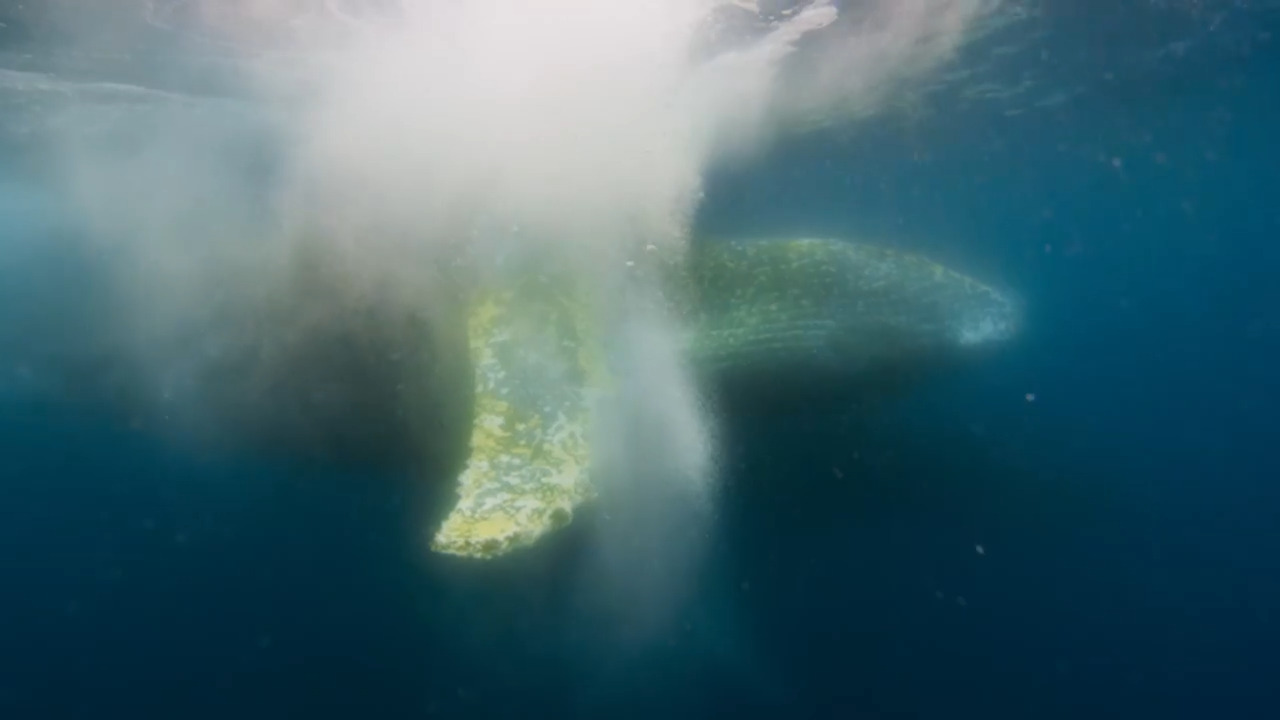
In The Sophisticated Feeding Technique of Humpback Whales, narrator Sir David Attenborough explores the Southern Ocean and the humpback whales that feed there. When Antarctica broke off from South America, it created swirling currents that sweep up nutrients from the bottom of the ocean, making it one of the richest waters on earth. In the summer, humpback whales come there to feast on shoals of krill, blowing curtains of bubbles and spiraling inwards to capture the swarm. This video is excerpted from BBC’s Seven Worlds, One Planet, a series featuring remarkable animal behavior from all seven continents.
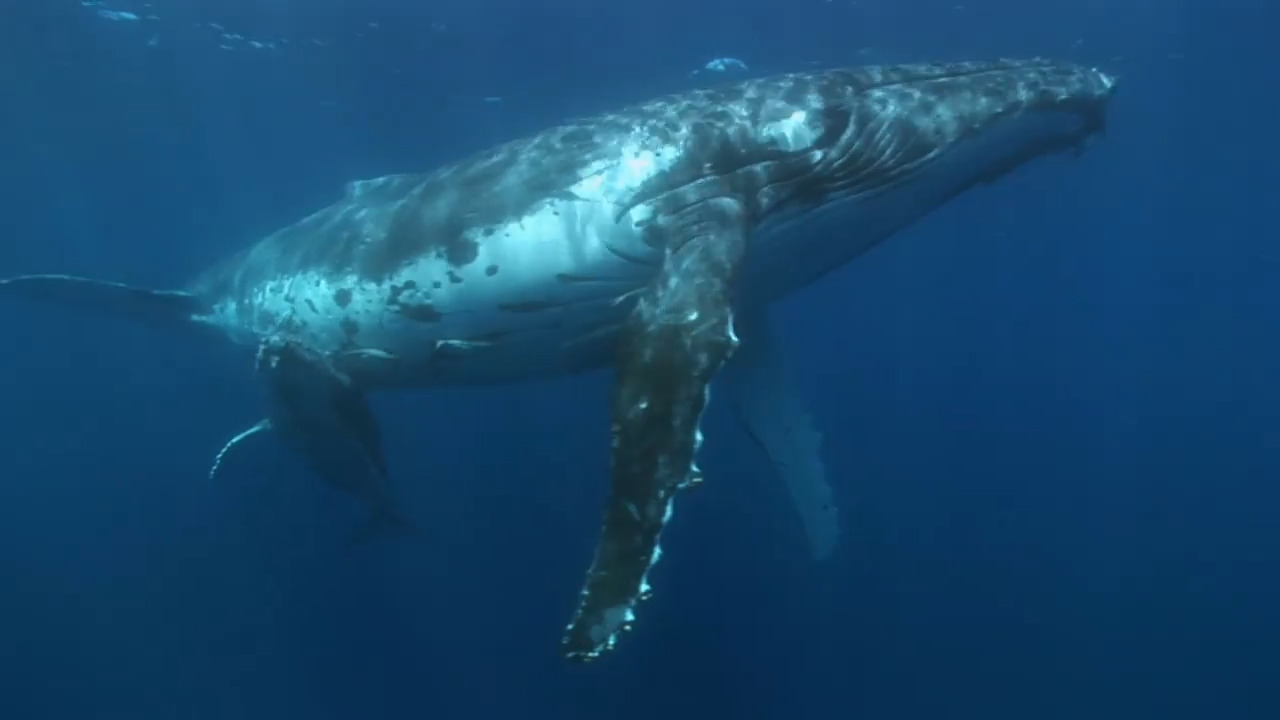
In A Humpback Whale Baby Leaves the Nursery, narrator Sir David Attenborough follows a mother and baby humpback whale as they embark on a dangerous journey. The young calf and starving mother leave the safety of the shallow seas in search of deeper water, where the mother can eat. Along the way, they communicate by slapping their tails and fins against the surface of the water. This video is excerpted from BBC's Planet Earth, a breathtaking documentary series that highlights the natural wonders of our planet.
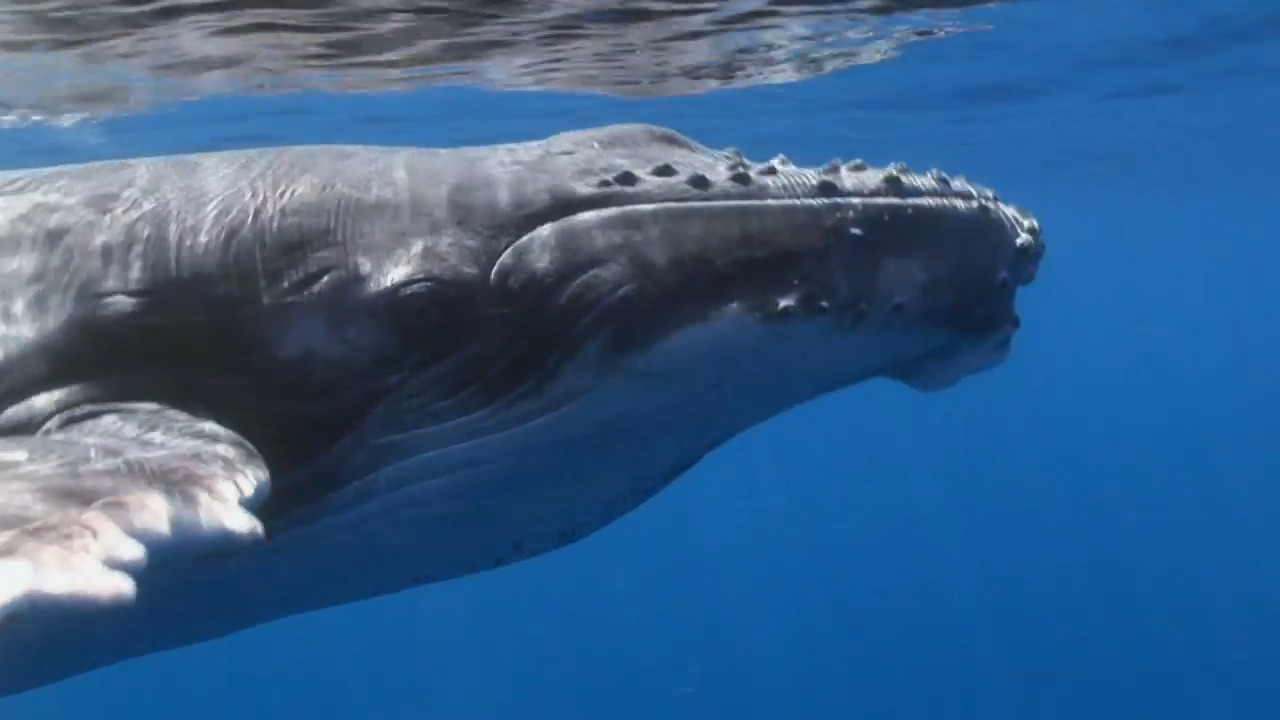
In Inside a Humpback Whale Nursery, narrator Sir David Attenborough discovers what a whale nursery is like. Explore the shallow seas where humpback whales sing to attract a mate, birth calves, and teach them to swim. This video is excerpted from BBC's Planet Earth, a breathtaking documentary series that highlights the natural wonders of our planet.
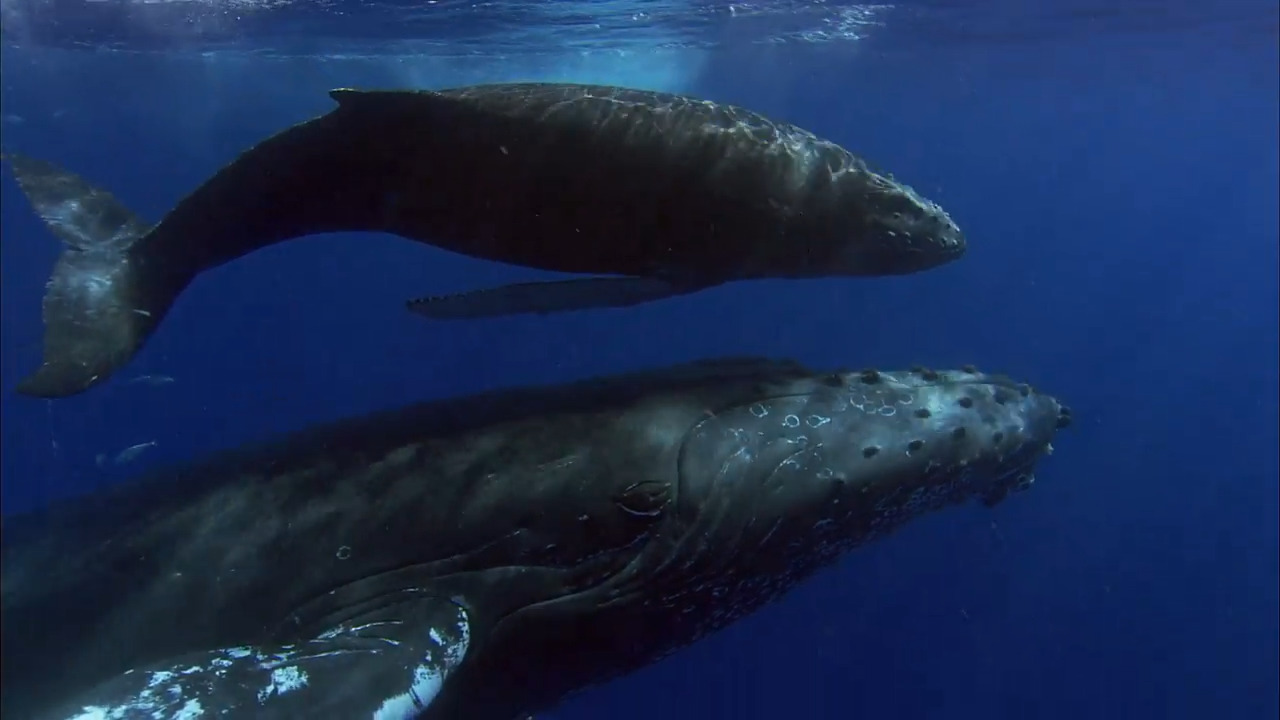
In The Voyage of Humpback Whales, narrator Sir David Attenborough explores why these animals split their time between the seas in Alaska and Hawaii. This video is an excerpt from BBC’s Nature's Great Events, a documentary series that showcases some of the most dramatic wildlife spectacles on Earth, exploring how life adapts to natural events that can transform entire landscapes.
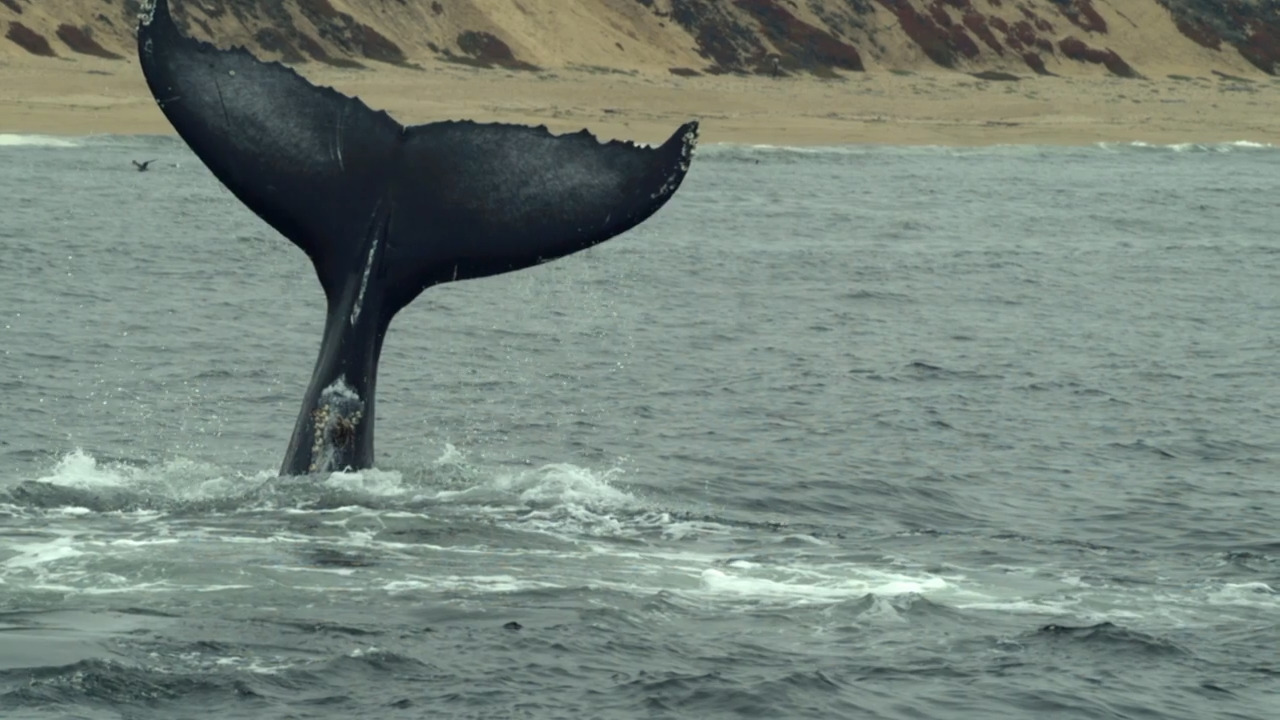
In Identifying Whale Tails, surfer Ted Cheeseman talks about his photo identification service, Happy Whale. Whales' tails show their life story, from bitemarks, barnacles, and scars. This video is excerpted from BBC’s Natural World: Humpback Whales - A Detective Story,, a documentary about our relationship with whales and their future alongside us.
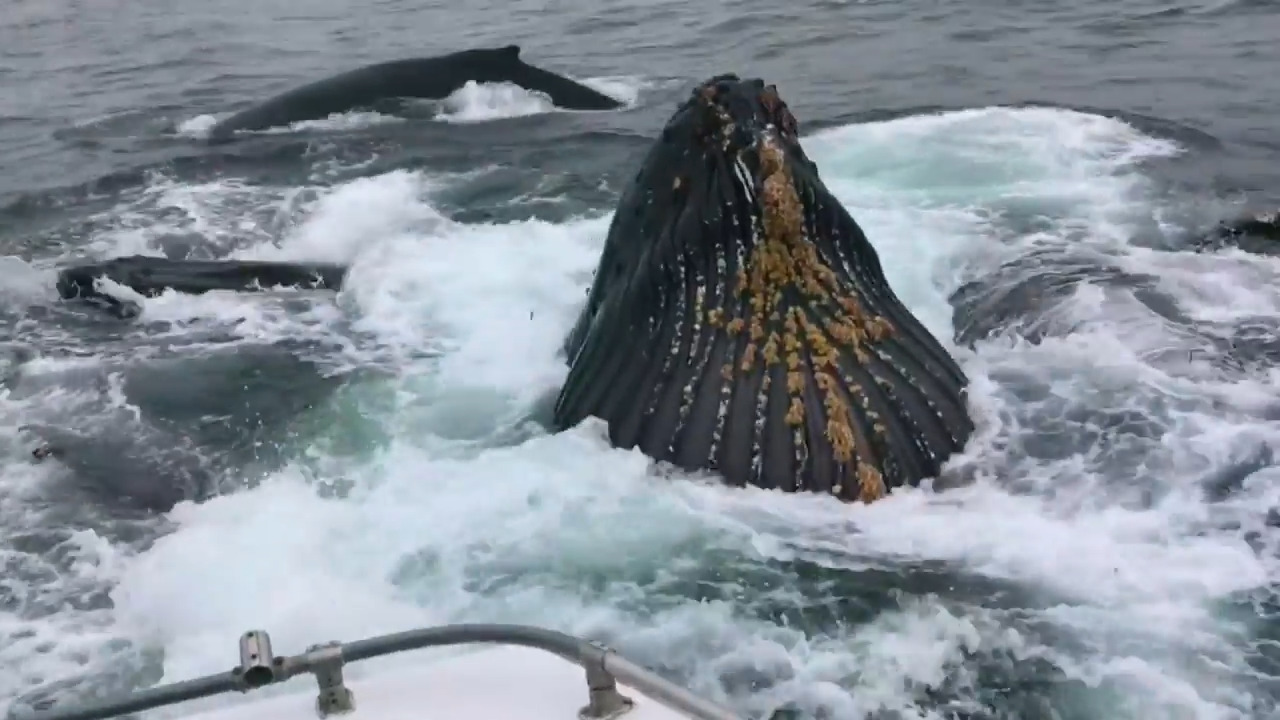
In Why Whale Watching Matters, whale watchers discuss how seeing a whale makes them feel. In the past, whales were hunted for their oil, baleen, flesh, and bones; an estimated 3 million of them were killed. Now that this has stopped, numbers of humpback whales are increasing. This video is excerpted from BBC’s Natural World: Humpback Whales - A Detective Story,, a documentary about our relationship with whales and their future alongside us.
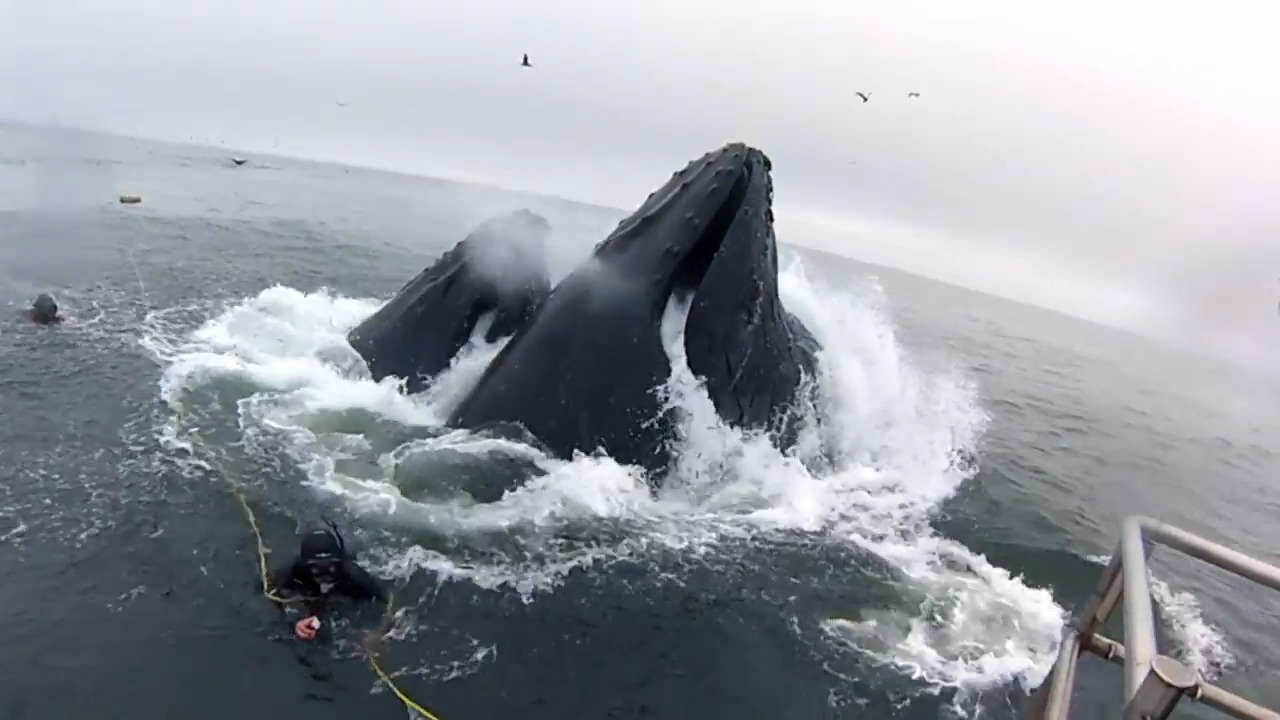
In Humpback Whale Anatomy, people discuss their close encounters with whales. Professor Joy Reidenberg discusses what she has learned from dissecting dead whales. This video is excerpted from BBC’s Natural World: Humpback Whales - A Detective Story, a documentary about our relationship with whales and their future alongside us.
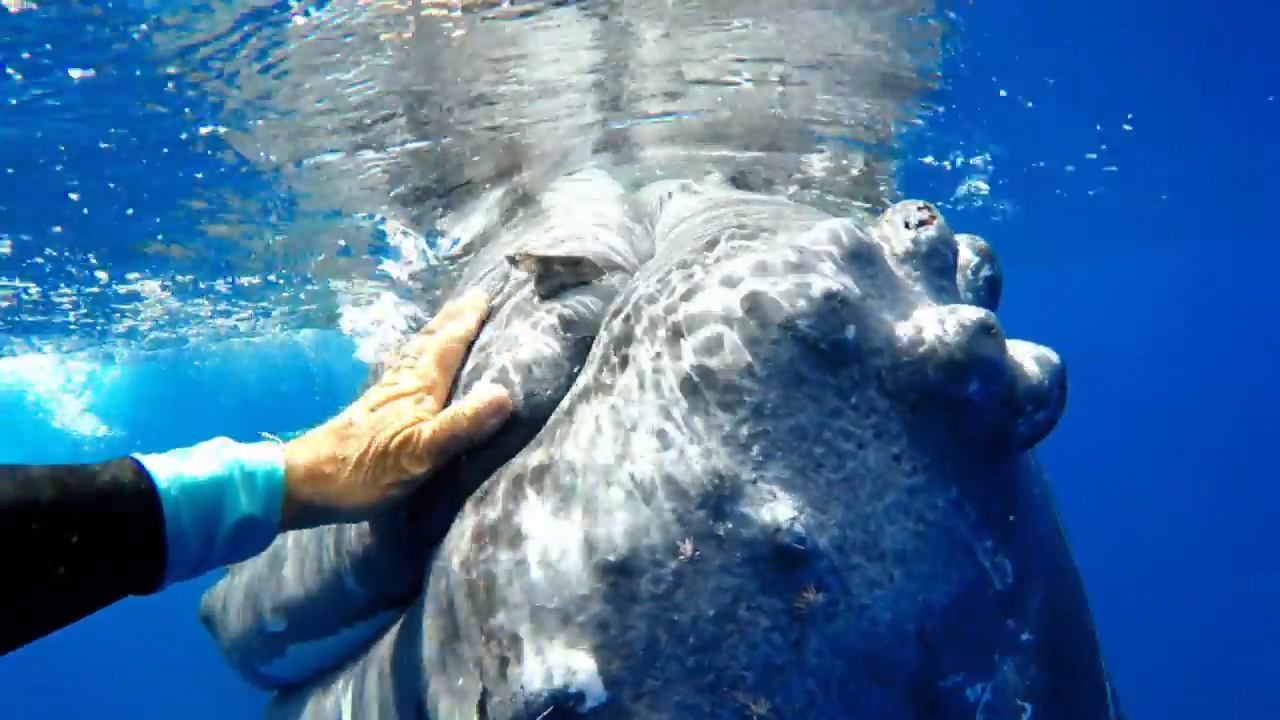
In How Humpback Whales Protect Others, marine biologists discuss occasions when they have witnessed humpback whales protecting other species and how their behavior shows empathy and altruism. This video is excerpted from BBC’s Natural World: Humpback Whales - A Detective Story, a documentary about our relationship with whales and their future alongside us.
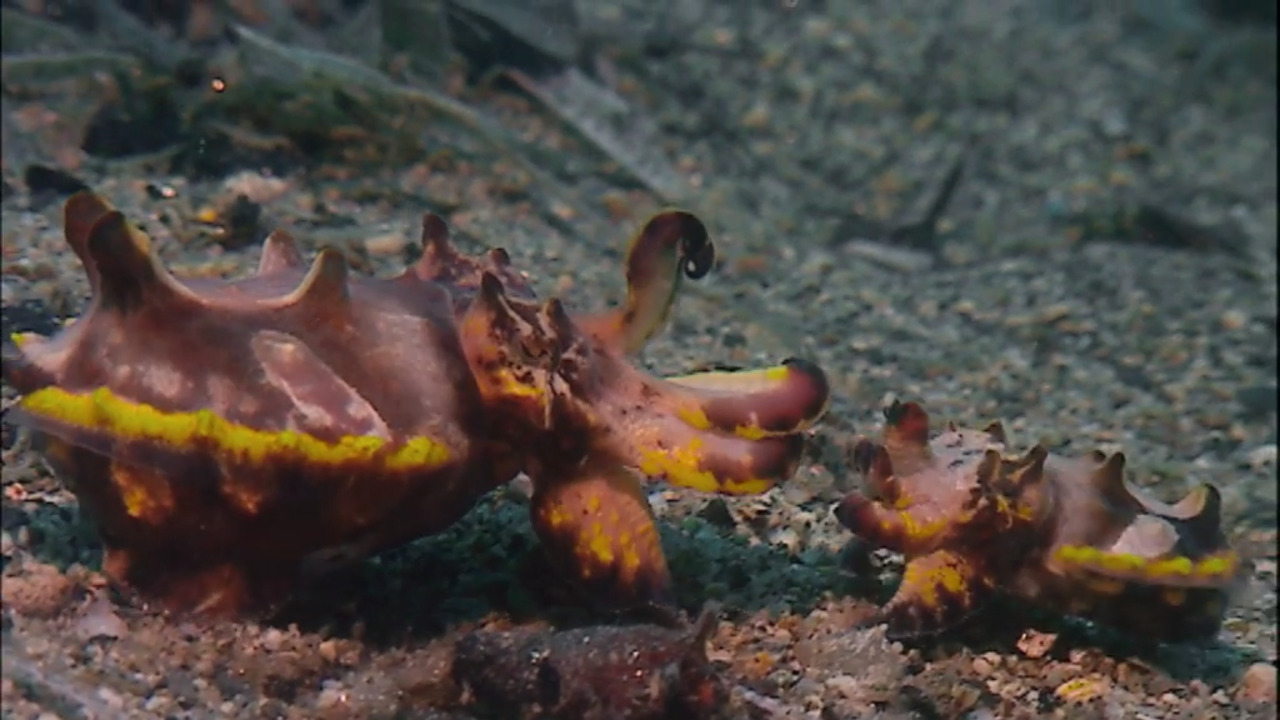
In Cuttlefish and Humpback Whales Breed at the Reef, narrator Sir David Attenborough explores how two animals, the cuttlefish and the humpback whale, use different strategies to find a mate. This video is excerpted from BBC’s Blue Planet, a definitive documentary series diving into the mysterious depths of the sea to discover the natural history of the world’s oceans and the rarely seen marine life that reside there.
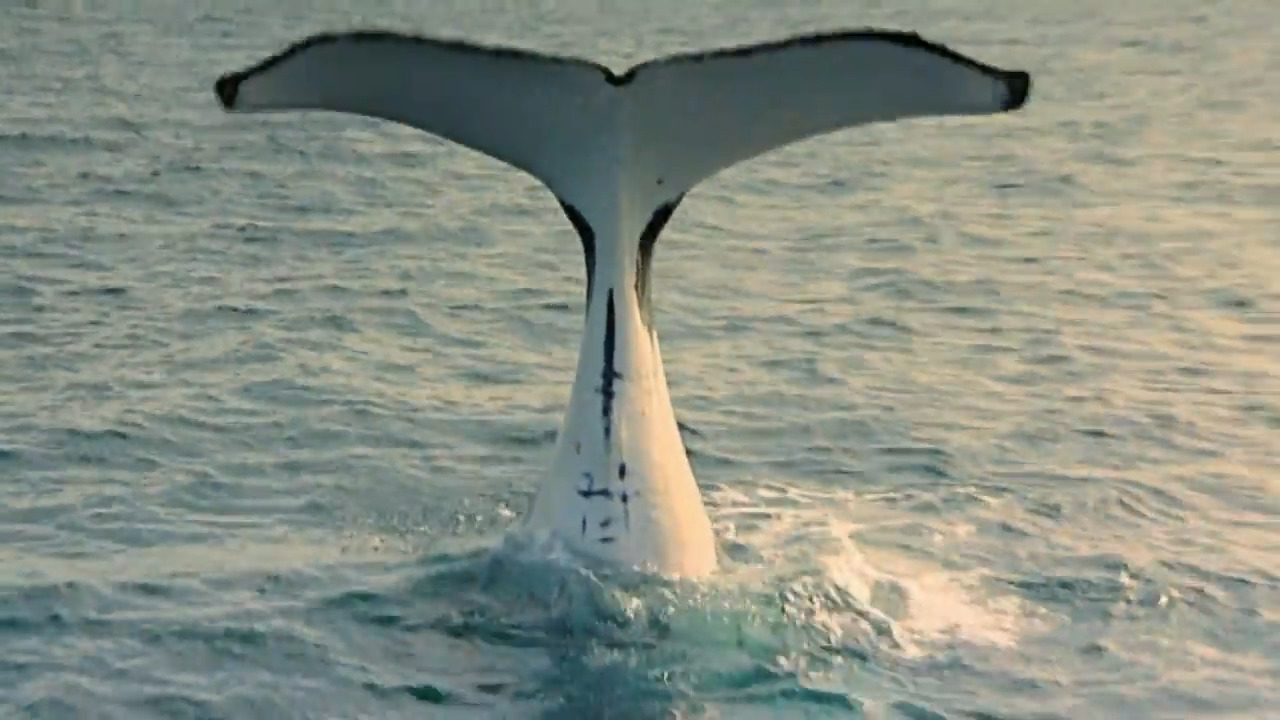
In Saving a Humpback Whale Sanctuary, host Simon Reeve reflects on a past trip to a humpback whale sanctuary in Australia. At the time, industrialization threatened their habitat. In keeping in touch with the marine biologists, he now discovers an encouraging development to the whales' story. This video is excerpted from BBC's Incredible Journeys With Simon Reeve, a series that highlights one journalist’s travels across the globe and the diverse cultures and peoples he meets along the way.

The article "Humpback Whales: Giants of the Ocean and Their Amazing Behavior" from BBC's Discover Wildlife explains the extraordinary lives of humpback whales. These giant marine mammals, known for their acrobatic leaps and complex songs, migrate across oceans, exhibit cooperative feeding behaviors like bubble-netting, and communicate in ways that mystify scientists. Despite their size, they are gentle giants, and their populations have made a remarkable recovery since the whaling industry nearly decimated them.
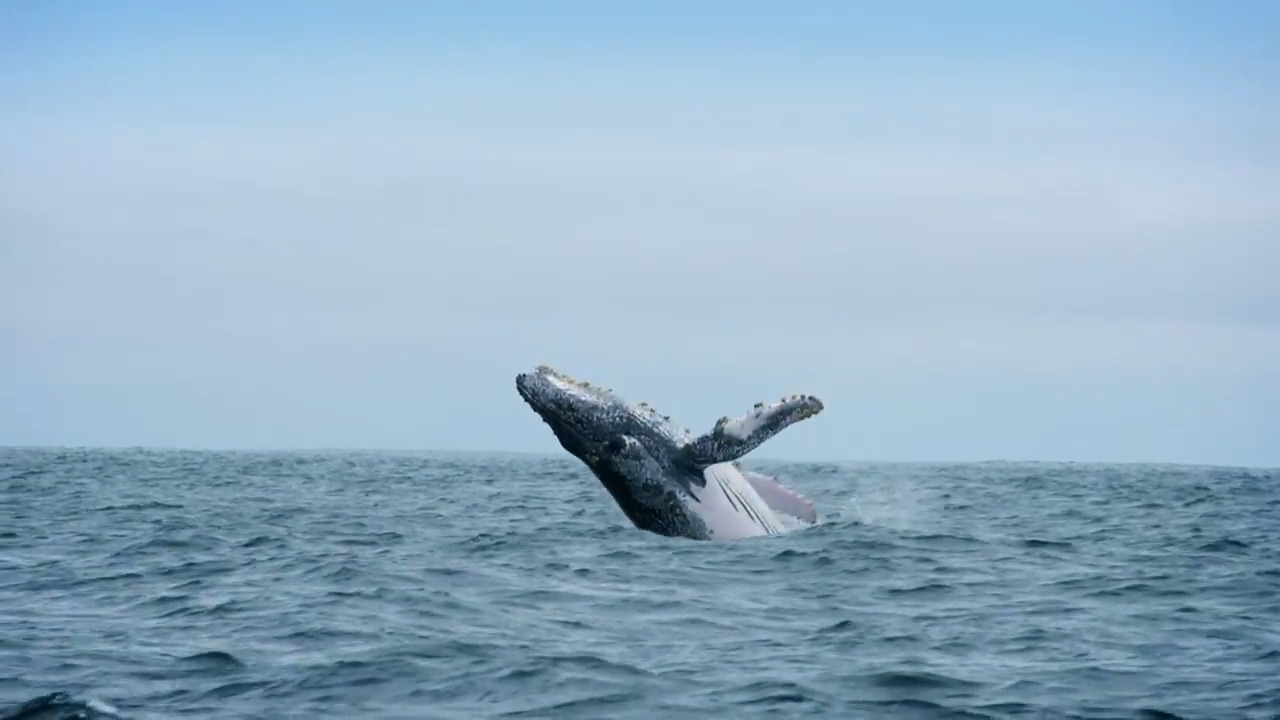
In Meet the Humpback Whale, naturalist Steve Backshall swims with humpback whales. He sends a drone out to capture footage of them playing and breaching the water around Isla de la Plata in Ecuador. This video is excerpted from BBC's Deadly 60, an award-winning nature and adventure show for kids in which narrator Steve Backshall has one mission: to travel the globe in search of 60 of the world's deadliest animals.
In The Sophisticated Feeding Technique of Humpback Whales, narrator Sir David Attenborough explores the Southern Ocean and the humpback whales that feed there. When Antarctica broke off from South America, it created swirling currents that sweep up nutrients from the bottom of the ocean, making it one of the richest waters on earth. In the summer, humpback whales come there to feast on shoals of krill, blowing curtains of bubbles and spiraling inwards to capture the swarm. This video is excerpted from BBC’s Seven Worlds, One Planet, a series featuring remarkable animal behavior from all seven continents.
In A Humpback Whale Baby Leaves the Nursery, narrator Sir David Attenborough follows a mother and baby humpback whale as they embark on a dangerous journey. The young calf and starving mother leave the safety of the shallow seas in search of deeper water, where the mother can eat. Along the way, they communicate by slapping their tails and fins against the surface of the water. This video is excerpted from BBC's Planet Earth, a breathtaking documentary series that highlights the natural wonders of our planet.
In Inside a Humpback Whale Nursery, narrator Sir David Attenborough discovers what a whale nursery is like. Explore the shallow seas where humpback whales sing to attract a mate, birth calves, and teach them to swim. This video is excerpted from BBC's Planet Earth, a breathtaking documentary series that highlights the natural wonders of our planet.
In The Voyage of Humpback Whales, narrator Sir David Attenborough explores why these animals split their time between the seas in Alaska and Hawaii. This video is an excerpt from BBC’s Nature's Great Events, a documentary series that showcases some of the most dramatic wildlife spectacles on Earth, exploring how life adapts to natural events that can transform entire landscapes.
In Identifying Whale Tails, surfer Ted Cheeseman talks about his photo identification service, Happy Whale. Whales' tails show their life story, from bitemarks, barnacles, and scars. This video is excerpted from BBC’s Natural World: Humpback Whales - A Detective Story,, a documentary about our relationship with whales and their future alongside us.
In Why Whale Watching Matters, whale watchers discuss how seeing a whale makes them feel. In the past, whales were hunted for their oil, baleen, flesh, and bones; an estimated 3 million of them were killed. Now that this has stopped, numbers of humpback whales are increasing. This video is excerpted from BBC’s Natural World: Humpback Whales - A Detective Story,, a documentary about our relationship with whales and their future alongside us.
In Humpback Whale Anatomy, people discuss their close encounters with whales. Professor Joy Reidenberg discusses what she has learned from dissecting dead whales. This video is excerpted from BBC’s Natural World: Humpback Whales - A Detective Story, a documentary about our relationship with whales and their future alongside us.
In How Humpback Whales Protect Others, marine biologists discuss occasions when they have witnessed humpback whales protecting other species and how their behavior shows empathy and altruism. This video is excerpted from BBC’s Natural World: Humpback Whales - A Detective Story, a documentary about our relationship with whales and their future alongside us.
In Cuttlefish and Humpback Whales Breed at the Reef, narrator Sir David Attenborough explores how two animals, the cuttlefish and the humpback whale, use different strategies to find a mate. This video is excerpted from BBC’s Blue Planet, a definitive documentary series diving into the mysterious depths of the sea to discover the natural history of the world’s oceans and the rarely seen marine life that reside there.
In Saving a Humpback Whale Sanctuary, host Simon Reeve reflects on a past trip to a humpback whale sanctuary in Australia. At the time, industrialization threatened their habitat. In keeping in touch with the marine biologists, he now discovers an encouraging development to the whales' story. This video is excerpted from BBC's Incredible Journeys With Simon Reeve, a series that highlights one journalist’s travels across the globe and the diverse cultures and peoples he meets along the way.
The article "Humpback Whales: Giants of the Ocean and Their Amazing Behavior" from BBC's Discover Wildlife explains the extraordinary lives of humpback whales. These giant marine mammals, known for their acrobatic leaps and complex songs, migrate across oceans, exhibit cooperative feeding behaviors like bubble-netting, and communicate in ways that mystify scientists. Despite their size, they are gentle giants, and their populations have made a remarkable recovery since the whaling industry nearly decimated them.
In Meet the Humpback Whale, naturalist Steve Backshall swims with humpback whales. He sends a drone out to capture footage of them playing and breaching the water around Isla de la Plata in Ecuador. This video is excerpted from BBC's Deadly 60, an award-winning nature and adventure show for kids in which narrator Steve Backshall has one mission: to travel the globe in search of 60 of the world's deadliest animals.