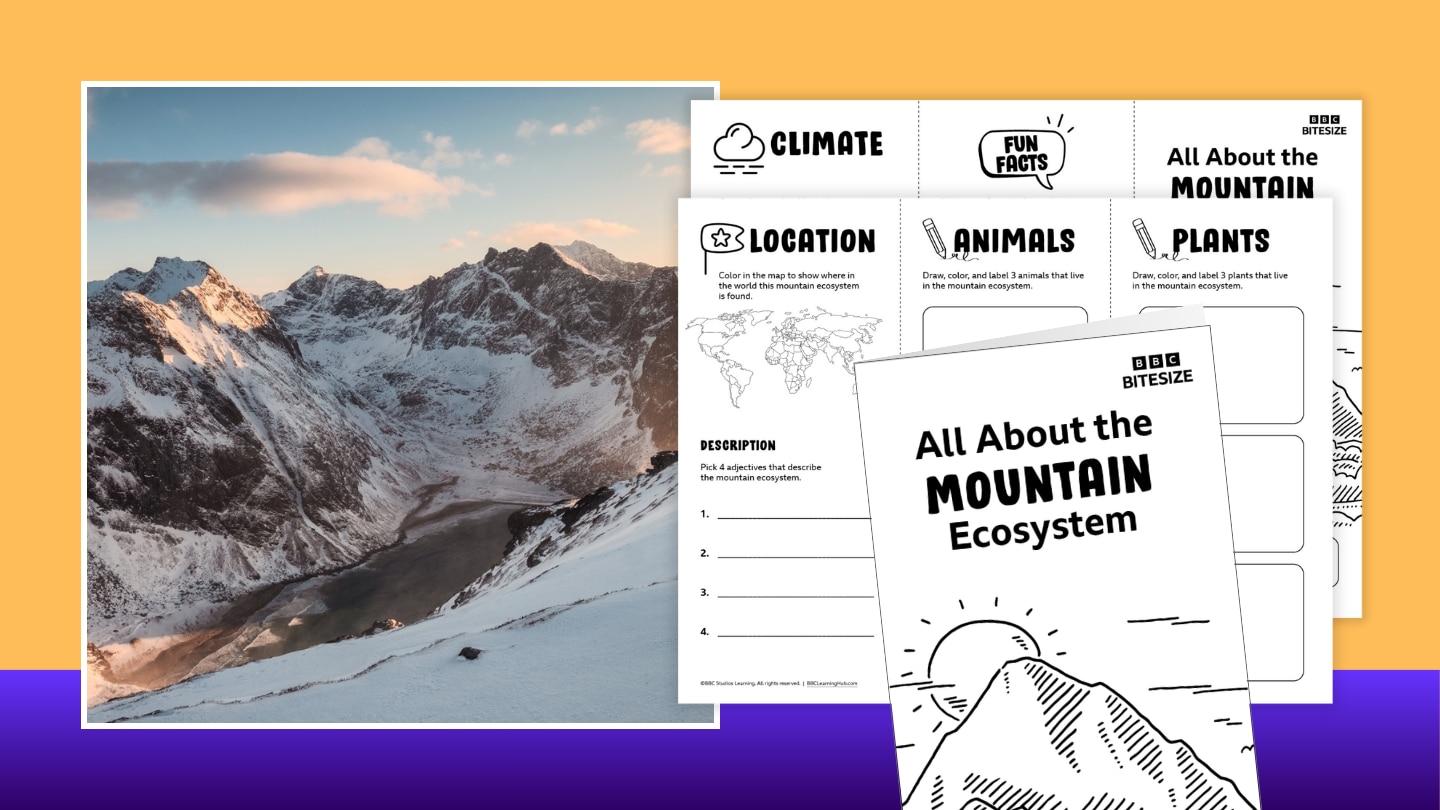
Take your students on a climb through the mountain ecosystem! From the towering Himalayas to the snowy Rockies, mountain ecosystems change as you climb, starting with green forests down low and ending with bare, windswept summits at the top.
✨ Perfect for grades 3–8, here’s what you need to bring ecosystems to life:
- Iconic BBC Videos: Share the clips on this page to introduce the location, plants, animals, and climate of the mountains. (Don't miss the grizzlies and snow leopards!) Brought to you by world-class BBC programs like Planet Earth.
- Free Printable: Use the Mountain Brochure Template to help students pull it all together in an ecosystem report with facts they’ve learned (and a little extra research).
It’s everything you need to make ecosystems easy to teach and truly memorable for your students.
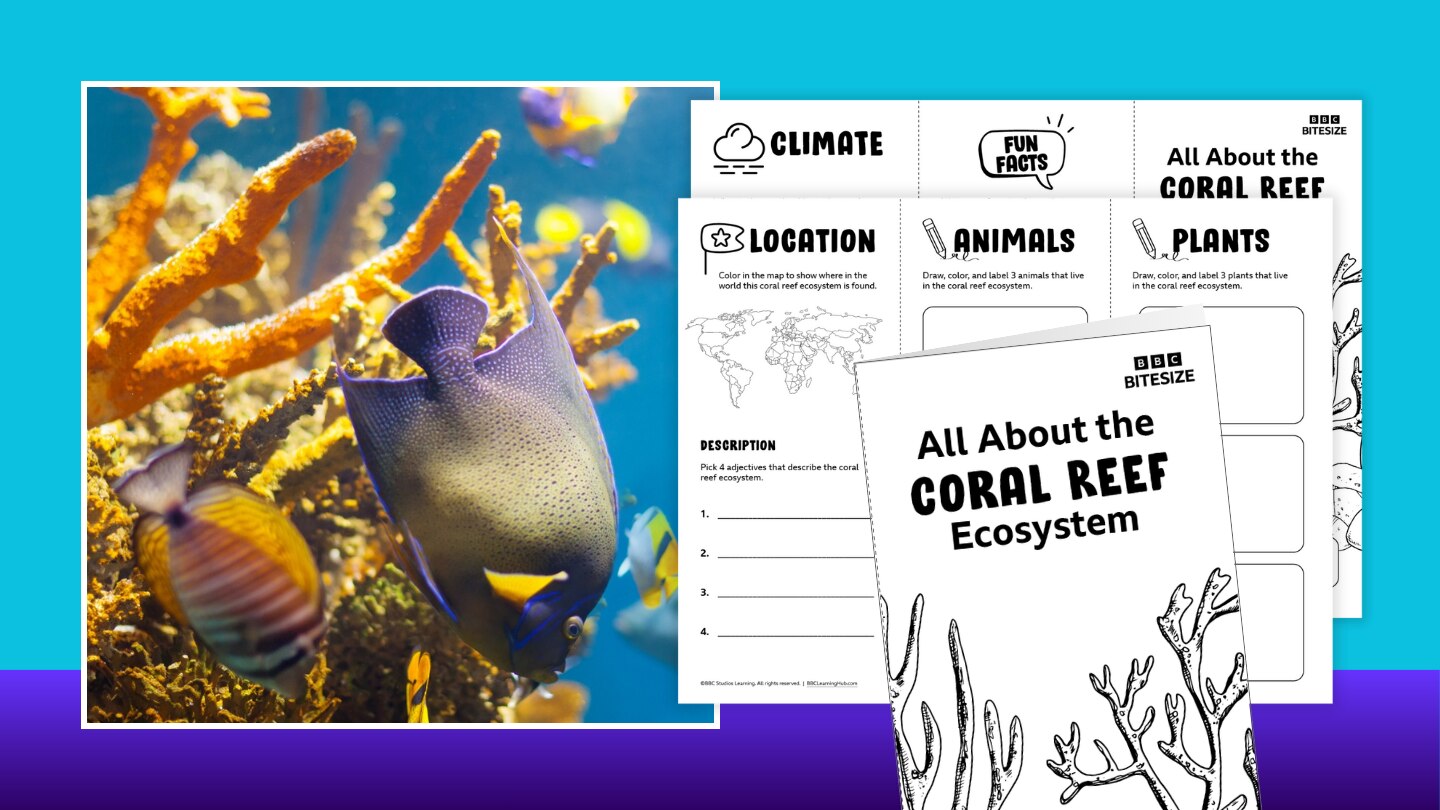
Bring your students on an underwater adventure into the coral reef ecosystem! Whether you're exploring the vast beauty of the Great Barrier Reef in Australia or diving into the rich, biodiverse waters of Indonesia, coral reefs are some of the most vibrant and important ecosystems on Earth.
✨ Perfect for grades 3–8, here’s what you need to bring ecosystems to life:
- Iconic BBC Videos: Share the clips on this page to introduce the location, plants, animals, and climate of the coral reefs. (Don't miss the tusk fish and octopuses!) Brought to you by world-class BBC programs like Planet Earth, Blue Planet, Animal Babies, and Life.
- Free Printable: Use the Coral Reef Brochure Template to help students pull it all together in an ecosystem report with facts they’ve learned (and a little extra research).
It’s everything you need to make ecosystems easy to teach and truly memorable for your students.
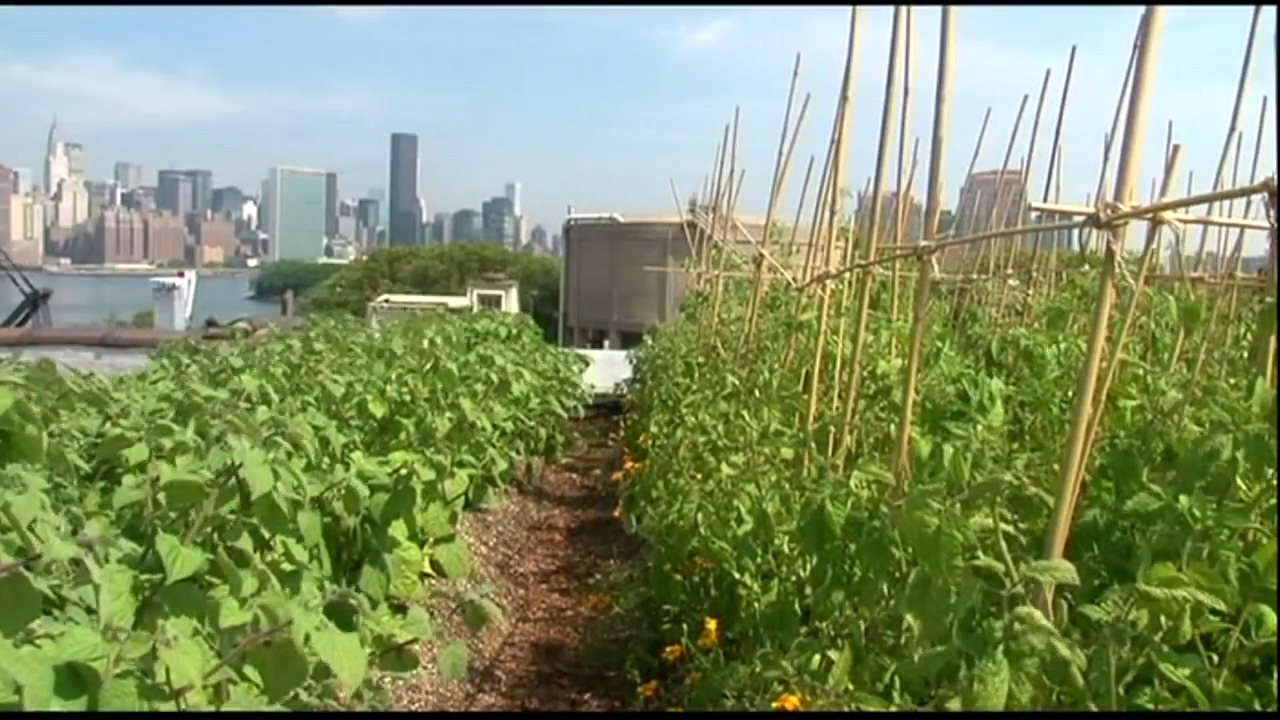
Way above the noise and traffic of New York City, rooftops are being transformed into something unexpected— farms in the sky. What used to be empty, unused space is now filled with soil, vegetables, herbs, and community gardens, all with a sweeping view of the skyline.
Some of these rooftop farms use over 200,000 pounds of soil and grow around 30 different crops, turning concrete rooftops into living green spaces. Fresh food is being grown right in the heart of the city — so local it can go from roof to table in the same neighborhood.
But these gardens aren’t just about food. They help the city work better in quiet but powerful ways. They soak up rainwater to reduce flooding and ease pressure on sewer systems during storms. They also help cool buildings in the summer, which can lower energy use and costs.
And beyond the science, rooftop gardens have another impact: they’re peaceful, beautiful places that bring nature into one of the busiest cities in the world — showing that even in a concrete jungle, something green can still grow.
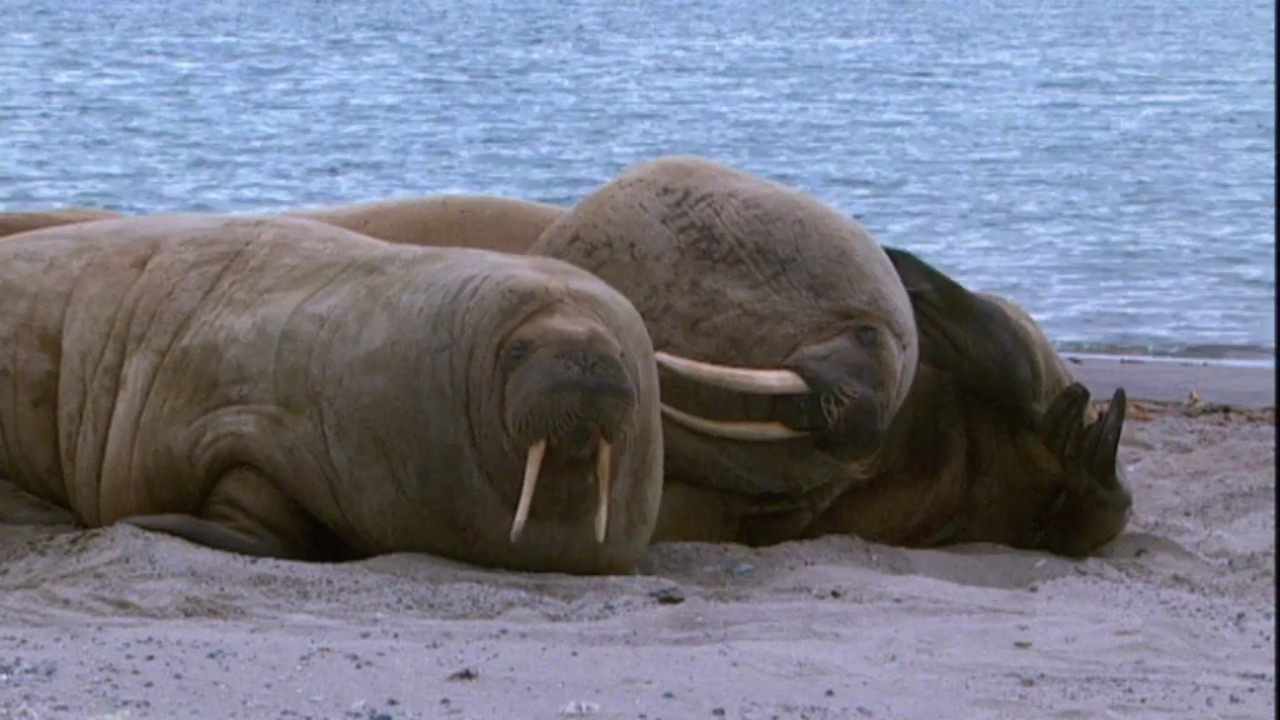
In Molting Time for the Walrus, narrator Sir David Attenborough describes how walruses eat and molt. Watch a walrus molting and finding food off the coast of Greenland. This video is excerpted from BBC’s Blue Planet, a definitive documentary series diving into the mysterious depths of the sea to discover the natural history of the world’s oceans and the rarely seen marine life that reside there.
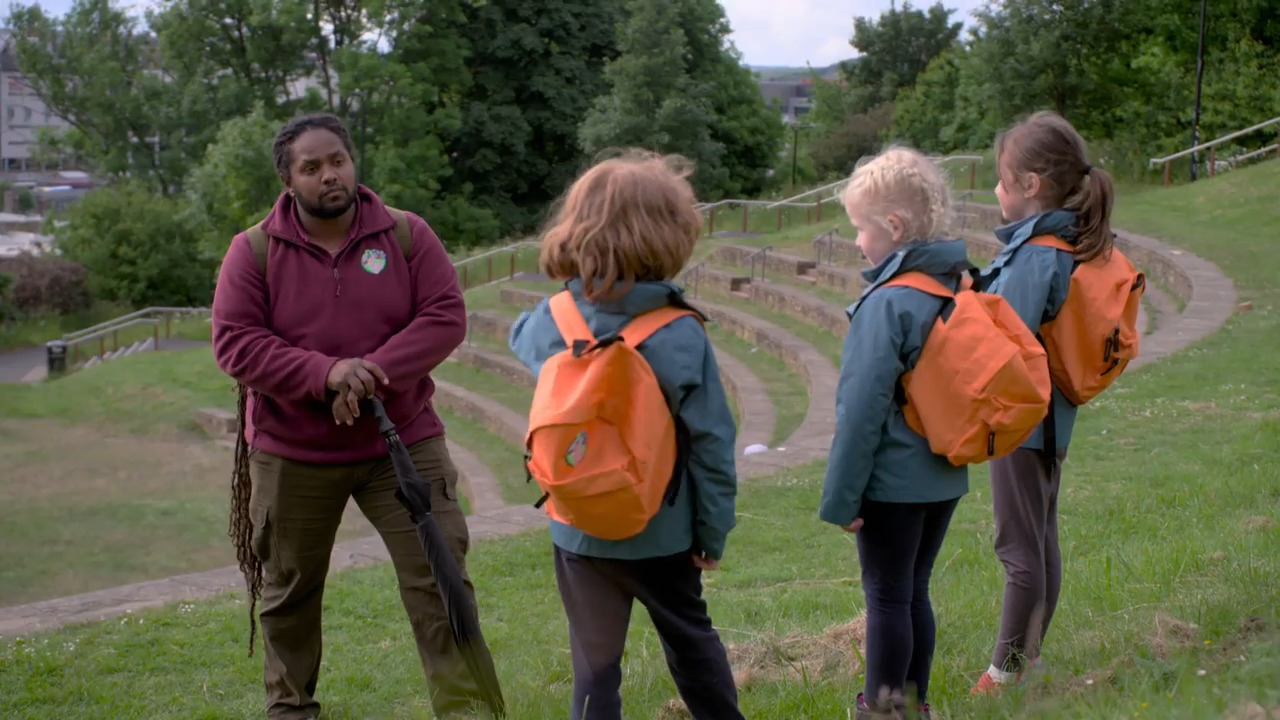
In The Benefits of City Parks, Ranger Hamza and the Ramblers head to a park. Grab your magnifying glass and come along as they learn why parks are so important for people and insects. This video is excerpted from BBC's Ranger Hamza’s Eco Quest, a nature exploration show in which Ranger Hamza and the Ramblers go on quests to discover nature’s wonders and the important role they play in our environment.
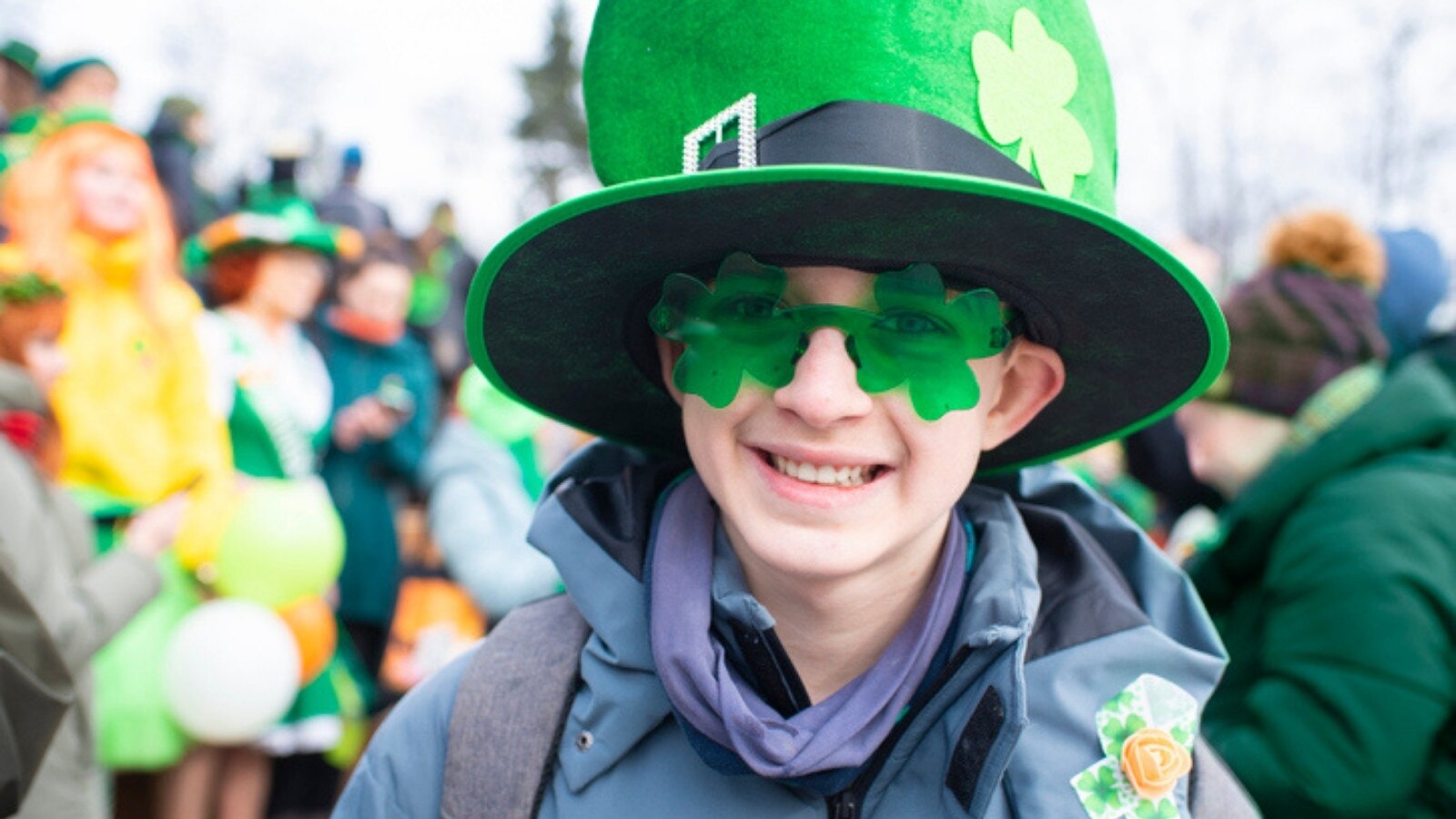
The article "Why We Celebrate St. Patrick’s Day — and Why Everything Turns Green" from BBC's HistoryExtra explores the origins of St. Patrick's Day and how it grew from a religious feast to a global celebration. It traces the life of Saint Patrick, the changing symbolism of green, the rise of parades, and the food traditions that Irish immigrants brought to places like the U.S.
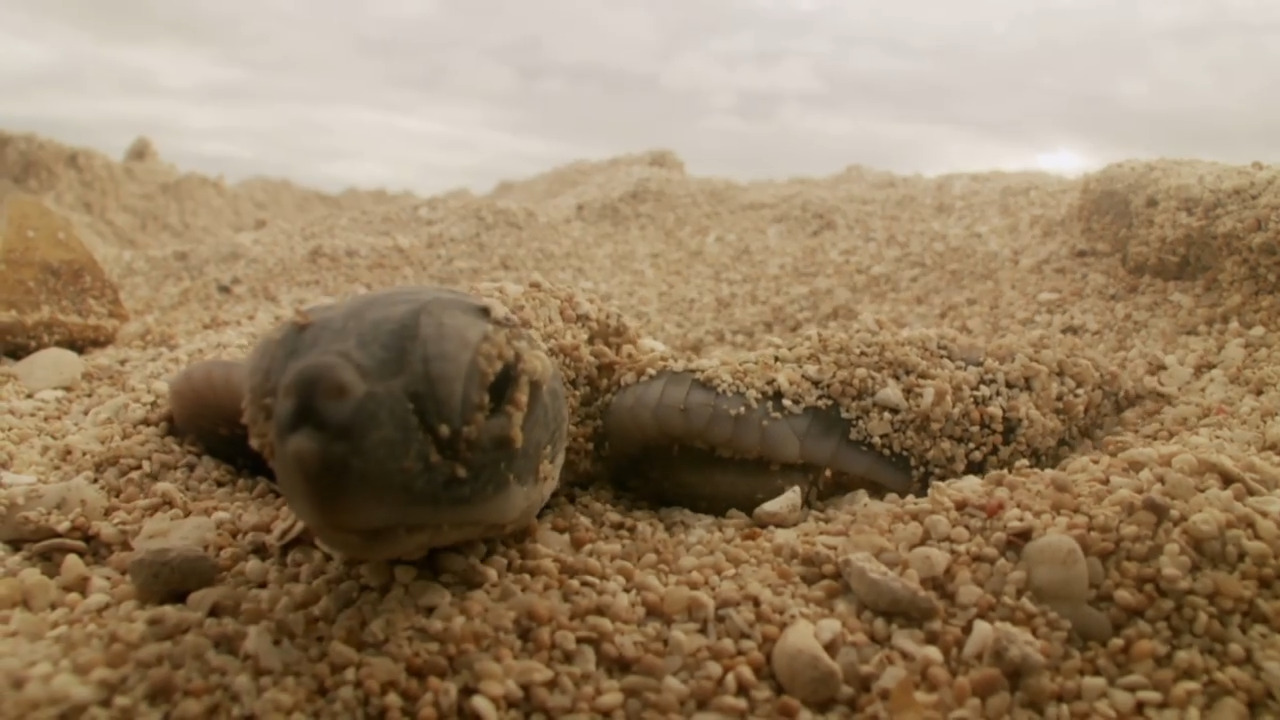
In The Green Turtle Race to the Shore, narrator Gordon Buchanan describes how hatchlings emerge from under the sand on Raine Island off the Great Barrier Reef. A lone hatchling is easy prey, but soon many others join it. As they race to the shore, herons prey upon them. One lucky turtle is able to fight back and escape the jaws of the heron. This video is excerpted from BBC's Animal Babies, a heartwarming show that follows the first breaths, first steps, and first feeds of some adorable baby animals, revealing the challenges they face to survive in some of the toughest but most beautiful places on the planet.
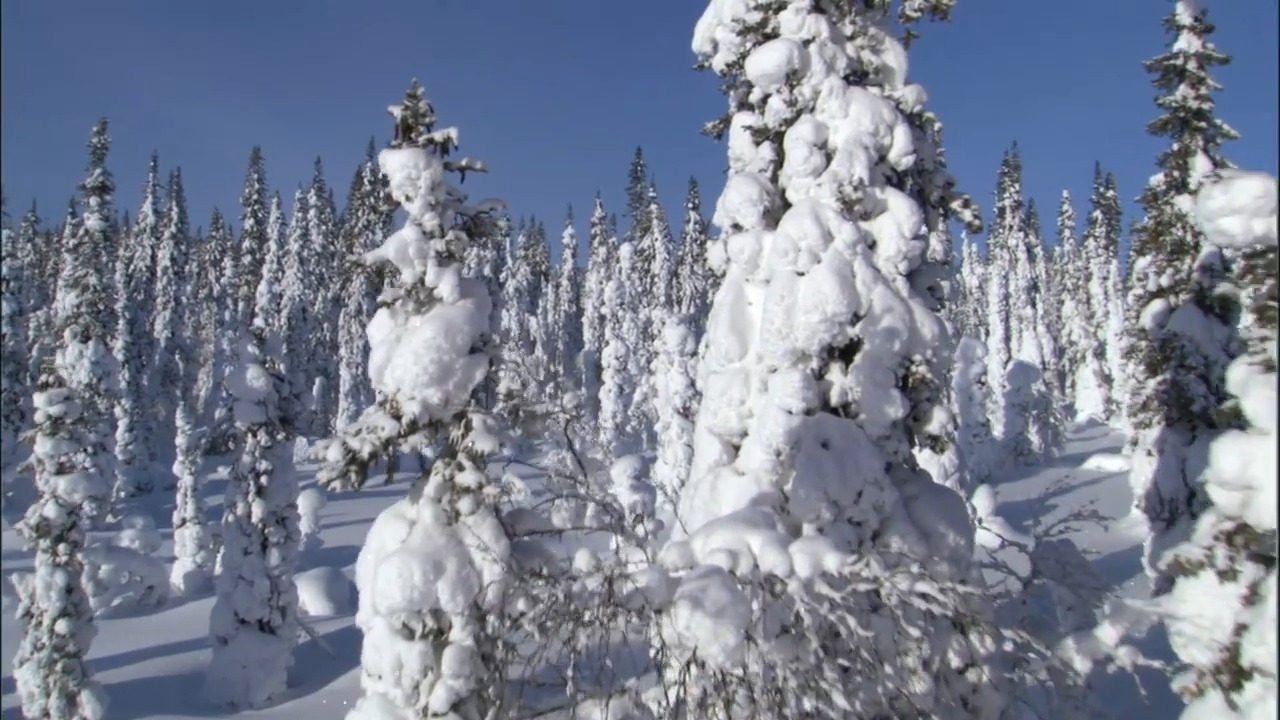
In The Green Ring of the Snowy Boreal Forests, narrator Sir David Attenborough highlights the distinct barrier between frozen land and forest. As spring creeps north, snowy boreal forests form a ring of green around the Earth. This video is excerpted from BBC's Planet Earth, a breathtaking documentary series that highlights the natural wonders of our planet.
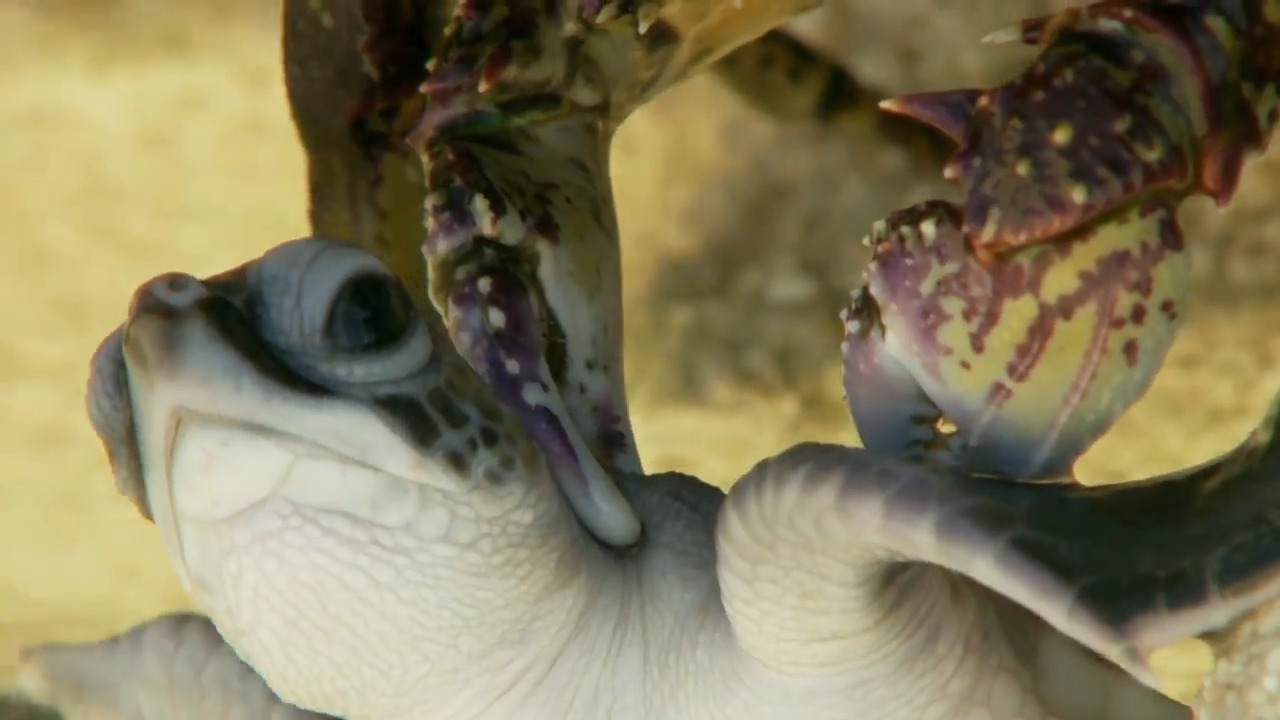
In Green Turtle Hatchlings Off to Sea, narrator Gordon Buchanan describes some of the challenges faced by Australian green turtles as they travel through the water near the Great Barrier Reef areas. As the young hatchlings move through the water, they must combat predators as well as the possibility of strong and treacherous currents. This video is excerpted from BBC's Animal Babies, a heartwarming show that follows the first breaths, first steps and first feeds of some adorable baby animals, revealing the challenges they face to survive in some of the toughest but most beautiful places on the planet.
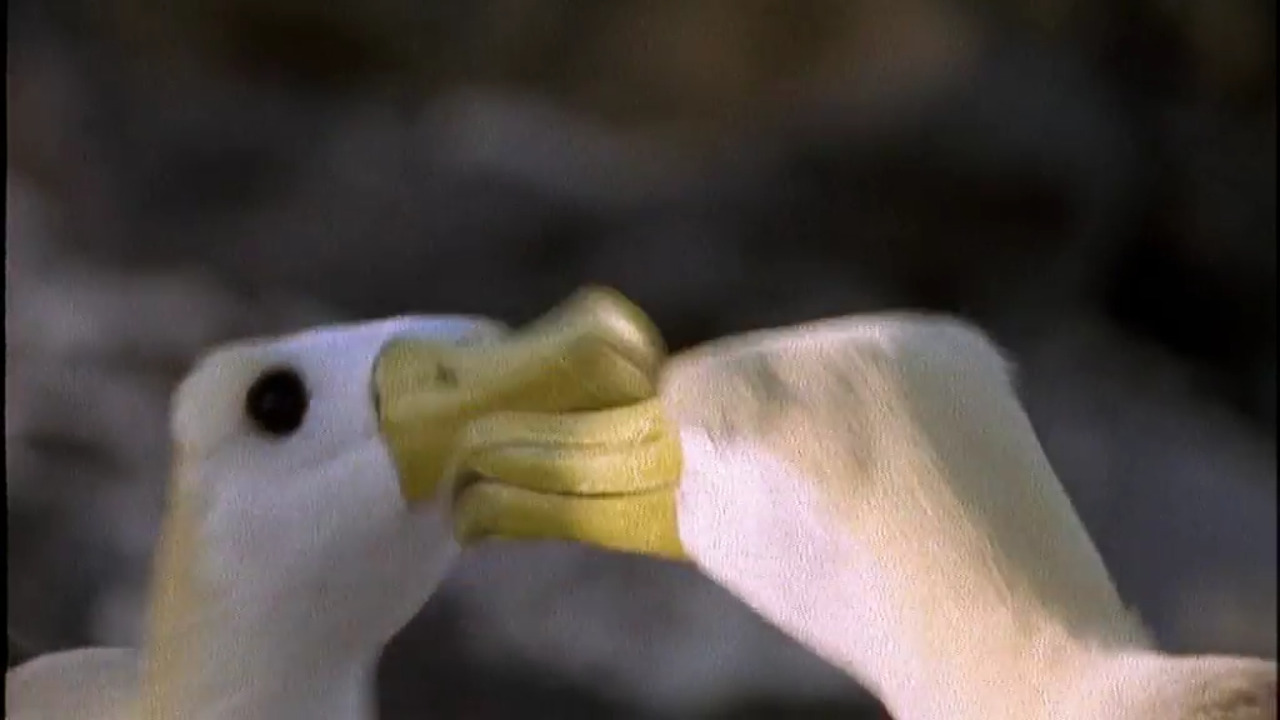
In Seabirds and Green Turtles Breed on Land, narrator Sir David Attenborough explores how seabirds and green turtles breed on land even though they live their lives in and on the water. This video is excerpted from BBC’s Blue Planet, a definitive documentary series diving into the mysterious depths of the sea to discover the natural history of the world’s oceans and the rarely seen marine life that reside there.
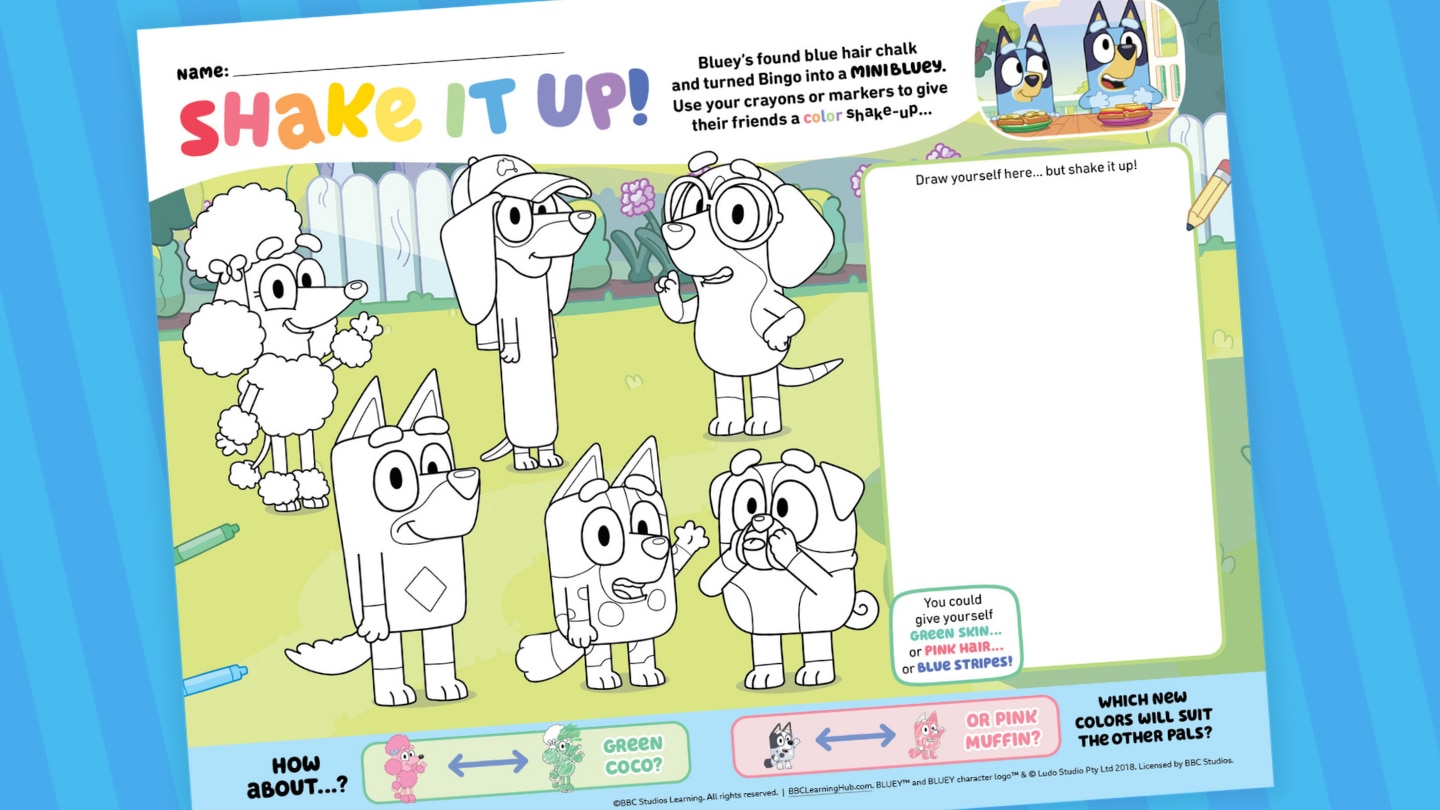
Bluey’s found blue hair chalk and turned Bingo into a Mini Bluey. Use your crayons or markers to give their friends a color shake-up. Which new colors will suit the other pals? Don't forget to draw yourself too... but shake it up! You could give yourself green skin, pink hair, or blue stripes.
Inspired by Season 3, Episode 6 "Mini Bluey": When Dad complains about how dissimilar Bluey and Bingo are, Bluey hatches a plan to make them more alike and happily introduces Mini Bluey!
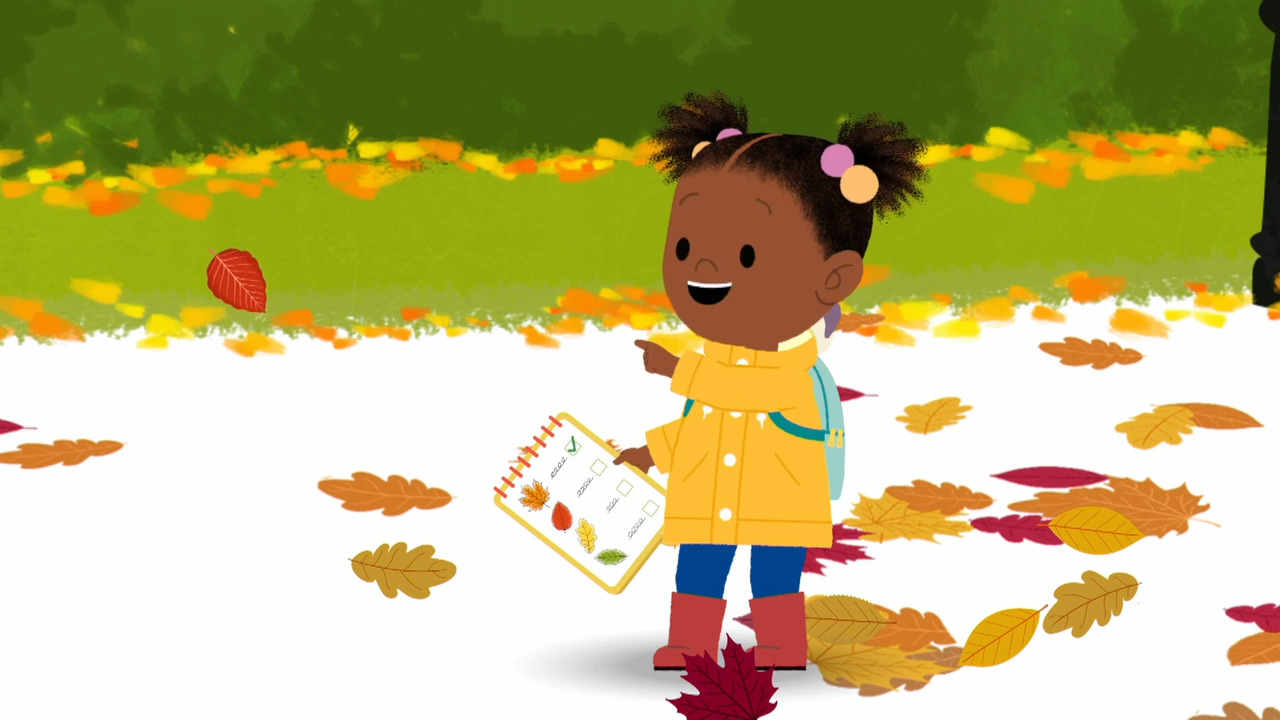
In JoJo and Gran Gran Look for Leaves, JoJo searches for leaves to complete her checklist until she realizes she can’t find a green leaf. Gran Gran suggests a solution. Real-life friends collect leaves that have fallen from the trees. This video is excerpted from BBC’s JoJo & Gran Gran, a children's animated television series following JoJo, an inquisitive and cheerful 4-and-a-half-year-old girl and her loving Gran Gran, who always has something new to teach her.
Take your students on a climb through the mountain ecosystem! From the towering Himalayas to the snowy Rockies, mountain ecosystems change as you climb, starting with green forests down low and ending with bare, windswept summits at the top.
✨ Perfect for grades 3–8, here’s what you need to bring ecosystems to life:
- Iconic BBC Videos: Share the clips on this page to introduce the location, plants, animals, and climate of the mountains. (Don't miss the grizzlies and snow leopards!) Brought to you by world-class BBC programs like Planet Earth.
- Free Printable: Use the Mountain Brochure Template to help students pull it all together in an ecosystem report with facts they’ve learned (and a little extra research).
It’s everything you need to make ecosystems easy to teach and truly memorable for your students.
Bring your students on an underwater adventure into the coral reef ecosystem! Whether you're exploring the vast beauty of the Great Barrier Reef in Australia or diving into the rich, biodiverse waters of Indonesia, coral reefs are some of the most vibrant and important ecosystems on Earth.
✨ Perfect for grades 3–8, here’s what you need to bring ecosystems to life:
- Iconic BBC Videos: Share the clips on this page to introduce the location, plants, animals, and climate of the coral reefs. (Don't miss the tusk fish and octopuses!) Brought to you by world-class BBC programs like Planet Earth, Blue Planet, Animal Babies, and Life.
- Free Printable: Use the Coral Reef Brochure Template to help students pull it all together in an ecosystem report with facts they’ve learned (and a little extra research).
It’s everything you need to make ecosystems easy to teach and truly memorable for your students.
Way above the noise and traffic of New York City, rooftops are being transformed into something unexpected— farms in the sky. What used to be empty, unused space is now filled with soil, vegetables, herbs, and community gardens, all with a sweeping view of the skyline.
Some of these rooftop farms use over 200,000 pounds of soil and grow around 30 different crops, turning concrete rooftops into living green spaces. Fresh food is being grown right in the heart of the city — so local it can go from roof to table in the same neighborhood.
But these gardens aren’t just about food. They help the city work better in quiet but powerful ways. They soak up rainwater to reduce flooding and ease pressure on sewer systems during storms. They also help cool buildings in the summer, which can lower energy use and costs.
And beyond the science, rooftop gardens have another impact: they’re peaceful, beautiful places that bring nature into one of the busiest cities in the world — showing that even in a concrete jungle, something green can still grow.
In Molting Time for the Walrus, narrator Sir David Attenborough describes how walruses eat and molt. Watch a walrus molting and finding food off the coast of Greenland. This video is excerpted from BBC’s Blue Planet, a definitive documentary series diving into the mysterious depths of the sea to discover the natural history of the world’s oceans and the rarely seen marine life that reside there.
In The Benefits of City Parks, Ranger Hamza and the Ramblers head to a park. Grab your magnifying glass and come along as they learn why parks are so important for people and insects. This video is excerpted from BBC's Ranger Hamza’s Eco Quest, a nature exploration show in which Ranger Hamza and the Ramblers go on quests to discover nature’s wonders and the important role they play in our environment.
The article "Why We Celebrate St. Patrick’s Day — and Why Everything Turns Green" from BBC's HistoryExtra explores the origins of St. Patrick's Day and how it grew from a religious feast to a global celebration. It traces the life of Saint Patrick, the changing symbolism of green, the rise of parades, and the food traditions that Irish immigrants brought to places like the U.S.
In The Green Turtle Race to the Shore, narrator Gordon Buchanan describes how hatchlings emerge from under the sand on Raine Island off the Great Barrier Reef. A lone hatchling is easy prey, but soon many others join it. As they race to the shore, herons prey upon them. One lucky turtle is able to fight back and escape the jaws of the heron. This video is excerpted from BBC's Animal Babies, a heartwarming show that follows the first breaths, first steps, and first feeds of some adorable baby animals, revealing the challenges they face to survive in some of the toughest but most beautiful places on the planet.
In The Green Ring of the Snowy Boreal Forests, narrator Sir David Attenborough highlights the distinct barrier between frozen land and forest. As spring creeps north, snowy boreal forests form a ring of green around the Earth. This video is excerpted from BBC's Planet Earth, a breathtaking documentary series that highlights the natural wonders of our planet.
In Green Turtle Hatchlings Off to Sea, narrator Gordon Buchanan describes some of the challenges faced by Australian green turtles as they travel through the water near the Great Barrier Reef areas. As the young hatchlings move through the water, they must combat predators as well as the possibility of strong and treacherous currents. This video is excerpted from BBC's Animal Babies, a heartwarming show that follows the first breaths, first steps and first feeds of some adorable baby animals, revealing the challenges they face to survive in some of the toughest but most beautiful places on the planet.
In Seabirds and Green Turtles Breed on Land, narrator Sir David Attenborough explores how seabirds and green turtles breed on land even though they live their lives in and on the water. This video is excerpted from BBC’s Blue Planet, a definitive documentary series diving into the mysterious depths of the sea to discover the natural history of the world’s oceans and the rarely seen marine life that reside there.
Bluey’s found blue hair chalk and turned Bingo into a Mini Bluey. Use your crayons or markers to give their friends a color shake-up. Which new colors will suit the other pals? Don't forget to draw yourself too... but shake it up! You could give yourself green skin, pink hair, or blue stripes.
Inspired by Season 3, Episode 6 "Mini Bluey": When Dad complains about how dissimilar Bluey and Bingo are, Bluey hatches a plan to make them more alike and happily introduces Mini Bluey!
In JoJo and Gran Gran Look for Leaves, JoJo searches for leaves to complete her checklist until she realizes she can’t find a green leaf. Gran Gran suggests a solution. Real-life friends collect leaves that have fallen from the trees. This video is excerpted from BBC’s JoJo & Gran Gran, a children's animated television series following JoJo, an inquisitive and cheerful 4-and-a-half-year-old girl and her loving Gran Gran, who always has something new to teach her.