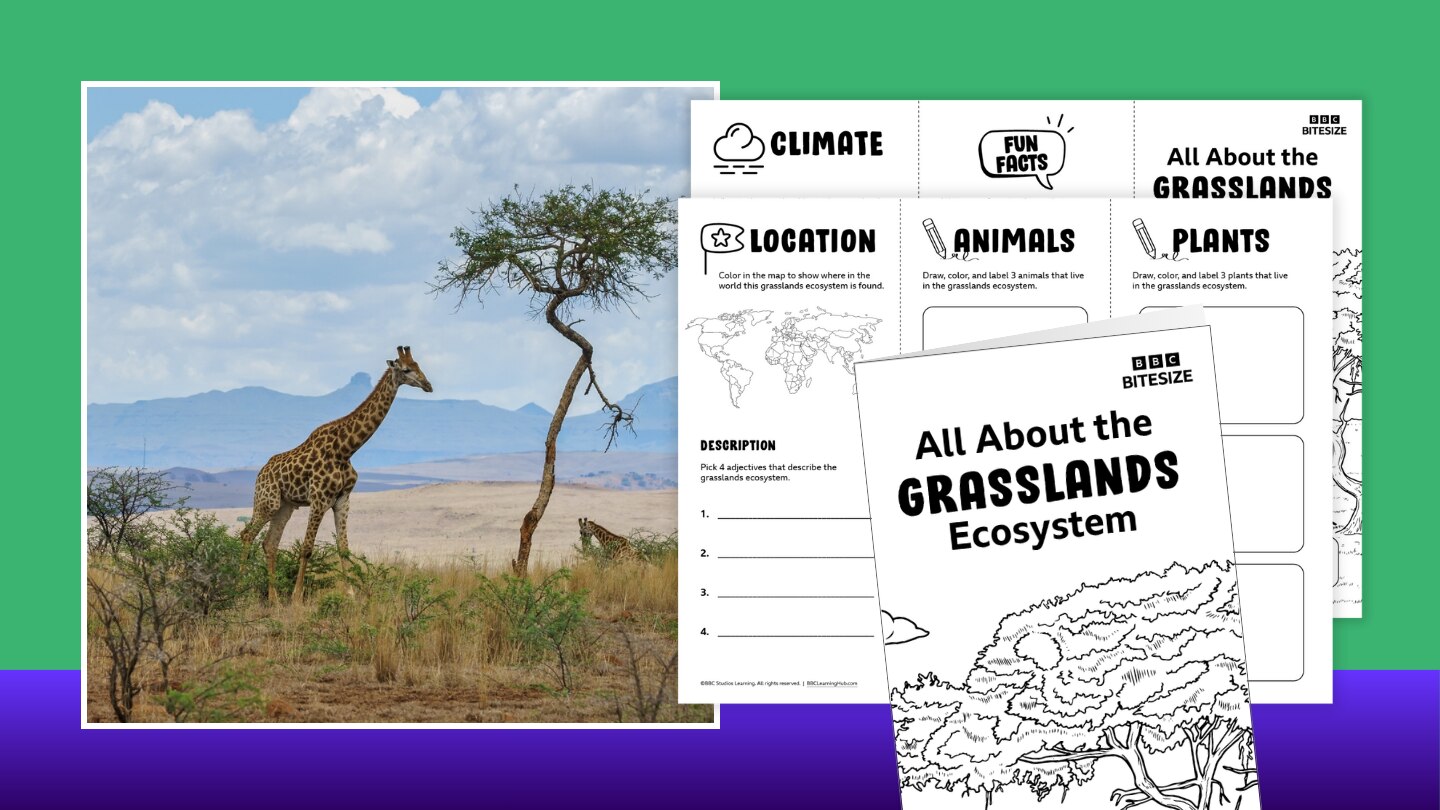
Take your students on a romp through the grasslands! From the African savanna to the Great Plains of North America grasslands are nature’s wide-open playground.
✨ Perfect for grades 3–8, here’s what you need to bring ecosystems to life:
- Iconic BBC Videos: Share the clips on this page to introduce the location, plants, animals, and climate of the grasslands. (Don't miss the giraffes and bison!) Brought to you by world-class BBC programs such as Planet Earth, The Americas With Simon Reeve, and Seven Worlds, One Planet.
- Free Printable: Use the Grasslands Brochure Template to help students pull it all together in an ecosystem report with facts they’ve learned (and a little extra research).
It’s everything you need to make ecosystems easy to teach and truly memorable for your students.
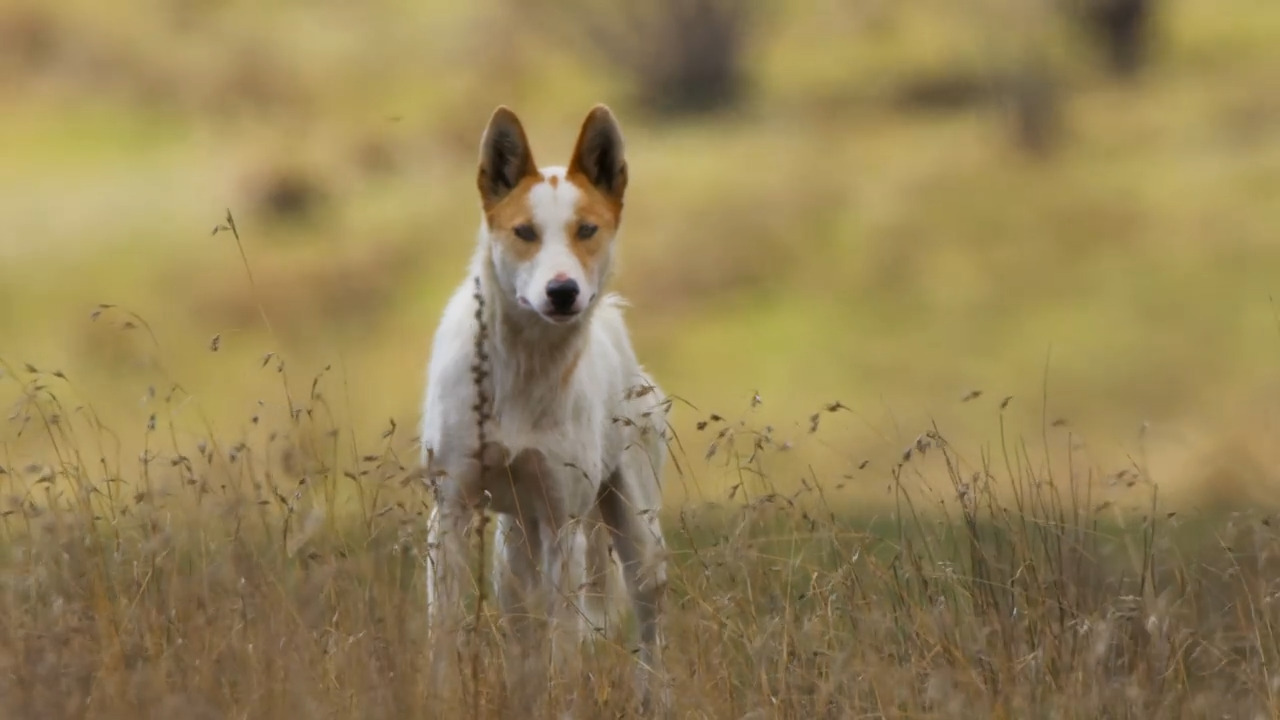
In Dingo Danger in the Grasslands, narrator Sir David Attenborough explains how dingoes, descendants of wolves brought by humans from Asia over 4,000 years ago, prey on kangaroos. Kangaroos, however, are fast and able to outrun them. This video is excerpted from BBC’s Seven Worlds, One Planet, a series featuring remarkable animal behavior from all seven continents.
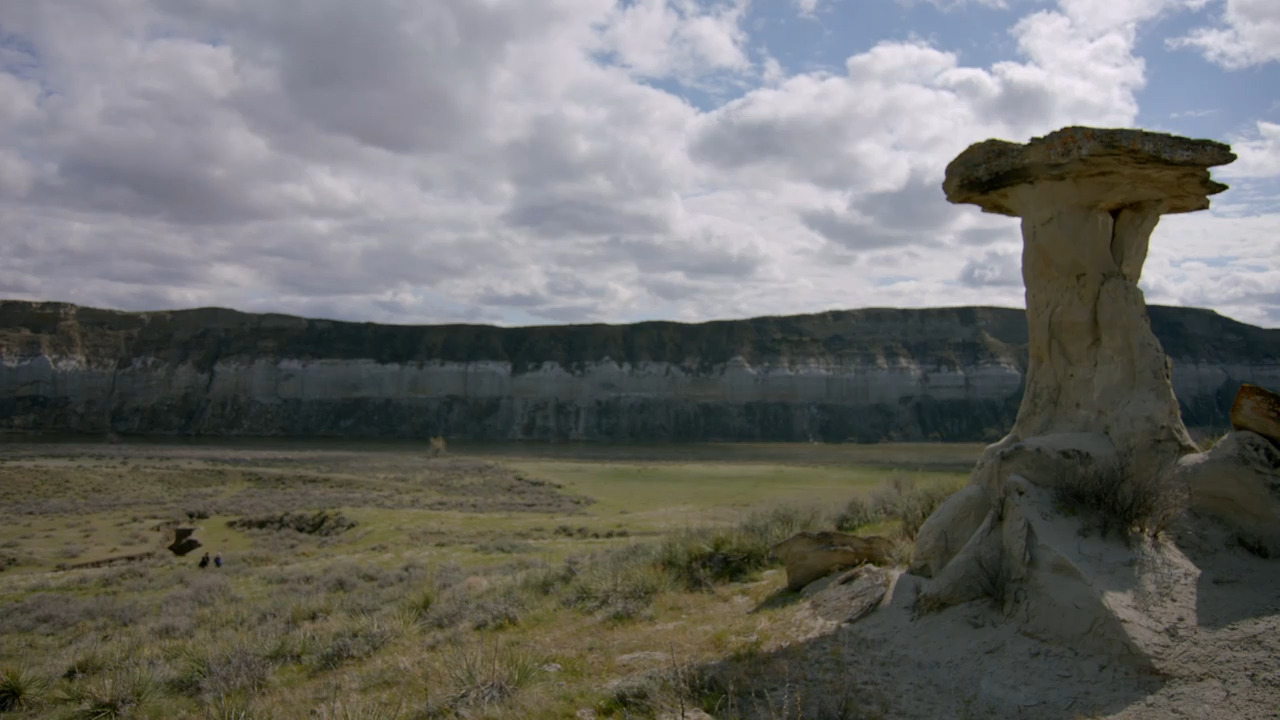
In Montana’s Rewilding Grasslands Transformation, host Simon Reeve explores one of the coolest rewilding projects on Earth! In Montana’s vast grasslands, Sean Gerrity is turning farmland back into wild ecosystems through the ambitious American Prairie Reserve. With a goal of rewilding over 3 million acres, Sean’s mission isn’t just about saving the wilderness — it’s about protecting one of the most vital ecosystems on the planet. This video is excerpted from BBC’s The Americas With Simon Reeve, in which Simon Reeve explores the landscapes, cultures, and wildlife of North and South America.
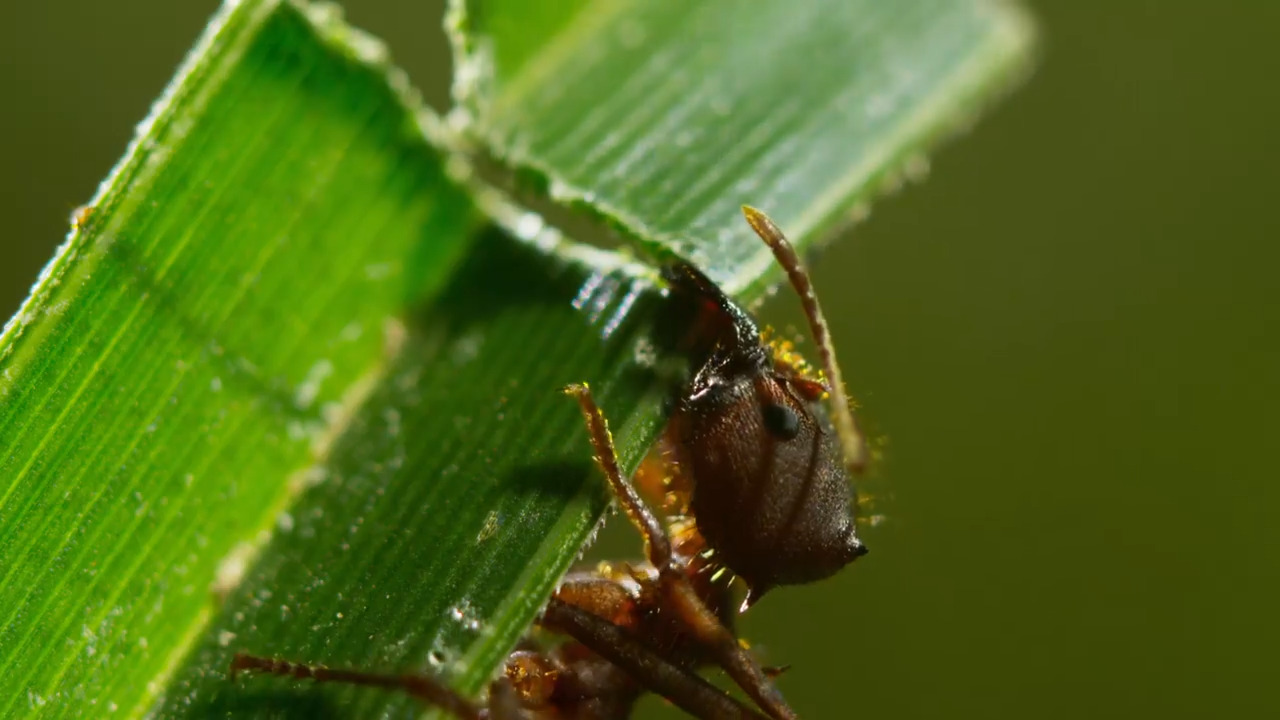
In The Industrious Insects of the Grasslands, narrator Sir David Attenborough explains that around the world, over one-third of the grass that grows will be harvested by insects. Grass cutter ants harvest grass to feed underground fungus that they feed upon. Termites can digest grass, and they in turn become food for the giant anteater. After a prairie fire, termites and anteaters must wait for living roots to regenerate grass. This video is excerpted from BBC’s Planet Earth II, a breathtaking documentary series that highlights the natural wonders of our planet.
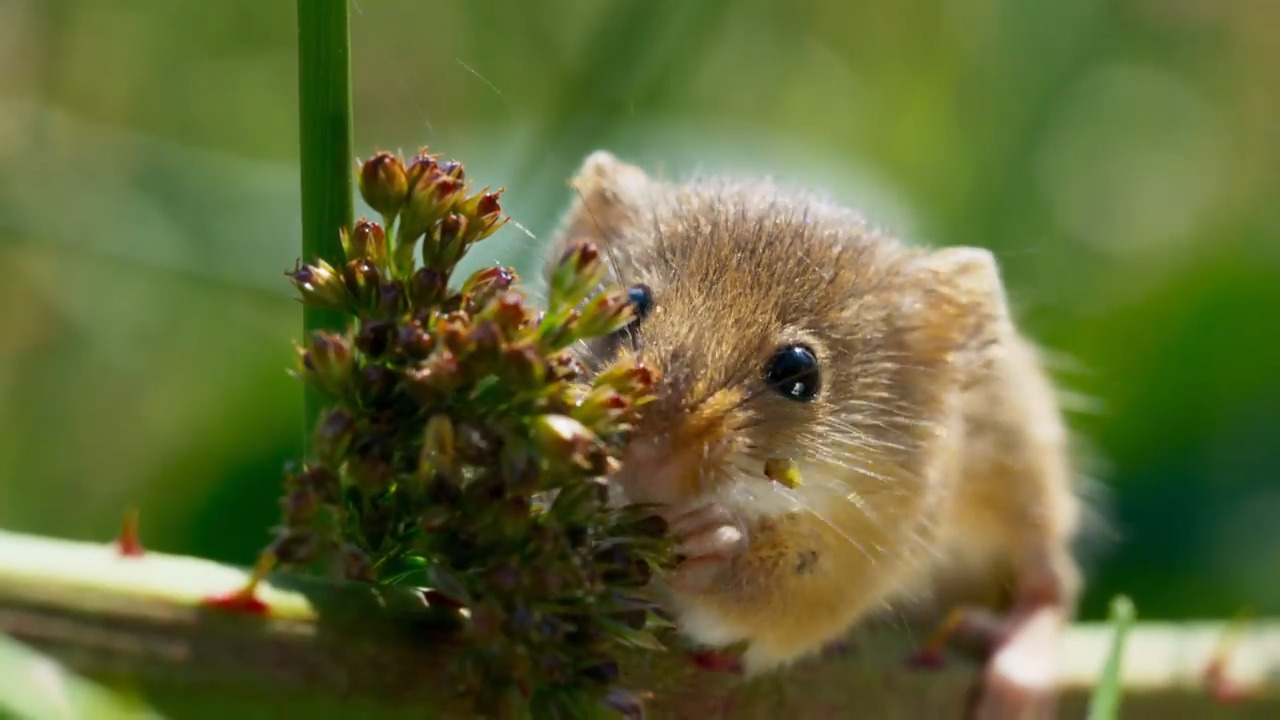
In A Harvest Mouse Navigates the Grasslands, narrator Sir David Attenborough shows how the harvest mouse uses its prehensile tail to navigate the grasslands, find food, and avoid predators like barn owls. This video is excerpted from Planet Earth II, a breathtaking documentary series that highlights the natural wonders of our planet.
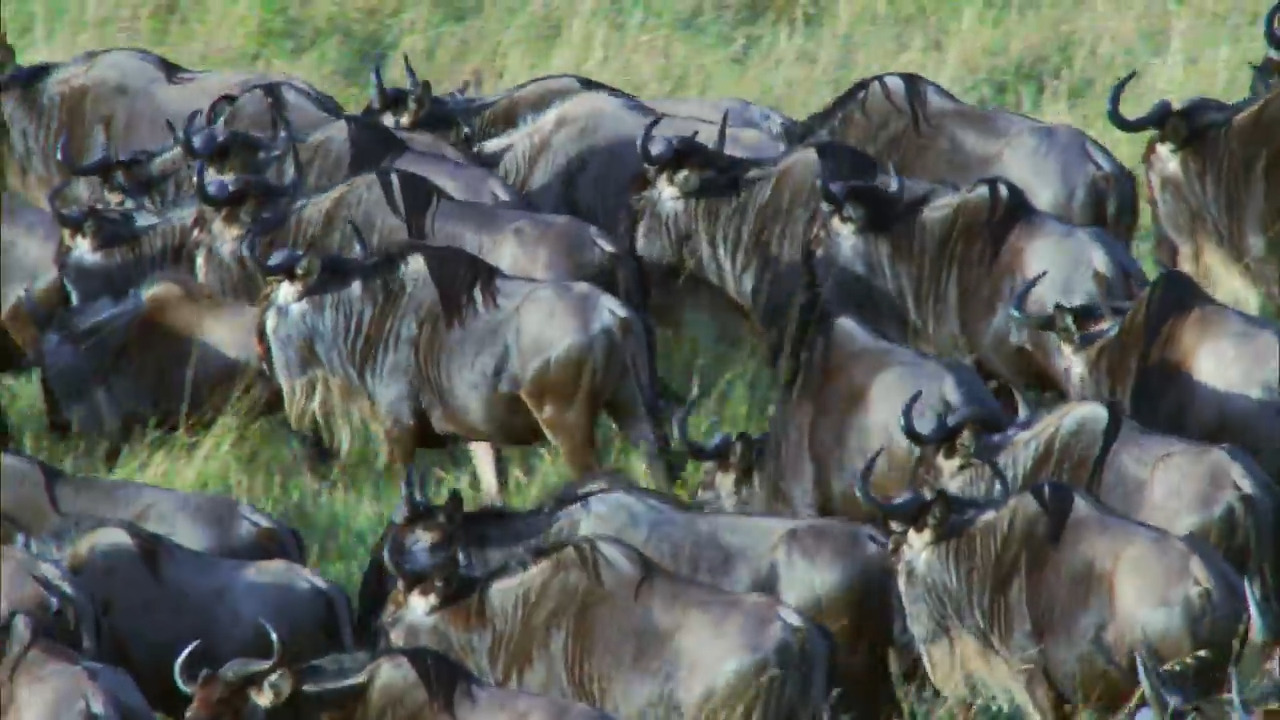
In African Grasslands Provide Food for Millions, narrator Sir David Attenborough teaches about how some animals eat grass and grass seeds. The East African savannas supports a population of 1.5 million red-billed quelea, and nearly 2 million wildebeest. This video is excerpted from BBC's Planet Earth, a breathtaking documentary series that highlights the natural wonders of our planet.
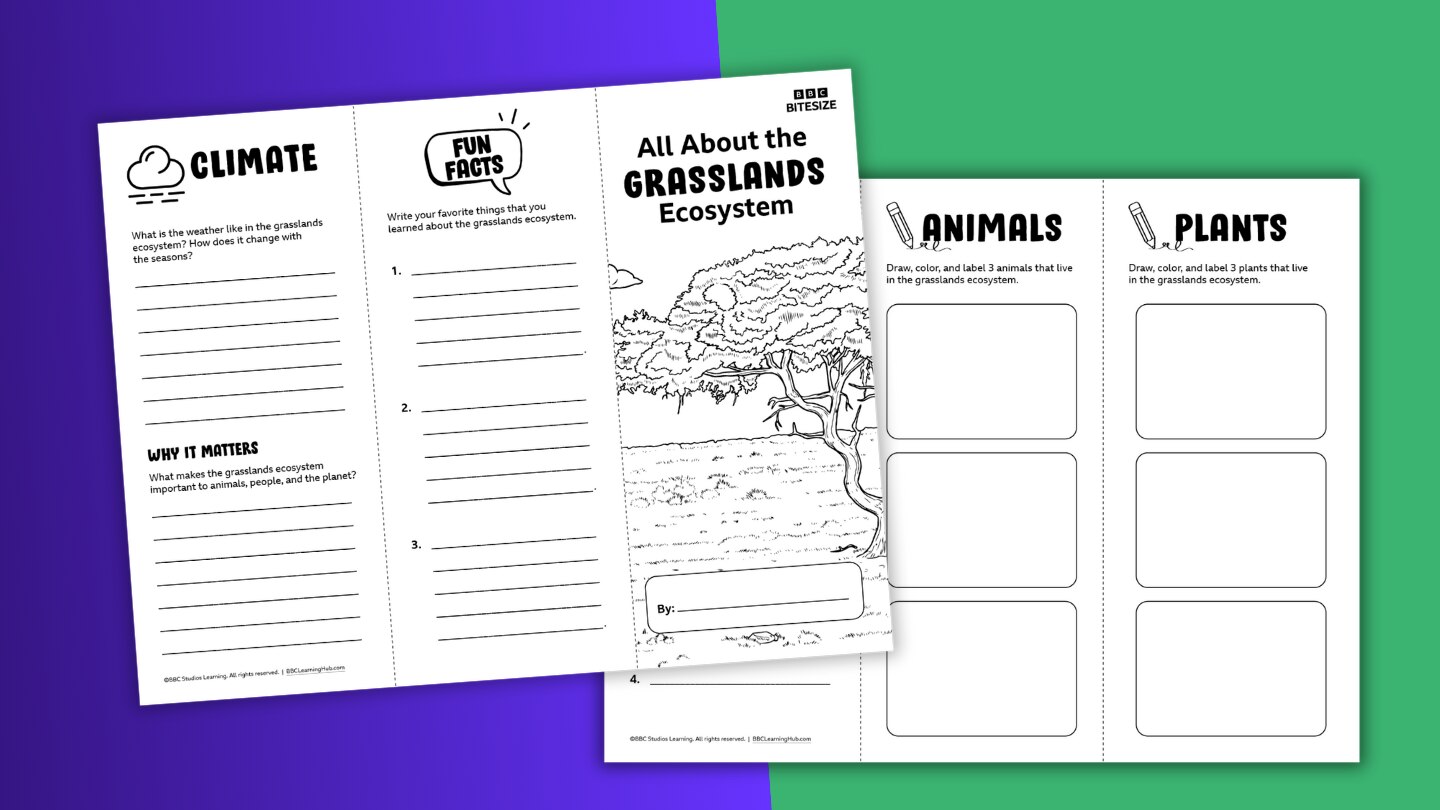
Invite your students on an adventure across the world’s amazing grasslands! From the roaring lions of the African savanna to the thundering bison of the Great Plains, these ecosystems are bursting with life. After watching our videos, challenge your students to become ecosystem experts by creating their own colorful report filled with fascinating facts. (They’ll need to dig deeper with extra research, too!) Inside the brochure, students will uncover and share:
- Location of the ecosystem on a world map
- Adjectives that describe the ecosystem
- Three animals that live in the ecosystem
- Three plants that grow in the ecosystem
- The climate of the ecosystem
- What makes the ecosystem important
- Their favorite fun facts
Your students will summarize the most important details in their own words while keeping it clear and easy to understand. As they choose what to include, they’ll sharpen their ability to evaluate and combine information from different sources. Best of all, they’ll show off their creativity and communication skills by designing a brochure that’s as fun to read as it is informative!
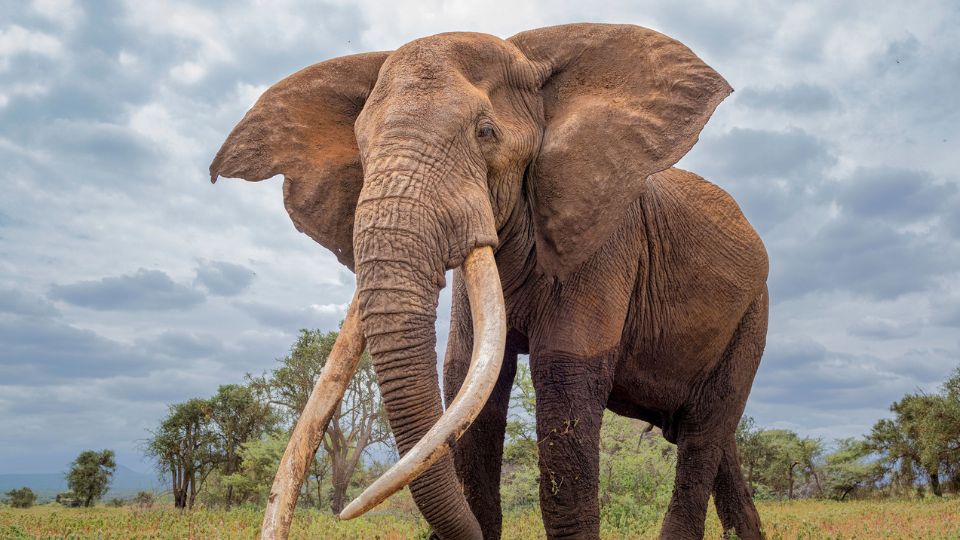
Explore the wide-open world of grasslands and discover the amazing animals that live in one of Earth’s largest biomes. From enormous elephants and powerful buffalo to towering Kori bustards, hardworking leafcutter ants, and rare Saiga antelope, students will learn how animals survive and thrive in these vast landscapes of grasses and few trees.
This Kahoot explores the unique features of grassland ecosystems, including climate, food chains, migration, and the special adaptations that help animals find food, avoid predators, and survive changing seasons. Students will also discover the differences between tropical savannas and temperate grasslands and the incredible diversity of life found in each.
Watch the related BBC videos (below), then invite your Grade 3–8 students to test their knowledge and uncover the wonders of life on the grasslands.
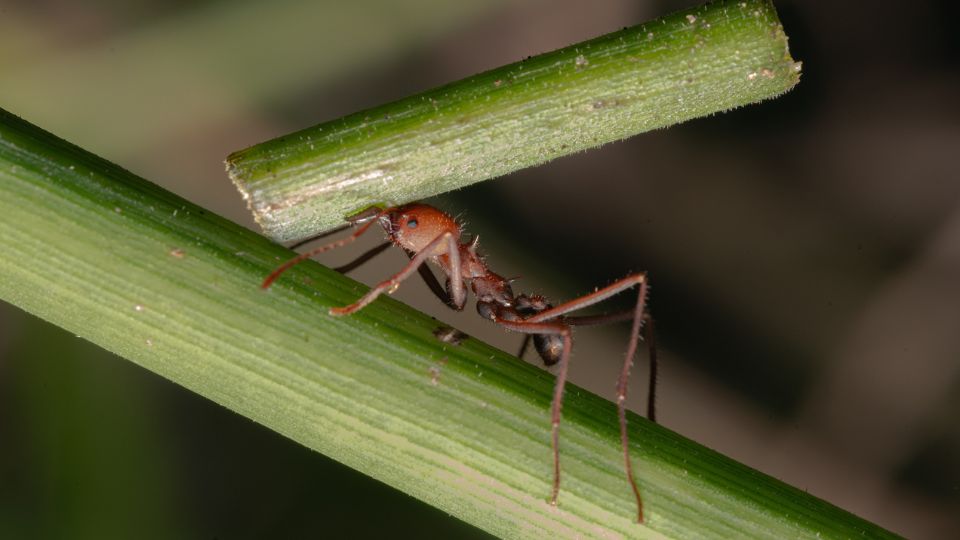
Around the world, over one-third of the grass that grows will be harvested by insects! First watch The Industrious Insects of the Grasslands, a short clip from the award-winning BBC series Planet Earth. Sir David Attenborough introduces you to grass cutter ants, who harvest grass to feed underground fungus that they feed upon, and termites, who can digest grass and in turn become food for the giant anteater.
Once your students have watched the video, invite them to check for understanding with this quick, 8-question quiz!
Take your students on a romp through the grasslands! From the African savanna to the Great Plains of North America grasslands are nature’s wide-open playground.
✨ Perfect for grades 3–8, here’s what you need to bring ecosystems to life:
- Iconic BBC Videos: Share the clips on this page to introduce the location, plants, animals, and climate of the grasslands. (Don't miss the giraffes and bison!) Brought to you by world-class BBC programs such as Planet Earth, The Americas With Simon Reeve, and Seven Worlds, One Planet.
- Free Printable: Use the Grasslands Brochure Template to help students pull it all together in an ecosystem report with facts they’ve learned (and a little extra research).
It’s everything you need to make ecosystems easy to teach and truly memorable for your students.
In Dingo Danger in the Grasslands, narrator Sir David Attenborough explains how dingoes, descendants of wolves brought by humans from Asia over 4,000 years ago, prey on kangaroos. Kangaroos, however, are fast and able to outrun them. This video is excerpted from BBC’s Seven Worlds, One Planet, a series featuring remarkable animal behavior from all seven continents.
In Montana’s Rewilding Grasslands Transformation, host Simon Reeve explores one of the coolest rewilding projects on Earth! In Montana’s vast grasslands, Sean Gerrity is turning farmland back into wild ecosystems through the ambitious American Prairie Reserve. With a goal of rewilding over 3 million acres, Sean’s mission isn’t just about saving the wilderness — it’s about protecting one of the most vital ecosystems on the planet. This video is excerpted from BBC’s The Americas With Simon Reeve, in which Simon Reeve explores the landscapes, cultures, and wildlife of North and South America.
In The Industrious Insects of the Grasslands, narrator Sir David Attenborough explains that around the world, over one-third of the grass that grows will be harvested by insects. Grass cutter ants harvest grass to feed underground fungus that they feed upon. Termites can digest grass, and they in turn become food for the giant anteater. After a prairie fire, termites and anteaters must wait for living roots to regenerate grass. This video is excerpted from BBC’s Planet Earth II, a breathtaking documentary series that highlights the natural wonders of our planet.
In A Harvest Mouse Navigates the Grasslands, narrator Sir David Attenborough shows how the harvest mouse uses its prehensile tail to navigate the grasslands, find food, and avoid predators like barn owls. This video is excerpted from Planet Earth II, a breathtaking documentary series that highlights the natural wonders of our planet.
In African Grasslands Provide Food for Millions, narrator Sir David Attenborough teaches about how some animals eat grass and grass seeds. The East African savannas supports a population of 1.5 million red-billed quelea, and nearly 2 million wildebeest. This video is excerpted from BBC's Planet Earth, a breathtaking documentary series that highlights the natural wonders of our planet.
Invite your students on an adventure across the world’s amazing grasslands! From the roaring lions of the African savanna to the thundering bison of the Great Plains, these ecosystems are bursting with life. After watching our videos, challenge your students to become ecosystem experts by creating their own colorful report filled with fascinating facts. (They’ll need to dig deeper with extra research, too!) Inside the brochure, students will uncover and share:
- Location of the ecosystem on a world map
- Adjectives that describe the ecosystem
- Three animals that live in the ecosystem
- Three plants that grow in the ecosystem
- The climate of the ecosystem
- What makes the ecosystem important
- Their favorite fun facts
Your students will summarize the most important details in their own words while keeping it clear and easy to understand. As they choose what to include, they’ll sharpen their ability to evaluate and combine information from different sources. Best of all, they’ll show off their creativity and communication skills by designing a brochure that’s as fun to read as it is informative!
Explore the wide-open world of grasslands and discover the amazing animals that live in one of Earth’s largest biomes. From enormous elephants and powerful buffalo to towering Kori bustards, hardworking leafcutter ants, and rare Saiga antelope, students will learn how animals survive and thrive in these vast landscapes of grasses and few trees.
This Kahoot explores the unique features of grassland ecosystems, including climate, food chains, migration, and the special adaptations that help animals find food, avoid predators, and survive changing seasons. Students will also discover the differences between tropical savannas and temperate grasslands and the incredible diversity of life found in each.
Watch the related BBC videos (below), then invite your Grade 3–8 students to test their knowledge and uncover the wonders of life on the grasslands.
Around the world, over one-third of the grass that grows will be harvested by insects! First watch The Industrious Insects of the Grasslands, a short clip from the award-winning BBC series Planet Earth. Sir David Attenborough introduces you to grass cutter ants, who harvest grass to feed underground fungus that they feed upon, and termites, who can digest grass and in turn become food for the giant anteater.
Once your students have watched the video, invite them to check for understanding with this quick, 8-question quiz!