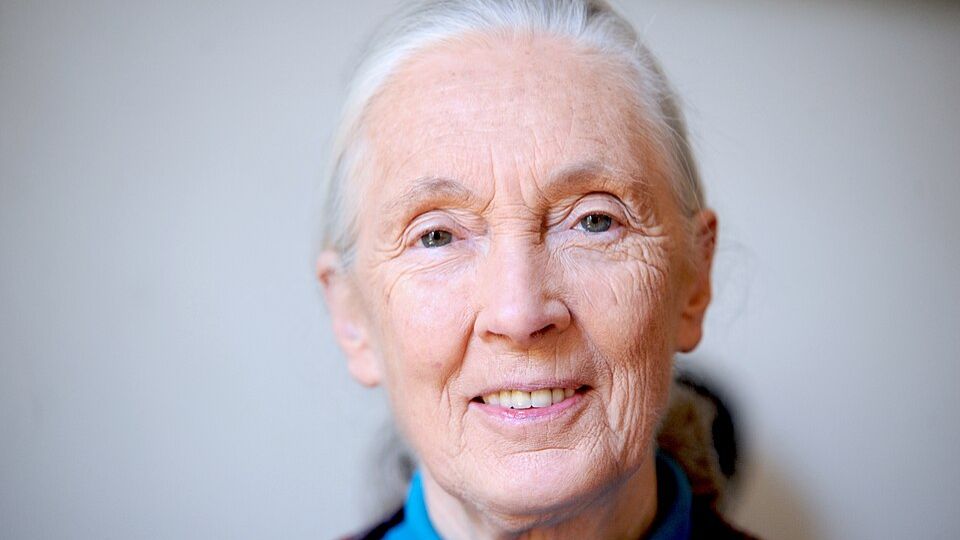
Explore how women scientists have transformed medicine, biology, and our understanding of life itself through the groundbreaking work of Jane Goodall, Tu Youyou, Marie Curie, and Françoise Barré-Sinoussi. Students will discover how curiosity, determination, and scientific innovation helped these women make discoveries that changed lives around the world.
This Kahoot explores major breakthroughs in fields such as medicine, chemistry, biology, and disease research, while highlighting the challenges many women scientists faced in gaining recognition and opportunities in their fields. Students will build listening skills, vocabulary, and scientific awareness as they learn how research and discovery can improve health, deepen knowledge, and shape the future.
Watch the related BBC videos (below), then invite your Grade 6–12 students to test their knowledge and explore the lasting global impact of women in science.

In Understanding Carbon Footprints, host Harith Iskander explores how foods contribute to global warming. Each stage of food production — from farming to packaging and delivery — uses energy and releases gases that affect the climate. Learn how different types of food, such as meats and vegetables, have different impacts on the environment and discover ways we can make more eco-friendly choices. This video is excerpted from BBC’s Got Science?, a science magazine series that explores and explains science in everyday life.
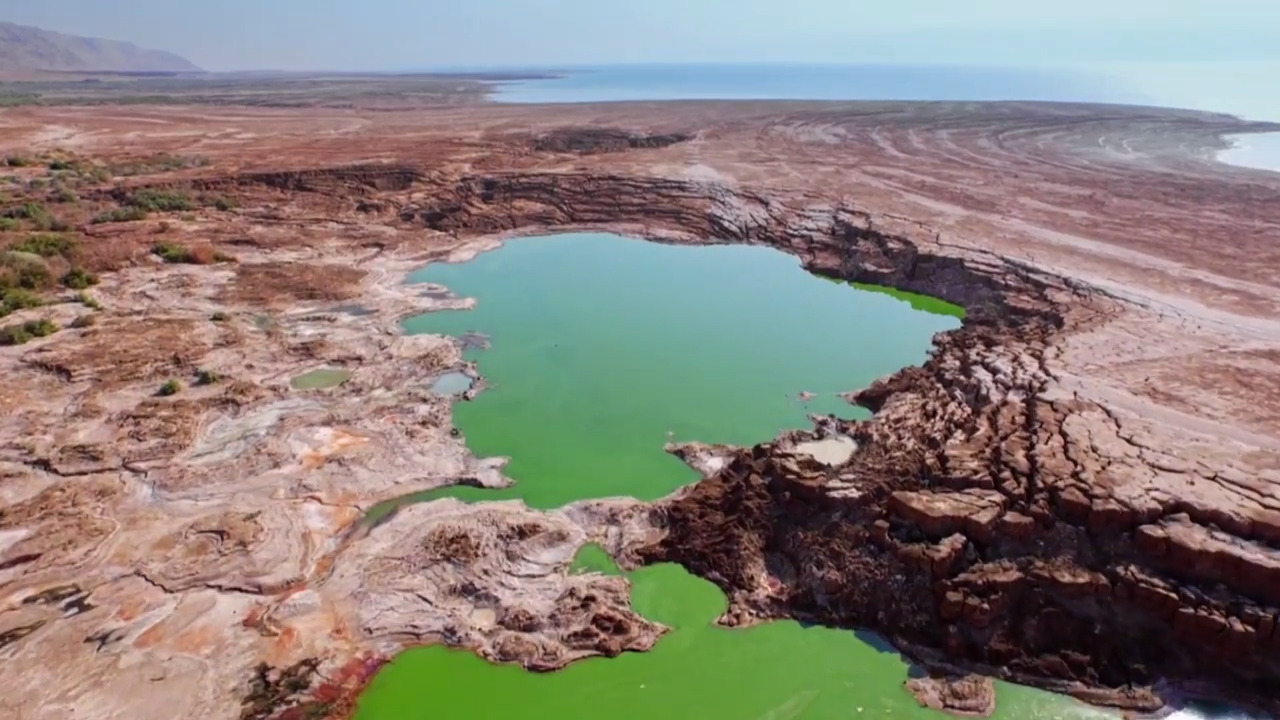
In Melting Mountains and Sinking Cities, host Harith Iskander explains how physical features of the the Earth, such as the melting snow on Mount Kilimanjaro, the sinking of Mexico City, and the potential disappearance of the Dead Sea, are changing over time. Learn how natural and human-made factors contribute to the transformation of the Earth's physical landscape. This video is excerpted from BBC’s Got Science?, a science magazine series that explores and explains science in everyday life
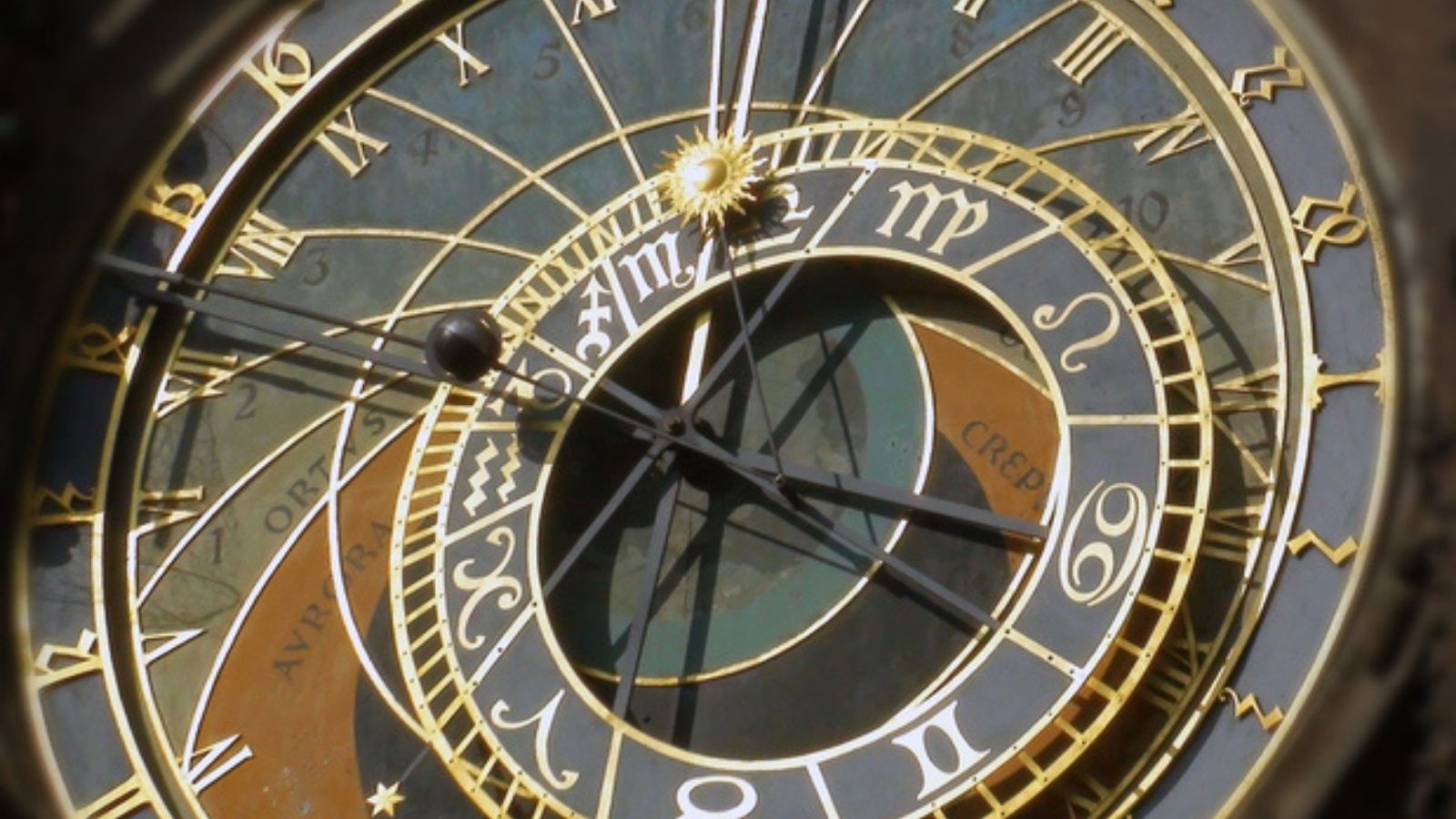
The article "How Scientists From Around the World Helped Shape Modern Science" from BBC's HistoryExtra explains how science in the 16th to 18th Centuries wasn't only shaped by famous Europeans like Copernicus or Newton. Thinkers from Asia, Africa, and the Americas also made important contributions.
Explore how women scientists have transformed medicine, biology, and our understanding of life itself through the groundbreaking work of Jane Goodall, Tu Youyou, Marie Curie, and Françoise Barré-Sinoussi. Students will discover how curiosity, determination, and scientific innovation helped these women make discoveries that changed lives around the world.
This Kahoot explores major breakthroughs in fields such as medicine, chemistry, biology, and disease research, while highlighting the challenges many women scientists faced in gaining recognition and opportunities in their fields. Students will build listening skills, vocabulary, and scientific awareness as they learn how research and discovery can improve health, deepen knowledge, and shape the future.
Watch the related BBC videos (below), then invite your Grade 6–12 students to test their knowledge and explore the lasting global impact of women in science.
In Understanding Carbon Footprints, host Harith Iskander explores how foods contribute to global warming. Each stage of food production — from farming to packaging and delivery — uses energy and releases gases that affect the climate. Learn how different types of food, such as meats and vegetables, have different impacts on the environment and discover ways we can make more eco-friendly choices. This video is excerpted from BBC’s Got Science?, a science magazine series that explores and explains science in everyday life.
In Melting Mountains and Sinking Cities, host Harith Iskander explains how physical features of the the Earth, such as the melting snow on Mount Kilimanjaro, the sinking of Mexico City, and the potential disappearance of the Dead Sea, are changing over time. Learn how natural and human-made factors contribute to the transformation of the Earth's physical landscape. This video is excerpted from BBC’s Got Science?, a science magazine series that explores and explains science in everyday life
The article "How Scientists From Around the World Helped Shape Modern Science" from BBC's HistoryExtra explains how science in the 16th to 18th Centuries wasn't only shaped by famous Europeans like Copernicus or Newton. Thinkers from Asia, Africa, and the Americas also made important contributions.