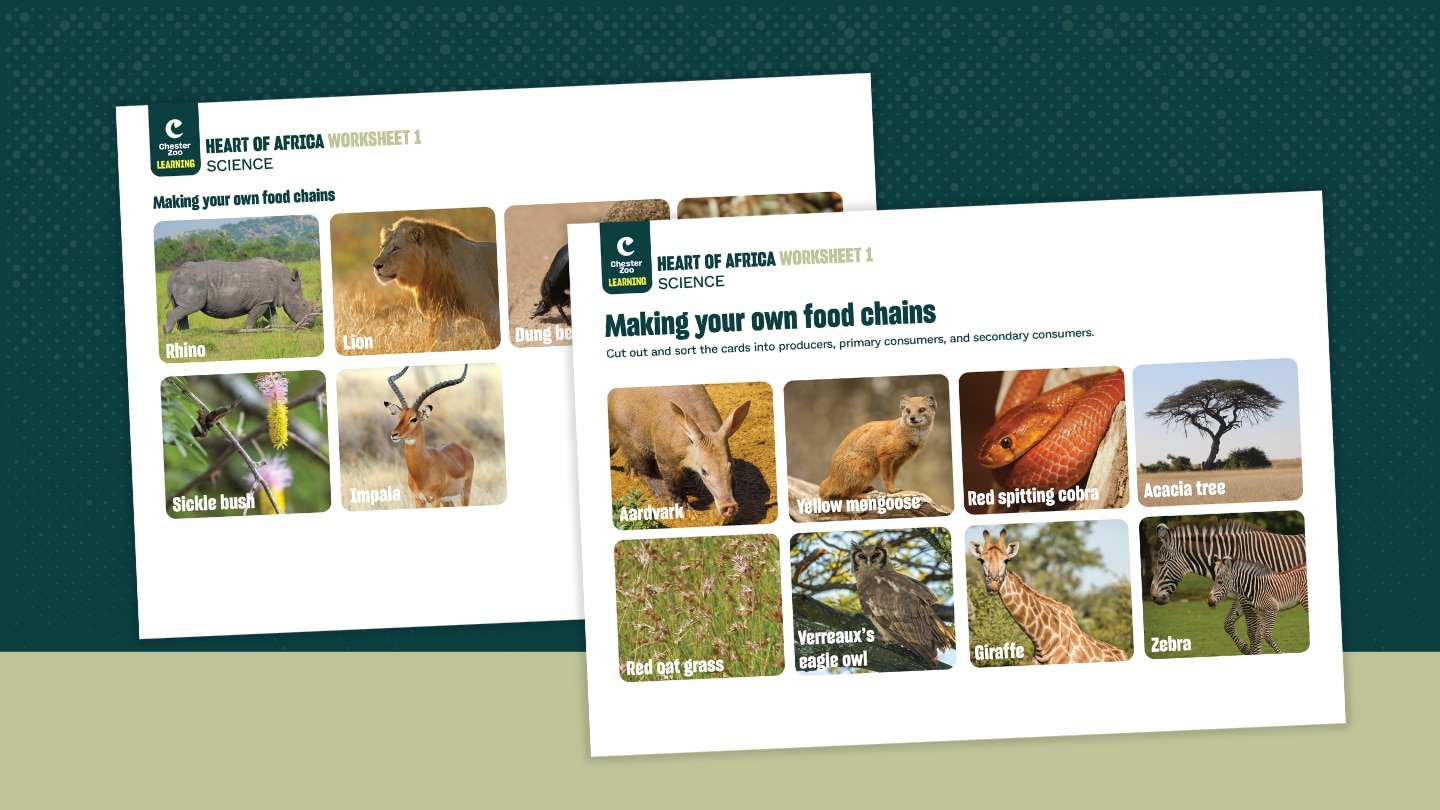
Predators and prey. Producers and consumers. They're all part of food chains! With this worksheets, you'll get the opportunity to sort African savanna species into groups (producers, primary consumer, and secondary consumers) and learn a lot about interdependence along the way. The cards include amazing savanna species like:
- Aardvark
- Yellow mongoose
- Red spitting cobra
- Acacia tree
- And more!
These worksheets accompany a Chester Zoo interactive lesson on food chains.

In Exploring the Science of Airline Food, host Harith Iskander shares why airline food tastes different from the meals we enjoy on the ground, explaining how the pressurized atmosphere inside a plane affects our senses of taste and smell, making food seem bland. This video is excerpted from BBC’s Got Science?, a science magazine series that explores and explains science in everyday life.

In The Science of Common Food Reactions, host Harith Iskander presents some simple science behind everyday breakfast tips. Among these great tips: Why drinking orange juice right after brushing your teeth tastes awful, how to remedy bitter coffee, and even how to tell if an egg is fresh or rotten. This video is excerpted from BBC’s Got Science?, a science magazine series that explores and explains science in everyday life.
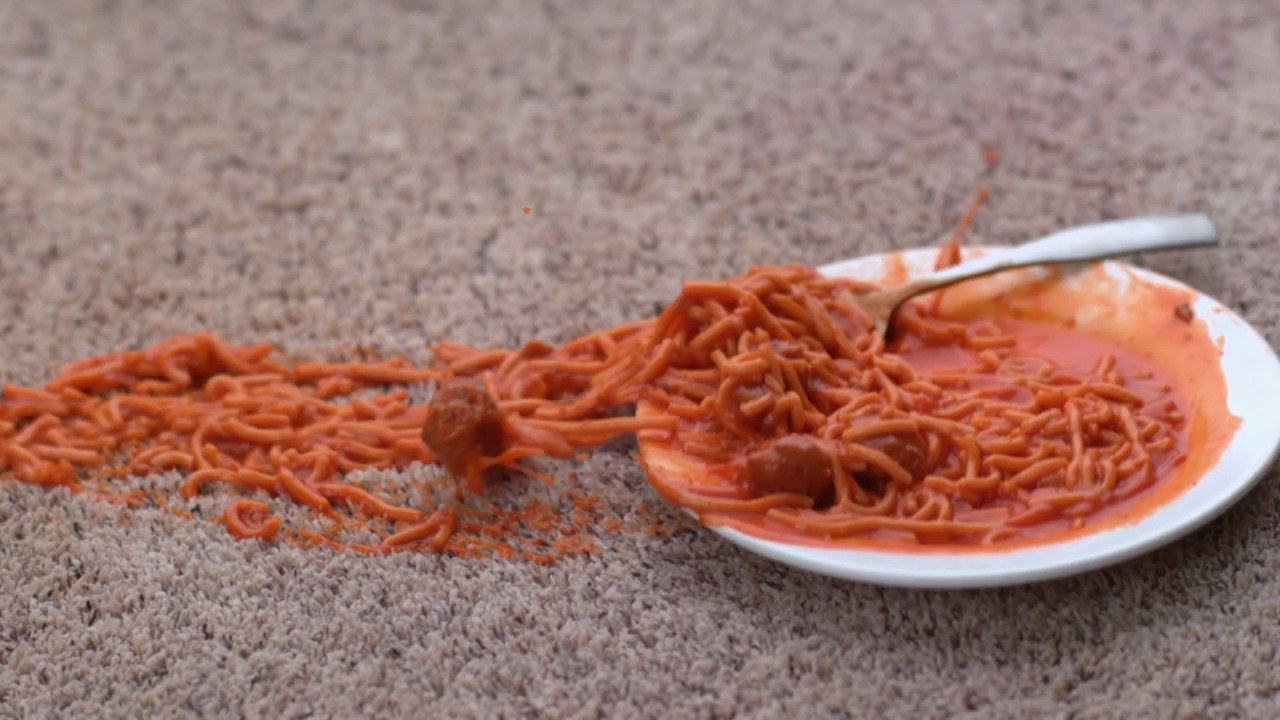
In How Bacteria Spread From Surfaces to Food, host Harith Iskander explains why food dropped on the floor, no matter how quickly it's picked up, is covered in germs. Even if food is only on the floor for five seconds, bacteria and other harmful organisms can transfer to it. Learn how germs move from one surface to another, showing that our surroundings are always teeming with bacteria. This video is excerpted from BBC’s Got Science?, a science magazine series that explores and explains science in everyday life.
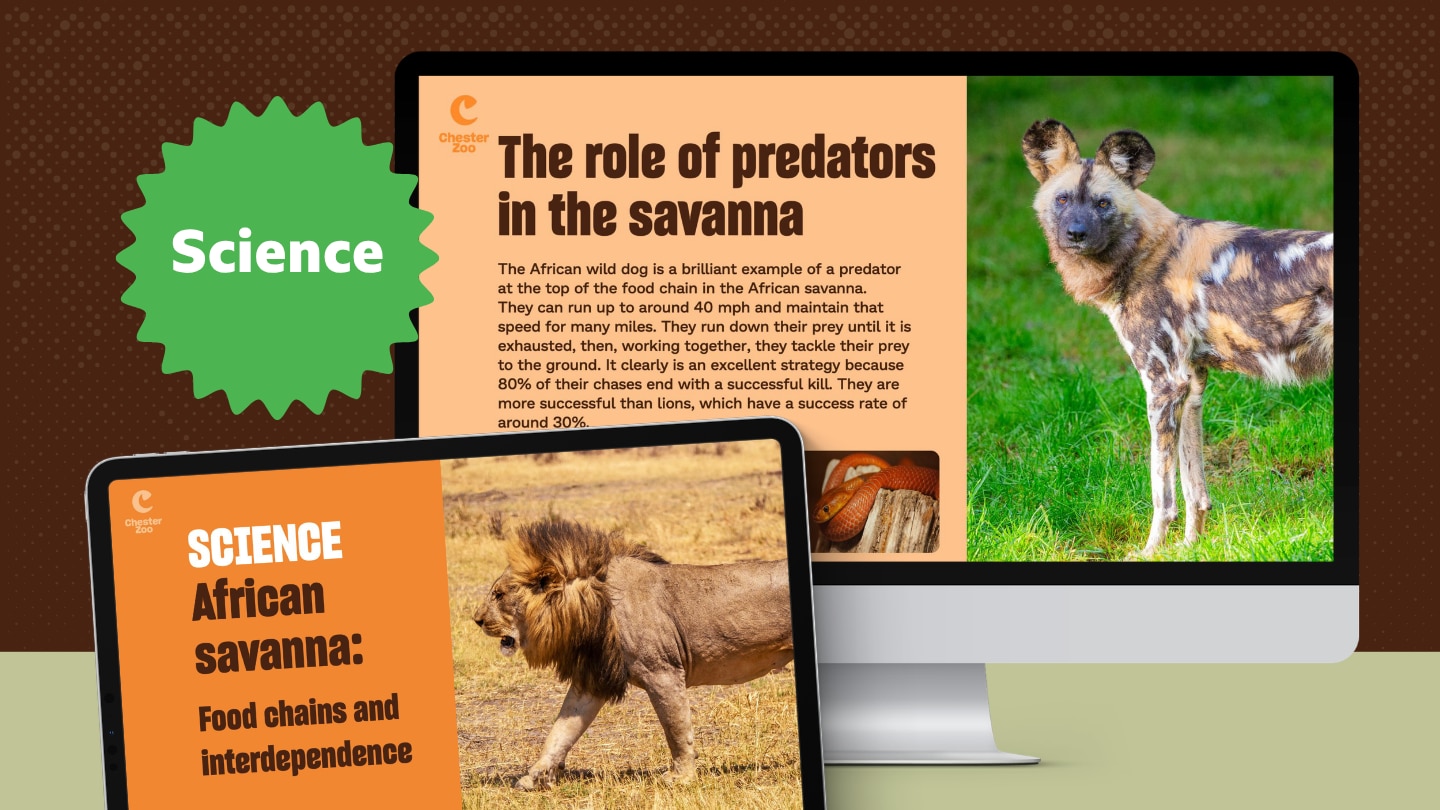
Life in the savanna is all connected! Step into the African savanna with Chester Zoo and discover what happens when plants, herbivores, and predators all depend on one another to survive. Meet some of the animals that make this ecosystem their home and uncover the important role each plays in keeping the food web in balance.
Start by following energy as it moves through a food chain — from plants to the animals that eat them and on to predators. Then investigate what happens when one part of the chain changes. What might happen to the rest of the ecosystem if an animal disappears? And why are predators so important to a healthy savanna?
Use real African wildlife to explore these connections, build your own food chains, and think like a zoologist as you investigate the interdependence of life on the savanna. By the end, you'll see that in a healthy ecosystem, every living thing has a role to play.
Don't miss the food chain cards that go with this lesson!
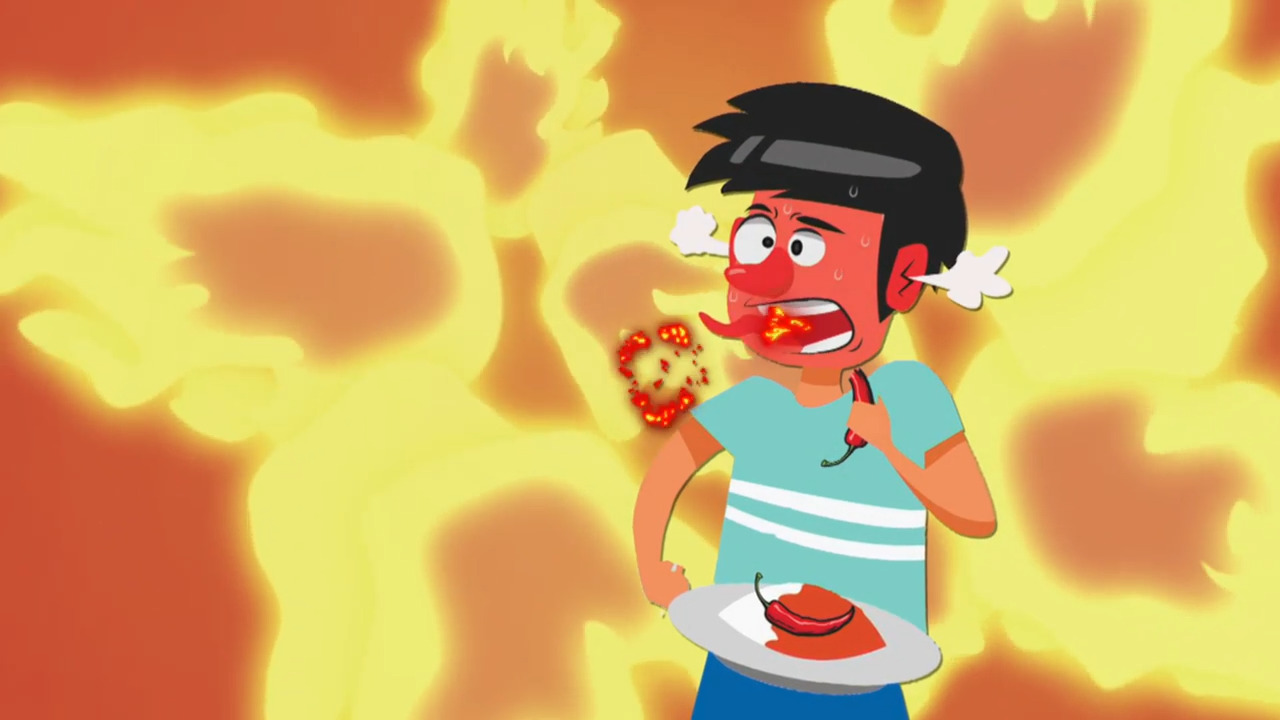
In What Happens in Your Brain When You Eat Spicy Food, host Harith Iskander explains how capsaicin, the chemical found in hot peppers, affects the brain. When you eat something spicy, capsaicin binds to pain receptors in your tongue, sending a signal to your brain that your mouth is "on fire." In response, your brain activates cooling mechanisms, like making you sweat. This video is excerpted from BBC’s Got Science?, a science magazine series that explores and explains science in everyday life.

In Foods Dogs and Cats Should Avoid, host Harith Iskander discusses foods that are dangerous for pets, especially dogs and cats. For instance, chocolate contains theobromine, which is highly toxic to them, with dark chocolate being the most dangerous type. This video is excerpted from BBC’s Got Science?, a science magazine series that explores and explains science in everyday life.

In Understanding Carbon Footprints, host Harith Iskander explores how foods contribute to global warming. Each stage of food production — from farming to packaging and delivery — uses energy and releases gases that affect the climate. Learn how different types of food, such as meats and vegetables, have different impacts on the environment and discover ways we can make more eco-friendly choices. This video is excerpted from BBC’s Got Science?, a science magazine series that explores and explains science in everyday life.
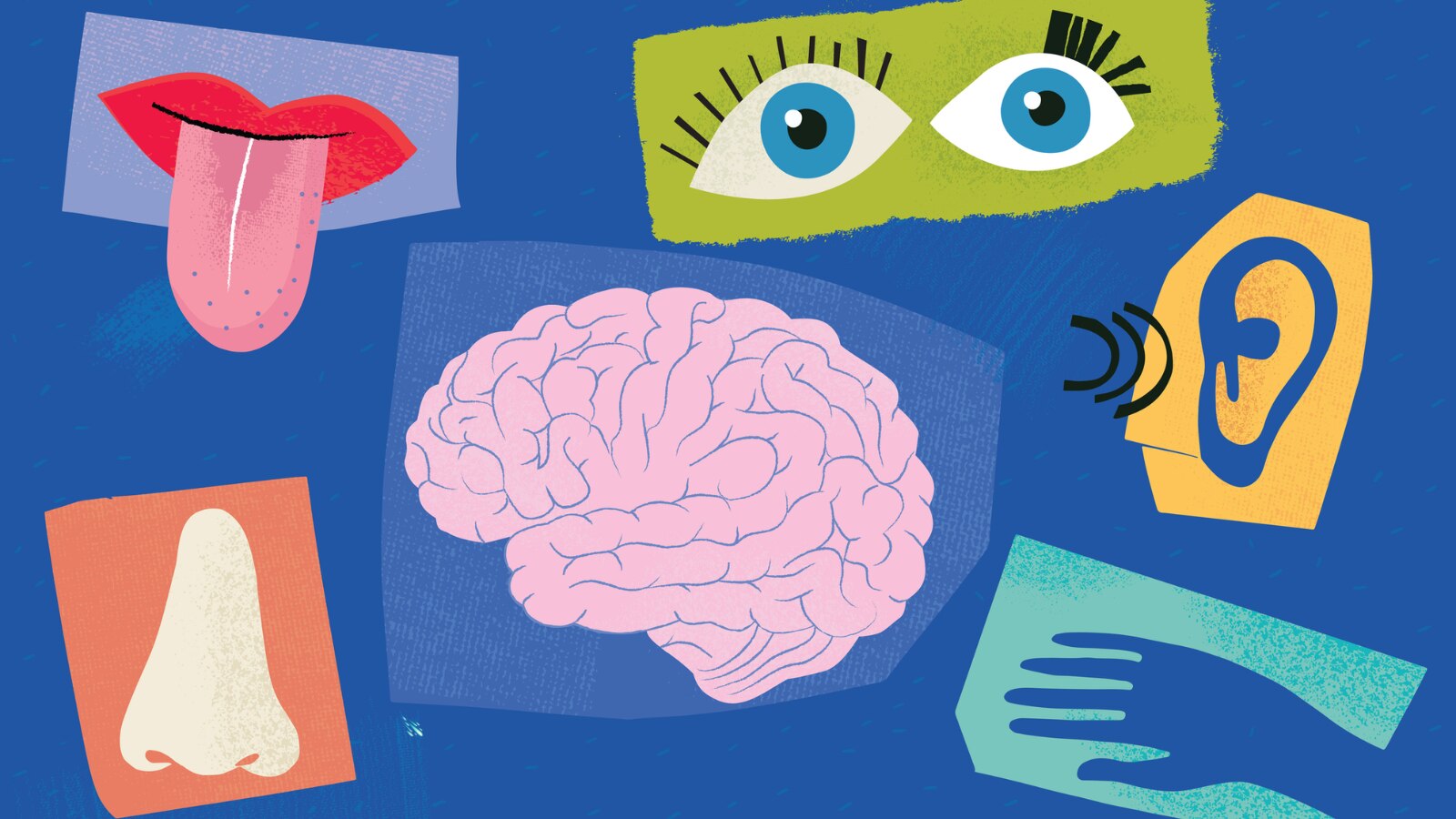
Explore the five senses like never before! Dive into 10 fascinating BBC videos from shows like Got Science? and Secrets of Skin that uncover the amazing science behind how we see, hear, smell, taste, and touch. Students will discover why food tastes different on an airplane, how smell involves more than just the nose, why our eyes make emotional tears, how sound can change flavor, and how fingertips and smell receptors send powerful signals to the brain. It’s a fun, surprising look at the hidden connections between the brain and our everyday experiences.

In Breaking Through the "Runner's Wall", host Harith Iskander explores what happens when runners hit "the wall" during a marathon. This is when they feel like they can’t run any further. As runners exercise, their bodies use up energy from a type of sugar called glycogen. When glycogen runs out, the body starts to make lactic acid to protect the muscles from burning out. The trick to pushing past "the wall" is eating foods with carbohydrates before the race to keep energy levels up. This video is excerpted from BBC’s Got Science?, a science magazine series that explores and explains science in everyday life.

In How Sound Alters the Way We Taste, host Harith Iskander shows how sound can change the way we experience flavors. Discover how different sounds can make food taste sweeter, saltier, or even fresher, helping us understand why our sense of hearing connects to our sense of taste. This video is excerpted from BBC’s Got Science? a science magazine series that explores and explains science in everyday life.
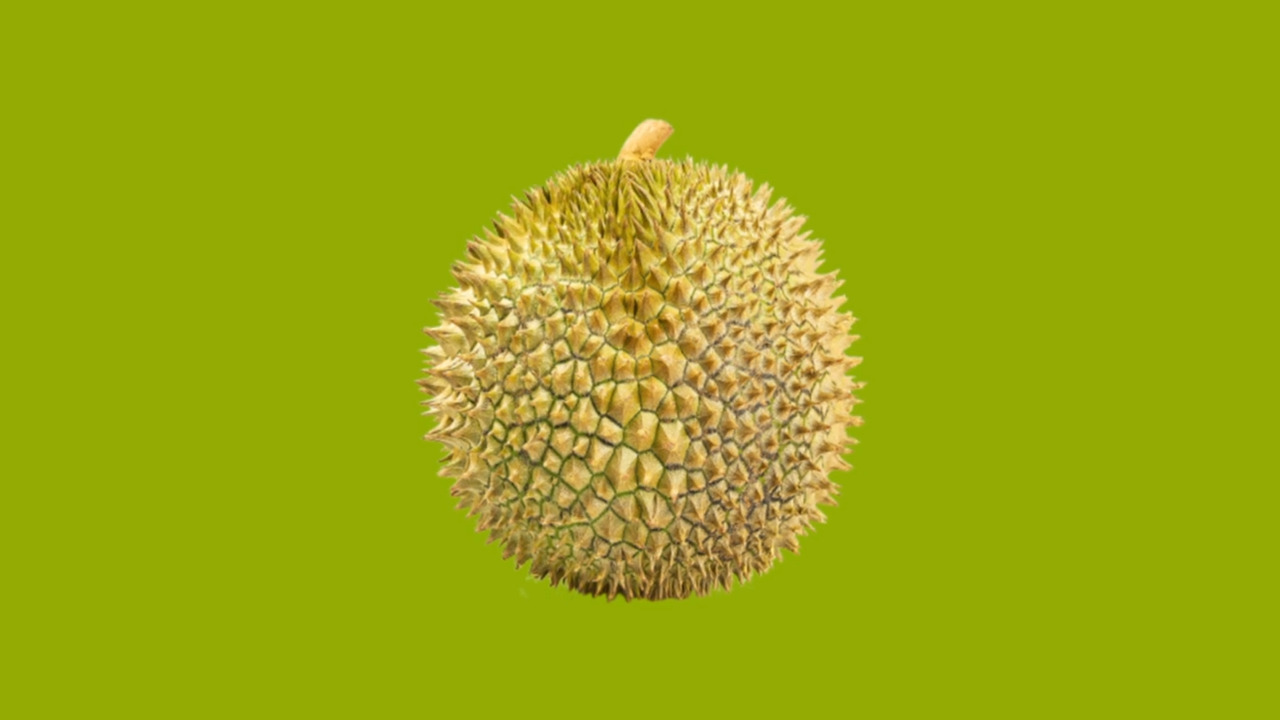
In The Science Behind Durian Fruit, host Harith Iskander celebrates a most unusual food. Known across South East Asia as the “king of fruits,” the durian is celebrated for its unique taste and nutritional benefits — though it’s also famous for its powerful smell! This video is excerpted from BBC’s Got Science?, a science magazine series that explores and explains science in everyday life.
Predators and prey. Producers and consumers. They're all part of food chains! With this worksheets, you'll get the opportunity to sort African savanna species into groups (producers, primary consumer, and secondary consumers) and learn a lot about interdependence along the way. The cards include amazing savanna species like:
- Aardvark
- Yellow mongoose
- Red spitting cobra
- Acacia tree
- And more!
These worksheets accompany a Chester Zoo interactive lesson on food chains.
In Exploring the Science of Airline Food, host Harith Iskander shares why airline food tastes different from the meals we enjoy on the ground, explaining how the pressurized atmosphere inside a plane affects our senses of taste and smell, making food seem bland. This video is excerpted from BBC’s Got Science?, a science magazine series that explores and explains science in everyday life.
In The Science of Common Food Reactions, host Harith Iskander presents some simple science behind everyday breakfast tips. Among these great tips: Why drinking orange juice right after brushing your teeth tastes awful, how to remedy bitter coffee, and even how to tell if an egg is fresh or rotten. This video is excerpted from BBC’s Got Science?, a science magazine series that explores and explains science in everyday life.
In How Bacteria Spread From Surfaces to Food, host Harith Iskander explains why food dropped on the floor, no matter how quickly it's picked up, is covered in germs. Even if food is only on the floor for five seconds, bacteria and other harmful organisms can transfer to it. Learn how germs move from one surface to another, showing that our surroundings are always teeming with bacteria. This video is excerpted from BBC’s Got Science?, a science magazine series that explores and explains science in everyday life.
Life in the savanna is all connected! Step into the African savanna with Chester Zoo and discover what happens when plants, herbivores, and predators all depend on one another to survive. Meet some of the animals that make this ecosystem their home and uncover the important role each plays in keeping the food web in balance.
Start by following energy as it moves through a food chain — from plants to the animals that eat them and on to predators. Then investigate what happens when one part of the chain changes. What might happen to the rest of the ecosystem if an animal disappears? And why are predators so important to a healthy savanna?
Use real African wildlife to explore these connections, build your own food chains, and think like a zoologist as you investigate the interdependence of life on the savanna. By the end, you'll see that in a healthy ecosystem, every living thing has a role to play.
Don't miss the food chain cards that go with this lesson!
In What Happens in Your Brain When You Eat Spicy Food, host Harith Iskander explains how capsaicin, the chemical found in hot peppers, affects the brain. When you eat something spicy, capsaicin binds to pain receptors in your tongue, sending a signal to your brain that your mouth is "on fire." In response, your brain activates cooling mechanisms, like making you sweat. This video is excerpted from BBC’s Got Science?, a science magazine series that explores and explains science in everyday life.
In Foods Dogs and Cats Should Avoid, host Harith Iskander discusses foods that are dangerous for pets, especially dogs and cats. For instance, chocolate contains theobromine, which is highly toxic to them, with dark chocolate being the most dangerous type. This video is excerpted from BBC’s Got Science?, a science magazine series that explores and explains science in everyday life.
In Understanding Carbon Footprints, host Harith Iskander explores how foods contribute to global warming. Each stage of food production — from farming to packaging and delivery — uses energy and releases gases that affect the climate. Learn how different types of food, such as meats and vegetables, have different impacts on the environment and discover ways we can make more eco-friendly choices. This video is excerpted from BBC’s Got Science?, a science magazine series that explores and explains science in everyday life.
Explore the five senses like never before! Dive into 10 fascinating BBC videos from shows like Got Science? and Secrets of Skin that uncover the amazing science behind how we see, hear, smell, taste, and touch. Students will discover why food tastes different on an airplane, how smell involves more than just the nose, why our eyes make emotional tears, how sound can change flavor, and how fingertips and smell receptors send powerful signals to the brain. It’s a fun, surprising look at the hidden connections between the brain and our everyday experiences.
In Breaking Through the "Runner's Wall", host Harith Iskander explores what happens when runners hit "the wall" during a marathon. This is when they feel like they can’t run any further. As runners exercise, their bodies use up energy from a type of sugar called glycogen. When glycogen runs out, the body starts to make lactic acid to protect the muscles from burning out. The trick to pushing past "the wall" is eating foods with carbohydrates before the race to keep energy levels up. This video is excerpted from BBC’s Got Science?, a science magazine series that explores and explains science in everyday life.
In How Sound Alters the Way We Taste, host Harith Iskander shows how sound can change the way we experience flavors. Discover how different sounds can make food taste sweeter, saltier, or even fresher, helping us understand why our sense of hearing connects to our sense of taste. This video is excerpted from BBC’s Got Science? a science magazine series that explores and explains science in everyday life.
In The Science Behind Durian Fruit, host Harith Iskander celebrates a most unusual food. Known across South East Asia as the “king of fruits,” the durian is celebrated for its unique taste and nutritional benefits — though it’s also famous for its powerful smell! This video is excerpted from BBC’s Got Science?, a science magazine series that explores and explains science in everyday life.