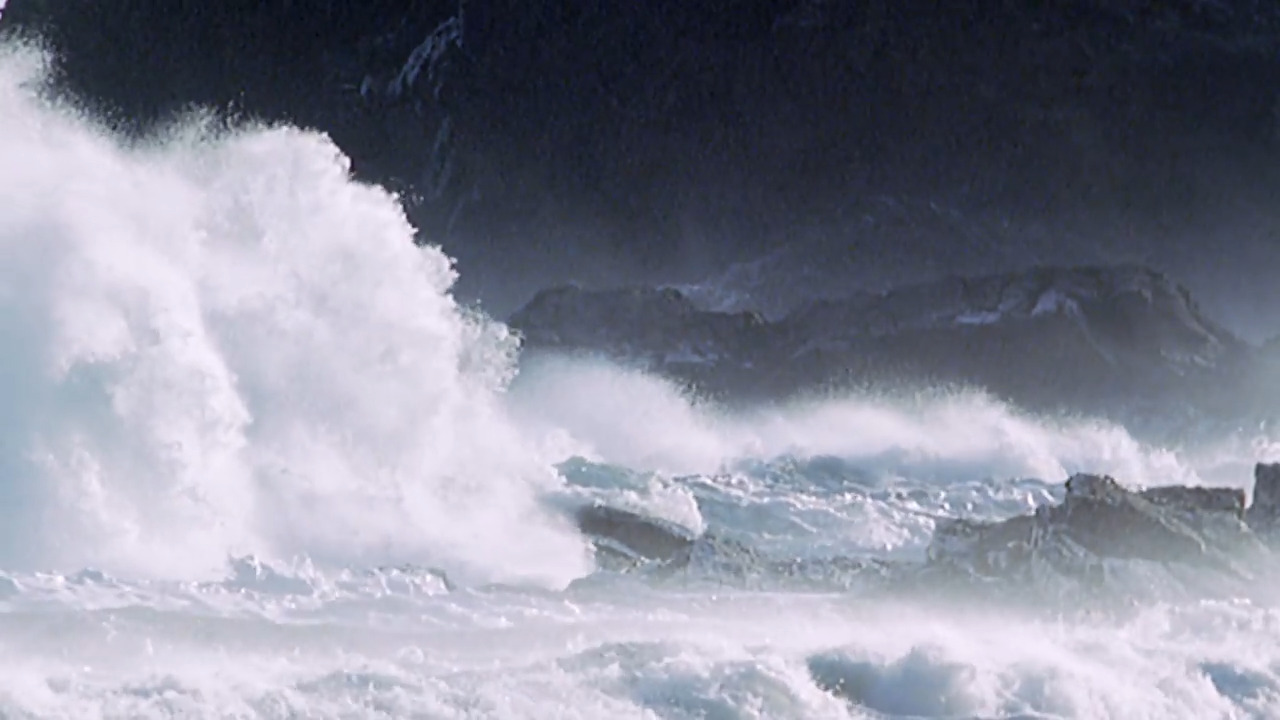
In The Food Chain in Temperate Seas, narrator Sir David Attenborough follows the food chain from algae to salps, plankton, and krill. This video is excerpted from BBC's Planet Earth, a breathtaking documentary series that highlights the natural wonders of our planet.
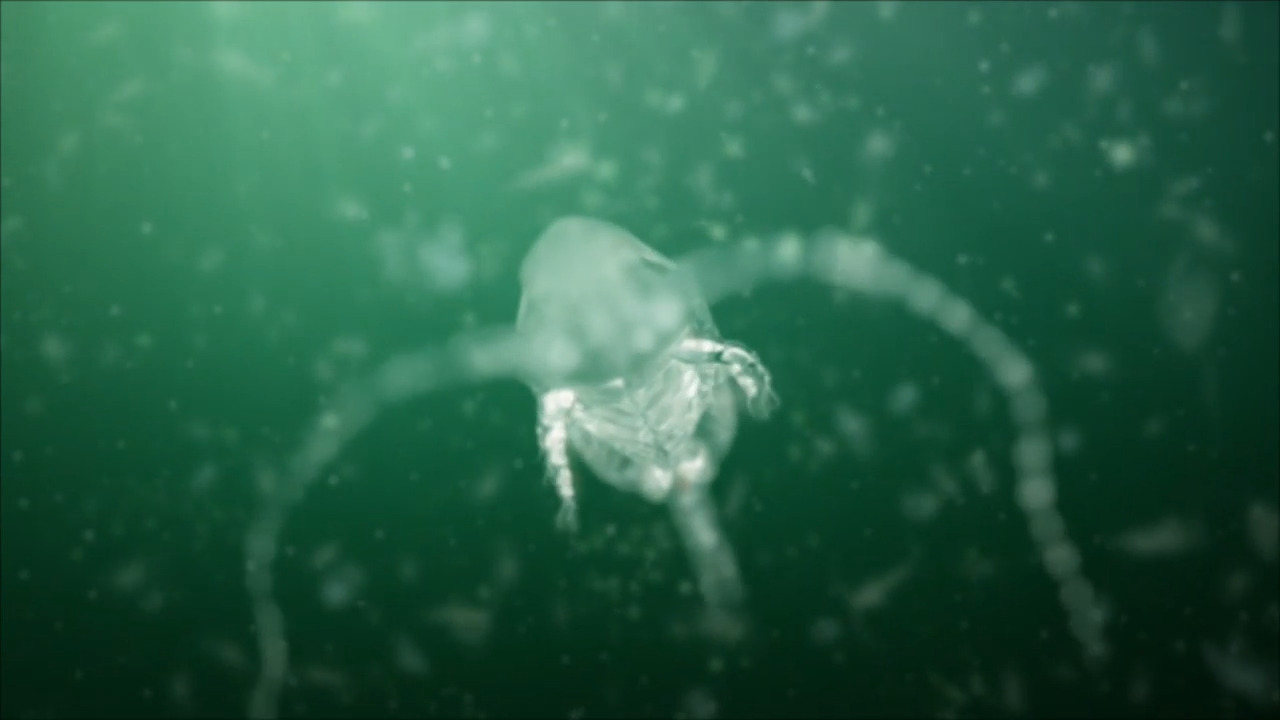
In Plankton and the Food Chain, narrator Sir David Attenborough illustrates how this microscopic creature is the basis of all life in the seas of Alaska. This video is an excerpt from BBC’s Nature's Great Events, a documentary series that showcases some of the most dramatic wildlife spectacles on Earth, exploring how life adapts to natural events that can transform entire landscapes.
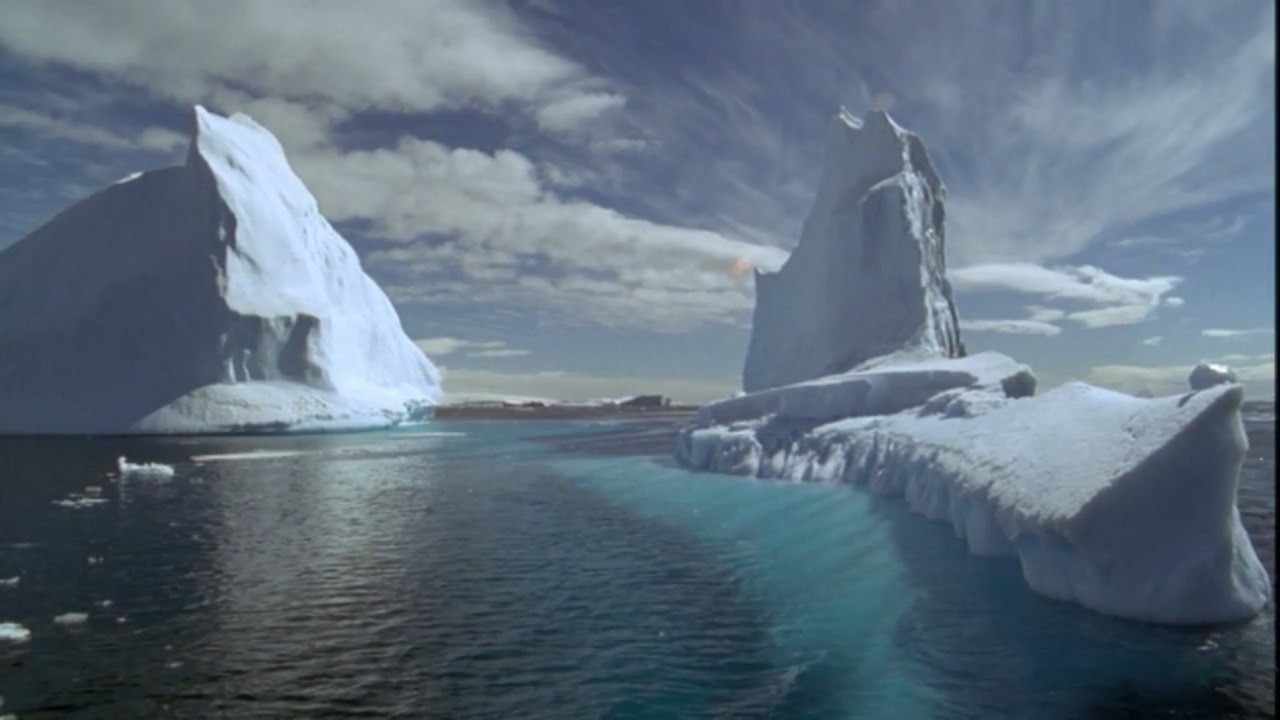
In The Animals That Make up the Antarctic Food Web, narrator Sir David Attenborough shares information about the animals that make up the Antarctic food web. Watch minke whales, humpback whales, fur seals, and krill. Learn about icebergs in the Antarctic. This video is excerpted from BBC’s Blue Planet, a definitive documentary series diving into the mysterious depths of the sea to discover the natural history of the world’s oceans and the rarely seen marine life that reside there.
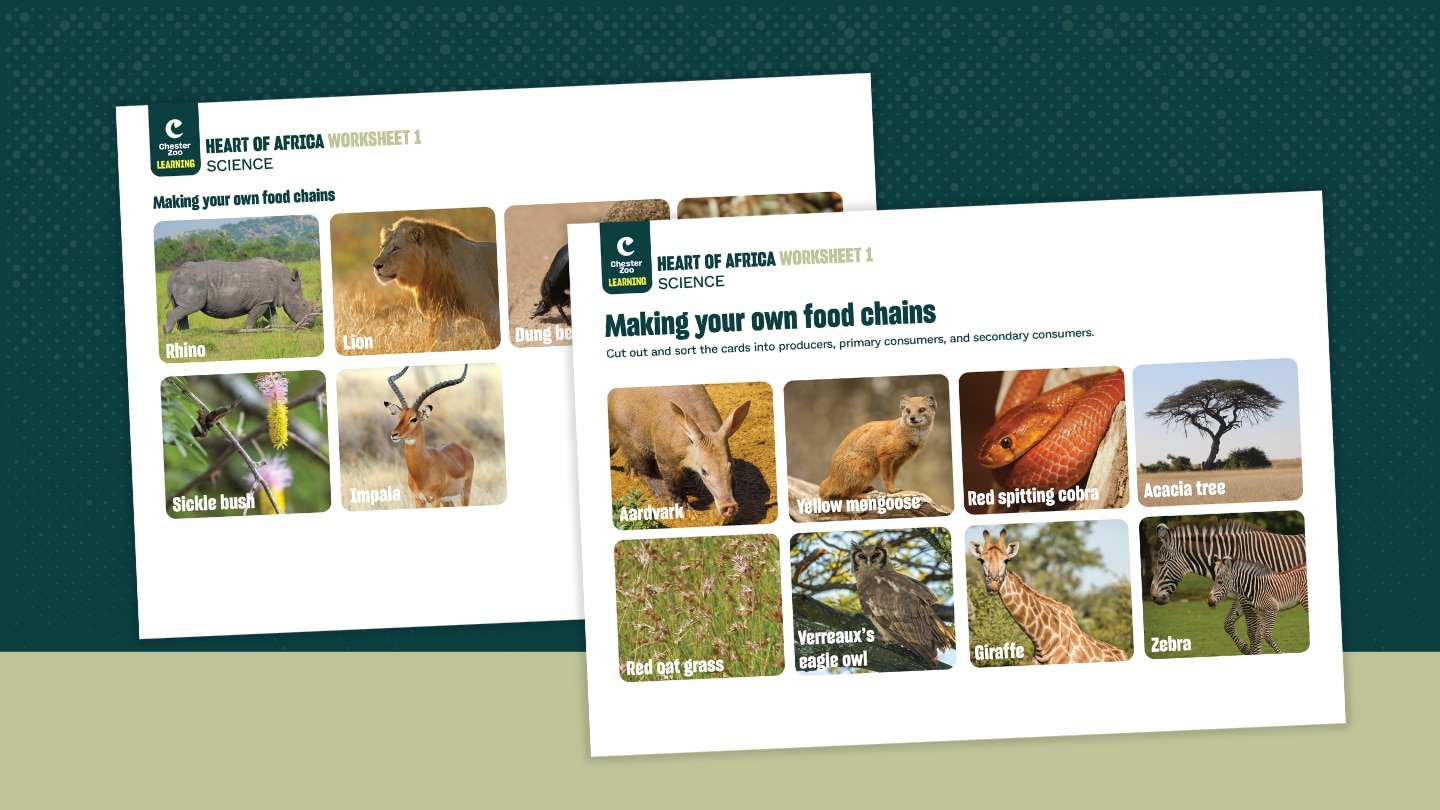
Predators and prey. Producers and consumers. They're all part of food chains! With this worksheets, you'll get the opportunity to sort African savanna species into groups (producers, primary consumer, and secondary consumers) and learn a lot about interdependence along the way. The cards include amazing savanna species like:
- Aardvark
- Yellow mongoose
- Red spitting cobra
- Acacia tree
- And more!
These worksheets accompany a Chester Zoo interactive lesson on food chains.
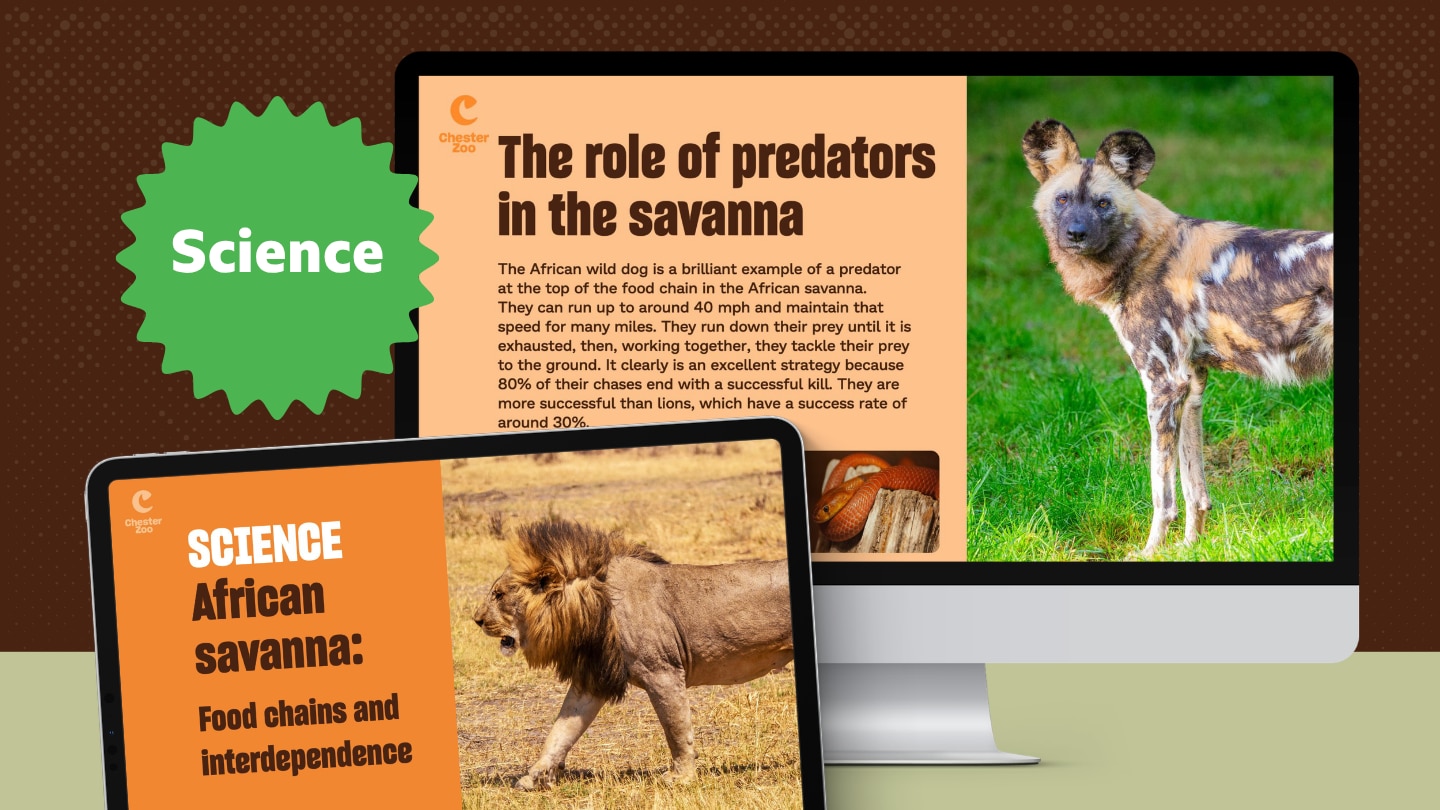
Life in the savanna is all connected! Step into the African savanna with Chester Zoo and discover what happens when plants, herbivores, and predators all depend on one another to survive. Meet some of the animals that make this ecosystem their home and uncover the important role each plays in keeping the food web in balance.
Start by following energy as it moves through a food chain — from plants to the animals that eat them and on to predators. Then investigate what happens when one part of the chain changes. What might happen to the rest of the ecosystem if an animal disappears? And why are predators so important to a healthy savanna?
Use real African wildlife to explore these connections, build your own food chains, and think like a zoologist as you investigate the interdependence of life on the savanna. By the end, you'll see that in a healthy ecosystem, every living thing has a role to play.
Don't miss the food chain cards that go with this lesson!
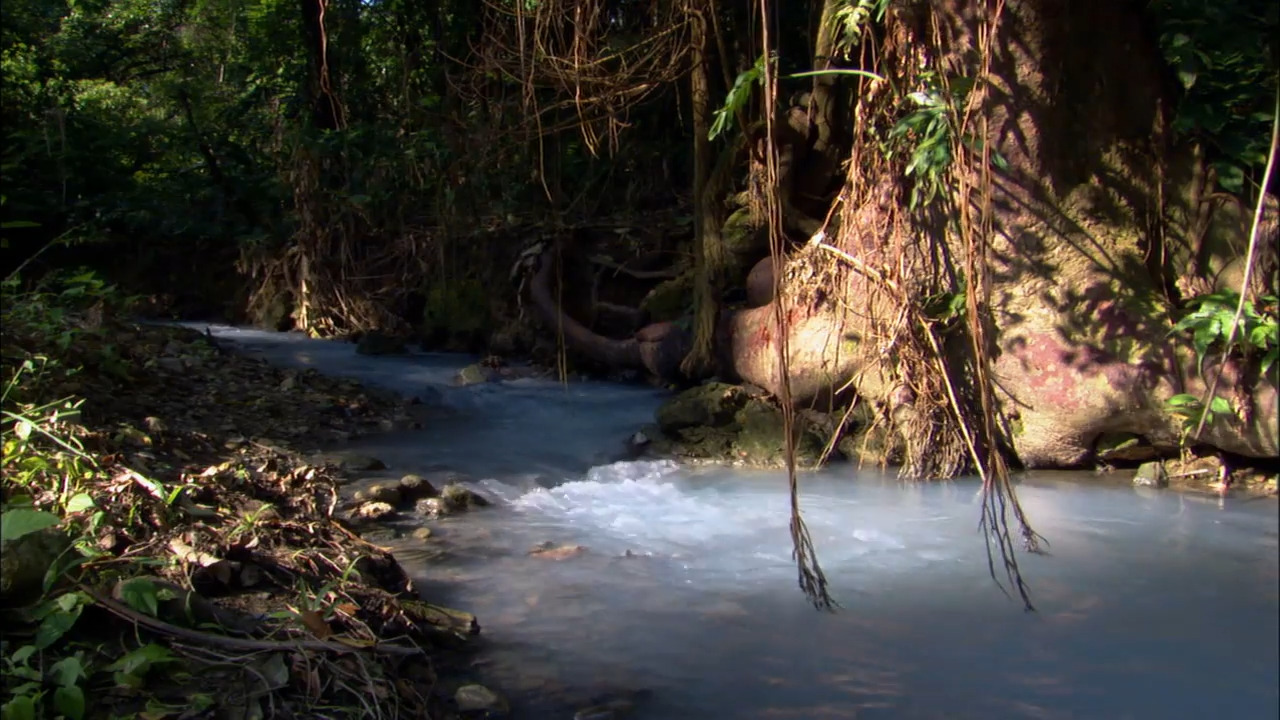
In Thriving in the Harsh Environment of the Villa Luz Cave, narrator Sir David Attenborough takes us on an expedition into Villa Luz Cave, a place filled with dangerous gases and sulfuric acid. Despite these hazardous conditions, fish, bacteria, and other creatures manage to thrive. Learn about the role of extremophiles, strange formations called snottites, and how bacteria form the basis of the food chain in this toxic environment. This video is excerpted from BBC’s Planet Earth, a breathtaking documentary series that highlights the natural wonders of our planet.
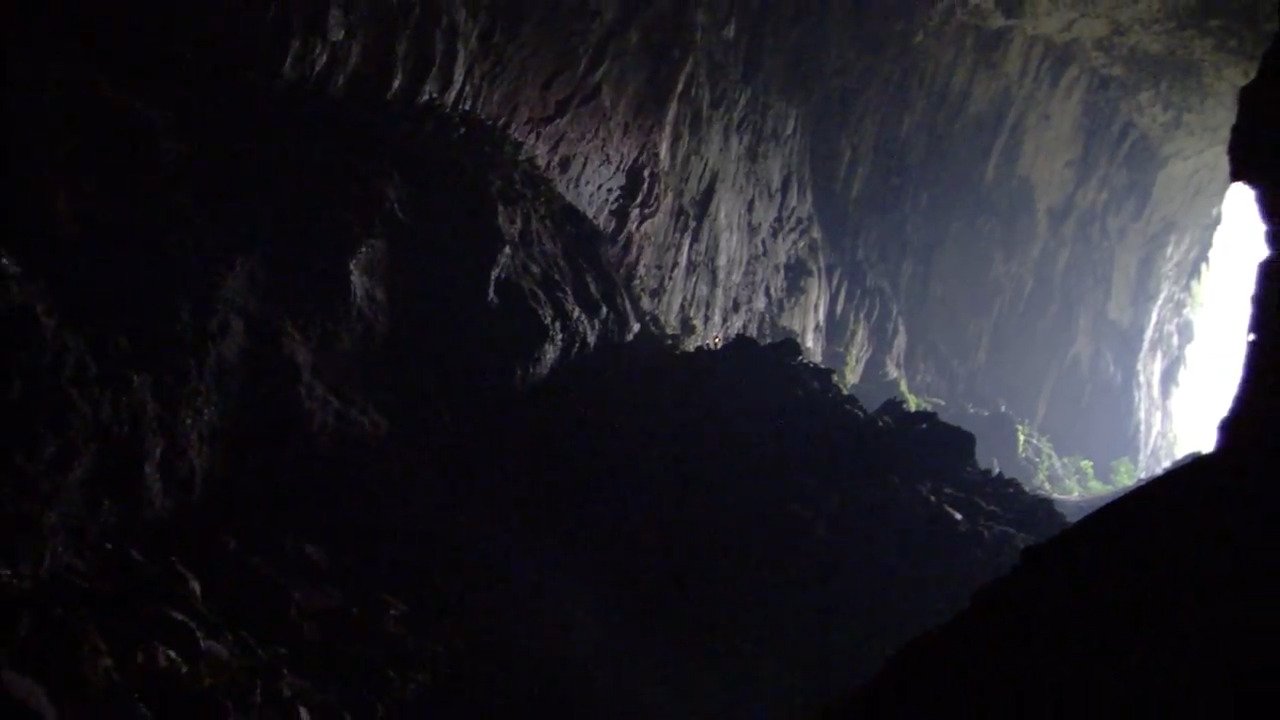
In Life Inside the Sunless Ecosystem of Deer Cave, narrator Sir David Attenborough explores Deer Cave in Borneo, the largest river passage in the world — so vast that a jumbo jet could fly through it. The cave is home to an astonishing 3 million wrinkle-lipped bats, which roost high on the cave walls and ceilings, away from predators. The bats' droppings (guano) form the foundation of a unique food chain within the cave, supporting massive populations of cockroaches, giant cave centipedes, and even crabs. This video is excerpted from BBC’s Planet Earth, a breathtaking documentary series that highlights the natural wonders of our planet.
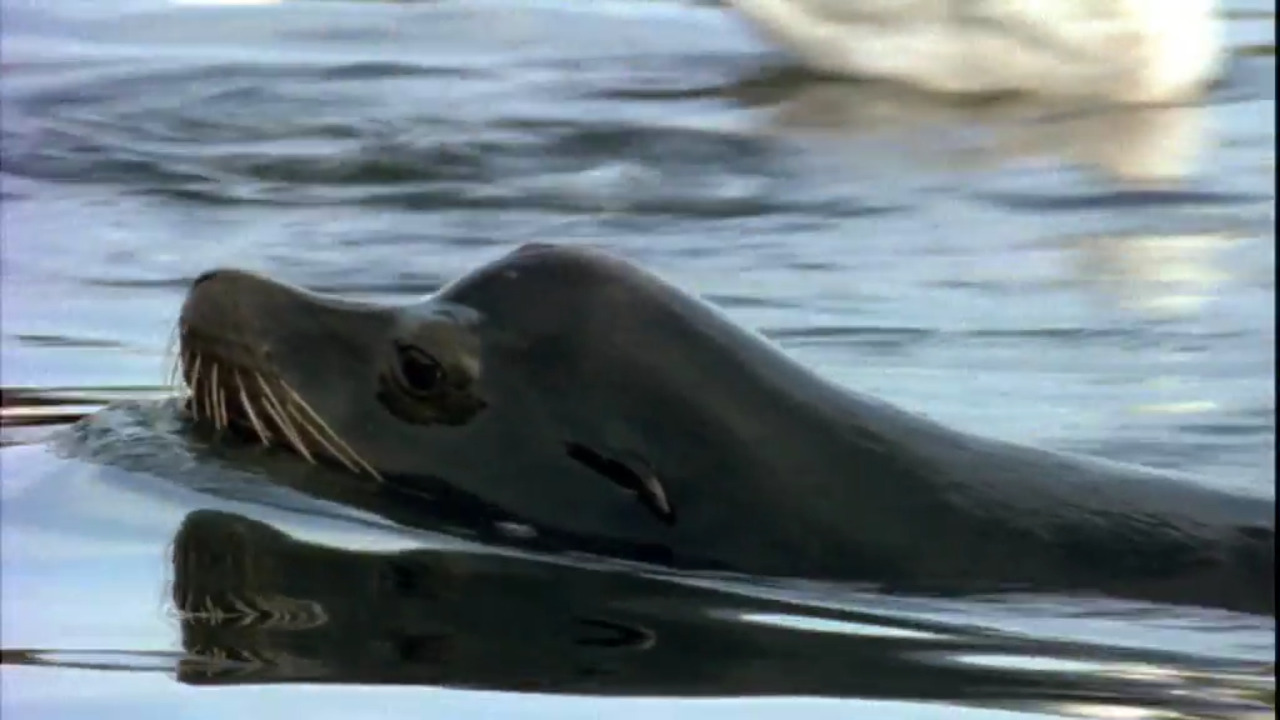
In The Sun’s Cycle Transforms the Sea, narrator Sir David Attenborough describes the most productive food chain that happens off the coast of Alaska. The Sun creates a phytoplankton bloom which attracts herring and larger animals. This video is excerpted from BBC’s Blue Planet, a definitive documentary series diving into the mysterious depths of the sea to discover the natural history of the world’s oceans and the rarely seen marine life that reside there.
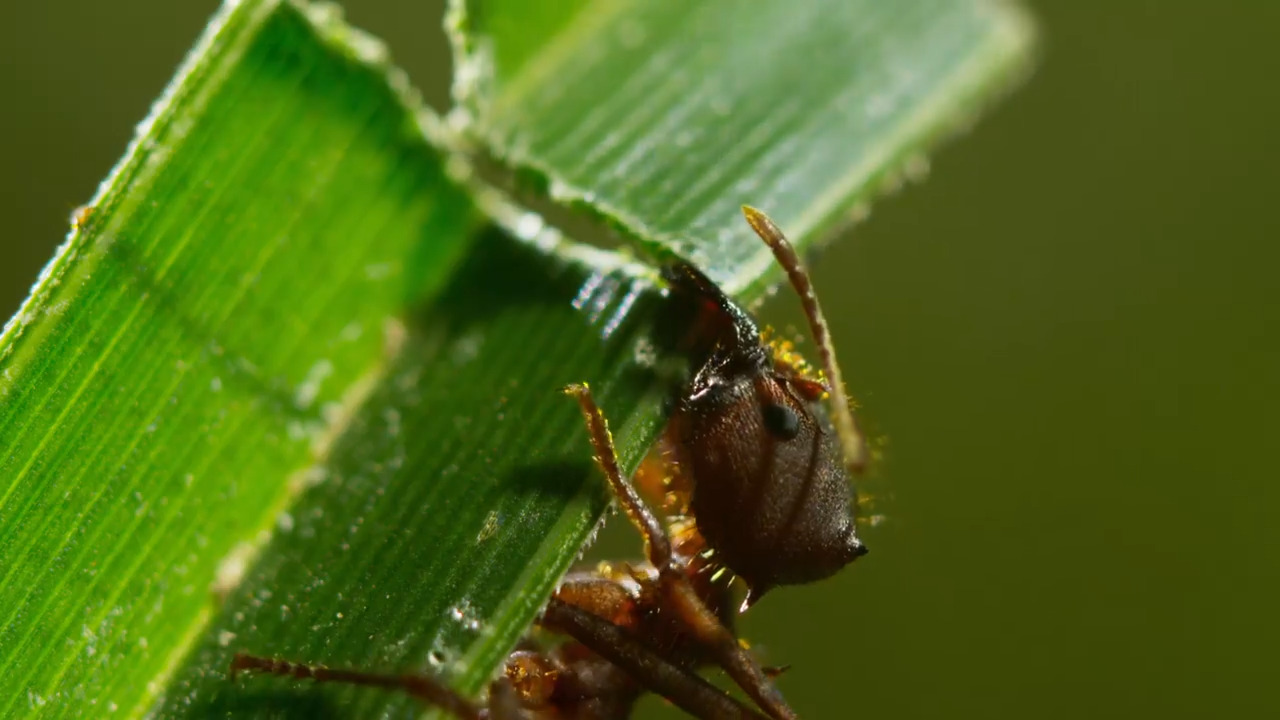
In The Industrious Insects of the Grasslands, narrator Sir David Attenborough explains that around the world, over one-third of the grass that grows will be harvested by insects. Grass cutter ants harvest grass to feed underground fungus that they feed upon. Termites can digest grass, and they in turn become food for the giant anteater. After a prairie fire, termites and anteaters must wait for living roots to regenerate grass. This video is excerpted from BBC’s Planet Earth II, a breathtaking documentary series that highlights the natural wonders of our planet.
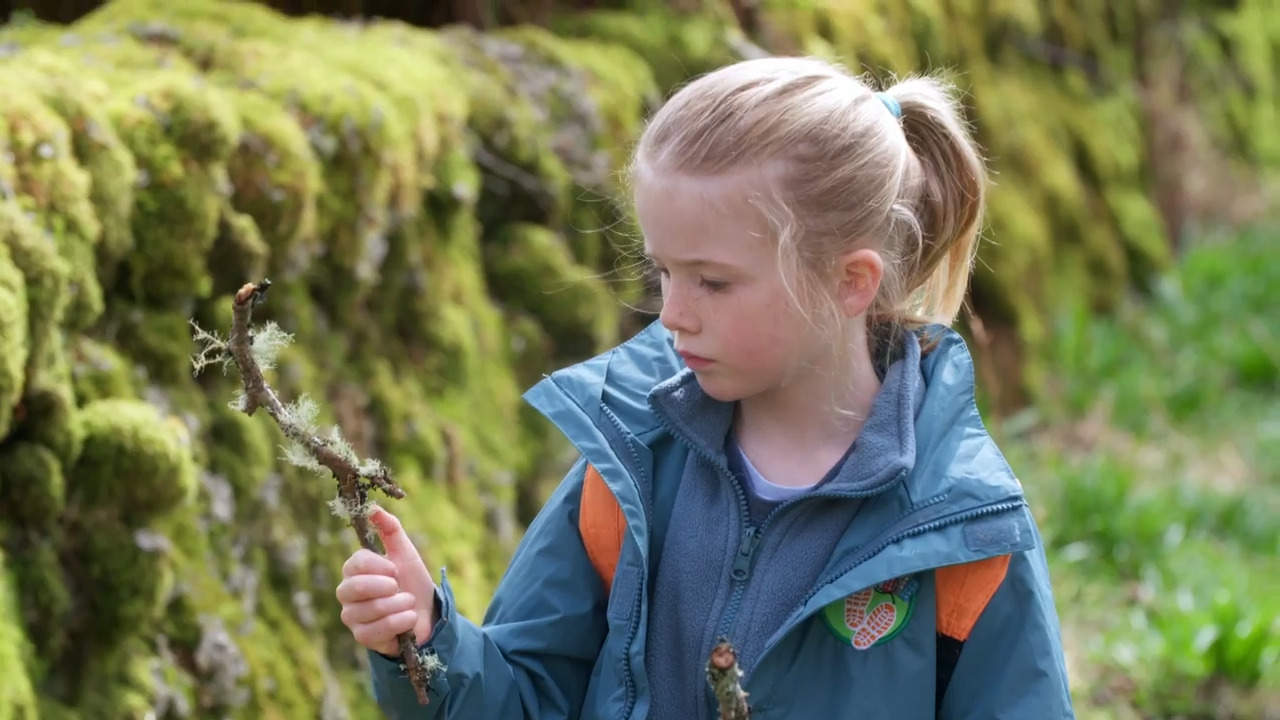
In Types of Lichen, Ranger Hamza and the Ramblers are checking out the forest habitat. Join the Ramblers to see lichen close up and learn about how it fits into the woodland food chain. This video is excerpted from BBC's Ranger Hamza’s Eco Quest, a nature exploration show in which Ranger Hamza and the Ramblers go on quests to discover nature’s wonders and the important role they play in our environment.
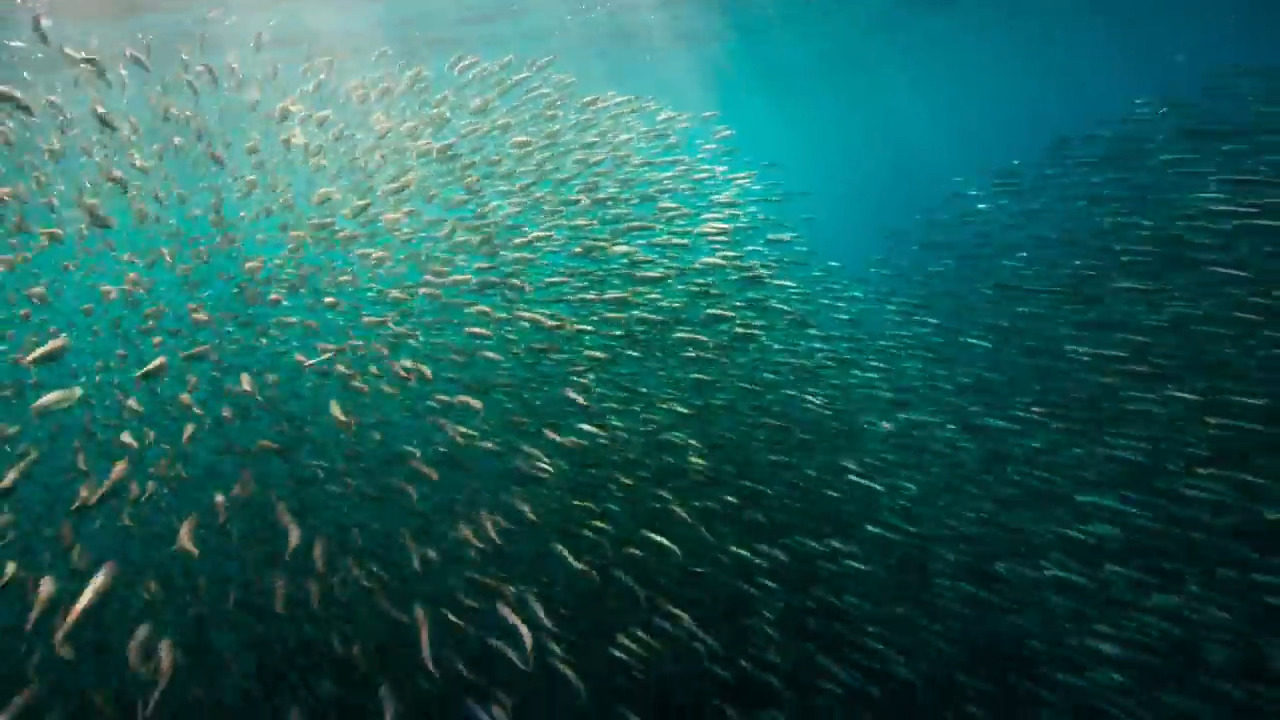
In Feasting on Anchovies, narrator Sir David Attenborough explains the important role that anchovies play in supporting all marine life. These anchovies feed on plankton in and around Monterey Bay, California, where millions are food for sea lions, dolphins, humpback whales, and countless seabirds. This video is excerpted from BBC’s Blue Planet II, a natural history series that explores the world's oceans, the animals that live in them, and the threats they face, using modern filming techniques and equipment to capture previously unseen areas of the ocean.
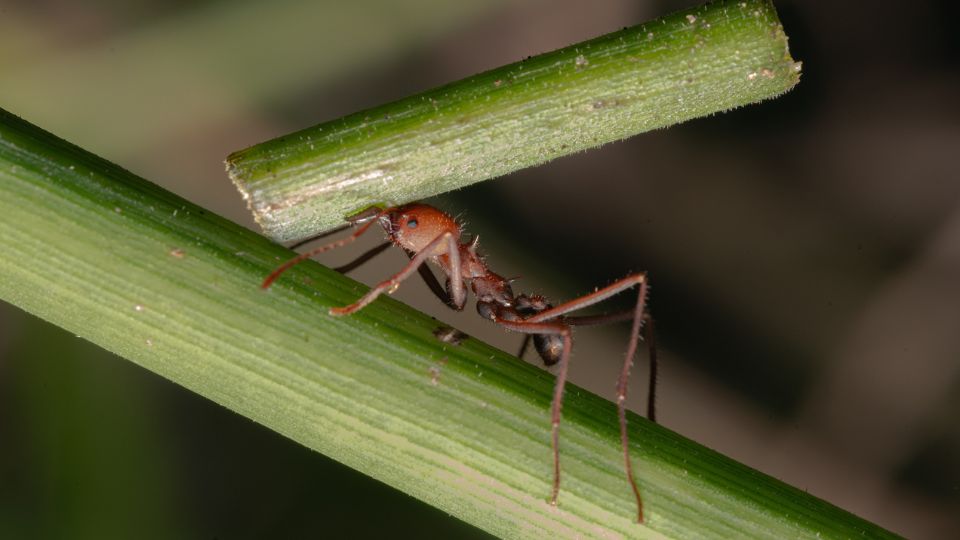
Around the world, over one-third of the grass that grows will be harvested by insects! First watch The Industrious Insects of the Grasslands, a short clip from the award-winning BBC series Planet Earth. Sir David Attenborough introduces you to grass cutter ants, who harvest grass to feed underground fungus that they feed upon, and termites, who can digest grass and in turn become food for the giant anteater.
Once your students have watched the video, invite them to check for understanding with this quick, 8-question quiz!
In The Food Chain in Temperate Seas, narrator Sir David Attenborough follows the food chain from algae to salps, plankton, and krill. This video is excerpted from BBC's Planet Earth, a breathtaking documentary series that highlights the natural wonders of our planet.
In Plankton and the Food Chain, narrator Sir David Attenborough illustrates how this microscopic creature is the basis of all life in the seas of Alaska. This video is an excerpt from BBC’s Nature's Great Events, a documentary series that showcases some of the most dramatic wildlife spectacles on Earth, exploring how life adapts to natural events that can transform entire landscapes.
In The Animals That Make up the Antarctic Food Web, narrator Sir David Attenborough shares information about the animals that make up the Antarctic food web. Watch minke whales, humpback whales, fur seals, and krill. Learn about icebergs in the Antarctic. This video is excerpted from BBC’s Blue Planet, a definitive documentary series diving into the mysterious depths of the sea to discover the natural history of the world’s oceans and the rarely seen marine life that reside there.
Predators and prey. Producers and consumers. They're all part of food chains! With this worksheets, you'll get the opportunity to sort African savanna species into groups (producers, primary consumer, and secondary consumers) and learn a lot about interdependence along the way. The cards include amazing savanna species like:
- Aardvark
- Yellow mongoose
- Red spitting cobra
- Acacia tree
- And more!
These worksheets accompany a Chester Zoo interactive lesson on food chains.
Life in the savanna is all connected! Step into the African savanna with Chester Zoo and discover what happens when plants, herbivores, and predators all depend on one another to survive. Meet some of the animals that make this ecosystem their home and uncover the important role each plays in keeping the food web in balance.
Start by following energy as it moves through a food chain — from plants to the animals that eat them and on to predators. Then investigate what happens when one part of the chain changes. What might happen to the rest of the ecosystem if an animal disappears? And why are predators so important to a healthy savanna?
Use real African wildlife to explore these connections, build your own food chains, and think like a zoologist as you investigate the interdependence of life on the savanna. By the end, you'll see that in a healthy ecosystem, every living thing has a role to play.
Don't miss the food chain cards that go with this lesson!
In Thriving in the Harsh Environment of the Villa Luz Cave, narrator Sir David Attenborough takes us on an expedition into Villa Luz Cave, a place filled with dangerous gases and sulfuric acid. Despite these hazardous conditions, fish, bacteria, and other creatures manage to thrive. Learn about the role of extremophiles, strange formations called snottites, and how bacteria form the basis of the food chain in this toxic environment. This video is excerpted from BBC’s Planet Earth, a breathtaking documentary series that highlights the natural wonders of our planet.
In Life Inside the Sunless Ecosystem of Deer Cave, narrator Sir David Attenborough explores Deer Cave in Borneo, the largest river passage in the world — so vast that a jumbo jet could fly through it. The cave is home to an astonishing 3 million wrinkle-lipped bats, which roost high on the cave walls and ceilings, away from predators. The bats' droppings (guano) form the foundation of a unique food chain within the cave, supporting massive populations of cockroaches, giant cave centipedes, and even crabs. This video is excerpted from BBC’s Planet Earth, a breathtaking documentary series that highlights the natural wonders of our planet.
In The Sun’s Cycle Transforms the Sea, narrator Sir David Attenborough describes the most productive food chain that happens off the coast of Alaska. The Sun creates a phytoplankton bloom which attracts herring and larger animals. This video is excerpted from BBC’s Blue Planet, a definitive documentary series diving into the mysterious depths of the sea to discover the natural history of the world’s oceans and the rarely seen marine life that reside there.
In The Industrious Insects of the Grasslands, narrator Sir David Attenborough explains that around the world, over one-third of the grass that grows will be harvested by insects. Grass cutter ants harvest grass to feed underground fungus that they feed upon. Termites can digest grass, and they in turn become food for the giant anteater. After a prairie fire, termites and anteaters must wait for living roots to regenerate grass. This video is excerpted from BBC’s Planet Earth II, a breathtaking documentary series that highlights the natural wonders of our planet.
In Types of Lichen, Ranger Hamza and the Ramblers are checking out the forest habitat. Join the Ramblers to see lichen close up and learn about how it fits into the woodland food chain. This video is excerpted from BBC's Ranger Hamza’s Eco Quest, a nature exploration show in which Ranger Hamza and the Ramblers go on quests to discover nature’s wonders and the important role they play in our environment.
In Feasting on Anchovies, narrator Sir David Attenborough explains the important role that anchovies play in supporting all marine life. These anchovies feed on plankton in and around Monterey Bay, California, where millions are food for sea lions, dolphins, humpback whales, and countless seabirds. This video is excerpted from BBC’s Blue Planet II, a natural history series that explores the world's oceans, the animals that live in them, and the threats they face, using modern filming techniques and equipment to capture previously unseen areas of the ocean.
Around the world, over one-third of the grass that grows will be harvested by insects! First watch The Industrious Insects of the Grasslands, a short clip from the award-winning BBC series Planet Earth. Sir David Attenborough introduces you to grass cutter ants, who harvest grass to feed underground fungus that they feed upon, and termites, who can digest grass and in turn become food for the giant anteater.
Once your students have watched the video, invite them to check for understanding with this quick, 8-question quiz!