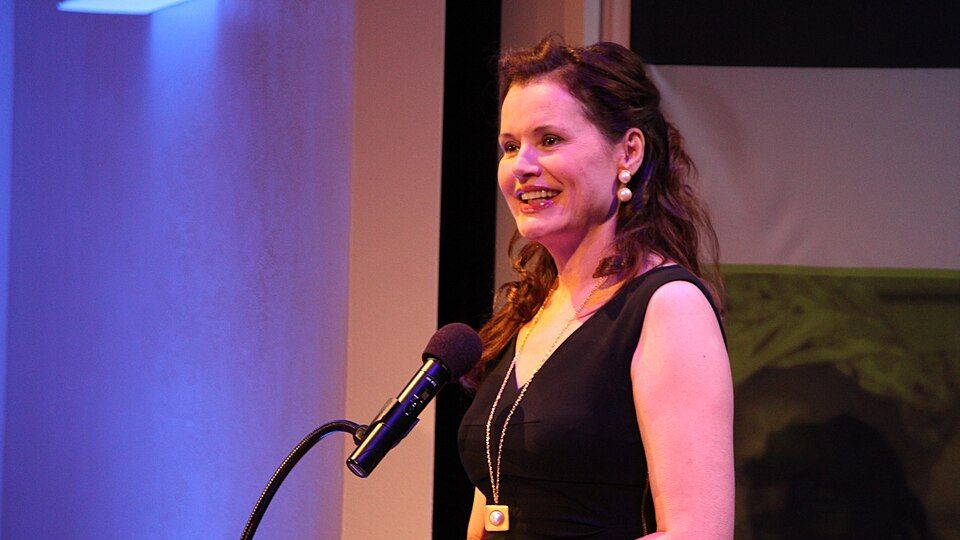
Explore how women are represented in films and why those portrayals matter in this Kahoot inspired by BBC’s Her Story —The Female Revolution. Through the ideas and research shared by Geena Davis and the Geena Davis Institute on Gender in Media, students will examine how movies and television influence the way people think about gender, power, and equality.
This Kahoot explores questions about representation, stereotypes, screen time, leadership roles, and how media can shape expectations for girls and boys. Students will build listening skills, vocabulary, and critical-thinking abilities while considering why balanced representation in film and entertainment can have a powerful social impact.
Watch the related BBC video, The Fight for Females in Film, then invite your Grade 6–12 students to test their knowledge and explore how storytelling and media influence culture, identity, and opportunity.
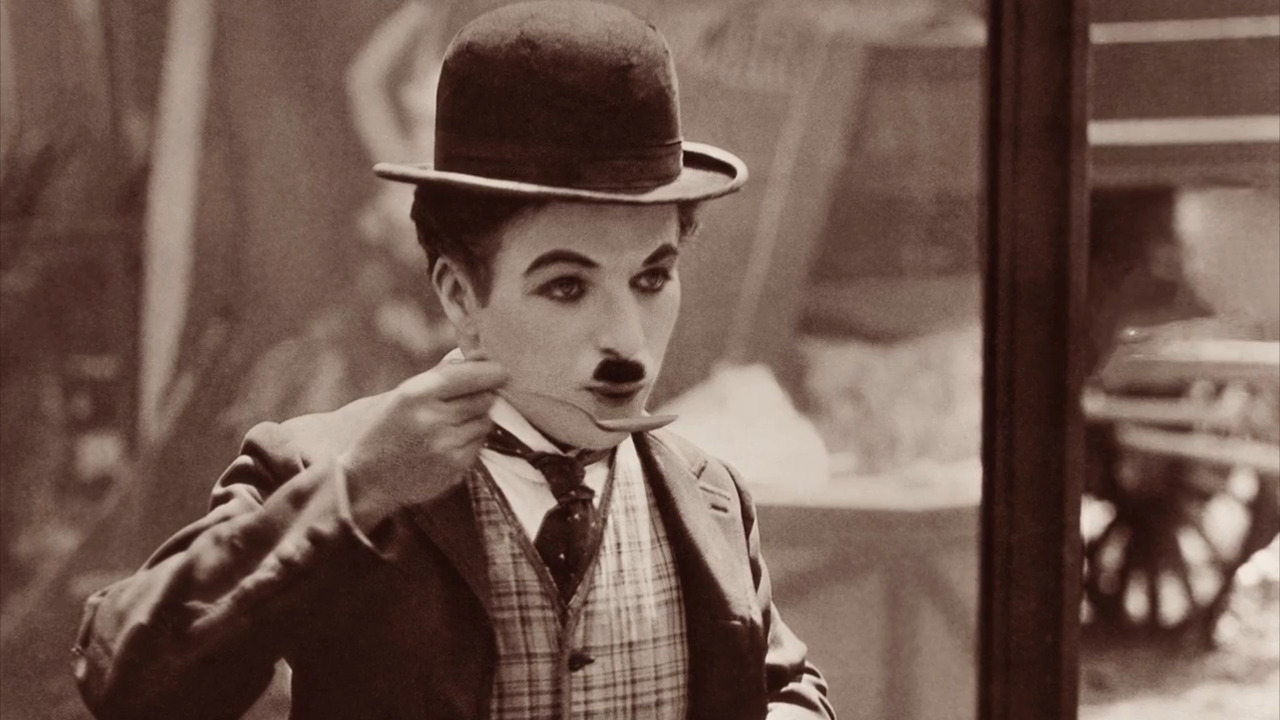
In Charlie Chaplin: Comedy Icon, host Kathleen Turner explores how Chaplin used humor to address societal challenges and break down barriers. From global mass entertainment to controversial films like The Great Dictator, his work tackled homelessness, loss, and injustice. This video is excerpted from BBC’s Icons: The Greatest Person of the 20th Century, a documentary series celebrating the achievements of the most influential figures of the era
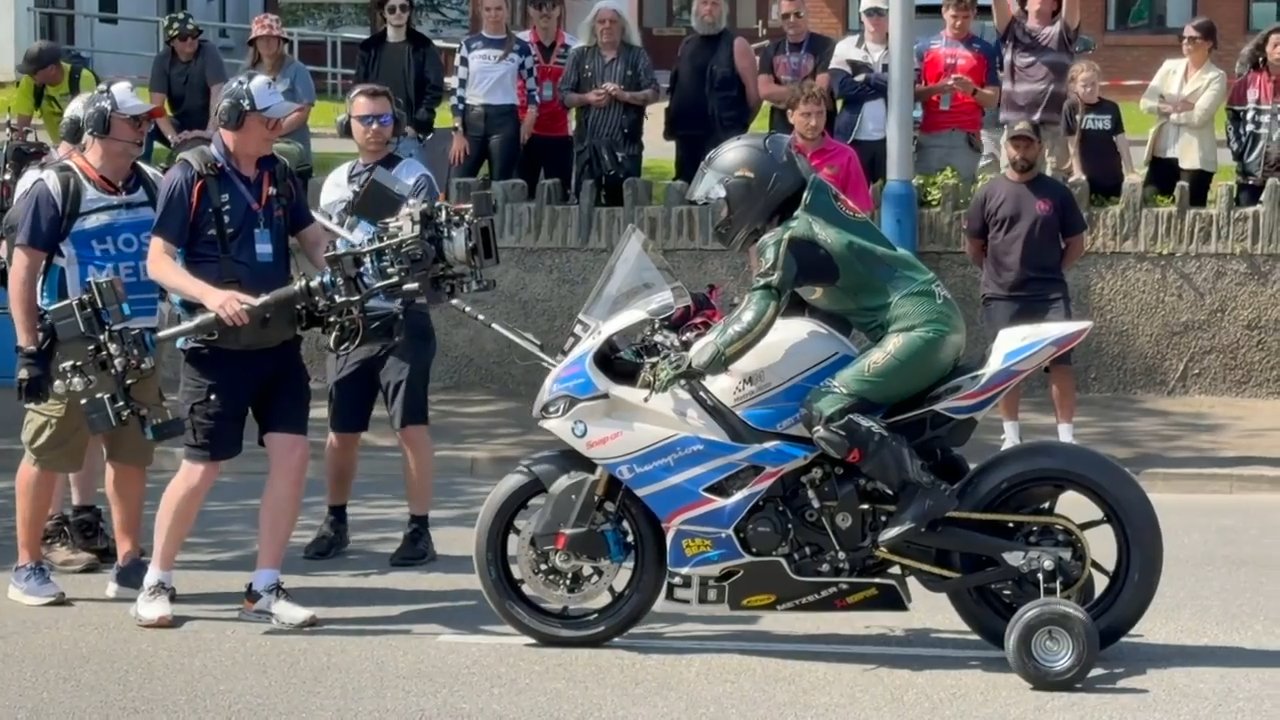
The Isle of Man Tourist Trophy (TT) is an annual motorcycle racing event held over two weeks in late May and early June. It's widely regarded as the world's fastest and most dangerous road race, and it draws fans from around the world.
Though the race is more than 100 years old, this year's event had some extra excitement. Channing Tatum and Eve Hewson were there filming scenes for a new Amazon MGM movie inspired by the TT. Parts of the film were shot alongside the real races, with film crews mixing in among actual competitors and fans. The movie is called Isle of Man, and Brad Pitt is one of its producers.
Movie stars weren't the only famous faces in the crowd — spectators also included Formula One drivers Oscar Piastri and Mark Webber and cyclist Mark Cavendish. Fans of movies and motorcycles alike had plenty to be excited about at this year's race.
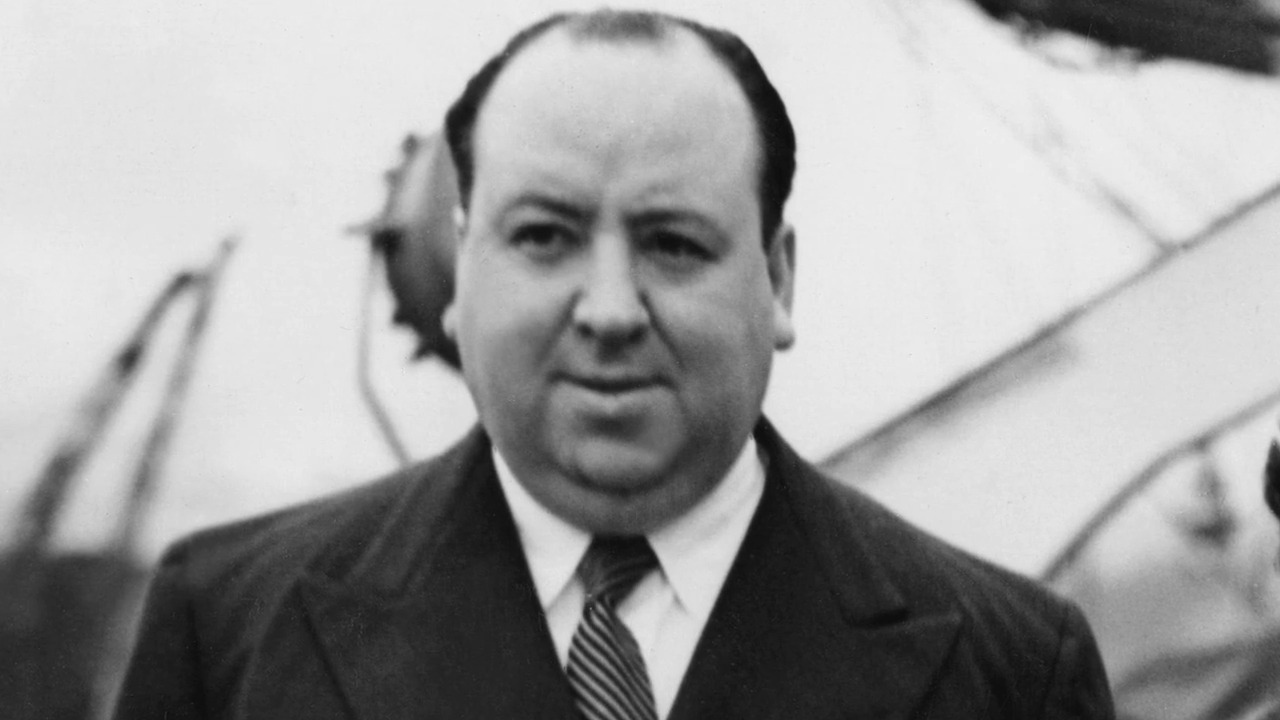
In Alfred Hitchcock and Britain's First Talkie, host Lily Cole discusses how Hitchcock turned the creeping dread people felt due to nuclear war into art. She learns about his 10th movie, Blackmail, which was Britain's first talkie. This video is excerpted from BBC’s Icons: The Greatest Person of the 20th Century, a documentary series celebrating the achievements of the most influential figures of the era.
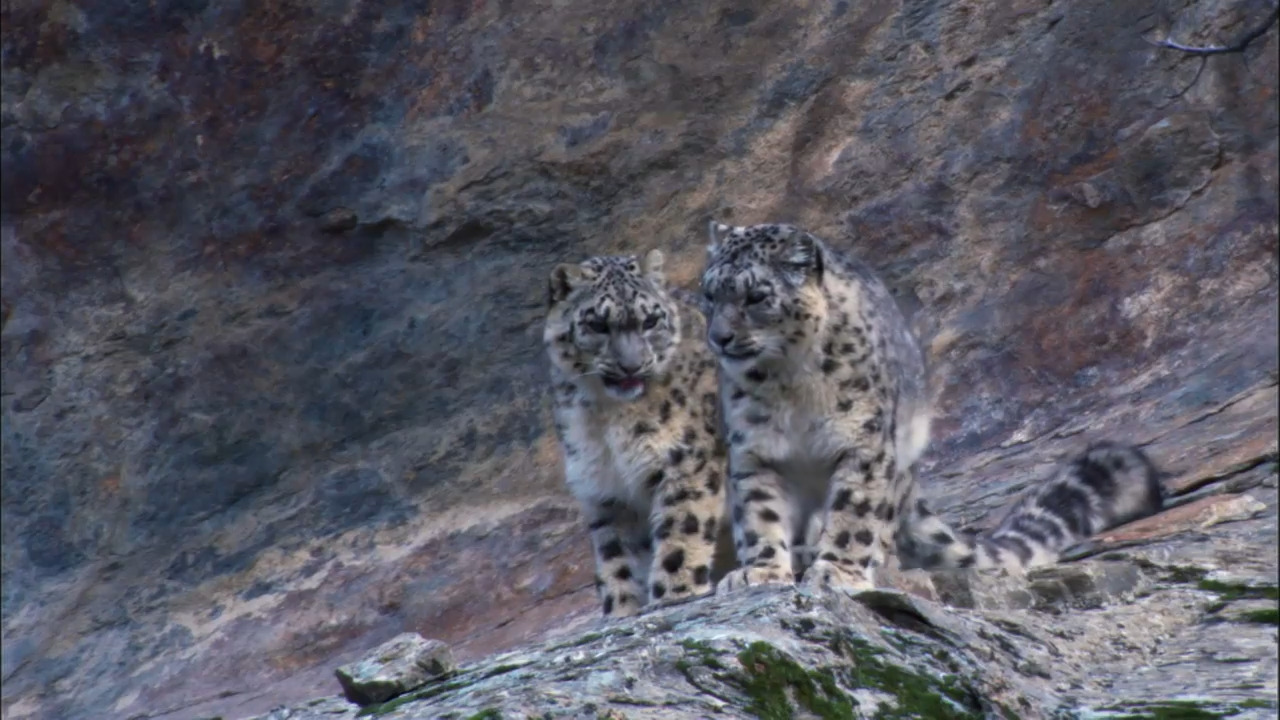
In The Snow Leopard Caught on Film for the First Time!, Sir David Attenborough describes how a seldom-seen female cares for her cub and hunts among the steep cliffs of the Himalayas. Her body is uniquely adapted to the challenges of her environment. This video is excerpted from BBC's Planet Earth, a breathtaking documentary series that highlights the natural wonders of our planet.
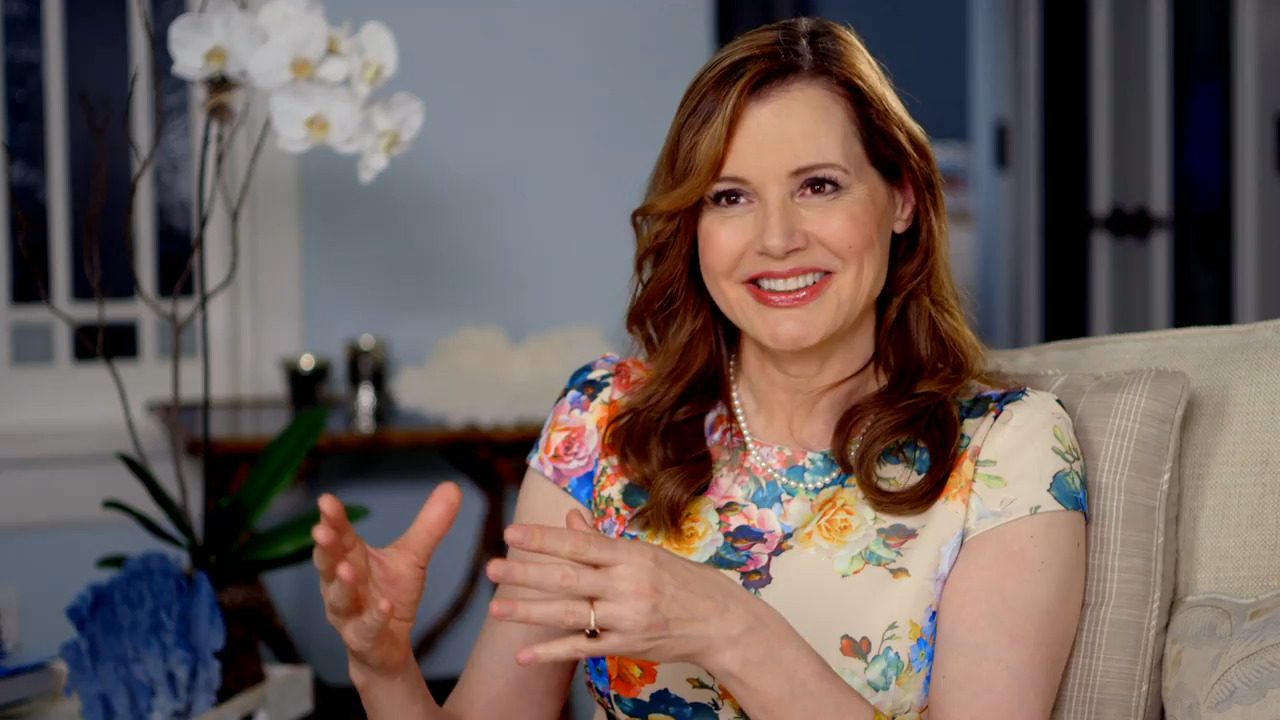
In The Fight for Females in Film, Geena Davis, an actress and founder of the Geena Davis Institute on Gender in Media, points out that for every three male characters speaking in movies, there's only one female. She believes that by changing how women are portrayed in movies, we can help create a more balanced world with women in powerful roles. This video is excerpted from BBC's Her Story: The Female Revolution, which explores the history and impact of women’s rights movements and achievements of women.
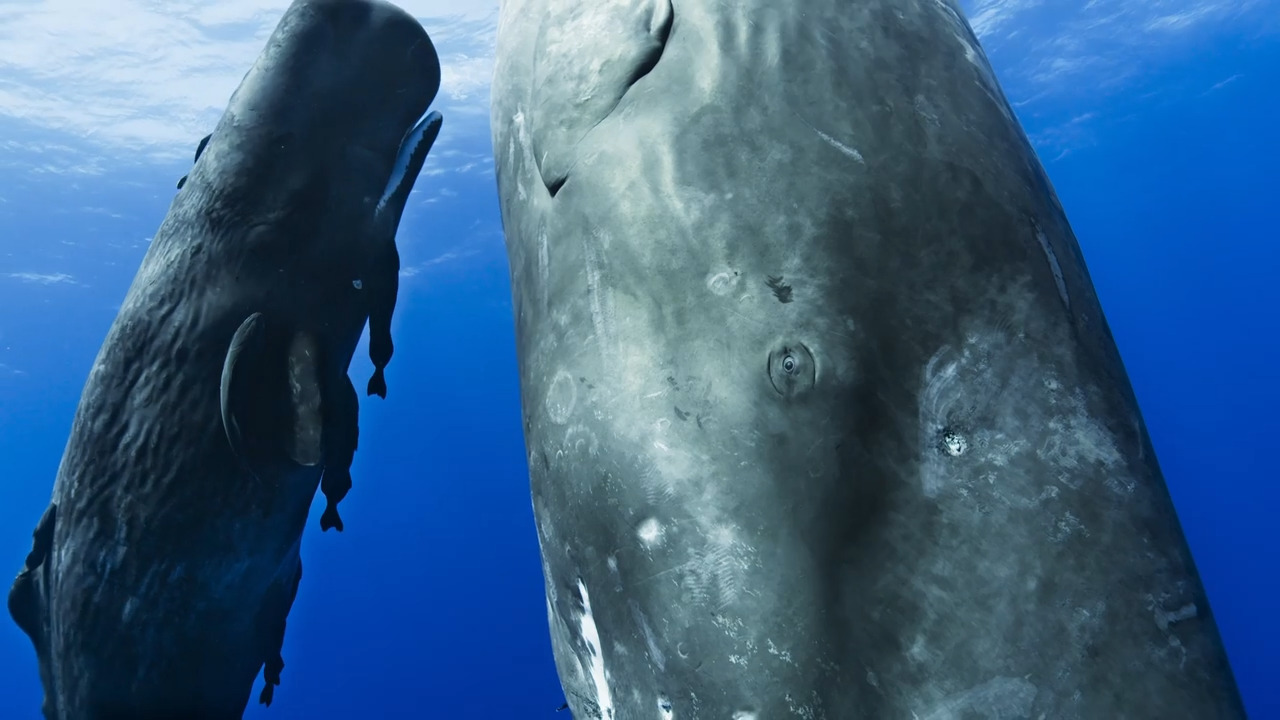
In The Sperm Whale Mother and Calf, narrator Sir David Attenborough observes a sperm whale and her calf, resting, communicating, and feeding. The calf won’t be able to dive deep enough to hunt for squid for the first six years of life, but the mother dives and hunts and returns with a store of milk for the waiting calf. This video is excerpted from BBC’s Blue Planet II, a natural history series that explores the world's oceans, the animals that live in them, and the threats they face, using modern filming techniques and equipment to capture previously unseen areas of the ocean.
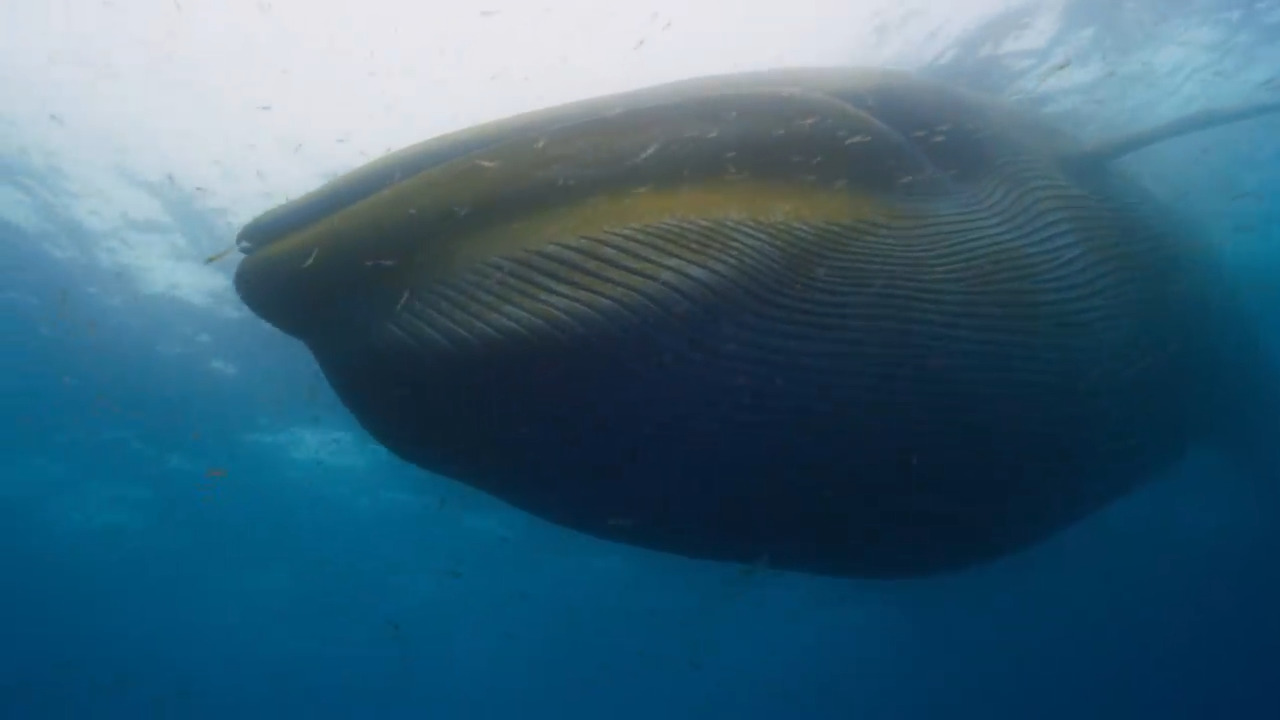
In A Resurgence of Life in Antarctica, learn how the nutrient-rich seas play a crucial role in global carbon absorption, rivaling even the Amazon rainforest. The largest gathering of great whales ever filmed arrives to feed on krill. This video is excerpted from BBC’s Seven Worlds, One Planet, a series featuring remarkable animal behavior from all seven continents.
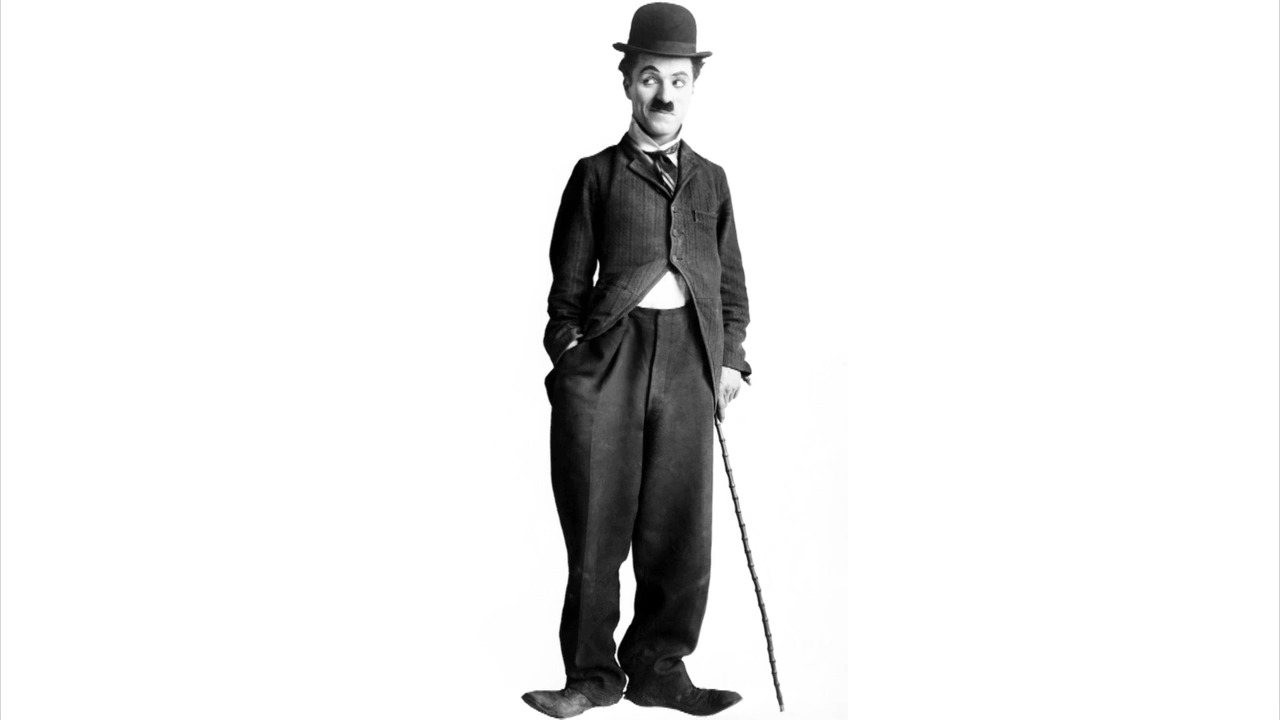
In Charlie Chaplin and the Road to Global Superstardom, host Kathleen Turner explores how Chaplin created his iconic character and became a global superstar. Drawing on his music hall roots and personal experiences of poverty, Chaplin's physical comedy revolutionized early cinema. This video is excerpted from BBC’s Icons: The Greatest Person of the 20th Century, a documentary series celebrating the achievements of the most influential figures of the era.
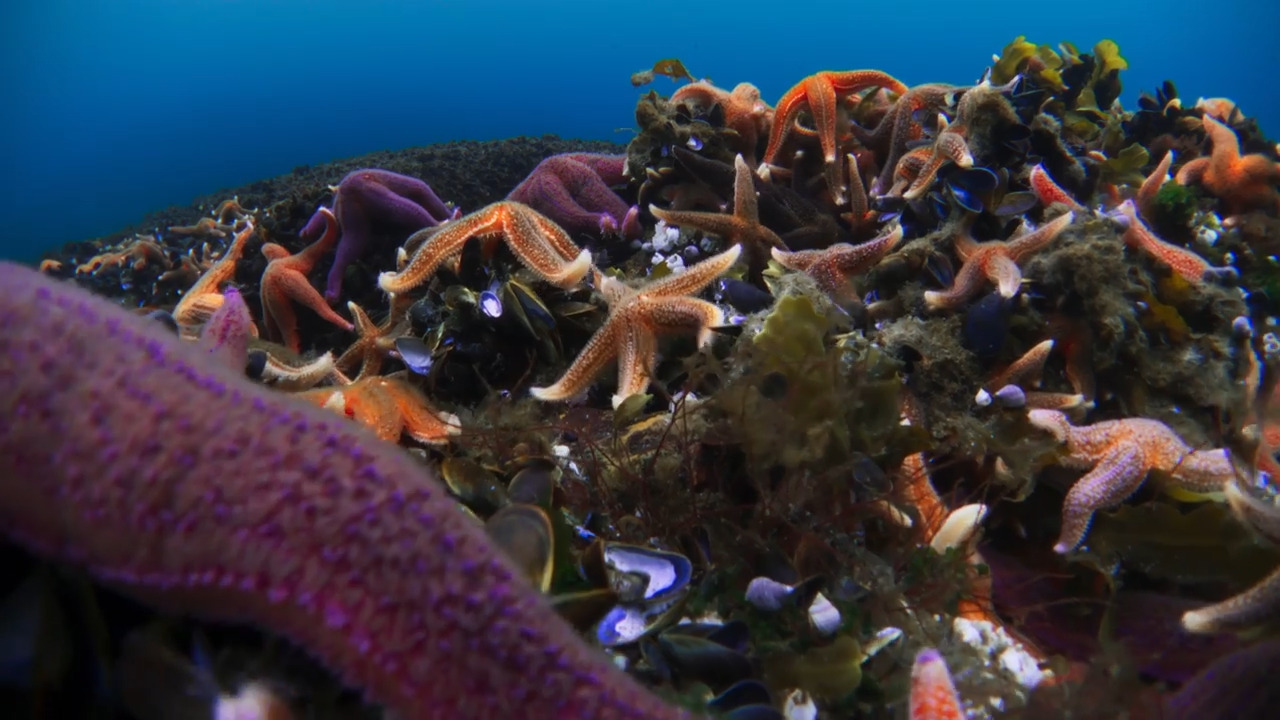
In Climate Change and Warming Seas, Sir David Attenborough highlights what researchers are learning about warming seas and its impact on the health of our planet. This video is excerpted from BBC’s Blue Planet II, a natural history series that explores the world's oceans, the animals that live in them, and the threats they face, using modern filming techniques and equipment to capture previously unseen areas of the ocean.
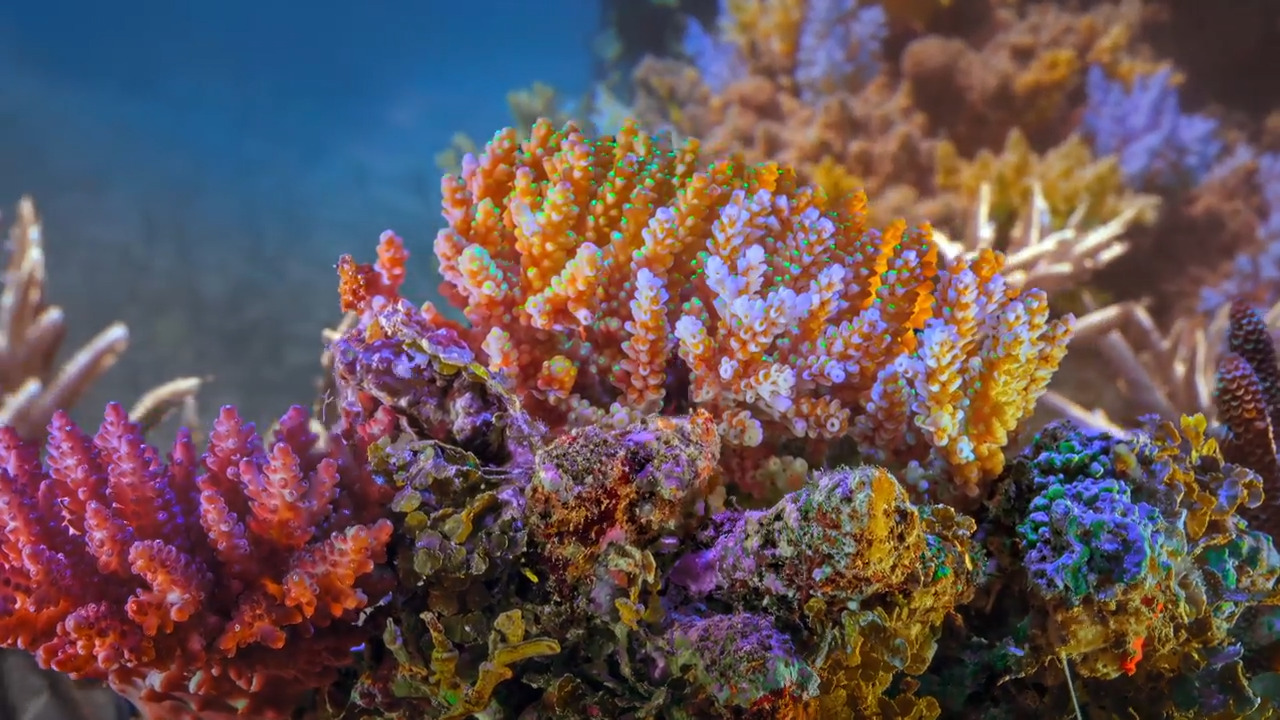
In Changes in the Coral Reef, narrator Sir David Attenborough describes how one diver is capturing the coral bleaching around Lizard Island in Australia. This video is excerpted from BBC’s Blue Planet II, a natural history series that explores the world's oceans, the animals that live in them, and the threats they face, using modern filming techniques and equipment to capture previously unseen areas of the ocean.
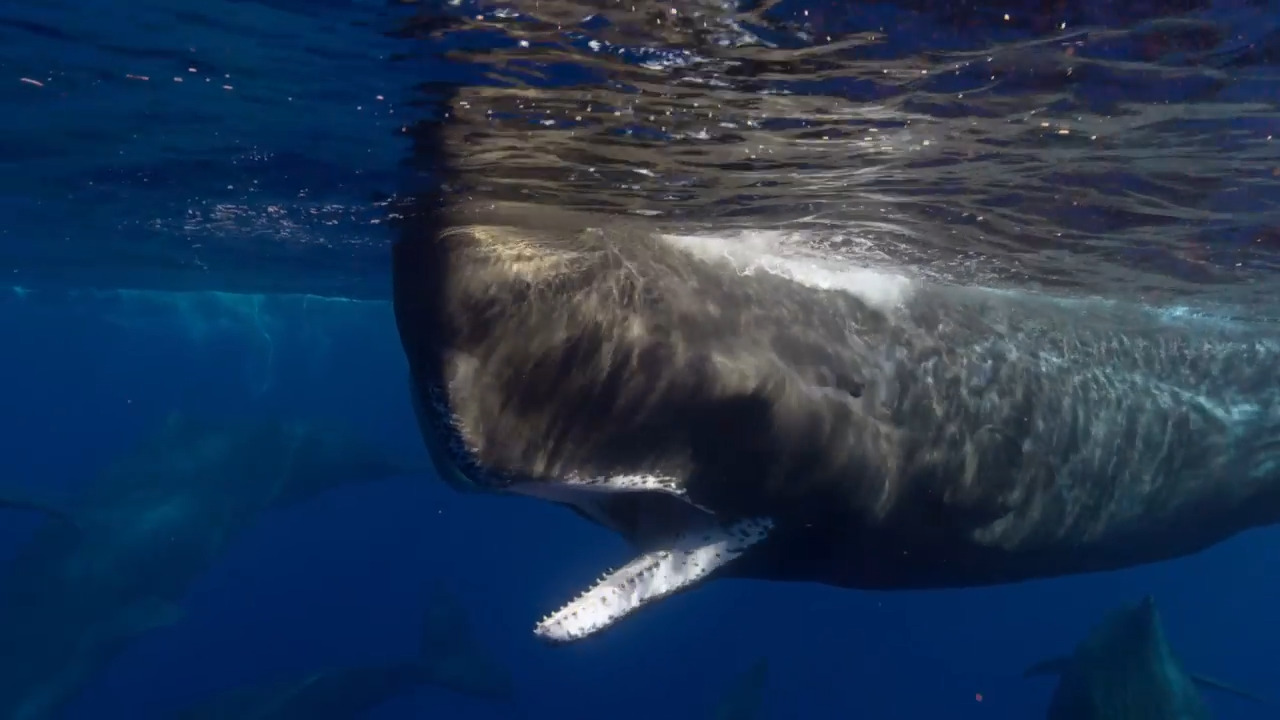
In A Resurgence of Sperm Whales, narrator Sir David Attenborough explains how sperm whales, once on the brink of extinction, now swim in the hundreds off the coast of Sri Lanka. This video is excerpted from BBC’s Blue Planet II, a natural history series that explores the world's oceans, the animals that live in them, and the threats they face, using modern filming techniques and equipment to capture previously unseen areas of the ocean.
Explore how women are represented in films and why those portrayals matter in this Kahoot inspired by BBC’s Her Story —The Female Revolution. Through the ideas and research shared by Geena Davis and the Geena Davis Institute on Gender in Media, students will examine how movies and television influence the way people think about gender, power, and equality.
This Kahoot explores questions about representation, stereotypes, screen time, leadership roles, and how media can shape expectations for girls and boys. Students will build listening skills, vocabulary, and critical-thinking abilities while considering why balanced representation in film and entertainment can have a powerful social impact.
Watch the related BBC video, The Fight for Females in Film, then invite your Grade 6–12 students to test their knowledge and explore how storytelling and media influence culture, identity, and opportunity.
In Charlie Chaplin: Comedy Icon, host Kathleen Turner explores how Chaplin used humor to address societal challenges and break down barriers. From global mass entertainment to controversial films like The Great Dictator, his work tackled homelessness, loss, and injustice. This video is excerpted from BBC’s Icons: The Greatest Person of the 20th Century, a documentary series celebrating the achievements of the most influential figures of the era
The Isle of Man Tourist Trophy (TT) is an annual motorcycle racing event held over two weeks in late May and early June. It's widely regarded as the world's fastest and most dangerous road race, and it draws fans from around the world.
Though the race is more than 100 years old, this year's event had some extra excitement. Channing Tatum and Eve Hewson were there filming scenes for a new Amazon MGM movie inspired by the TT. Parts of the film were shot alongside the real races, with film crews mixing in among actual competitors and fans. The movie is called Isle of Man, and Brad Pitt is one of its producers.
Movie stars weren't the only famous faces in the crowd — spectators also included Formula One drivers Oscar Piastri and Mark Webber and cyclist Mark Cavendish. Fans of movies and motorcycles alike had plenty to be excited about at this year's race.
In Alfred Hitchcock and Britain's First Talkie, host Lily Cole discusses how Hitchcock turned the creeping dread people felt due to nuclear war into art. She learns about his 10th movie, Blackmail, which was Britain's first talkie. This video is excerpted from BBC’s Icons: The Greatest Person of the 20th Century, a documentary series celebrating the achievements of the most influential figures of the era.
In The Snow Leopard Caught on Film for the First Time!, Sir David Attenborough describes how a seldom-seen female cares for her cub and hunts among the steep cliffs of the Himalayas. Her body is uniquely adapted to the challenges of her environment. This video is excerpted from BBC's Planet Earth, a breathtaking documentary series that highlights the natural wonders of our planet.
In The Fight for Females in Film, Geena Davis, an actress and founder of the Geena Davis Institute on Gender in Media, points out that for every three male characters speaking in movies, there's only one female. She believes that by changing how women are portrayed in movies, we can help create a more balanced world with women in powerful roles. This video is excerpted from BBC's Her Story: The Female Revolution, which explores the history and impact of women’s rights movements and achievements of women.
In The Sperm Whale Mother and Calf, narrator Sir David Attenborough observes a sperm whale and her calf, resting, communicating, and feeding. The calf won’t be able to dive deep enough to hunt for squid for the first six years of life, but the mother dives and hunts and returns with a store of milk for the waiting calf. This video is excerpted from BBC’s Blue Planet II, a natural history series that explores the world's oceans, the animals that live in them, and the threats they face, using modern filming techniques and equipment to capture previously unseen areas of the ocean.
In A Resurgence of Life in Antarctica, learn how the nutrient-rich seas play a crucial role in global carbon absorption, rivaling even the Amazon rainforest. The largest gathering of great whales ever filmed arrives to feed on krill. This video is excerpted from BBC’s Seven Worlds, One Planet, a series featuring remarkable animal behavior from all seven continents.
In Charlie Chaplin and the Road to Global Superstardom, host Kathleen Turner explores how Chaplin created his iconic character and became a global superstar. Drawing on his music hall roots and personal experiences of poverty, Chaplin's physical comedy revolutionized early cinema. This video is excerpted from BBC’s Icons: The Greatest Person of the 20th Century, a documentary series celebrating the achievements of the most influential figures of the era.
In Climate Change and Warming Seas, Sir David Attenborough highlights what researchers are learning about warming seas and its impact on the health of our planet. This video is excerpted from BBC’s Blue Planet II, a natural history series that explores the world's oceans, the animals that live in them, and the threats they face, using modern filming techniques and equipment to capture previously unseen areas of the ocean.
In Changes in the Coral Reef, narrator Sir David Attenborough describes how one diver is capturing the coral bleaching around Lizard Island in Australia. This video is excerpted from BBC’s Blue Planet II, a natural history series that explores the world's oceans, the animals that live in them, and the threats they face, using modern filming techniques and equipment to capture previously unseen areas of the ocean.
In A Resurgence of Sperm Whales, narrator Sir David Attenborough explains how sperm whales, once on the brink of extinction, now swim in the hundreds off the coast of Sri Lanka. This video is excerpted from BBC’s Blue Planet II, a natural history series that explores the world's oceans, the animals that live in them, and the threats they face, using modern filming techniques and equipment to capture previously unseen areas of the ocean.