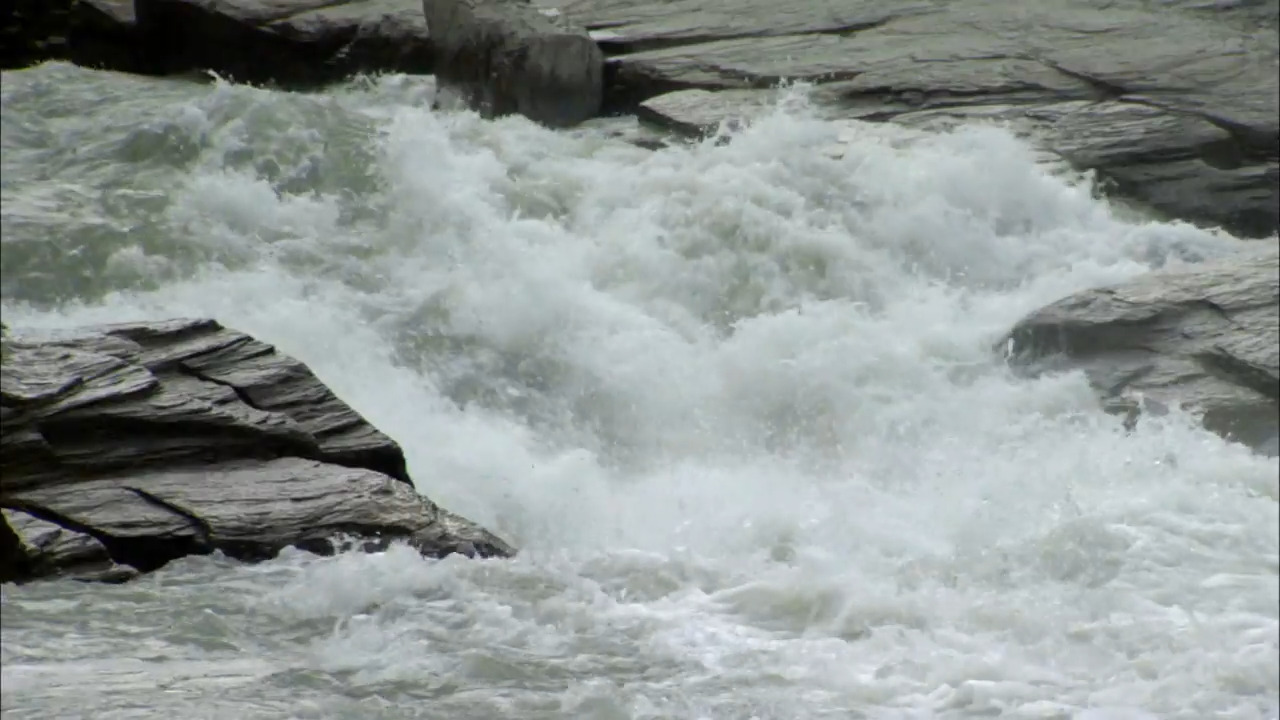
In Erosion and Evolution, geologist Iain Stewart explains that rivers and volcanoes have shaped the Earth in dramatic ways. Rivers sweep rock and debris with them as they head toward the ocean, preparing for new land to form downstream. Scientists have found the conditions that mimic those found when the Earth was young around volcanoes and hydrothermal vents. The changing amounts of ice on the planet also impact how modern man has adapted. This video is excerpted from BBC’s Earth: The Power of the Planet, a documentary series in which Dr. Iain Stewart discovers how Earth's forces can shape nature, species, and even the climate.
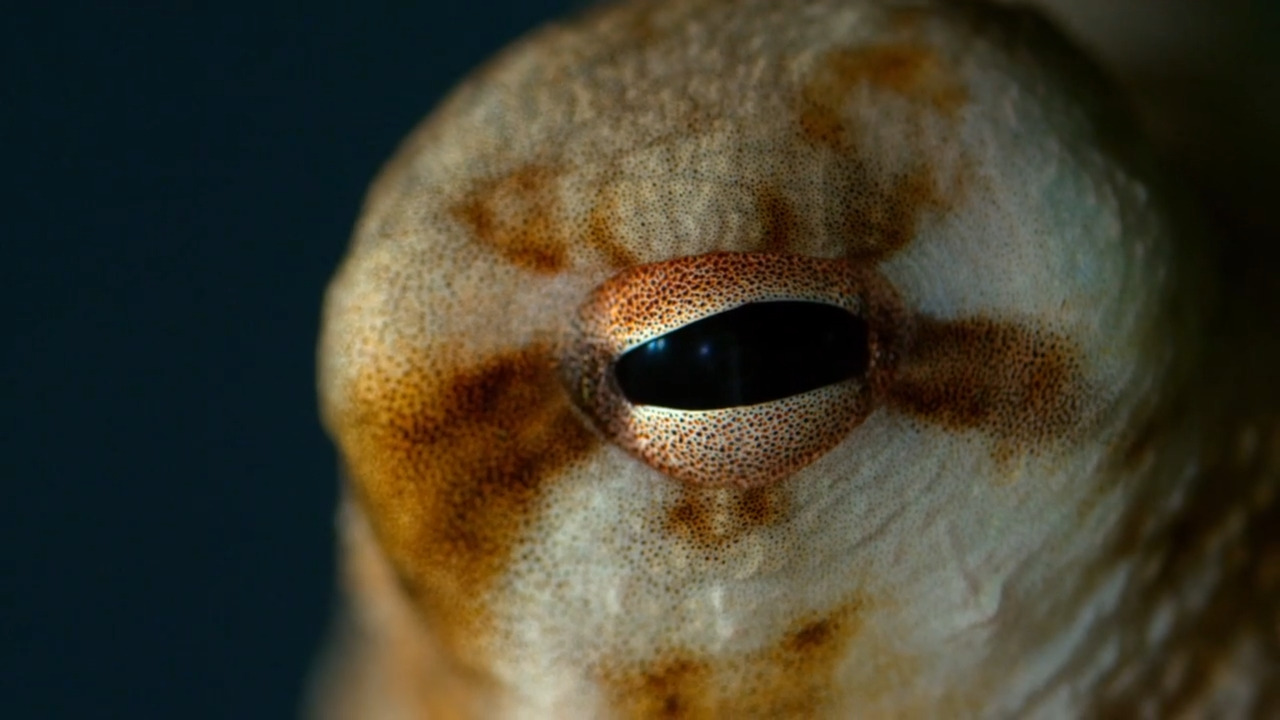
In Octopus Evolution, ecologist David Scheel describes the journey through the unique evolutionary history of octopuses, showing how these incredible creatures took a completely separate path from other life forms. In his class at Alaska Pacific University, he explains how, over half a billion years ago, octopuses and humans might have shared a common ancestor — but since then, octopuses developed their own specialized brain, heart, and eyes! This video is excerpted from BBC’s Natural World: The Octopus in My House, a remarkable series about a professor and the extraordinary relationship he develops with an octopus when he invites it to live in his home.

In Why We Love Baby Animals, host Harith Iskander explores the science behind the overwhelming urge humans feel to squeeze or cuddle baby animals. This feeling, known as cute aggression, is an evolutionary response. The brain releases dopamine, making us feel happy and protective when we see something cute. This video is excerpted from BBC’s Got Science?, a science magazine series that explores and explains science in everyday life.
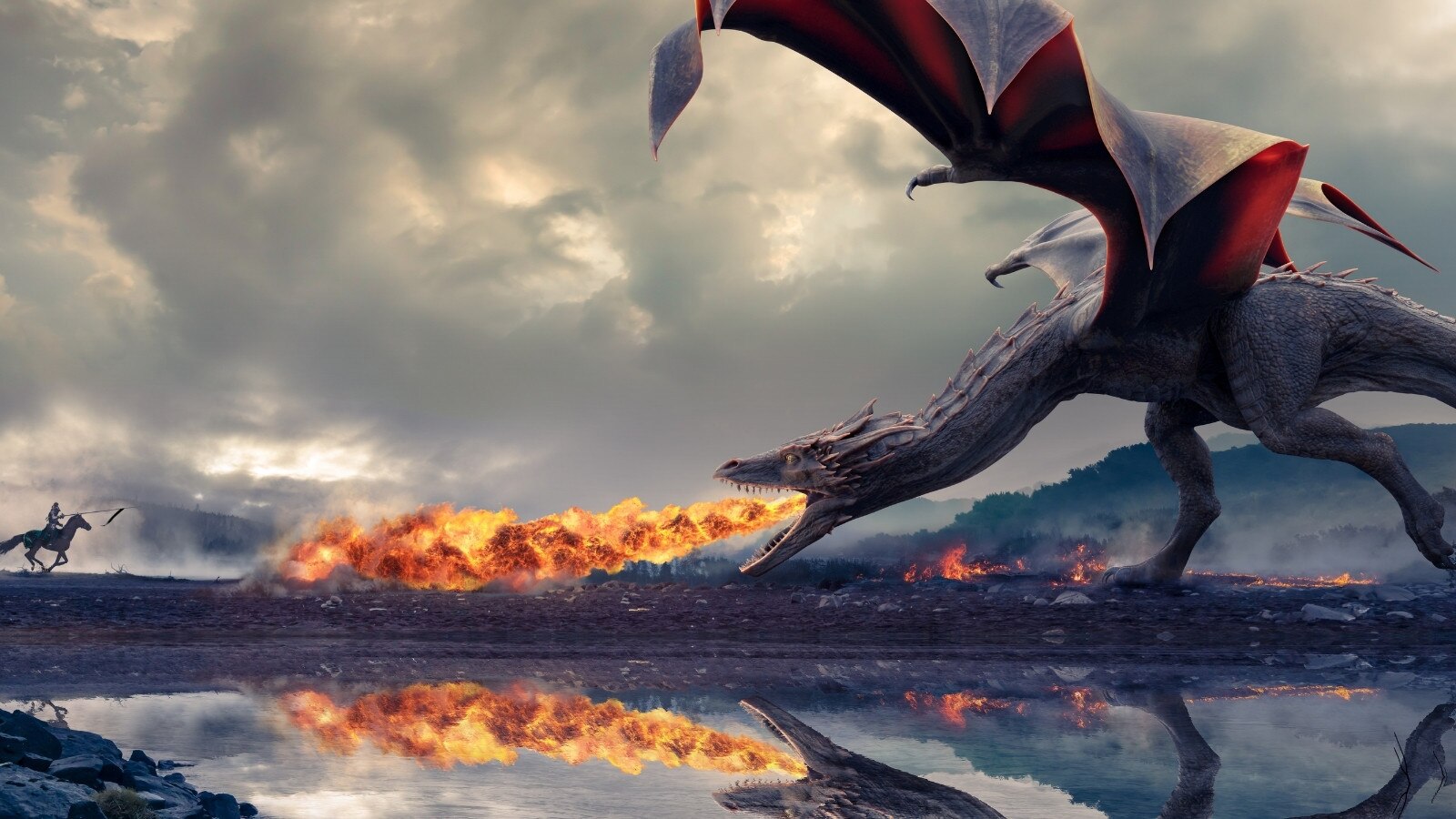
The article "Could Fire-Breathing Animals Really Exist?" from BBC's Science Focus discusses the scientific plausibility of fire-breathing animals, inspired by the dragons in House of the Dragon. Evolutionary biologist Henry Gee explains how certain chemical reactions and fire-resistant materials could theoretically enable an animal to breathe fire.
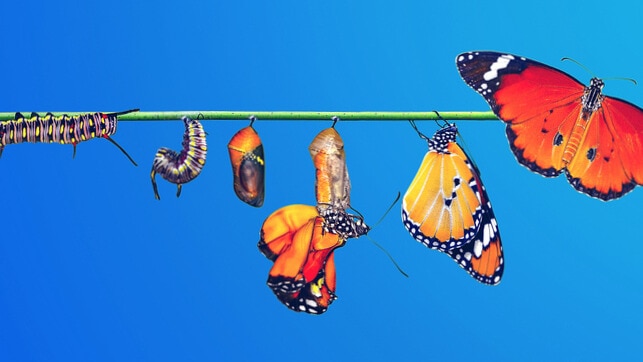
The article "Secrets of Metamorphosis: Why Some Animals Transform" from BBC's Discover Wildlife explains why certain animals undergo dramatic changes while others retain the same form throughout life. Evolutionary biologist JV Chamary explores the biological and ecological advantages of metamorphosis.
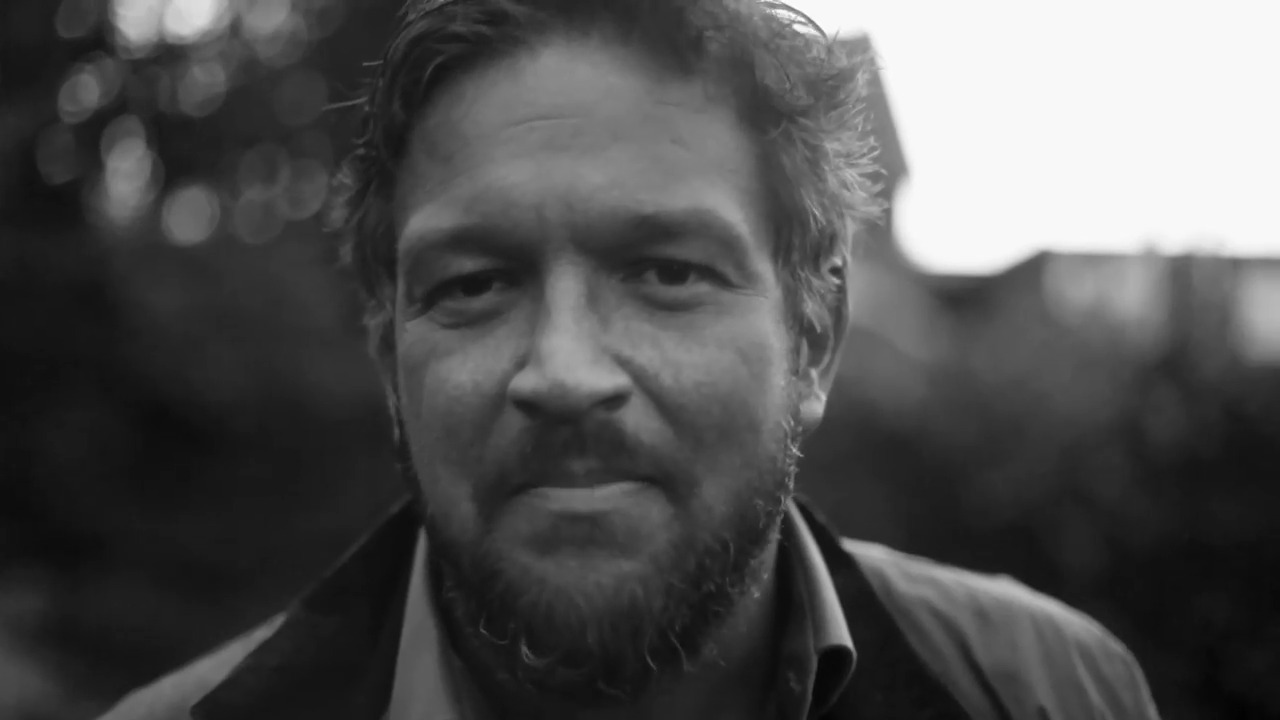
In How Sunscreen Works, evolutionary biologist Ben Garrod explains why pale skin needs extra protection from the Sun because it doesn't have much melanin, which helps block harmful UV rays. He uses a special UV camera to see how much protection his skin naturally has and discovers he needs sunscreen to stay safe from sunburn. After applying sunscreen to one side of his face, the camera shows that the sunscreen makes his skin much darker, proving it's protecting him from the Sun’s harmful rays. This video is excerpted from BBC’s Secrets of Skin, a documentary series exploring the natural history of the body's largest organ.
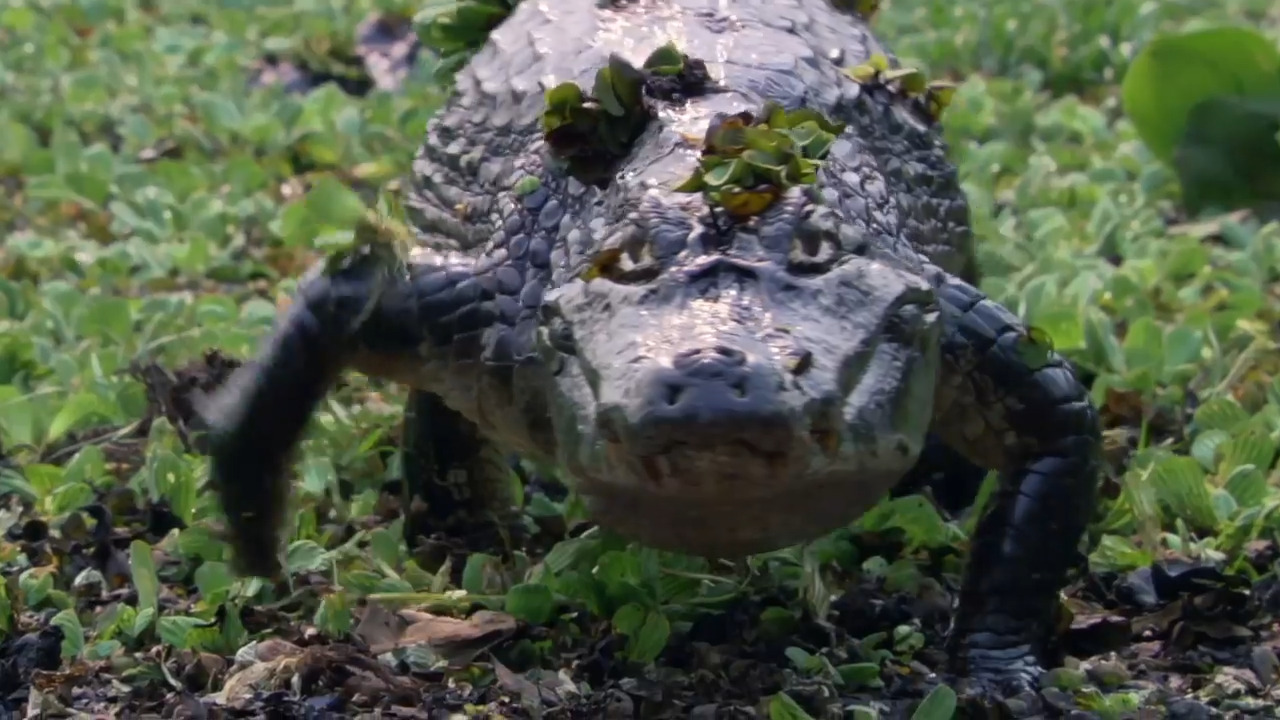
In Crocodilians, Ancient Apex Predators, evolutionary biologist Ben Garrod meets some crocodilians. This category includes crocodiles, alligators, and other similar species that use their sensitive skin to detect pressure and vibrations, especially in murky waters where their vision is limited. This unique adaptation helps them hunt and survive as an apex predator. This video is excerpted from Secrets of Skin, a documentary series exploring the natural history of the body’s largest organ.
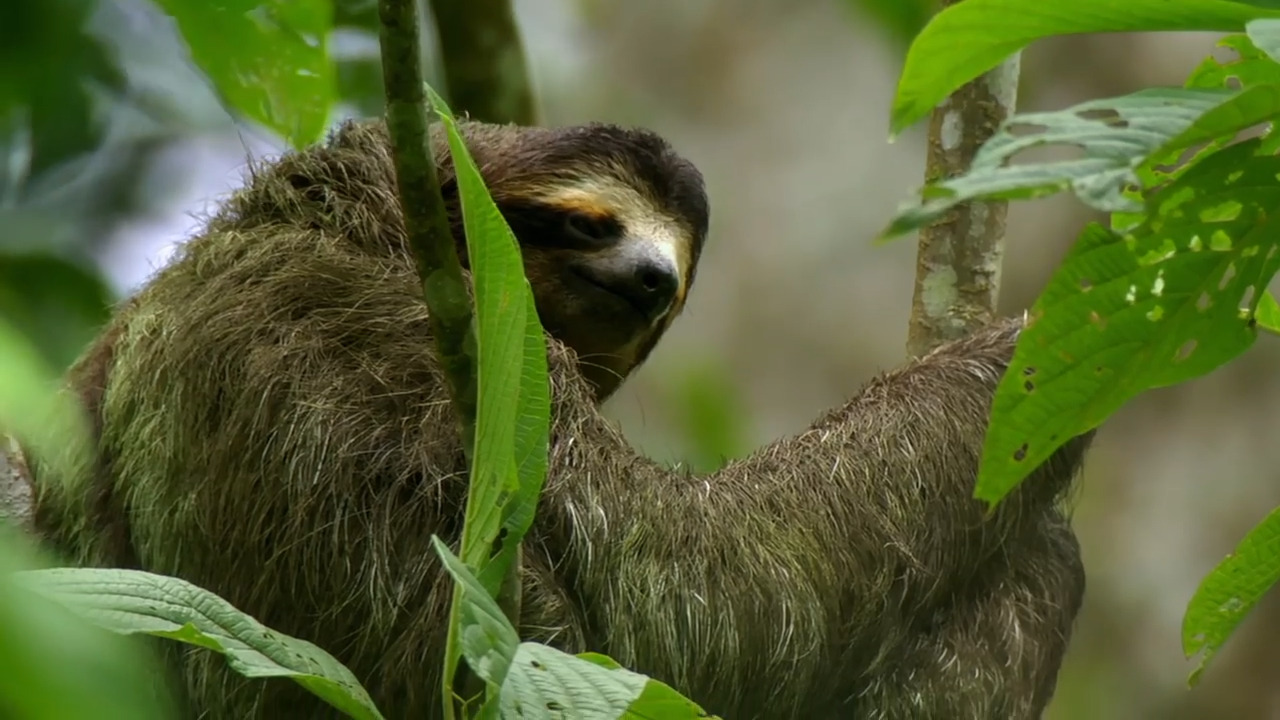
In Sloths, Masters of Slow and Steady, evolutionary biologist Ben Garrod describes how a sloth's skin provides unique camouflage, helping it blend into its environment for protection. Discover the symbiotic relationship between sloths and algae, which grows on their fur and gives them a greenish tint. This algae offers camouflage while also supporting moths that help fertilize the algae. Through this fascinating example of nature’s design, see how animals and plants can depend on each other in unexpected ways. This video is excerpted from Secrets of Skin, a documentary series exploring the natural history of the body’s largest organ.
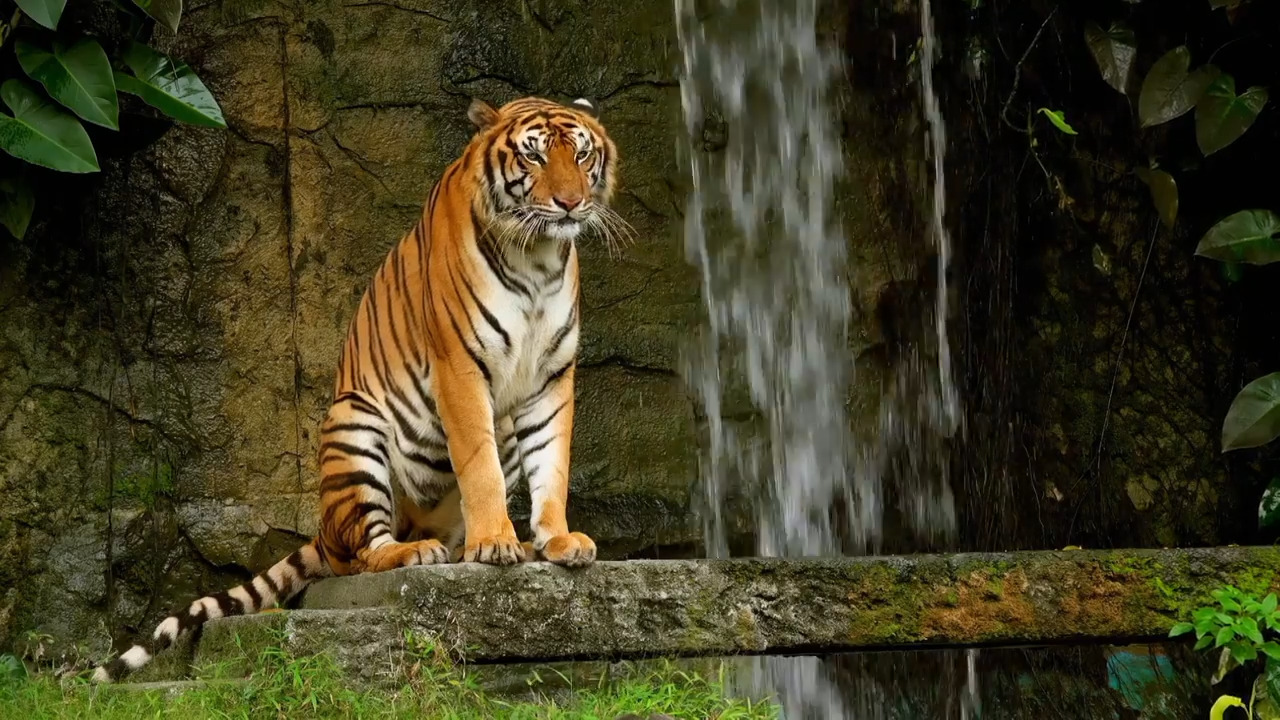
In The Truth About Tiger Stripes, evolutionary biologist Ben Garrod explains why these big cats' stripes are orange and black. Learn how melanin, the pigment responsible for skin and fur color, creates the distinctive camouflage patterns of a tiger’s coat. Discover the ways tigers use their stripes for survival in the wild, blending into their surroundings to avoid predators and enhance their hunting capabilities. This video is excerpted from Secrets of Skin, a documentary series exploring the natural history of the body’s largest organ.
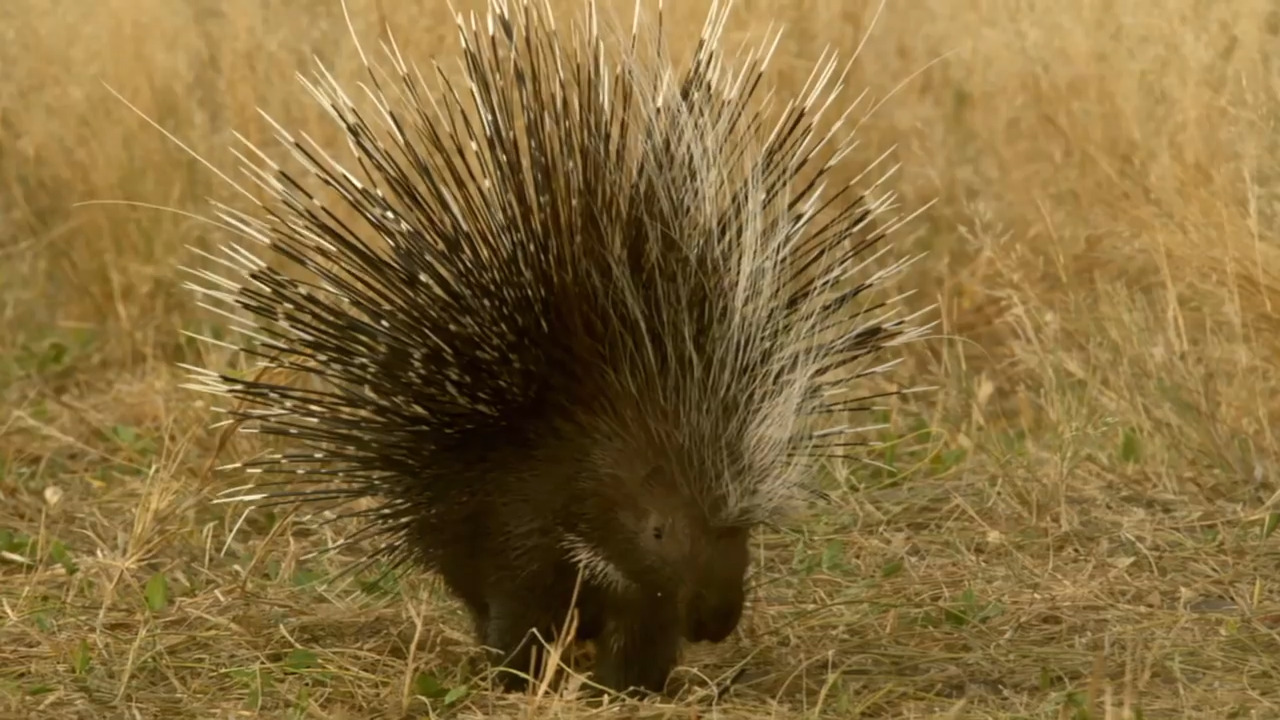
In Animals With Spines, evolutionary biologist Ben Garrod presents porcupines and how their quills have evolved as a defense mechanism. Learn how these animals, with their distinctive spines and quills, have adapted to survive in the wild as you discover how porcupines’ quills have evolved to detach and protect them from predators. This video is excerpted from Secrets of Skin, a documentary series exploring the natural history of the body’s largest organ.
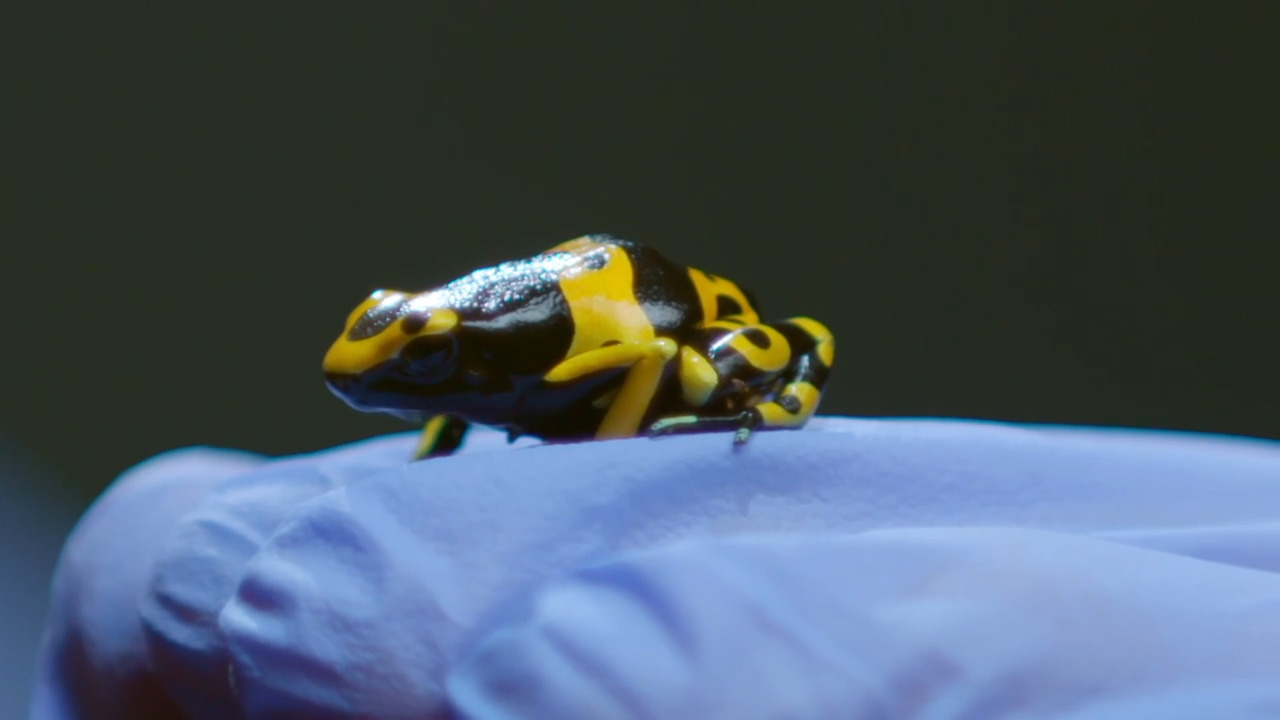
In What Makes Poison Dart Frogs Toxic?, evolutionary biologist Ben Garrod discusses how poison dart frogs produce their toxins. Learn how these frogs derive their toxicity from alkaloids found in their diet, how they use their poison for defense, and why scientists are studying these toxins for potential medical uses. This video is excerpted from Secrets of Skin, a documentary series exploring the natural history of the body’s largest organ.
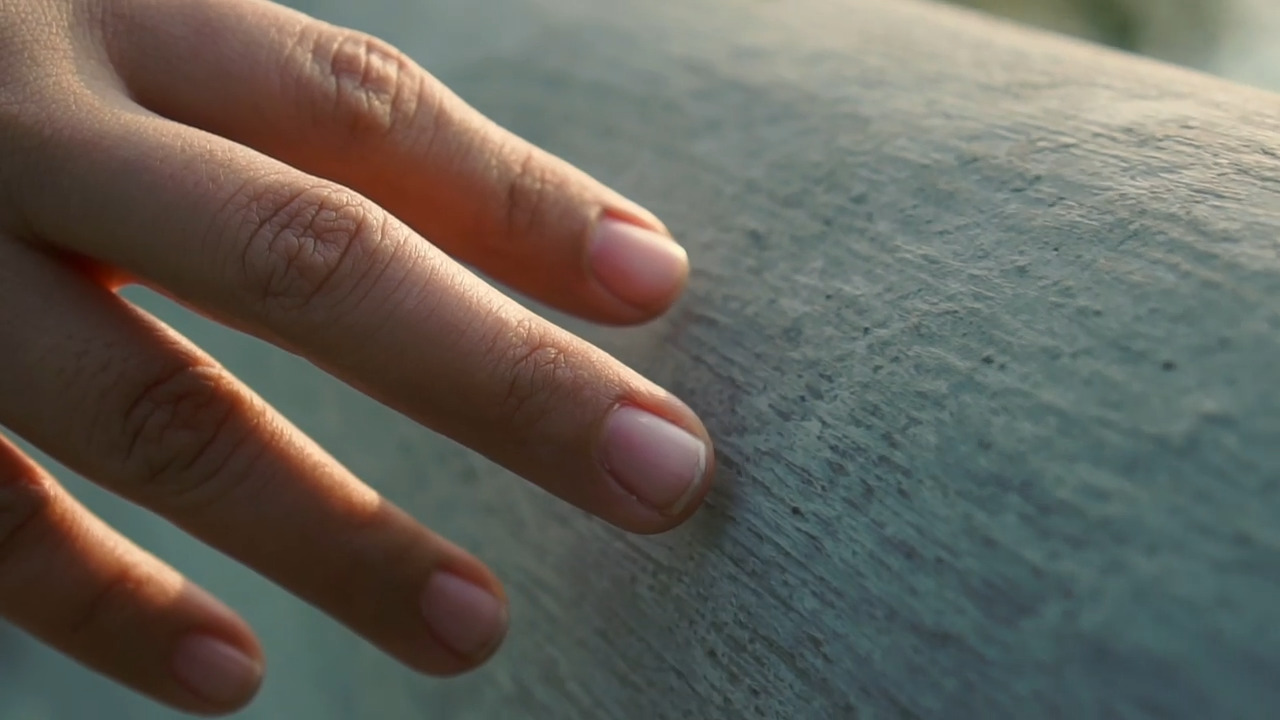
In The Role of Fingertips, evolutionary biologist Ben Garrod presents the remarkable sensitivity of our fingertips and how this feature enables humans and animals to interact with their environment. See how mechanoreceptors detect textures and transmit information to the brain. Through innovative experiments, such as artificial fingertips used in robotics, understand the power and complexity of touch. This video is excerpted from Secrets of Skin, a documentary series exploring the natural history of the body’s largest organ.
In Erosion and Evolution, geologist Iain Stewart explains that rivers and volcanoes have shaped the Earth in dramatic ways. Rivers sweep rock and debris with them as they head toward the ocean, preparing for new land to form downstream. Scientists have found the conditions that mimic those found when the Earth was young around volcanoes and hydrothermal vents. The changing amounts of ice on the planet also impact how modern man has adapted. This video is excerpted from BBC’s Earth: The Power of the Planet, a documentary series in which Dr. Iain Stewart discovers how Earth's forces can shape nature, species, and even the climate.
In Octopus Evolution, ecologist David Scheel describes the journey through the unique evolutionary history of octopuses, showing how these incredible creatures took a completely separate path from other life forms. In his class at Alaska Pacific University, he explains how, over half a billion years ago, octopuses and humans might have shared a common ancestor — but since then, octopuses developed their own specialized brain, heart, and eyes! This video is excerpted from BBC’s Natural World: The Octopus in My House, a remarkable series about a professor and the extraordinary relationship he develops with an octopus when he invites it to live in his home.
In Why We Love Baby Animals, host Harith Iskander explores the science behind the overwhelming urge humans feel to squeeze or cuddle baby animals. This feeling, known as cute aggression, is an evolutionary response. The brain releases dopamine, making us feel happy and protective when we see something cute. This video is excerpted from BBC’s Got Science?, a science magazine series that explores and explains science in everyday life.
The article "Could Fire-Breathing Animals Really Exist?" from BBC's Science Focus discusses the scientific plausibility of fire-breathing animals, inspired by the dragons in House of the Dragon. Evolutionary biologist Henry Gee explains how certain chemical reactions and fire-resistant materials could theoretically enable an animal to breathe fire.
The article "Secrets of Metamorphosis: Why Some Animals Transform" from BBC's Discover Wildlife explains why certain animals undergo dramatic changes while others retain the same form throughout life. Evolutionary biologist JV Chamary explores the biological and ecological advantages of metamorphosis.
In How Sunscreen Works, evolutionary biologist Ben Garrod explains why pale skin needs extra protection from the Sun because it doesn't have much melanin, which helps block harmful UV rays. He uses a special UV camera to see how much protection his skin naturally has and discovers he needs sunscreen to stay safe from sunburn. After applying sunscreen to one side of his face, the camera shows that the sunscreen makes his skin much darker, proving it's protecting him from the Sun’s harmful rays. This video is excerpted from BBC’s Secrets of Skin, a documentary series exploring the natural history of the body's largest organ.
In Crocodilians, Ancient Apex Predators, evolutionary biologist Ben Garrod meets some crocodilians. This category includes crocodiles, alligators, and other similar species that use their sensitive skin to detect pressure and vibrations, especially in murky waters where their vision is limited. This unique adaptation helps them hunt and survive as an apex predator. This video is excerpted from Secrets of Skin, a documentary series exploring the natural history of the body’s largest organ.
In Sloths, Masters of Slow and Steady, evolutionary biologist Ben Garrod describes how a sloth's skin provides unique camouflage, helping it blend into its environment for protection. Discover the symbiotic relationship between sloths and algae, which grows on their fur and gives them a greenish tint. This algae offers camouflage while also supporting moths that help fertilize the algae. Through this fascinating example of nature’s design, see how animals and plants can depend on each other in unexpected ways. This video is excerpted from Secrets of Skin, a documentary series exploring the natural history of the body’s largest organ.
In The Truth About Tiger Stripes, evolutionary biologist Ben Garrod explains why these big cats' stripes are orange and black. Learn how melanin, the pigment responsible for skin and fur color, creates the distinctive camouflage patterns of a tiger’s coat. Discover the ways tigers use their stripes for survival in the wild, blending into their surroundings to avoid predators and enhance their hunting capabilities. This video is excerpted from Secrets of Skin, a documentary series exploring the natural history of the body’s largest organ.
In Animals With Spines, evolutionary biologist Ben Garrod presents porcupines and how their quills have evolved as a defense mechanism. Learn how these animals, with their distinctive spines and quills, have adapted to survive in the wild as you discover how porcupines’ quills have evolved to detach and protect them from predators. This video is excerpted from Secrets of Skin, a documentary series exploring the natural history of the body’s largest organ.
In What Makes Poison Dart Frogs Toxic?, evolutionary biologist Ben Garrod discusses how poison dart frogs produce their toxins. Learn how these frogs derive their toxicity from alkaloids found in their diet, how they use their poison for defense, and why scientists are studying these toxins for potential medical uses. This video is excerpted from Secrets of Skin, a documentary series exploring the natural history of the body’s largest organ.
In The Role of Fingertips, evolutionary biologist Ben Garrod presents the remarkable sensitivity of our fingertips and how this feature enables humans and animals to interact with their environment. See how mechanoreceptors detect textures and transmit information to the brain. Through innovative experiments, such as artificial fingertips used in robotics, understand the power and complexity of touch. This video is excerpted from Secrets of Skin, a documentary series exploring the natural history of the body’s largest organ.