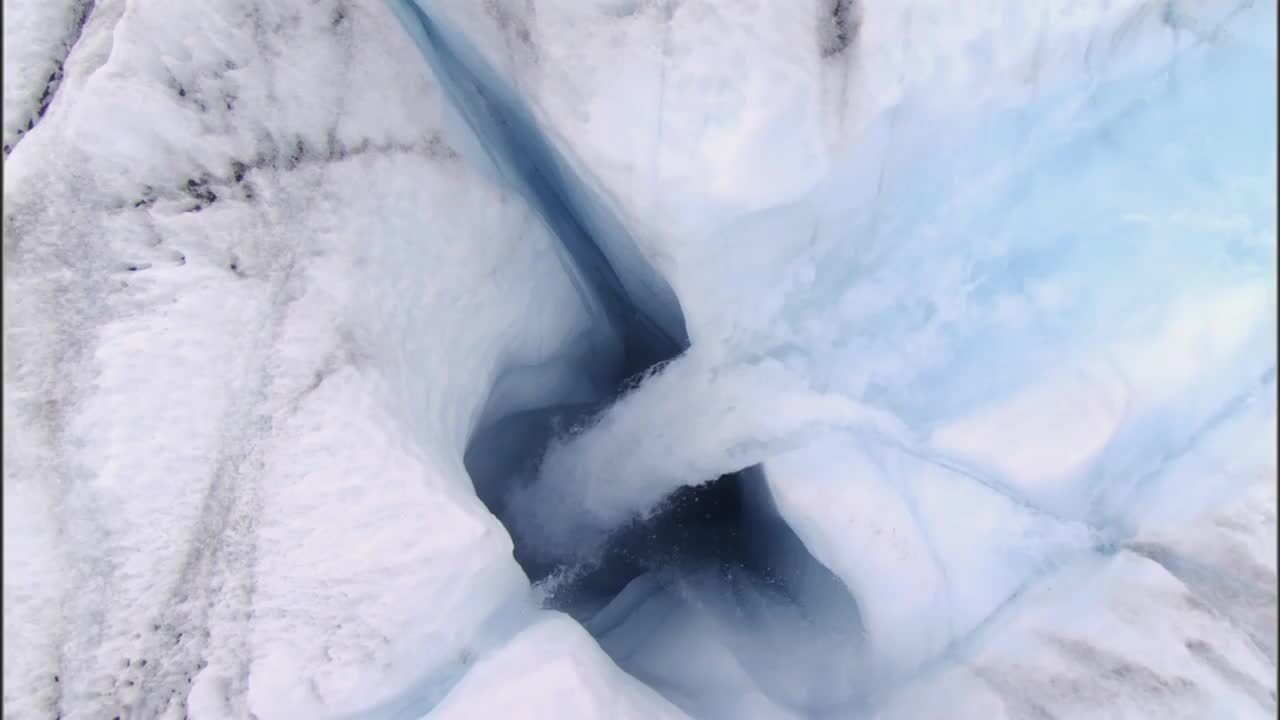
In Can We Stop the Glacier Melt?, geologist Iain Stewart explains the crucial role ice plays in our planet’s climate and how it’s being affected by global warming. Scientists are studying Greenland's massive Jakobshavn Glacier to understand how the ice is melting and the impact that has on rising sea levels. Over just the last few decades, the glacier has retreated significantly, and if Greenland's ice melts completely, it could raise sea levels by 23 feet (7 meters), threatening places like London and Florida. This video is excerpted from BBC’s Earth: The Power of the Planet, a documentary series in which Dr. Iain Stewart discovers how Earth's forces can shape nature, species, and even the climate.
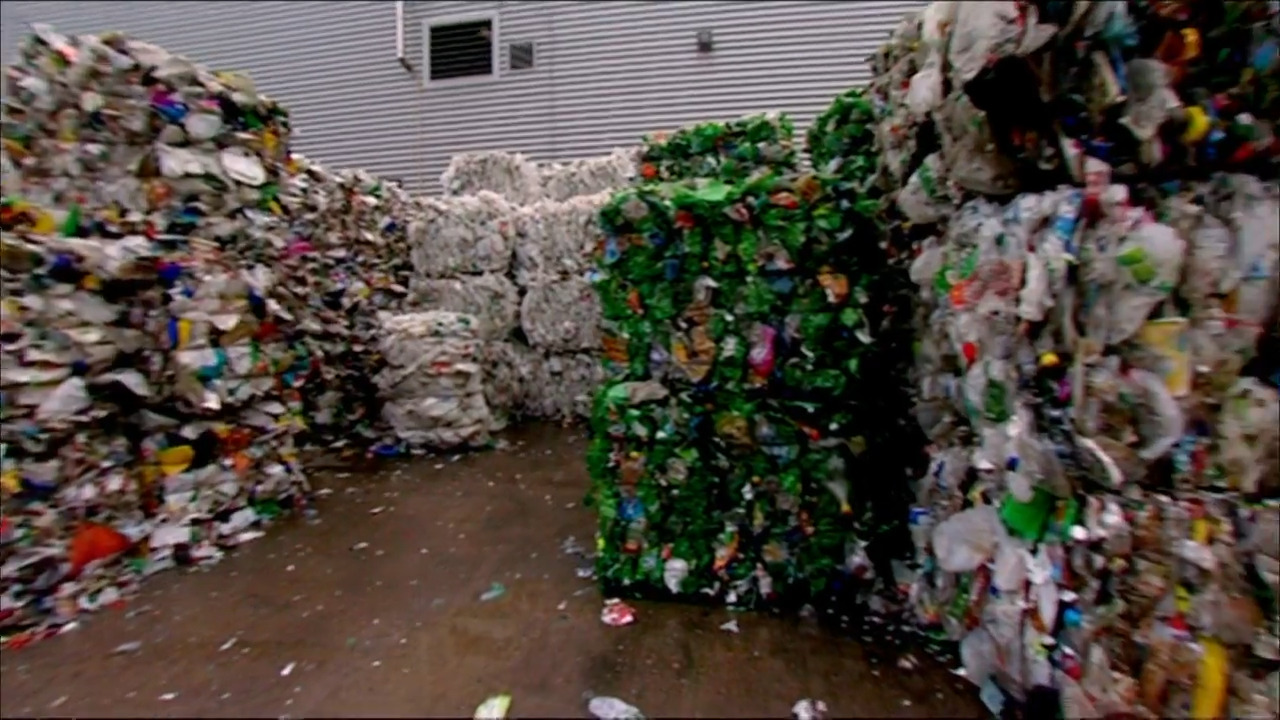
In Turning Plastic Waste Into Diesel Fuel, dive into the world of crude oil and how it's used to make plastic through a process that creates long chains called polymers. Jem tries to turn waste plastic back into something useful: diesel fuel! Using a hot, oxygen-free oven, he cooks the plastic to turn it into liquid fuel, and with help from chemists, he successfully gets a car to run on the diesel made from waste plastic. It’s a cool experiment showing how we can recycle plastic into something powerful! This video is excerpted from BBC’s Bang Goes the Theory, a series that delves into the ways science impacts our lives and shapes the world we experience every day.
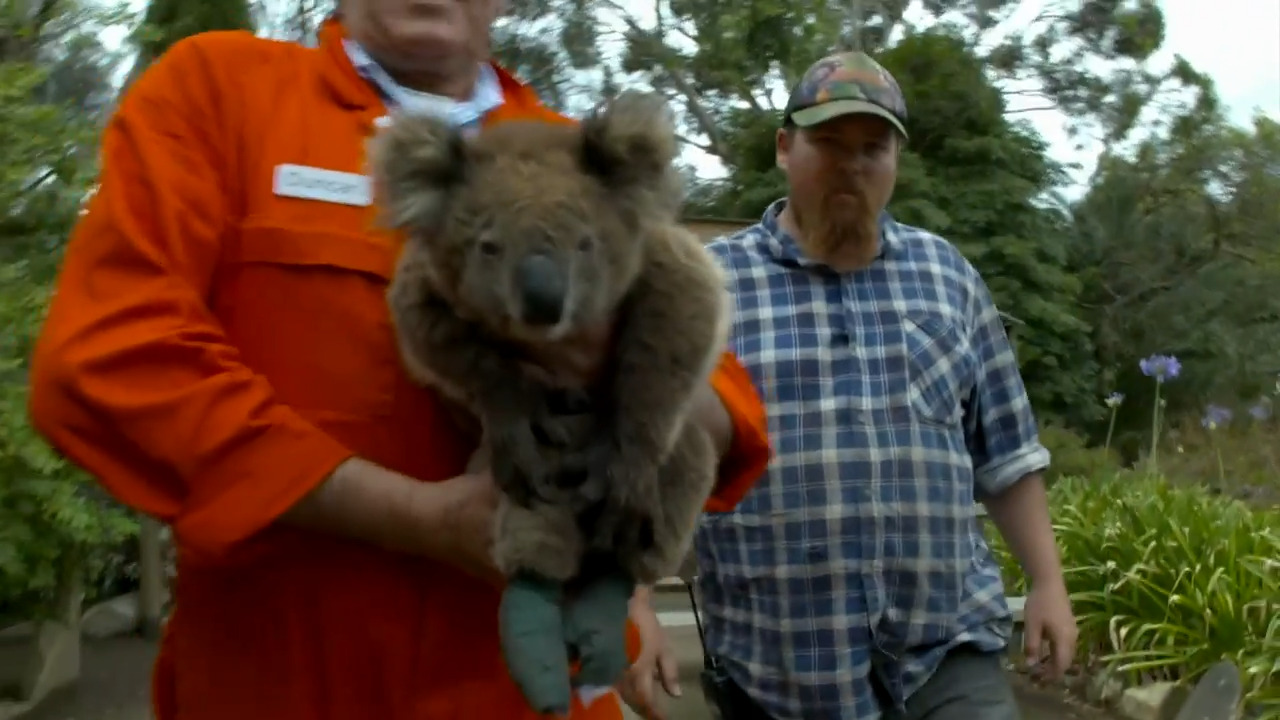
In Wildfires: A Growing Threat, host Radzi Chinyanganya highlights the devastating impact of wildfires around the globe, with a focus on Australia. The segment provides an in-depth look at the causes, local impact, and the global spread of wildfires, highlighting how changes in weather patterns, human activity, and environmental factors are exacerbating this crisis. The episode also covers how the Indian Ocean Dipole (IOD) contributes to the conditions that make wildfires more likely in regions like Australia. This video is excerpted from BBC’s My World, a program created for teenagers eager to learn more about the important stories shaping our world.
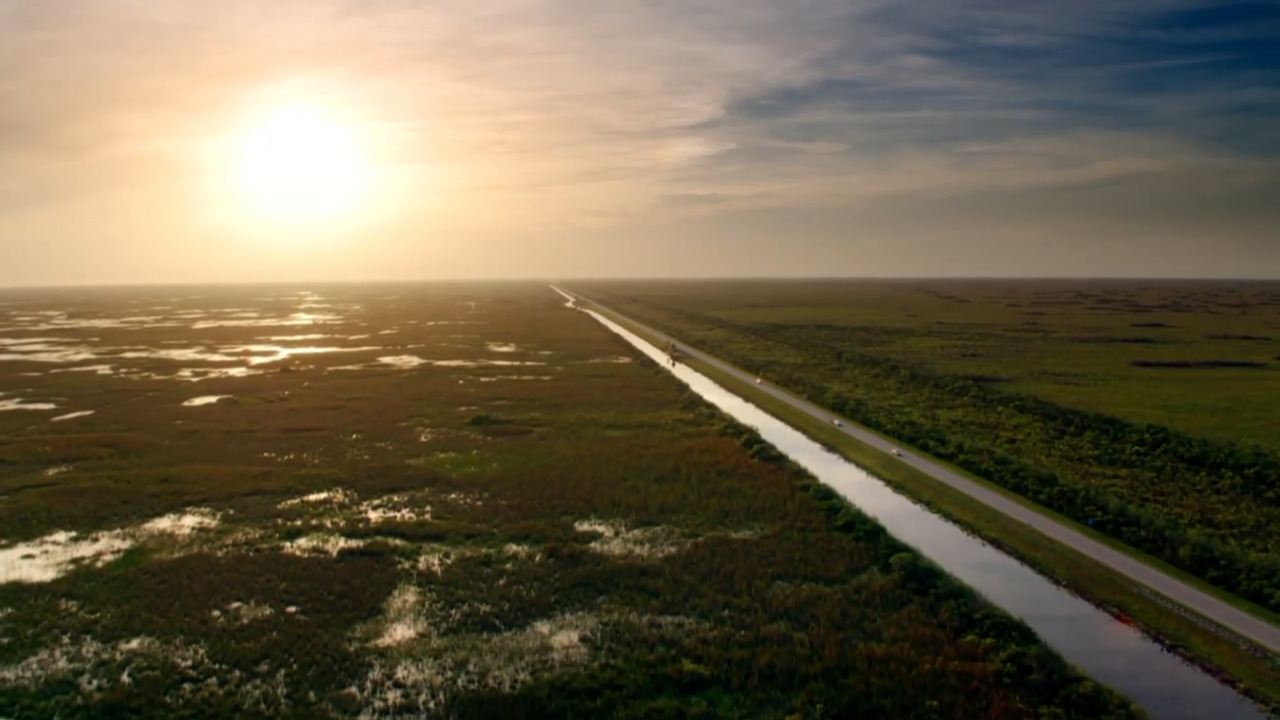
In Freeing Up the Flow of Water on Highway 41, engineers did not realize how a permanent structure would affect the constant movement of the Everglades waters. Fortunately, there are solutions to keep the wetlands freely flowing. This video is excerpted from BBC's Natural World: Florida - America's Animal Paradise, a series displaying Florida’s diverse wildlife and its resilience against increasing environmental threats.
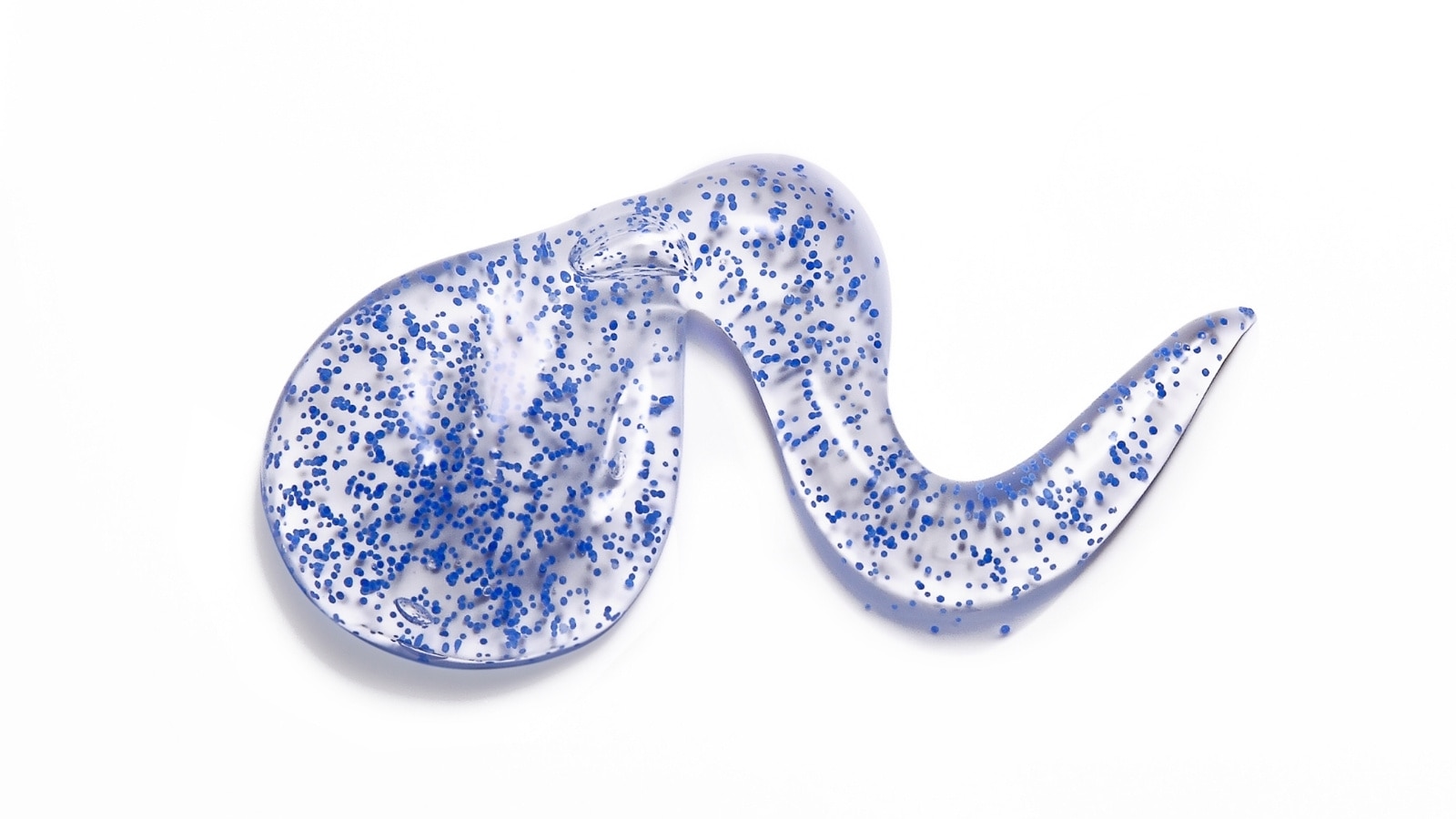
The article "Everything You Need to Know About Microplastics" from BBC's Science Focus explores the origins, distribution, and impacts of microplastics. Experts Dr. Laura Foster and Thomas Stanton discuss how these particles enter ecosystems, their effects on wildlife and potential human health risks, and suggest measures individuals and governments can take to mitigate the problem.
This Earth Day (or anytime this month), share this inspiring video playlist designed to spark curiosity and action in students ages 8–14. From incredible wildlife conservation stories to real-world environmental solutions, each clip invites students to explore the beauty of our planet — and the challenges it faces.
Get a closer look at how forests support life on Earth, discover innovative ideas like renewable energy, and meet the people working to protect endangered species and restore habitats. Along the way, students will see how small choices can make a big difference for our world.
Packed with powerful moments and meaningful learning, this playlist encourages students not just to learn about the Earth — but to think about how they can help protect it.
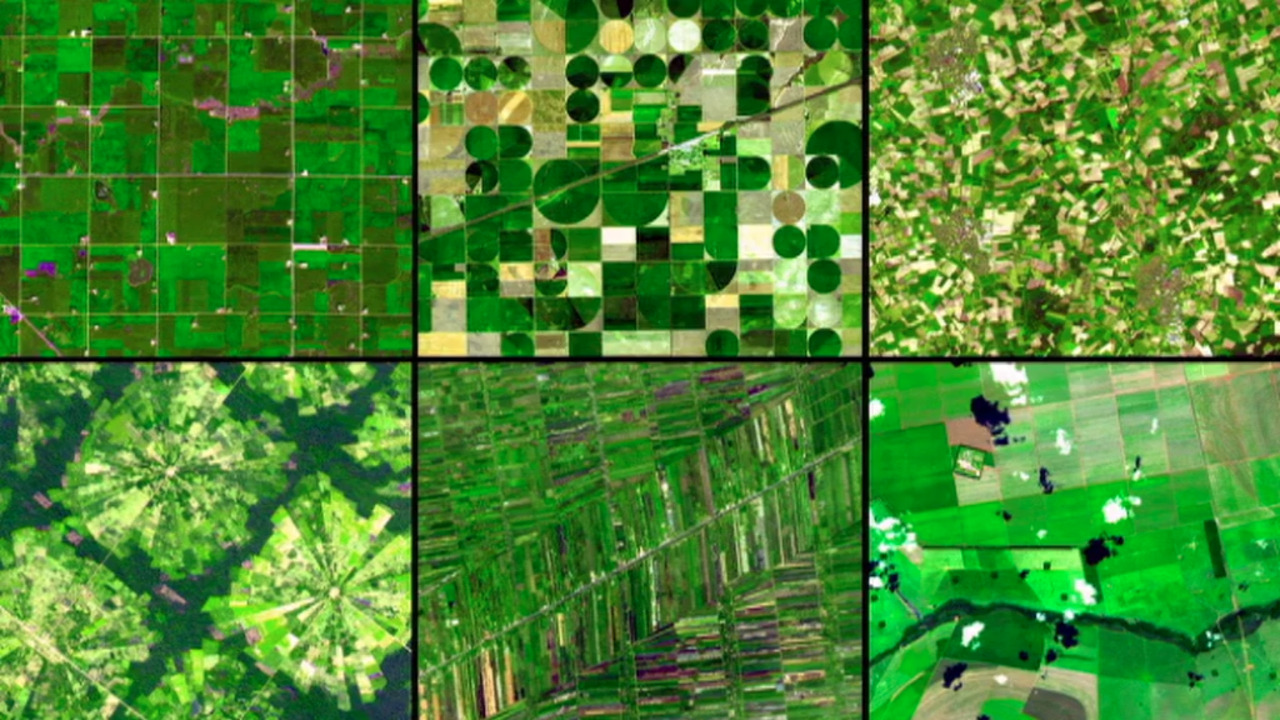
In Making Smart Choices for Our Planet, narrator Sir David Attenborough explains how important it is to understand and take care of the natural world as we rely on it for things like air, food, and even our happiness. As the world’s population grows, we are using more and more resources like water and food sources, which could lead to problems in the future. But there’s hope! If we use science and technology wisely, we can make better choices and live more sustainably, helping the Earth for future generations. This video is excerpted from BBC’s Horizon: How Many People Can Live on Planet Earth?, which explores the challenges of supporting a growing global population.
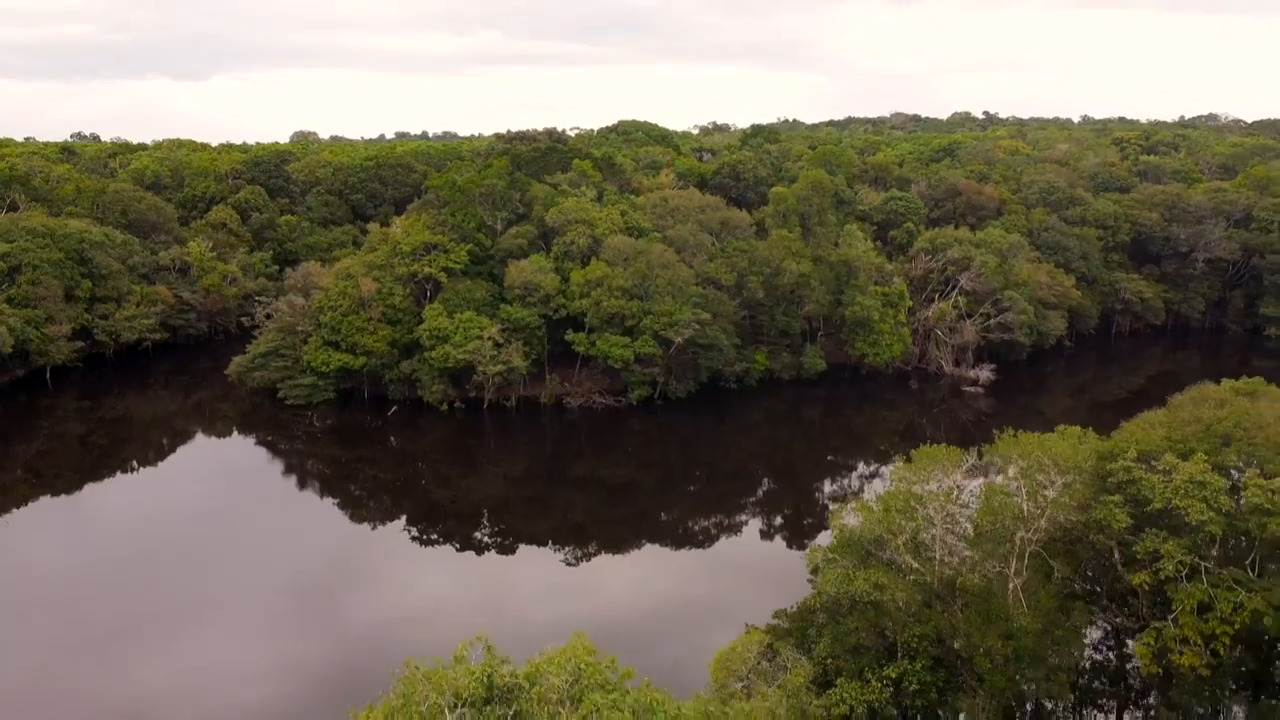
In The Heart and Lungs of the World, host Radzi Chinyanganya explains how the Amazon rainforest plays a critical role in regulating the Earth's climate by recycling water from the trees into the atmosphere. The Amazon takes in and pumps out water, which creates moisture that forms clouds and produces rain. With 400 billion trees cycling water, this process significantly influences global weather patterns, including rainfall in regions far from the rainforest itself, such as the United States’ Midwest. This video is excerpted from BBC’s My World, a program created for teenagers eager to learn more about the important stories shaping our world.
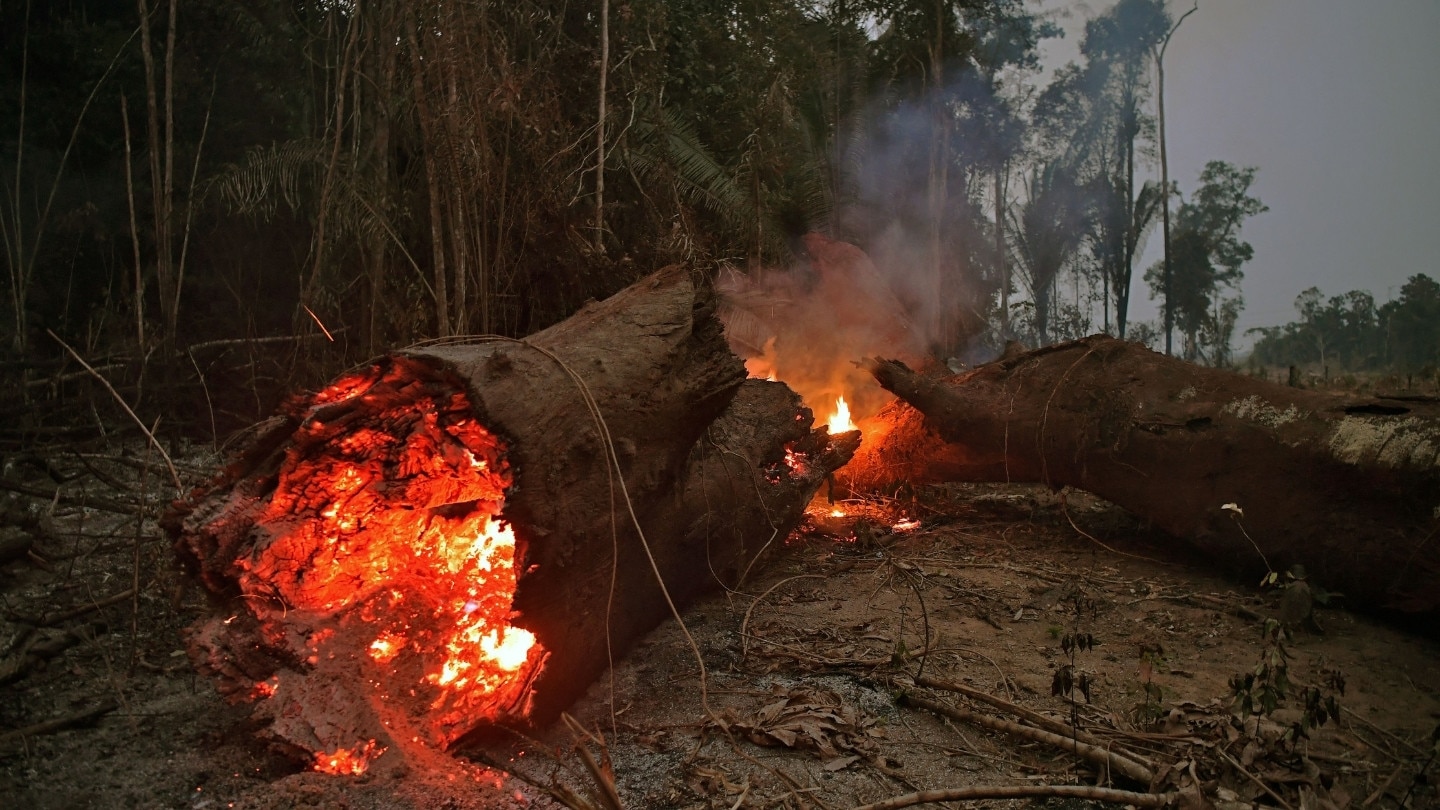
The article "The Amazon Rainforest: Could It Become a Desert?" from BBC's Science Focus investigates the consequences of deforestation and fires in the Amazon. With increasing tree mortality rates, scientists warn that the rainforest could transition into a dry savannah if destruction continues.

The article "Diners Enjoy World’s First Restaurant Meal Made From Lab-Grown Meat" from BBC's Science Focus details a historic event where Singapore's 1880 restaurant served cultured chicken developed by Eat Just. This milestone in the food industry showcased a sustainable alternative to traditional meat, aiming to reduce environmental impact and animal slaughter.
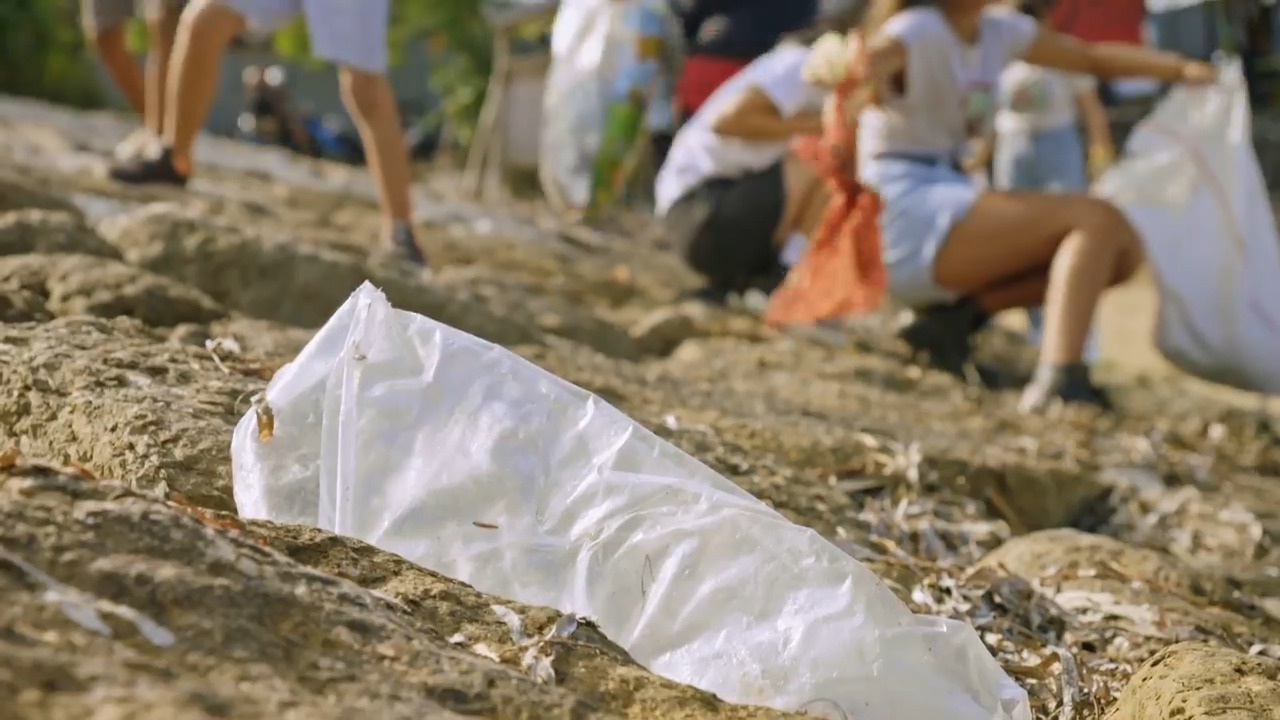
In Saving Our Beaches from Plastic Pollution, naturalist Steve Backshall meets some young Bali residents who are cleaning up the beach to minimize the environmental impact of plastic. This video is excerpted from BBC's Deadly 60, an award-winning nature and adventure show for kids in which narrator Steve Backshall has one mission: to travel the globe in search of 60 of the world's deadliest animals.
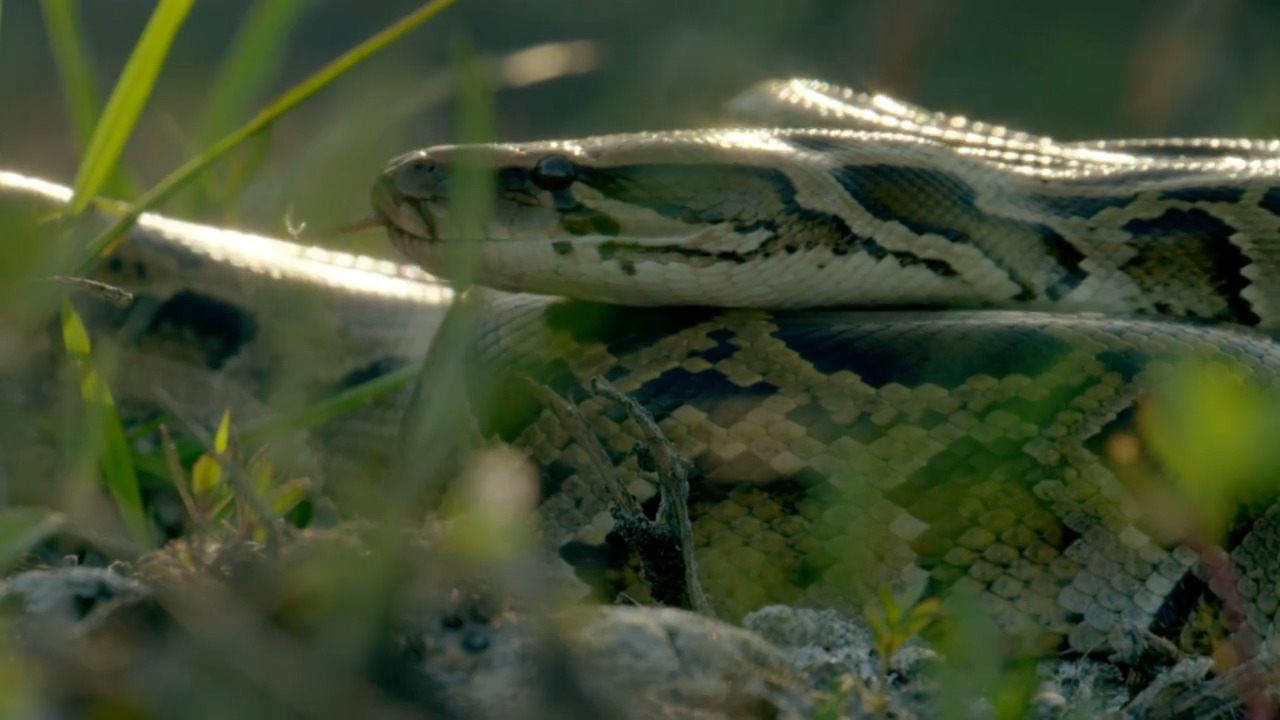
In Burmese Python Invasion in the Everglades, Burmese pythons have become a real threat to the Everglades’ natural wildlife. Paid contractors patrol the wetlands and trap adult pythons to reduce their devastating impact on the natural wildlife. This video is excerpted from BBC's Natural World: Florida - America's Animal Paradise, a series displaying Florida’s diverse wildlife and its resilience against increasing environmental threats.
In Can We Stop the Glacier Melt?, geologist Iain Stewart explains the crucial role ice plays in our planet’s climate and how it’s being affected by global warming. Scientists are studying Greenland's massive Jakobshavn Glacier to understand how the ice is melting and the impact that has on rising sea levels. Over just the last few decades, the glacier has retreated significantly, and if Greenland's ice melts completely, it could raise sea levels by 23 feet (7 meters), threatening places like London and Florida. This video is excerpted from BBC’s Earth: The Power of the Planet, a documentary series in which Dr. Iain Stewart discovers how Earth's forces can shape nature, species, and even the climate.
In Turning Plastic Waste Into Diesel Fuel, dive into the world of crude oil and how it's used to make plastic through a process that creates long chains called polymers. Jem tries to turn waste plastic back into something useful: diesel fuel! Using a hot, oxygen-free oven, he cooks the plastic to turn it into liquid fuel, and with help from chemists, he successfully gets a car to run on the diesel made from waste plastic. It’s a cool experiment showing how we can recycle plastic into something powerful! This video is excerpted from BBC’s Bang Goes the Theory, a series that delves into the ways science impacts our lives and shapes the world we experience every day.
In Wildfires: A Growing Threat, host Radzi Chinyanganya highlights the devastating impact of wildfires around the globe, with a focus on Australia. The segment provides an in-depth look at the causes, local impact, and the global spread of wildfires, highlighting how changes in weather patterns, human activity, and environmental factors are exacerbating this crisis. The episode also covers how the Indian Ocean Dipole (IOD) contributes to the conditions that make wildfires more likely in regions like Australia. This video is excerpted from BBC’s My World, a program created for teenagers eager to learn more about the important stories shaping our world.
In Freeing Up the Flow of Water on Highway 41, engineers did not realize how a permanent structure would affect the constant movement of the Everglades waters. Fortunately, there are solutions to keep the wetlands freely flowing. This video is excerpted from BBC's Natural World: Florida - America's Animal Paradise, a series displaying Florida’s diverse wildlife and its resilience against increasing environmental threats.
The article "Everything You Need to Know About Microplastics" from BBC's Science Focus explores the origins, distribution, and impacts of microplastics. Experts Dr. Laura Foster and Thomas Stanton discuss how these particles enter ecosystems, their effects on wildlife and potential human health risks, and suggest measures individuals and governments can take to mitigate the problem.
This Earth Day (or anytime this month), share this inspiring video playlist designed to spark curiosity and action in students ages 8–14. From incredible wildlife conservation stories to real-world environmental solutions, each clip invites students to explore the beauty of our planet — and the challenges it faces.
Get a closer look at how forests support life on Earth, discover innovative ideas like renewable energy, and meet the people working to protect endangered species and restore habitats. Along the way, students will see how small choices can make a big difference for our world.
Packed with powerful moments and meaningful learning, this playlist encourages students not just to learn about the Earth — but to think about how they can help protect it.
In Making Smart Choices for Our Planet, narrator Sir David Attenborough explains how important it is to understand and take care of the natural world as we rely on it for things like air, food, and even our happiness. As the world’s population grows, we are using more and more resources like water and food sources, which could lead to problems in the future. But there’s hope! If we use science and technology wisely, we can make better choices and live more sustainably, helping the Earth for future generations. This video is excerpted from BBC’s Horizon: How Many People Can Live on Planet Earth?, which explores the challenges of supporting a growing global population.
In The Heart and Lungs of the World, host Radzi Chinyanganya explains how the Amazon rainforest plays a critical role in regulating the Earth's climate by recycling water from the trees into the atmosphere. The Amazon takes in and pumps out water, which creates moisture that forms clouds and produces rain. With 400 billion trees cycling water, this process significantly influences global weather patterns, including rainfall in regions far from the rainforest itself, such as the United States’ Midwest. This video is excerpted from BBC’s My World, a program created for teenagers eager to learn more about the important stories shaping our world.
The article "The Amazon Rainforest: Could It Become a Desert?" from BBC's Science Focus investigates the consequences of deforestation and fires in the Amazon. With increasing tree mortality rates, scientists warn that the rainforest could transition into a dry savannah if destruction continues.
The article "Diners Enjoy World’s First Restaurant Meal Made From Lab-Grown Meat" from BBC's Science Focus details a historic event where Singapore's 1880 restaurant served cultured chicken developed by Eat Just. This milestone in the food industry showcased a sustainable alternative to traditional meat, aiming to reduce environmental impact and animal slaughter.
In Saving Our Beaches from Plastic Pollution, naturalist Steve Backshall meets some young Bali residents who are cleaning up the beach to minimize the environmental impact of plastic. This video is excerpted from BBC's Deadly 60, an award-winning nature and adventure show for kids in which narrator Steve Backshall has one mission: to travel the globe in search of 60 of the world's deadliest animals.
In Burmese Python Invasion in the Everglades, Burmese pythons have become a real threat to the Everglades’ natural wildlife. Paid contractors patrol the wetlands and trap adult pythons to reduce their devastating impact on the natural wildlife. This video is excerpted from BBC's Natural World: Florida - America's Animal Paradise, a series displaying Florida’s diverse wildlife and its resilience against increasing environmental threats.