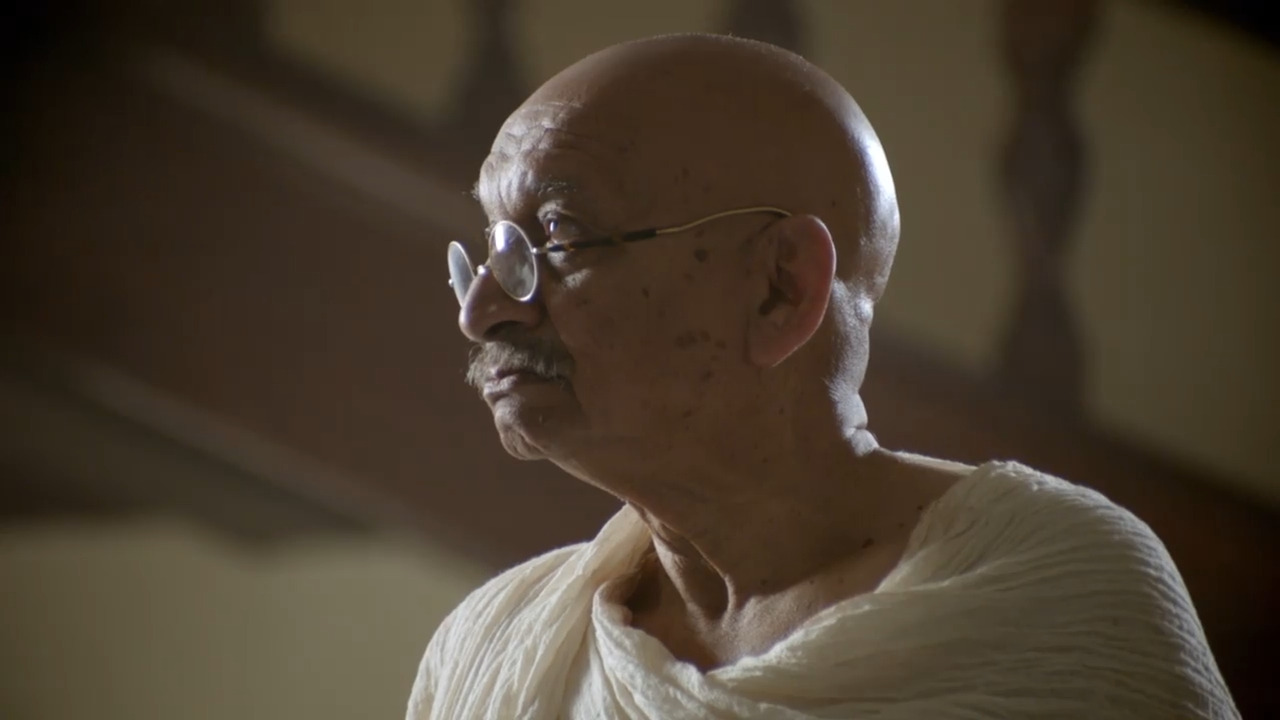
In Gandhi’s Campaign and the Fall of an Empire, host Andrew Marr details how Gandhi sent a letter to the Viceroy demanding freedom from British rule. When the letter was ignored, Gandhi began his campaign for Indian freedom. Inspired by the Boston Tea Party, and using the media to garner support, Gandhi engaged in protests that led to India’s independence. This video is excerpted from BBC’s Andrew Marr's History of the World, a story of human history that uses reenactments, modern footage, and storytelling to explain history’s greatest achievements.
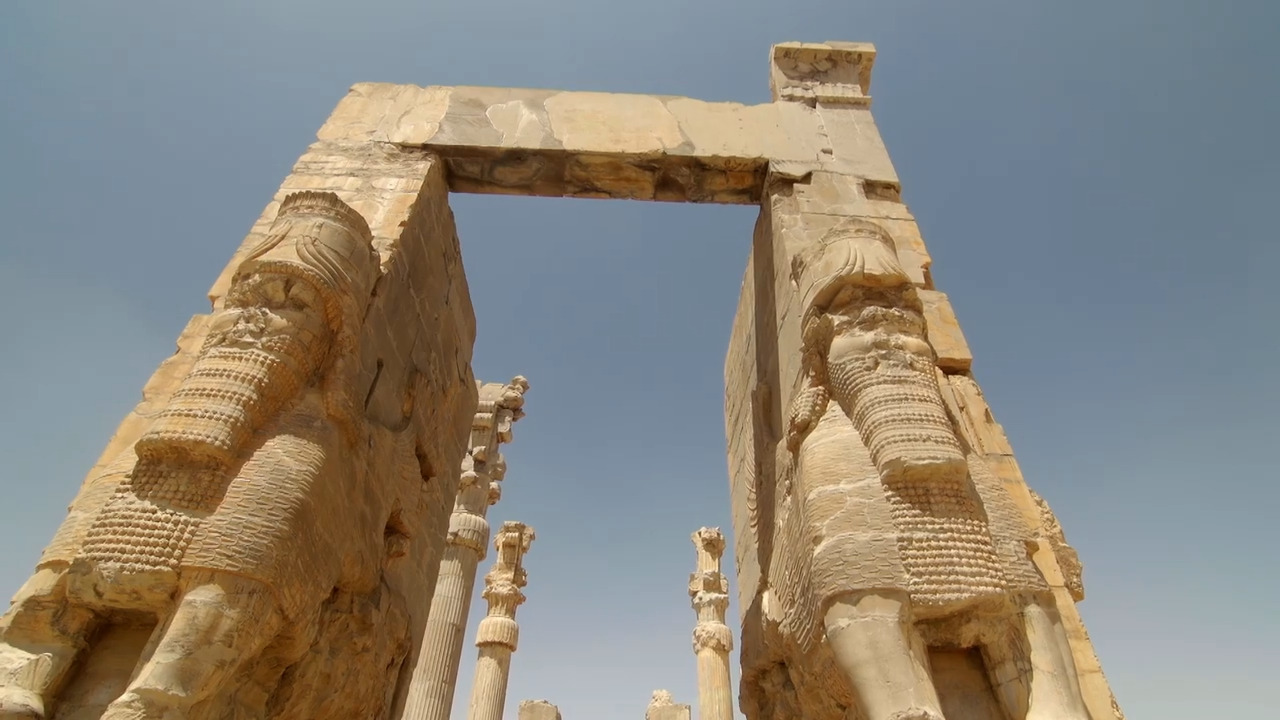
In Persepolis, Crown of the Persian Empire, host Joanna Lumley explores the ancient Iranian city of Persepolis, founded by Darius the Great in 518 B.C. She uncovers how the city was used for ceremonial purposes and showcases the grandeur of the Persian Empire, which at one point ruled over 44% of the world’s population. Using AI, Joanna visualizes what the city may have looked like in its prime and explains why it was destroyed just 200 years after its creation. This video is excerpted from BBC’s Joanna Lumley’s Silk Road Adventure, a documentary series uncovering the rich history and cultural treasures of the Silk Road.

In How Rome Conquered People and Maintained Control, archaeologist and historian Richard Miles explains how Rome managed to rule such a large amount of territory without an equally large bureaucracy. Romans used local elites to convince plebeians to buy into the Roman Empire’s way of life. By offering infrastructure and the reward of citizenship, Rome integrated conquered people and maintained control over millions of subjects. This video is excerpted from BBC’s Ancient Worlds, an epic series with archaeologist and historian Richard Miles as he explores the roots of civilization from Mesopotamia to the fall of the Roman Empire.

In Pax Romana, archaeologist and historian Richard Miles describes Roman life under Augustus, Rome’s first emperor. Throughout his long life and rule, Augustus presents himself as a restorer of the republic, and centralizes his power with clever propaganda. This video is excerpted from BBC’s Ancient Worlds, an epic series with archaeologist and historian Richard Miles as he explores the roots of civilization from Mesopotamia to the fall of the Roman Empire.
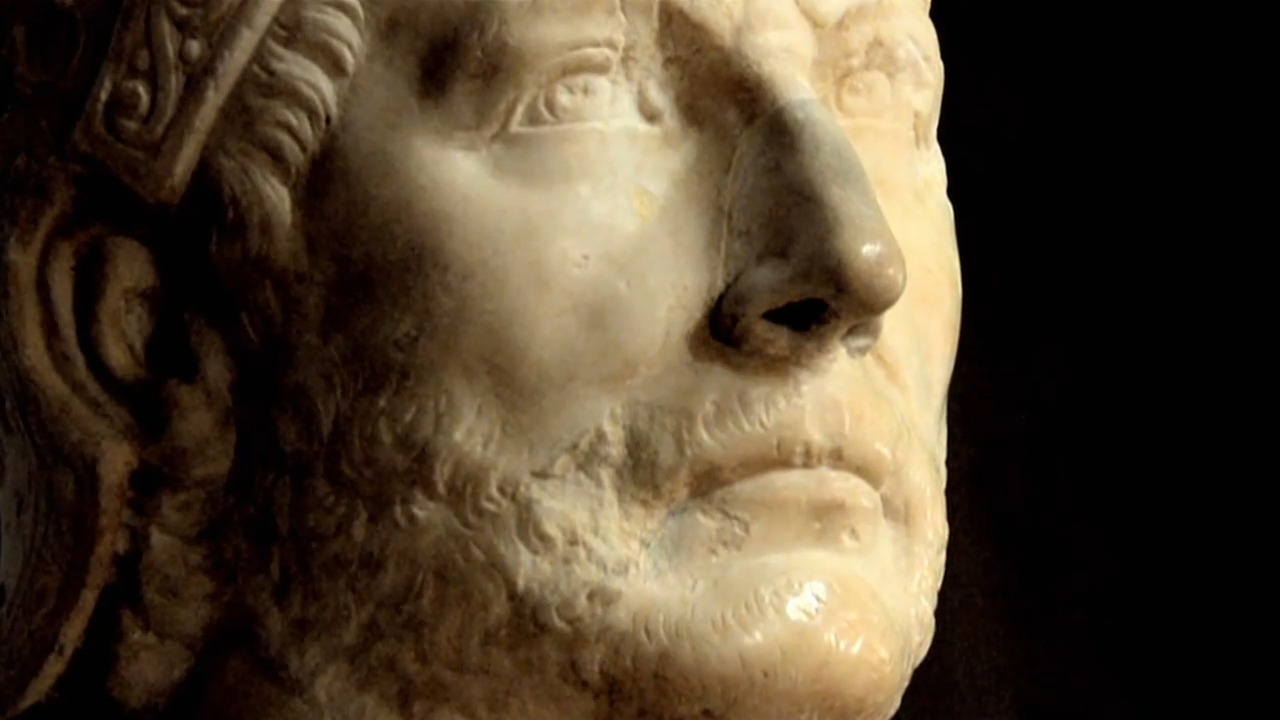
In Hannibal’s Invasion: From Alps to Annihilation, archaeologist and historian Richard Miles explains how Carthaginian general Hannibal wanted to assert Carthage as the dominant power in the region. He marched through Spain and over the Alps to attack Italy from the north. During the second Punic War, Hannibal led the slaughter of more than 50,000 men during the Battle of Cannae, which left a lasting trauma on the Romans. But there was one Roman general, Scipio, who incorporated Hannibal’s tactics into his approach. This video is excerpted from BBC’s Ancient Worlds, an epic series with archaeologist and historian Richard Miles as he explores the roots of civilization from Mesopotamia to the fall of the Roman Empire.
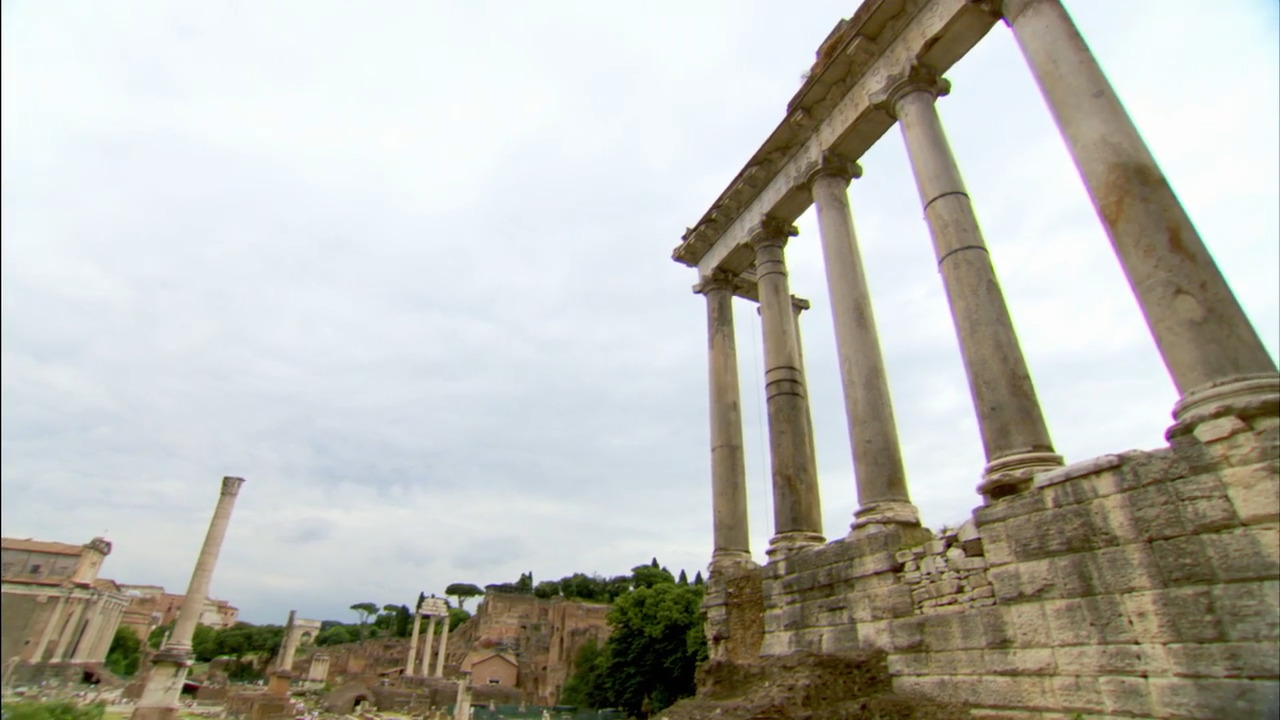
In Rome vs. Carthage, archaeologist and historian Richard Miles explains how Rome grew increasingly confident as it expanded and developed. In the Mediterranean, Carthage was a great commercial power. As Rome sought to expand its territory beyond Italy, it came into direct conflict with Carthage and its trade empire. The Punic Wars started with a battle on the island of Sicily. This video is excerpted from BBC’s Ancient Worlds, an epic series with archaeologist and historian Richard Miles as he explores the roots of civilization from Mesopotamia to the fall of the Roman Empire.
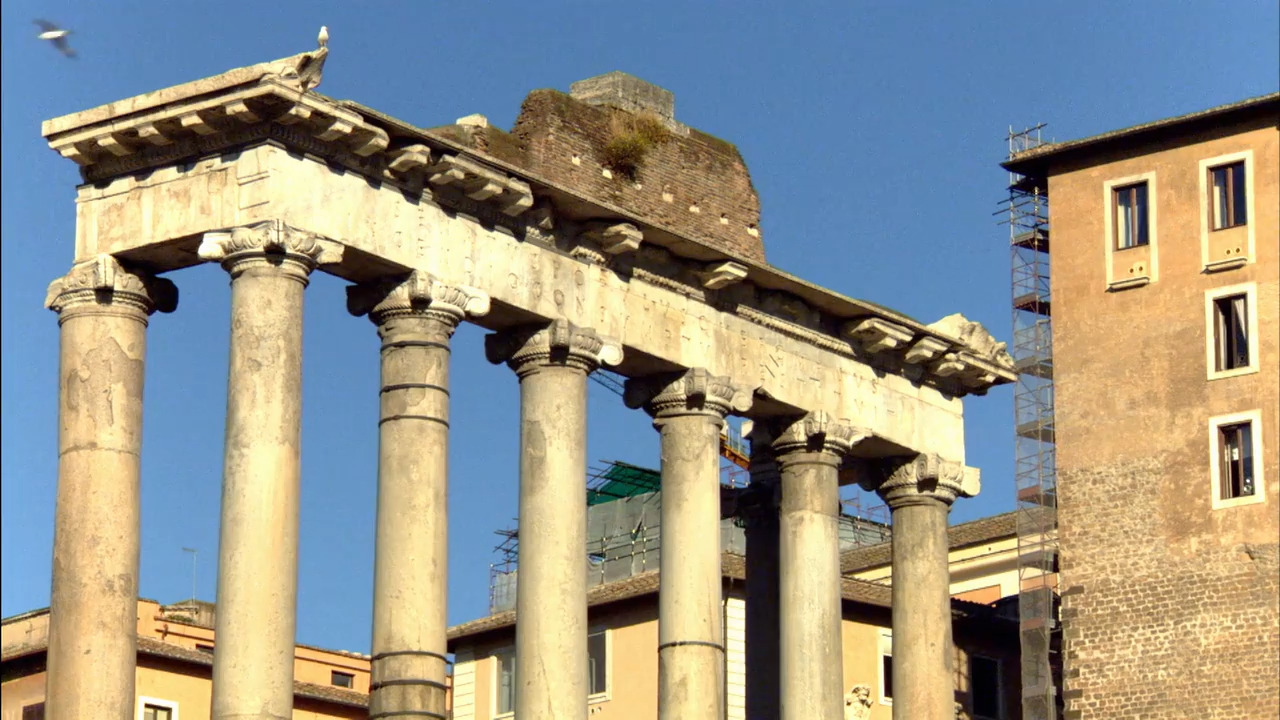
In Aqueducts and Roman Infrastructure, archaeologist and historian Richard Miles explains how Rome’s legal system evolved and was refined as the empire grew and changed. The system of aqueducts contributed to quality of life in Rome and the idea that the city had a destiny. This video is excerpted from BBC’s Ancient Worlds, an epic series with archaeologist and historian Richard Miles as he explores the roots of civilization from Mesopotamia to the fall of the Roman Empire.
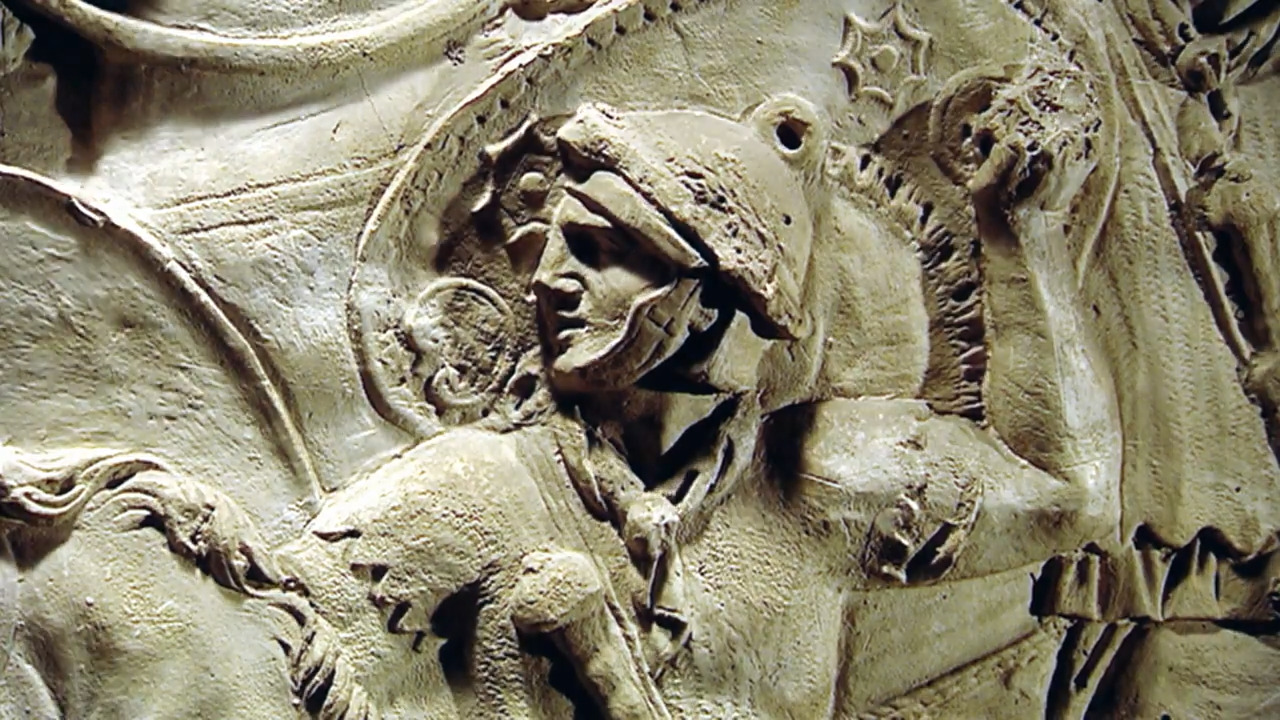
In Roman Conquest and Expansion, archaeologist and historian Richard Miles explain how Rome’s legionary army became the backbone and driver of its expansion. As Rome conquered more and more groups and land, they grew their army and their empire. Eventually, they transformed Rome from a small city-state to a dominant power. This video is excerpted from BBC’s Ancient Worlds, an epic series with archaeologist and historian Richard Miles as he explores the roots of civilization from Mesopotamia to the fall of the Roman Empire.
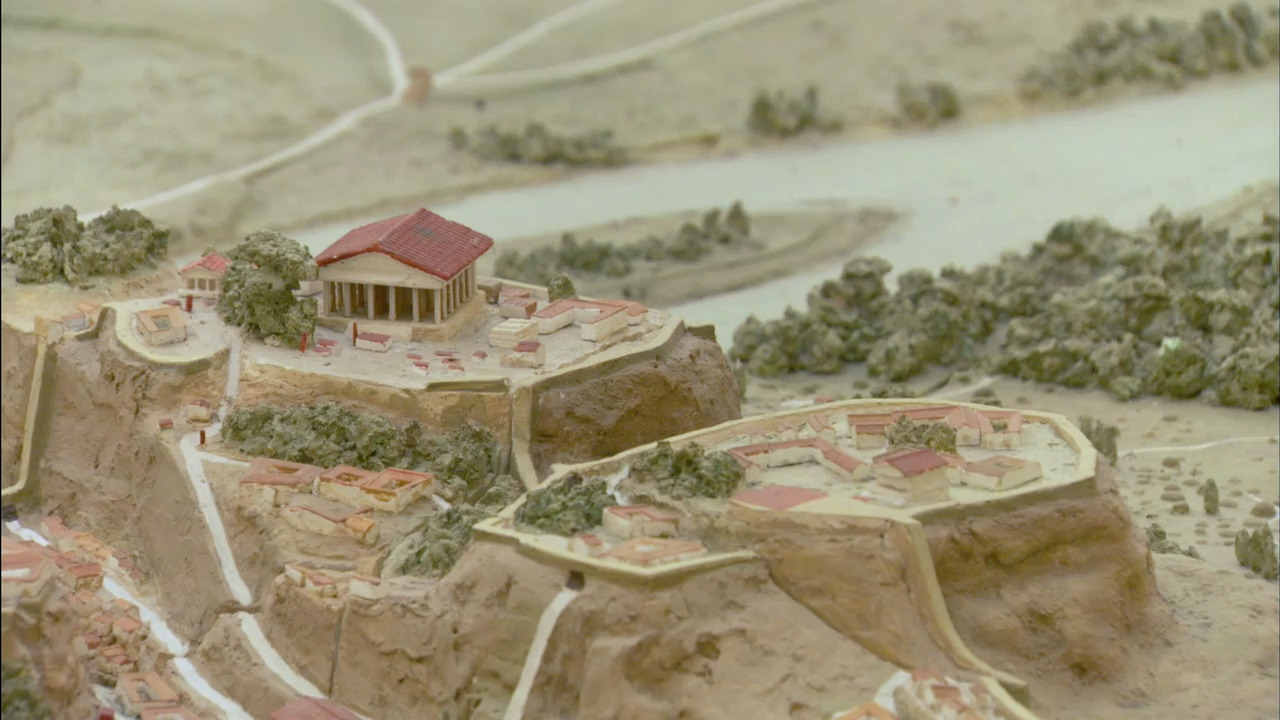
In The Senate and People of Rome, archaeologist and historian Richard Miles explores Rome’s evolution from rule by kings to a republic where every Roman citizen had a vote and the Senate was the governing power. The city’s motto: S.P.Q.R. demonstrates the ideals of shared power and democracy. This video is excerpted from BBC’s Ancient Worlds, an epic series with archaeologist and historian Richard Miles as he explores the roots of civilization from Mesopotamia to the fall of the Roman Empire.

In Rome Under Octavian, archaeologist and historian Richard Miles describes how Octavian, later known as Augustus, traded political freedoms for peace to lay the foundation for Rome to become the greatest empire in history. This video is excerpted from BBC’s Ancient Worlds, an epic series with archaeologist and historian Richard Miles as he explores the roots of civilization from Mesopotamia to the fall of the Roman Empire.
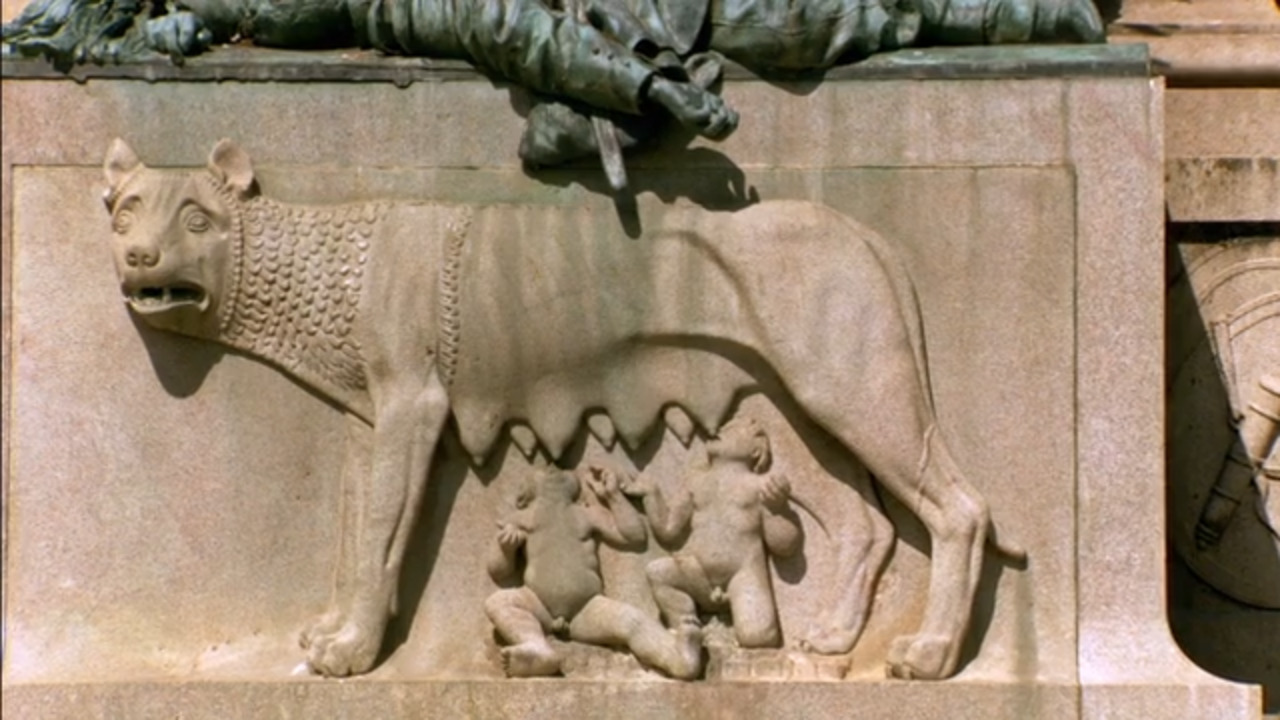
In The Legend of Romulus and Remus, archaeologist and historian Richard Miles explores Rome’s humble beginnings, and how the legend of two brothers, Romulus and Remus, shaped the city. This video is excerpted from BBC’s Ancient Worlds, an epic series with archaeologist and historian Richard Miles as he explores the roots of civilization from Mesopotamia to the fall of the Roman Empire.
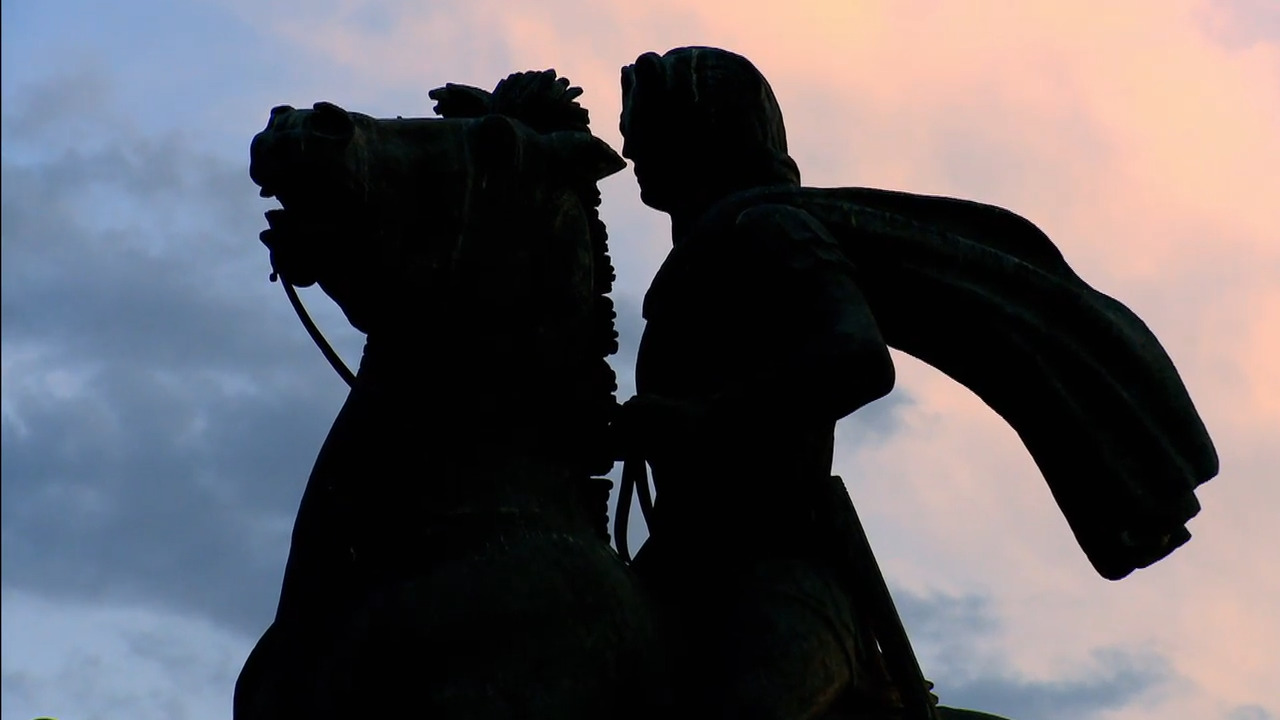
In The Fall of Alexander the Great, archaeologist and historian Richard Miles explores the downfall of Alexander the Great. As his ambitious conquest of the known world marched on, Alexander’s prior physical and psychological traumas caught up to him and he died in June 323BC. He left behind no clear heir, and no cohesive administration. This video is excerpted from BBC’s Ancient Worlds, an epic series with archaeologist and historian Richard Miles as he explores the roots of civilization from Mesopotamia to the fall of the Roman Empire.
In Gandhi’s Campaign and the Fall of an Empire, host Andrew Marr details how Gandhi sent a letter to the Viceroy demanding freedom from British rule. When the letter was ignored, Gandhi began his campaign for Indian freedom. Inspired by the Boston Tea Party, and using the media to garner support, Gandhi engaged in protests that led to India’s independence. This video is excerpted from BBC’s Andrew Marr's History of the World, a story of human history that uses reenactments, modern footage, and storytelling to explain history’s greatest achievements.
In Persepolis, Crown of the Persian Empire, host Joanna Lumley explores the ancient Iranian city of Persepolis, founded by Darius the Great in 518 B.C. She uncovers how the city was used for ceremonial purposes and showcases the grandeur of the Persian Empire, which at one point ruled over 44% of the world’s population. Using AI, Joanna visualizes what the city may have looked like in its prime and explains why it was destroyed just 200 years after its creation. This video is excerpted from BBC’s Joanna Lumley’s Silk Road Adventure, a documentary series uncovering the rich history and cultural treasures of the Silk Road.
In How Rome Conquered People and Maintained Control, archaeologist and historian Richard Miles explains how Rome managed to rule such a large amount of territory without an equally large bureaucracy. Romans used local elites to convince plebeians to buy into the Roman Empire’s way of life. By offering infrastructure and the reward of citizenship, Rome integrated conquered people and maintained control over millions of subjects. This video is excerpted from BBC’s Ancient Worlds, an epic series with archaeologist and historian Richard Miles as he explores the roots of civilization from Mesopotamia to the fall of the Roman Empire.
In Pax Romana, archaeologist and historian Richard Miles describes Roman life under Augustus, Rome’s first emperor. Throughout his long life and rule, Augustus presents himself as a restorer of the republic, and centralizes his power with clever propaganda. This video is excerpted from BBC’s Ancient Worlds, an epic series with archaeologist and historian Richard Miles as he explores the roots of civilization from Mesopotamia to the fall of the Roman Empire.
In Hannibal’s Invasion: From Alps to Annihilation, archaeologist and historian Richard Miles explains how Carthaginian general Hannibal wanted to assert Carthage as the dominant power in the region. He marched through Spain and over the Alps to attack Italy from the north. During the second Punic War, Hannibal led the slaughter of more than 50,000 men during the Battle of Cannae, which left a lasting trauma on the Romans. But there was one Roman general, Scipio, who incorporated Hannibal’s tactics into his approach. This video is excerpted from BBC’s Ancient Worlds, an epic series with archaeologist and historian Richard Miles as he explores the roots of civilization from Mesopotamia to the fall of the Roman Empire.
In Rome vs. Carthage, archaeologist and historian Richard Miles explains how Rome grew increasingly confident as it expanded and developed. In the Mediterranean, Carthage was a great commercial power. As Rome sought to expand its territory beyond Italy, it came into direct conflict with Carthage and its trade empire. The Punic Wars started with a battle on the island of Sicily. This video is excerpted from BBC’s Ancient Worlds, an epic series with archaeologist and historian Richard Miles as he explores the roots of civilization from Mesopotamia to the fall of the Roman Empire.
In Aqueducts and Roman Infrastructure, archaeologist and historian Richard Miles explains how Rome’s legal system evolved and was refined as the empire grew and changed. The system of aqueducts contributed to quality of life in Rome and the idea that the city had a destiny. This video is excerpted from BBC’s Ancient Worlds, an epic series with archaeologist and historian Richard Miles as he explores the roots of civilization from Mesopotamia to the fall of the Roman Empire.
In Roman Conquest and Expansion, archaeologist and historian Richard Miles explain how Rome’s legionary army became the backbone and driver of its expansion. As Rome conquered more and more groups and land, they grew their army and their empire. Eventually, they transformed Rome from a small city-state to a dominant power. This video is excerpted from BBC’s Ancient Worlds, an epic series with archaeologist and historian Richard Miles as he explores the roots of civilization from Mesopotamia to the fall of the Roman Empire.
In The Senate and People of Rome, archaeologist and historian Richard Miles explores Rome’s evolution from rule by kings to a republic where every Roman citizen had a vote and the Senate was the governing power. The city’s motto: S.P.Q.R. demonstrates the ideals of shared power and democracy. This video is excerpted from BBC’s Ancient Worlds, an epic series with archaeologist and historian Richard Miles as he explores the roots of civilization from Mesopotamia to the fall of the Roman Empire.
In Rome Under Octavian, archaeologist and historian Richard Miles describes how Octavian, later known as Augustus, traded political freedoms for peace to lay the foundation for Rome to become the greatest empire in history. This video is excerpted from BBC’s Ancient Worlds, an epic series with archaeologist and historian Richard Miles as he explores the roots of civilization from Mesopotamia to the fall of the Roman Empire.
In The Legend of Romulus and Remus, archaeologist and historian Richard Miles explores Rome’s humble beginnings, and how the legend of two brothers, Romulus and Remus, shaped the city. This video is excerpted from BBC’s Ancient Worlds, an epic series with archaeologist and historian Richard Miles as he explores the roots of civilization from Mesopotamia to the fall of the Roman Empire.
In The Fall of Alexander the Great, archaeologist and historian Richard Miles explores the downfall of Alexander the Great. As his ambitious conquest of the known world marched on, Alexander’s prior physical and psychological traumas caught up to him and he died in June 323BC. He left behind no clear heir, and no cohesive administration. This video is excerpted from BBC’s Ancient Worlds, an epic series with archaeologist and historian Richard Miles as he explores the roots of civilization from Mesopotamia to the fall of the Roman Empire.