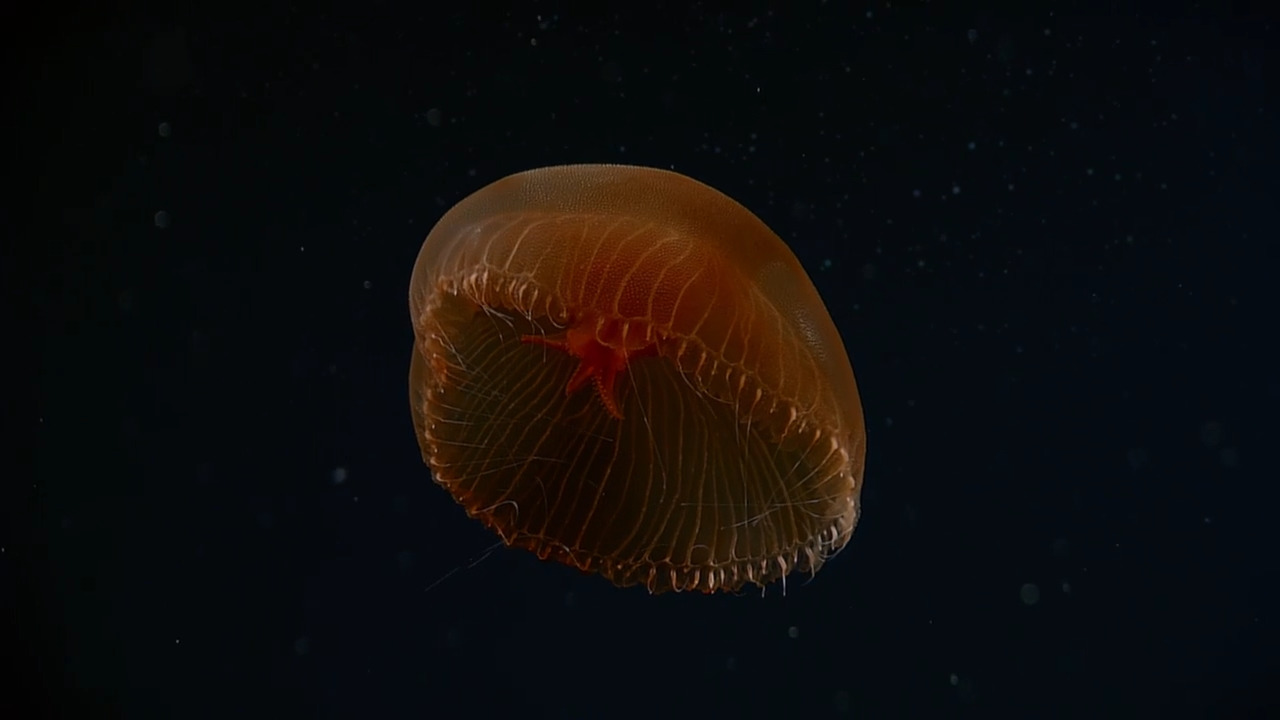
In Strange Creatures at 500 Meters Below, narrator David Attenborough explains how plankton retreats into the ocean depths as the Sun rises. To follow it, we descend in a submarine where pressure increases, and temperatures drop. At 500 meters (1,640 feet) below, strange creatures emerge. Organic particles, known as marine snow, drift down, serving as food for many animals like the sea spider, which uses feathered leg-like appendages to capture it. Meanwhile, the sawtooth eel waits motionless, ready to strike at silhouetted prey swimming near the faint glow from the surface. This video is excerpted from BBC’s Planet Earth, a breathtaking documentary series that highlights the natural wonders of our planet.
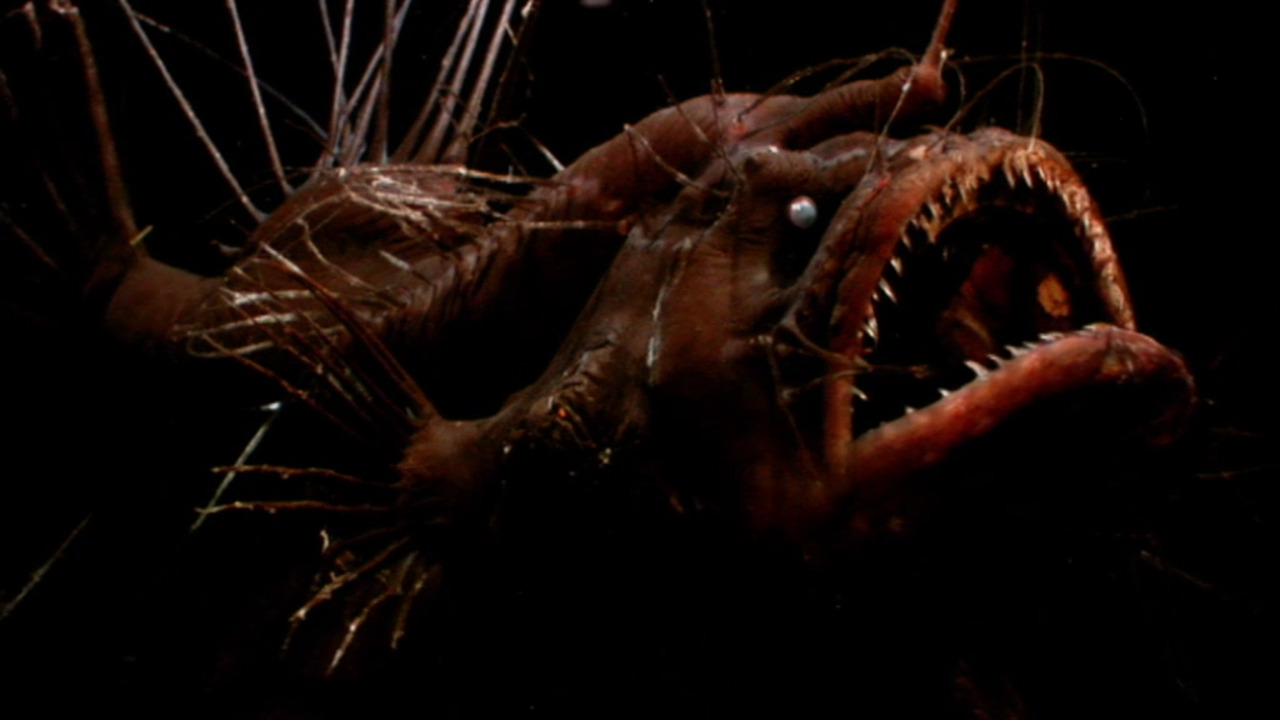
In Strange Predators of the Deep Sea, narrator Sir David Attenborough details animals that live in the deep sea. Watch anglerfish and gulper eels catch prey. This video is excerpted from BBC’s Blue Planet, a definitive documentary series diving into the mysterious depths of the sea to discover the natural history of the world’s oceans and the rarely seen marine life that reside there.
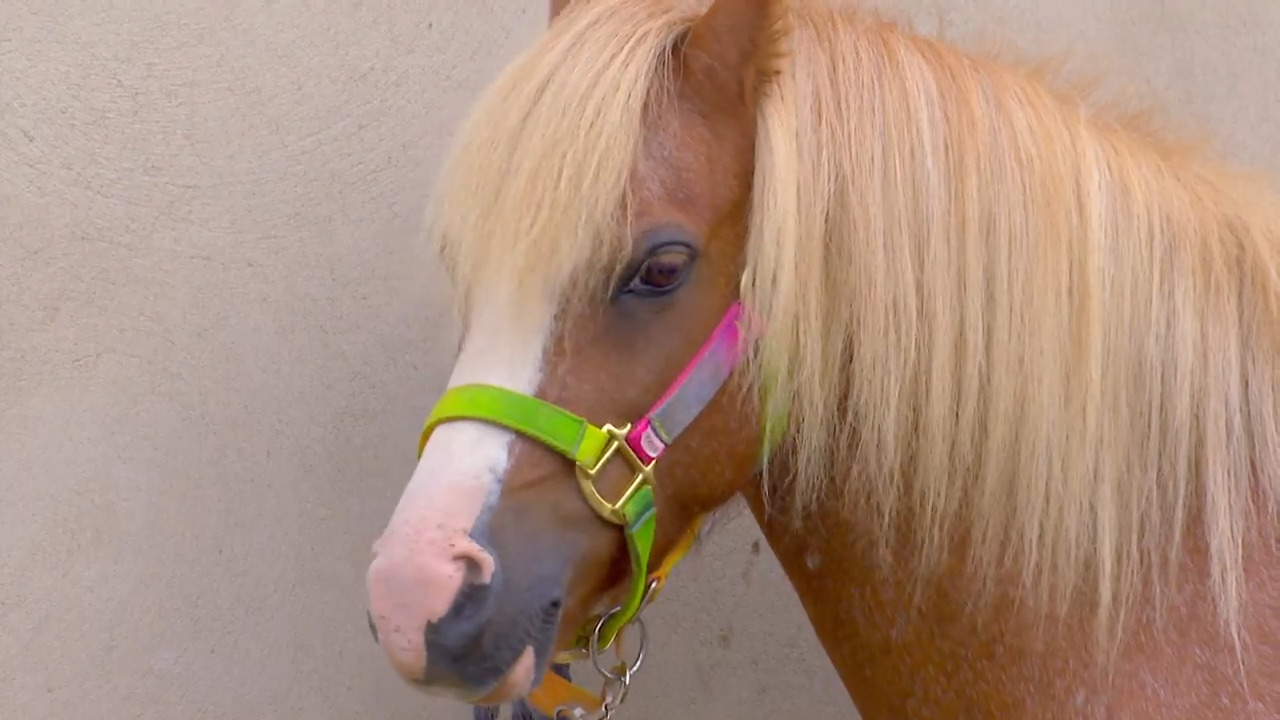
In Saddle Up With Charlie the Pony, host Ferne Corrigan meets Charlie, a playful Welsh mountain pony who loves munching on carrots and apples! These ponies are great climbers from the hills of Wales, and they have some of the biggest eyes of any animal. Ferne learns how to care for a pony like Charlie, including feeding him fresh hay, pony nuts, and making sure he gets lots of exercise every day. This video is excerpted from BBC’s My Pet and Me, a children’s show that introduces kids to the rewards and responsibilities involved when having a pet.
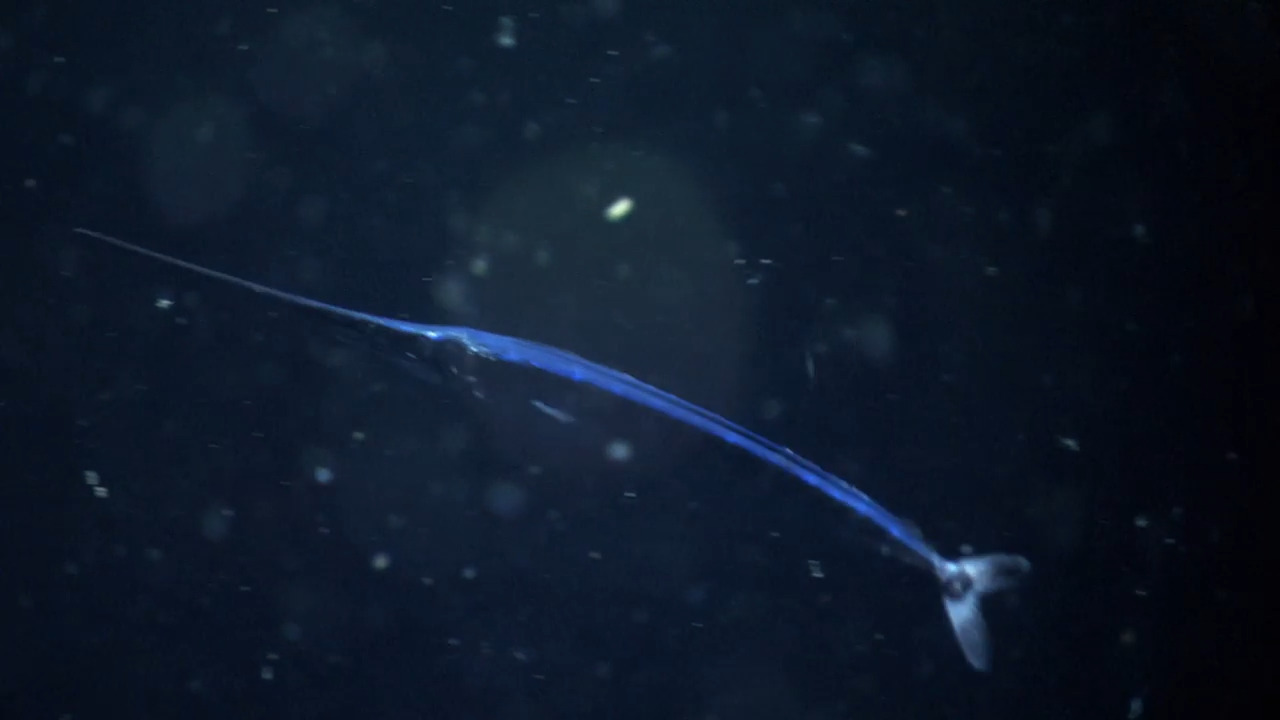
In The Nocturnal Migration of Plankton, narrator David Attenborough explains how plankton retreats into the ocean depths as the Sun rises. To follow them, we descend in a submarine where pressure increases, and temperatures drop. At 500 meters (1,640 feet) below, strange creatures emerge. Organic particles, known as marine snow, drift down, serving as food for many animals like the sea spider, which uses feathered leg-like appendages to capture it. Meanwhile, the sawtooth eel waits motionless, ready to strike at silhouetted prey swimming near the faint glow from the surface. This video is excerpted from BBC’s Planet Earth, a breathtaking documentary series that highlights the natural wonders of our planet.
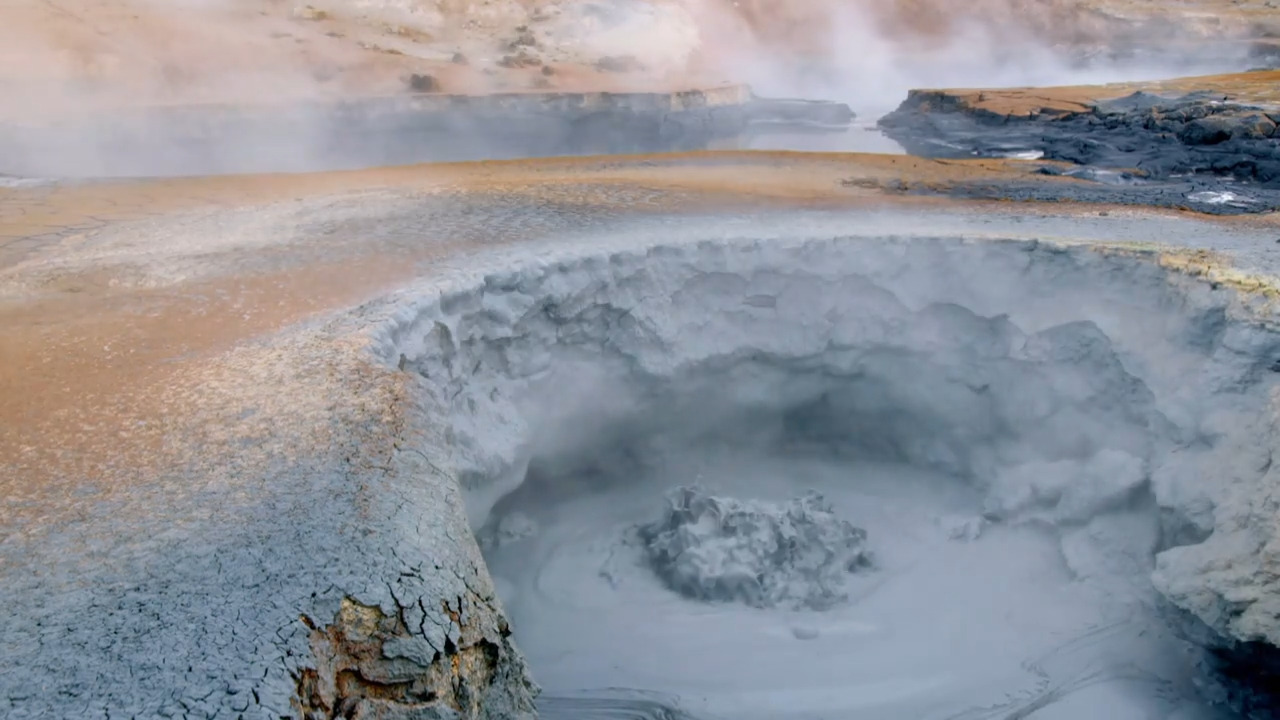
In Energy From the Earth and the Conditions for Life, Professor Brian Cox brings us to Taal Lake in the Philippines. Watch energy bubble up from below the Earth’s surface and learn how this energy creates a natural battery that can be used to power a motor. Where else on Earth can we find these high energy conditions? This video is excerpted from BBC’s The Planets, a series that explores the dramatic lives of the eight planets in our Solar System.
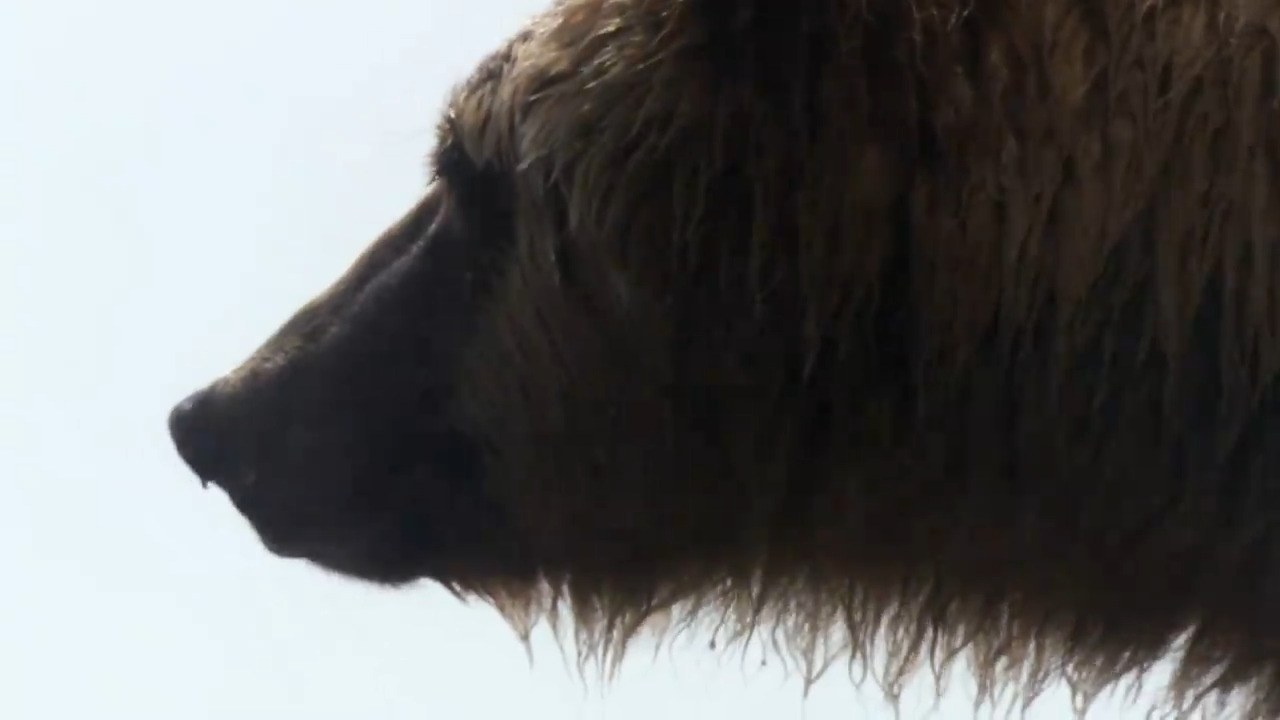
In Brown Bears Gather for the Great Salmon Run, narrator Sir David Attenborough describes how winter approaches in Alaska and food becomes scarce, but brown bears are ready for the challenge. These giant bears, which grow larger here than anywhere else in the world, gather for the annual salmon run. The bears depend on this event to fatten up for winter, but when the salmon numbers are low, survival can be tough. This video is excerpted from BBC's Life, a show that explores the remarkable strategies animals and plants use to ensure their survival.
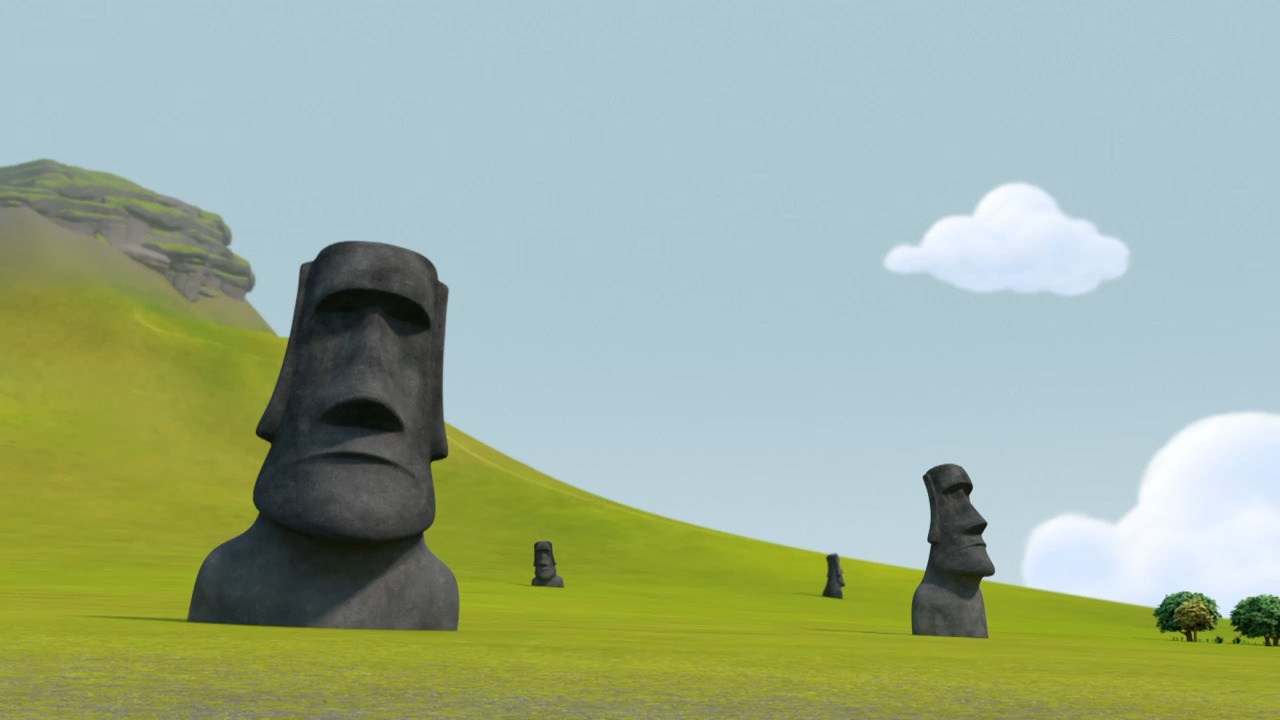
In The Go Jetters Meet the Giant Moai Statues in the Pacific Ocean, the Go Jetters crew visits Easter Island, a tiny island in the middle of the big South Pacific Ocean, far away from anything else! The people who first settled there were amazing navigators and built giant stone statues called moai to honor their families and protect the island. These statues still stand tall today and are a favorite spot for visitors from all over the world. This video is excerpted from BBC’s Go Jetters, a series that follows the adventures of four plucky international heroes as they travel the globe visiting the world’s most famous landmarks with their friend and mentor, Ubercorn, a disco-dancing unicorn.
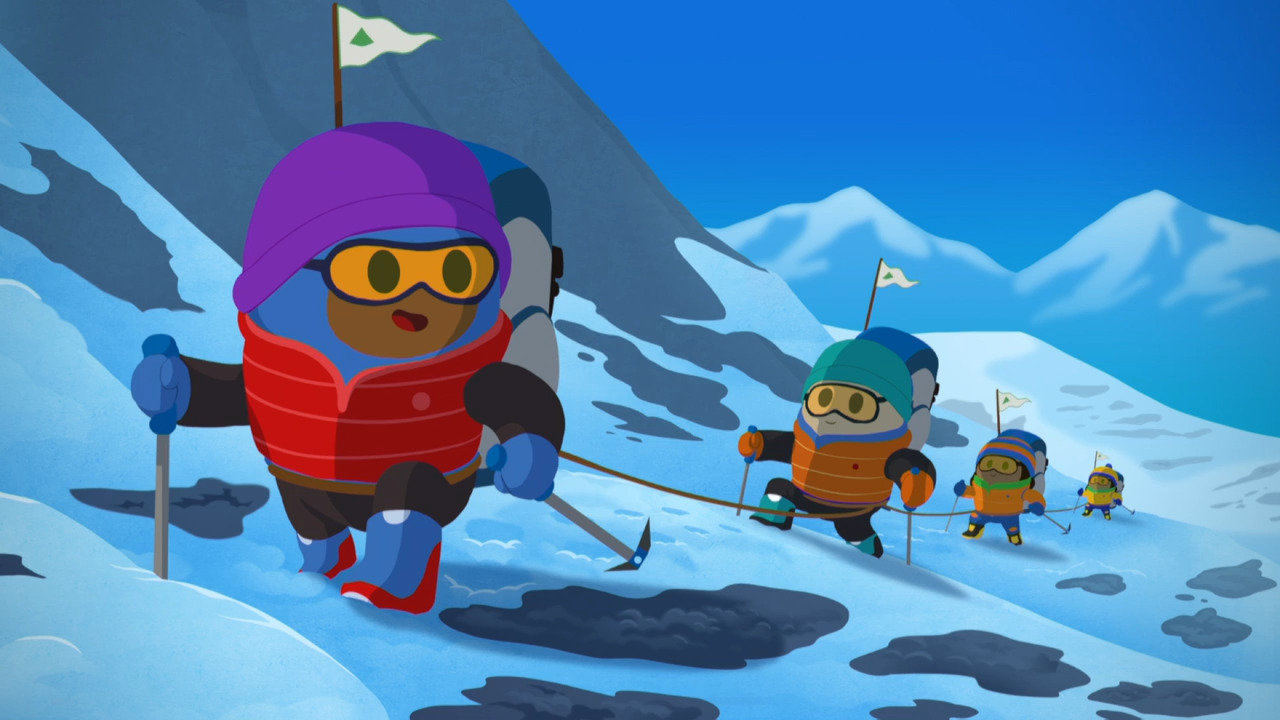
In The Go Jetters Take a Trip to Mount Everest, the Go Jetters crew takes us on an exciting journey to Mount Everest, the tallest mountain in the world! It’s so tall and cold that climbers need about six weeks to reach the top. Along the way, they get help from Sherpas, expert guides who know the mountain better than anyone else. The mountain is always growing a tiny bit every year, making it even more amazing! This video is excerpted from BBC’s Go Jetters, a series that follows the adventures of four plucky international heroes as they travel the globe visiting the world’s most famous landmarks with their friend and mentor, Ubercorn, a disco-dancing unicorn.
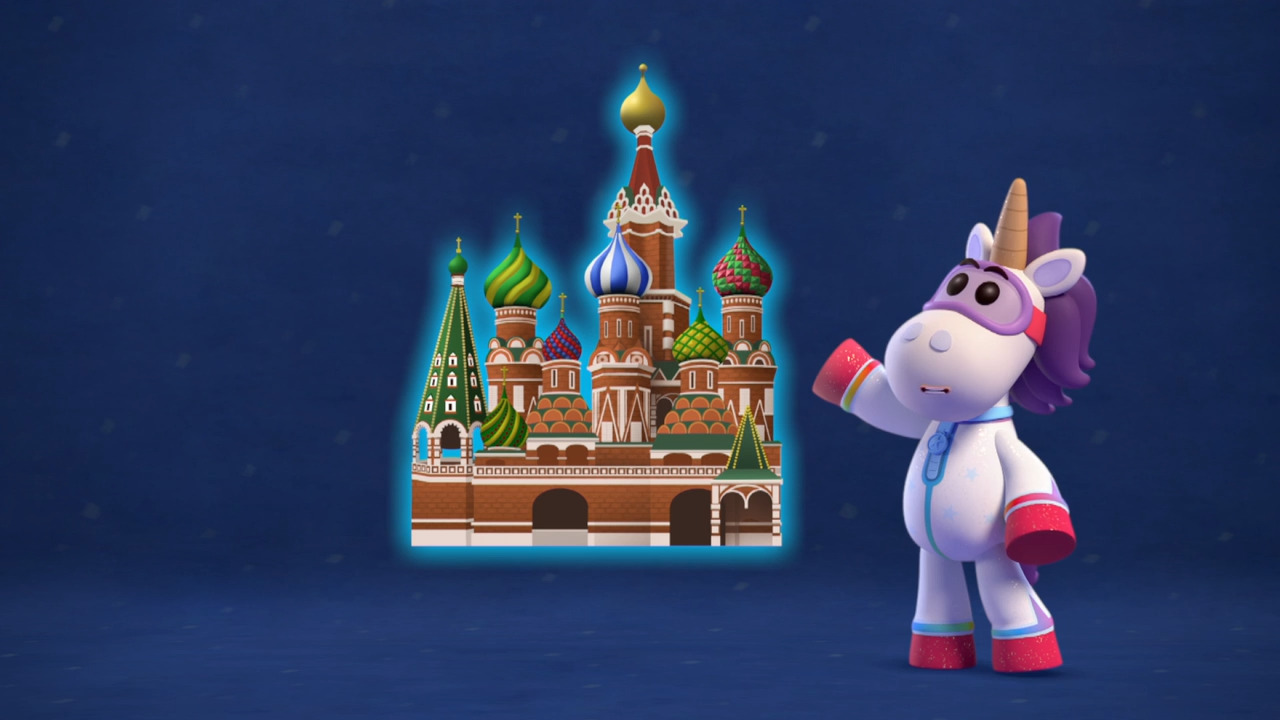
In The Go Jetters Dance in Red Square, the Go Jetters crew visits Saint Basil's Cathedral in Red Square, Moscow, Russia. Red Square is full of history, and Saint Basil's looks like a magical, colorful castle with its bright, swirling towers. Built over 500 years ago by Ivan the Terrible, it’s a one-of-a-kind building you won’t find anywhere else in Russia. You’ll also learn about Cossack dancing, a fun, high-energy tradition that started in the 16th century! This video is excerpted from BBC’s Go Jetters, a series that follows the adventures of four plucky international heroes as they travel the globe visiting the world’s most famous landmarks with their friend and mentor, Ubercorn, a disco-dancing unicorn.
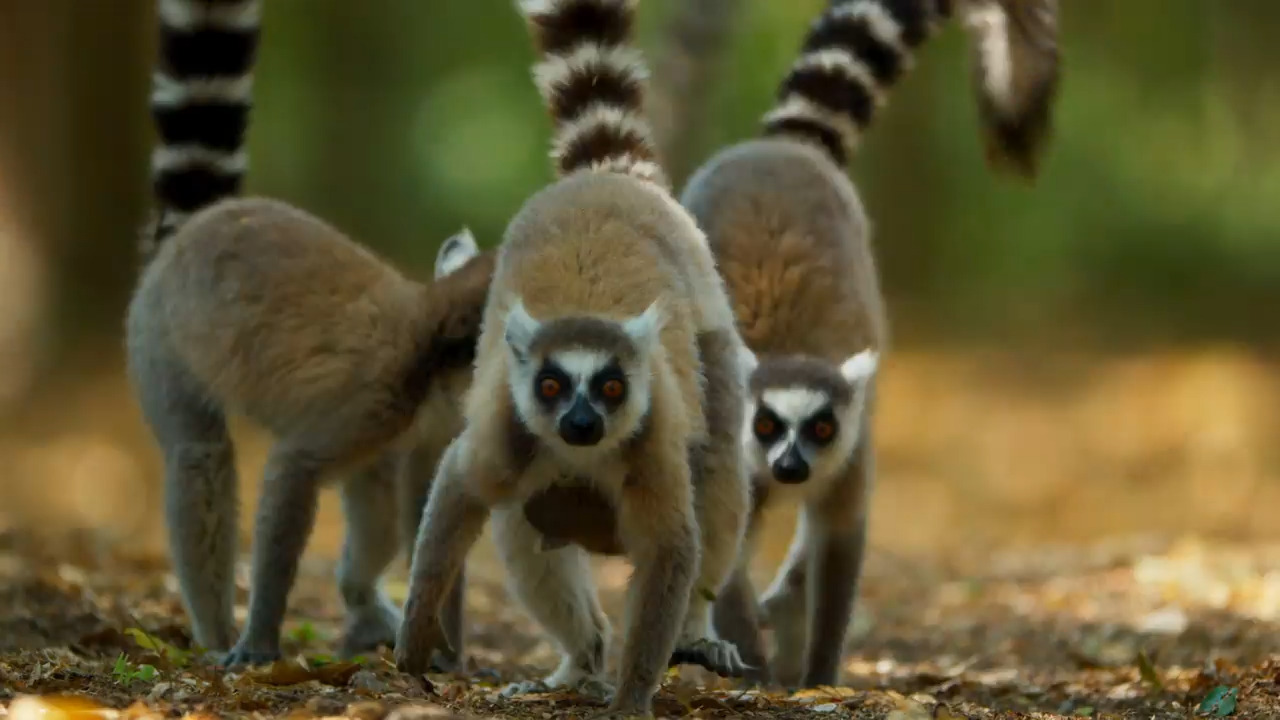
In The Rich Biodiversity of Madagascar, the narrator explains that due to its age and isolation, the island of Madagascar is home to many species that aren’t found anywhere else on Earth. Over 100 different types of lemurs have evolved from a common ancestor. The indri, ringtail, bamboo, and sifaka lemurs have each adapted to different habitats on the island. This video is excerpted from BBC’s Planet Earth II, a breathtaking documentary series that highlights the natural wonders of our planet.
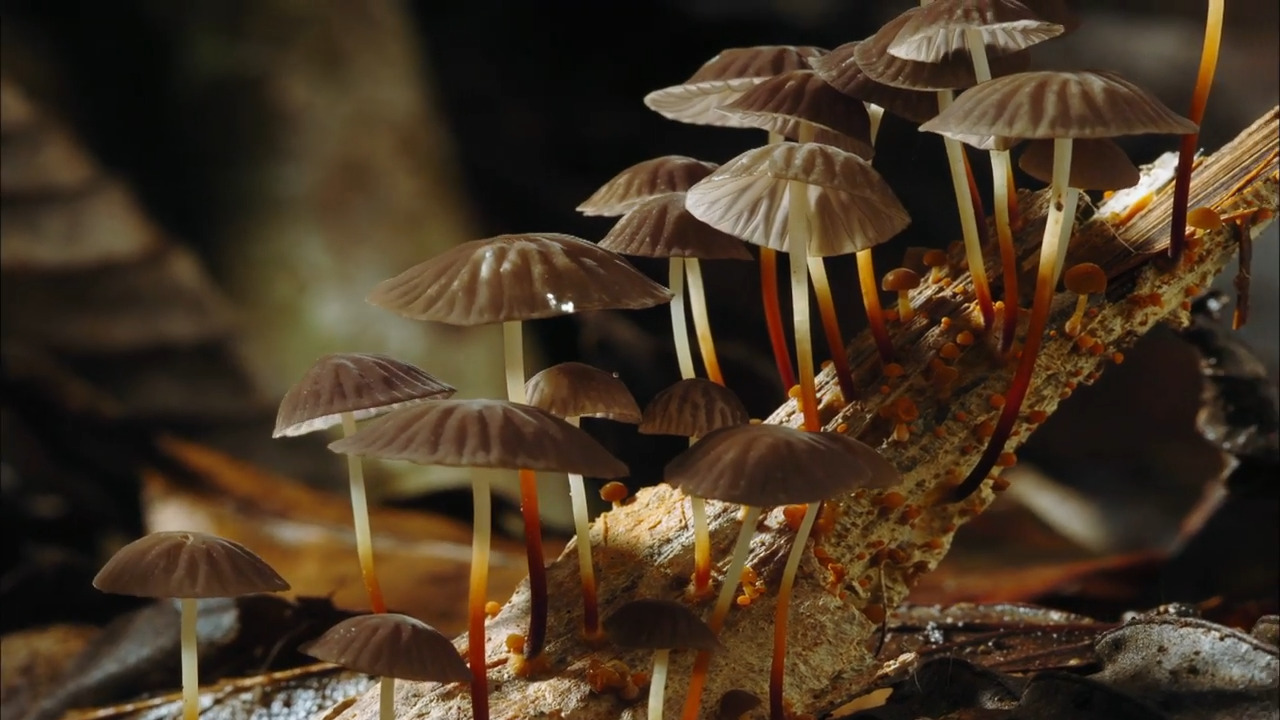
In Watch a Life Built on Decay in the Rainforests, narrator Sir David Attenborough notes that the nutrient recycling rate in rainforests happens faster than anywhere else. Learn how slime mold, fungi, and beetle larvae interact to decompose leaf litter. This video is excerpted from BBC's Planet Earth, a breathtaking documentary series that highlights the natural wonders of our planet.
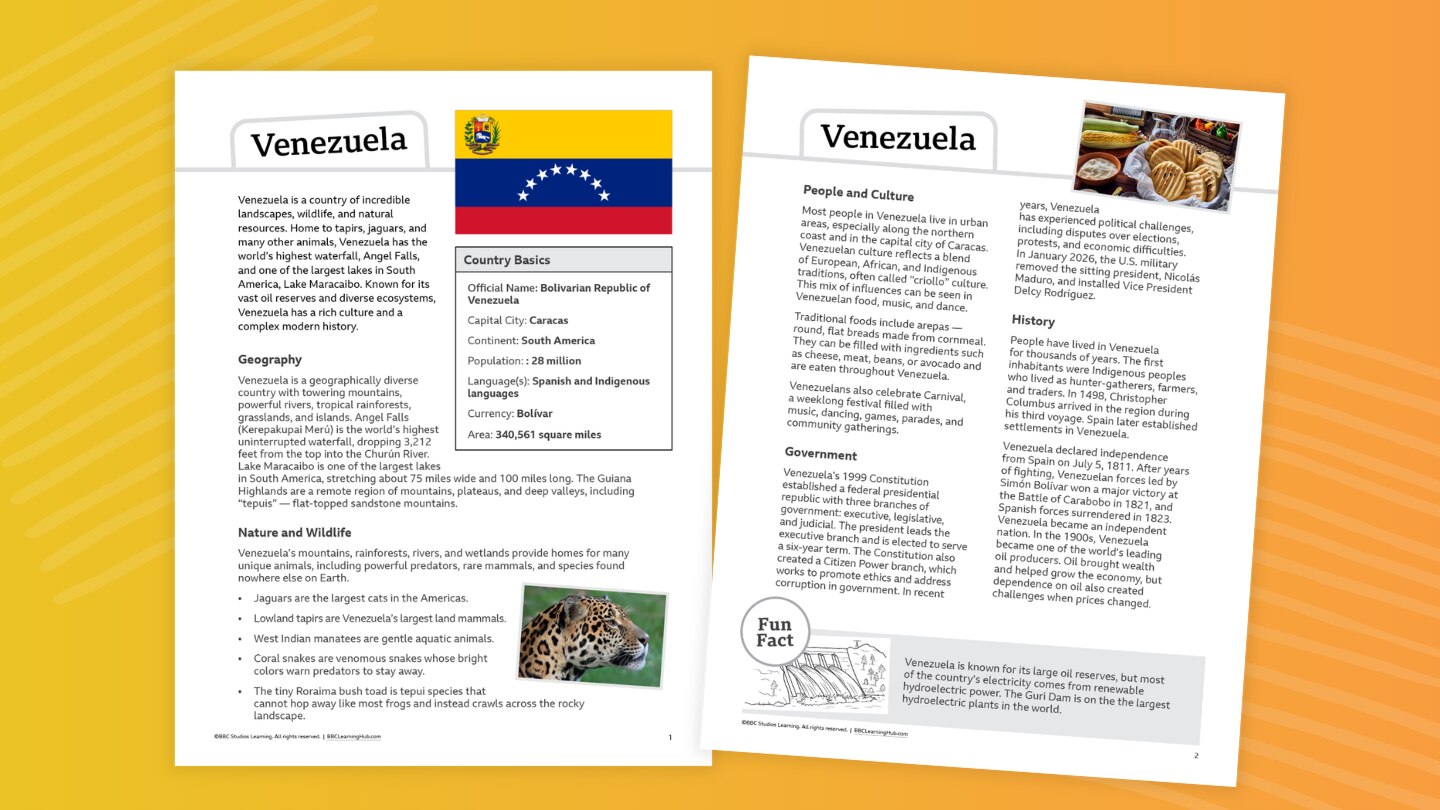
What country is home to the world’s highest waterfall, mysterious flat-topped mountains, and animals found nowhere else? Meet Venezuela, a country of spectacular landscapes and extraordinary biodiversity.
From Angel Falls and the tepuis to jaguars, tapirs, manatees, and the tiny Roraima bush toad, Venezuela is filled with natural wonders. Explore the Indigenous peoples and events that shaped the country’s history, learn about its government and oil-rich economy, and discover the foods, music, festivals, and traditions that make Venezuelan culture unique. You’ll also learn why Venezuela’s isolated tepuis are home to species that have adapted to life high above the surrounding landscape.
Teachers and parents, you can use this fact file to:
- Introduce a geography or social studies unit
- Support nonfiction reading practice
- Compare countries and cultures
- Complete map and research activities
- Prepare students for projects or presentations (use our country report template!)
- Pair with videos, articles, or other informational texts (see Related Resources below)
In Strange Creatures at 500 Meters Below, narrator David Attenborough explains how plankton retreats into the ocean depths as the Sun rises. To follow it, we descend in a submarine where pressure increases, and temperatures drop. At 500 meters (1,640 feet) below, strange creatures emerge. Organic particles, known as marine snow, drift down, serving as food for many animals like the sea spider, which uses feathered leg-like appendages to capture it. Meanwhile, the sawtooth eel waits motionless, ready to strike at silhouetted prey swimming near the faint glow from the surface. This video is excerpted from BBC’s Planet Earth, a breathtaking documentary series that highlights the natural wonders of our planet.
In Strange Predators of the Deep Sea, narrator Sir David Attenborough details animals that live in the deep sea. Watch anglerfish and gulper eels catch prey. This video is excerpted from BBC’s Blue Planet, a definitive documentary series diving into the mysterious depths of the sea to discover the natural history of the world’s oceans and the rarely seen marine life that reside there.
In Saddle Up With Charlie the Pony, host Ferne Corrigan meets Charlie, a playful Welsh mountain pony who loves munching on carrots and apples! These ponies are great climbers from the hills of Wales, and they have some of the biggest eyes of any animal. Ferne learns how to care for a pony like Charlie, including feeding him fresh hay, pony nuts, and making sure he gets lots of exercise every day. This video is excerpted from BBC’s My Pet and Me, a children’s show that introduces kids to the rewards and responsibilities involved when having a pet.
In The Nocturnal Migration of Plankton, narrator David Attenborough explains how plankton retreats into the ocean depths as the Sun rises. To follow them, we descend in a submarine where pressure increases, and temperatures drop. At 500 meters (1,640 feet) below, strange creatures emerge. Organic particles, known as marine snow, drift down, serving as food for many animals like the sea spider, which uses feathered leg-like appendages to capture it. Meanwhile, the sawtooth eel waits motionless, ready to strike at silhouetted prey swimming near the faint glow from the surface. This video is excerpted from BBC’s Planet Earth, a breathtaking documentary series that highlights the natural wonders of our planet.
In Energy From the Earth and the Conditions for Life, Professor Brian Cox brings us to Taal Lake in the Philippines. Watch energy bubble up from below the Earth’s surface and learn how this energy creates a natural battery that can be used to power a motor. Where else on Earth can we find these high energy conditions? This video is excerpted from BBC’s The Planets, a series that explores the dramatic lives of the eight planets in our Solar System.
In Brown Bears Gather for the Great Salmon Run, narrator Sir David Attenborough describes how winter approaches in Alaska and food becomes scarce, but brown bears are ready for the challenge. These giant bears, which grow larger here than anywhere else in the world, gather for the annual salmon run. The bears depend on this event to fatten up for winter, but when the salmon numbers are low, survival can be tough. This video is excerpted from BBC's Life, a show that explores the remarkable strategies animals and plants use to ensure their survival.
In The Go Jetters Meet the Giant Moai Statues in the Pacific Ocean, the Go Jetters crew visits Easter Island, a tiny island in the middle of the big South Pacific Ocean, far away from anything else! The people who first settled there were amazing navigators and built giant stone statues called moai to honor their families and protect the island. These statues still stand tall today and are a favorite spot for visitors from all over the world. This video is excerpted from BBC’s Go Jetters, a series that follows the adventures of four plucky international heroes as they travel the globe visiting the world’s most famous landmarks with their friend and mentor, Ubercorn, a disco-dancing unicorn.
In The Go Jetters Take a Trip to Mount Everest, the Go Jetters crew takes us on an exciting journey to Mount Everest, the tallest mountain in the world! It’s so tall and cold that climbers need about six weeks to reach the top. Along the way, they get help from Sherpas, expert guides who know the mountain better than anyone else. The mountain is always growing a tiny bit every year, making it even more amazing! This video is excerpted from BBC’s Go Jetters, a series that follows the adventures of four plucky international heroes as they travel the globe visiting the world’s most famous landmarks with their friend and mentor, Ubercorn, a disco-dancing unicorn.
In The Go Jetters Dance in Red Square, the Go Jetters crew visits Saint Basil's Cathedral in Red Square, Moscow, Russia. Red Square is full of history, and Saint Basil's looks like a magical, colorful castle with its bright, swirling towers. Built over 500 years ago by Ivan the Terrible, it’s a one-of-a-kind building you won’t find anywhere else in Russia. You’ll also learn about Cossack dancing, a fun, high-energy tradition that started in the 16th century! This video is excerpted from BBC’s Go Jetters, a series that follows the adventures of four plucky international heroes as they travel the globe visiting the world’s most famous landmarks with their friend and mentor, Ubercorn, a disco-dancing unicorn.
In The Rich Biodiversity of Madagascar, the narrator explains that due to its age and isolation, the island of Madagascar is home to many species that aren’t found anywhere else on Earth. Over 100 different types of lemurs have evolved from a common ancestor. The indri, ringtail, bamboo, and sifaka lemurs have each adapted to different habitats on the island. This video is excerpted from BBC’s Planet Earth II, a breathtaking documentary series that highlights the natural wonders of our planet.
In Watch a Life Built on Decay in the Rainforests, narrator Sir David Attenborough notes that the nutrient recycling rate in rainforests happens faster than anywhere else. Learn how slime mold, fungi, and beetle larvae interact to decompose leaf litter. This video is excerpted from BBC's Planet Earth, a breathtaking documentary series that highlights the natural wonders of our planet.
What country is home to the world’s highest waterfall, mysterious flat-topped mountains, and animals found nowhere else? Meet Venezuela, a country of spectacular landscapes and extraordinary biodiversity.
From Angel Falls and the tepuis to jaguars, tapirs, manatees, and the tiny Roraima bush toad, Venezuela is filled with natural wonders. Explore the Indigenous peoples and events that shaped the country’s history, learn about its government and oil-rich economy, and discover the foods, music, festivals, and traditions that make Venezuelan culture unique. You’ll also learn why Venezuela’s isolated tepuis are home to species that have adapted to life high above the surrounding landscape.
Teachers and parents, you can use this fact file to:
- Introduce a geography or social studies unit
- Support nonfiction reading practice
- Compare countries and cultures
- Complete map and research activities
- Prepare students for projects or presentations (use our country report template!)
- Pair with videos, articles, or other informational texts (see Related Resources below)