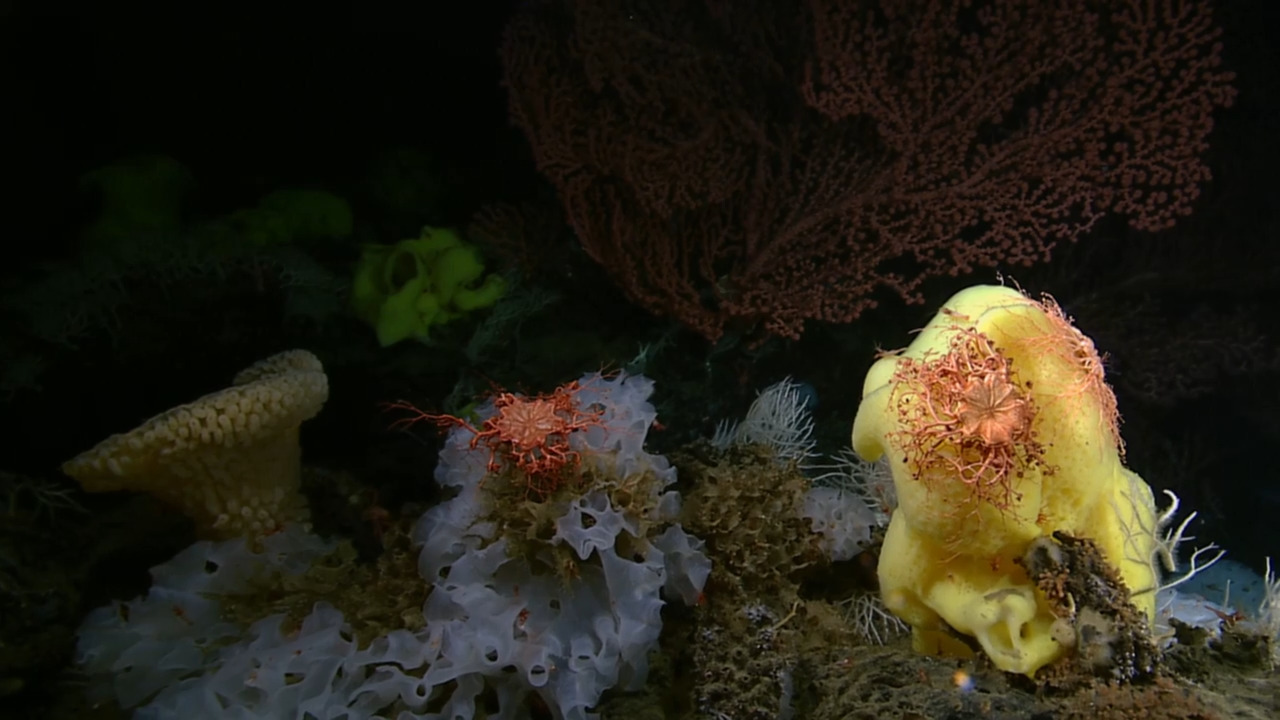
In The Unique Underwater Ecosystems of Submarine Mountains, narrator Sir David Attenborough goes deep beneath the ocean surface, where volcanic eruptions have built enormous submarine mountains — some taller than Mount Everest when measured from the seafloor. These underwater peaks create unique ecosystems, as powerful ocean currents sweep nutrients up their slopes. This influx of nutrients supports vibrant marine communities, including soft corals, whip corals, and giant sponges that filter nourishment from the water. Though these ecosystems thrive in complete darkness, they rely entirely on the energy transported by deep-sea currents. This video is excerpted from BBC’s Planet Earth, a breathtaking documentary series that highlights the natural wonders of our planet.
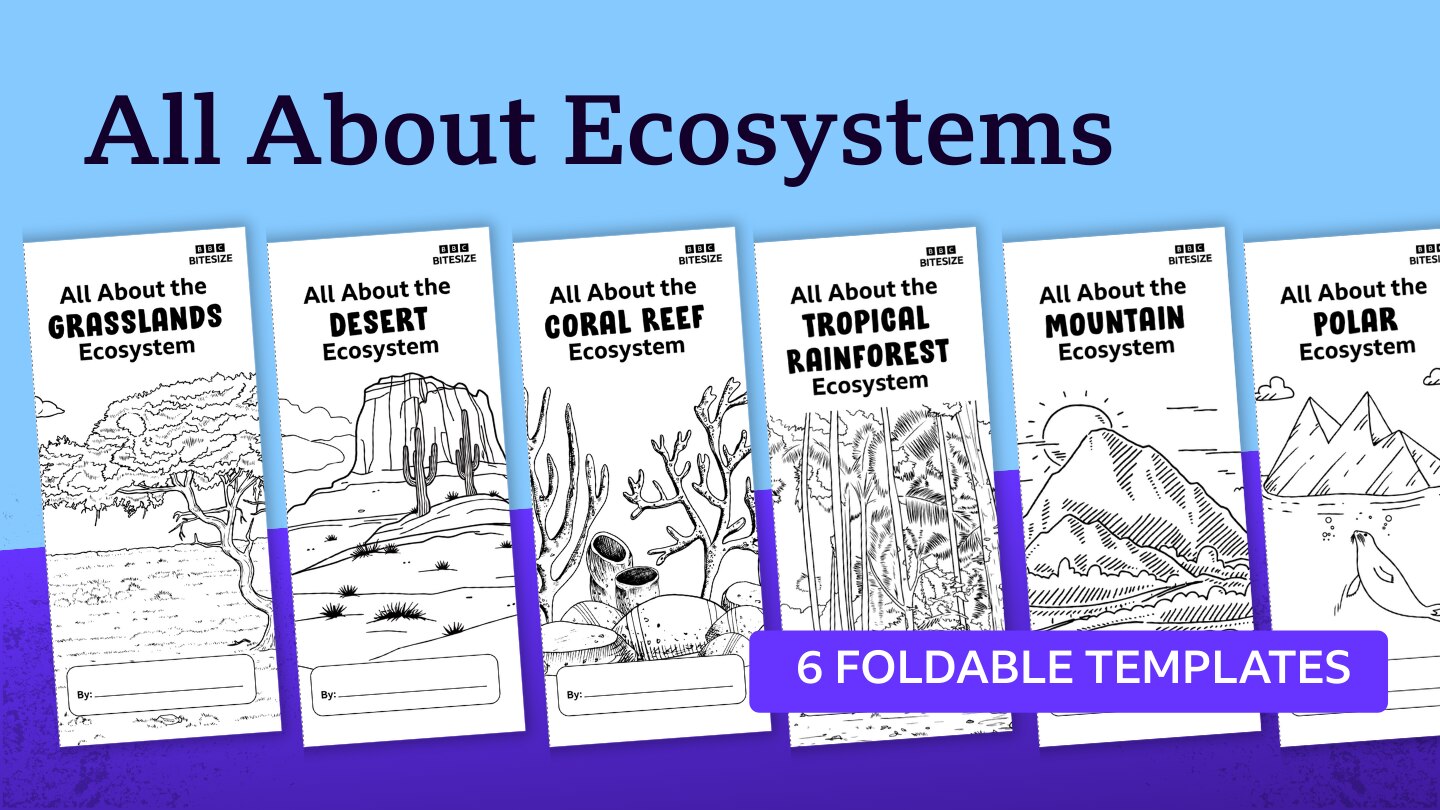
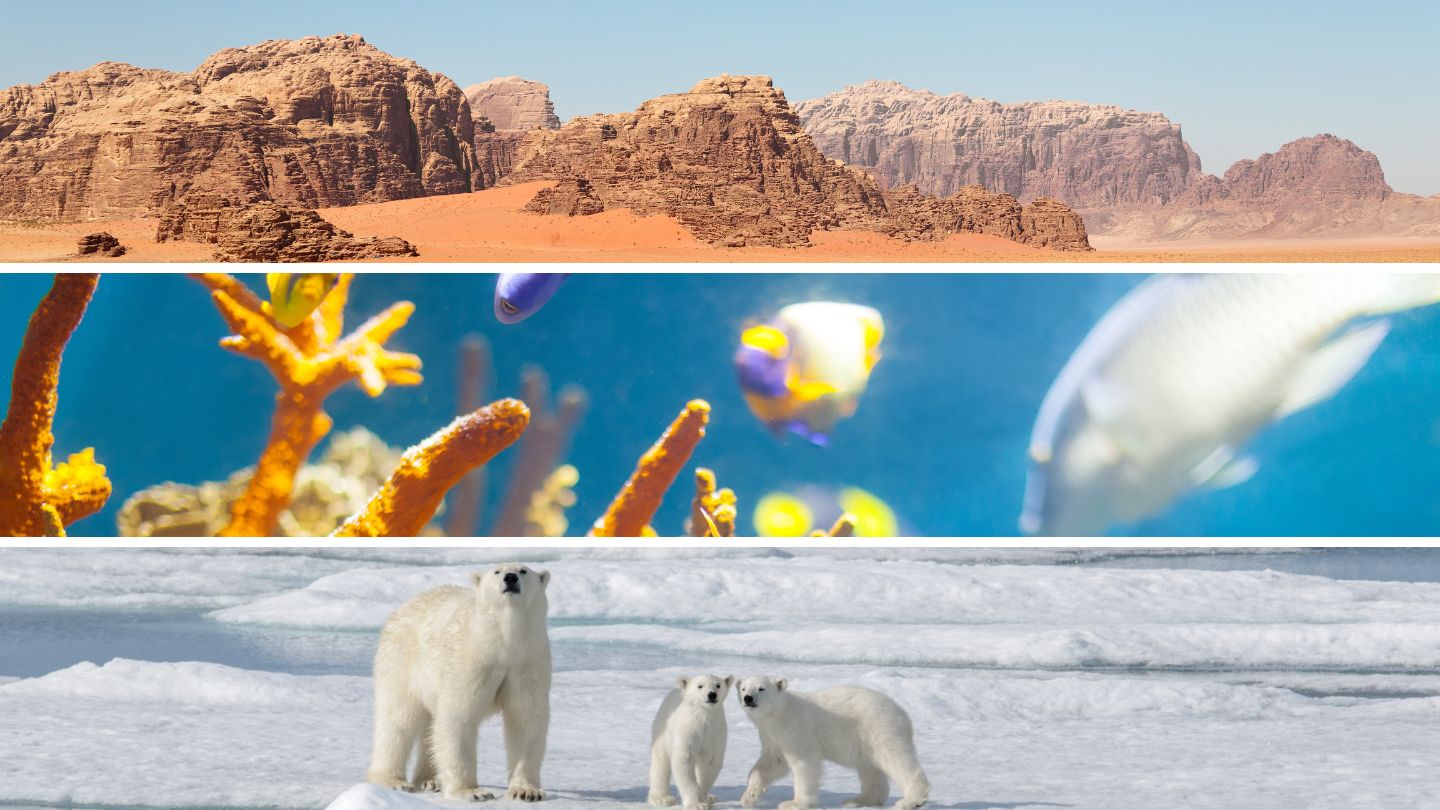
Teaching ecosystems helps students see how every living thing is connected. That's why we've created our Ecosystems Collection. We cover six ecosystems (grasslands, desert, coral reef, tropical rainforest, mountain, and polar). After watching videos on each ecosystem, challenge your students to become ecosystem experts by creating their own colorful reports filled with fascinating facts. (They’ll need to dig deeper with extra research, too!) There's a brochure template for each of the six ecosystems. Inside, students will uncover and share:
- Location of the ecosystem on a world map
- Adjectives that describe the ecosystem
- Three animals that live in the ecosystem
- Three plants that grow in the ecosystem
- The climate of the ecosystem
- What makes the ecosystem important
- Their favorite fun facts
Your students will summarize the most important details in their own words while keeping it clear and easy to understand. As they choose what to include, they’ll sharpen their ability to evaluate and combine information from different sources. Best of all, they’ll show off their creativity and communication skills by designing a brochure that’s as fun to read as it is informative!
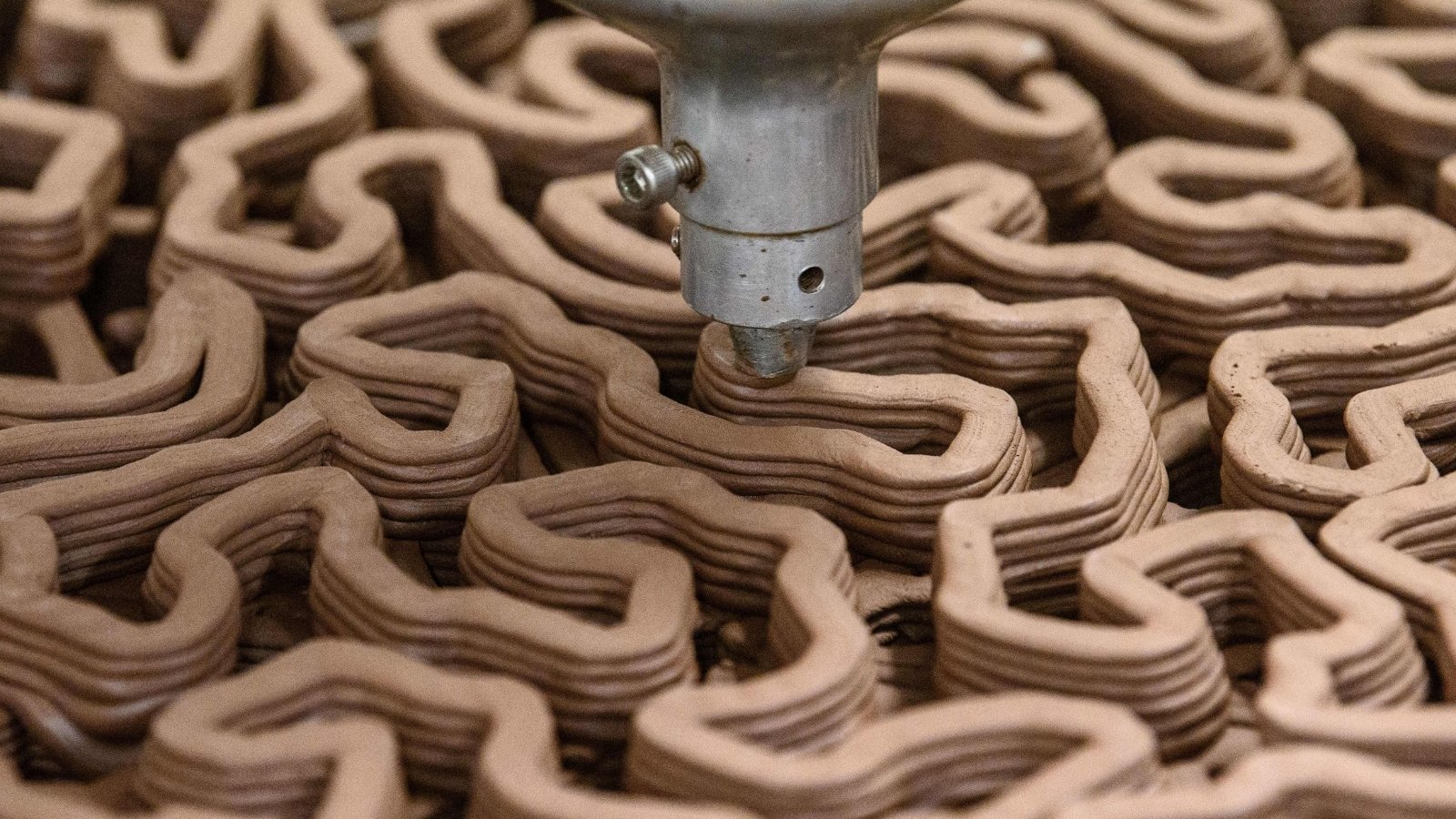
The article "3D-Printed Terracotta Reefs Offer New Hope for Saving Coral Ecosystems" from BBC's Science Focus reveals that Israeli researchers are creating detailed artificial coral reefs using 3D printing. These terracotta reefs mimic real coral shapes and offer homes for marine organisms, helping coral reefs recover. The goal is to use this technology in oceans around the world to support marine biodiversity.
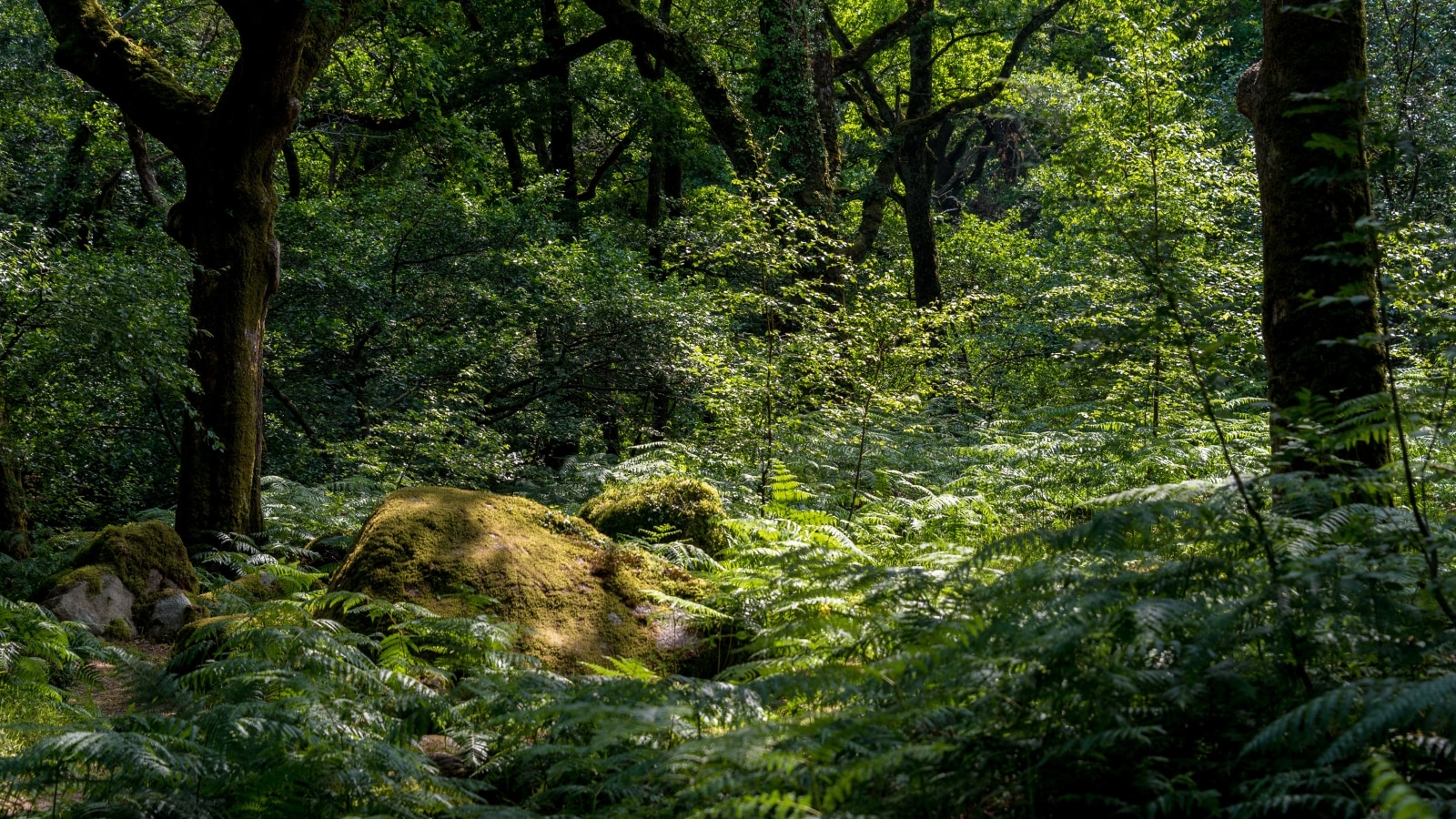
The article "Habitats and Ecosystems: Understanding Their Differences and Impact on Biodiversity" from BBC's Discover Wildlife explains the differences between habitats, ecosystems, environments, and niches, as well as how these concepts affect biodiversity and the importance of understanding them for conservation efforts.
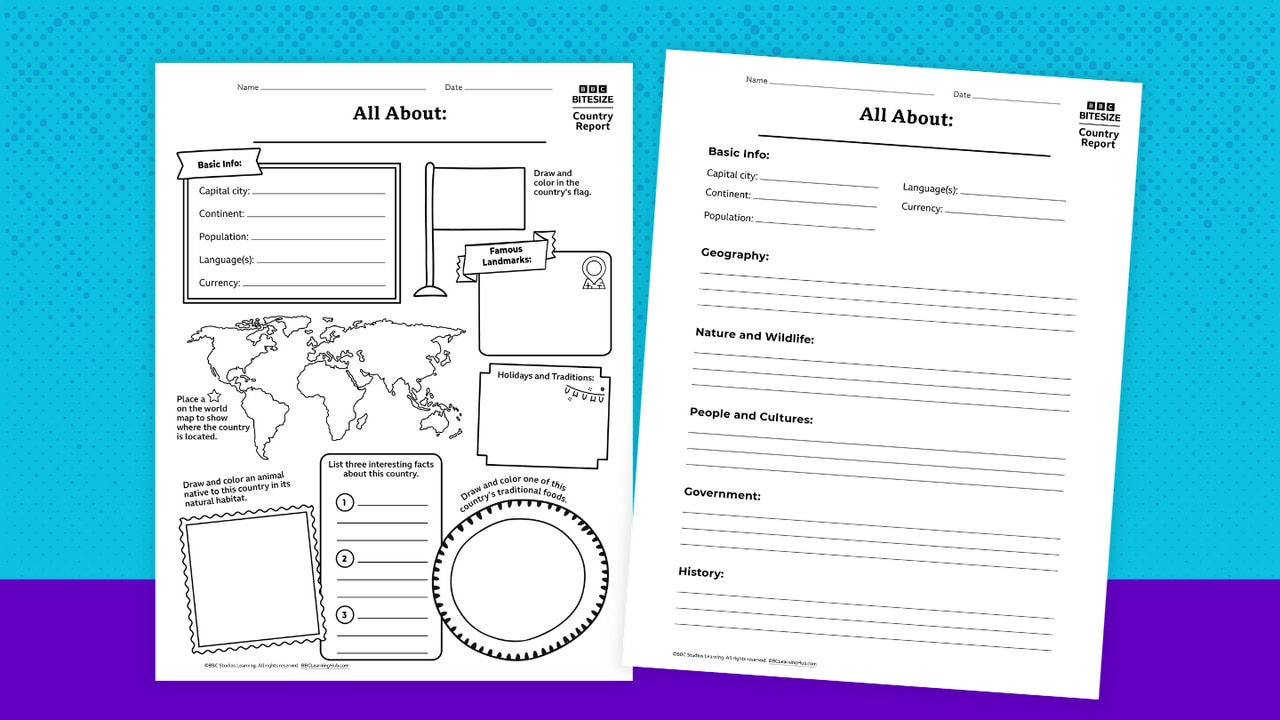
Turn your classroom into a global exploration hub! This country report template invites students in Grades 3–8 to become curious investigators — uncovering what makes each country unique and sharing their discoveries in creative ways.
Designed with flexibility in mind, the resource includes two approachable formats:
- Snapshot Style: A lively, visual option that’s perfect for quick learning or younger students. Learners can sketch, label, and highlight key features — like flags, landmarks, foods, and traditions — while building confidence with short responses.
- Explorer Style: A more in-depth format for students ready to dig deeper. It guides learners through topics such as geography, wildlife, culture, and history, helping them organize ideas and develop clear, informative writing.
Best of all, this template pairs seamlessly with BBC videos — bringing countries to life through real-world sights, sounds, and stories. Students can watch, wonder, and then weave what they’ve learned into their own reports.
Quick Teacher Tips: Use country studies as a springboard into wider learning across subjects:
- Geography: Map skills, climate zones, landforms, and ecosystems
- Language Arts: Informational writing, summarizing, note-taking, and presenting
- History: Key events, timelines, and how the past shapes the present
- Math: Population comparisons, distances, currency conversions
- Arts & Culture: Traditional patterns, music, celebrations, and food
- Current Events: Tie in informational reading and media literacy by exploring what’s happening in that country today in an age-appropriate way.
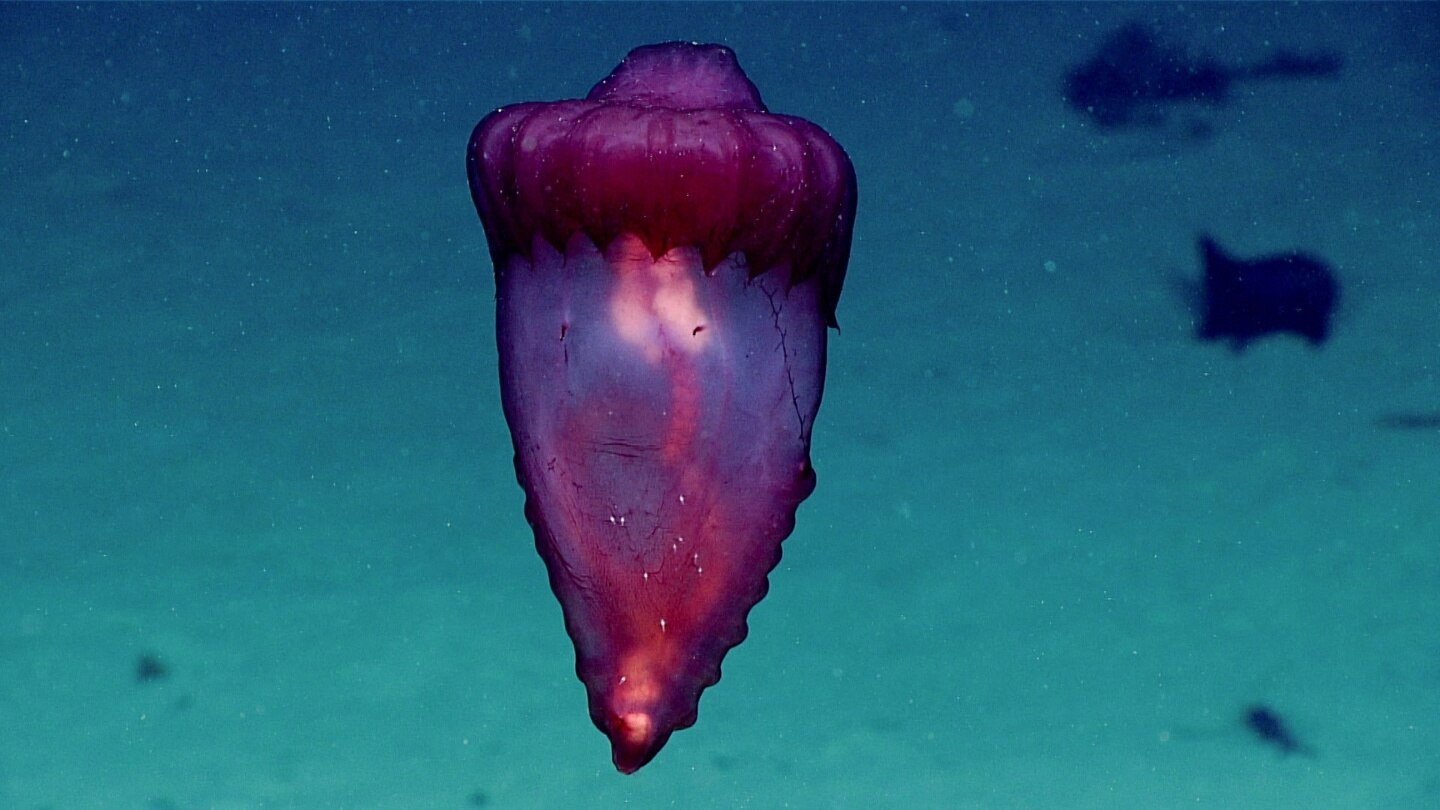
The article "The Poop-Propelled "Headless Chicken Monster" of the Deep Sea" from BBC's Science Focus explores the Enypniastes eximia, a bizarre deep-sea sea cucumber. This transparent, glowing creature feeds on marine snow and can shed its skin to evade predators, playing a crucial role in deep-sea ecosystems.
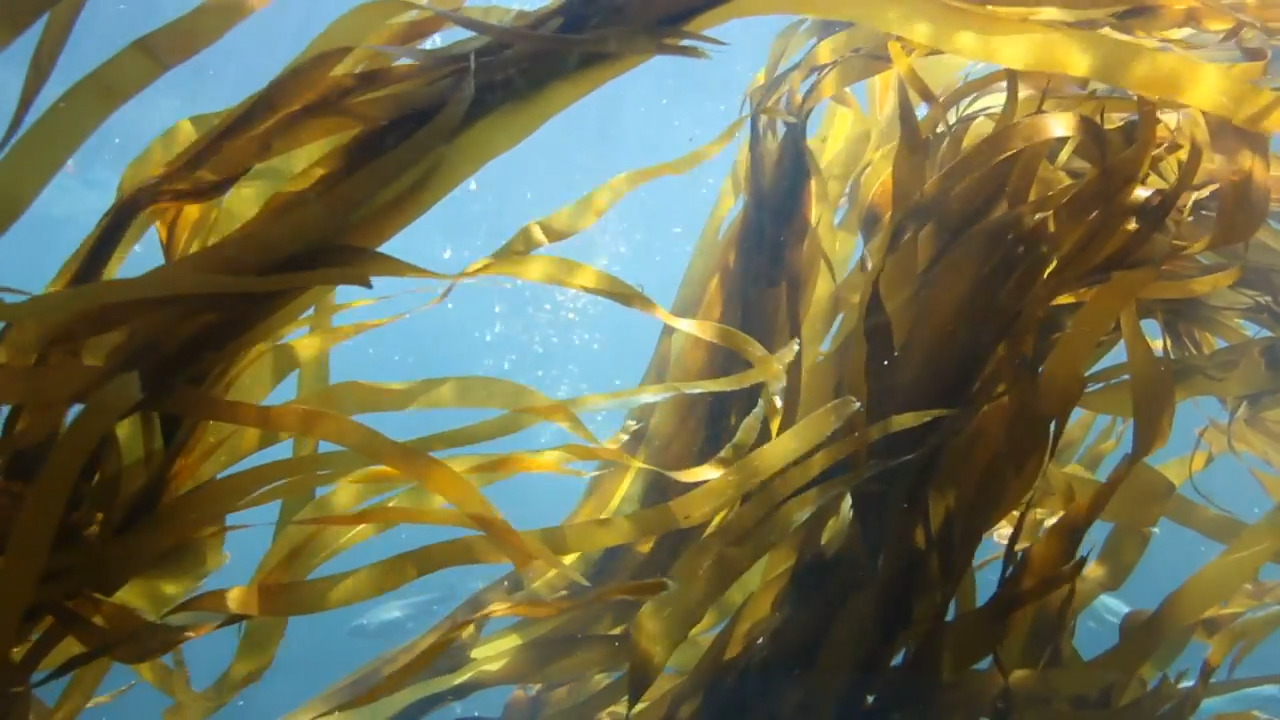
Scientists are exploring an interesting idea: what if we could replace regular plastic with something made from seaweed?
Unlike traditional plastic — which is made from fossil fuels and can take hundreds of years to break down — seaweed-based plastic is designed to decompose naturally over time. That means it could help reduce the amount of plastic waste that ends up in oceans and landfills.
But there are still challenges. Right now, seaweed plastic is expensive to produce — somewhere between two and 10 times more costly than plastic. Scientists are also working on how to grow more seaweed efficiently and make sure large-scale farming doesn’t harm ocean ecosystems.
So while seaweed plastic isn’t widely used yet, it’s a promising idea that could help tackle one of the world’s biggest pollution problems.
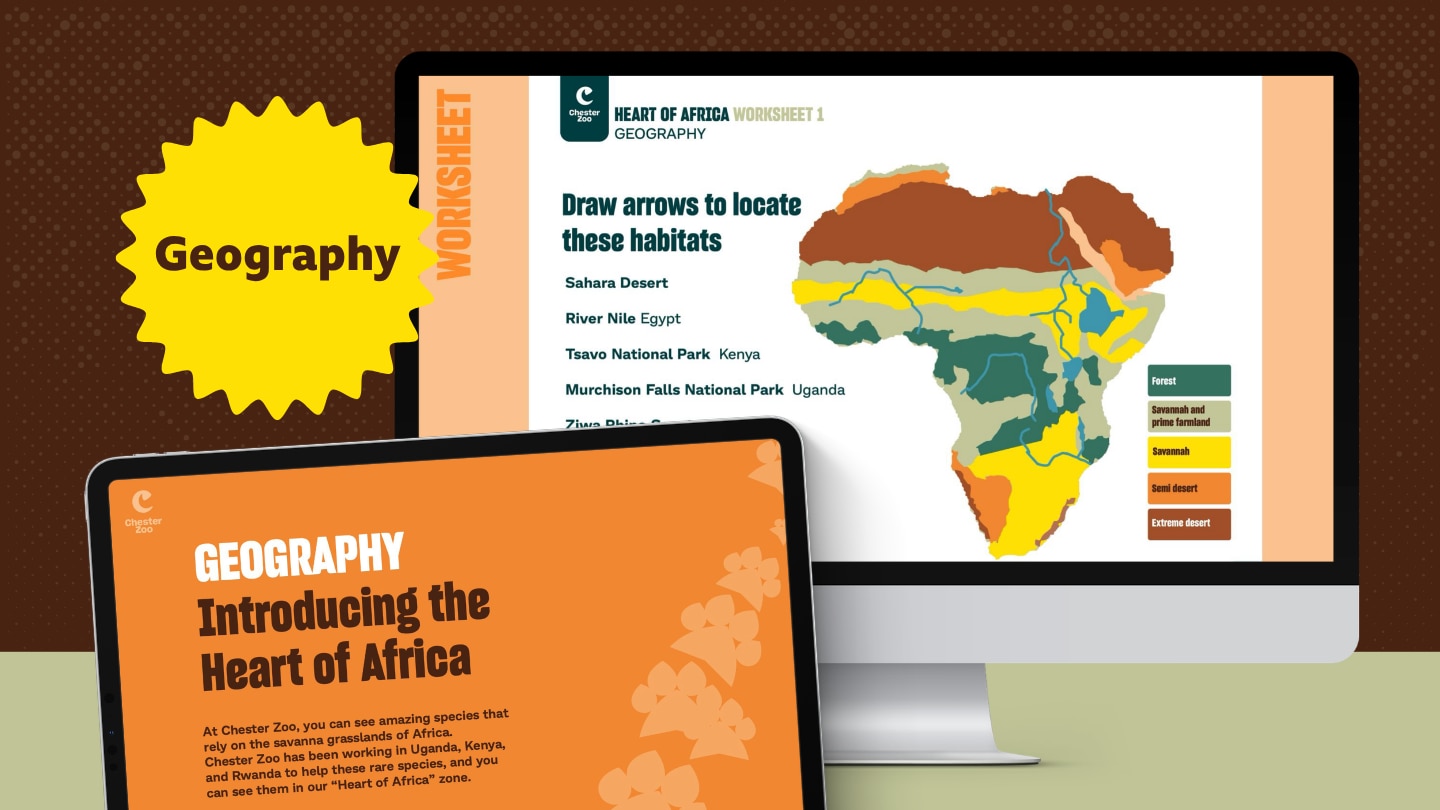
Discover the Heart of Africa! From sweeping savannas and deserts to forests, mountains, and mighty rivers, Africa is home to an incredible variety of landscapes — and an equally incredible variety of wildlife. Travel across the continent with Chester Zoo to explore some of its most fascinating habitats and discover how geography shapes the animals and people who live there.
Explore the countries and landscapes that make up Africa, identify different habitats, and see what makes each one unique. Then zoom in on the savanna to investigate its climate and discover what life is like in one of the world's most iconic ecosystems.
But the savanna is changing. Learn how shifts in climate are affecting this landscape and the wildlife that depends on it, and discover ways people can help protect these important habitats. Along the way, you'll build your geography skills while seeing Africa — and its wildlife — in a whole new way
Don't miss the geography worksheets that go with this lesson!
In The Unique Underwater Ecosystems of Submarine Mountains, narrator Sir David Attenborough goes deep beneath the ocean surface, where volcanic eruptions have built enormous submarine mountains — some taller than Mount Everest when measured from the seafloor. These underwater peaks create unique ecosystems, as powerful ocean currents sweep nutrients up their slopes. This influx of nutrients supports vibrant marine communities, including soft corals, whip corals, and giant sponges that filter nourishment from the water. Though these ecosystems thrive in complete darkness, they rely entirely on the energy transported by deep-sea currents. This video is excerpted from BBC’s Planet Earth, a breathtaking documentary series that highlights the natural wonders of our planet.
Teaching ecosystems helps students see how every living thing is connected. That's why we've created our Ecosystems Collection. We cover six ecosystems (grasslands, desert, coral reef, tropical rainforest, mountain, and polar). After watching videos on each ecosystem, challenge your students to become ecosystem experts by creating their own colorful reports filled with fascinating facts. (They’ll need to dig deeper with extra research, too!) There's a brochure template for each of the six ecosystems. Inside, students will uncover and share:
- Location of the ecosystem on a world map
- Adjectives that describe the ecosystem
- Three animals that live in the ecosystem
- Three plants that grow in the ecosystem
- The climate of the ecosystem
- What makes the ecosystem important
- Their favorite fun facts
Your students will summarize the most important details in their own words while keeping it clear and easy to understand. As they choose what to include, they’ll sharpen their ability to evaluate and combine information from different sources. Best of all, they’ll show off their creativity and communication skills by designing a brochure that’s as fun to read as it is informative!
The article "3D-Printed Terracotta Reefs Offer New Hope for Saving Coral Ecosystems" from BBC's Science Focus reveals that Israeli researchers are creating detailed artificial coral reefs using 3D printing. These terracotta reefs mimic real coral shapes and offer homes for marine organisms, helping coral reefs recover. The goal is to use this technology in oceans around the world to support marine biodiversity.
The article "Habitats and Ecosystems: Understanding Their Differences and Impact on Biodiversity" from BBC's Discover Wildlife explains the differences between habitats, ecosystems, environments, and niches, as well as how these concepts affect biodiversity and the importance of understanding them for conservation efforts.
Turn your classroom into a global exploration hub! This country report template invites students in Grades 3–8 to become curious investigators — uncovering what makes each country unique and sharing their discoveries in creative ways.
Designed with flexibility in mind, the resource includes two approachable formats:
- Snapshot Style: A lively, visual option that’s perfect for quick learning or younger students. Learners can sketch, label, and highlight key features — like flags, landmarks, foods, and traditions — while building confidence with short responses.
- Explorer Style: A more in-depth format for students ready to dig deeper. It guides learners through topics such as geography, wildlife, culture, and history, helping them organize ideas and develop clear, informative writing.
Best of all, this template pairs seamlessly with BBC videos — bringing countries to life through real-world sights, sounds, and stories. Students can watch, wonder, and then weave what they’ve learned into their own reports.
Quick Teacher Tips: Use country studies as a springboard into wider learning across subjects:
- Geography: Map skills, climate zones, landforms, and ecosystems
- Language Arts: Informational writing, summarizing, note-taking, and presenting
- History: Key events, timelines, and how the past shapes the present
- Math: Population comparisons, distances, currency conversions
- Arts & Culture: Traditional patterns, music, celebrations, and food
- Current Events: Tie in informational reading and media literacy by exploring what’s happening in that country today in an age-appropriate way.
The article "The Poop-Propelled "Headless Chicken Monster" of the Deep Sea" from BBC's Science Focus explores the Enypniastes eximia, a bizarre deep-sea sea cucumber. This transparent, glowing creature feeds on marine snow and can shed its skin to evade predators, playing a crucial role in deep-sea ecosystems.
Scientists are exploring an interesting idea: what if we could replace regular plastic with something made from seaweed?
Unlike traditional plastic — which is made from fossil fuels and can take hundreds of years to break down — seaweed-based plastic is designed to decompose naturally over time. That means it could help reduce the amount of plastic waste that ends up in oceans and landfills.
But there are still challenges. Right now, seaweed plastic is expensive to produce — somewhere between two and 10 times more costly than plastic. Scientists are also working on how to grow more seaweed efficiently and make sure large-scale farming doesn’t harm ocean ecosystems.
So while seaweed plastic isn’t widely used yet, it’s a promising idea that could help tackle one of the world’s biggest pollution problems.
Discover the Heart of Africa! From sweeping savannas and deserts to forests, mountains, and mighty rivers, Africa is home to an incredible variety of landscapes — and an equally incredible variety of wildlife. Travel across the continent with Chester Zoo to explore some of its most fascinating habitats and discover how geography shapes the animals and people who live there.
Explore the countries and landscapes that make up Africa, identify different habitats, and see what makes each one unique. Then zoom in on the savanna to investigate its climate and discover what life is like in one of the world's most iconic ecosystems.
But the savanna is changing. Learn how shifts in climate are affecting this landscape and the wildlife that depends on it, and discover ways people can help protect these important habitats. Along the way, you'll build your geography skills while seeing Africa — and its wildlife — in a whole new way
Don't miss the geography worksheets that go with this lesson!