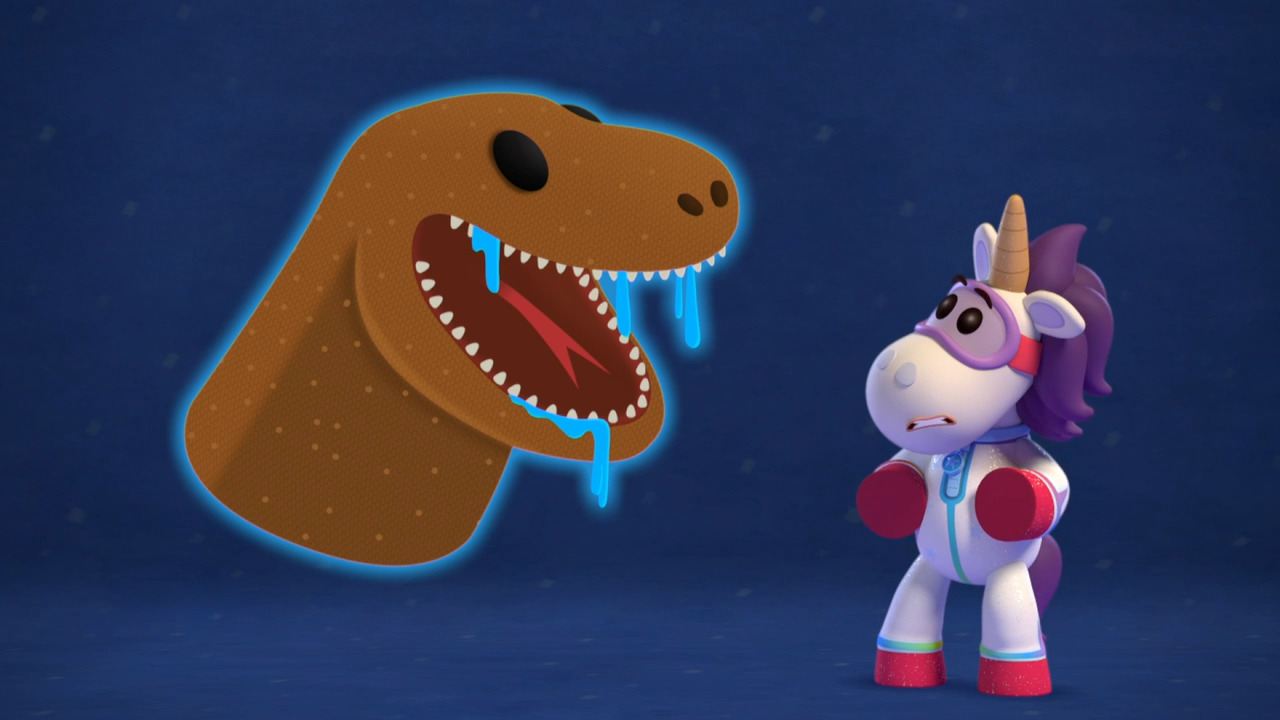
In The Go Jetters Meet the Biggest Lizards on Earth: Komodo Dragons!, the Go Jetters crew heads to Komodo National Park in Indonesia, home to the amazing Komodo dragons! These giant lizards can grow as long as a car and have sharp teeth and bad breath. Learn how baby Komodo dragons live in trees until they’re big enough to join the large, powerful dragons on the ground. This video is excerpted from BBC’s Go Jetters, a series that follows the adventures of four plucky international heroes as they travel the globe visiting the world’s most famous landmarks with their friend and mentor, Ubercorn, a disco-dancing unicorn.
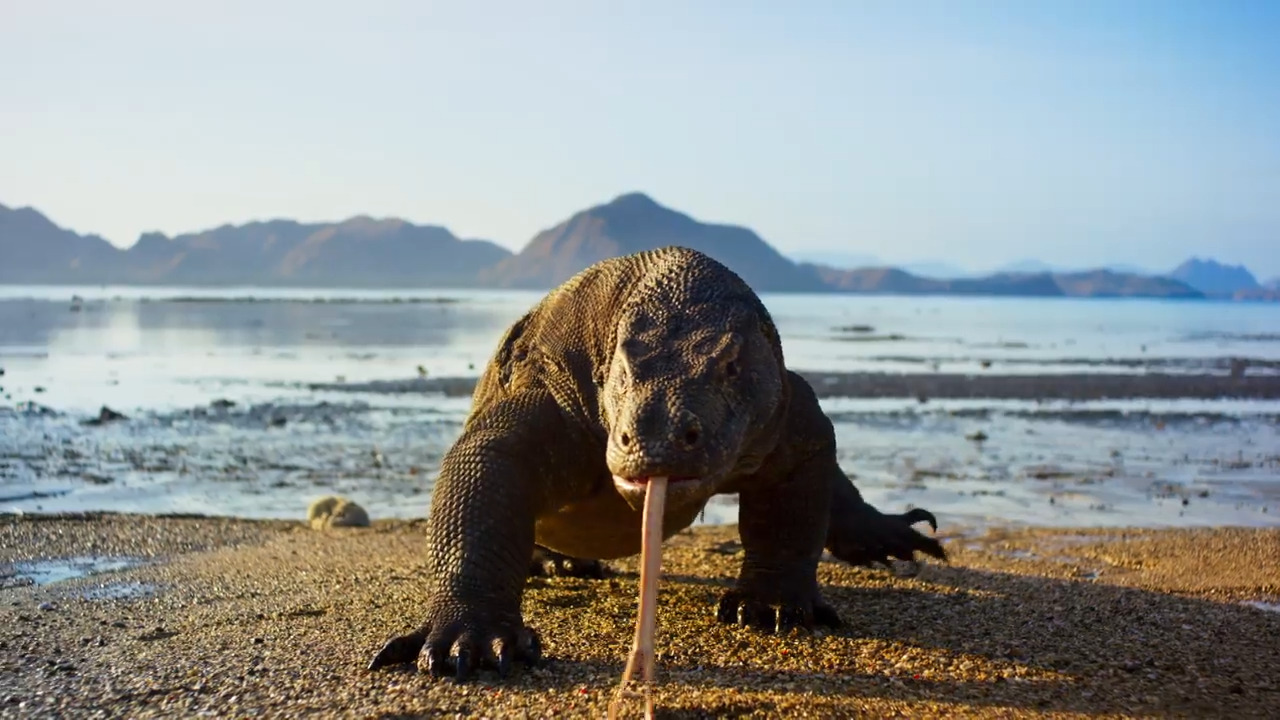
In Battles of the Komodo Dragons, narrator Sir David Attenborough describes the dramatic clashes between these apex predators on Komodo Island. From battles for territory to fierce competition for food and mates, Komodo dragons use their immense strength and strategy to dominate their environment. This video is excerpted from BBC’s Planet Earth II, a breathtaking documentary series that highlights the natural wonders of our planet.
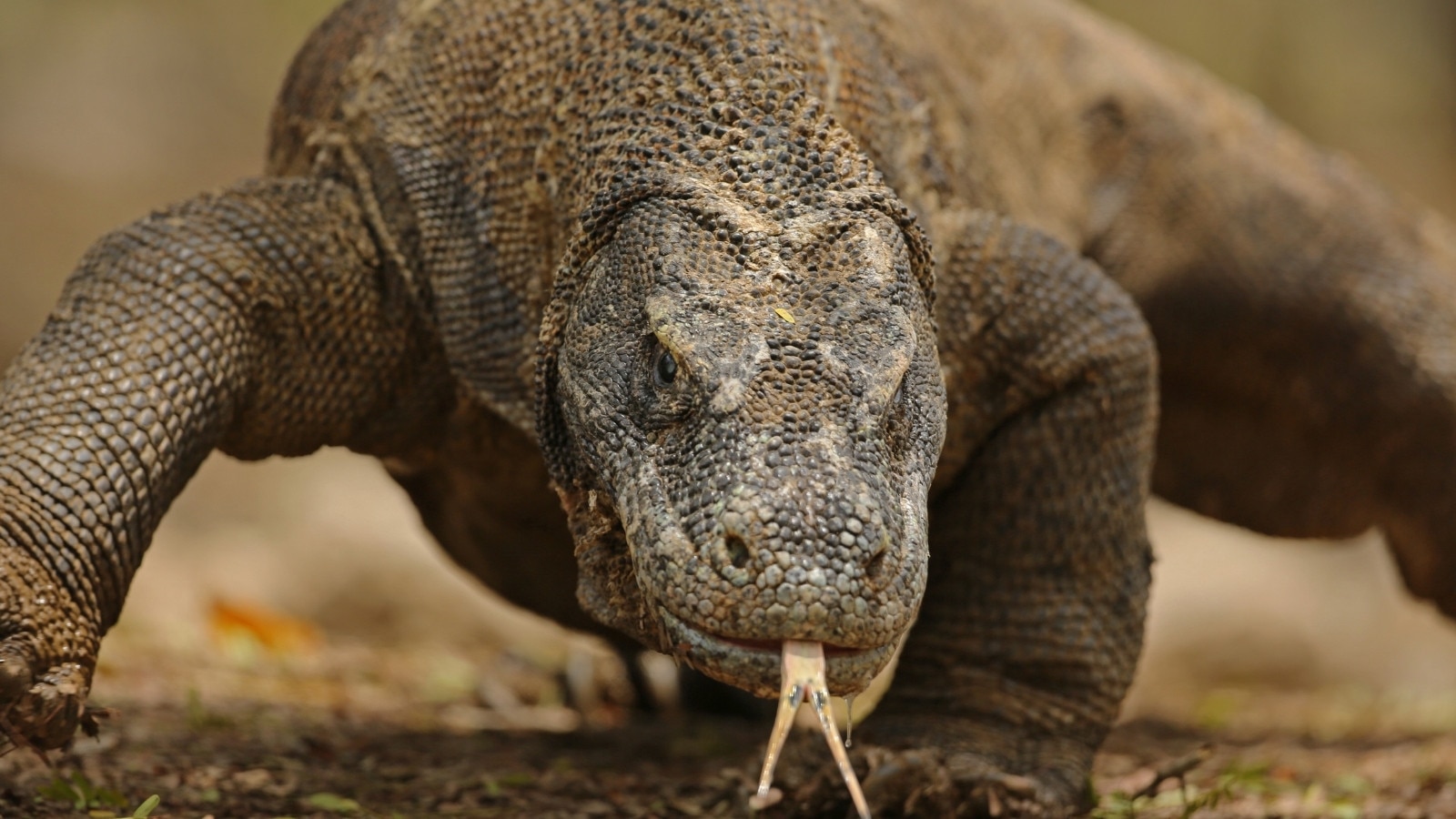
The article "Komodo Dragons: Nature’s Giant Venomous Predators" from BBC's Discover Wildlife delves into the biology and ecology of the world's largest lizard. It covers their impressive size, unique venomous bite, dietary habits, reproductive strategies, and the threats leading to their endangered status, including habitat loss and climate change.
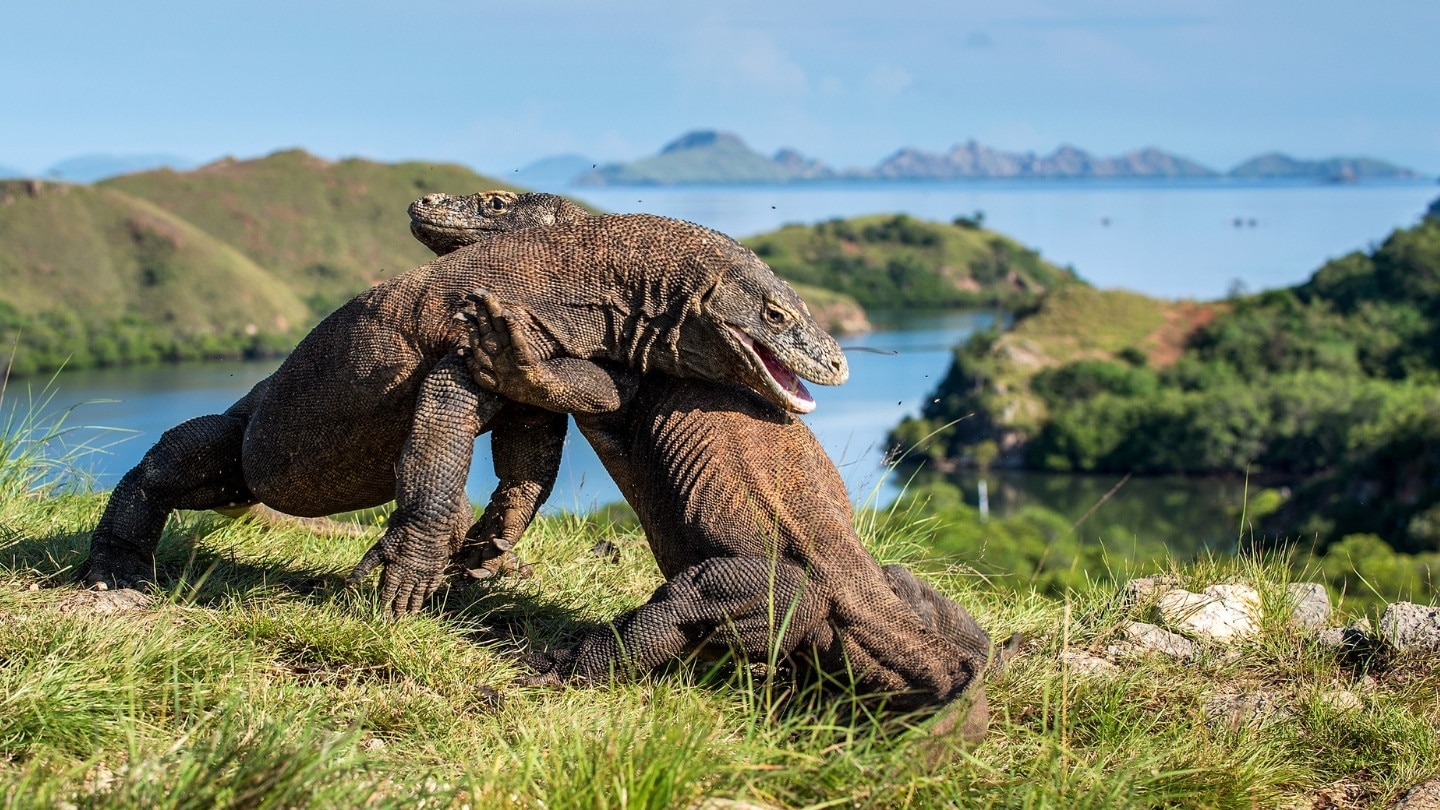
The article "Iron-Coated Teeth: The Secret of Komodo Dragons" from BBC's Discover Wildlife reveals that Komodo dragons have iron-coated serrated teeth, allowing them to efficiently rip through prey. The discovery sheds light on the hunting techniques of these giant lizards and may even offer clues about the feeding habits of ancient predators like the T. rex.
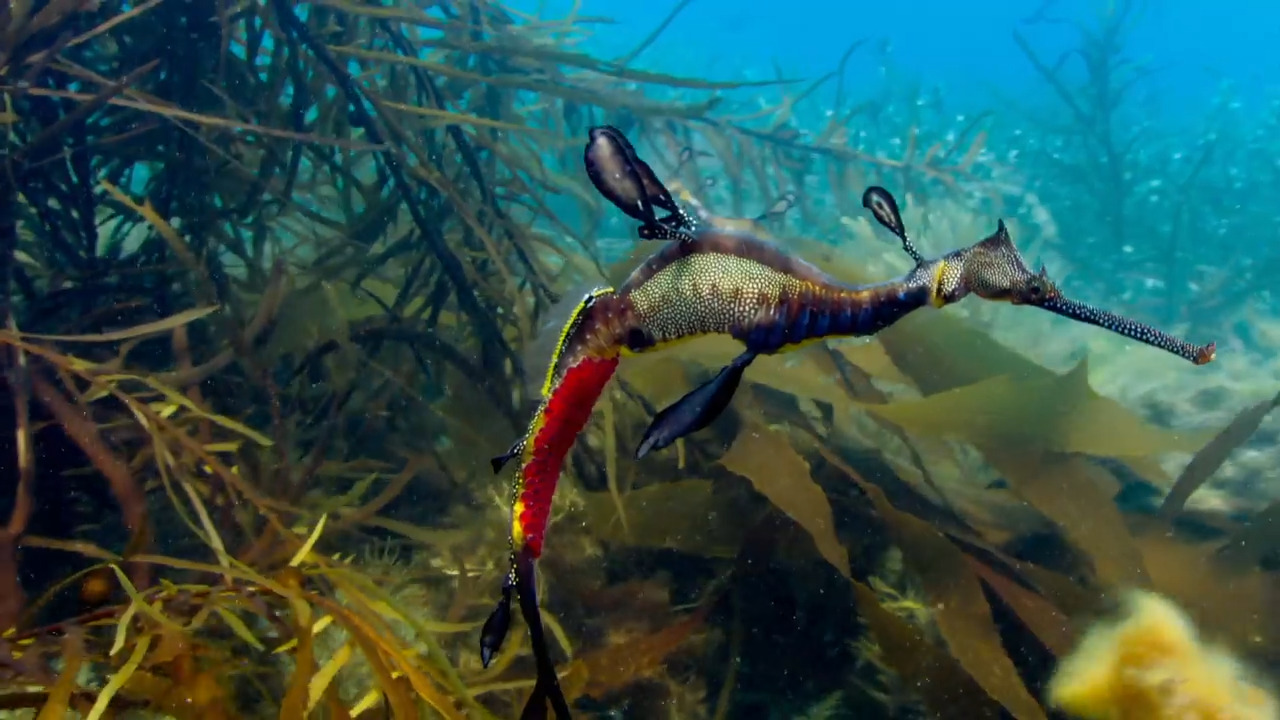
In The Weedy Sea Dragon’s Daddy Daycare, narrator Sir David Attenborough explains how male weedy sea dragons care for their young. This video is excerpted from BBC’s Blue Planet II, a natural history series that explores the world's oceans, the animals that live in them, and the threats they face, using modern filming techniques and equipment to capture previously unseen areas of the ocean.
In The Go Jetters Meet the Biggest Lizards on Earth: Komodo Dragons!, the Go Jetters crew heads to Komodo National Park in Indonesia, home to the amazing Komodo dragons! These giant lizards can grow as long as a car and have sharp teeth and bad breath. Learn how baby Komodo dragons live in trees until they’re big enough to join the large, powerful dragons on the ground. This video is excerpted from BBC’s Go Jetters, a series that follows the adventures of four plucky international heroes as they travel the globe visiting the world’s most famous landmarks with their friend and mentor, Ubercorn, a disco-dancing unicorn.
In Battles of the Komodo Dragons, narrator Sir David Attenborough describes the dramatic clashes between these apex predators on Komodo Island. From battles for territory to fierce competition for food and mates, Komodo dragons use their immense strength and strategy to dominate their environment. This video is excerpted from BBC’s Planet Earth II, a breathtaking documentary series that highlights the natural wonders of our planet.
The article "Komodo Dragons: Nature’s Giant Venomous Predators" from BBC's Discover Wildlife delves into the biology and ecology of the world's largest lizard. It covers their impressive size, unique venomous bite, dietary habits, reproductive strategies, and the threats leading to their endangered status, including habitat loss and climate change.
The article "Iron-Coated Teeth: The Secret of Komodo Dragons" from BBC's Discover Wildlife reveals that Komodo dragons have iron-coated serrated teeth, allowing them to efficiently rip through prey. The discovery sheds light on the hunting techniques of these giant lizards and may even offer clues about the feeding habits of ancient predators like the T. rex.
In The Weedy Sea Dragon’s Daddy Daycare, narrator Sir David Attenborough explains how male weedy sea dragons care for their young. This video is excerpted from BBC’s Blue Planet II, a natural history series that explores the world's oceans, the animals that live in them, and the threats they face, using modern filming techniques and equipment to capture previously unseen areas of the ocean.