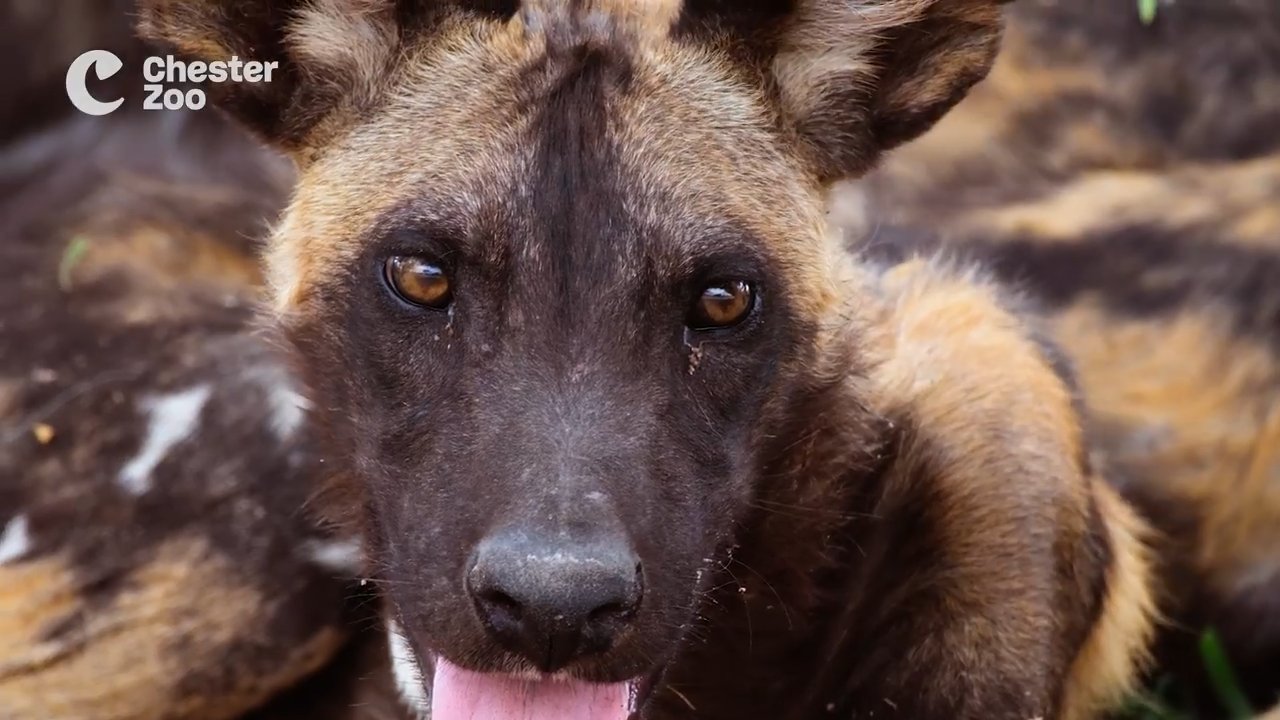
Built for speed, endurance, and teamwork, African wild dogs are among the most successful hunters in the animal kingdom. Their incredible stamina allows them to chase prey across the grassy plains and woodlands of Africa, while their close-knit packs work together with remarkable coordination to raise young, defend one another, and survive in challenging environments.
In this fact file video from Chester Zoo, discover how these fascinating predators use their unique adaptations to thrive, explore the important role they play in African ecosystems, and learn why conservation efforts are critical to protecting this endangered species for future generations.

In How Hot Dogs Came to the U.S., presenter Ruth Goodman learns the history of how the hot dog came from Germany to America, and how it got its name. Hint: It has to do with a dog. This video is excerpted from BBC’s Inside the Factory, a series that takes viewers behind the scenes in the factories that make our favorite products.

In Foods Dogs and Cats Should Avoid, host Harith Iskander discusses foods that are dangerous for pets, especially dogs and cats. For instance, chocolate contains theobromine, which is highly toxic to them, with dark chocolate being the most dangerous type. This video is excerpted from BBC’s Got Science?, a science magazine series that explores and explains science in everyday life.
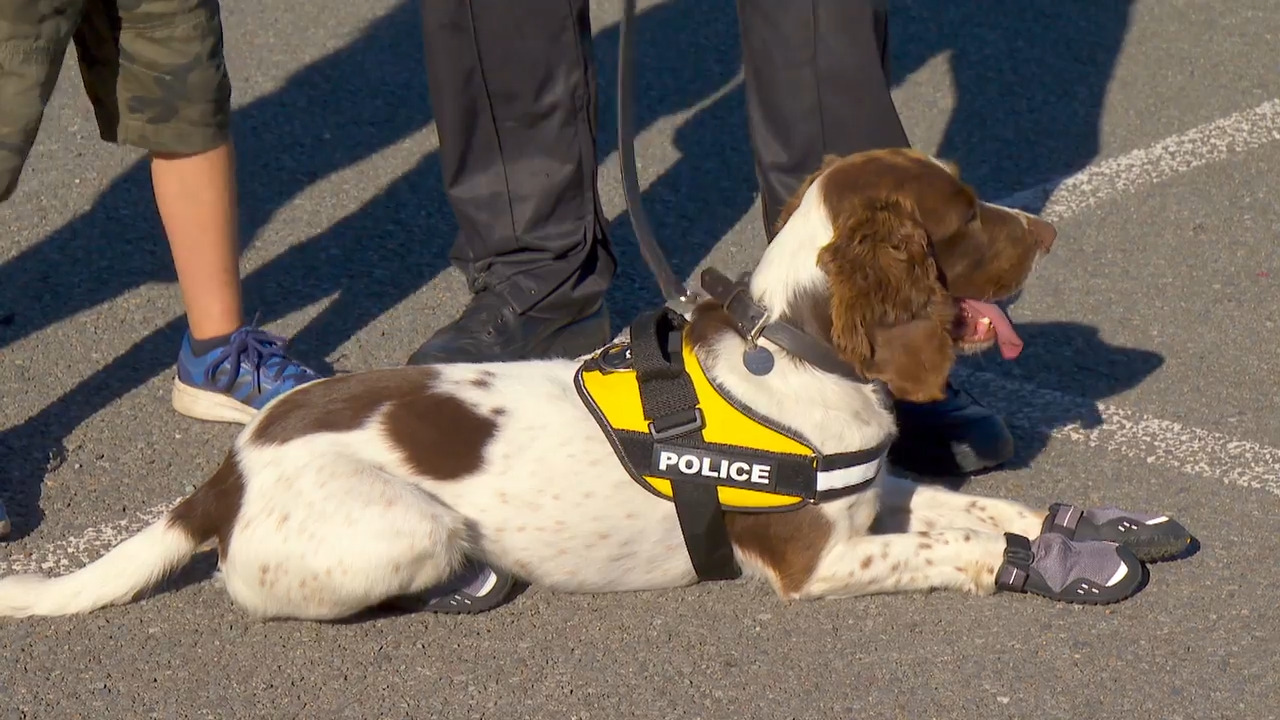
In The Secrets of a Police Dog’s Training, host Ferne Corrigan meets Scooby, the amazing springer spaniel police dog with a nose that's better than any human! Scooby wears a special harness and booties to help keep him safe while working, and to show everyone that he's on the job. Ferne Corrigan gets to watch Scooby at police dog school, where he uses his sniffing skills to find a suitcase with a secret scent hidden inside. This video is excerpted from BBC’s My Pet and Me, a children’s show that introduces kids to the rewards and responsibilities involved when having a pet.
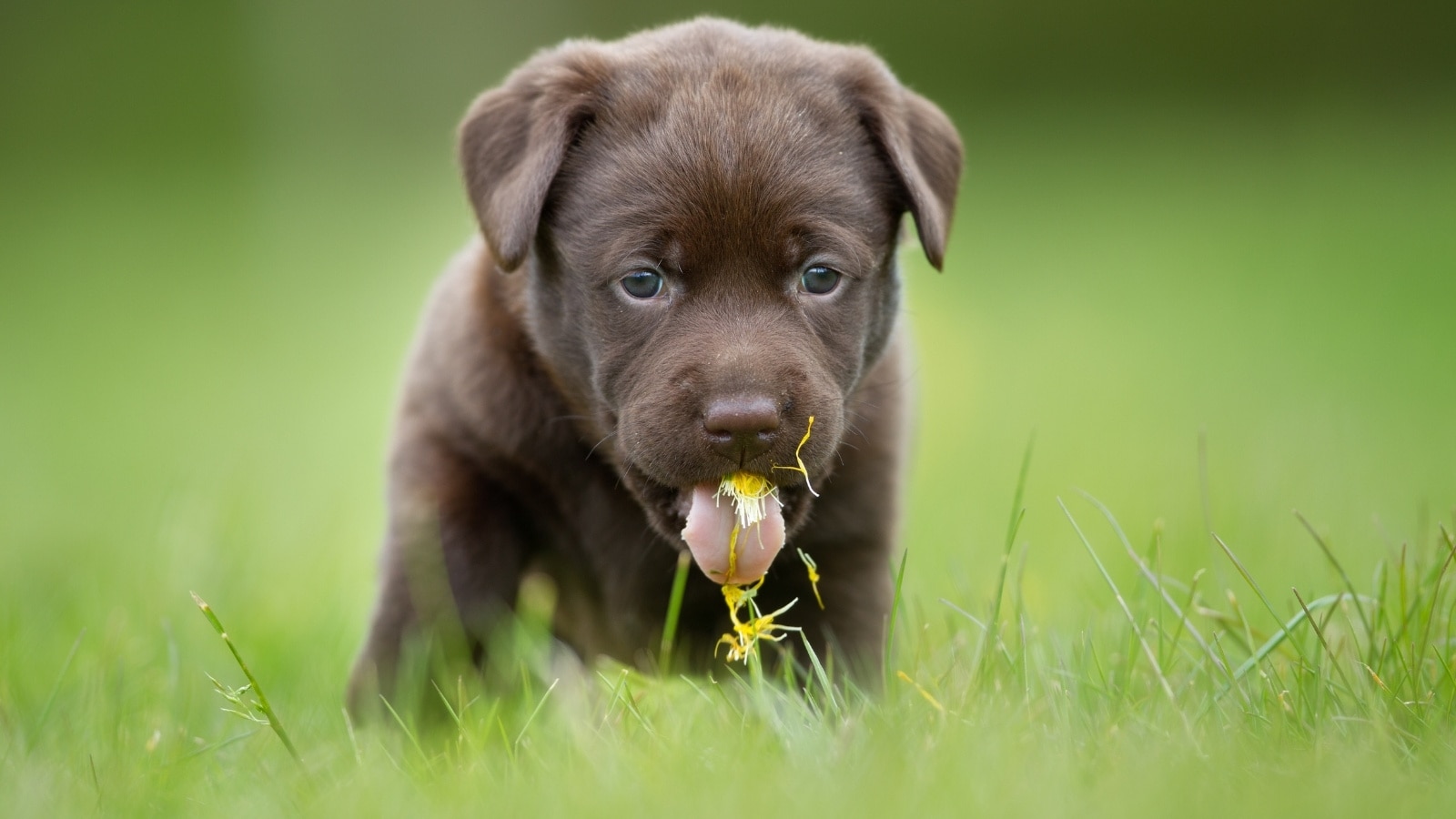
The article "Why Dogs Eat Grass (and Sometimes Poop): Strange but True!" from BBC's Science Focus explores the curious reasons behind dogs eating grass and poop. While some theories suggest anxiety, boredom, or a need for attention, others link it to diet or instinct. Canine behavior expert Dr. Emily Blackwell sheds light on these habits and how our reactions may unintentionally encourage them.
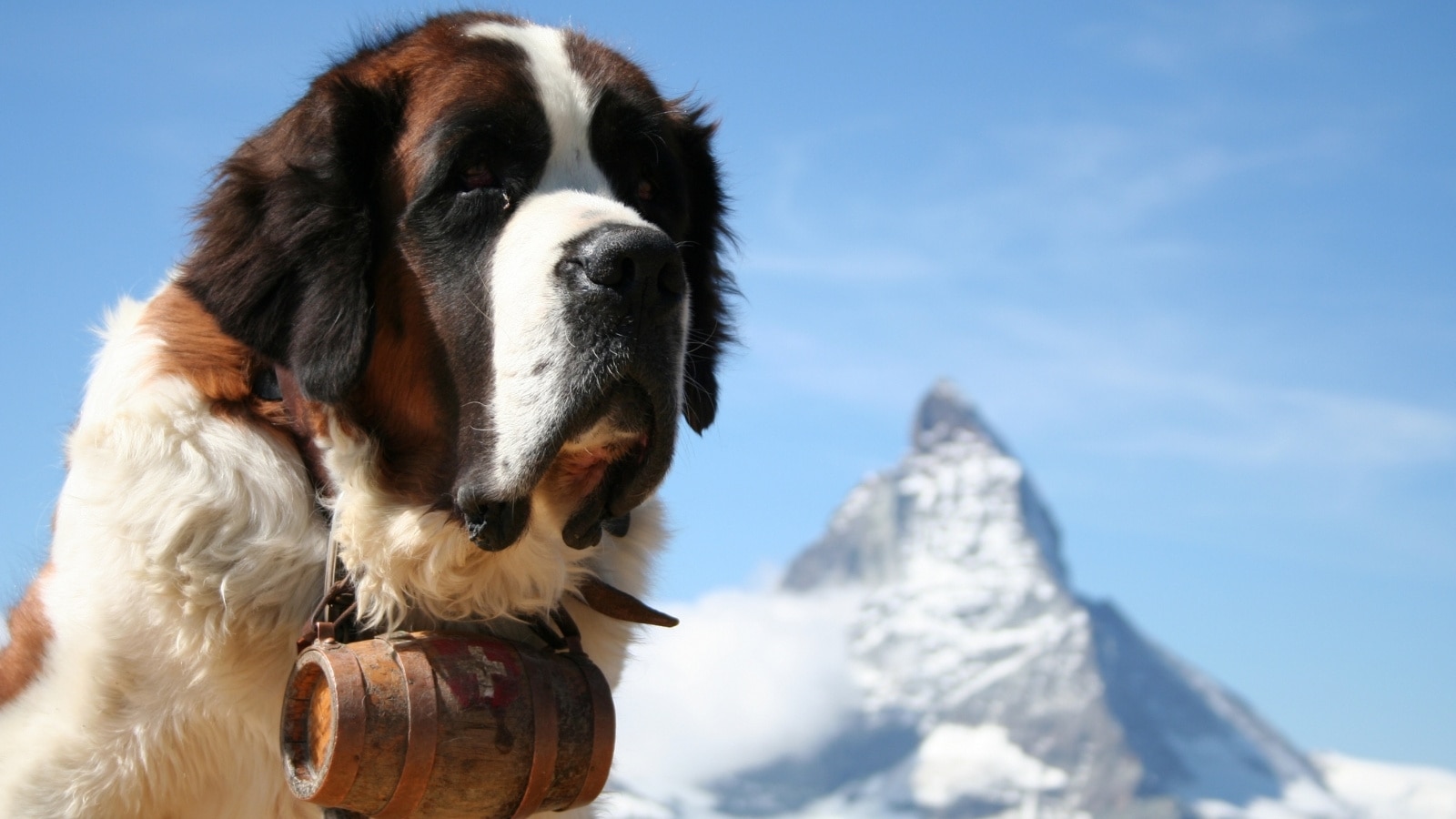
The article "What Do Mountain Rescue Search Dogs Actually Smell?" from BBC's Science Focus explains how tracking dogs use their powerful sense of smell to locate individuals. With millions of olfactory receptors, these dogs can detect skin cells, sweat, body odor, and other particles, helping them find people even in large areas.

If you were looking up at the sky during any of the World Cup games in Mexico, you may have seen a few Black Hawk helicopters. You also probably missed some good soccer. Pay attention!
But the helicopters weren’t meant to be a distraction — they were patrolling as part of the efforts to help keep the people of Monterrey, Mexico, and 300,000 visiting fans safe. The area saw a lot of crime earlier this year, so the helicopters were brought in (in addition to the more than 1,500 street cameras that peppered the stadium’s area) to protect mainly against crimes like phone theft and robbery.
Working with these cameras and helicopters were robot dogs, which patrolled the stadium using facial recognition and could detect early signs of crowd trouble and alert their masters. Some people were skeptical of the robot dogs, but at least there was no danger of them going potty on the pitch.
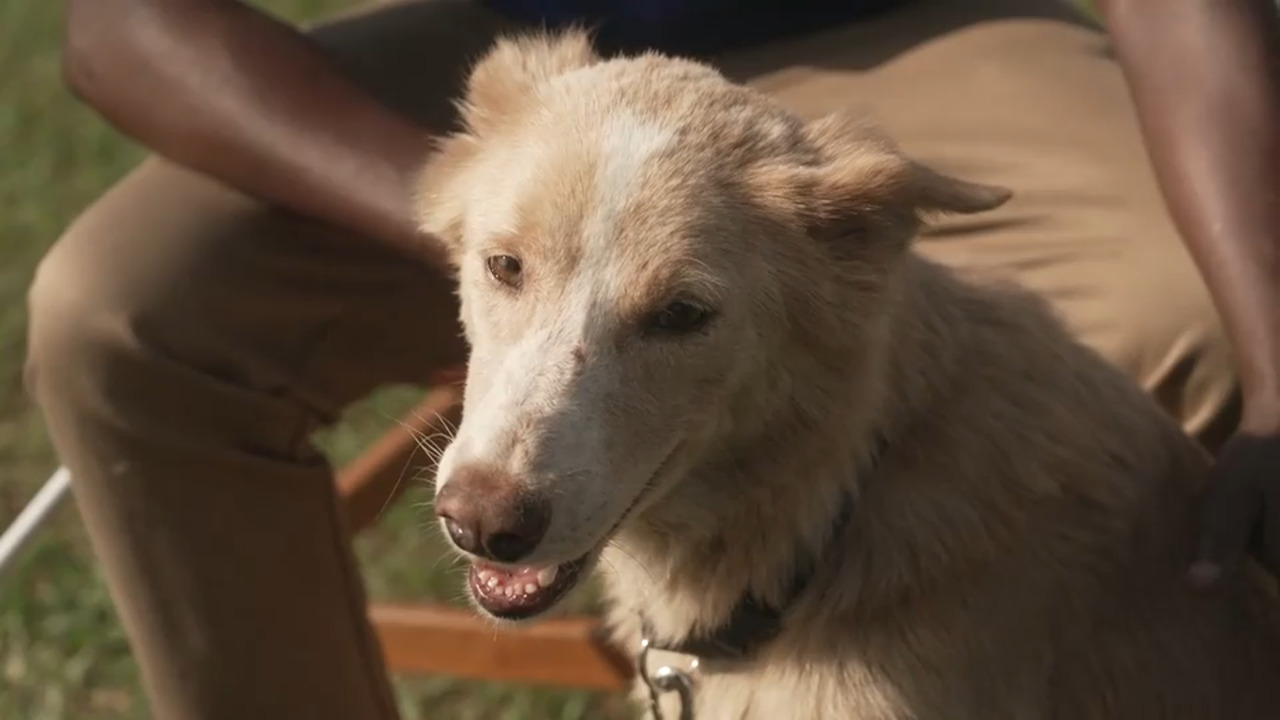
Don’t you hate it when you’re late for work, but you just can’t find your bone and lunch bag of kibble? That may be the case for a group of dogs in Gulu, Northern Uganda, who work as therapy dogs, helping people with tough upbringings navigate their trauma and adjust to a happy life. To support a population that grew up in a war (and the unsafe conditions that came with it), a charity has paired them with dogs.
What’s better? The dogs benefit, too! We’re not talking about an end-of-the-week paycheck or big office parties, but something better: overdue love and affection. All the dogs are former street dogs, so they weren’t properly cared for, and these have helped more than 120 people and dogs find healing bonds with each other.
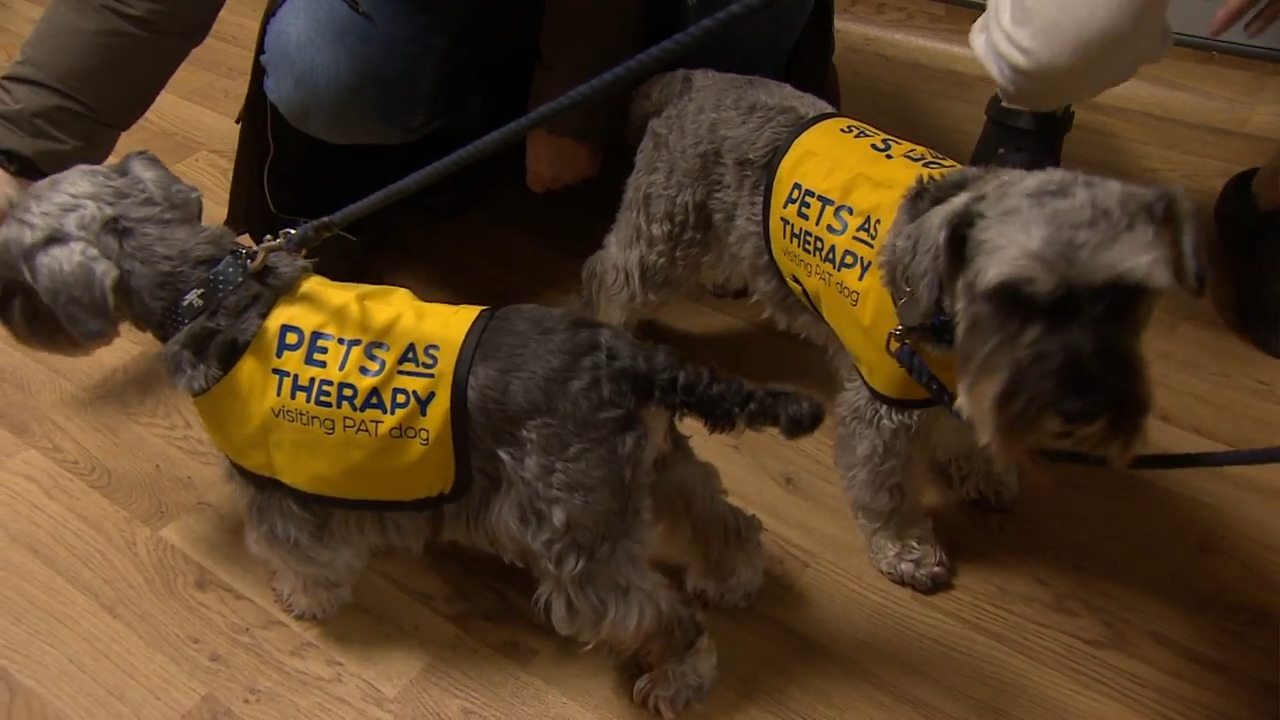
Dogs are superheroes! Well, kind of. They have a sort of superpower — an amazing ability to make people happy.
Now, they’re using that ability in hospitals to bring joy to patients, visitors, and employees who could use a smile. 11 therapy dogs make up a team that has completed over 800 hours of volunteer work at local hospitals, spreading joy to hospital staff and visitors and collecting belly scratches while they're at it. There have even been incredible reports of unconscious patients who stretch out for the dogs. Stock up on treats, because the network of hospitals hopes to add more dogs to the team soon. Thanks, Doctor! Or should we say, Dog-tor?

Ever wondered how guide dogs get their start? It begins with caring volunteers who give special “super-mom” dogs a loving home while they raise future guide dog puppies! These adorable pups spend their first few weeks cuddling, growing, and being cared for by volunteers — with help from veterinarians and all supplies covered. By 8 weeks old, they’re ready to begin training to become life-changing companions for people who need them.
Taking care of these dogs is fun, meaningful, and full of puppy snuggles. Would you want to be part of something this amazing?
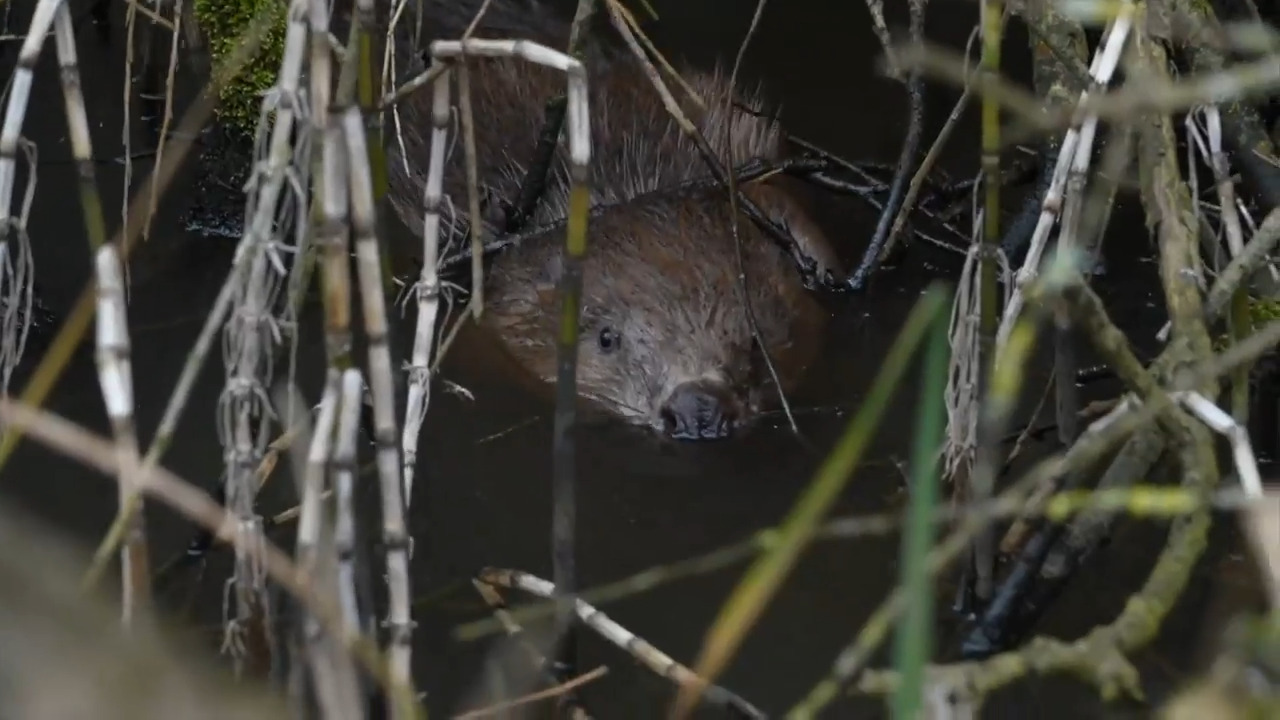
Ever think you would celebrate the return of a dog-sized rodent?! You might, if those rodents were the beavers making their way to the wetlands in Shropshire. Until recently, the area had spent its last 400 years beaver-less, after hunters depleted the beaver population for fur, meat, and scent glands.
Now, the county is excited to welcome a pair of beavers that was transported all the way from Scotland — that’s 300 miles! But why go through all of this trouble just to bring beavers back? Beavers’ list of strengths include helping to control water, creating new habitats for other creatures, managing willow tree scrub that’s drying out the surroundings, and being pretty darn cute.
Built for speed, endurance, and teamwork, African wild dogs are among the most successful hunters in the animal kingdom. Their incredible stamina allows them to chase prey across the grassy plains and woodlands of Africa, while their close-knit packs work together with remarkable coordination to raise young, defend one another, and survive in challenging environments.
In this fact file video from Chester Zoo, discover how these fascinating predators use their unique adaptations to thrive, explore the important role they play in African ecosystems, and learn why conservation efforts are critical to protecting this endangered species for future generations.
In How Hot Dogs Came to the U.S., presenter Ruth Goodman learns the history of how the hot dog came from Germany to America, and how it got its name. Hint: It has to do with a dog. This video is excerpted from BBC’s Inside the Factory, a series that takes viewers behind the scenes in the factories that make our favorite products.
In Foods Dogs and Cats Should Avoid, host Harith Iskander discusses foods that are dangerous for pets, especially dogs and cats. For instance, chocolate contains theobromine, which is highly toxic to them, with dark chocolate being the most dangerous type. This video is excerpted from BBC’s Got Science?, a science magazine series that explores and explains science in everyday life.
In The Secrets of a Police Dog’s Training, host Ferne Corrigan meets Scooby, the amazing springer spaniel police dog with a nose that's better than any human! Scooby wears a special harness and booties to help keep him safe while working, and to show everyone that he's on the job. Ferne Corrigan gets to watch Scooby at police dog school, where he uses his sniffing skills to find a suitcase with a secret scent hidden inside. This video is excerpted from BBC’s My Pet and Me, a children’s show that introduces kids to the rewards and responsibilities involved when having a pet.
The article "Why Dogs Eat Grass (and Sometimes Poop): Strange but True!" from BBC's Science Focus explores the curious reasons behind dogs eating grass and poop. While some theories suggest anxiety, boredom, or a need for attention, others link it to diet or instinct. Canine behavior expert Dr. Emily Blackwell sheds light on these habits and how our reactions may unintentionally encourage them.
The article "What Do Mountain Rescue Search Dogs Actually Smell?" from BBC's Science Focus explains how tracking dogs use their powerful sense of smell to locate individuals. With millions of olfactory receptors, these dogs can detect skin cells, sweat, body odor, and other particles, helping them find people even in large areas.
If you were looking up at the sky during any of the World Cup games in Mexico, you may have seen a few Black Hawk helicopters. You also probably missed some good soccer. Pay attention!
But the helicopters weren’t meant to be a distraction — they were patrolling as part of the efforts to help keep the people of Monterrey, Mexico, and 300,000 visiting fans safe. The area saw a lot of crime earlier this year, so the helicopters were brought in (in addition to the more than 1,500 street cameras that peppered the stadium’s area) to protect mainly against crimes like phone theft and robbery.
Working with these cameras and helicopters were robot dogs, which patrolled the stadium using facial recognition and could detect early signs of crowd trouble and alert their masters. Some people were skeptical of the robot dogs, but at least there was no danger of them going potty on the pitch.
Don’t you hate it when you’re late for work, but you just can’t find your bone and lunch bag of kibble? That may be the case for a group of dogs in Gulu, Northern Uganda, who work as therapy dogs, helping people with tough upbringings navigate their trauma and adjust to a happy life. To support a population that grew up in a war (and the unsafe conditions that came with it), a charity has paired them with dogs.
What’s better? The dogs benefit, too! We’re not talking about an end-of-the-week paycheck or big office parties, but something better: overdue love and affection. All the dogs are former street dogs, so they weren’t properly cared for, and these have helped more than 120 people and dogs find healing bonds with each other.
Dogs are superheroes! Well, kind of. They have a sort of superpower — an amazing ability to make people happy.
Now, they’re using that ability in hospitals to bring joy to patients, visitors, and employees who could use a smile. 11 therapy dogs make up a team that has completed over 800 hours of volunteer work at local hospitals, spreading joy to hospital staff and visitors and collecting belly scratches while they're at it. There have even been incredible reports of unconscious patients who stretch out for the dogs. Stock up on treats, because the network of hospitals hopes to add more dogs to the team soon. Thanks, Doctor! Or should we say, Dog-tor?
Ever wondered how guide dogs get their start? It begins with caring volunteers who give special “super-mom” dogs a loving home while they raise future guide dog puppies! These adorable pups spend their first few weeks cuddling, growing, and being cared for by volunteers — with help from veterinarians and all supplies covered. By 8 weeks old, they’re ready to begin training to become life-changing companions for people who need them.
Taking care of these dogs is fun, meaningful, and full of puppy snuggles. Would you want to be part of something this amazing?
Ever think you would celebrate the return of a dog-sized rodent?! You might, if those rodents were the beavers making their way to the wetlands in Shropshire. Until recently, the area had spent its last 400 years beaver-less, after hunters depleted the beaver population for fur, meat, and scent glands.
Now, the county is excited to welcome a pair of beavers that was transported all the way from Scotland — that’s 300 miles! But why go through all of this trouble just to bring beavers back? Beavers’ list of strengths include helping to control water, creating new habitats for other creatures, managing willow tree scrub that’s drying out the surroundings, and being pretty darn cute.