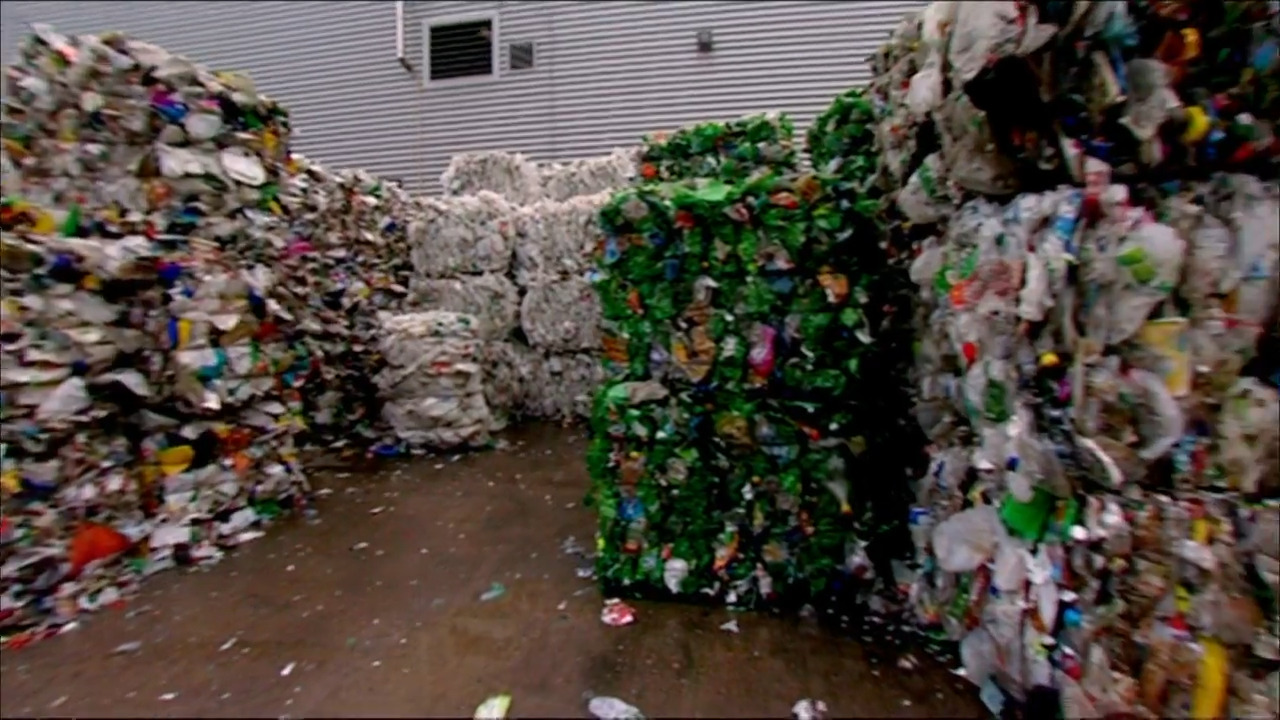
In Turning Plastic Waste Into Diesel Fuel, dive into the world of crude oil and how it's used to make plastic through a process that creates long chains called polymers. Jem tries to turn waste plastic back into something useful: diesel fuel! Using a hot, oxygen-free oven, he cooks the plastic to turn it into liquid fuel, and with help from chemists, he successfully gets a car to run on the diesel made from waste plastic. It’s a cool experiment showing how we can recycle plastic into something powerful! This video is excerpted from BBC’s Bang Goes the Theory, a series that delves into the ways science impacts our lives and shapes the world we experience every day.
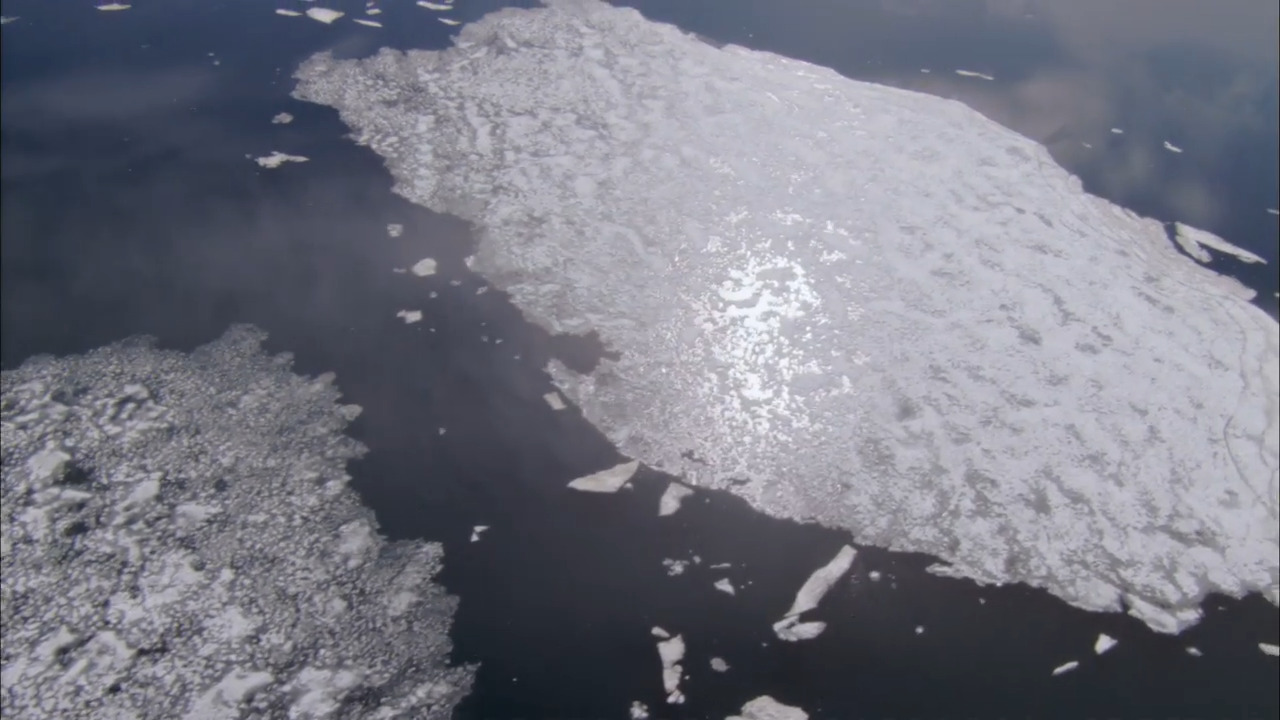
In Hunting and Nesting in the Arctic During Summer Melt, narrator Sir David Attenborough details the dramatic transformation of the Arctic landscape as summer approaches. Glacial meltwaters flow into the sea, and the once-solid ice sheets begin to break apart. This unstable environment poses significant challenges for polar bears, who rely on sea ice to hunt for seals. As the ice weakens, a male polar bear struggles to find stable ground, a grim reminder of the impact of climate change. Meanwhile, seabirds, such as little auks, return to the Arctic seeking bare rock for nesting. This video is excerpted from BBC’s Planet Earth, a breathtaking documentary series that highlights the natural wonders of our planet.
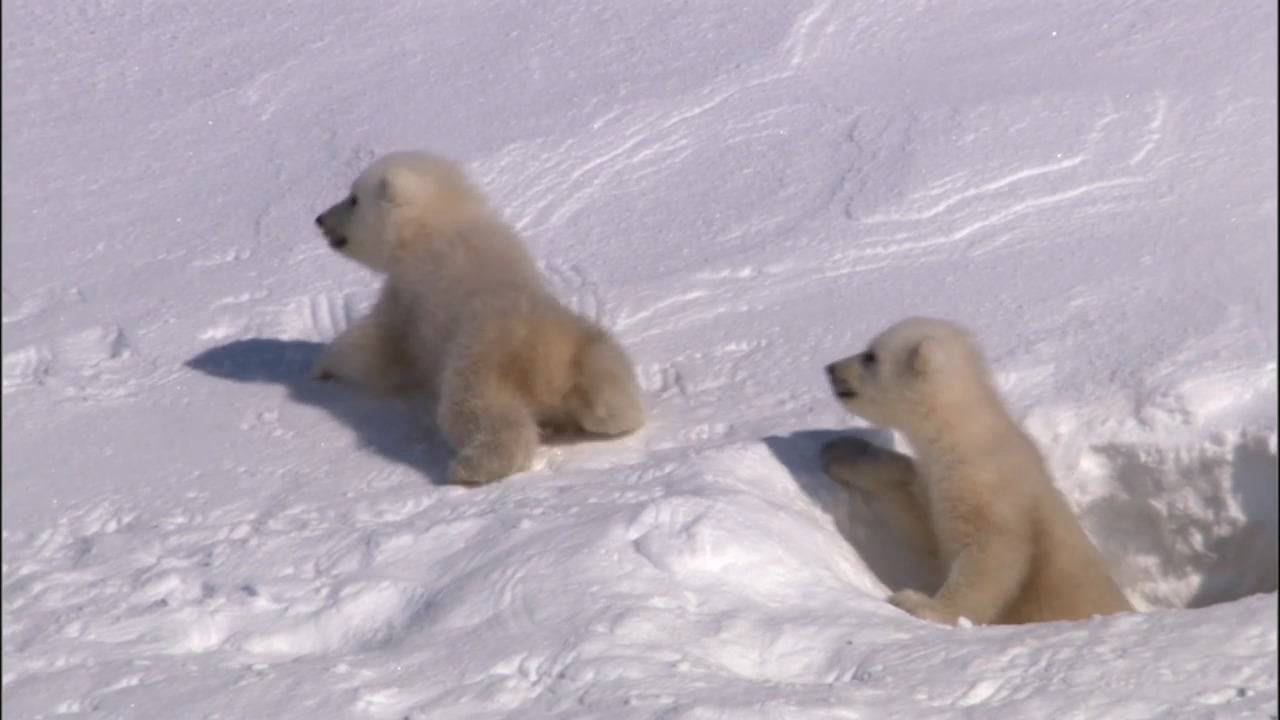
In Polar Bears Emerge During Spring in the Arctic, narrator Sir David Attenborough describes how daylight returns to the Arctic after four months of total darkness. Two polar bear cubs emerge from their den, seeing and hearing the world outside for the first time. Watch as the mother toboggans down a snowy slope and then feeds her hungry cubs. This video is excerpted from BBC's Planet Earth, a breathtaking documentary series that highlights the natural wonders of our planet.
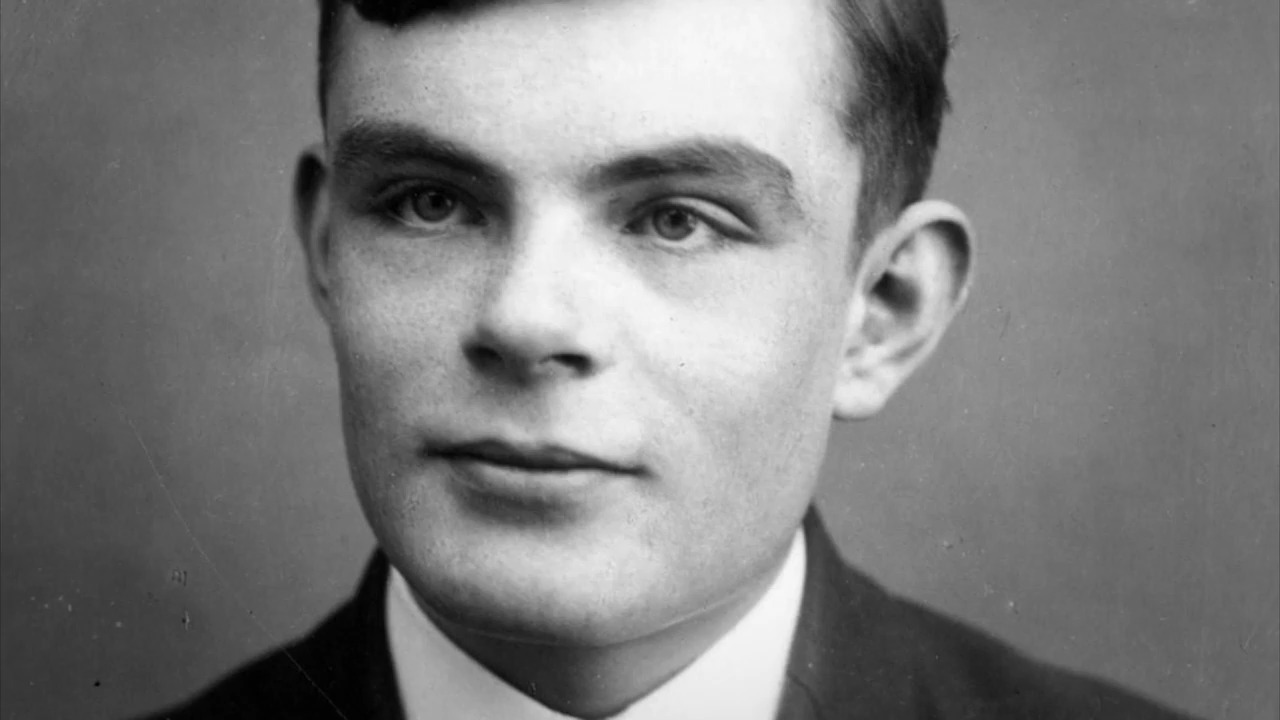
In Alan Turing, Codebreaker, host Chris Packham explains how Alan Turing’s genius led to the development of a machine that decrypted Nazi codes, playing a pivotal role in the Allied victory in World War II. This video is excerpted from BBC’s Icons: The Greatest Person of the 20th Century, a documentary series celebrating the achievements of the most influential figures of the era.
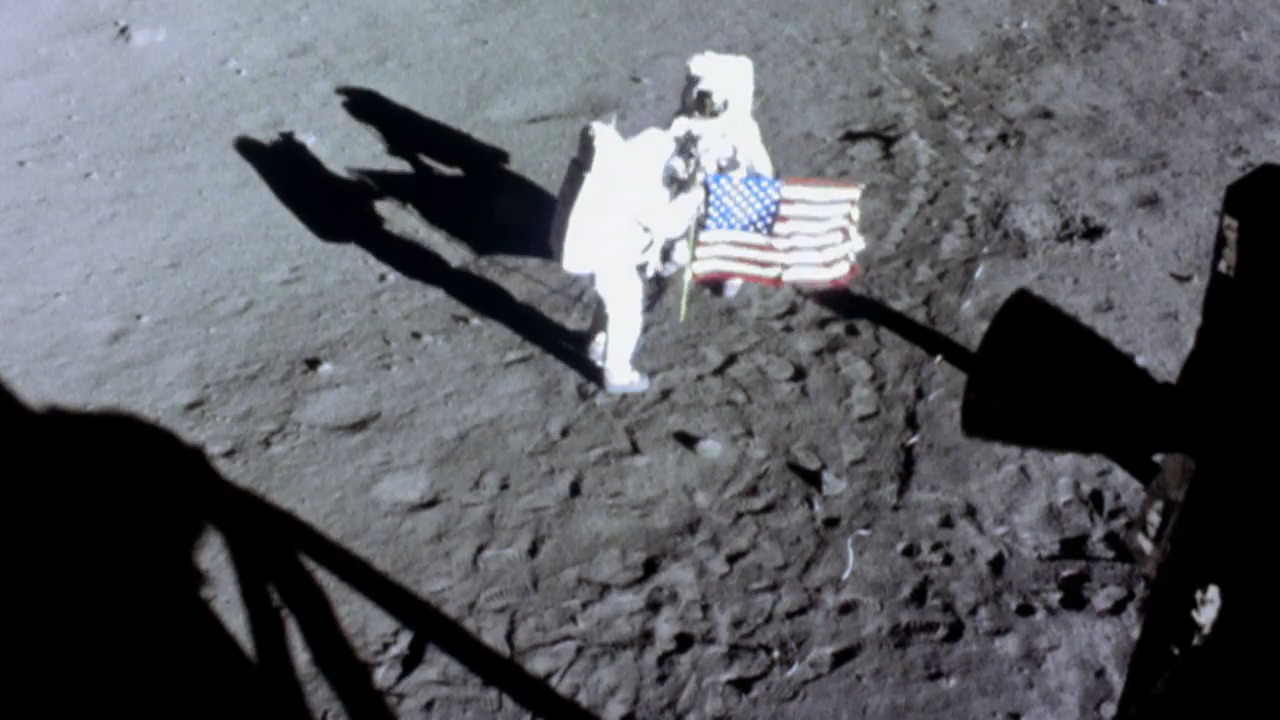
In Communism vs. Capitalism During the Cold War Years, host Andrew Marr describes the post-World War II world, in which the United States and Soviet Union were in competition, as each country sought supremacy. While the U.S. capitalized on economic prosperity, space exploration and the arms race defined the Cold War era. This video is excerpted from BBC’s Andrew Marr's History of the World, a story of human history that uses reenactments, modern footage, and storytelling to explain history’s greatest achievements.
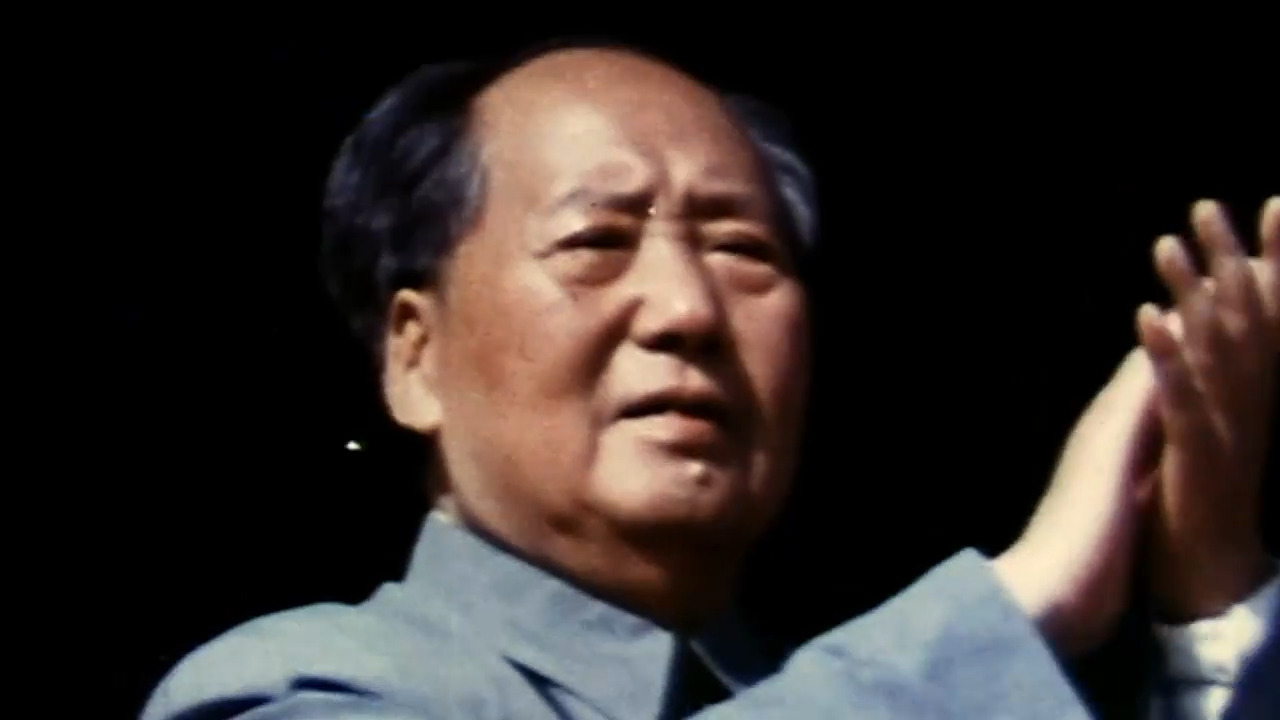
In Mao Zedong’s Policies Devastated China During the Cultural Revolution, host Andrew Marr explains reveals that millions of people were targeted, killed, or “re-educated” during this time. One resistor, Deng Xiaoping, was exiled and his son tortured and disabled under Mao. They returned to China later to rise to power and merge capitalism and communism to reshape China’s future. This video is excerpted from BBC’s Andrew Marr's History of the World, a story of human history that uses reenactments, modern footage, and storytelling to explain history’s greatest achievements.
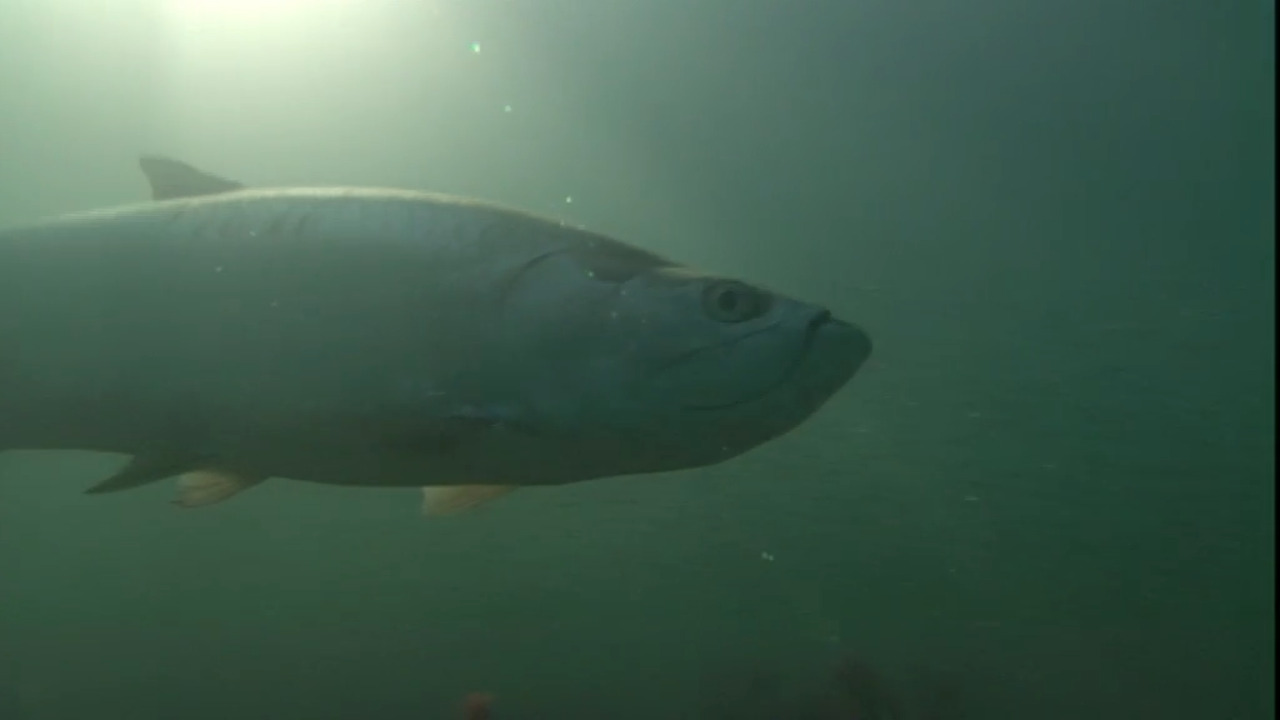
In Life in the Mangroves During Spring Tides, narrator Sir David Attenborough examines what happens in the sea-grass bed and mangrove forest when a large tide comes in. Learn how one animal, the tarpon, has adapted to living in an ecosystem that has low levels of oxygen. This video is excerpted from BBC’s Blue Planet, a definitive documentary series diving into the mysterious depths of the sea to discover the natural history of the world’s oceans and the rarely seen marine life that reside there.

In Sweat Is the Body's Built-In Cooling System, evolutionary biologist Ben Garrod presents the important role sweat plays in keeping our body cool. Sweat helps regulate our body temperature and works to cool us down through a process called evaporation. Learn how sweat glands work, the effect of metabolism on sweating, and why we can even sweat in colder weather, to understand why sweating is essential for keeping our bodies safe and healthy. This video is excerpted from Secrets of Skin, a documentary series exploring the natural history of the body’s largest organ.
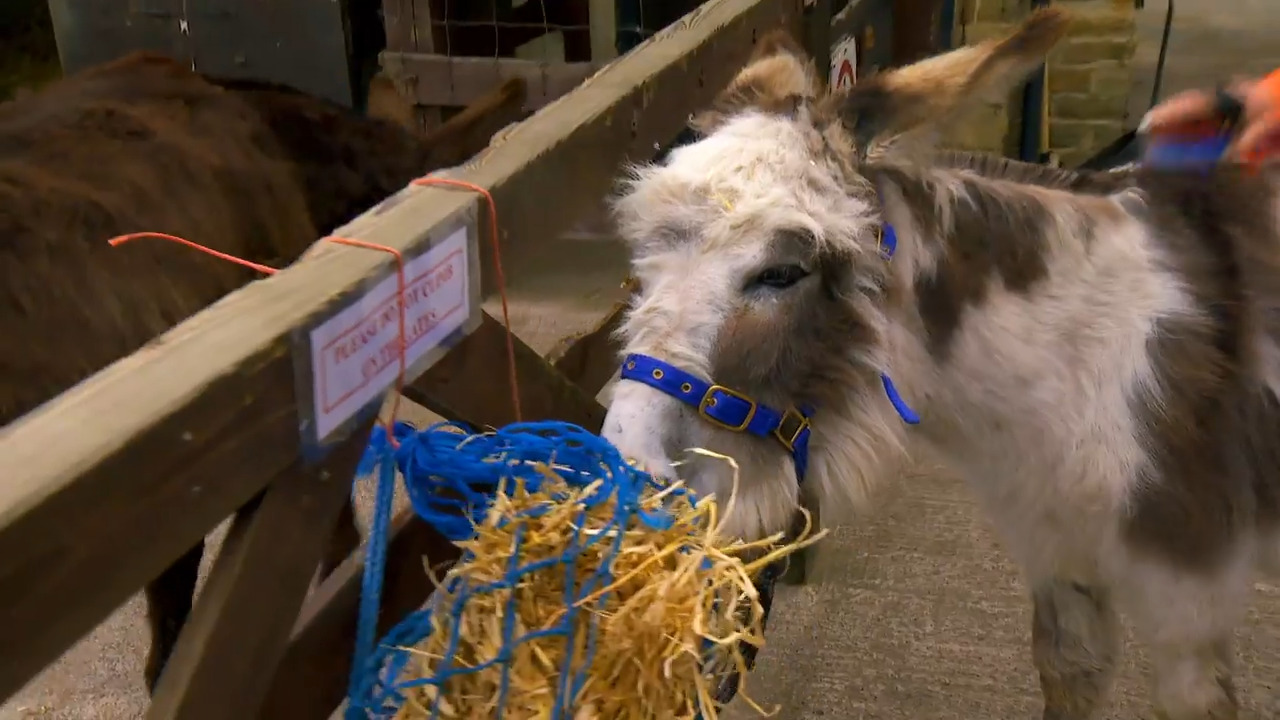
In Caring for Our Donkey Pals!, host Rory Crawford visits a lively donkey sanctuary where she meets William D, a lovable male donkey, also known as a jack. Donkeys are social creatures that love to hang out with their friends and make a silly sound called a bray — imagine a big "hee-haw"! These strong animals can carry heavy loads, but they need special care too, such as brushing their soft coats, cleaning their hooves, and providing yummy straw, grass, and fresh water. This video is excerpted from BBC’s My Pet and Me, a children’s show that introduces kids to the rewards and responsibilities involved when having a pet.
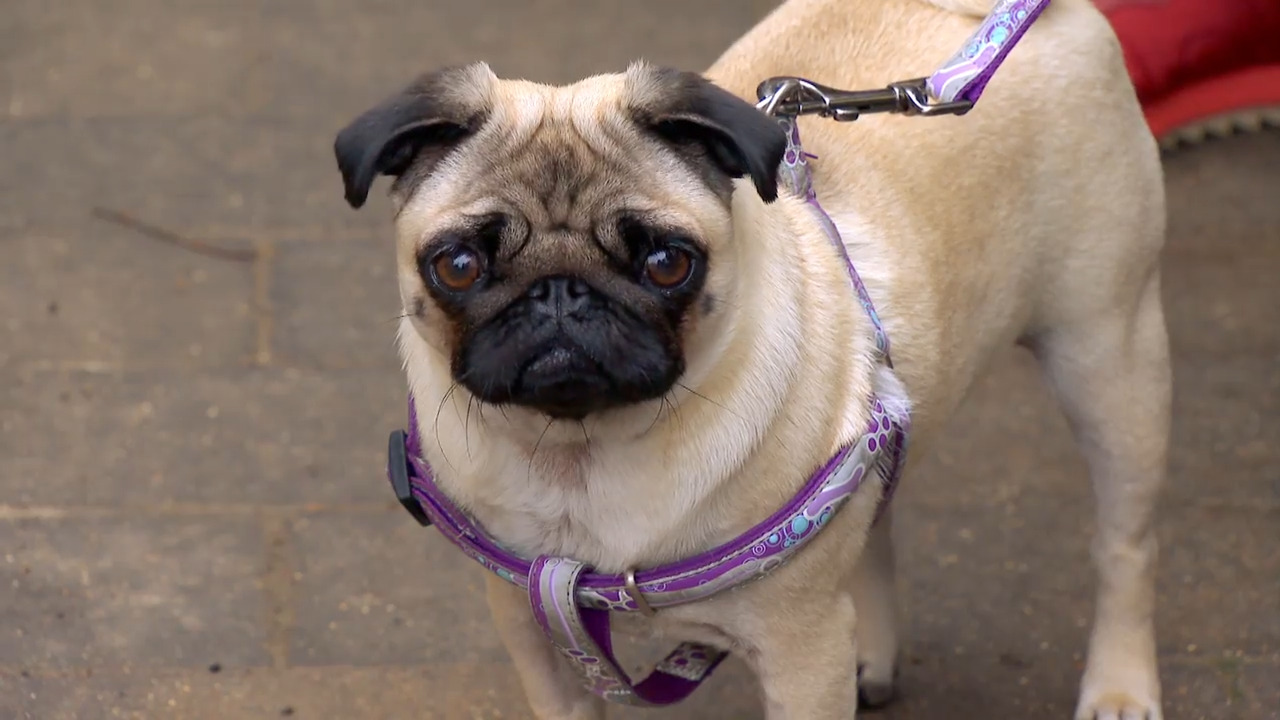
In Caring for Ginger the Pug, host Rory Crawford meets Ginger the pug. Pugs are lively little dogs with clever minds and snuggly personalities, and they come in all sorts of colors — though their noses and mouths are always black! Learn how to care for Ginger, from feeding her the right amount of food to keeping her hydrated with fresh water every day. This video is excerpted from BBC’s My Pet and Me, a children’s show that introduces kids to the rewards and responsibilities involved when having a pet.
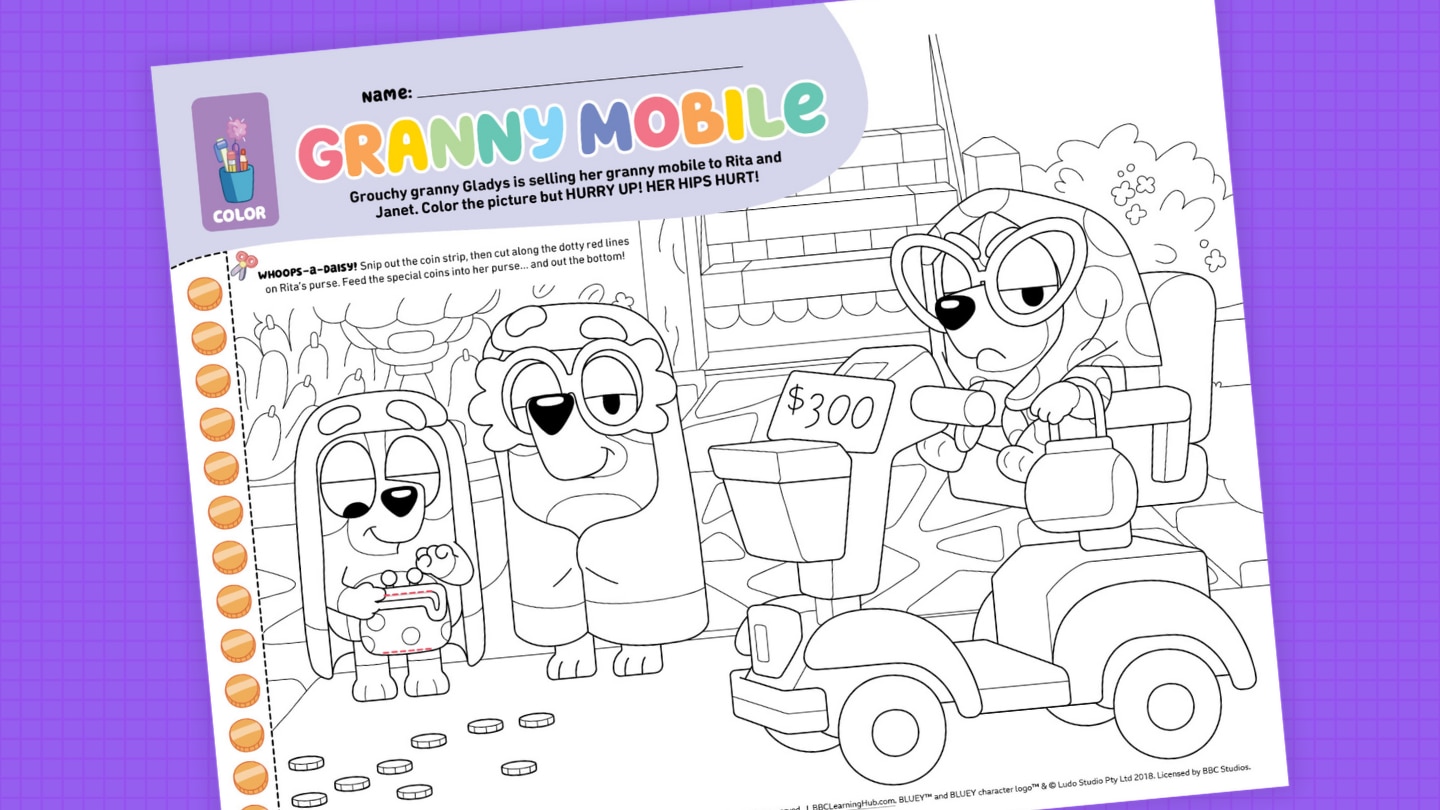
Grouchy granny Gladys is selling her granny mobile to Rita and Janet. Color the picture but HURRY UP! HER HIPS HURT! Plus, snip out the coins strip and feed them into Rita's purse... and out the bottom!
Inspired by Season 3, Episode 33 "Granny Mobile": At a garage sale, Muffin’s playing Grouchy Granny, and she’s making Dad push her on an old scooter. But then, a real Grouchy Granny wants to buy it, and Muffin won’t budge.
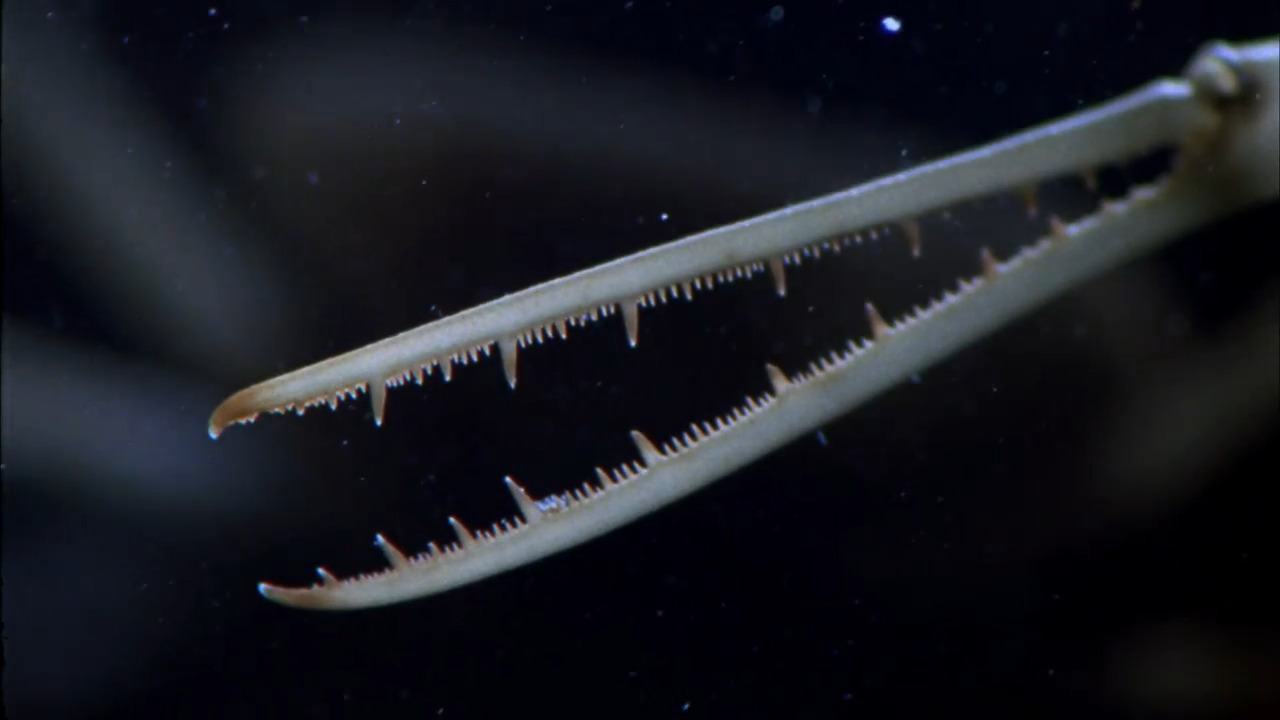
In The Strange World of Troglobites, narrator Sir David Attenborough explores the fascinating world of troglobites, creatures that have adapted to living entirely in caves. These animals, including the Texas blind salamander and the Belizean white crab, are unique to their environments and have evolved specialized features to survive in total darkness. Lacking pigment and eyesight, they rely on other heightened senses to detect food. The cave angelfish uses microscopic hooks to cling to slippery surfaces, and the blind salamander can detect water movement to locate prey. This video is excerpted from BBC’s Planet Earth, a breathtaking documentary series that highlights the natural wonders of our planet.
In Turning Plastic Waste Into Diesel Fuel, dive into the world of crude oil and how it's used to make plastic through a process that creates long chains called polymers. Jem tries to turn waste plastic back into something useful: diesel fuel! Using a hot, oxygen-free oven, he cooks the plastic to turn it into liquid fuel, and with help from chemists, he successfully gets a car to run on the diesel made from waste plastic. It’s a cool experiment showing how we can recycle plastic into something powerful! This video is excerpted from BBC’s Bang Goes the Theory, a series that delves into the ways science impacts our lives and shapes the world we experience every day.
In Hunting and Nesting in the Arctic During Summer Melt, narrator Sir David Attenborough details the dramatic transformation of the Arctic landscape as summer approaches. Glacial meltwaters flow into the sea, and the once-solid ice sheets begin to break apart. This unstable environment poses significant challenges for polar bears, who rely on sea ice to hunt for seals. As the ice weakens, a male polar bear struggles to find stable ground, a grim reminder of the impact of climate change. Meanwhile, seabirds, such as little auks, return to the Arctic seeking bare rock for nesting. This video is excerpted from BBC’s Planet Earth, a breathtaking documentary series that highlights the natural wonders of our planet.
In Polar Bears Emerge During Spring in the Arctic, narrator Sir David Attenborough describes how daylight returns to the Arctic after four months of total darkness. Two polar bear cubs emerge from their den, seeing and hearing the world outside for the first time. Watch as the mother toboggans down a snowy slope and then feeds her hungry cubs. This video is excerpted from BBC's Planet Earth, a breathtaking documentary series that highlights the natural wonders of our planet.
In Alan Turing, Codebreaker, host Chris Packham explains how Alan Turing’s genius led to the development of a machine that decrypted Nazi codes, playing a pivotal role in the Allied victory in World War II. This video is excerpted from BBC’s Icons: The Greatest Person of the 20th Century, a documentary series celebrating the achievements of the most influential figures of the era.
In Communism vs. Capitalism During the Cold War Years, host Andrew Marr describes the post-World War II world, in which the United States and Soviet Union were in competition, as each country sought supremacy. While the U.S. capitalized on economic prosperity, space exploration and the arms race defined the Cold War era. This video is excerpted from BBC’s Andrew Marr's History of the World, a story of human history that uses reenactments, modern footage, and storytelling to explain history’s greatest achievements.
In Mao Zedong’s Policies Devastated China During the Cultural Revolution, host Andrew Marr explains reveals that millions of people were targeted, killed, or “re-educated” during this time. One resistor, Deng Xiaoping, was exiled and his son tortured and disabled under Mao. They returned to China later to rise to power and merge capitalism and communism to reshape China’s future. This video is excerpted from BBC’s Andrew Marr's History of the World, a story of human history that uses reenactments, modern footage, and storytelling to explain history’s greatest achievements.
In Life in the Mangroves During Spring Tides, narrator Sir David Attenborough examines what happens in the sea-grass bed and mangrove forest when a large tide comes in. Learn how one animal, the tarpon, has adapted to living in an ecosystem that has low levels of oxygen. This video is excerpted from BBC’s Blue Planet, a definitive documentary series diving into the mysterious depths of the sea to discover the natural history of the world’s oceans and the rarely seen marine life that reside there.
In Sweat Is the Body's Built-In Cooling System, evolutionary biologist Ben Garrod presents the important role sweat plays in keeping our body cool. Sweat helps regulate our body temperature and works to cool us down through a process called evaporation. Learn how sweat glands work, the effect of metabolism on sweating, and why we can even sweat in colder weather, to understand why sweating is essential for keeping our bodies safe and healthy. This video is excerpted from Secrets of Skin, a documentary series exploring the natural history of the body’s largest organ.
In Caring for Our Donkey Pals!, host Rory Crawford visits a lively donkey sanctuary where she meets William D, a lovable male donkey, also known as a jack. Donkeys are social creatures that love to hang out with their friends and make a silly sound called a bray — imagine a big "hee-haw"! These strong animals can carry heavy loads, but they need special care too, such as brushing their soft coats, cleaning their hooves, and providing yummy straw, grass, and fresh water. This video is excerpted from BBC’s My Pet and Me, a children’s show that introduces kids to the rewards and responsibilities involved when having a pet.
In Caring for Ginger the Pug, host Rory Crawford meets Ginger the pug. Pugs are lively little dogs with clever minds and snuggly personalities, and they come in all sorts of colors — though their noses and mouths are always black! Learn how to care for Ginger, from feeding her the right amount of food to keeping her hydrated with fresh water every day. This video is excerpted from BBC’s My Pet and Me, a children’s show that introduces kids to the rewards and responsibilities involved when having a pet.
Grouchy granny Gladys is selling her granny mobile to Rita and Janet. Color the picture but HURRY UP! HER HIPS HURT! Plus, snip out the coins strip and feed them into Rita's purse... and out the bottom!
Inspired by Season 3, Episode 33 "Granny Mobile": At a garage sale, Muffin’s playing Grouchy Granny, and she’s making Dad push her on an old scooter. But then, a real Grouchy Granny wants to buy it, and Muffin won’t budge.
In The Strange World of Troglobites, narrator Sir David Attenborough explores the fascinating world of troglobites, creatures that have adapted to living entirely in caves. These animals, including the Texas blind salamander and the Belizean white crab, are unique to their environments and have evolved specialized features to survive in total darkness. Lacking pigment and eyesight, they rely on other heightened senses to detect food. The cave angelfish uses microscopic hooks to cling to slippery surfaces, and the blind salamander can detect water movement to locate prey. This video is excerpted from BBC’s Planet Earth, a breathtaking documentary series that highlights the natural wonders of our planet.