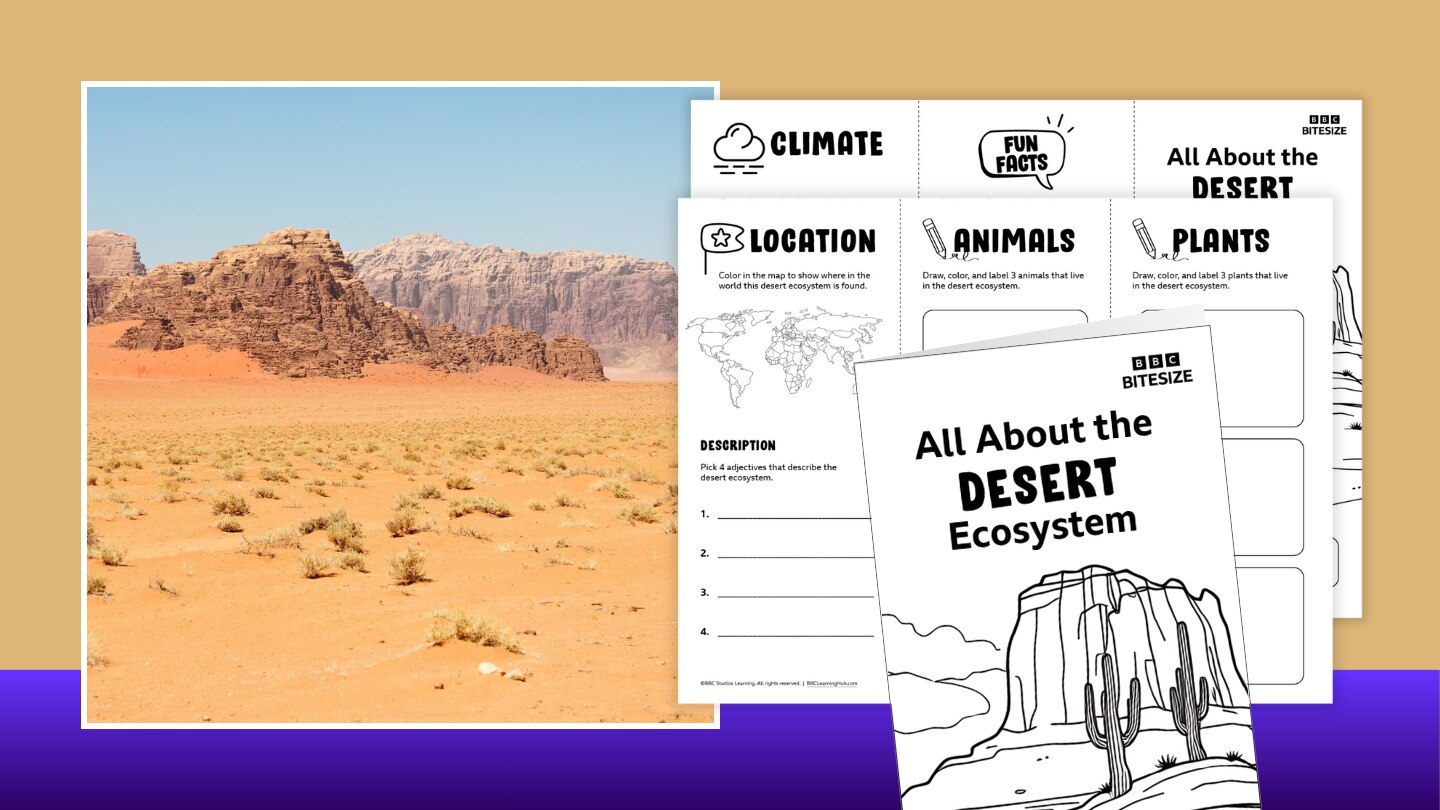
Guide your students on a journey through the desert ecosystem! From the sweeping sands of the Namib and Kalahari in southern Africa, to the dry heart of Australia’s Outback, and the rocky cold of the Gobi, deserts come in many forms.
✨ Perfect for grades 3–8, here’s what you need to bring ecosystems to life:
- Iconic BBC Videos: Share the clips on this page to introduce the location, plants, animals, and climate of the desert. (Don't miss the lions and lizards!) Brought to you by world-class BBC programs like Planet Earth, Wilderness With Simon Reeve, Africa, and Seven Worlds, One Planet.
- Free Printable: Use the Desert Brochure Template to help students pull it all together in an ecosystem report with facts they’ve learned (and a little extra research).
It’s everything you need to make ecosystems easy to teach and truly memorable for your students.
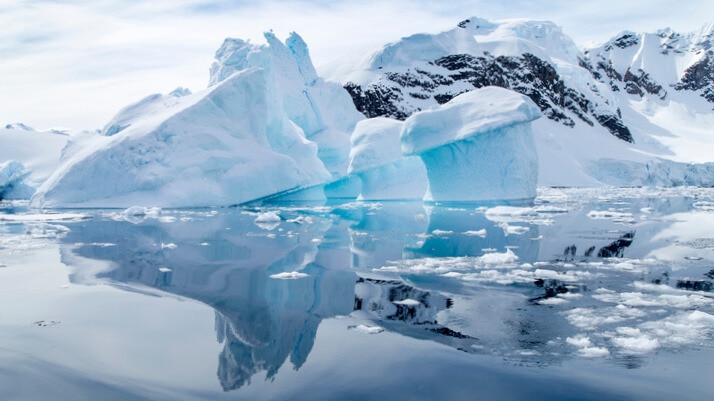
Dive into the wonders of Antarctica with this multi-grade lesson collection! Tailored for K–2, 3–5, 6–8, and 9–12, each unit includes engaging activities, thought-provoking discussions, and hands-on projects to uncover the mysteries of the frozen continent. Enhance your teaching with stunning BBC video clips showcasing Antarctic wildlife, research stations, and breathtaking icy landscapes. Printable resources like animal fact sheets, scientist journal templates, and conservation challenges bring the learning to life for your students. Perfect for science, geography, and environmental lessons!
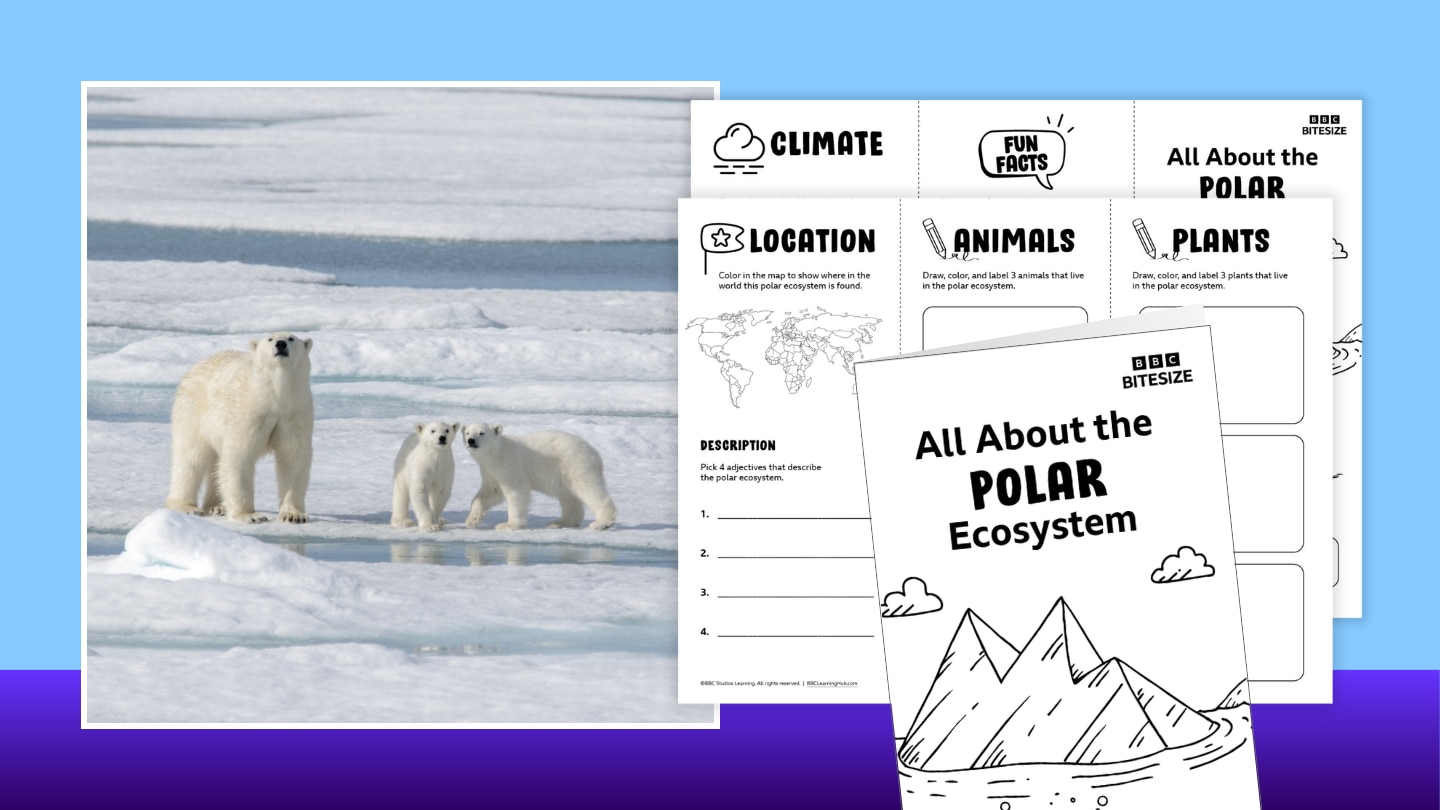
Bring your students on an icy exploration of the polar ecosystem! The Arctic and Antarctica may look frozen and empty at first glance, but they’re full of life perfectly adapted to the cold.
✨ Perfect for grades 3–8, here’s what you need to bring ecosystems to life:
- Iconic BBC Videos: Share the clips on this page to introduce the location, plants, animals, and climate of the polar regions. (Don't miss the narwhals and emperor penguins!) Brought to you by world-class BBC programs like Planet Earth, Frozen Planet, and Seven Worlds, One Planet.
- Free Printable: Use the Polar Brochure Template to help students pull it all together in an ecosystem report with facts they’ve learned (and a little extra research).
It’s everything you need to make ecosystems easy to teach and truly memorable for your students.

In How Cold Affects Your Body’s Defenses, host Harith Iskander explains how cold temperatures can impact your body’s ability to fight off infections. When you’re cold, the blood vessels constrict, reducing blood flow to certain areas of the body. This process can weaken the immune system, making it easier for viruses, like the common cold, to take hold. This video is excerpted from BBC’s Got Science?, a science magazine series that explores and explains science in everyday life.
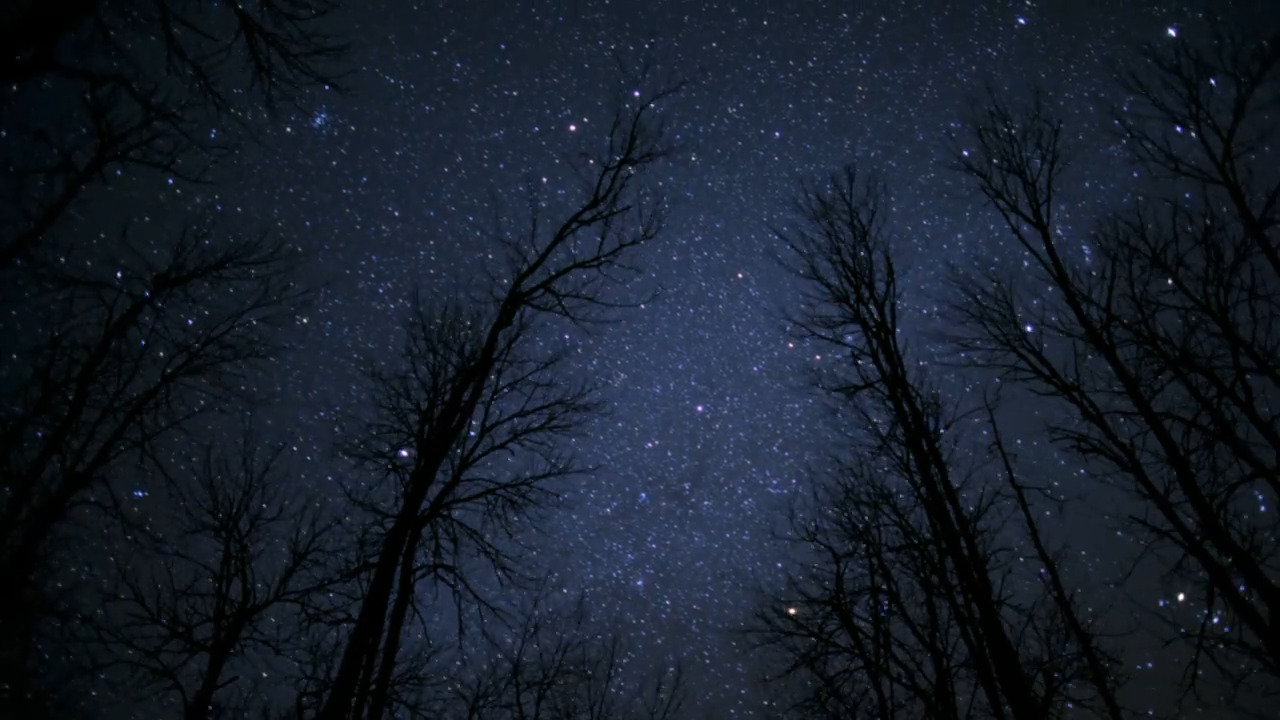
In How Trees Prepare for the Toughest Seasons, narrator Sir David Attenborough explains how trees survive harsh winter environments. In northern forests, trees prepare for the cold by pulling water into their trunks and creating a sugary antifreeze. But while most trees lose their leaves, pine trees can survive temperatures as low as -40°F and keep their needles all winter. One special type of pine, the bristlecone, can live for up to 5,000 years, with its cones growing for only six weeks each year. This video is excerpted from BBC's Life, a show that explores the remarkable strategies animals and plants use to ensure their survival.

In A Deep Dive Into Titan’s Mysterious Skies, Professor Brian Cox explains how Saturn’s moon Titan is unique in that it has an Earth-like atmosphere. Its deep, dense atmosphere is rich in nitrogen and contains methane. Though Titan is small, and therefore has weak gravitational pull, it is able to hold onto its atmosphere because the gases are very cold. This video is excerpted from BBC’s Wonders of the Solar System, a spellbinding documentary series that explores the most extreme locations on Earth to explain how the laws of physics carved natural wonders across the Solar System.
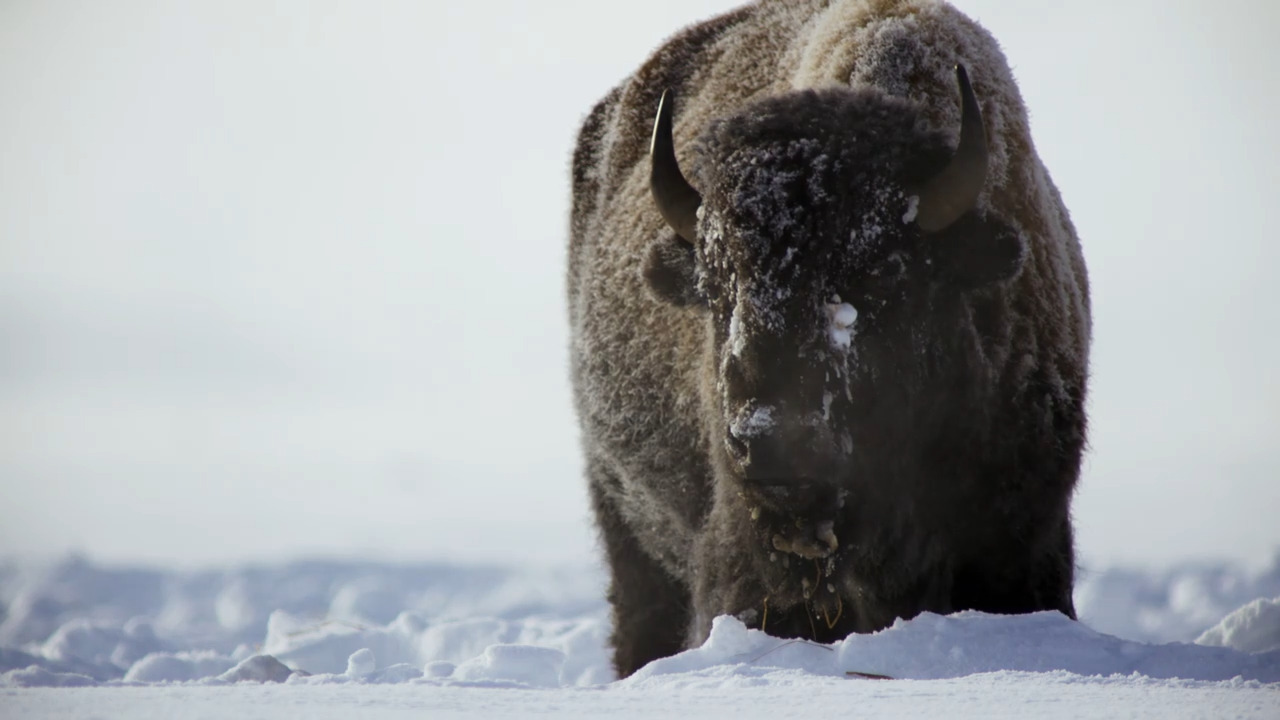
In Bison and Foxes Battle the Cold, narrator Sir David Attenborough takes us through the harsh conditions of the North American prairies, where bison use their strength to uncover food buried beneath the snow, and foxes rely on skill and precision to hunt for meals. This video is excerpted from BBC’s Planet Earth II, a breathtaking documentary series that highlights the natural wonders of our planet.

This video playlist brings together 10 fascinating clips from the BBC’s Got Science? series, where everyday questions lead to surprising scientific discoveries. Students explore what’s really happening in the body and brain — from what your brain is doing during sleep paralysis to what it truly means to be “left-brained” or “right-brained.” They’ll investigate what happens when the body becomes dehydrated, how cold temperatures and high altitudes affect how we function, and the unexpected ways our bodies trick us every single day. Packed with “What! Really?” moments, this weird-but-wonderful playlist helps learners connect real science to daily life in unforgettable ways. Get ready to see the familiar become fascinating.
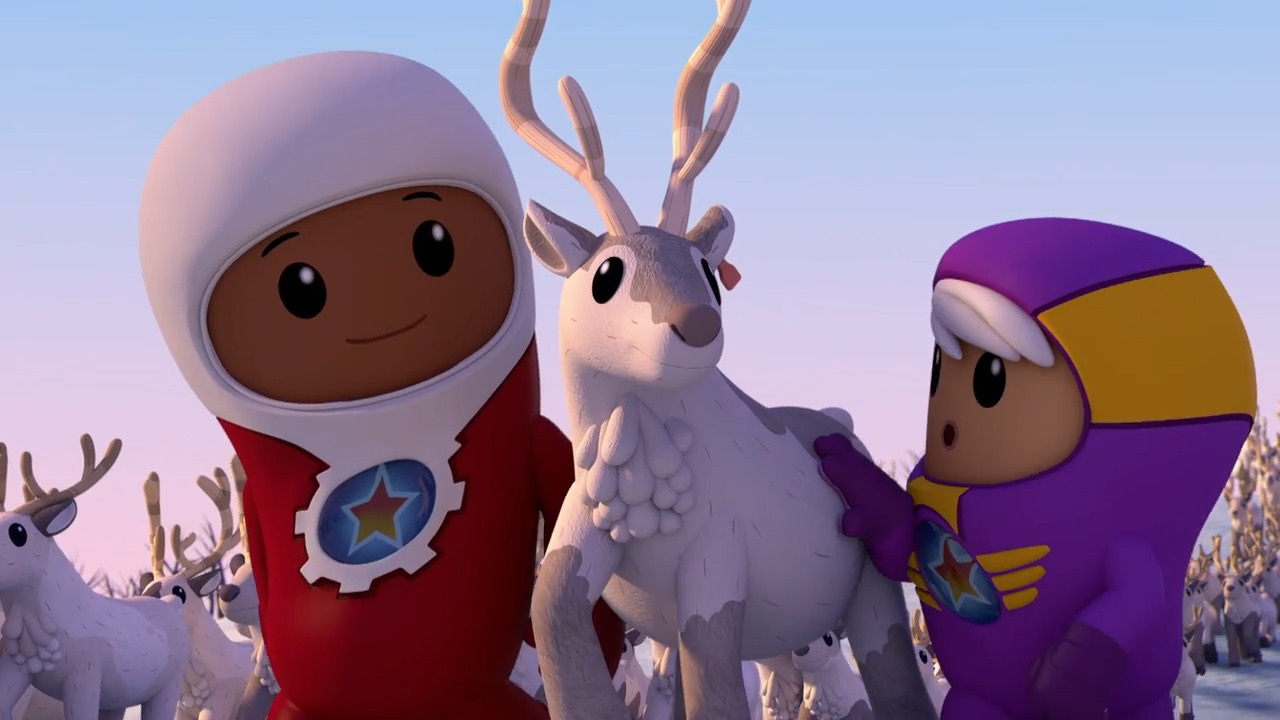
In The Go Jetters and the Reindeer Herders of Norway, the Go Jetters crew discovesr a herd of reindeer that are migrating through Norway. Ubercorn shares funky facts about how reindeer have adapted to living so far north, and how the Sami people care for them. This video is excerpted from BBC’s Go Jetters, a series that follows the adventures of four international heroes as they travel the globe visiting landmarks and solving environmental problems with Ubercorn, a disco-dancing unicorn.
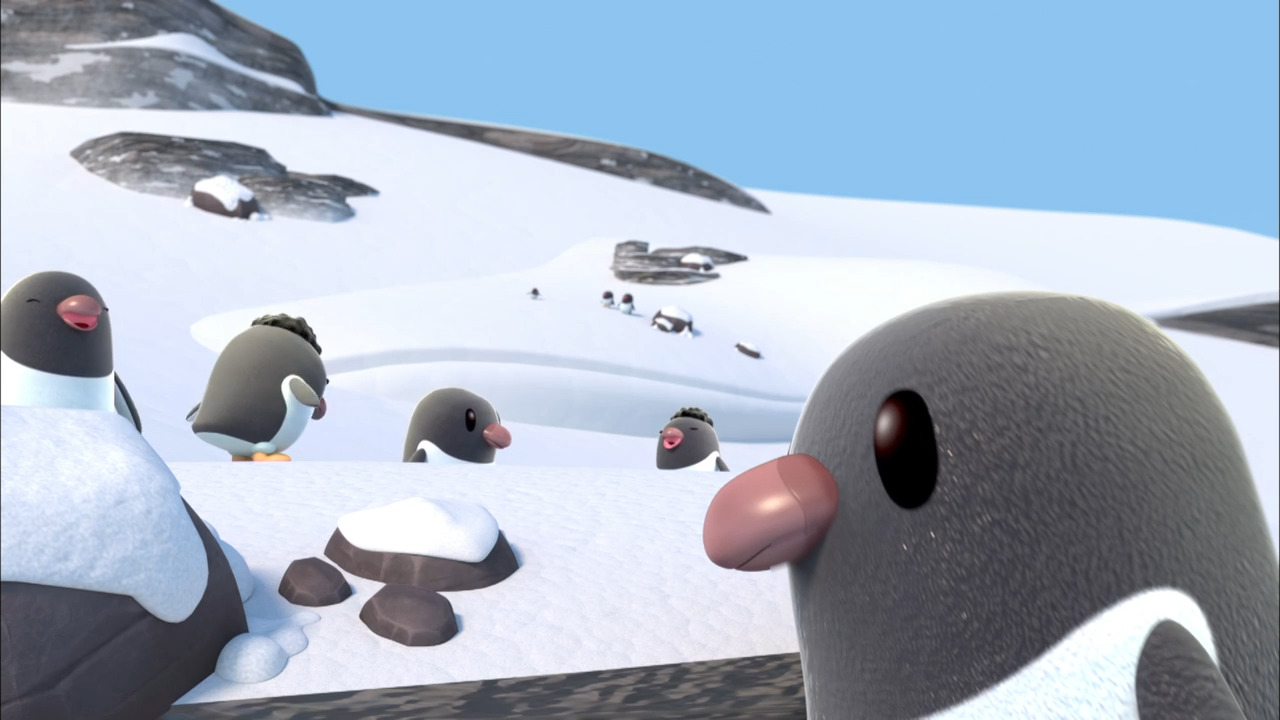
In The Go Jetters Discover the Magic of Antarctica!, the Go Jetters crew travels to Antarctica, the coldest and windiest place on Earth. In this frozen land, you'll discover huge ice rivers called glaciers, and even hear the ice creak as it moves! Learn all about the South Pole, where penguins live and play, and explore the world’s biggest glacier, the Lambert Glacier. This video is excerpted from BBC’s Go Jetters, a series that follows the adventures of four plucky international heroes as they travel the globe visiting the world’s most famous landmarks with their friend and mentor, Ubercorn, a disco-dancing unicorn.

The article "Beat Winter Illness: Science-Backed Tips to Stay Healthy" from BBC's Science Focus covers evidence-based remedies like taking zinc and vitamin C, washing hands regularly, and getting a flu vaccine to stay healthy during winter.
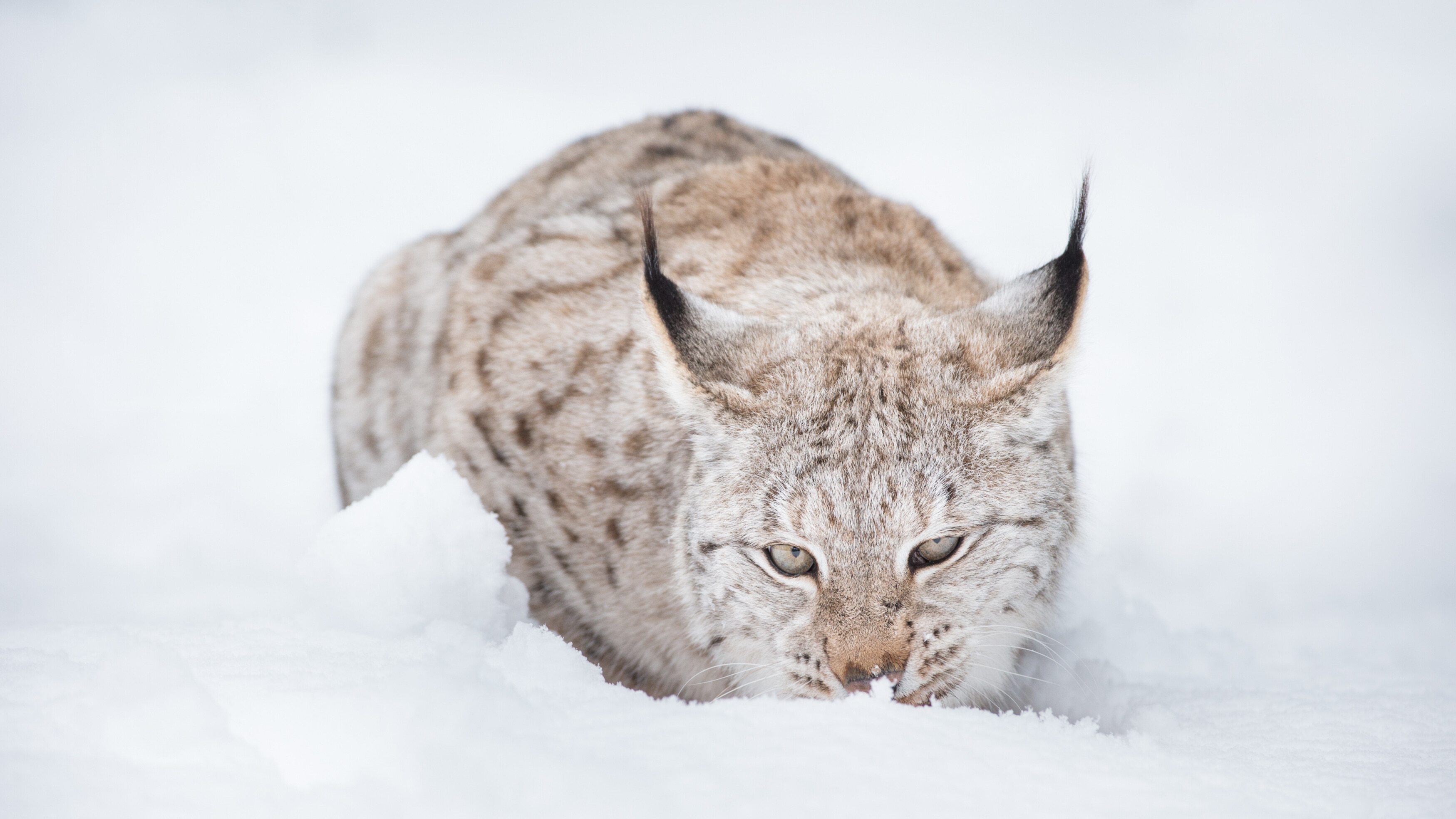
Brave the chill and meet the coolest creatures on Earth! This playlist of 11 frosty video clips from BBC landmark shows like Frozen Planet and Planet Earth explores how animals survive some of the coldest places on the planet. Students will learn about adaptations, seasonal behaviors, and the survival strategies that help bison, foxes, seals, grizzlies, snow monkeys, polar bears, lynx, and more thrive in freezing climates.
They’ll discover how winter weather shapes each animal’s daily life; how they find food, conserve energy, protect themselves from predators; and why these icy habitats play a vital role in Earth’s systems.
Guide your students on a journey through the desert ecosystem! From the sweeping sands of the Namib and Kalahari in southern Africa, to the dry heart of Australia’s Outback, and the rocky cold of the Gobi, deserts come in many forms.
✨ Perfect for grades 3–8, here’s what you need to bring ecosystems to life:
- Iconic BBC Videos: Share the clips on this page to introduce the location, plants, animals, and climate of the desert. (Don't miss the lions and lizards!) Brought to you by world-class BBC programs like Planet Earth, Wilderness With Simon Reeve, Africa, and Seven Worlds, One Planet.
- Free Printable: Use the Desert Brochure Template to help students pull it all together in an ecosystem report with facts they’ve learned (and a little extra research).
It’s everything you need to make ecosystems easy to teach and truly memorable for your students.
Dive into the wonders of Antarctica with this multi-grade lesson collection! Tailored for K–2, 3–5, 6–8, and 9–12, each unit includes engaging activities, thought-provoking discussions, and hands-on projects to uncover the mysteries of the frozen continent. Enhance your teaching with stunning BBC video clips showcasing Antarctic wildlife, research stations, and breathtaking icy landscapes. Printable resources like animal fact sheets, scientist journal templates, and conservation challenges bring the learning to life for your students. Perfect for science, geography, and environmental lessons!
Bring your students on an icy exploration of the polar ecosystem! The Arctic and Antarctica may look frozen and empty at first glance, but they’re full of life perfectly adapted to the cold.
✨ Perfect for grades 3–8, here’s what you need to bring ecosystems to life:
- Iconic BBC Videos: Share the clips on this page to introduce the location, plants, animals, and climate of the polar regions. (Don't miss the narwhals and emperor penguins!) Brought to you by world-class BBC programs like Planet Earth, Frozen Planet, and Seven Worlds, One Planet.
- Free Printable: Use the Polar Brochure Template to help students pull it all together in an ecosystem report with facts they’ve learned (and a little extra research).
It’s everything you need to make ecosystems easy to teach and truly memorable for your students.
In How Cold Affects Your Body’s Defenses, host Harith Iskander explains how cold temperatures can impact your body’s ability to fight off infections. When you’re cold, the blood vessels constrict, reducing blood flow to certain areas of the body. This process can weaken the immune system, making it easier for viruses, like the common cold, to take hold. This video is excerpted from BBC’s Got Science?, a science magazine series that explores and explains science in everyday life.
In How Trees Prepare for the Toughest Seasons, narrator Sir David Attenborough explains how trees survive harsh winter environments. In northern forests, trees prepare for the cold by pulling water into their trunks and creating a sugary antifreeze. But while most trees lose their leaves, pine trees can survive temperatures as low as -40°F and keep their needles all winter. One special type of pine, the bristlecone, can live for up to 5,000 years, with its cones growing for only six weeks each year. This video is excerpted from BBC's Life, a show that explores the remarkable strategies animals and plants use to ensure their survival.
In A Deep Dive Into Titan’s Mysterious Skies, Professor Brian Cox explains how Saturn’s moon Titan is unique in that it has an Earth-like atmosphere. Its deep, dense atmosphere is rich in nitrogen and contains methane. Though Titan is small, and therefore has weak gravitational pull, it is able to hold onto its atmosphere because the gases are very cold. This video is excerpted from BBC’s Wonders of the Solar System, a spellbinding documentary series that explores the most extreme locations on Earth to explain how the laws of physics carved natural wonders across the Solar System.
In Bison and Foxes Battle the Cold, narrator Sir David Attenborough takes us through the harsh conditions of the North American prairies, where bison use their strength to uncover food buried beneath the snow, and foxes rely on skill and precision to hunt for meals. This video is excerpted from BBC’s Planet Earth II, a breathtaking documentary series that highlights the natural wonders of our planet.
This video playlist brings together 10 fascinating clips from the BBC’s Got Science? series, where everyday questions lead to surprising scientific discoveries. Students explore what’s really happening in the body and brain — from what your brain is doing during sleep paralysis to what it truly means to be “left-brained” or “right-brained.” They’ll investigate what happens when the body becomes dehydrated, how cold temperatures and high altitudes affect how we function, and the unexpected ways our bodies trick us every single day. Packed with “What! Really?” moments, this weird-but-wonderful playlist helps learners connect real science to daily life in unforgettable ways. Get ready to see the familiar become fascinating.
In The Go Jetters and the Reindeer Herders of Norway, the Go Jetters crew discovesr a herd of reindeer that are migrating through Norway. Ubercorn shares funky facts about how reindeer have adapted to living so far north, and how the Sami people care for them. This video is excerpted from BBC’s Go Jetters, a series that follows the adventures of four international heroes as they travel the globe visiting landmarks and solving environmental problems with Ubercorn, a disco-dancing unicorn.
In The Go Jetters Discover the Magic of Antarctica!, the Go Jetters crew travels to Antarctica, the coldest and windiest place on Earth. In this frozen land, you'll discover huge ice rivers called glaciers, and even hear the ice creak as it moves! Learn all about the South Pole, where penguins live and play, and explore the world’s biggest glacier, the Lambert Glacier. This video is excerpted from BBC’s Go Jetters, a series that follows the adventures of four plucky international heroes as they travel the globe visiting the world’s most famous landmarks with their friend and mentor, Ubercorn, a disco-dancing unicorn.
The article "Beat Winter Illness: Science-Backed Tips to Stay Healthy" from BBC's Science Focus covers evidence-based remedies like taking zinc and vitamin C, washing hands regularly, and getting a flu vaccine to stay healthy during winter.
Brave the chill and meet the coolest creatures on Earth! This playlist of 11 frosty video clips from BBC landmark shows like Frozen Planet and Planet Earth explores how animals survive some of the coldest places on the planet. Students will learn about adaptations, seasonal behaviors, and the survival strategies that help bison, foxes, seals, grizzlies, snow monkeys, polar bears, lynx, and more thrive in freezing climates.
They’ll discover how winter weather shapes each animal’s daily life; how they find food, conserve energy, protect themselves from predators; and why these icy habitats play a vital role in Earth’s systems.