
Journey back in time with Andy to see dinosaurs and ancient creatures. Then join him on missions around the globe to meet animals in their habitats and discover their unique behaviors and adaptations.
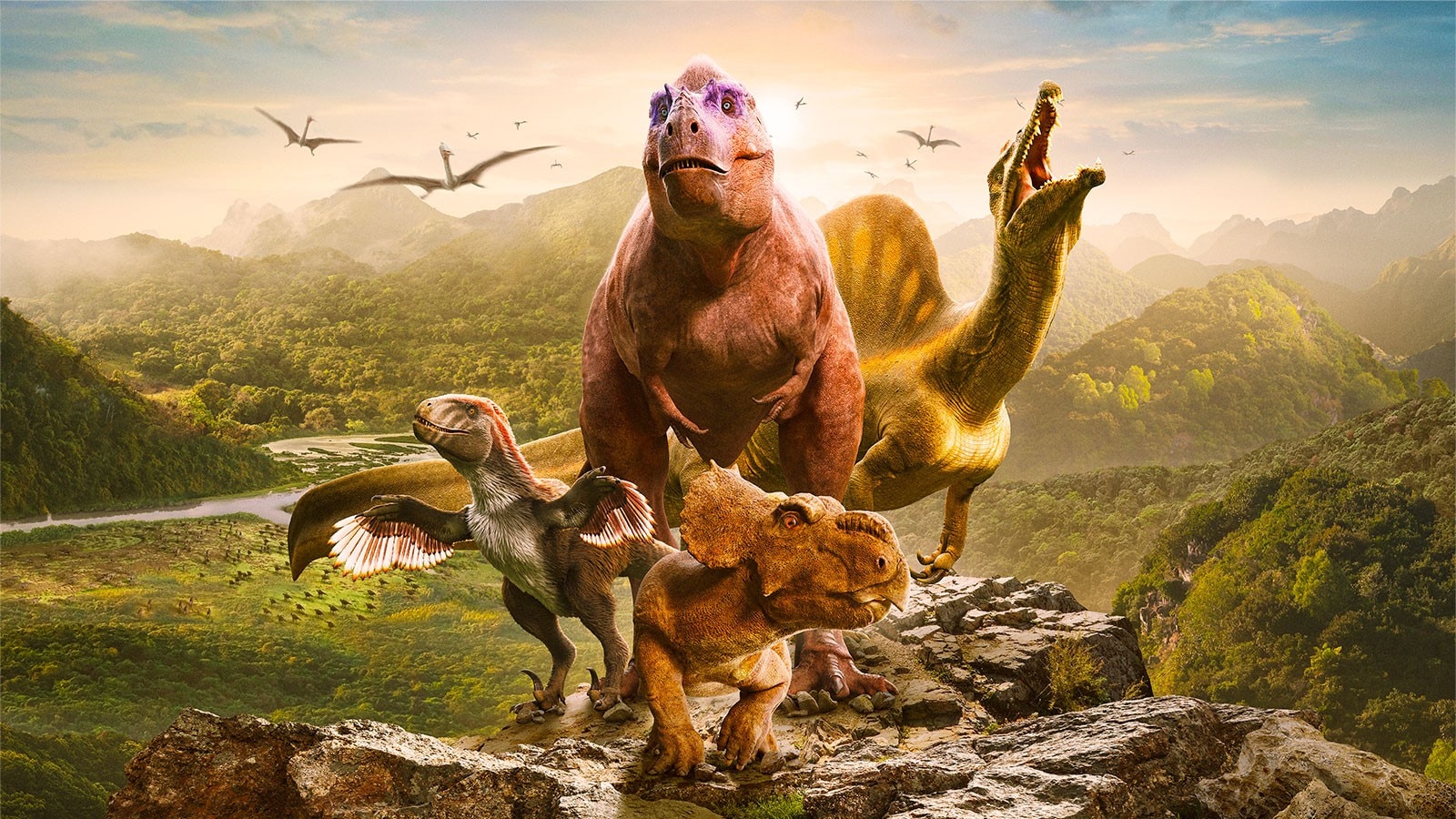
The greatest stories of all time are true.
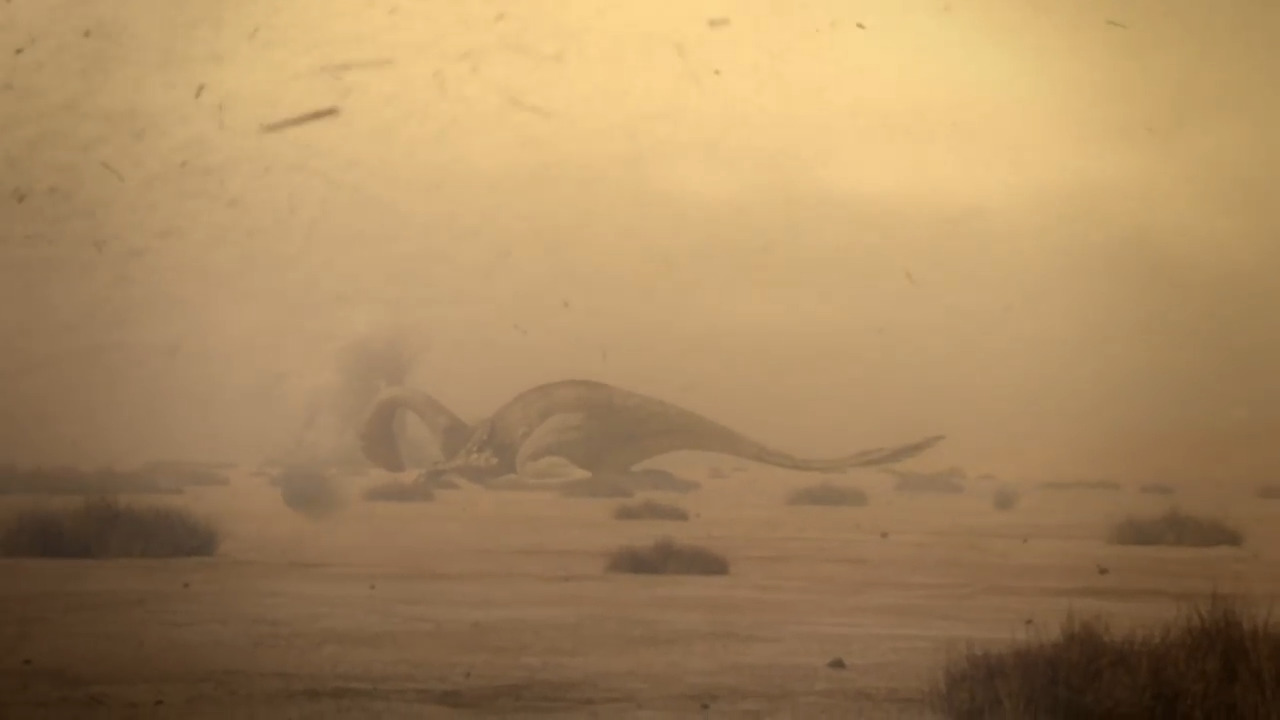
In Dinosaur Killer: Sandstorm, naturalist Steve Backshall describes how massive sandstorms may have been responsible for killing large numbers of dinosaurs by blinding and suffocating anything in its path. Gigantoraptor was particularly vulnerable since it was extremely protective of its eggs, which were often buried in the sand. This video is excerpted from BBC’s Deadly Dinosaurs, a documentary series in which host Steve Backshall is on the hunt for the deadliest animals to have walked the Earth — dinosaurs — exploring features of several species and putting their abilities to the test to reveal the raw power of these creatures.
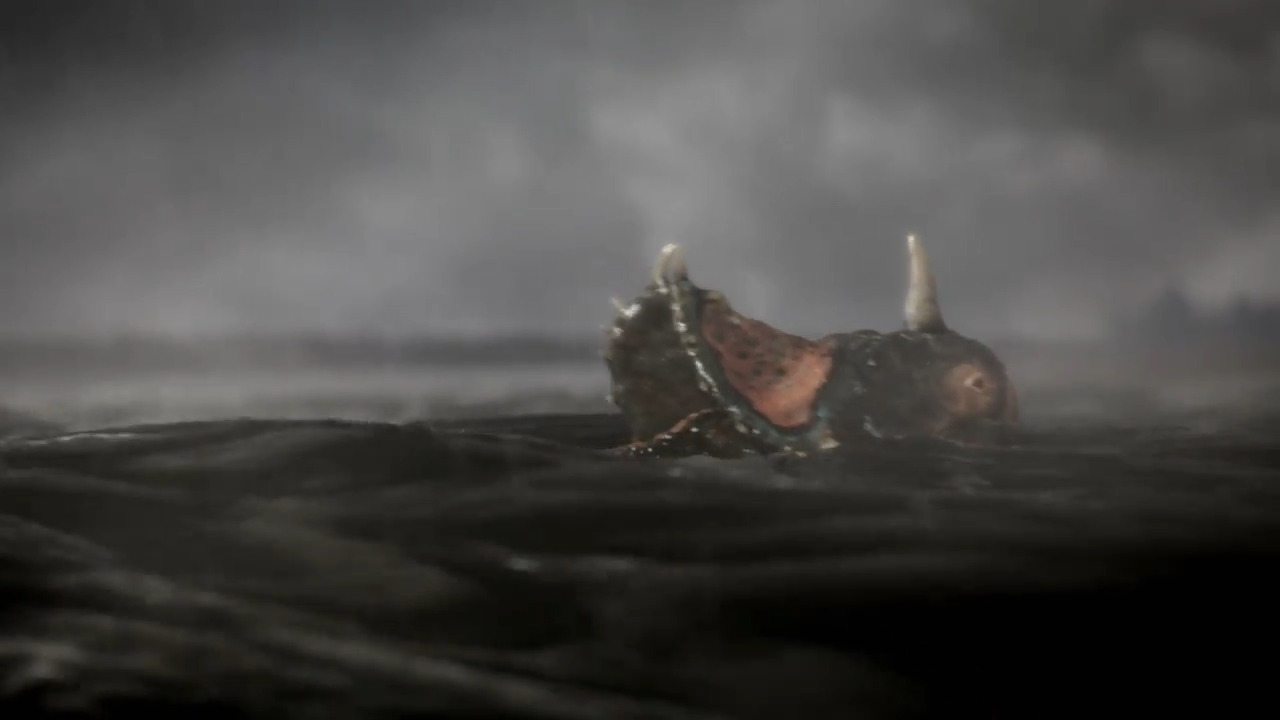
In Dinosaur Killer: Floods, naturalist Steve Backshall shows how massive floods may have been responsible for killing large numbers of dinosaurs millions of years ago. Despite the size and power of dinosaurs, monsoon floods are believed to have killed many Centrosaurus dinosaurs, whose bodies did not allow for skilled swimming. This video is excerpted from BBC’s Deadly Dinosaurs, a documentary series in which host Steve Backshall is on the hunt for the deadliest animals to have walked the Earth — dinosaurs — exploring features of several species and putting their abilities to the test to reveal the raw power of these creatures.
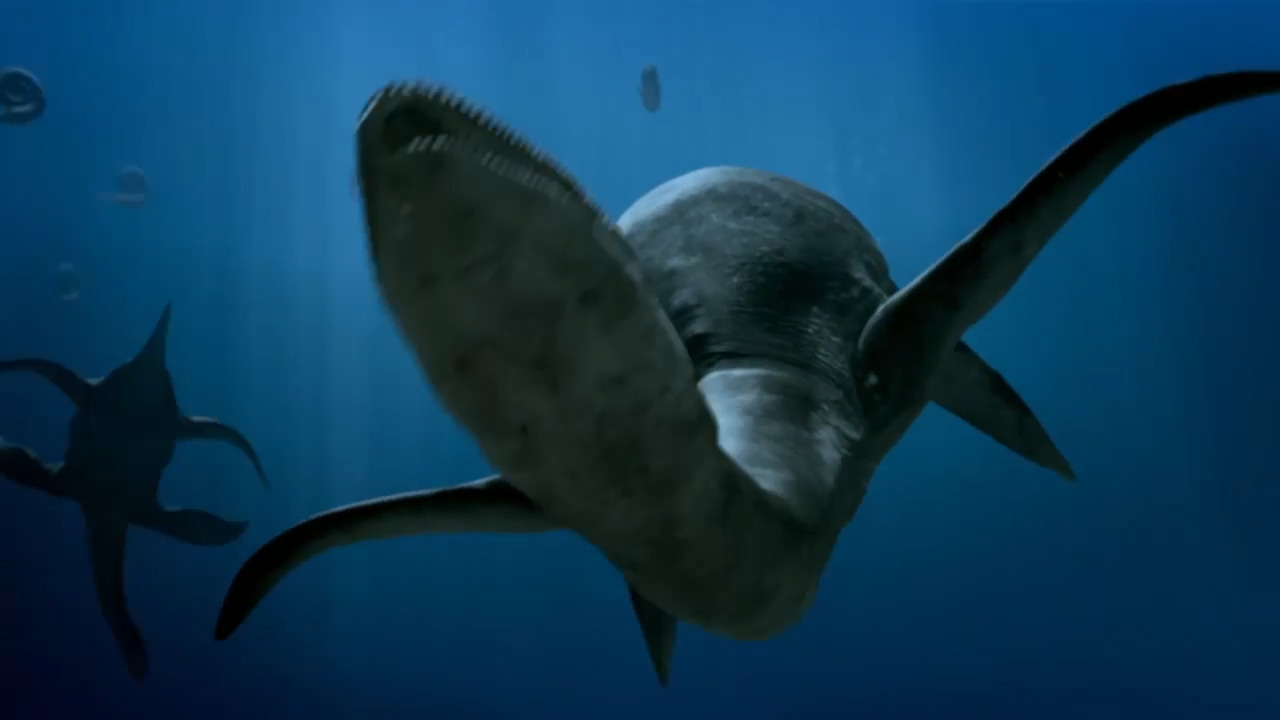
In Kimmerosaurus, the Diving Dinosaur, naturalist Steve Backshall explores how this aquatic creature used its unique features to hunt. Plus, check out how the actions of Kimmerosaurus left huge trenches in our modern-day environment. This video is excerpted from BBC’s Deadly Dinosaurs, a documentary series in which host Steve Backshall is on the hunt for the deadliest animals to have walked the Earth — dinosaurs — exploring features of several species and putting their abilities to the test to reveal the raw power of these creatures.
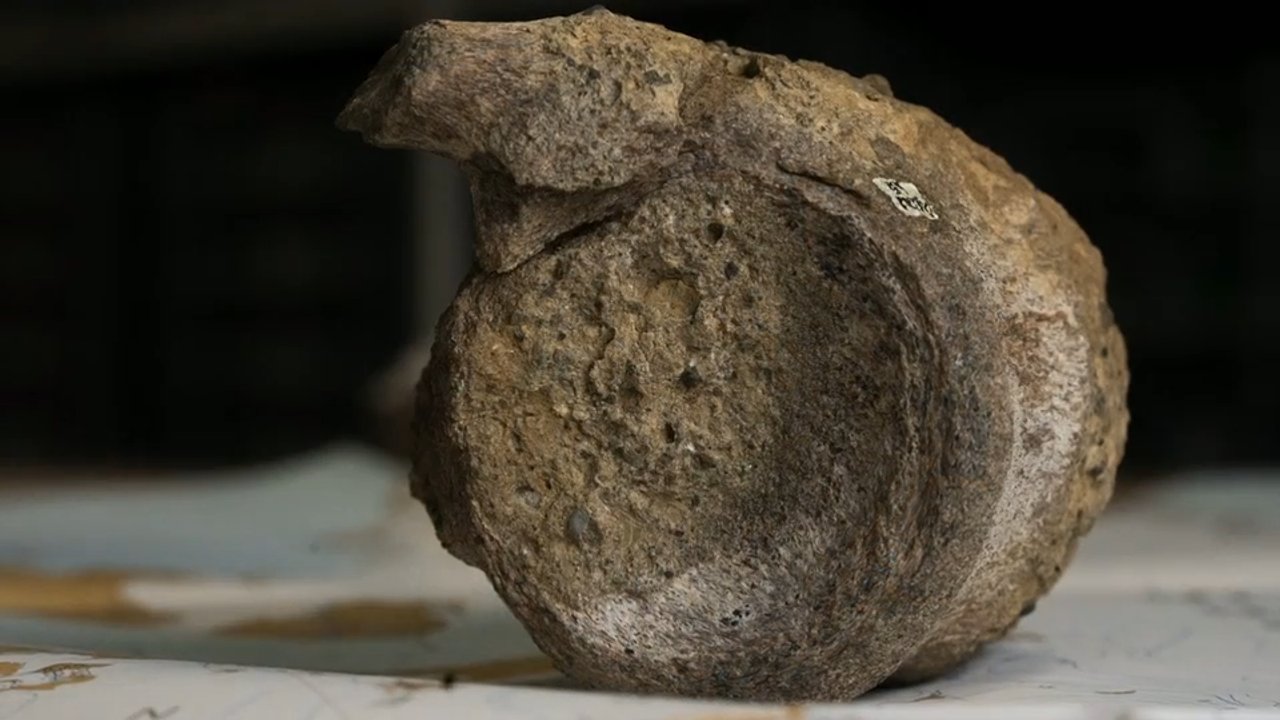
Sometimes a discovery doesn't happen in the field — it happens decades later, in a drawer.
In the 1980s, an Antarctic expedition recovered a fossil and recorded it simply as "vertebra of a large reptile" in a field notebook. That single line was all anyone knew about it for the next 40 years.
It wasn't until paleontologist Dr. Mark Evans revisited old research and notes that the fossil was properly identified — as the first dinosaur bone ever found in Antarctica. Its distinctive shape points to a Titanosaur, the largest dinosaur to ever walk the Earth.
The bone had been sitting in a collection the entire time. What changed wasn't the fossil — it was someone finally looking at it with the right knowledge asking the right questions.
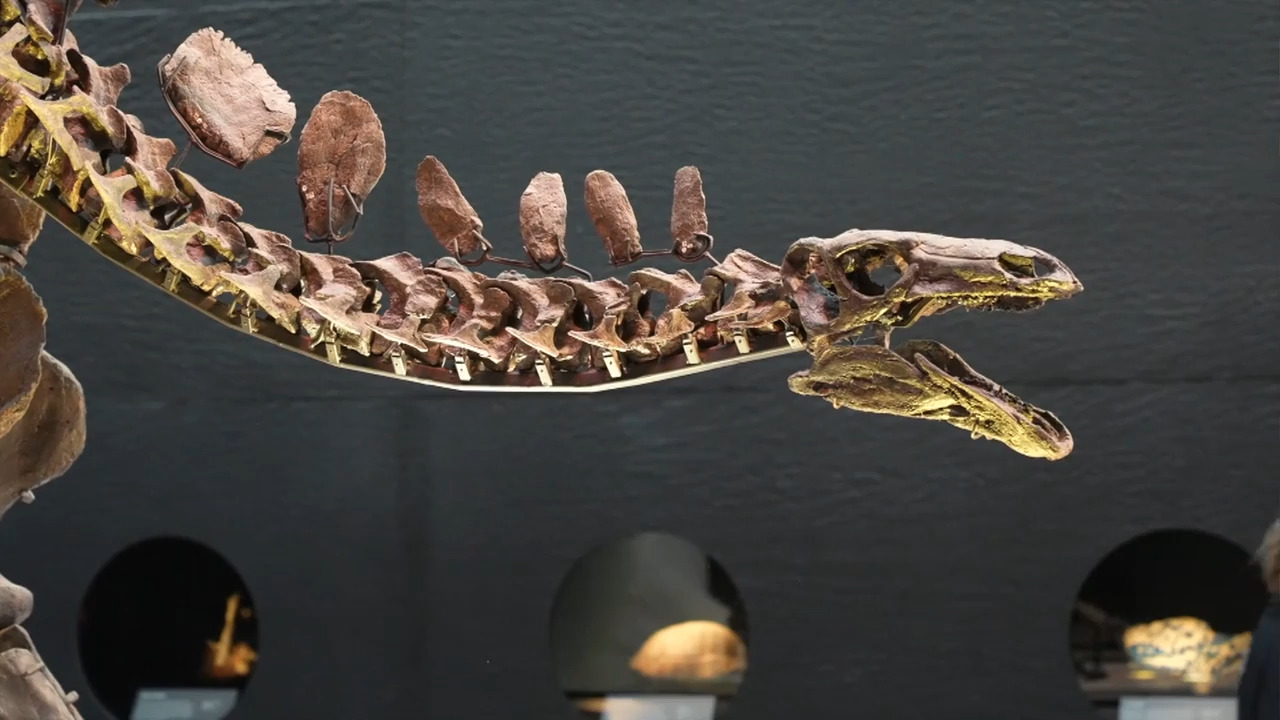
Did you know we’re still finding new dinosaurs?! You’d think the 66 million years they’ve been extinct would have been enough time for research, but the Natural History Museum is getting ready to welcome yet another new addition — a small dinosaur that they had previously mistaken for a Nanosaurus. It’s a two-legged, herbivorous dinosaur with big feet and a long tail, about the height of a labrador. Scientists have renamed it “Enigmacursor,” which means “puzzling runner,” and would also be a very cool name for the next Nike sneaker.
To determine if a dinosaur (or any creature) is new, researchers try to find unique features, like parts, proportions, and shapes. The Enigmacursor will be displayed at the Natural History Museum and will be an important tool for learning how its bigger relatives evolved, since dinosaurs started their evolution as small animals and became much, much bigger over a long, long time.
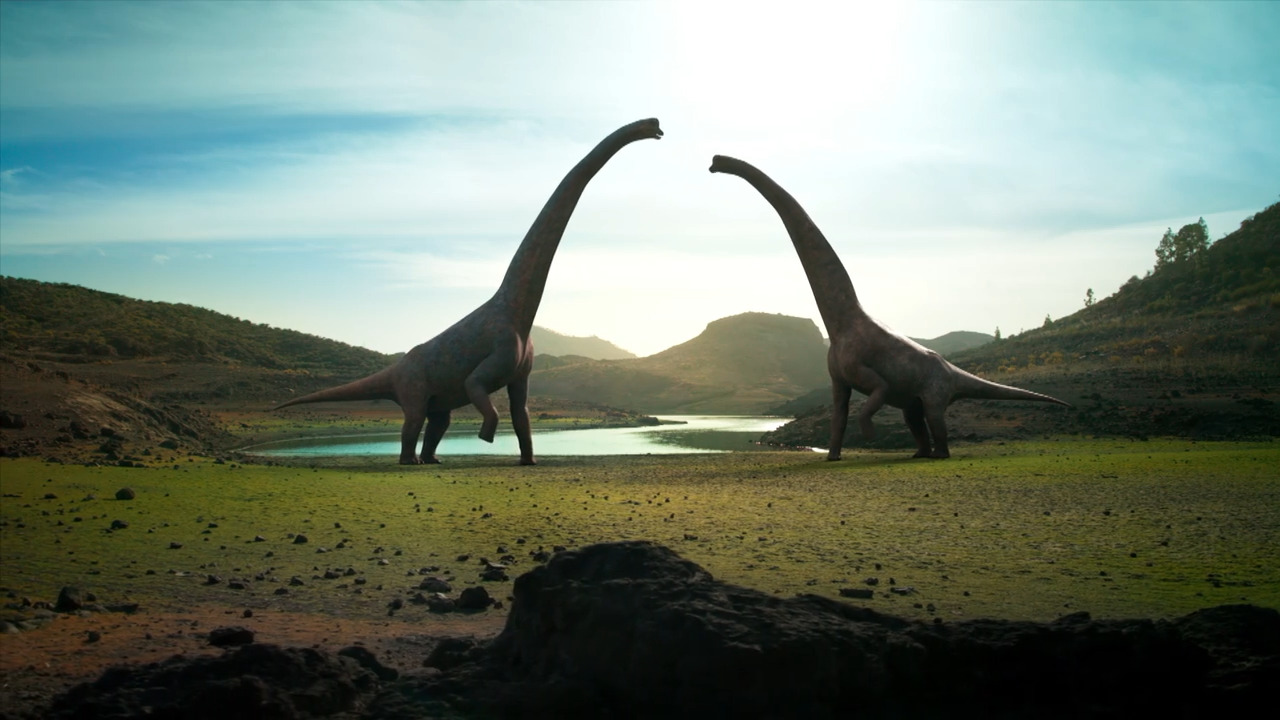
In Old Grande's Mating Dance, Old Grande tries to win over a female with an elaborate courtship display. She responds in kind until Old Grande goes too far. This video is excerpted from BBC's Walking With Dinosaurs, a legendary program that introduces six iconic dinosaurs emerging from incredible digs. This video is part our Walking With Dinosaurs Virtual Field Trip.
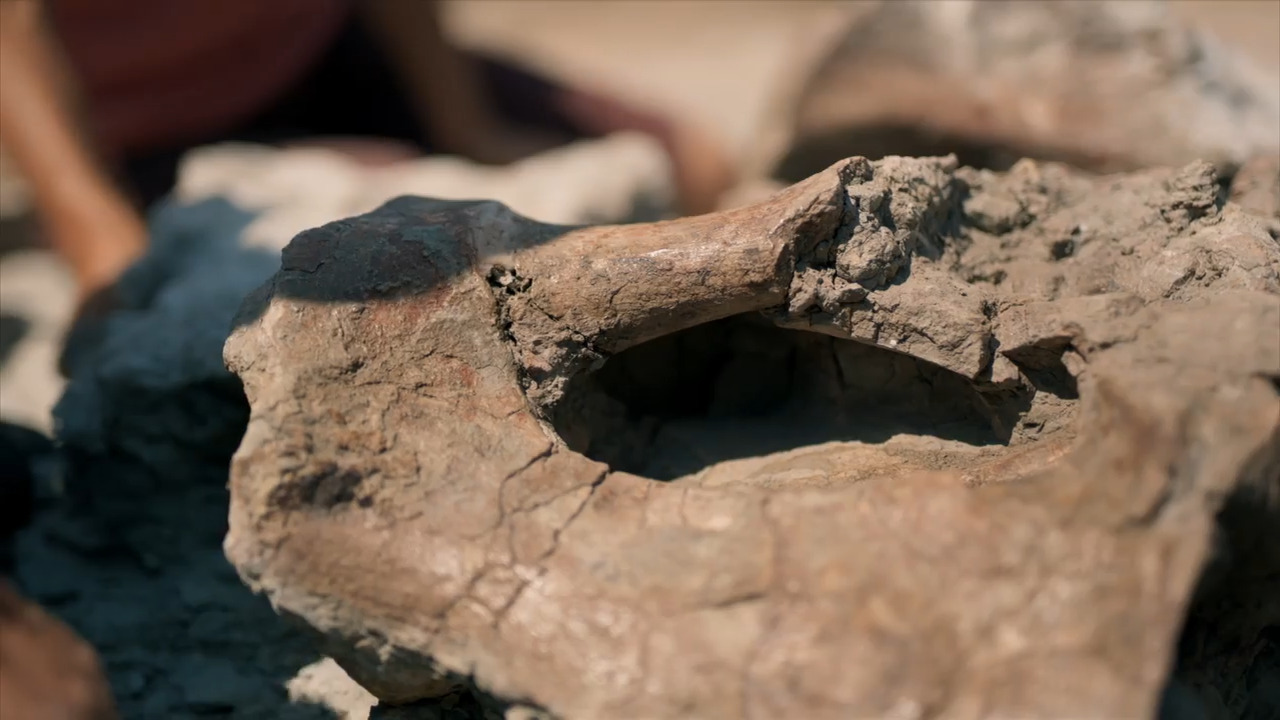
In Digging Up Lusotitan's Neck Bones, the team of paleontologists at a dig site in Portugal find a series of disc-shaped vertebrae that once formed part of Old Grande's long neck. The bones are incredibly fragile and have a hollow structure. This video is excerpted from BBC's Walking With Dinosaurs, a legendary program that introduces six iconic dinosaurs emerging from incredible digs. This video is part our Walking With Dinosaurs Virtual Field Trip.
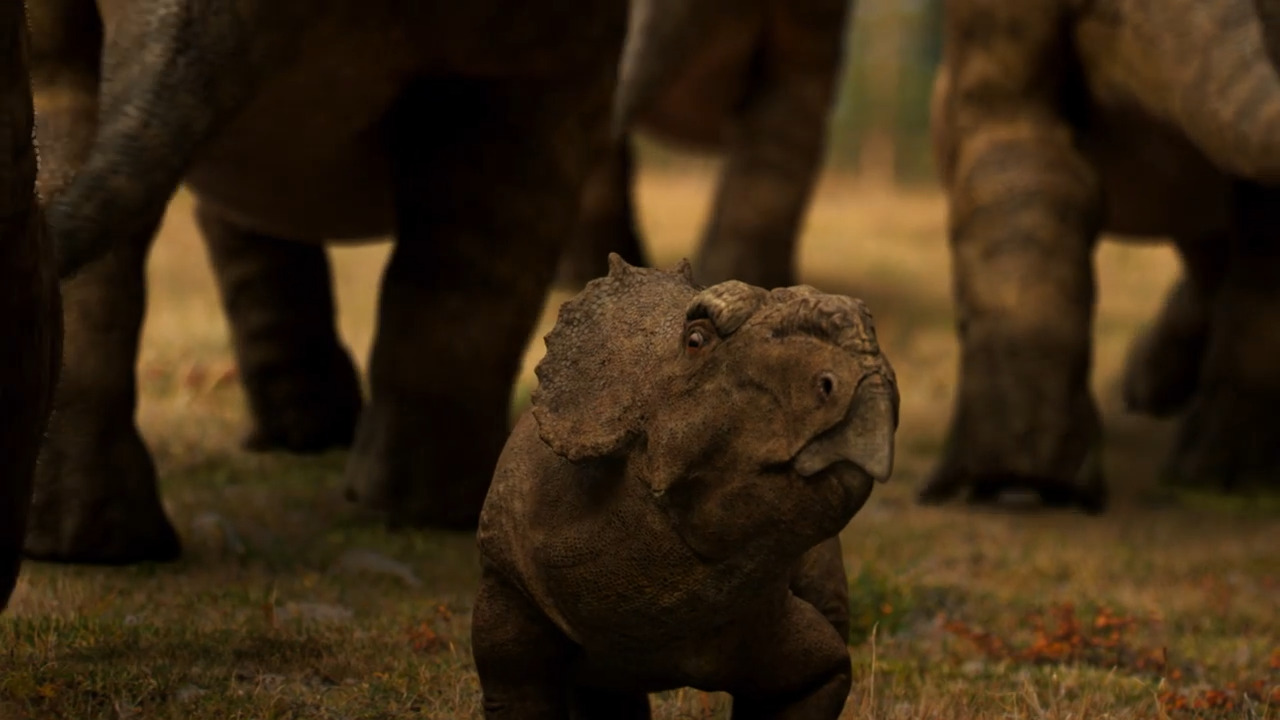
In Albie Searches for His Mother, young Albie looks for his mother's unique neck frill from among the masses of Pachyrhinosauruses. Without her protection, he has little chance of surviving the long journey. This video is excerpted from BBC's Walking With Dinosaurs, a legendary program that introduces six iconic dinosaurs emerging from incredible digs. This video is part our Walking With Dinosaurs Virtual Field Trip.
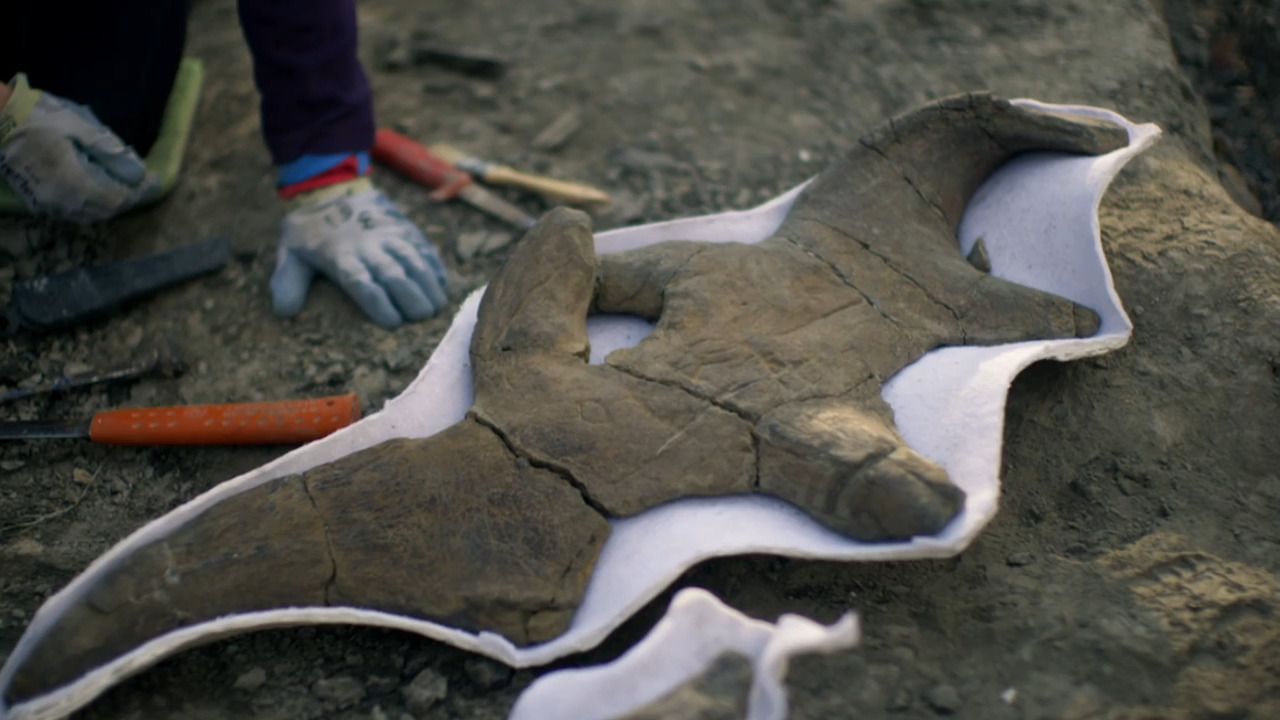
In Digging Up a Pachyrhinosaurus Neck Frill, the team of paleontologists at an Alberta dig site make a rare find — an adult's bony headdress. Its highly unusual shape make the paleontologists want to compare it with others. This video is excerpted from BBC's Walking With Dinosaurs, a legendary program that introduces six iconic dinosaurs emerging from incredible digs. This video is part our Walking With Dinosaurs Virtual Field Trip.
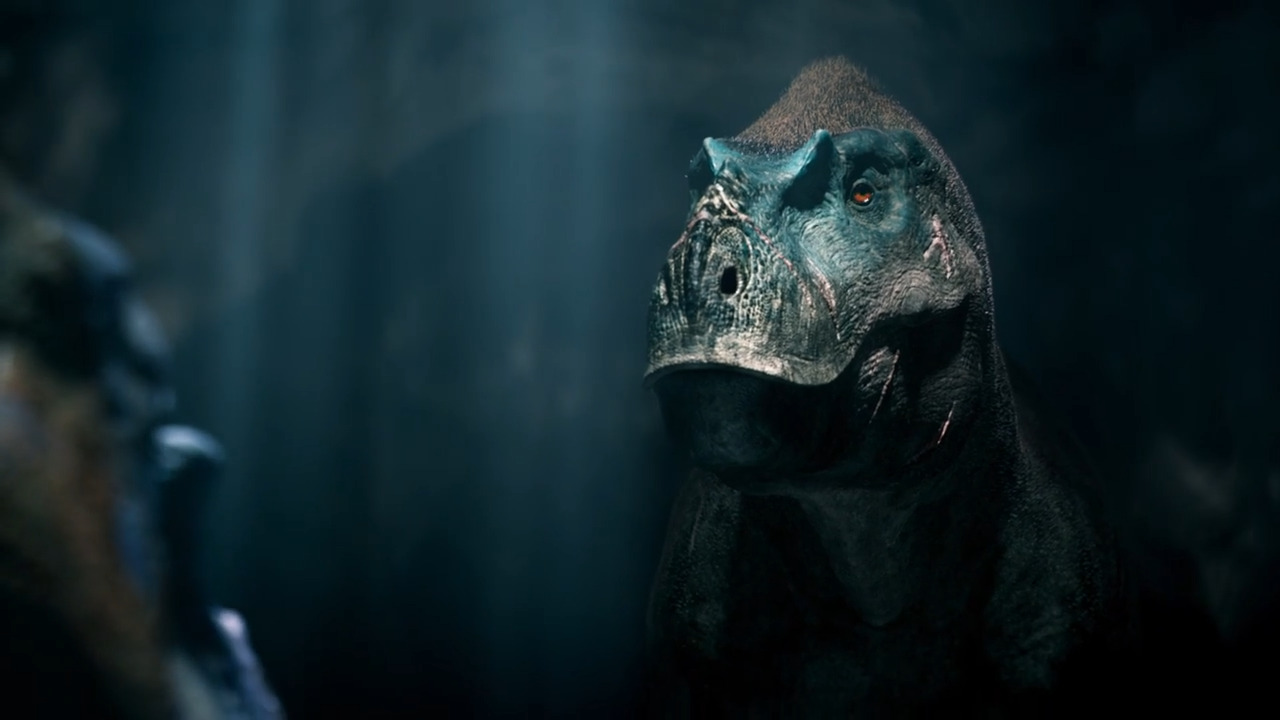
In Rose, Her Mate, and the Matriarch, Rose returns to the cave she calls home. There, she greets her mate, a source of comfort, but not for long. The matriarch has arrived and she's hungry. This video is excerpted from BBC's Walking With Dinosaurs, a legendary program that introduces six iconic dinosaurs emerging from incredible digs. This video is part our Walking With Dinosaurs Virtual Field Trip.
Journey back in time with Andy to see dinosaurs and ancient creatures. Then join him on missions around the globe to meet animals in their habitats and discover their unique behaviors and adaptations.
The greatest stories of all time are true.
In Dinosaur Killer: Sandstorm, naturalist Steve Backshall describes how massive sandstorms may have been responsible for killing large numbers of dinosaurs by blinding and suffocating anything in its path. Gigantoraptor was particularly vulnerable since it was extremely protective of its eggs, which were often buried in the sand. This video is excerpted from BBC’s Deadly Dinosaurs, a documentary series in which host Steve Backshall is on the hunt for the deadliest animals to have walked the Earth — dinosaurs — exploring features of several species and putting their abilities to the test to reveal the raw power of these creatures.
In Dinosaur Killer: Floods, naturalist Steve Backshall shows how massive floods may have been responsible for killing large numbers of dinosaurs millions of years ago. Despite the size and power of dinosaurs, monsoon floods are believed to have killed many Centrosaurus dinosaurs, whose bodies did not allow for skilled swimming. This video is excerpted from BBC’s Deadly Dinosaurs, a documentary series in which host Steve Backshall is on the hunt for the deadliest animals to have walked the Earth — dinosaurs — exploring features of several species and putting their abilities to the test to reveal the raw power of these creatures.
In Kimmerosaurus, the Diving Dinosaur, naturalist Steve Backshall explores how this aquatic creature used its unique features to hunt. Plus, check out how the actions of Kimmerosaurus left huge trenches in our modern-day environment. This video is excerpted from BBC’s Deadly Dinosaurs, a documentary series in which host Steve Backshall is on the hunt for the deadliest animals to have walked the Earth — dinosaurs — exploring features of several species and putting their abilities to the test to reveal the raw power of these creatures.
Sometimes a discovery doesn't happen in the field — it happens decades later, in a drawer.
In the 1980s, an Antarctic expedition recovered a fossil and recorded it simply as "vertebra of a large reptile" in a field notebook. That single line was all anyone knew about it for the next 40 years.
It wasn't until paleontologist Dr. Mark Evans revisited old research and notes that the fossil was properly identified — as the first dinosaur bone ever found in Antarctica. Its distinctive shape points to a Titanosaur, the largest dinosaur to ever walk the Earth.
The bone had been sitting in a collection the entire time. What changed wasn't the fossil — it was someone finally looking at it with the right knowledge asking the right questions.
Did you know we’re still finding new dinosaurs?! You’d think the 66 million years they’ve been extinct would have been enough time for research, but the Natural History Museum is getting ready to welcome yet another new addition — a small dinosaur that they had previously mistaken for a Nanosaurus. It’s a two-legged, herbivorous dinosaur with big feet and a long tail, about the height of a labrador. Scientists have renamed it “Enigmacursor,” which means “puzzling runner,” and would also be a very cool name for the next Nike sneaker.
To determine if a dinosaur (or any creature) is new, researchers try to find unique features, like parts, proportions, and shapes. The Enigmacursor will be displayed at the Natural History Museum and will be an important tool for learning how its bigger relatives evolved, since dinosaurs started their evolution as small animals and became much, much bigger over a long, long time.
In Old Grande's Mating Dance, Old Grande tries to win over a female with an elaborate courtship display. She responds in kind until Old Grande goes too far. This video is excerpted from BBC's Walking With Dinosaurs, a legendary program that introduces six iconic dinosaurs emerging from incredible digs. This video is part our Walking With Dinosaurs Virtual Field Trip.
In Digging Up Lusotitan's Neck Bones, the team of paleontologists at a dig site in Portugal find a series of disc-shaped vertebrae that once formed part of Old Grande's long neck. The bones are incredibly fragile and have a hollow structure. This video is excerpted from BBC's Walking With Dinosaurs, a legendary program that introduces six iconic dinosaurs emerging from incredible digs. This video is part our Walking With Dinosaurs Virtual Field Trip.
In Albie Searches for His Mother, young Albie looks for his mother's unique neck frill from among the masses of Pachyrhinosauruses. Without her protection, he has little chance of surviving the long journey. This video is excerpted from BBC's Walking With Dinosaurs, a legendary program that introduces six iconic dinosaurs emerging from incredible digs. This video is part our Walking With Dinosaurs Virtual Field Trip.
In Digging Up a Pachyrhinosaurus Neck Frill, the team of paleontologists at an Alberta dig site make a rare find — an adult's bony headdress. Its highly unusual shape make the paleontologists want to compare it with others. This video is excerpted from BBC's Walking With Dinosaurs, a legendary program that introduces six iconic dinosaurs emerging from incredible digs. This video is part our Walking With Dinosaurs Virtual Field Trip.
In Rose, Her Mate, and the Matriarch, Rose returns to the cave she calls home. There, she greets her mate, a source of comfort, but not for long. The matriarch has arrived and she's hungry. This video is excerpted from BBC's Walking With Dinosaurs, a legendary program that introduces six iconic dinosaurs emerging from incredible digs. This video is part our Walking With Dinosaurs Virtual Field Trip.