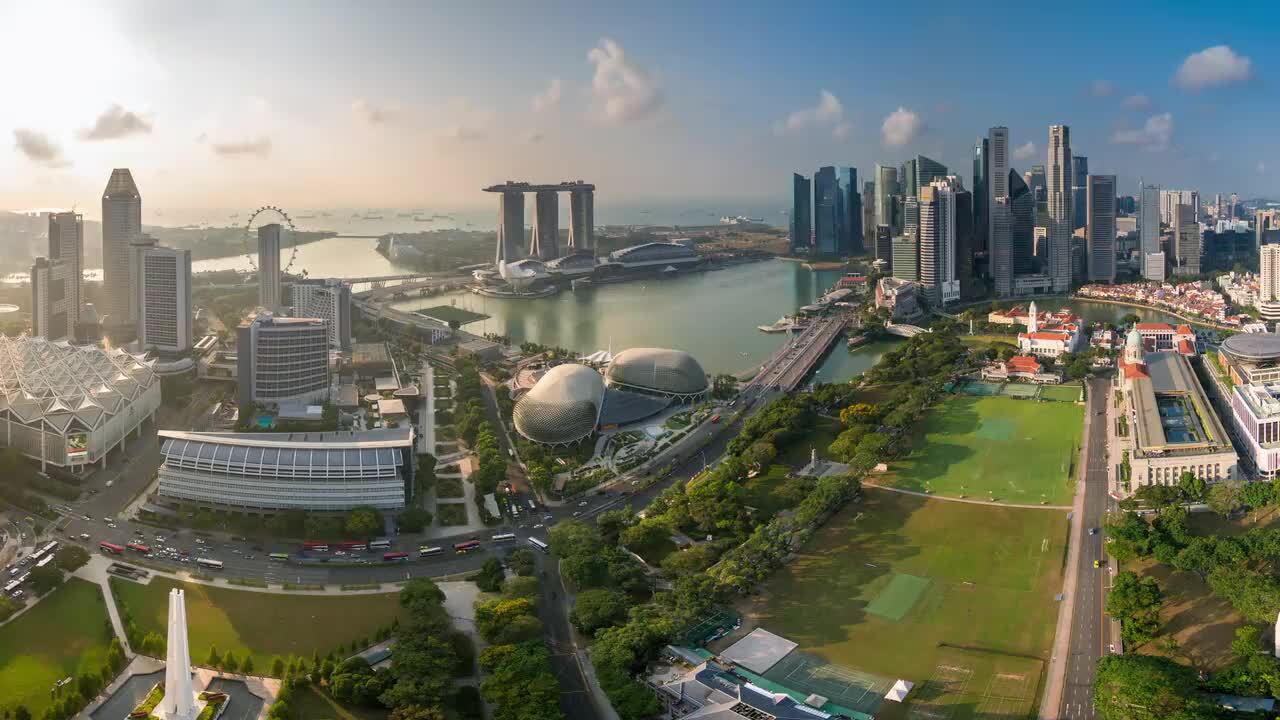
In Building Urban Havens for Wildlife, narrator Sir David Attenborough shows how urban areas like Milan, Italy, and Singapore are designing spaces to support wildlife. By incorporating nature into city planning, these cities create habitats for wildlife, helping to preserve biodiversity and promote sustainability. This video is excerpted from BBC’s Planet Earth II, a breathtaking documentary series that highlights the natural wonders of our planet.
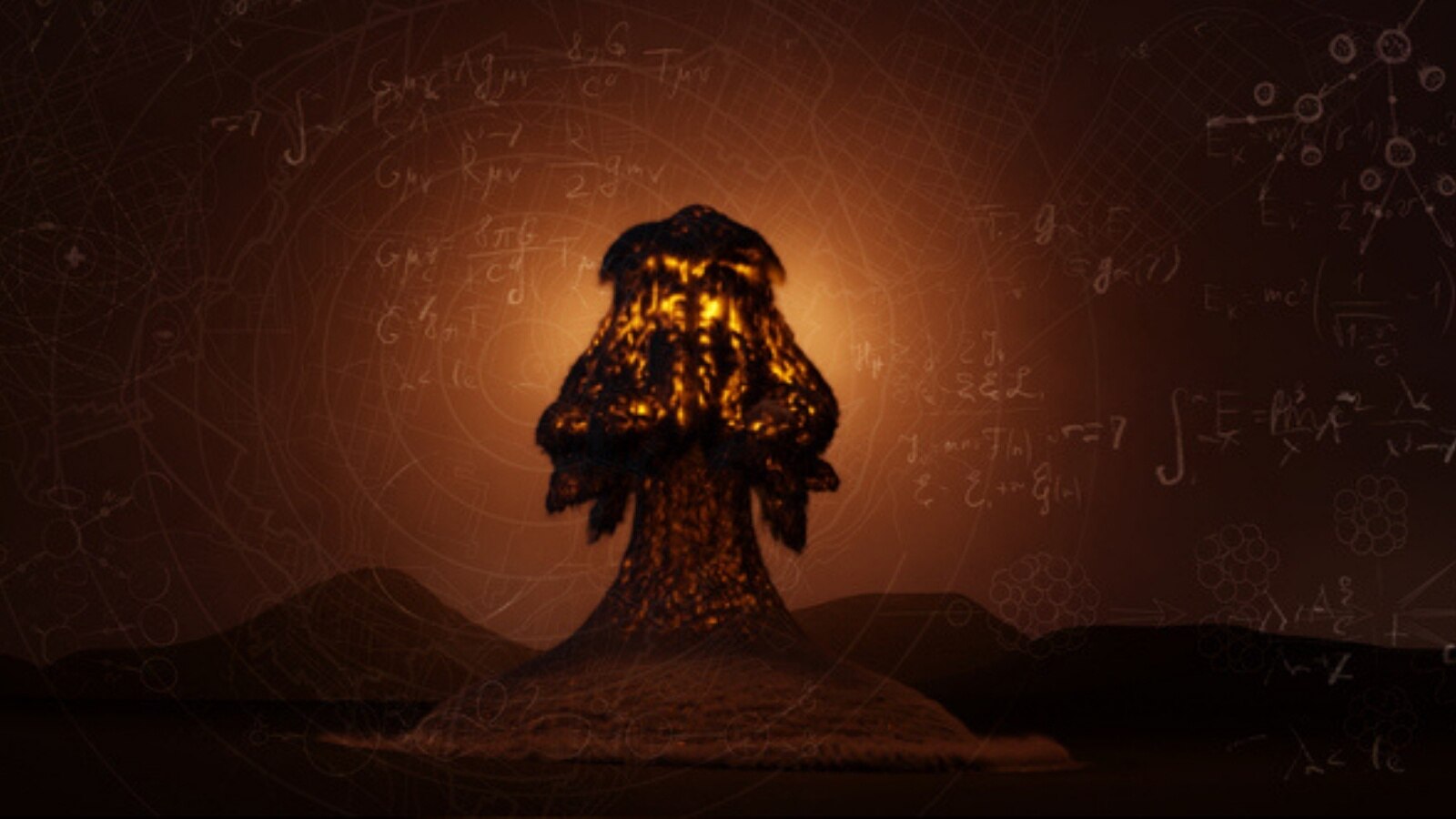
The article "The Manhattan Project: Building the First Atomic Bomb" from BBC's HistoryExtra explains how a top-secret U.S. military project developed the world’s first atomic bomb during World War II. It covers the project's origins, key figures like J. Robert Oppenheimer, and the devastating bombings of Hiroshima and Nagasaki that marked the start of the Atomic Age.
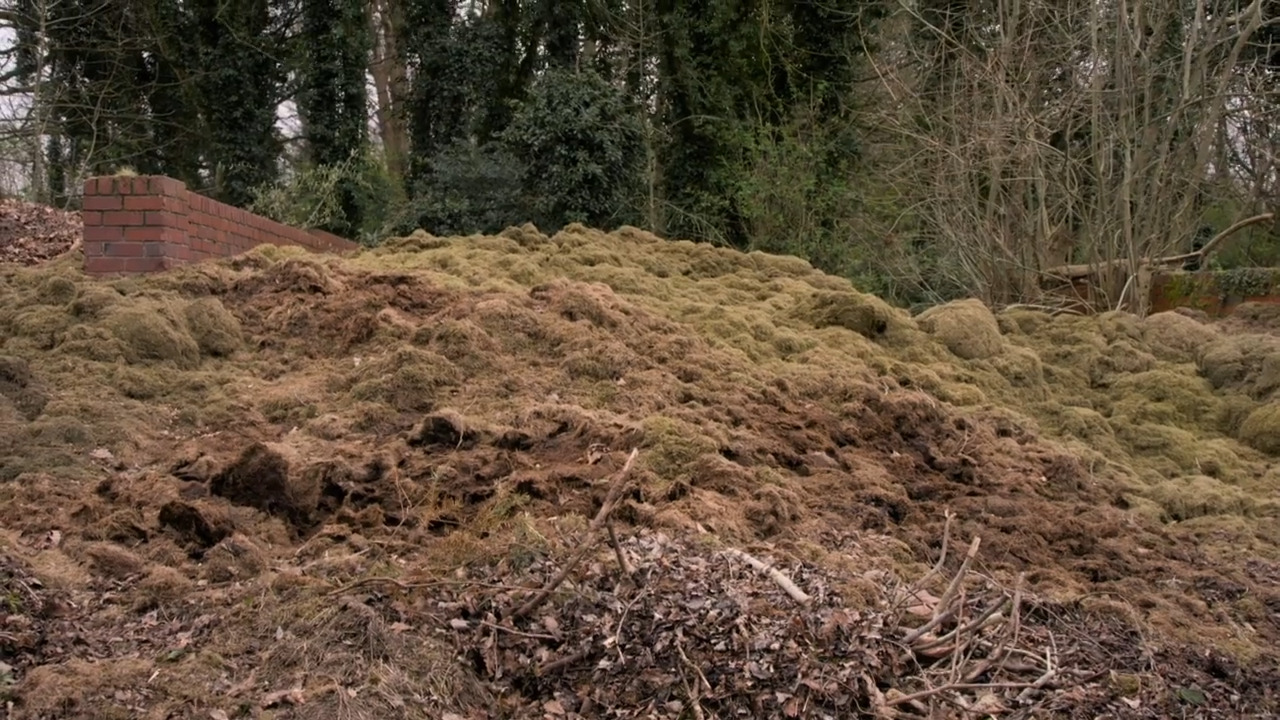
In Building Community Gardens, Ranger Hamza and the Ramblers visit an allotment or a community garden. They learn how gardens are spaces to grow food and to engage with nature. Then they come across a compost pile and investigate why worms and robins are also at the compost pile. This video is excerpted from BBC's Ranger Hamza’s Eco Quest, a nature exploration show in which Ranger Hamza and the Ramblers go on quests to discover nature’s wonders and the important role they play in our environment.
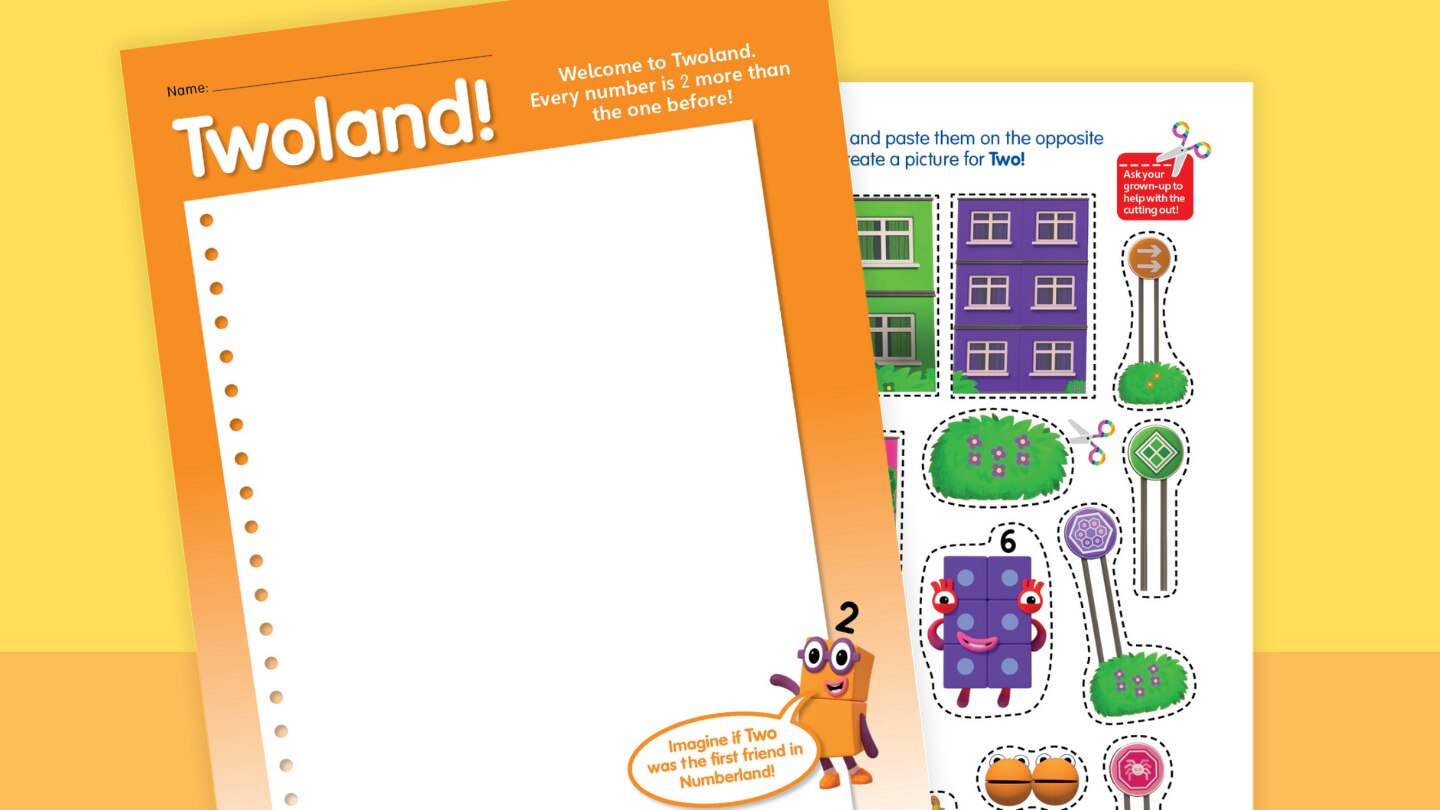
Welcome to Twoland. Every number is two more than the one before. Imagine if Two was the first friend in Numberland. Cut out the pictures and paste them on the opposite page to create a picture for Two!
Watch full episodes of Numberblocks on their official YouTube channel!
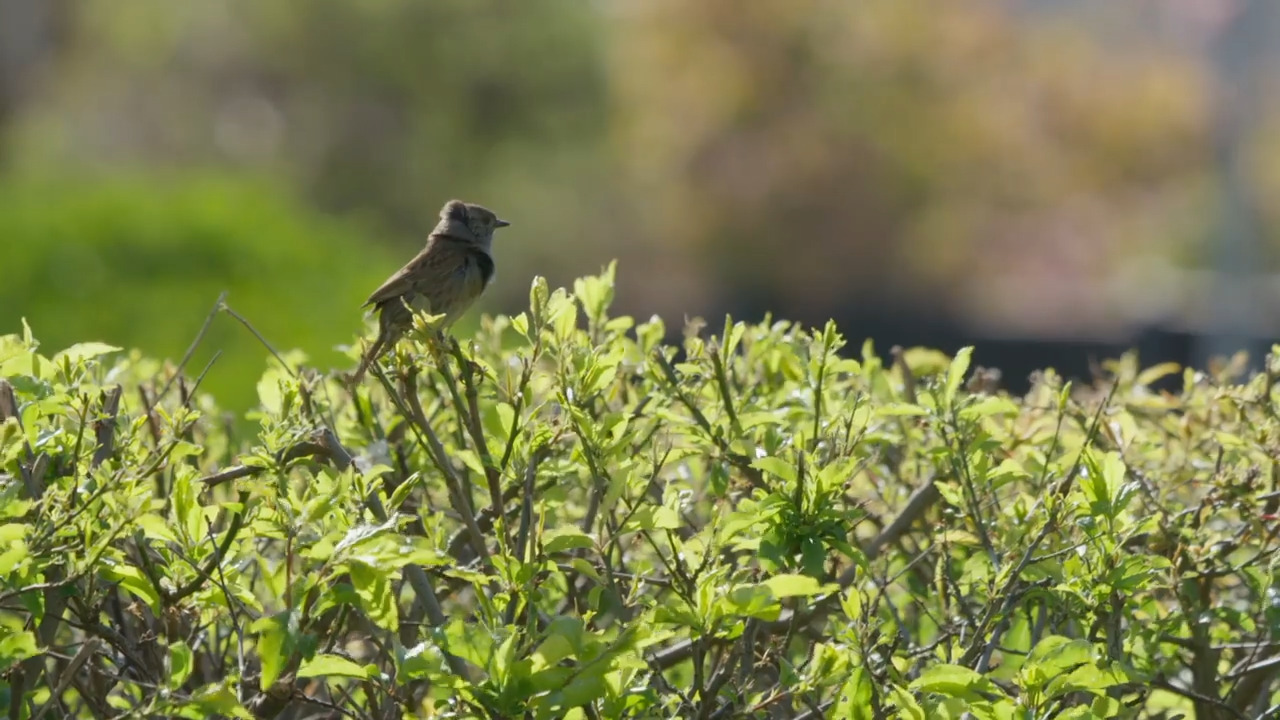
In Hedges, Nature’s Apartment Buildings, Ranger Hamza and the Ramblers investigate the habitat that’s inside a hedgerow. Come along and discover what lives at the bottom, middle, and top of a hedge. This video is excerpted from BBC's Ranger Hamza’s Eco Quest, a nature exploration show in which Ranger Hamza and the Ramblers go on quests to discover nature’s wonders and the important role they play in our environment.
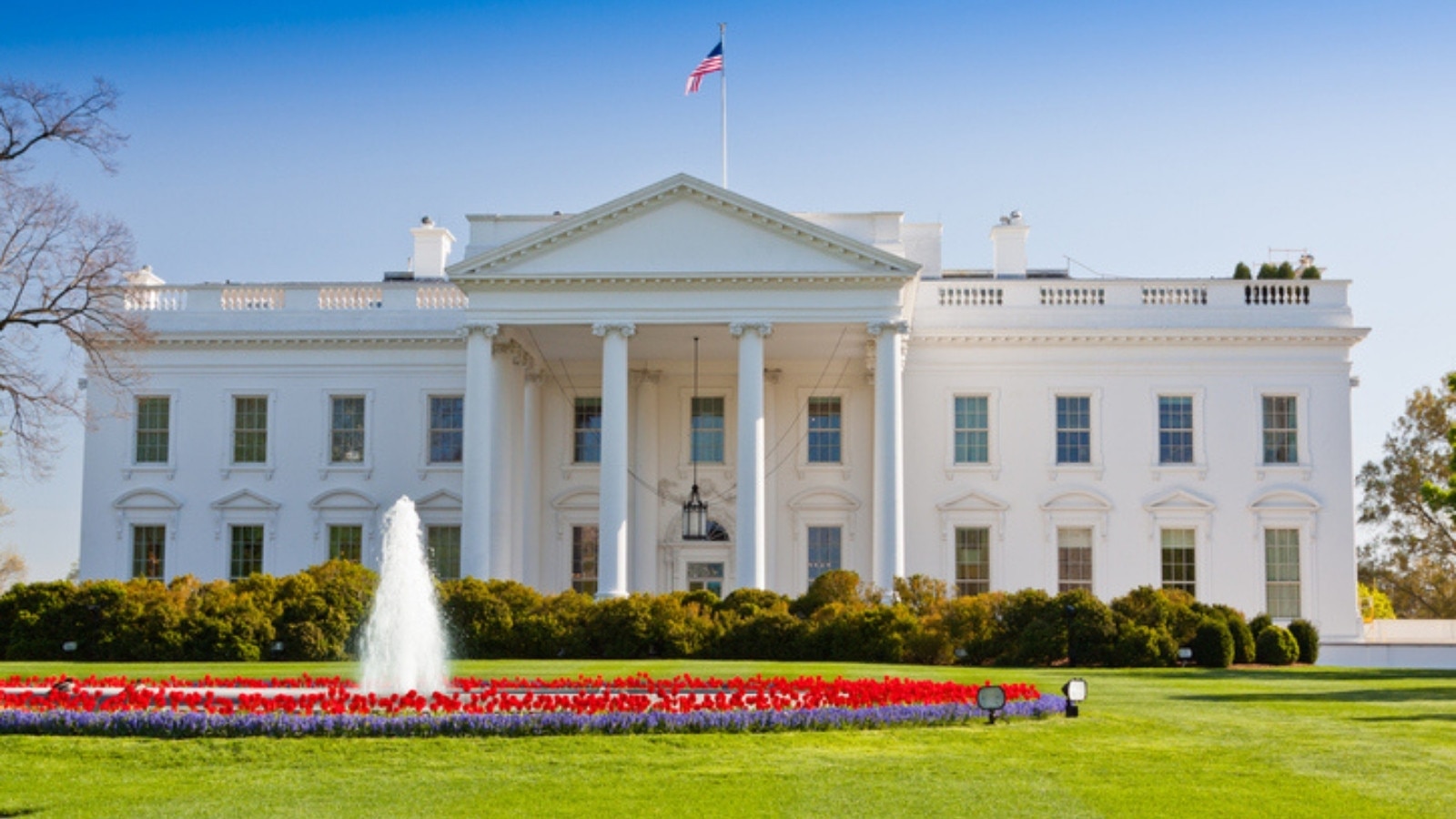
The article "Who Really Built the White House? The Hidden Story Behind America’s Presidential Home" from BBC's HistoryExtra explores the creation of the White House, from George Washington’s vision to James Hoban’s design. It highlights how enslaved people and immigrant craftsmen built the home, revealing the untold history behind one of America’s most iconic buildings.
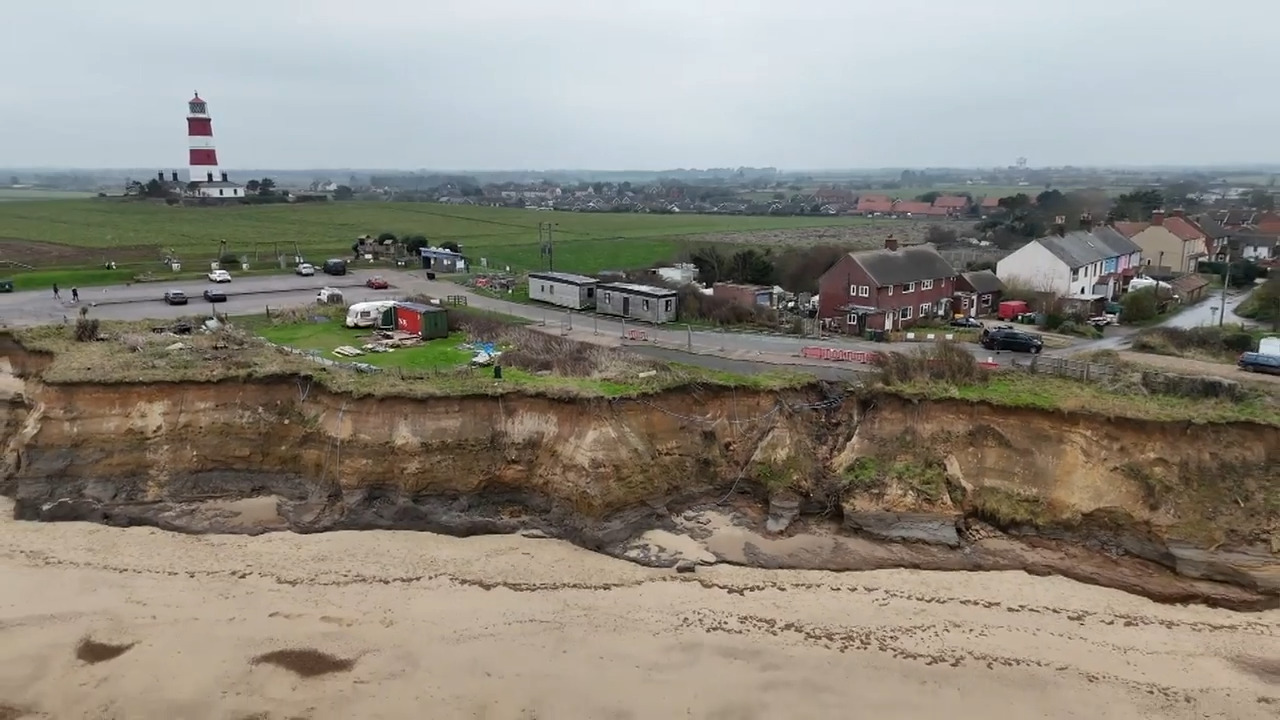
Waking up and looking out the window at the beautiful shoreline is great, until the water gets a little too close for comfort…
Bryony Nierop-Reading is a UK woman who has spent years up close and personal with the effects of coastal erosion — that’s when land is lost or displaced by natural forces like waves, tides, and storms. In 2009, she bought a home on the coast. She thought it was a safe distance from the shore, but it took only 4 years until the water became unlivably close to the house.
In her new home across the road, she sees the same challenges. In fact, in just two weeks, as much as 32 feet of land were lost to the sea. That’s the length of a school bus, or the height of a 3-story building!
It’s no wonder she’s so determined to fight for awareness and action around coastal erosion, especially as task forces meant to deal with the issue are being shut down, leaving counties to handle the problem themselves.
But Bryony the Brave is determined to stay put for as long as possible. She believes living so close to the issue helps her stay informed, motivated, and ready to speak up.
In Building Urban Havens for Wildlife, narrator Sir David Attenborough shows how urban areas like Milan, Italy, and Singapore are designing spaces to support wildlife. By incorporating nature into city planning, these cities create habitats for wildlife, helping to preserve biodiversity and promote sustainability. This video is excerpted from BBC’s Planet Earth II, a breathtaking documentary series that highlights the natural wonders of our planet.
The article "The Manhattan Project: Building the First Atomic Bomb" from BBC's HistoryExtra explains how a top-secret U.S. military project developed the world’s first atomic bomb during World War II. It covers the project's origins, key figures like J. Robert Oppenheimer, and the devastating bombings of Hiroshima and Nagasaki that marked the start of the Atomic Age.
In Building Community Gardens, Ranger Hamza and the Ramblers visit an allotment or a community garden. They learn how gardens are spaces to grow food and to engage with nature. Then they come across a compost pile and investigate why worms and robins are also at the compost pile. This video is excerpted from BBC's Ranger Hamza’s Eco Quest, a nature exploration show in which Ranger Hamza and the Ramblers go on quests to discover nature’s wonders and the important role they play in our environment.
Welcome to Twoland. Every number is two more than the one before. Imagine if Two was the first friend in Numberland. Cut out the pictures and paste them on the opposite page to create a picture for Two!
Watch full episodes of Numberblocks on their official YouTube channel!
In Hedges, Nature’s Apartment Buildings, Ranger Hamza and the Ramblers investigate the habitat that’s inside a hedgerow. Come along and discover what lives at the bottom, middle, and top of a hedge. This video is excerpted from BBC's Ranger Hamza’s Eco Quest, a nature exploration show in which Ranger Hamza and the Ramblers go on quests to discover nature’s wonders and the important role they play in our environment.
The article "Who Really Built the White House? The Hidden Story Behind America’s Presidential Home" from BBC's HistoryExtra explores the creation of the White House, from George Washington’s vision to James Hoban’s design. It highlights how enslaved people and immigrant craftsmen built the home, revealing the untold history behind one of America’s most iconic buildings.
Waking up and looking out the window at the beautiful shoreline is great, until the water gets a little too close for comfort…
Bryony Nierop-Reading is a UK woman who has spent years up close and personal with the effects of coastal erosion — that’s when land is lost or displaced by natural forces like waves, tides, and storms. In 2009, she bought a home on the coast. She thought it was a safe distance from the shore, but it took only 4 years until the water became unlivably close to the house.
In her new home across the road, she sees the same challenges. In fact, in just two weeks, as much as 32 feet of land were lost to the sea. That’s the length of a school bus, or the height of a 3-story building!
It’s no wonder she’s so determined to fight for awareness and action around coastal erosion, especially as task forces meant to deal with the issue are being shut down, leaving counties to handle the problem themselves.
But Bryony the Brave is determined to stay put for as long as possible. She believes living so close to the issue helps her stay informed, motivated, and ready to speak up.