
In What Happens in Your Brain When You Eat Spicy Food, host Harith Iskander explains how capsaicin, the chemical found in hot peppers, affects the brain. When you eat something spicy, capsaicin binds to pain receptors in your tongue, sending a signal to your brain that your mouth is "on fire." In response, your brain activates cooling mechanisms, like making you sweat. This video is excerpted from BBC’s Got Science?, a science magazine series that explores and explains science in everyday life.

In How Playing Ping Pong Boosts Your Brain Power, host Harith Iskander shows how this fast-paced game gives your brain a major workout. From making quick decisions to coordinating hand movements, table tennis engages different parts of the brain, including the motor cortex, cerebellum, and prefrontal cortex. As players react to the ball, plan their moves, and remember their opponent’s patterns, the hippocampus — the memory center of the brain — gets stronger. This video is excerpted from BBC’s Got Science?, a science magazine series that explores and explains science in everyday life.

In Why We Love Baby Animals, host Harith Iskander explores the science behind the overwhelming urge humans feel to squeeze or cuddle baby animals. This feeling, known as cute aggression, is an evolutionary response. The brain releases dopamine, making us feel happy and protective when we see something cute. This video is excerpted from BBC’s Got Science?, a science magazine series that explores and explains science in everyday life.
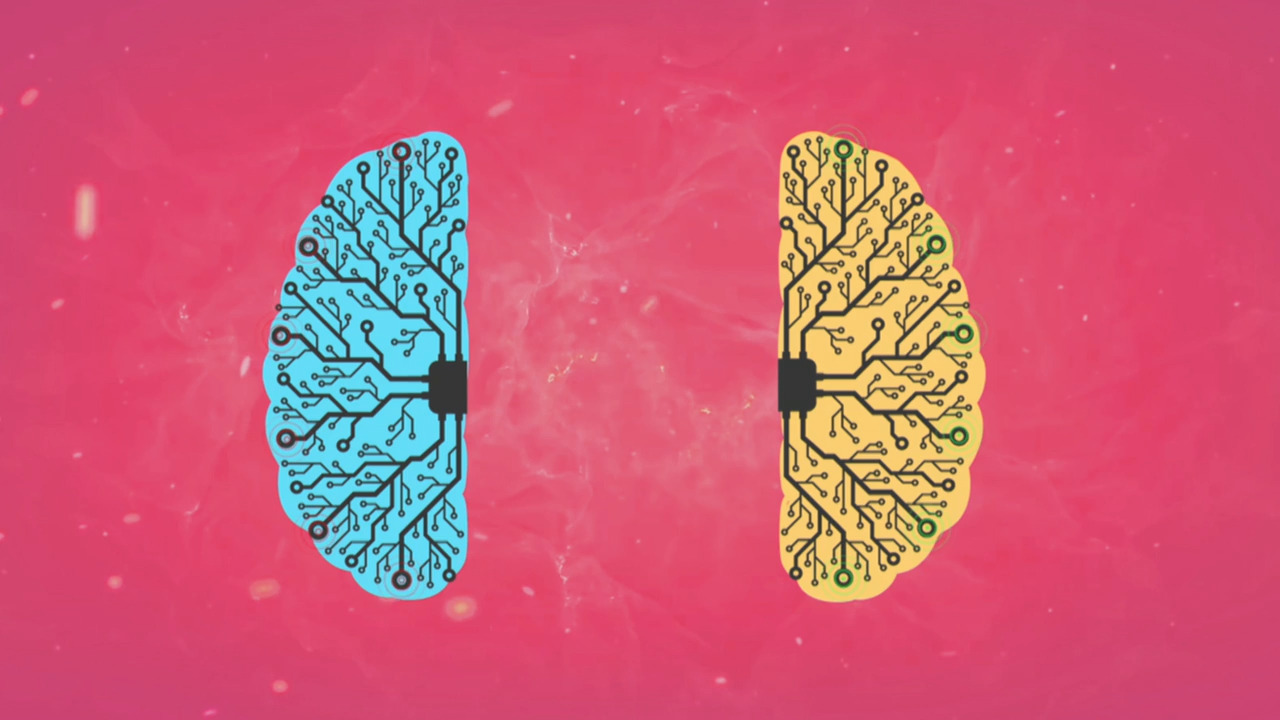
In Left-Brained or Right-Brained?, host Harith Iskander explains how early studies suggested that the left side of the brain was responsible for logical thinking and the right side for creativity and intuition. However, more recent research has shown that the brain works in a much more connected and complex way than originally thought. This video is excerpted from BBC’s Got Science?, a science magazine series that explores and explains science in everyday life.
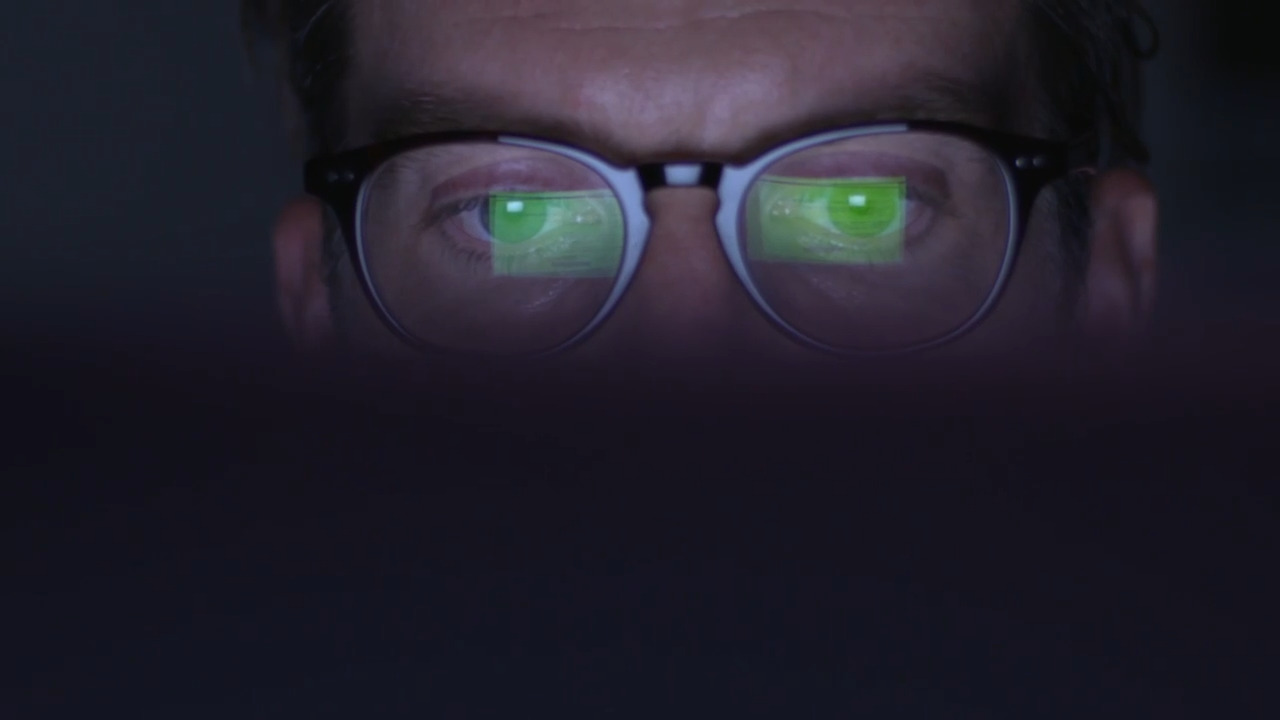
In The Impact of Screens on Our Vision and Memory, host Harith Iskander explores how smartphones and other screen devices are affecting our eyes and memory. When we hold our phones close to our faces, it strains our eyes and can cause them to become more elongated, leading to vision problems like myopia (nearsightedness). Additionally, overusing technology can also impact how the brain stores and processes information. This video is excerpted from BBC’s Got Science?, a science magazine series that explores and explains science in everyday life.

In Mastering Muay Thai, host Harith Iskander presents the unique training techniques used in Muay Thai, particularly the roundhouse kick. Children start with shin conditioning to build strength, followed by desensitization, where the brain is trained to ignore pain signals during intense training. Learn how these techniques help martial artists develop both physical resilience and mental toughness. This video is excerpted from BBC’s Got Science?, a science magazine series that explores and explains science in everyday life.
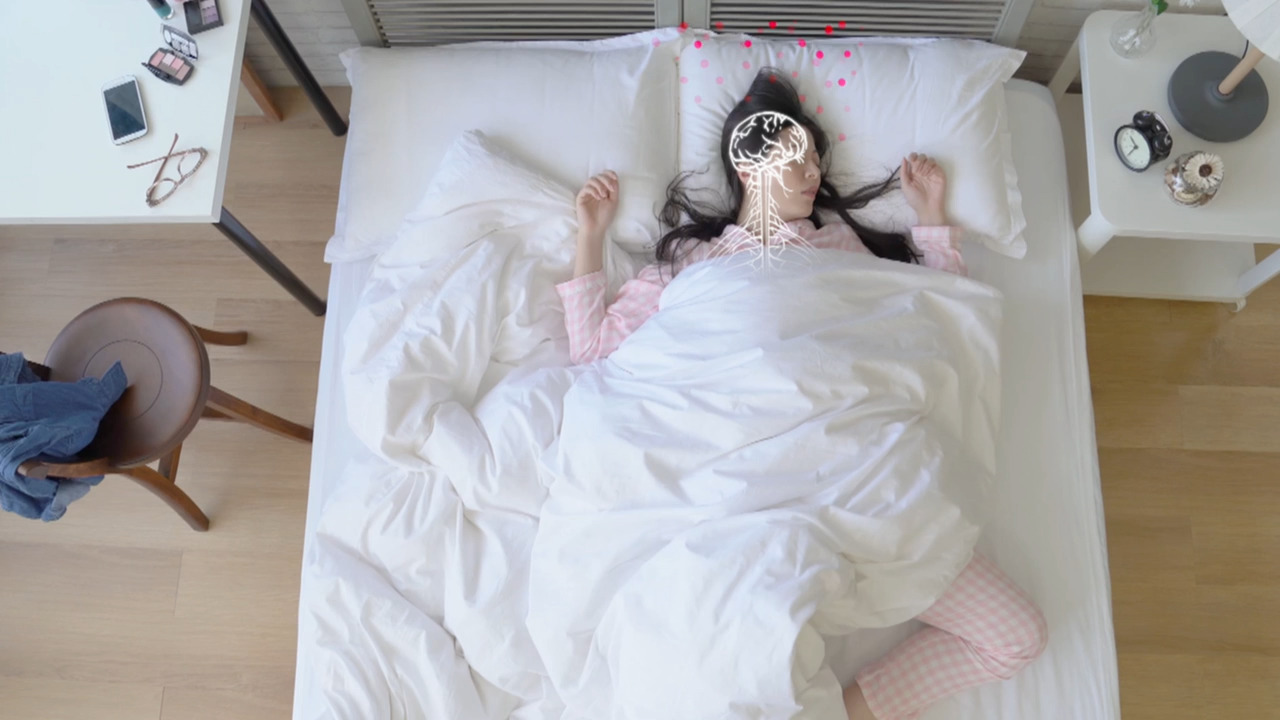
In Understanding Sleep Paralysis, host Harith Iskander explores the phenomenon of sleep paralysis, a condition where the mind wakes up, but the body remains in a state of sleep. Learn how the brain transitions between sleep stages, particularly REM, and why the body remains immobile to prevent us from acting out our dreams. This video is excerpted from BBC’s Got Science?, a science magazine series that explores and explains science in everyday life.
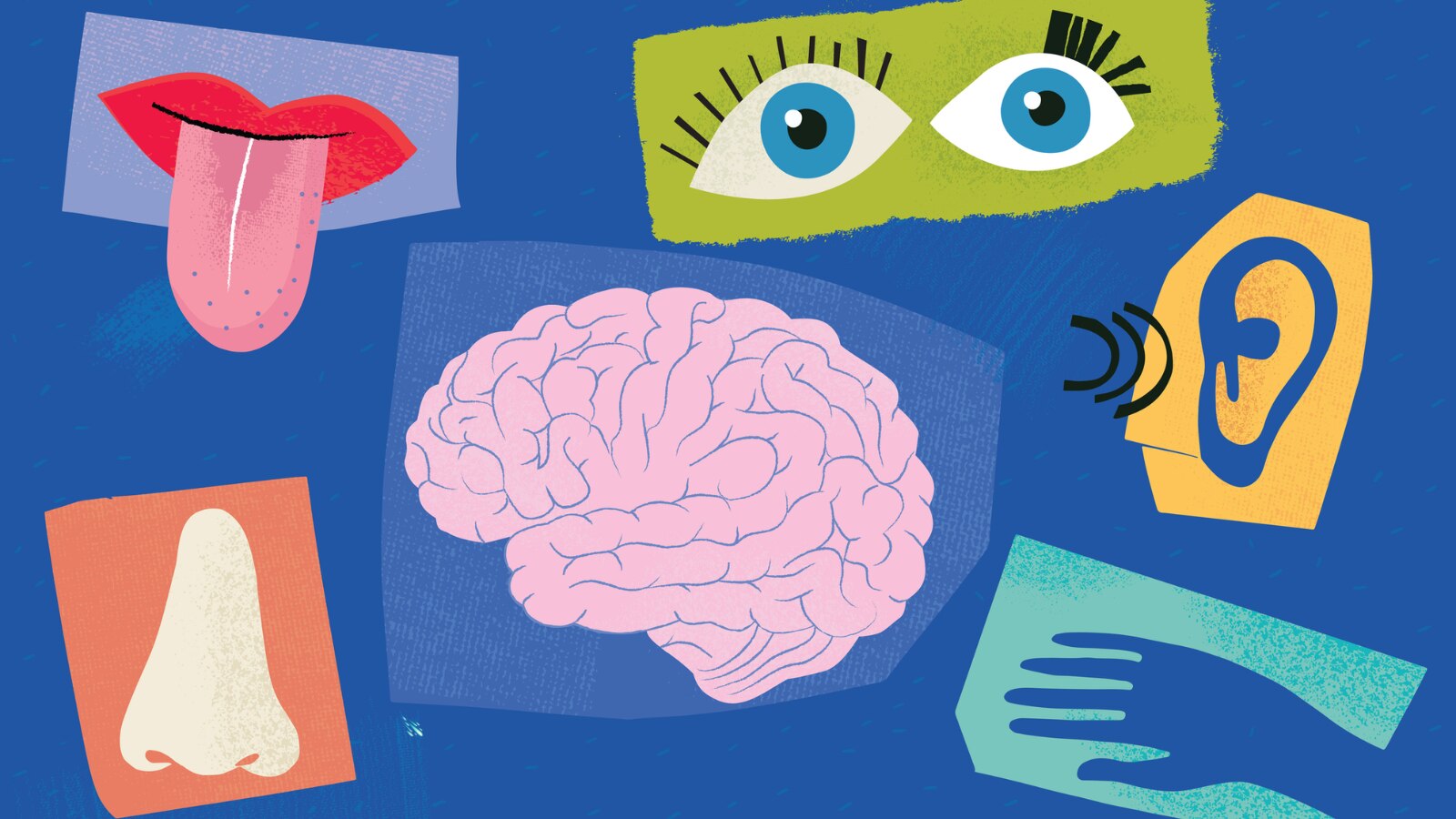
Explore the five senses like never before! Dive into 10 fascinating BBC videos from shows like Got Science? and Secrets of Skin that uncover the amazing science behind how we see, hear, smell, taste, and touch. Students will discover why food tastes different on an airplane, how smell involves more than just the nose, why our eyes make emotional tears, how sound can change flavor, and how fingertips and smell receptors send powerful signals to the brain. It’s a fun, surprising look at the hidden connections between the brain and our everyday experiences.
This video playlist brings together 10 fascinating clips from the BBC’s Got Science? series, where everyday questions lead to surprising scientific discoveries. Students explore what’s really happening in the body and brain — from what your brain is doing during sleep paralysis to what it truly means to be “left-brained” or “right-brained.” They’ll investigate what happens when the body becomes dehydrated, how cold temperatures and high altitudes affect how we function, and the unexpected ways our bodies trick us every single day. Packed with “What! Really?” moments, this weird-but-wonderful playlist helps learners connect real science to daily life in unforgettable ways. Get ready to see the familiar become fascinating.
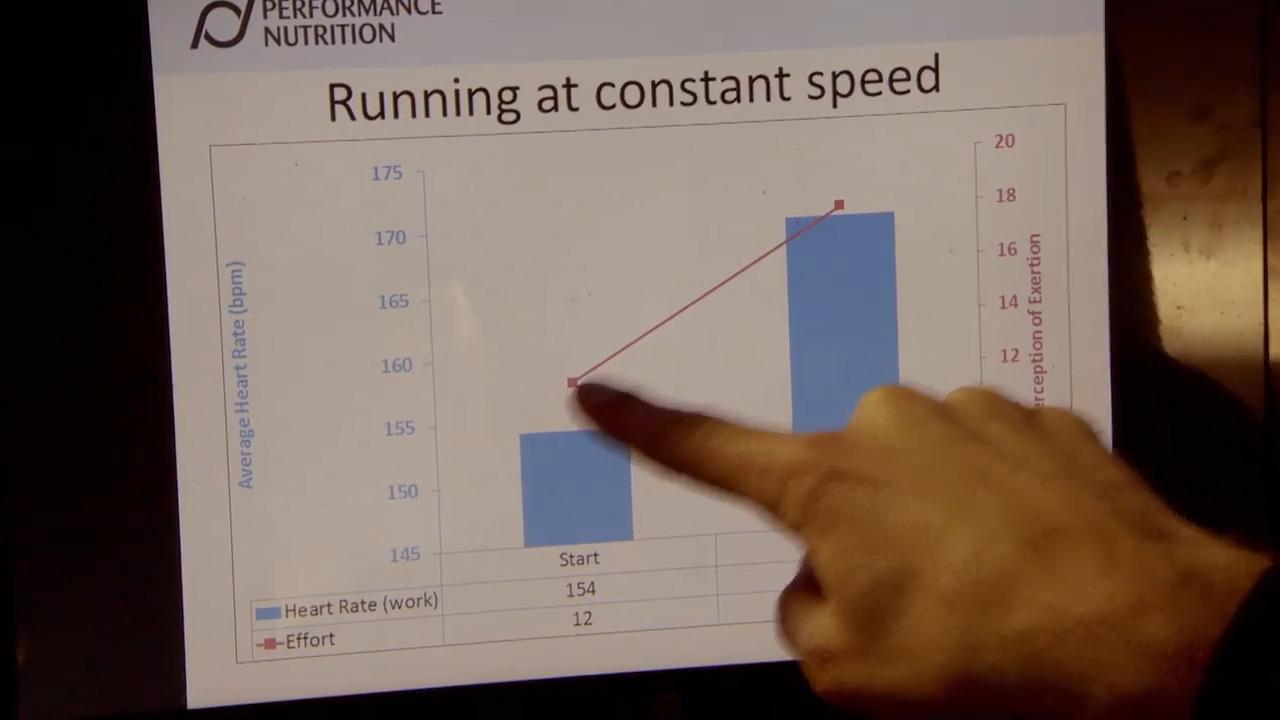
In The Science of Dehydration, Jem pushes his body to the limit with intense exercise while scientists measure how dehydration affects his performance. After sweating it out on a treadmill and exercise bike — without drinking any water — his blood volume drops, and his reaction time slows by a third! The results prove just how crucial hydration is for both the body and the brain. This video is excerpted from BBC’s Bang Goes the Theory, a series that delves into the ways science impacts our lives and shapes the world we experience every day.

In Understanding Jet Lag, host Harith Iskander explains how jet lag occurs when a person’s internal clock doesn’t match the external time of a new location. The brain’s oscillator cells in the hypothalamus, which help regulate our sleep-wake cycles, struggle to adjust quickly. Traveling east can be especially difficult because it shortens the body’s natural circadian cycle, while flying west allows for more gradual adjustment. This video is excerpted from BBC’s Got Science?, a science magazine series that explores and explains science in everyday life.

In Why Hitting the Snooze Button Makes You Sleepier, host Harith Iskander explains what happens when we hit the snooze button in the morning. Science shows that the body starts preparing to wake up when the alarm rings, but pressing snooze resets the body’s sleep cycle. This causes the body to go back to the beginning of the cycle, making you feel even sleepier. This video is excerpted from BBC’s Got Science?, a science magazine series that explores and explains science in everyday life.
In What Happens in Your Brain When You Eat Spicy Food, host Harith Iskander explains how capsaicin, the chemical found in hot peppers, affects the brain. When you eat something spicy, capsaicin binds to pain receptors in your tongue, sending a signal to your brain that your mouth is "on fire." In response, your brain activates cooling mechanisms, like making you sweat. This video is excerpted from BBC’s Got Science?, a science magazine series that explores and explains science in everyday life.
In How Playing Ping Pong Boosts Your Brain Power, host Harith Iskander shows how this fast-paced game gives your brain a major workout. From making quick decisions to coordinating hand movements, table tennis engages different parts of the brain, including the motor cortex, cerebellum, and prefrontal cortex. As players react to the ball, plan their moves, and remember their opponent’s patterns, the hippocampus — the memory center of the brain — gets stronger. This video is excerpted from BBC’s Got Science?, a science magazine series that explores and explains science in everyday life.
In Why We Love Baby Animals, host Harith Iskander explores the science behind the overwhelming urge humans feel to squeeze or cuddle baby animals. This feeling, known as cute aggression, is an evolutionary response. The brain releases dopamine, making us feel happy and protective when we see something cute. This video is excerpted from BBC’s Got Science?, a science magazine series that explores and explains science in everyday life.
In Left-Brained or Right-Brained?, host Harith Iskander explains how early studies suggested that the left side of the brain was responsible for logical thinking and the right side for creativity and intuition. However, more recent research has shown that the brain works in a much more connected and complex way than originally thought. This video is excerpted from BBC’s Got Science?, a science magazine series that explores and explains science in everyday life.
In The Impact of Screens on Our Vision and Memory, host Harith Iskander explores how smartphones and other screen devices are affecting our eyes and memory. When we hold our phones close to our faces, it strains our eyes and can cause them to become more elongated, leading to vision problems like myopia (nearsightedness). Additionally, overusing technology can also impact how the brain stores and processes information. This video is excerpted from BBC’s Got Science?, a science magazine series that explores and explains science in everyday life.
In Mastering Muay Thai, host Harith Iskander presents the unique training techniques used in Muay Thai, particularly the roundhouse kick. Children start with shin conditioning to build strength, followed by desensitization, where the brain is trained to ignore pain signals during intense training. Learn how these techniques help martial artists develop both physical resilience and mental toughness. This video is excerpted from BBC’s Got Science?, a science magazine series that explores and explains science in everyday life.
In Understanding Sleep Paralysis, host Harith Iskander explores the phenomenon of sleep paralysis, a condition where the mind wakes up, but the body remains in a state of sleep. Learn how the brain transitions between sleep stages, particularly REM, and why the body remains immobile to prevent us from acting out our dreams. This video is excerpted from BBC’s Got Science?, a science magazine series that explores and explains science in everyday life.
Explore the five senses like never before! Dive into 10 fascinating BBC videos from shows like Got Science? and Secrets of Skin that uncover the amazing science behind how we see, hear, smell, taste, and touch. Students will discover why food tastes different on an airplane, how smell involves more than just the nose, why our eyes make emotional tears, how sound can change flavor, and how fingertips and smell receptors send powerful signals to the brain. It’s a fun, surprising look at the hidden connections between the brain and our everyday experiences.
This video playlist brings together 10 fascinating clips from the BBC’s Got Science? series, where everyday questions lead to surprising scientific discoveries. Students explore what’s really happening in the body and brain — from what your brain is doing during sleep paralysis to what it truly means to be “left-brained” or “right-brained.” They’ll investigate what happens when the body becomes dehydrated, how cold temperatures and high altitudes affect how we function, and the unexpected ways our bodies trick us every single day. Packed with “What! Really?” moments, this weird-but-wonderful playlist helps learners connect real science to daily life in unforgettable ways. Get ready to see the familiar become fascinating.
In The Science of Dehydration, Jem pushes his body to the limit with intense exercise while scientists measure how dehydration affects his performance. After sweating it out on a treadmill and exercise bike — without drinking any water — his blood volume drops, and his reaction time slows by a third! The results prove just how crucial hydration is for both the body and the brain. This video is excerpted from BBC’s Bang Goes the Theory, a series that delves into the ways science impacts our lives and shapes the world we experience every day.
In Understanding Jet Lag, host Harith Iskander explains how jet lag occurs when a person’s internal clock doesn’t match the external time of a new location. The brain’s oscillator cells in the hypothalamus, which help regulate our sleep-wake cycles, struggle to adjust quickly. Traveling east can be especially difficult because it shortens the body’s natural circadian cycle, while flying west allows for more gradual adjustment. This video is excerpted from BBC’s Got Science?, a science magazine series that explores and explains science in everyday life.
In Why Hitting the Snooze Button Makes You Sleepier, host Harith Iskander explains what happens when we hit the snooze button in the morning. Science shows that the body starts preparing to wake up when the alarm rings, but pressing snooze resets the body’s sleep cycle. This causes the body to go back to the beginning of the cycle, making you feel even sleepier. This video is excerpted from BBC’s Got Science?, a science magazine series that explores and explains science in everyday life.