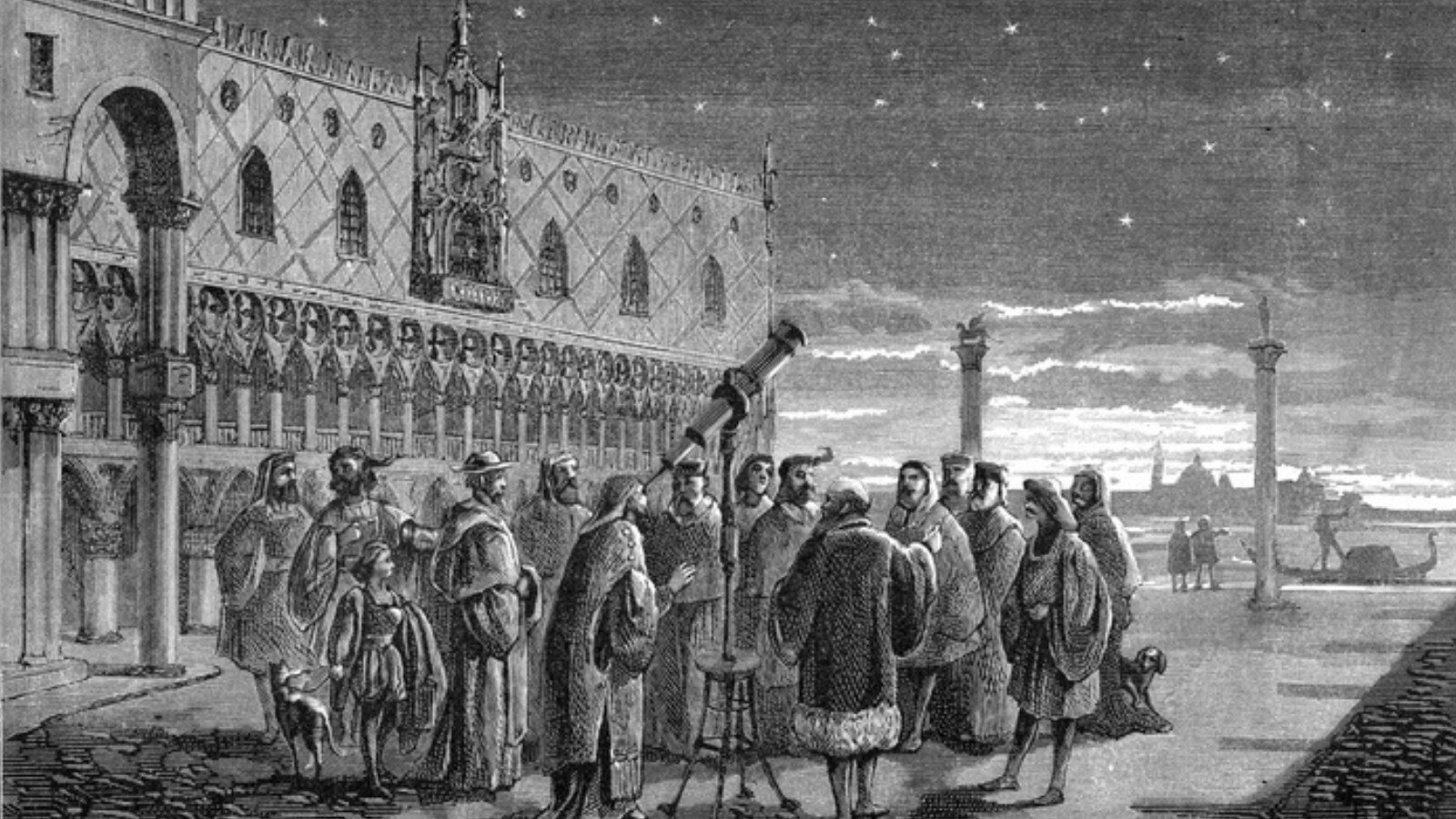
The article "Galileo Galilei: The Astronomer Who Challenged the Church and Changed Science" from BBC's HistoryExtra explores the groundbreaking work of Galileo Galilei, who supported the heliocentric theory, advanced telescope technology, and transformed astronomy and physics. Despite his scientific genius, Galileo clashed with the Catholic Church, leading to persecution and house arrest in his later years.
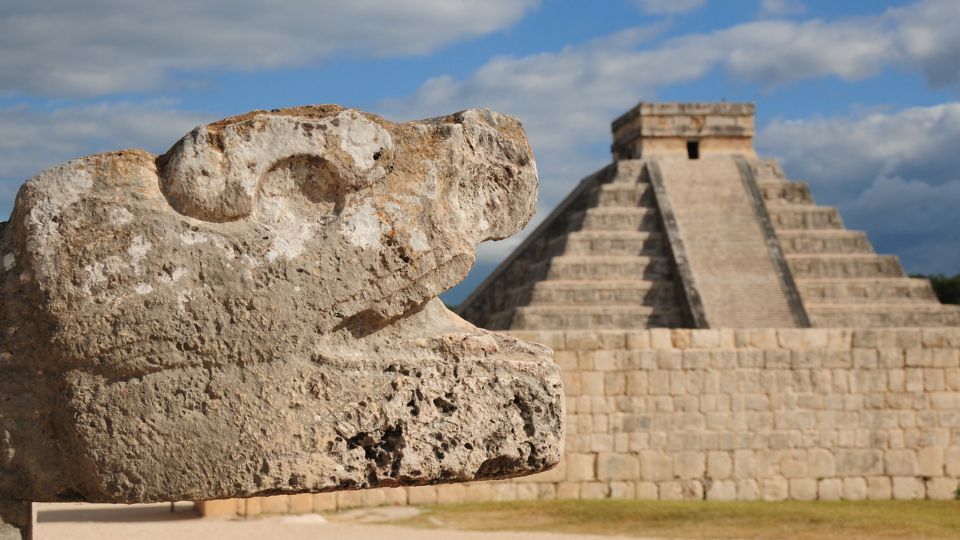
Discover the wonders of Chichén Itzá, one of the most important cities of the ancient Maya world and one of the New Seven Wonders of the World. Students will explore how the Maya used astronomy, mathematics, and engineering to create impressive temples and monuments that still amaze people today.
This Kahoot examines the history and design of Chichén Itzá, including the famous pyramid El Castillo, the role of calendars and celestial observations in Maya society, and the beliefs and traditions that shaped daily life. Students will also discover how ancient knowledge and culture influenced the construction of one of the most remarkable archaeological sites in the world.
Ideal for lessons on history, world cultures, mathematics, and geography, this Kahoot encourages students to explore the achievements and lasting legacy of the Maya civilization.
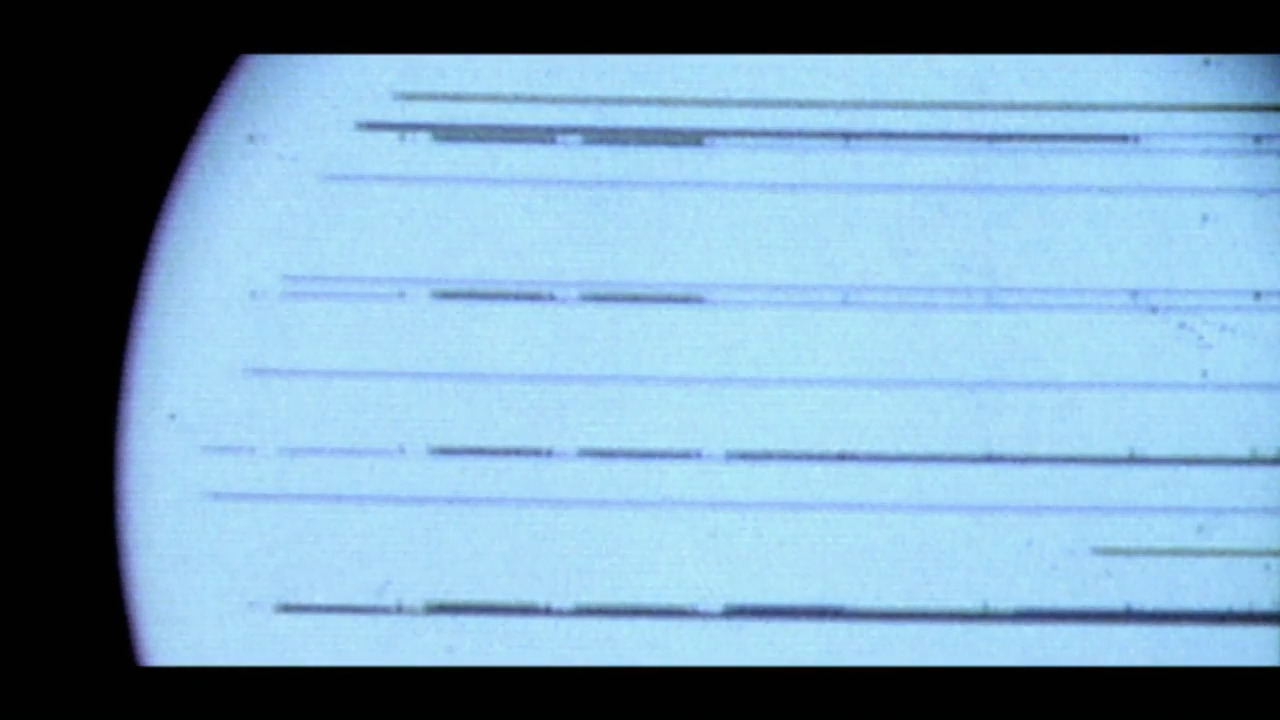
In Uranus, a Boring Planet?, Professor Brian Cox explains what scientists have learned about Uranus, a planet described as featureless and boring. But Uranus does have a mystery! How did it end up tipped on its side with rings that circle it from top to bottom? This video is excerpted from BBC’s The Planets, a series that explores the dramatic lives of the eight planets in our Solar System.

In Neptune, Ice Giant, Professor Brian Cox explains how Neptune is unique because of its atmosphere, cold temperatures, weather, and wind speed. Learn how the pressure and lack of features on Neptune create the highest wind speeds in the Solar System. This video is excerpted from BBC’s The Planets, a series that explores the dramatic lives of the eight planets in our Solar System.
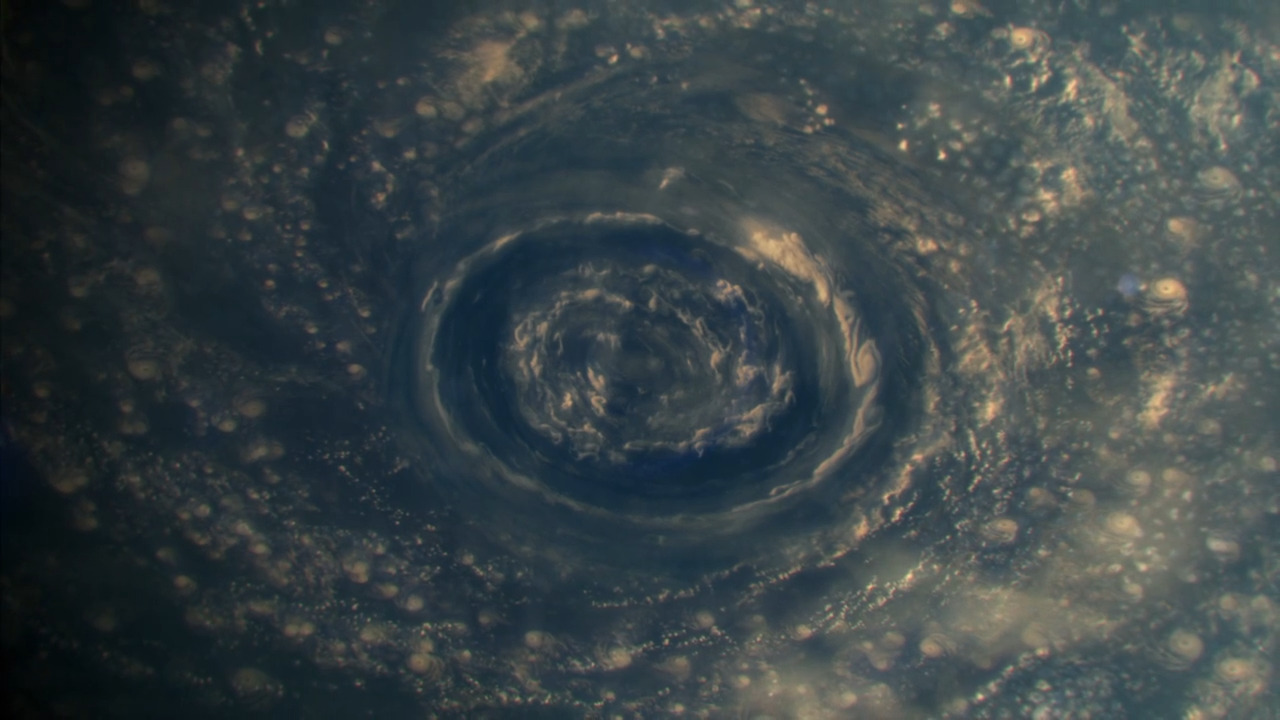
In Saturn's Dramatic Weather, Professor Brian Cox explains how Saturn is able to maintain dramatic weather when it is so far from the Sun. Learn how the pressure on Saturn creates clouds, storms, and diamond rain. This video is excerpted from BBC’s The Planets, a series that explores the dramatic lives of the eight planets in our Solar System.
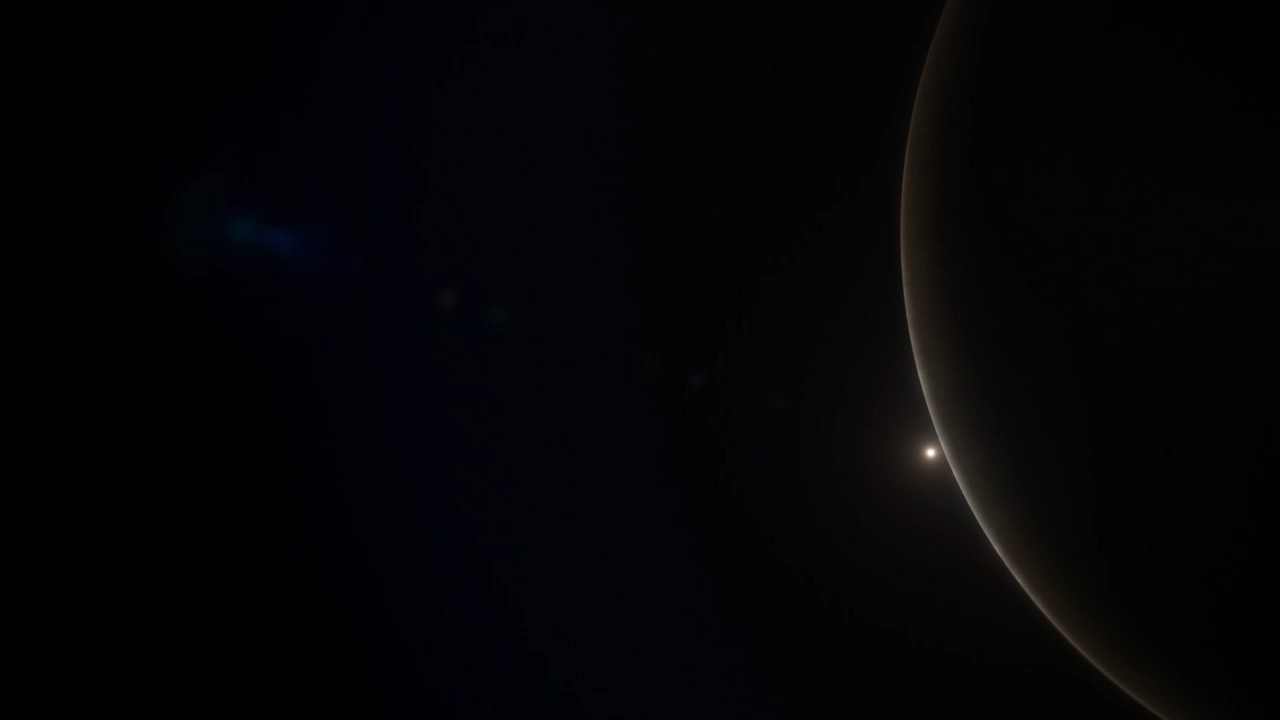
In The Rings of Saturn, Professor Brian Cox explains what scientists have learned about how Saturn’s rings came to be and how new they are. Learn which came first, Saturn’s rings or its moons. This video is excerpted from BBC’s The Planets, a series that explores the dramatic lives of the eight planets in our Solar System.
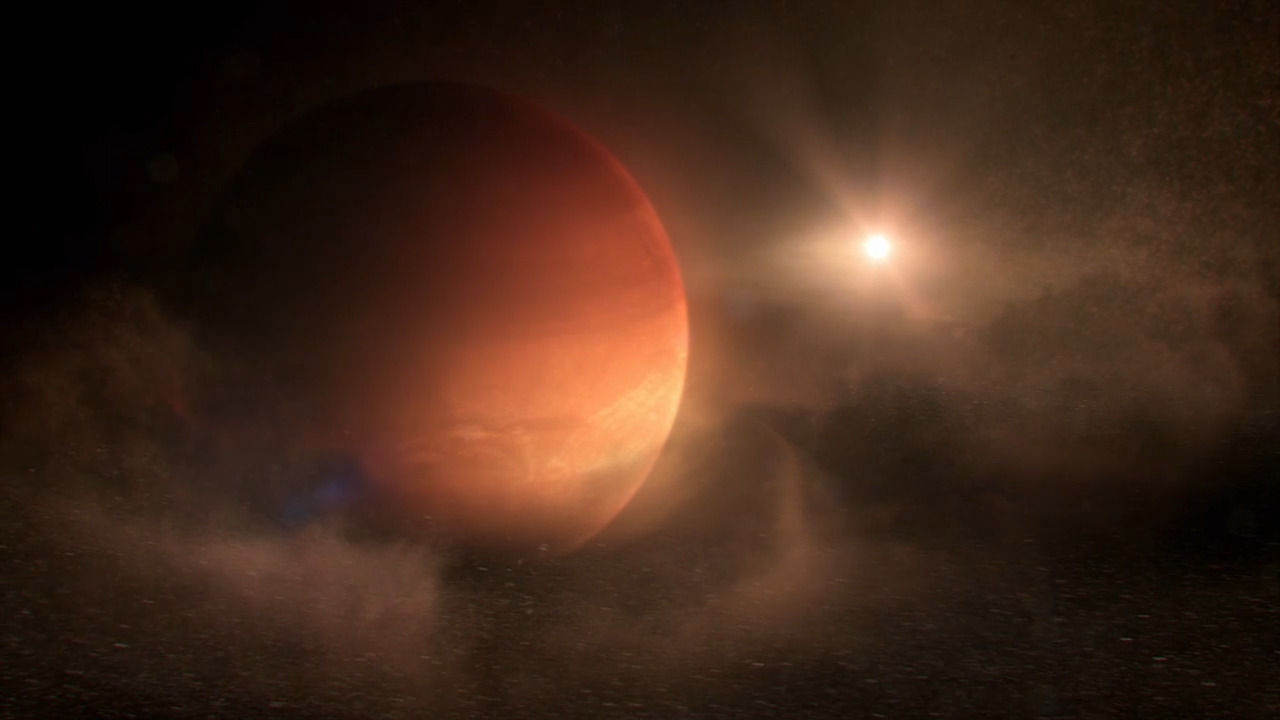
In Jupiter's Influence on the Solar System, Professor Brian Cox describes how Jupiter has had the largest influence on the formation of our Solar System. Learn how our Solar System is particularly unique within the galaxy. This video is excerpted from BBC’s The Planets, a series that explores the dramatic lives of the eight planets in our Solar System.
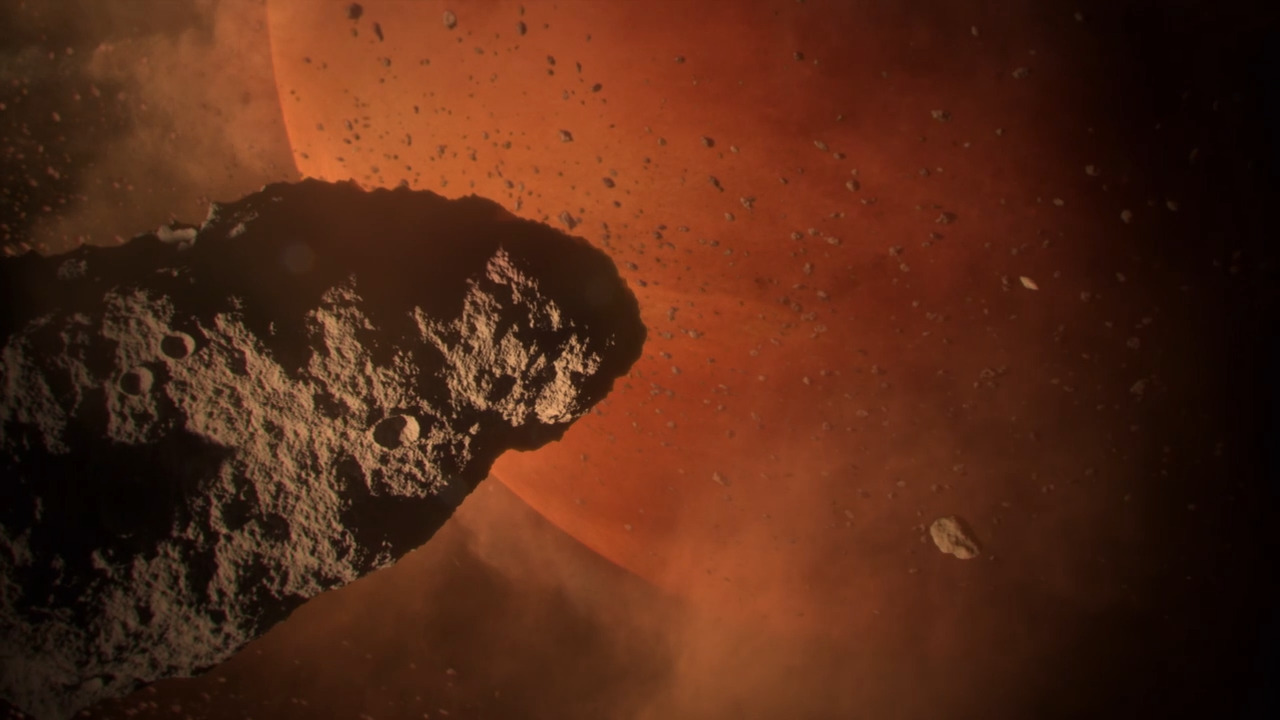
In Jupiter’s Effect on the Planets, Professor Brian Cox explains how Jupiter’s movement through the early Solar System, into the inner Solar System and toward the Sun, impacted Earth and Mars, and made the planets what they are today. This video is excerpted from BBC’s The Planets, a series that explores the dramatic lives of the eight planets in our Solar System.
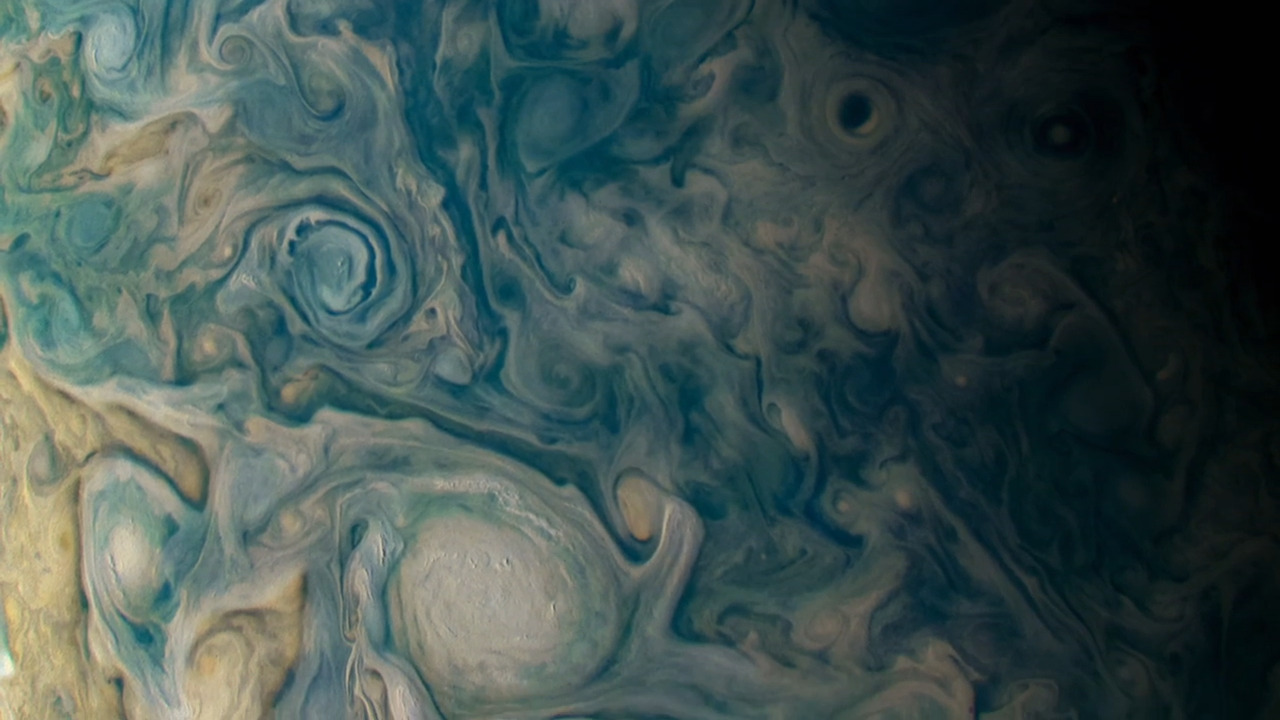
In The Godfather of the Planets, Professor Brian Cox explains how Jupiter has influenced other planets, including Earth. Learn what scientists have learned about Jupiter and its moons from the Pioneer and Voyager expeditions. This video is excerpted from BBC’s The Planets, a series that explores the dramatic lives of the eight planets in our Solar System.
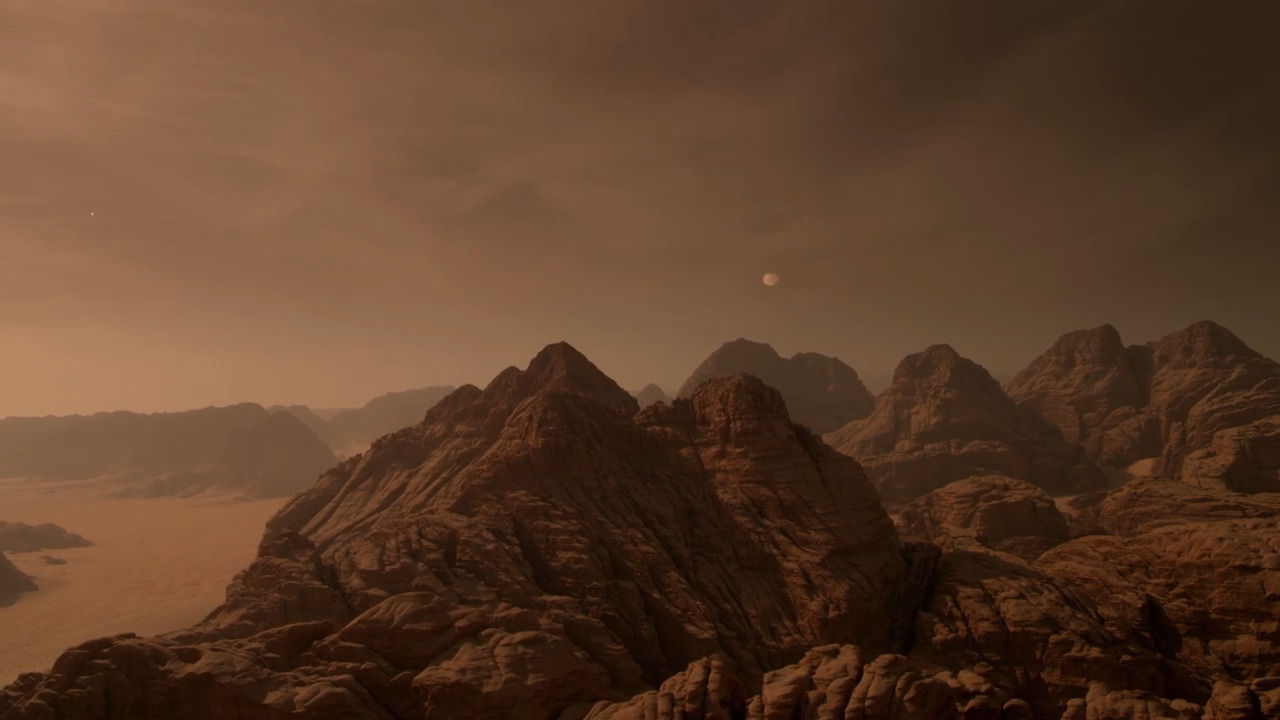
In Life on Earth and Mars, Professor Brian Cox explains the conditions that are required for life to begin. Learn how Earth and Mars had these conditions at the same time. Could life have started in two places at once? Or might the life on Earth have come from outer space? This video is excerpted from BBC’s The Planets, a series that explores the dramatic lives of the eight planets in our Solar System.
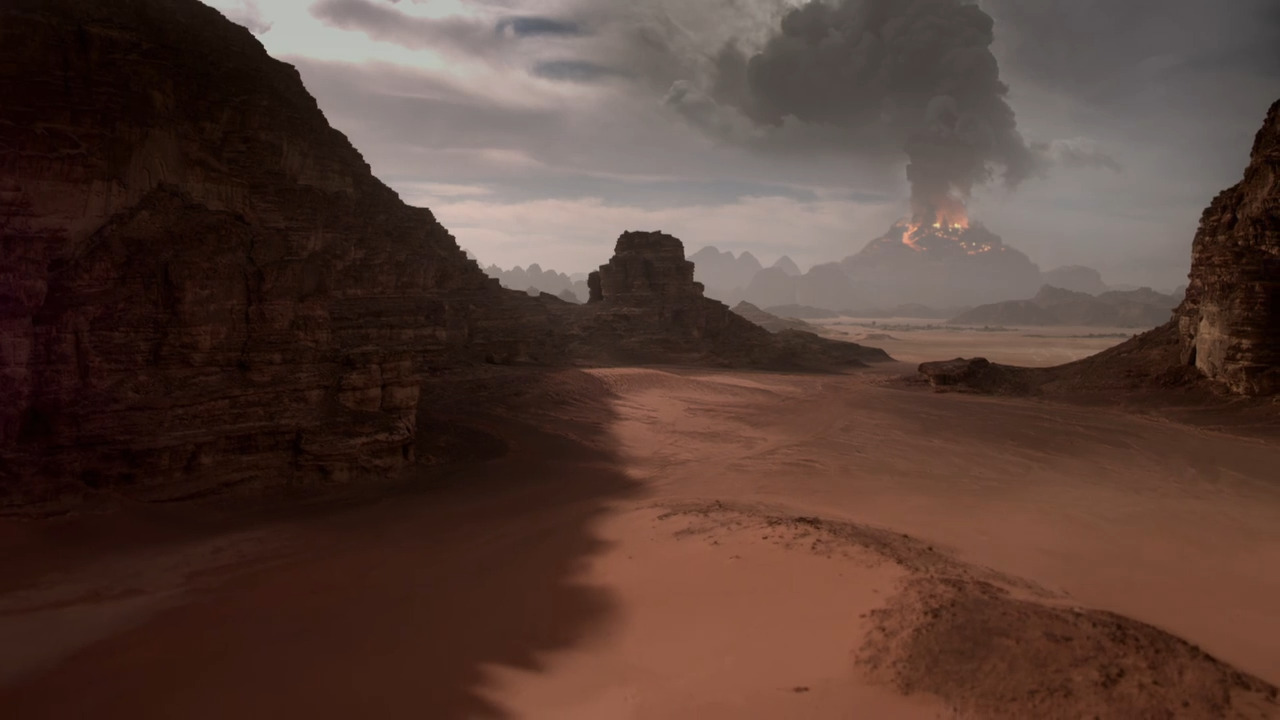
In The Future of Mars, Professor Brian Cox explains how scientists continue to explore Mars and what finding life on Mars means for the existence of life in the Universe. This video is excerpted from BBC’s The Planets, a series that explores the dramatic lives of the eight planets in our Solar System.
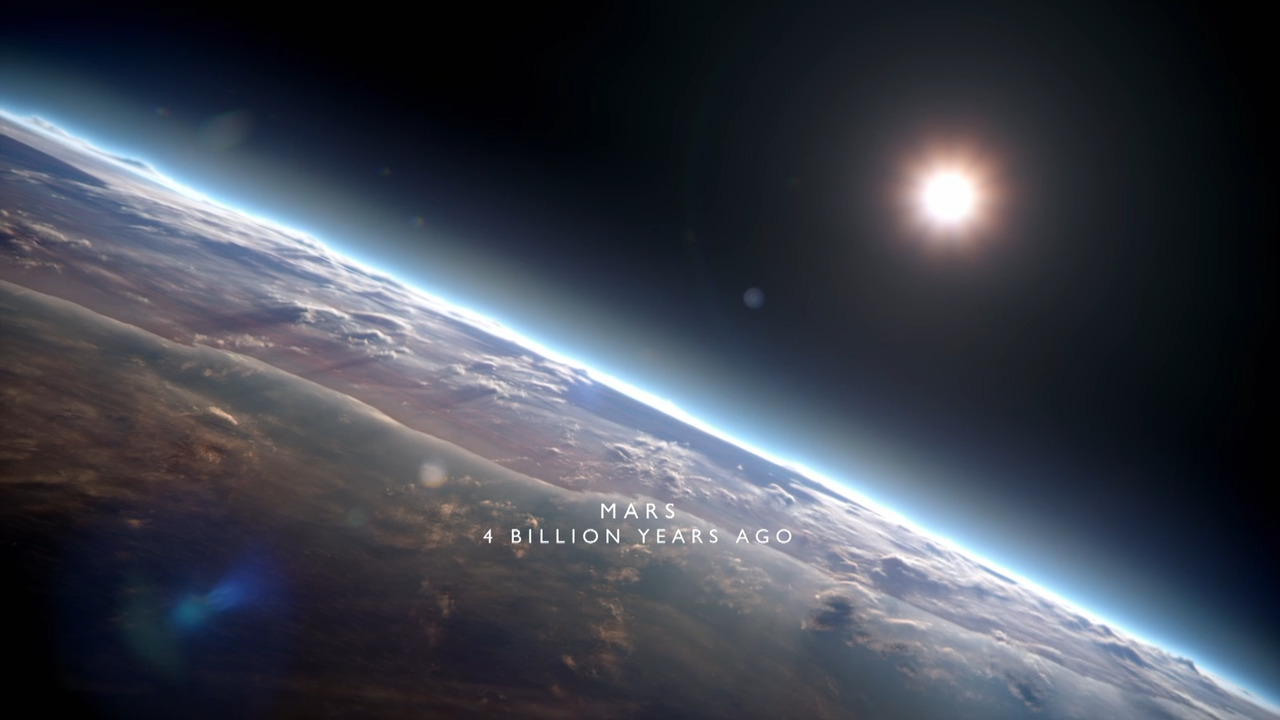
In The Original "Blue Planet", Professor Brian Cox explains what Mars and Earth looked like when they were formed. Learn which was the original “blue planet.” This video is excerpted from BBC’s The Planets, a series that explores the dramatic lives of the eight planets in our Solar System.
The article "Galileo Galilei: The Astronomer Who Challenged the Church and Changed Science" from BBC's HistoryExtra explores the groundbreaking work of Galileo Galilei, who supported the heliocentric theory, advanced telescope technology, and transformed astronomy and physics. Despite his scientific genius, Galileo clashed with the Catholic Church, leading to persecution and house arrest in his later years.
Discover the wonders of Chichén Itzá, one of the most important cities of the ancient Maya world and one of the New Seven Wonders of the World. Students will explore how the Maya used astronomy, mathematics, and engineering to create impressive temples and monuments that still amaze people today.
This Kahoot examines the history and design of Chichén Itzá, including the famous pyramid El Castillo, the role of calendars and celestial observations in Maya society, and the beliefs and traditions that shaped daily life. Students will also discover how ancient knowledge and culture influenced the construction of one of the most remarkable archaeological sites in the world.
Ideal for lessons on history, world cultures, mathematics, and geography, this Kahoot encourages students to explore the achievements and lasting legacy of the Maya civilization.
In Uranus, a Boring Planet?, Professor Brian Cox explains what scientists have learned about Uranus, a planet described as featureless and boring. But Uranus does have a mystery! How did it end up tipped on its side with rings that circle it from top to bottom? This video is excerpted from BBC’s The Planets, a series that explores the dramatic lives of the eight planets in our Solar System.
In Neptune, Ice Giant, Professor Brian Cox explains how Neptune is unique because of its atmosphere, cold temperatures, weather, and wind speed. Learn how the pressure and lack of features on Neptune create the highest wind speeds in the Solar System. This video is excerpted from BBC’s The Planets, a series that explores the dramatic lives of the eight planets in our Solar System.
In Saturn's Dramatic Weather, Professor Brian Cox explains how Saturn is able to maintain dramatic weather when it is so far from the Sun. Learn how the pressure on Saturn creates clouds, storms, and diamond rain. This video is excerpted from BBC’s The Planets, a series that explores the dramatic lives of the eight planets in our Solar System.
In The Rings of Saturn, Professor Brian Cox explains what scientists have learned about how Saturn’s rings came to be and how new they are. Learn which came first, Saturn’s rings or its moons. This video is excerpted from BBC’s The Planets, a series that explores the dramatic lives of the eight planets in our Solar System.
In Jupiter's Influence on the Solar System, Professor Brian Cox describes how Jupiter has had the largest influence on the formation of our Solar System. Learn how our Solar System is particularly unique within the galaxy. This video is excerpted from BBC’s The Planets, a series that explores the dramatic lives of the eight planets in our Solar System.
In Jupiter’s Effect on the Planets, Professor Brian Cox explains how Jupiter’s movement through the early Solar System, into the inner Solar System and toward the Sun, impacted Earth and Mars, and made the planets what they are today. This video is excerpted from BBC’s The Planets, a series that explores the dramatic lives of the eight planets in our Solar System.
In The Godfather of the Planets, Professor Brian Cox explains how Jupiter has influenced other planets, including Earth. Learn what scientists have learned about Jupiter and its moons from the Pioneer and Voyager expeditions. This video is excerpted from BBC’s The Planets, a series that explores the dramatic lives of the eight planets in our Solar System.
In Life on Earth and Mars, Professor Brian Cox explains the conditions that are required for life to begin. Learn how Earth and Mars had these conditions at the same time. Could life have started in two places at once? Or might the life on Earth have come from outer space? This video is excerpted from BBC’s The Planets, a series that explores the dramatic lives of the eight planets in our Solar System.
In The Future of Mars, Professor Brian Cox explains how scientists continue to explore Mars and what finding life on Mars means for the existence of life in the Universe. This video is excerpted from BBC’s The Planets, a series that explores the dramatic lives of the eight planets in our Solar System.
In The Original "Blue Planet", Professor Brian Cox explains what Mars and Earth looked like when they were formed. Learn which was the original “blue planet.” This video is excerpted from BBC’s The Planets, a series that explores the dramatic lives of the eight planets in our Solar System.