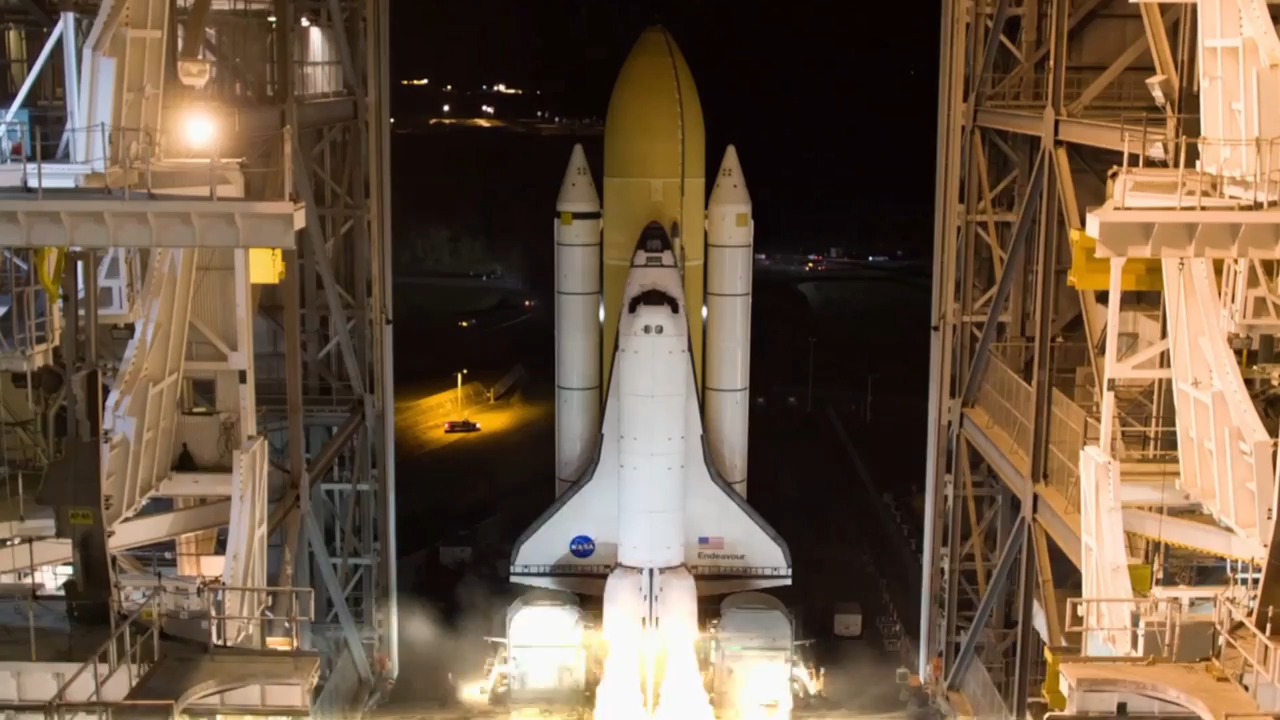
In How the Human Body Adjusts to Space Travel, host Harith Iskander explains the challenges astronauts face when traveling in space. These challenges include nausea, dizziness, and disorientation due to the lack of gravity. This video is excerpted from BBC’s Got Science?, a science magazine series that explores and explains science in everyday life.
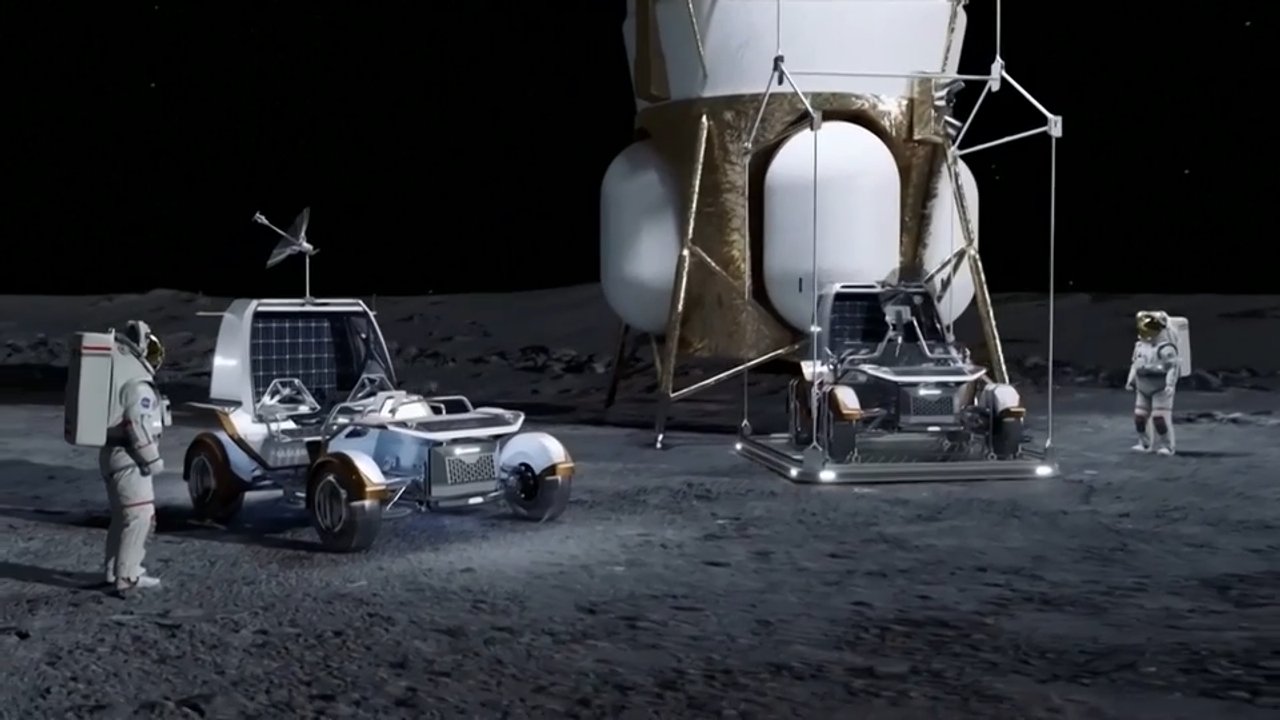
“Shoot for the Moon — if you miss, you’ll land among the stars,” won’t cut it for NASA, who says “Nah, Moon or bust.”
NASA’s got big plans, and their names are Moonbase 1, 2, and 3. They were too busy working on the science to put more into the names, okay? Moonbase 1 will be the first privately-funded lander to reach the lunar south pole, Moonbase 2 will deliver a record amount of equipment that would support astronauts at a lunar base, and Moonbase 3 will focus on gathering research and data.
But these are just glimpses of NASA’s lunar ambitions, namely to put a base on the Moon. It starts with sending dozens of rovers and lunar landers to scope out the perfect spot, followed by building small cabins for short missions, and then building larger structures sustained by nuclear power for the long term. That’s not until 2033, but NASA wants to send astronauts back to the lunar surface by 2028.
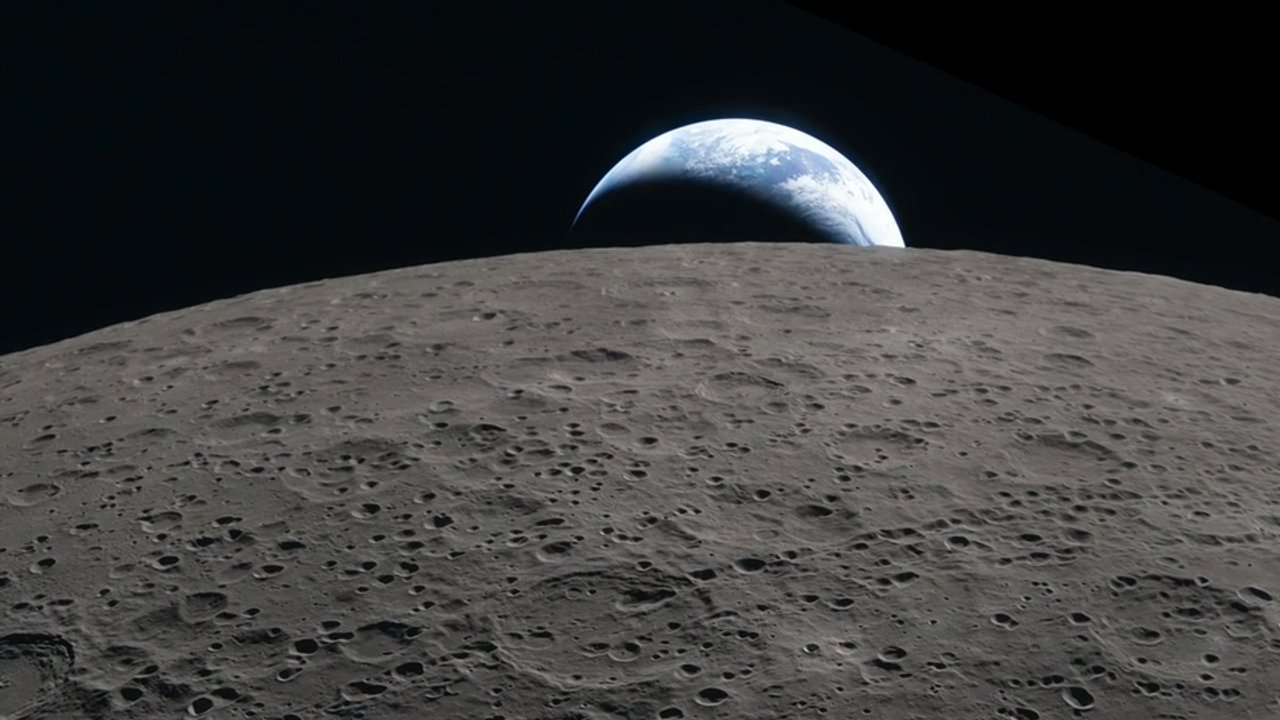
After a historic 10-day mission around the Moon — the first time humans have traveled so far into space since the 70s — the Artemis II crew came away with crucial knowledge: appreciate doors on bathrooms.
Commander Reid Wiseman dished on some other reflections about the trip. For example, the crew didn’t even realize what a big deal this was to people on Earth and didn’t hear much of the news until they talked to their families a few days into the mission. We suppose that’s what happens when you literally have your head in the clouds.
Not only was the journey unforgettable for science, but it was also personally significant for the crew members. One of the most powerful moments came when astronaut Jeremy Hansen named a lunar crater after Wiseman’s late wife, Carroll, a pivotal moment that solidified the crew’s bond.
But that bond wasn’t just to make things more fun — getting along in space is actually a matter of safety, and life inside a spacecraft requires serious teamwork. Think about sharing a room with a stinky sibling or living with a roommate who keeps eating your snacks. Now imagine that, in a room one-fifth the size and no way to escape! The astronauts lived, slept, and worked in extremely close quarters, so it was important to deal with disagreements immediately instead of letting tension build.
As exciting as it was to orbit the Moon, the return to Earth may have been just as intense. The crew re-entered the atmosphere at about 39 times the speed of sound. That’s about 30,000 miles per hour. They experienced forces of about four times normal gravity — about what you feel during the most intense parts of a roller coaster, but the astronauts felt this way for about 13 minutes. Nonstop! And that’s all before parachuting into the Pacific Ocean. All that probably makes it just a little more exhilarating than your bus ride to school.
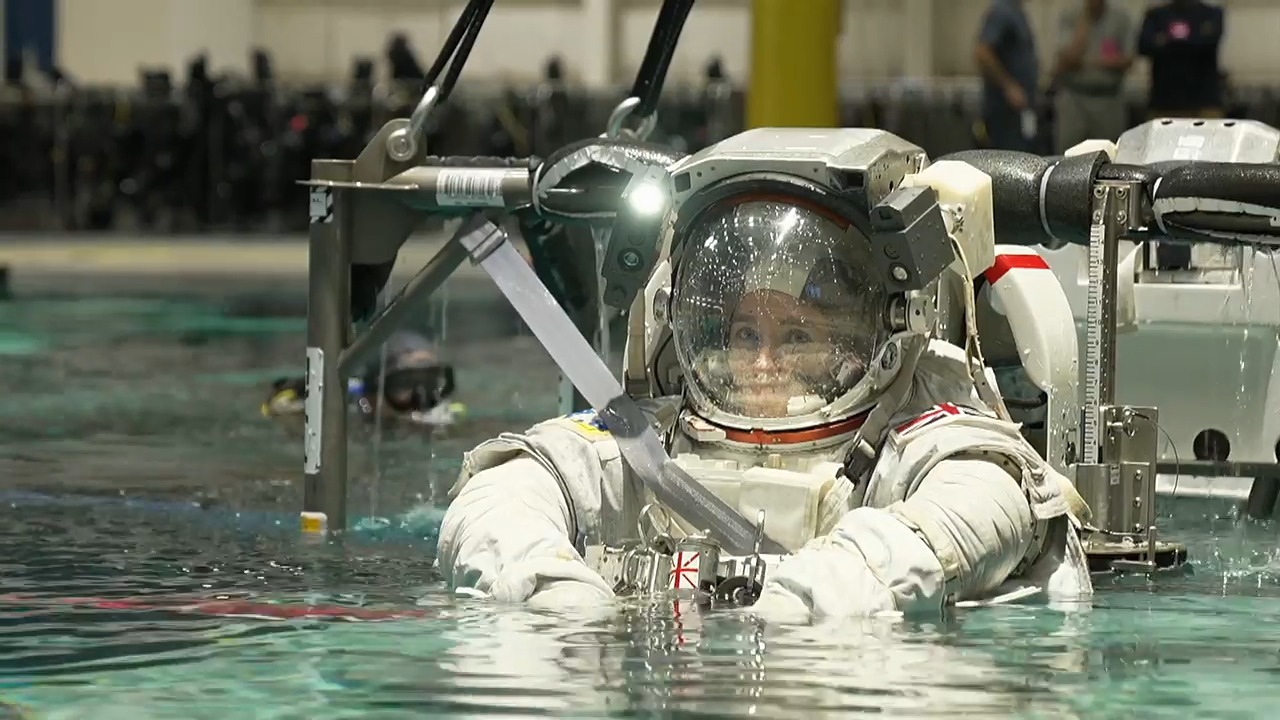
Being an astronaut is no joke — for your brain and your body to be prepared, you need to train, not unlike sports or school. Want to train for a soccer match? You may need to go for runs or lift weights. Need to prepare for a math test? You may need to repeat your times tables. Going into space soon? You may need to put on a space suit and get strapped into a full-sized replica of the International Space Station, then submerged in a 12-meter (40-foot!) deep pool for six hours. At least, that’s what astronaut Rosemary Coogan did to make sure she was ready for her spacewalk.
Coogan was chosen from 22,000 applicants to become a European Space Agency astronaut and may be the first Englishwoman to set foot on the moon.
Space preparation is daunting, but she had teams of supporters like divers and control room workers to make sure she was safe. The spacewalk test is meant to make sure that Rosemary could survive the conditions off of earth, even when things don’t go according to plan.
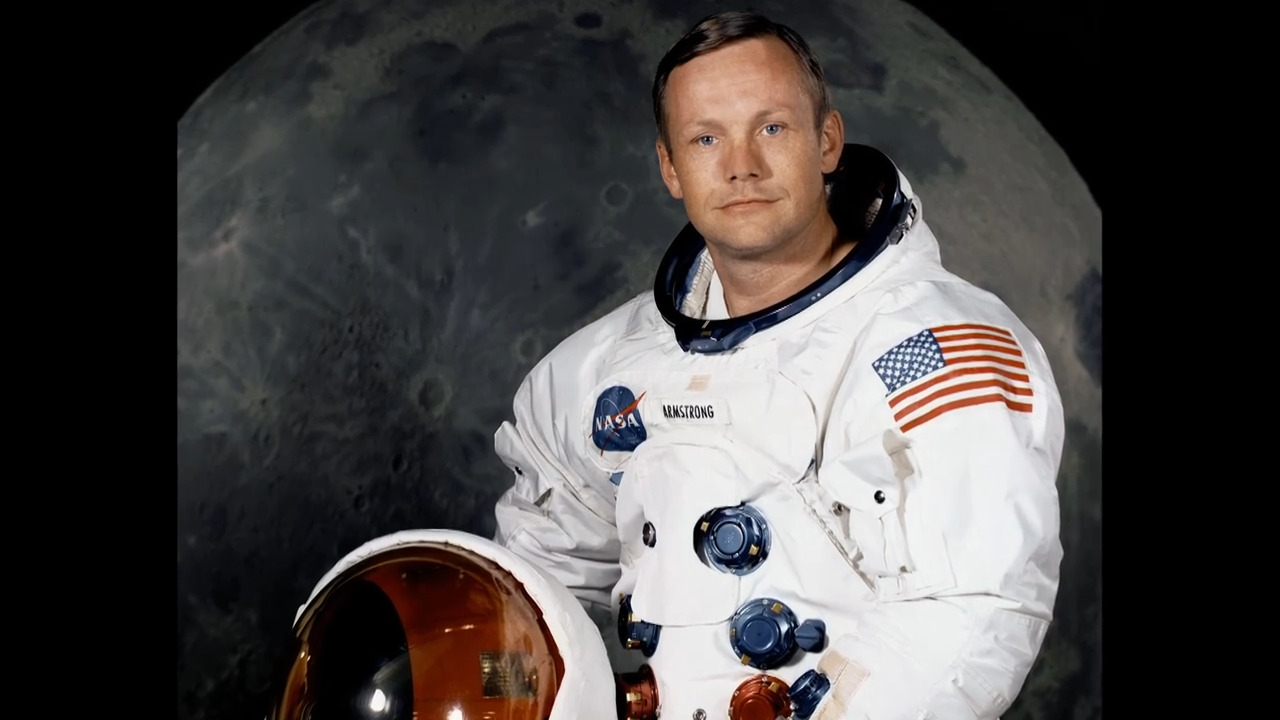
In Neil Armstrong's Giant Leap, host Dermot O'Leary explores the incredible journey to the Moon made by Neil Armstrong. Against the backdrop of the Cold War and an arms race that propelled space exploration, Armstrong's historic lunar landing reshaped humanity's perspective of our place in the Universe. This video is excerpted from BBC’s Icons: The Greatest Person of the 20th Century, a documentary series celebrating the achievements of the most influential figures of the era.
This video playlist brings together 10 fascinating clips from the BBC’s Got Science? series, where everyday questions lead to surprising scientific discoveries. Students explore what’s really happening in the body and brain — from what your brain is doing during sleep paralysis to what it truly means to be “left-brained” or “right-brained.” They’ll investigate what happens when the body becomes dehydrated, how cold temperatures and high altitudes affect how we function, and the unexpected ways our bodies trick us every single day. Packed with “What! Really?” moments, this weird-but-wonderful playlist helps learners connect real science to daily life in unforgettable ways. Get ready to see the familiar become fascinating.
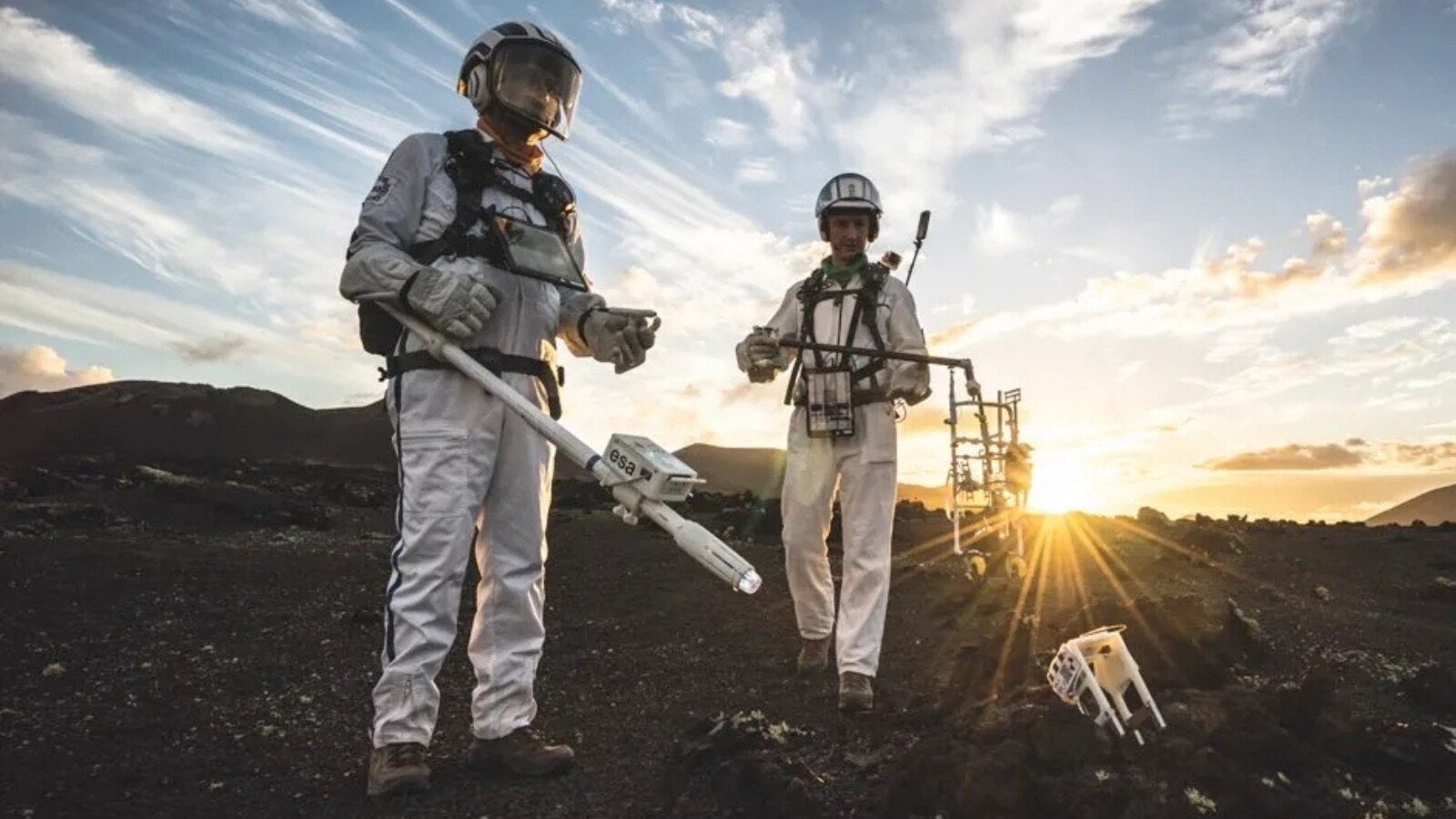
The article "6 Out-of-This-World Experiments Recreating Space on Earth" from BBC's Science Focus explores how scientists simulate space missions in remote and harsh environments. From the HI-SEAS habitat in Hawaii to NASA’s underwater NEEMO program, these experiments allow astronauts to practice survival skills, test space equipment, and prepare for life on Mars and beyond.
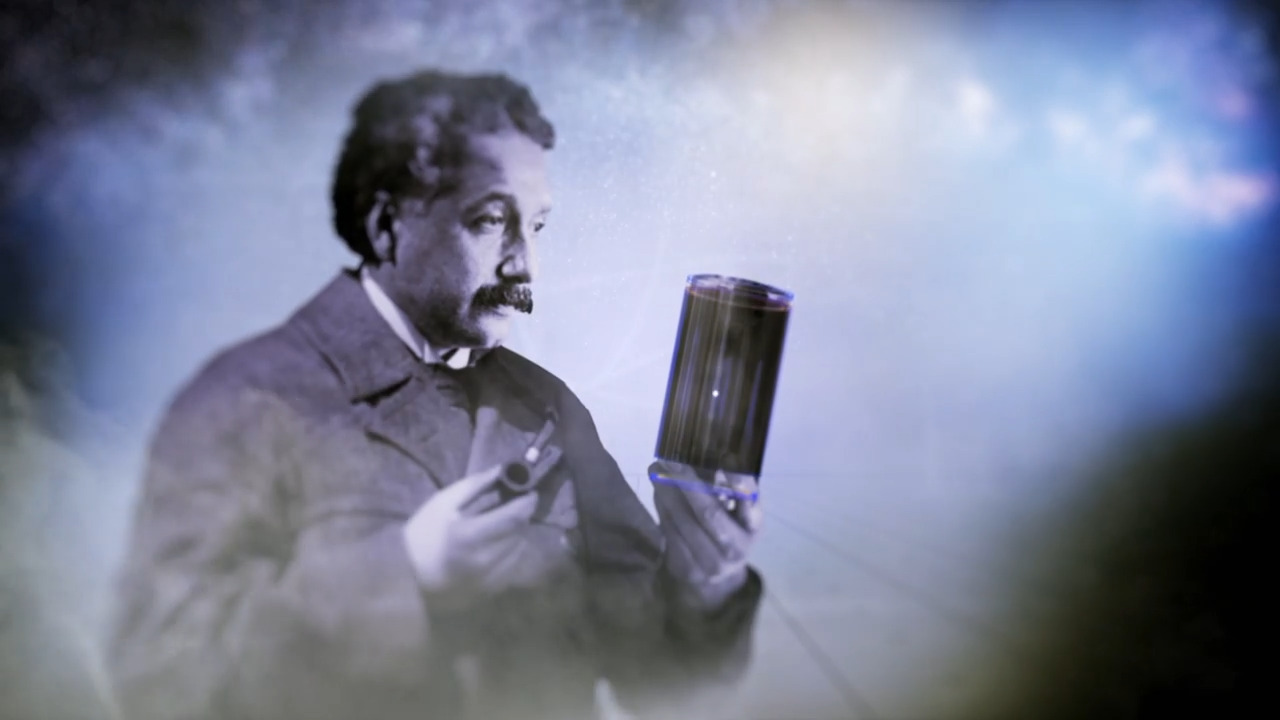
In The Time Dilation Effect, narrator Kate Yule investigates Einstein’s observation that the speed of light doesn't follow the same laws as the speed of objects. Einstein suggested that time is relative and can speed up or slow down depending on movement. Learn how NASA tested this theory using twin astronauts. This video is excerpted from BBC’s Einstein & Hawking: Masters of Our Universe, a mind-bending documentary that tells the story of how the two most famous scientists of the 20th Century transformed our understanding of the Universe and changed the world.
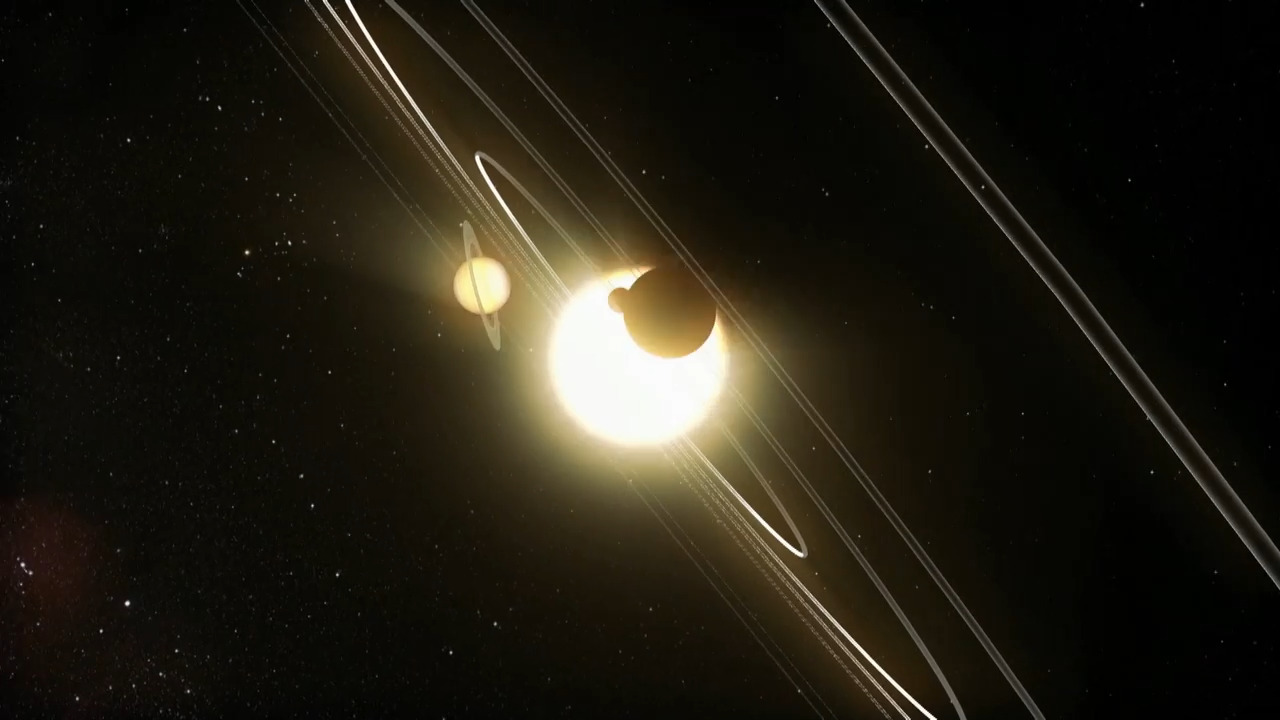
In The Journey to Mars, scientists explore the challenges astronauts face on a long journey to Mars, including radiation exposure, weightlessness, isolation, and confinement. A journey to Mars could take one to three years, and scientists are working on solutions to these obstacles to make human space travel to Mars possible. This video is excerpted from BBC’s The Big Thinkers, Should We Go to Mars?, where Dr. Kevin Fong explores the complex scientific and technological hurdles of space exploration.
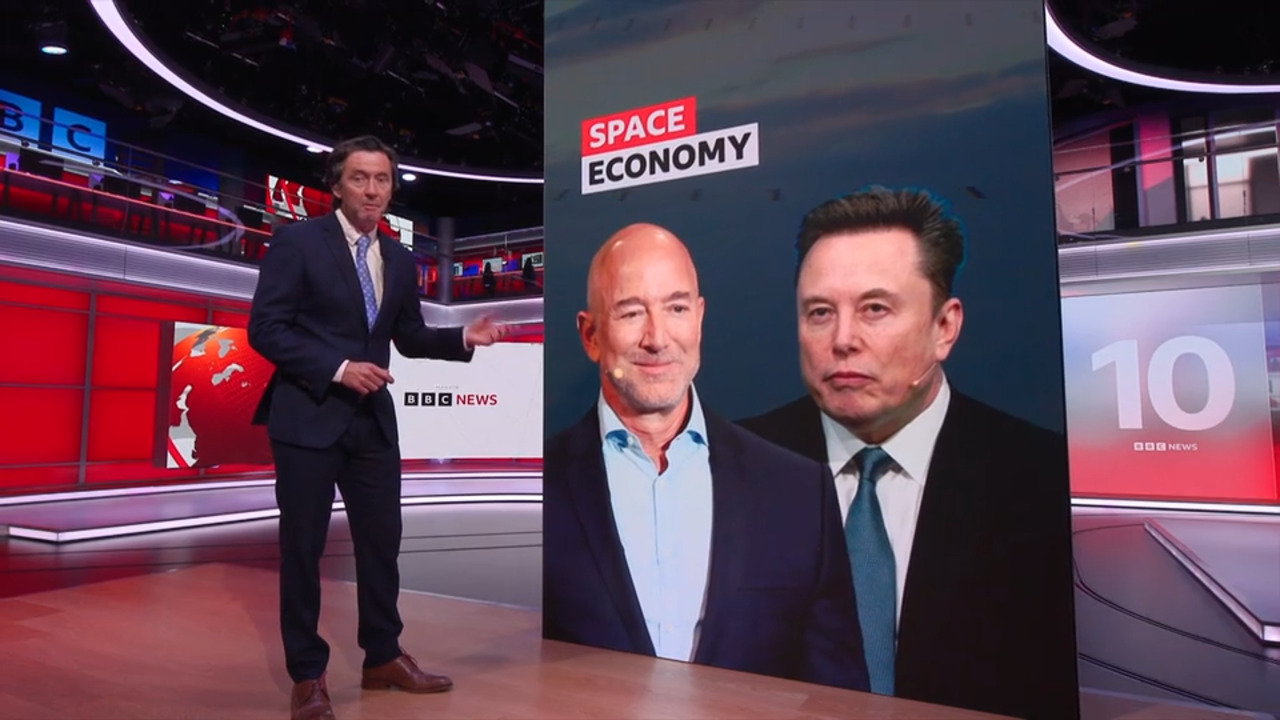
The “global space economy” refers to pretty much everything having to do with human progress through space, including exploration, research, management, and use. It also generates hundreds of billions of dollars every year.
You may not have heard the term “global space economy,” but you’ve probably heard of at least two of the big players: Jeff Bezos and Elon Musk. As founders of Blue Origin and SpaceX, their companies are estimated to be worth $100 billion and $1.8 trillion, respectively. If you took 1.8 trillion standard dollar bills end-to-end, it would stretch 100 million miles — more than the distance from the Earth to the Sun! Imagine walking to the Sun on a bridge made of money! You couldn’t, because of all of the “zero gravity.” Your feet would also get very tired. There’s also no oxygen. But we know all of this because of how much we’ve studied space!
So why spend so much time and money on the space industry, which has expanded massively in the last few decades? Don’t only a few select astronauts go to space? Shouldn’t we be focusing on Earth? Well, what we learn in space has a big impact on what we do on the ground. Our findings from space show up as the GPS on our phones, in ships navigating the oceans, even as farmers using satellite photography to plan their crops.
There’s no sign of slowing down on the space front — the UK is focusing on small satellites, America is hoping to put astronauts back on the moon by 2028, and China is planning its own lunar landing by 2030. These explorations could provide valuable minerals, insight to getting past the Moon (like to Mars), and open up space tourism opportunities.
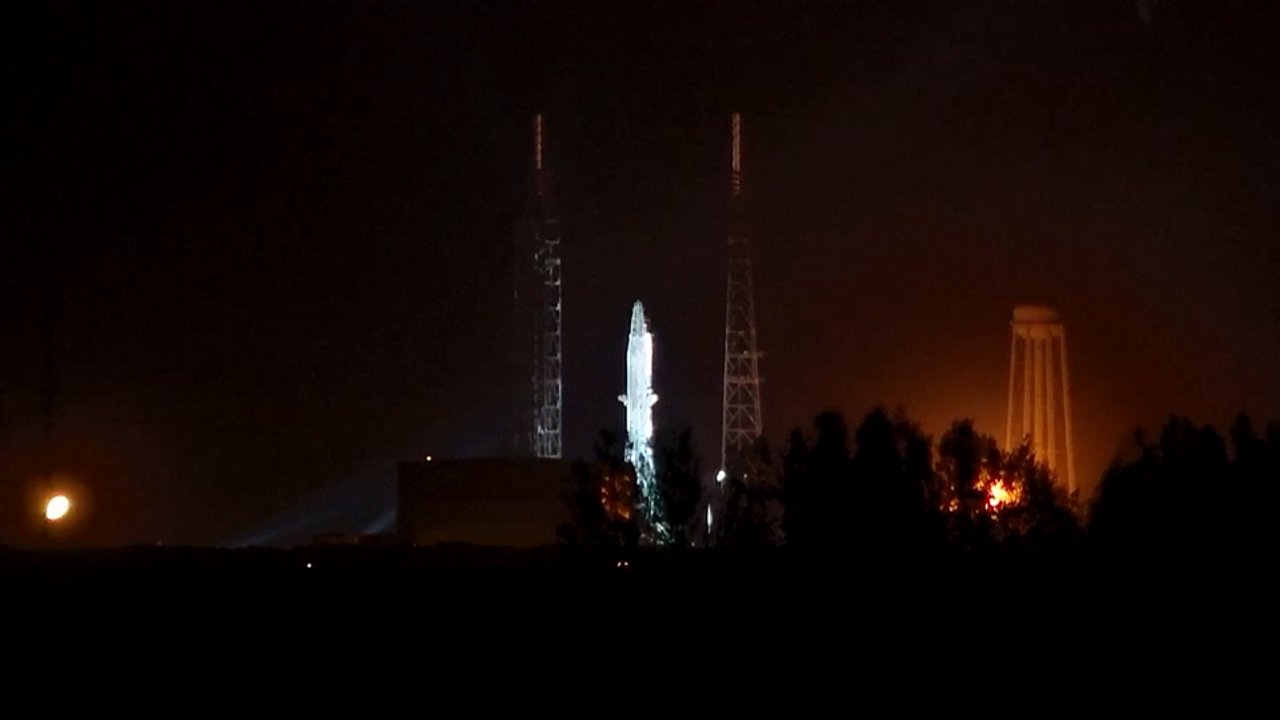
In late May, Blue Origin's New Glenn rocket exploded during a routine engine test. No one was hurt. But the explosion badly damaged the launch pad, and that's a serious problem.
New Glenn had flown once before, in a test flight in January 2025. Now the next flight is delayed by months. That delay affects more than just Blue Origin — it pushes back NASA's entire Moon program.
Here's the plan that's now on hold: a robotic lander was set to touch down near the Moon's south pole later this year, scouting the best site for a future Moon base. A crewed mission would follow in 2027. Then two more astronaut landings. Then, in 2028, construction would begin on the base itself.
Each step in that timeline now needs to move back.
Not all the news is bad. While Blue Origin investigates what went wrong, rival company SpaceX successfully launched its own rocket, a Falcon 9. One setback hasn't slowed the space industry down.
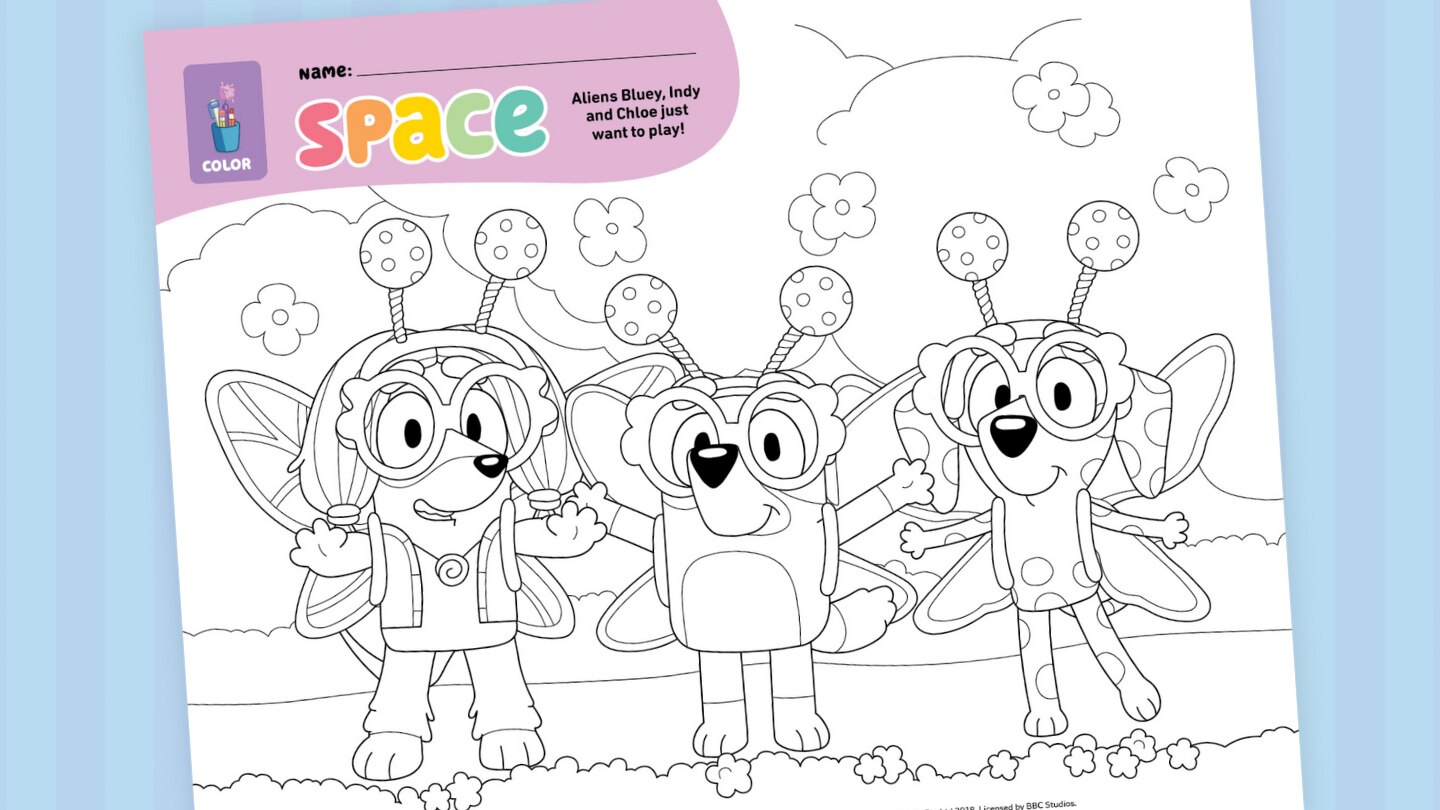
Aliens Bluey, Indy, and Chloe just want to play... color them!
Inspired by Season 3, Episode 34 "Space": Mackenzie, Jack and Rusty are playing as astronauts on a mission to Mars. But Mackenzie keeps going missing and no one knows why!
In How the Human Body Adjusts to Space Travel, host Harith Iskander explains the challenges astronauts face when traveling in space. These challenges include nausea, dizziness, and disorientation due to the lack of gravity. This video is excerpted from BBC’s Got Science?, a science magazine series that explores and explains science in everyday life.
“Shoot for the Moon — if you miss, you’ll land among the stars,” won’t cut it for NASA, who says “Nah, Moon or bust.”
NASA’s got big plans, and their names are Moonbase 1, 2, and 3. They were too busy working on the science to put more into the names, okay? Moonbase 1 will be the first privately-funded lander to reach the lunar south pole, Moonbase 2 will deliver a record amount of equipment that would support astronauts at a lunar base, and Moonbase 3 will focus on gathering research and data.
But these are just glimpses of NASA’s lunar ambitions, namely to put a base on the Moon. It starts with sending dozens of rovers and lunar landers to scope out the perfect spot, followed by building small cabins for short missions, and then building larger structures sustained by nuclear power for the long term. That’s not until 2033, but NASA wants to send astronauts back to the lunar surface by 2028.
After a historic 10-day mission around the Moon — the first time humans have traveled so far into space since the 70s — the Artemis II crew came away with crucial knowledge: appreciate doors on bathrooms.
Commander Reid Wiseman dished on some other reflections about the trip. For example, the crew didn’t even realize what a big deal this was to people on Earth and didn’t hear much of the news until they talked to their families a few days into the mission. We suppose that’s what happens when you literally have your head in the clouds.
Not only was the journey unforgettable for science, but it was also personally significant for the crew members. One of the most powerful moments came when astronaut Jeremy Hansen named a lunar crater after Wiseman’s late wife, Carroll, a pivotal moment that solidified the crew’s bond.
But that bond wasn’t just to make things more fun — getting along in space is actually a matter of safety, and life inside a spacecraft requires serious teamwork. Think about sharing a room with a stinky sibling or living with a roommate who keeps eating your snacks. Now imagine that, in a room one-fifth the size and no way to escape! The astronauts lived, slept, and worked in extremely close quarters, so it was important to deal with disagreements immediately instead of letting tension build.
As exciting as it was to orbit the Moon, the return to Earth may have been just as intense. The crew re-entered the atmosphere at about 39 times the speed of sound. That’s about 30,000 miles per hour. They experienced forces of about four times normal gravity — about what you feel during the most intense parts of a roller coaster, but the astronauts felt this way for about 13 minutes. Nonstop! And that’s all before parachuting into the Pacific Ocean. All that probably makes it just a little more exhilarating than your bus ride to school.
Being an astronaut is no joke — for your brain and your body to be prepared, you need to train, not unlike sports or school. Want to train for a soccer match? You may need to go for runs or lift weights. Need to prepare for a math test? You may need to repeat your times tables. Going into space soon? You may need to put on a space suit and get strapped into a full-sized replica of the International Space Station, then submerged in a 12-meter (40-foot!) deep pool for six hours. At least, that’s what astronaut Rosemary Coogan did to make sure she was ready for her spacewalk.
Coogan was chosen from 22,000 applicants to become a European Space Agency astronaut and may be the first Englishwoman to set foot on the moon.
Space preparation is daunting, but she had teams of supporters like divers and control room workers to make sure she was safe. The spacewalk test is meant to make sure that Rosemary could survive the conditions off of earth, even when things don’t go according to plan.
In Neil Armstrong's Giant Leap, host Dermot O'Leary explores the incredible journey to the Moon made by Neil Armstrong. Against the backdrop of the Cold War and an arms race that propelled space exploration, Armstrong's historic lunar landing reshaped humanity's perspective of our place in the Universe. This video is excerpted from BBC’s Icons: The Greatest Person of the 20th Century, a documentary series celebrating the achievements of the most influential figures of the era.
This video playlist brings together 10 fascinating clips from the BBC’s Got Science? series, where everyday questions lead to surprising scientific discoveries. Students explore what’s really happening in the body and brain — from what your brain is doing during sleep paralysis to what it truly means to be “left-brained” or “right-brained.” They’ll investigate what happens when the body becomes dehydrated, how cold temperatures and high altitudes affect how we function, and the unexpected ways our bodies trick us every single day. Packed with “What! Really?” moments, this weird-but-wonderful playlist helps learners connect real science to daily life in unforgettable ways. Get ready to see the familiar become fascinating.
The article "6 Out-of-This-World Experiments Recreating Space on Earth" from BBC's Science Focus explores how scientists simulate space missions in remote and harsh environments. From the HI-SEAS habitat in Hawaii to NASA’s underwater NEEMO program, these experiments allow astronauts to practice survival skills, test space equipment, and prepare for life on Mars and beyond.
In The Time Dilation Effect, narrator Kate Yule investigates Einstein’s observation that the speed of light doesn't follow the same laws as the speed of objects. Einstein suggested that time is relative and can speed up or slow down depending on movement. Learn how NASA tested this theory using twin astronauts. This video is excerpted from BBC’s Einstein & Hawking: Masters of Our Universe, a mind-bending documentary that tells the story of how the two most famous scientists of the 20th Century transformed our understanding of the Universe and changed the world.
In The Journey to Mars, scientists explore the challenges astronauts face on a long journey to Mars, including radiation exposure, weightlessness, isolation, and confinement. A journey to Mars could take one to three years, and scientists are working on solutions to these obstacles to make human space travel to Mars possible. This video is excerpted from BBC’s The Big Thinkers, Should We Go to Mars?, where Dr. Kevin Fong explores the complex scientific and technological hurdles of space exploration.
The “global space economy” refers to pretty much everything having to do with human progress through space, including exploration, research, management, and use. It also generates hundreds of billions of dollars every year.
You may not have heard the term “global space economy,” but you’ve probably heard of at least two of the big players: Jeff Bezos and Elon Musk. As founders of Blue Origin and SpaceX, their companies are estimated to be worth $100 billion and $1.8 trillion, respectively. If you took 1.8 trillion standard dollar bills end-to-end, it would stretch 100 million miles — more than the distance from the Earth to the Sun! Imagine walking to the Sun on a bridge made of money! You couldn’t, because of all of the “zero gravity.” Your feet would also get very tired. There’s also no oxygen. But we know all of this because of how much we’ve studied space!
So why spend so much time and money on the space industry, which has expanded massively in the last few decades? Don’t only a few select astronauts go to space? Shouldn’t we be focusing on Earth? Well, what we learn in space has a big impact on what we do on the ground. Our findings from space show up as the GPS on our phones, in ships navigating the oceans, even as farmers using satellite photography to plan their crops.
There’s no sign of slowing down on the space front — the UK is focusing on small satellites, America is hoping to put astronauts back on the moon by 2028, and China is planning its own lunar landing by 2030. These explorations could provide valuable minerals, insight to getting past the Moon (like to Mars), and open up space tourism opportunities.
In late May, Blue Origin's New Glenn rocket exploded during a routine engine test. No one was hurt. But the explosion badly damaged the launch pad, and that's a serious problem.
New Glenn had flown once before, in a test flight in January 2025. Now the next flight is delayed by months. That delay affects more than just Blue Origin — it pushes back NASA's entire Moon program.
Here's the plan that's now on hold: a robotic lander was set to touch down near the Moon's south pole later this year, scouting the best site for a future Moon base. A crewed mission would follow in 2027. Then two more astronaut landings. Then, in 2028, construction would begin on the base itself.
Each step in that timeline now needs to move back.
Not all the news is bad. While Blue Origin investigates what went wrong, rival company SpaceX successfully launched its own rocket, a Falcon 9. One setback hasn't slowed the space industry down.
Aliens Bluey, Indy, and Chloe just want to play... color them!
Inspired by Season 3, Episode 34 "Space": Mackenzie, Jack and Rusty are playing as astronauts on a mission to Mars. But Mackenzie keeps going missing and no one knows why!