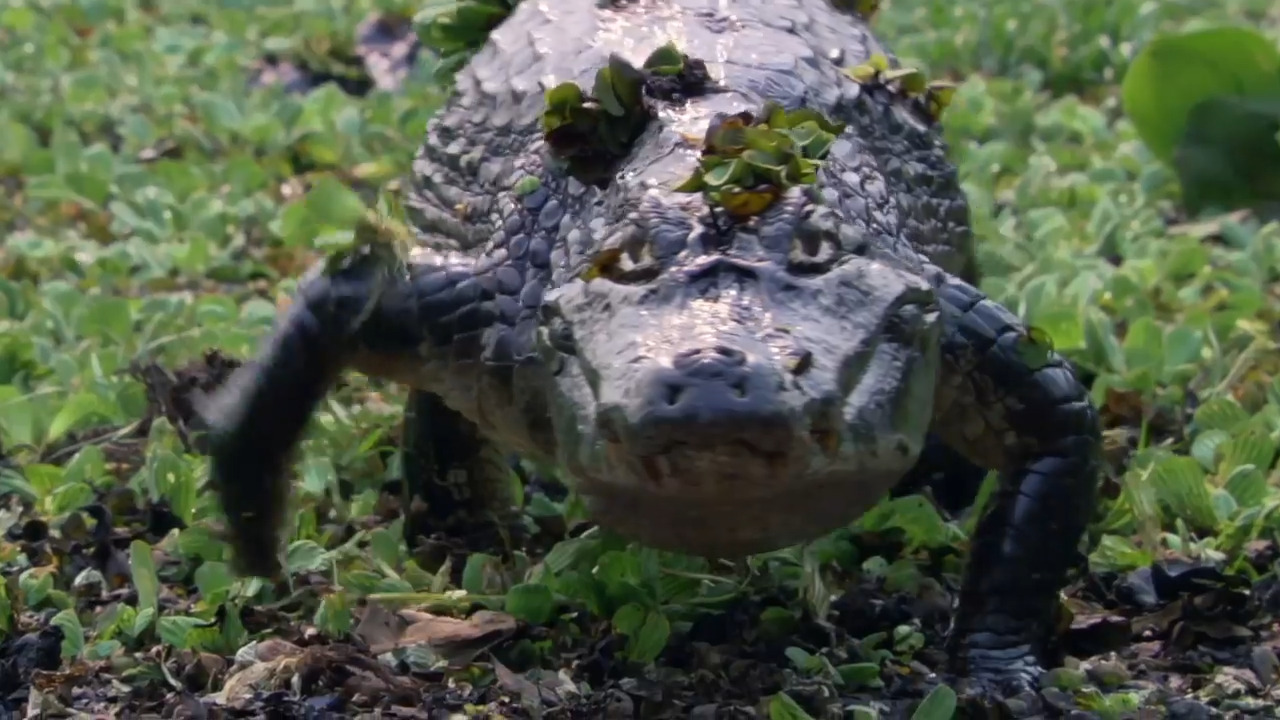
In Crocodilians, Ancient Apex Predators, evolutionary biologist Ben Garrod meets some crocodilians. This category includes crocodiles, alligators, and other similar species that use their sensitive skin to detect pressure and vibrations, especially in murky waters where their vision is limited. This unique adaptation helps them hunt and survive as an apex predator. This video is excerpted from Secrets of Skin, a documentary series exploring the natural history of the body’s largest organ.
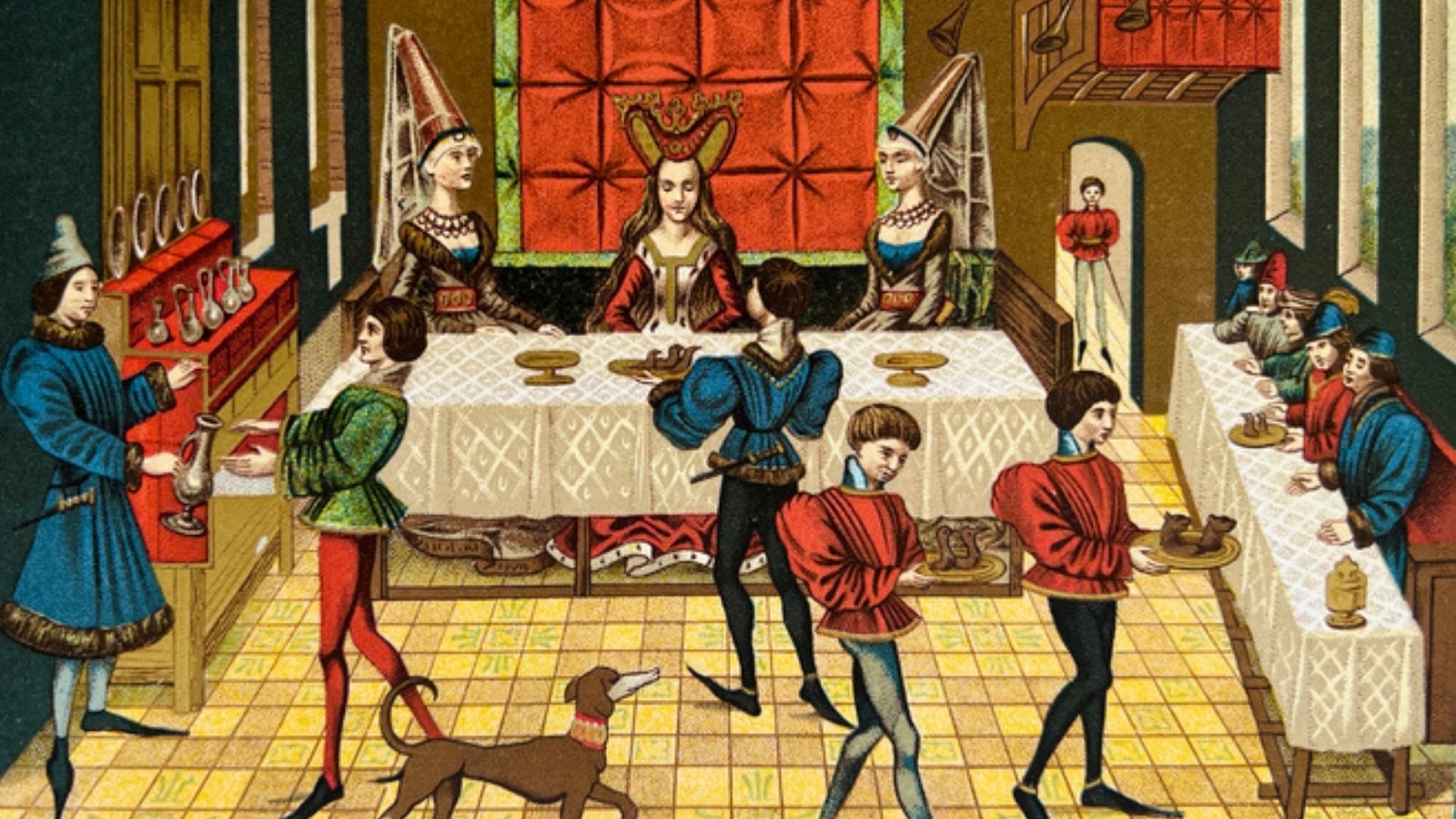
The article "What Was It Like to Be a Kid in the Middle Ages?" from BBC's HistoryExtra explores what life was like for children during the Middle Ages. The article highlights how children's lives were shaped by age, gender, class, and religion. It also reveals surprising facts about literacy, mortality rates, and how children played, worked, and were disciplined.

At the Weald & Downland Living Museum, a group of volunteers has stepped straight into the year 1461 — and they’re sticking to it. That means no electricity, no central heating, no phones, and no modern conveniences.
They’re living, working, eating, and sleeping the medieval way: cooking over open fires, coping with cold and damp conditions, and adjusting to just two simple meals a day (including a lot of porridge). There’s no caffeine, no snacks, and definitely no scrolling.
It’s a tough experiment in historical living — but one surprising takeaway so far? They don’t miss their phones as much as they expected.
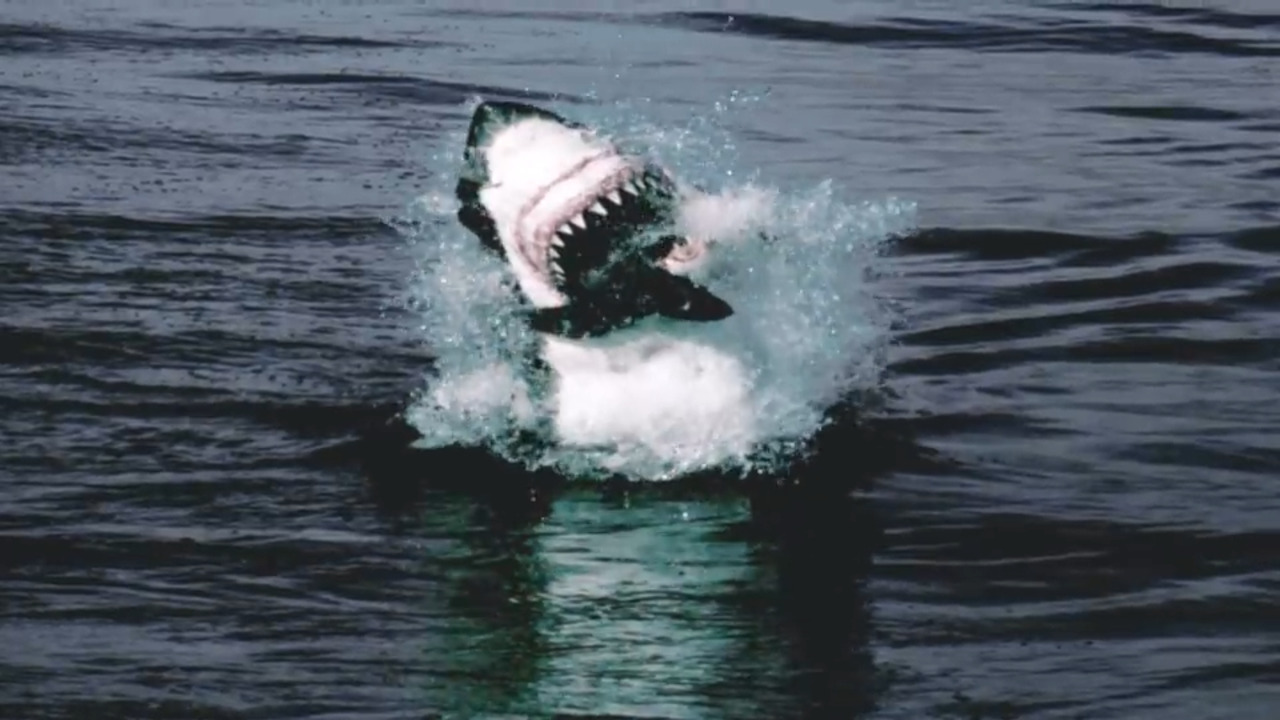
In Great White Sharks vs. Cape Fur Seals, seals head out to sea. As they swim, they must get past great white sharks, apex predators that are waiting to throw their weight around to capture a seal snack. This video is excerpted from BBC’s Planet Earth, a breathtaking documentary series that highlights the natural wonders of our planet.
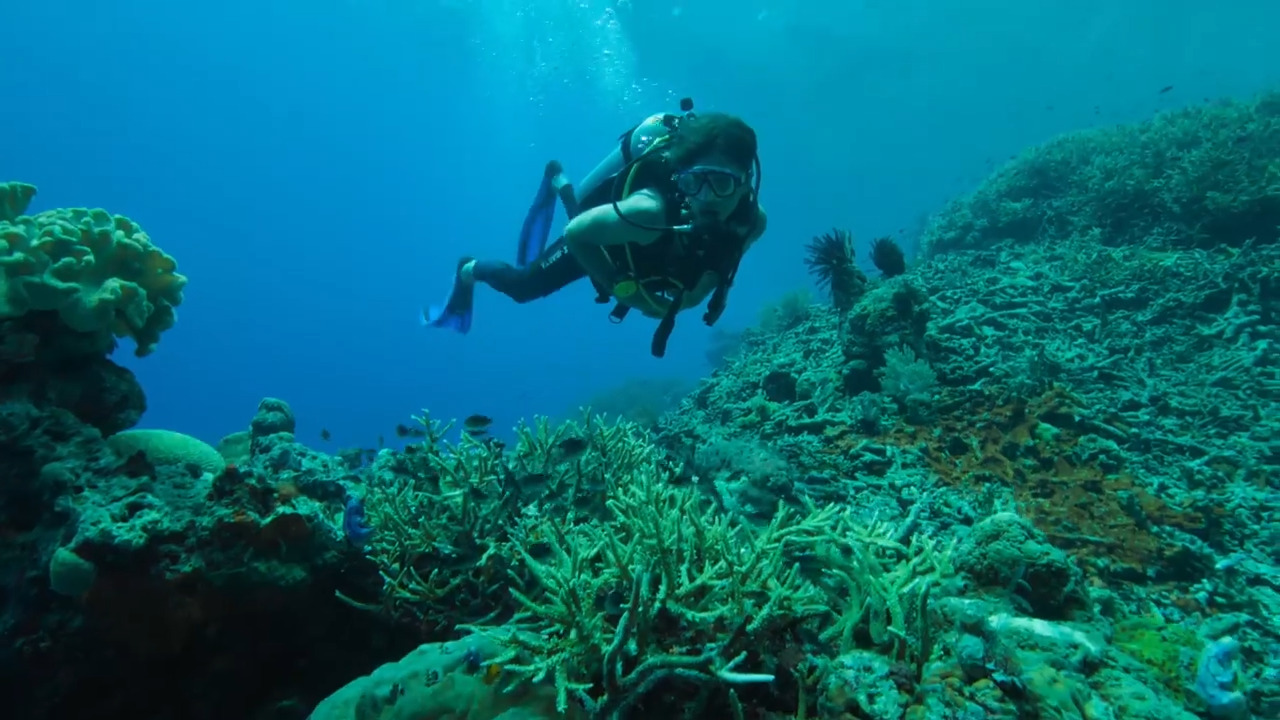
In A Journey Through the Coral Triangle, host Simon Reeve dives into the breathtaking underwater paradise of Raja Ampat in the Coral Triangle. Home to three-quarters of the world’s coral species, this ecosystem is often called the "Amazon of the Sea." Simon explains how the ocean produces half the oxygen we breathe and reveals the critical role sharks play as apex predators in keeping the marine food chain balanced. This video is excerpted from BBC’s Wilderness With Simon Reeve, an epic adventure into the heart of Earth’s last great wild areas, where nature is at its most beautiful and fragile.
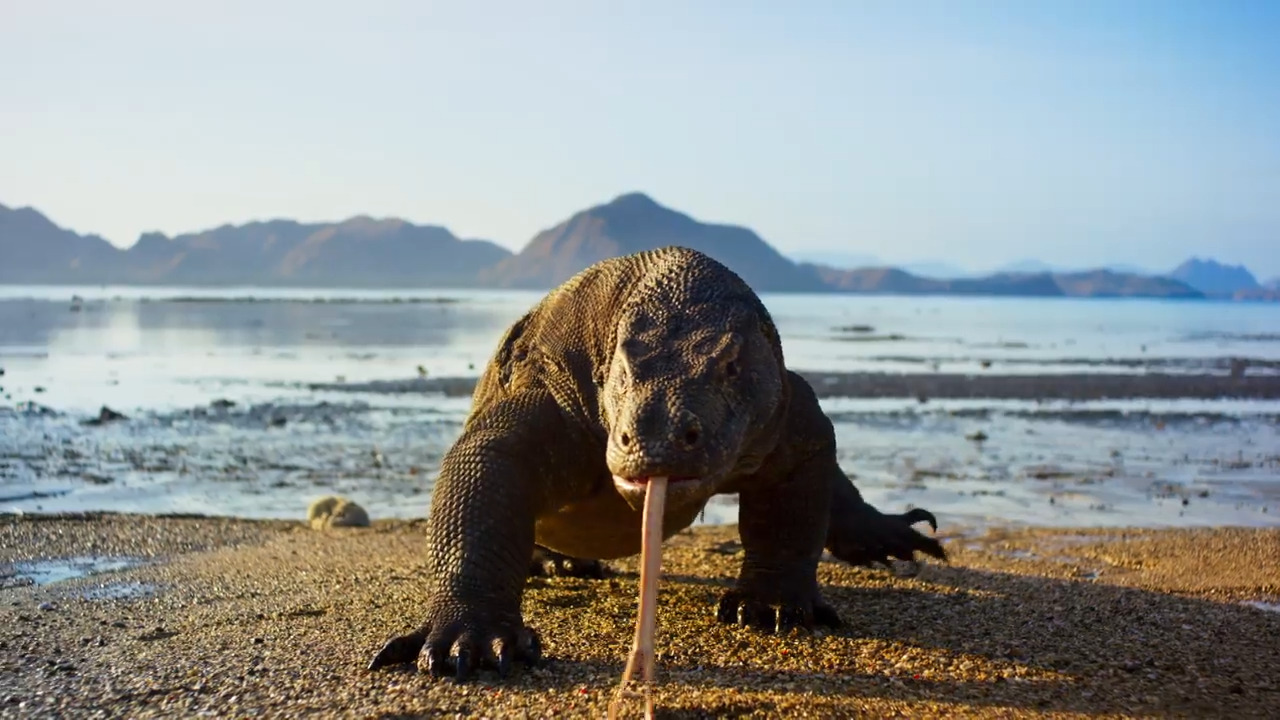
In Battles of the Komodo Dragons, narrator Sir David Attenborough describes the dramatic clashes between these apex predators on Komodo Island. From battles for territory to fierce competition for food and mates, Komodo dragons use their immense strength and strategy to dominate their environment. This video is excerpted from BBC’s Planet Earth II, a breathtaking documentary series that highlights the natural wonders of our planet.
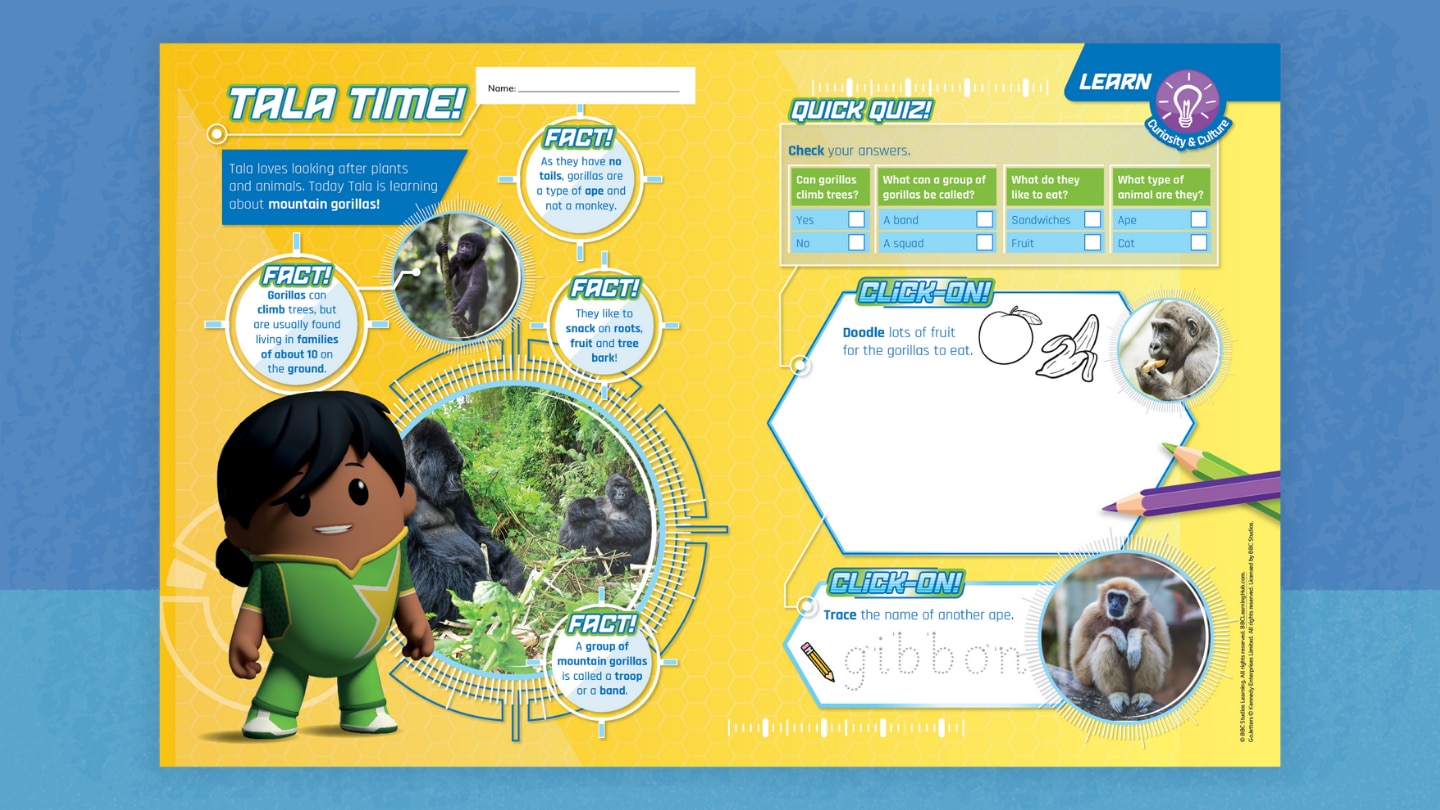
Join Tala and the Go Jetters to discover fascinating facts about mountain gorillas! In this fun worksheet, you'll:
- Explore what gorillas eat, how they live, and what makes them unique.
- Complete a quick quiz.
- Doodle fruit for the gorillas
- Trace the name of another ape — the gibbon!
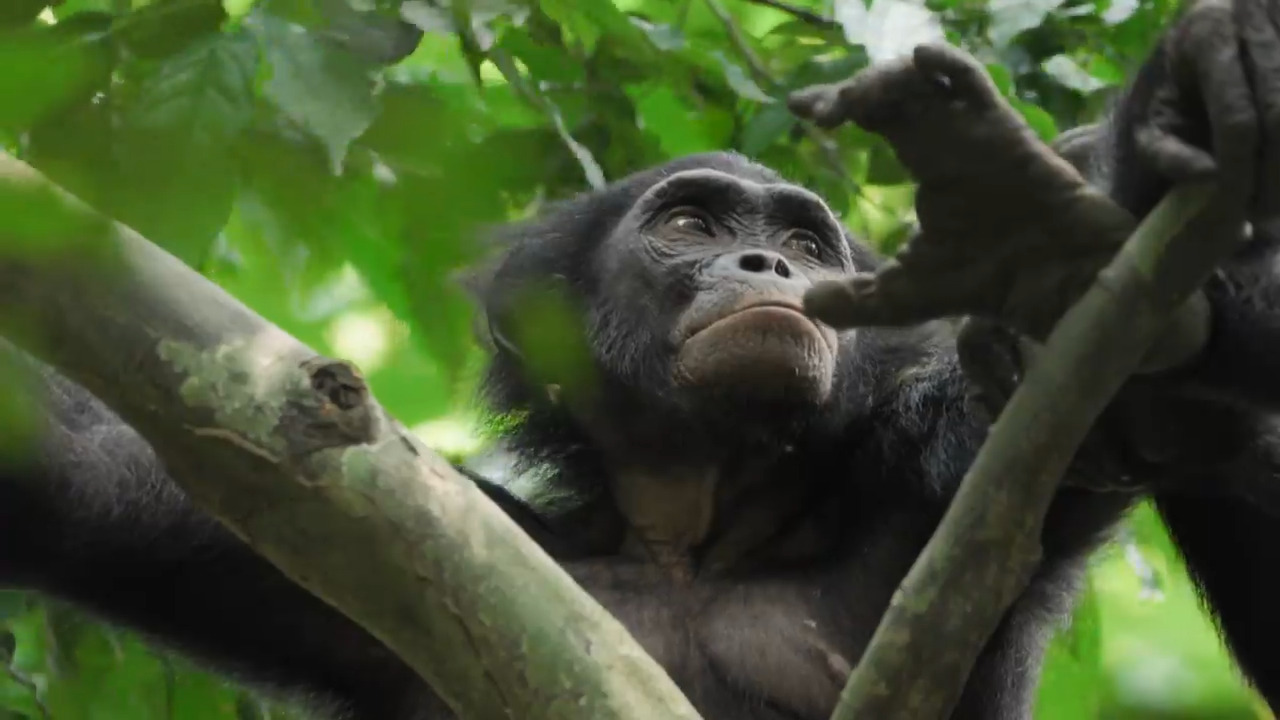
In Congo Adventures: Tracking Bonobos, host Simon Reeve treks through the rainforests of the Congo in search of bonobos, a gentle species of apes only found in this region. Along the way, he battles swarms of bees and tough terrain but finally discovers a family of bonobos living peacefully in the trees. These animals play a crucial role in the rainforest’s survival by spreading seeds as they eat, helping new plants and trees grow. Without the bonobos and other wildlife, the rainforest wouldn’t be able to thrive! This video is excerpted from BBC’s Wilderness With Simon Reeve, an epic adventure into the heart of Earth’s last great wild areas, where nature is at its most beautiful and fragile.
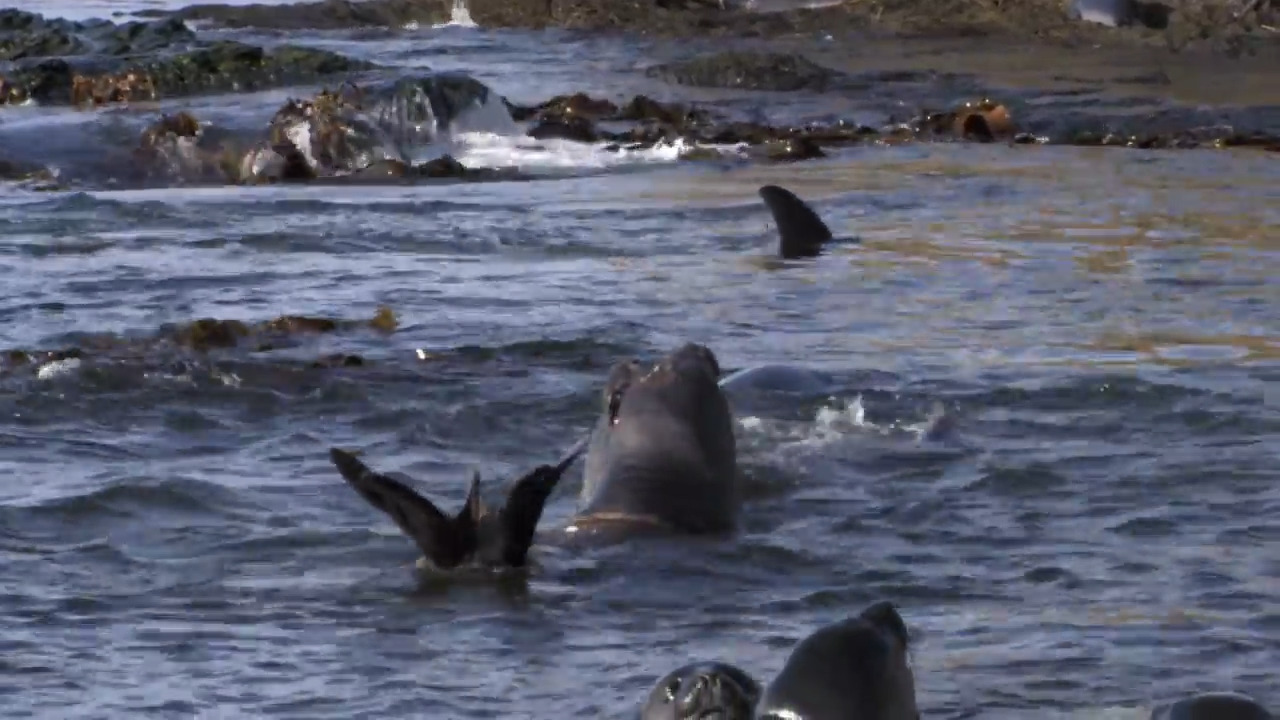
In Orca Life and Hunting Skills, narrator Sir David Attenborough explores the world of orcas, the largest and most powerful members of the dolphin family. Follow this pod of nine, including a mother and her calf, as they navigate a narrow channel to hunt elephant seals. Using careful timing and strategy, the mother secures a meal, highlighting the intelligence and skill of these apex predators. This video is excerpted from BBC's Life, a show that explores the remarkable strategies animals and plants use to ensure their survival.
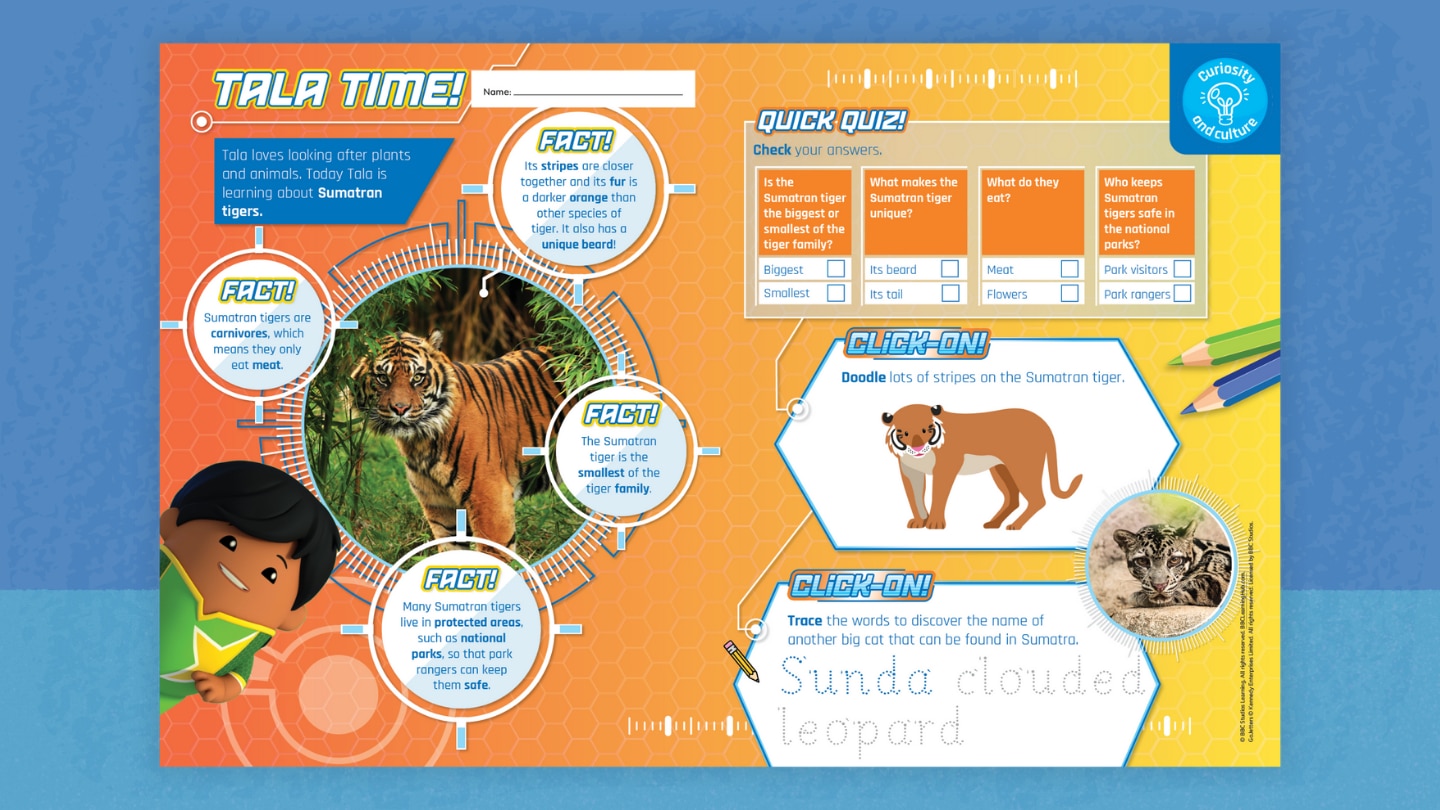
Join Tala and the Go Jetters to discover amazing facts about Sumatran tigers! In this interactive worksheet, you'll:
- Explore what makes these tigers unique, what they eat, and how they survive in protected areas.
- Complete a quick quiz.
- Doodle stripes on a tiger.
- Trace the name of another big cat found in Sumatra.
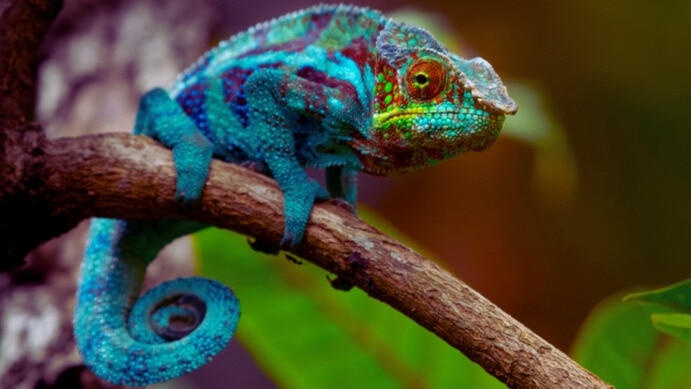
Get ready to meet the cold-blooded superstars of the animal kingdom! This BBC playlist slinks, scuttles, and snaps through the fascinating lives of cobras, turtles, lizards, and alligators. Whether it's the mesmerizing hood dance of a cobra or the alligator's toothy grin, these clips are perfect for sparking curiosity (and maybe a little squeamishness) in your classroom. Warning: May cause students to say "Whoa!" and "Ew!" in equal measure.
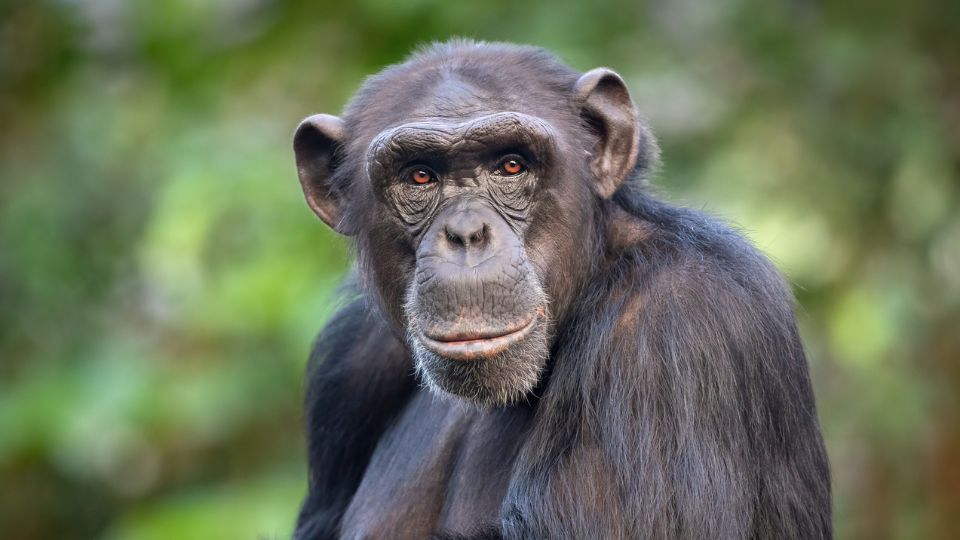
Chimpanzees are among the most intelligent animals on Earth — and they just happen to be our closest living relatives. Sharing about 95–98% of their DNA with humans, chimpanzees can use tools, solve problems, communicate with one another, and even pass knowledge from one generation to the next.
Found in the forests and woodlands of central and western Africa, chimpanzees live in complex social groups called troops. They spend their days searching for food, caring for their young, and navigating a world that is increasingly threatened by habitat loss and human activity.
From cracking nuts with stones to using sticks to fish for termites, chimpanzees continue to amaze scientists with their creativity and intelligence. But how much do you know about these remarkable primates?
Whether you're a wildlife enthusiast, an animal expert, or simply curious about our closest cousins in the animal kingdom, this quiz will put your chimpanzee knowledge to the test. Let's see if you have what it takes to become a Chimp Champion!
In Crocodilians, Ancient Apex Predators, evolutionary biologist Ben Garrod meets some crocodilians. This category includes crocodiles, alligators, and other similar species that use their sensitive skin to detect pressure and vibrations, especially in murky waters where their vision is limited. This unique adaptation helps them hunt and survive as an apex predator. This video is excerpted from Secrets of Skin, a documentary series exploring the natural history of the body’s largest organ.
The article "What Was It Like to Be a Kid in the Middle Ages?" from BBC's HistoryExtra explores what life was like for children during the Middle Ages. The article highlights how children's lives were shaped by age, gender, class, and religion. It also reveals surprising facts about literacy, mortality rates, and how children played, worked, and were disciplined.
At the Weald & Downland Living Museum, a group of volunteers has stepped straight into the year 1461 — and they’re sticking to it. That means no electricity, no central heating, no phones, and no modern conveniences.
They’re living, working, eating, and sleeping the medieval way: cooking over open fires, coping with cold and damp conditions, and adjusting to just two simple meals a day (including a lot of porridge). There’s no caffeine, no snacks, and definitely no scrolling.
It’s a tough experiment in historical living — but one surprising takeaway so far? They don’t miss their phones as much as they expected.
In Great White Sharks vs. Cape Fur Seals, seals head out to sea. As they swim, they must get past great white sharks, apex predators that are waiting to throw their weight around to capture a seal snack. This video is excerpted from BBC’s Planet Earth, a breathtaking documentary series that highlights the natural wonders of our planet.
In A Journey Through the Coral Triangle, host Simon Reeve dives into the breathtaking underwater paradise of Raja Ampat in the Coral Triangle. Home to three-quarters of the world’s coral species, this ecosystem is often called the "Amazon of the Sea." Simon explains how the ocean produces half the oxygen we breathe and reveals the critical role sharks play as apex predators in keeping the marine food chain balanced. This video is excerpted from BBC’s Wilderness With Simon Reeve, an epic adventure into the heart of Earth’s last great wild areas, where nature is at its most beautiful and fragile.
In Battles of the Komodo Dragons, narrator Sir David Attenborough describes the dramatic clashes between these apex predators on Komodo Island. From battles for territory to fierce competition for food and mates, Komodo dragons use their immense strength and strategy to dominate their environment. This video is excerpted from BBC’s Planet Earth II, a breathtaking documentary series that highlights the natural wonders of our planet.
Join Tala and the Go Jetters to discover fascinating facts about mountain gorillas! In this fun worksheet, you'll:
- Explore what gorillas eat, how they live, and what makes them unique.
- Complete a quick quiz.
- Doodle fruit for the gorillas
- Trace the name of another ape — the gibbon!
In Congo Adventures: Tracking Bonobos, host Simon Reeve treks through the rainforests of the Congo in search of bonobos, a gentle species of apes only found in this region. Along the way, he battles swarms of bees and tough terrain but finally discovers a family of bonobos living peacefully in the trees. These animals play a crucial role in the rainforest’s survival by spreading seeds as they eat, helping new plants and trees grow. Without the bonobos and other wildlife, the rainforest wouldn’t be able to thrive! This video is excerpted from BBC’s Wilderness With Simon Reeve, an epic adventure into the heart of Earth’s last great wild areas, where nature is at its most beautiful and fragile.
In Orca Life and Hunting Skills, narrator Sir David Attenborough explores the world of orcas, the largest and most powerful members of the dolphin family. Follow this pod of nine, including a mother and her calf, as they navigate a narrow channel to hunt elephant seals. Using careful timing and strategy, the mother secures a meal, highlighting the intelligence and skill of these apex predators. This video is excerpted from BBC's Life, a show that explores the remarkable strategies animals and plants use to ensure their survival.
Join Tala and the Go Jetters to discover amazing facts about Sumatran tigers! In this interactive worksheet, you'll:
- Explore what makes these tigers unique, what they eat, and how they survive in protected areas.
- Complete a quick quiz.
- Doodle stripes on a tiger.
- Trace the name of another big cat found in Sumatra.
Get ready to meet the cold-blooded superstars of the animal kingdom! This BBC playlist slinks, scuttles, and snaps through the fascinating lives of cobras, turtles, lizards, and alligators. Whether it's the mesmerizing hood dance of a cobra or the alligator's toothy grin, these clips are perfect for sparking curiosity (and maybe a little squeamishness) in your classroom. Warning: May cause students to say "Whoa!" and "Ew!" in equal measure.
Chimpanzees are among the most intelligent animals on Earth — and they just happen to be our closest living relatives. Sharing about 95–98% of their DNA with humans, chimpanzees can use tools, solve problems, communicate with one another, and even pass knowledge from one generation to the next.
Found in the forests and woodlands of central and western Africa, chimpanzees live in complex social groups called troops. They spend their days searching for food, caring for their young, and navigating a world that is increasingly threatened by habitat loss and human activity.
From cracking nuts with stones to using sticks to fish for termites, chimpanzees continue to amaze scientists with their creativity and intelligence. But how much do you know about these remarkable primates?
Whether you're a wildlife enthusiast, an animal expert, or simply curious about our closest cousins in the animal kingdom, this quiz will put your chimpanzee knowledge to the test. Let's see if you have what it takes to become a Chimp Champion!