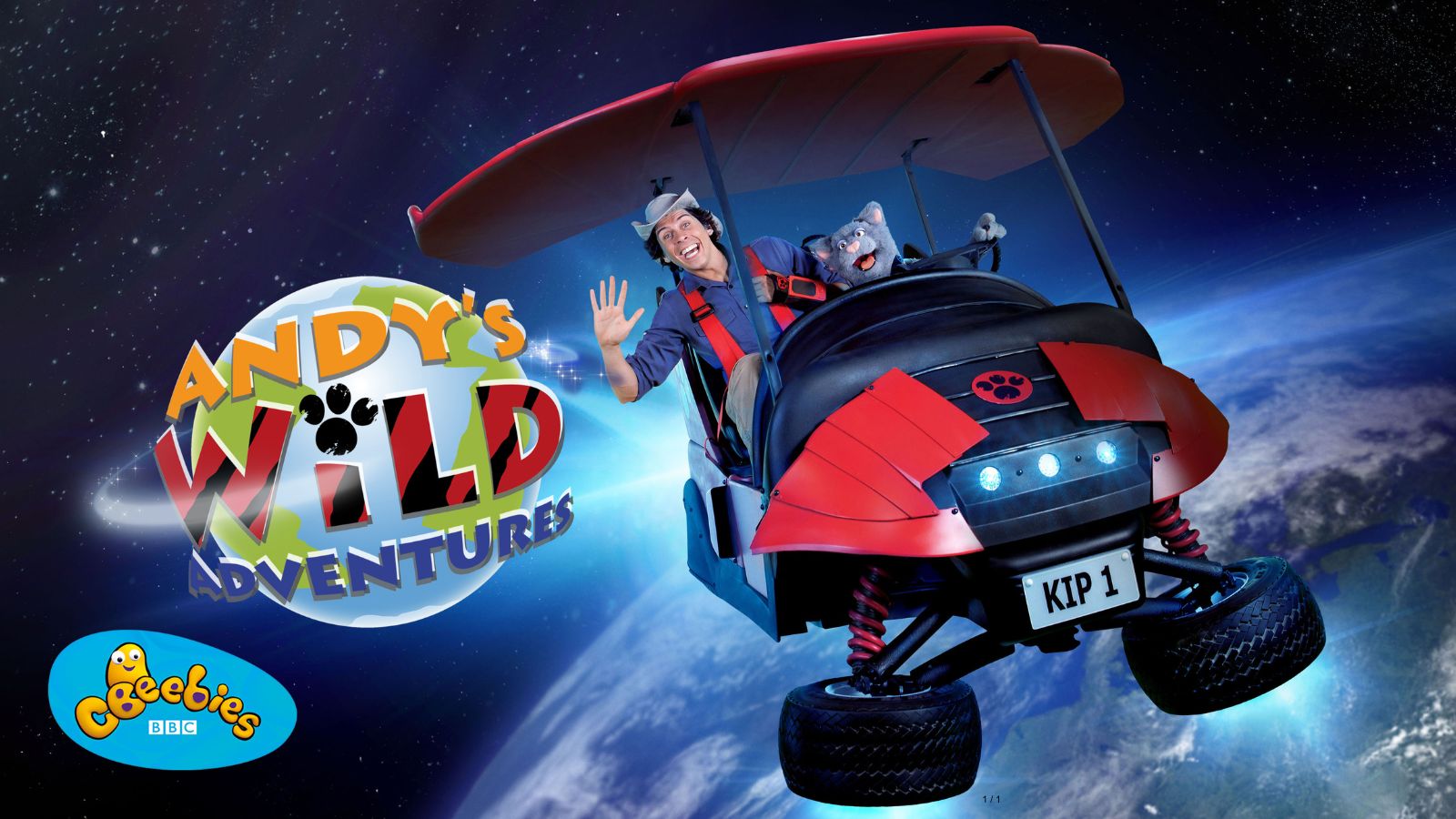
Journey back in time with Andy to see dinosaurs and ancient creatures. Then join him on missions around the globe to meet animals in their habitats and discover their unique behaviors and adaptations.
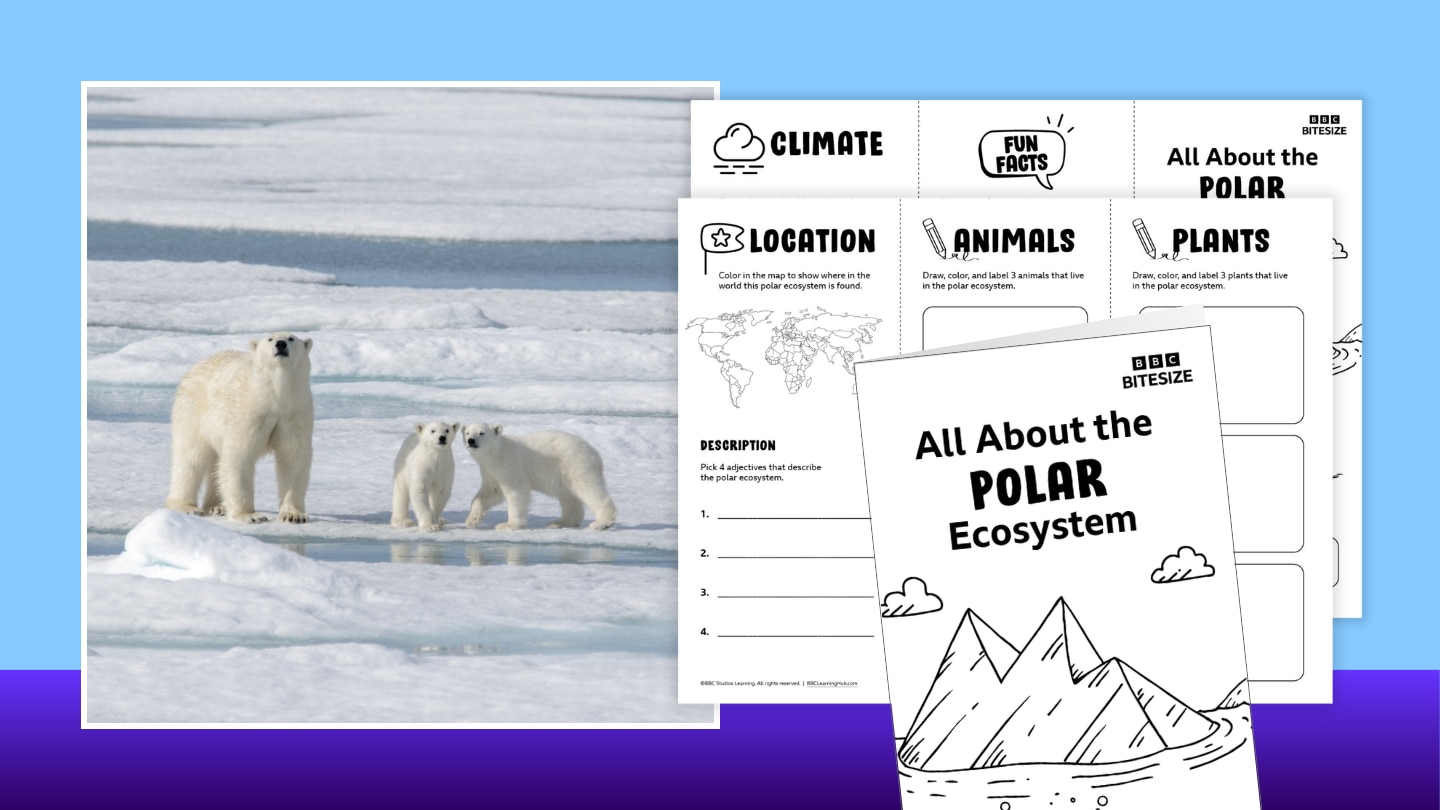
Bring your students on an icy exploration of the polar ecosystem! The Arctic and Antarctica may look frozen and empty at first glance, but they’re full of life perfectly adapted to the cold.
✨ Perfect for grades 3–8, here’s what you need to bring ecosystems to life:
- Iconic BBC Videos: Share the clips on this page to introduce the location, plants, animals, and climate of the polar regions. (Don't miss the narwhals and emperor penguins!) Brought to you by world-class BBC programs like Planet Earth, Frozen Planet, and Seven Worlds, One Planet.
- Free Printable: Use the Polar Brochure Template to help students pull it all together in an ecosystem report with facts they’ve learned (and a little extra research).
It’s everything you need to make ecosystems easy to teach and truly memorable for your students.
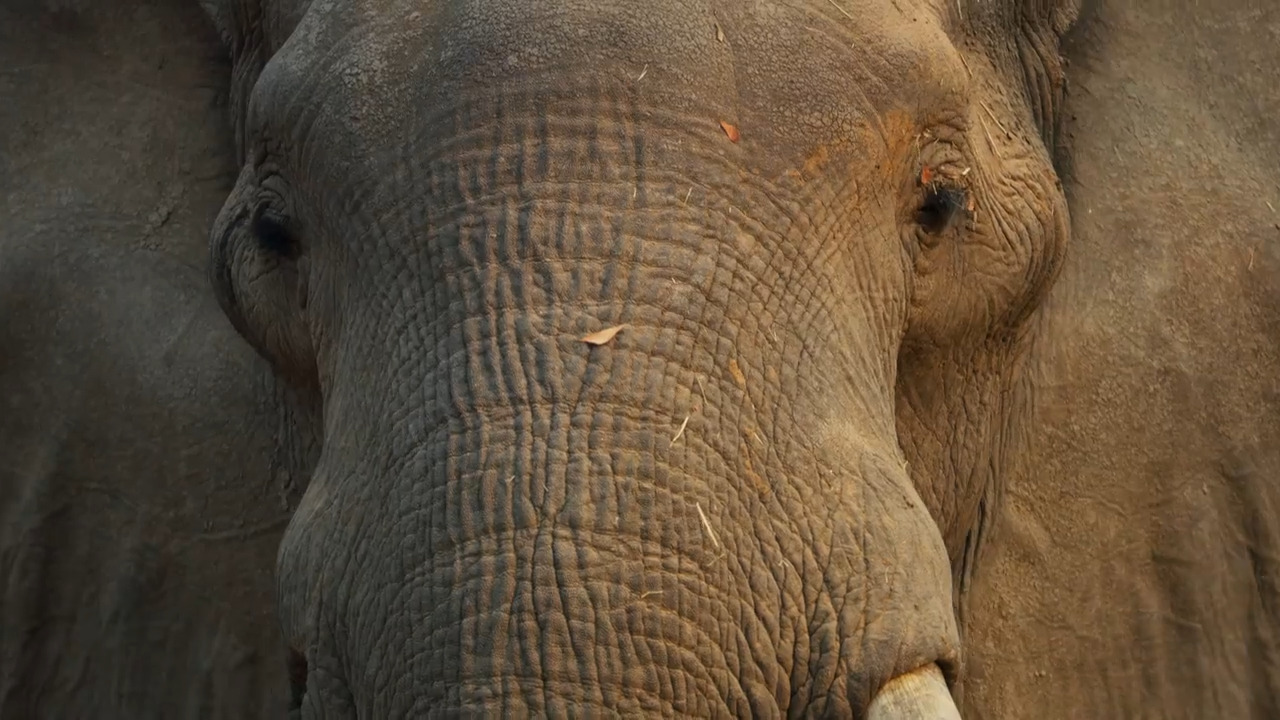
In Elephants Adapt to Climate Change, narrator Sir David Attenborough explains how elephants have adapted to drought in Africa. They have worked out a way of reaching acacia pods from the highest branches. This video is excerpted from BBC’s Seven Worlds, One Planet, a series featuring remarkable animal behavior from all seven continents.
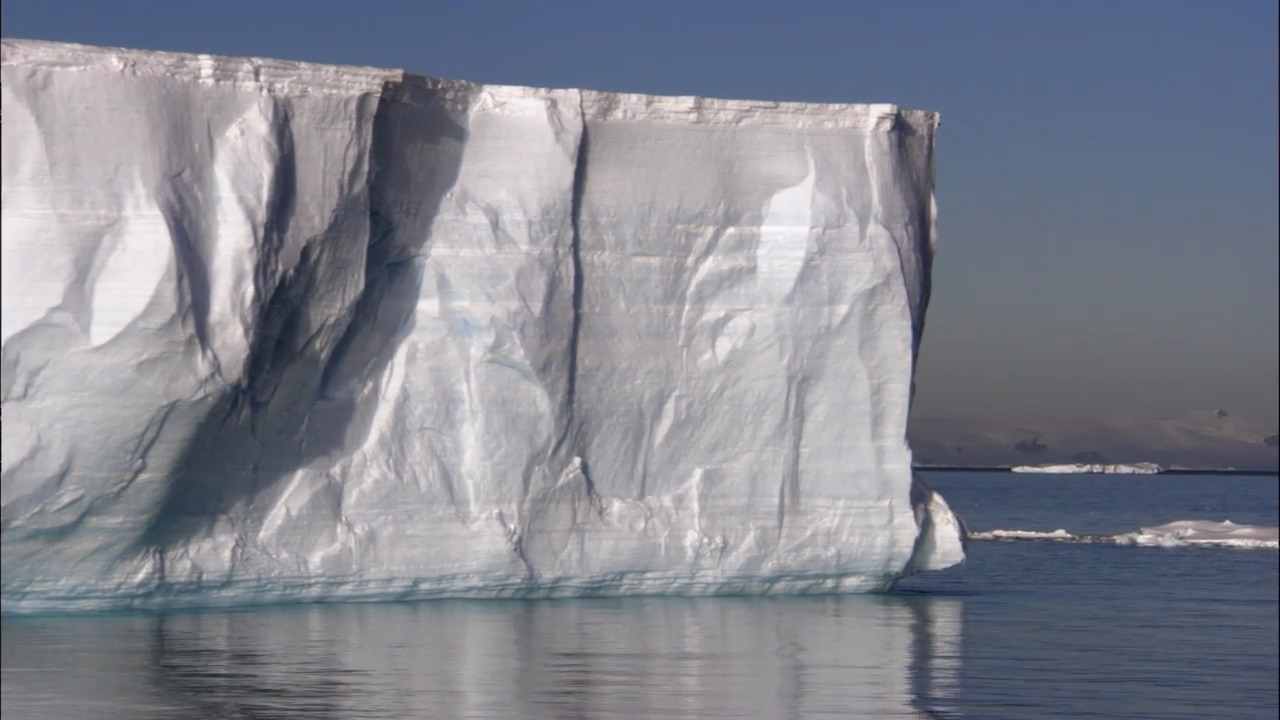
In How Ice Provides a Reflective Shield on Earth, geologist Iain Stewart explains that ice is a unique substance. Because it floats and is reflective, it provides a reflective shield for the Earth and impacts how much energy is absorbed, which impacts the climate. The changing amounts of ice on the planet also impact how modern man has adapted. This video is excerpted from BBC’s Earth: The Power of the Planet, a documentary series in which Dr. Iain Stewart discovers how Earth's forces can shape nature, species, and even the climate.
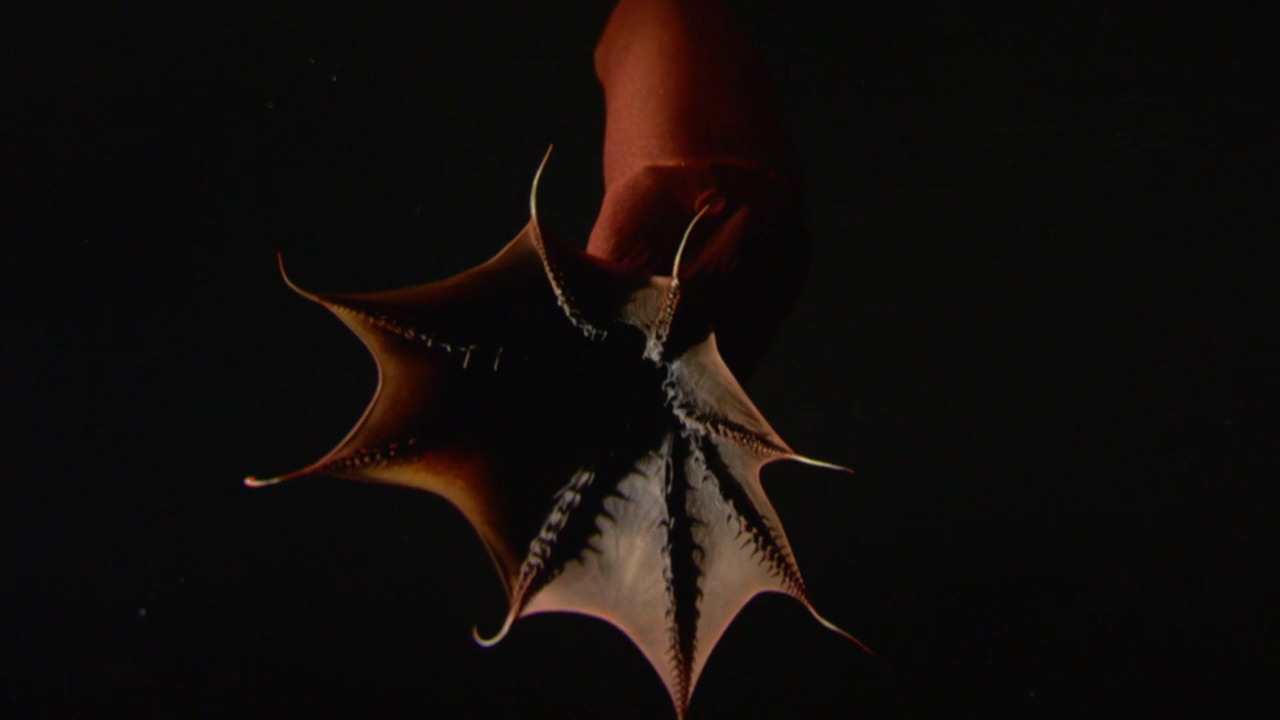
In Navigating the Dark Depths of the Ocean, narrator David Attenborough highlights the deep ocean, where no sunlight reaches, and animals have adapted to survive in total darkness with minimal food. The Dumbo octopus glides effortlessly through the water, conserving energy. The vampire squid uses bioluminescent bacteria to create light patterns that confuse predators. In this extreme environment, creatures must rely on special adaptations to detect food, avoid danger, and navigate the dark depths. This video is excerpted from BBC’s Planet Earth, a breathtaking documentary series that highlights the natural wonders of our planet.
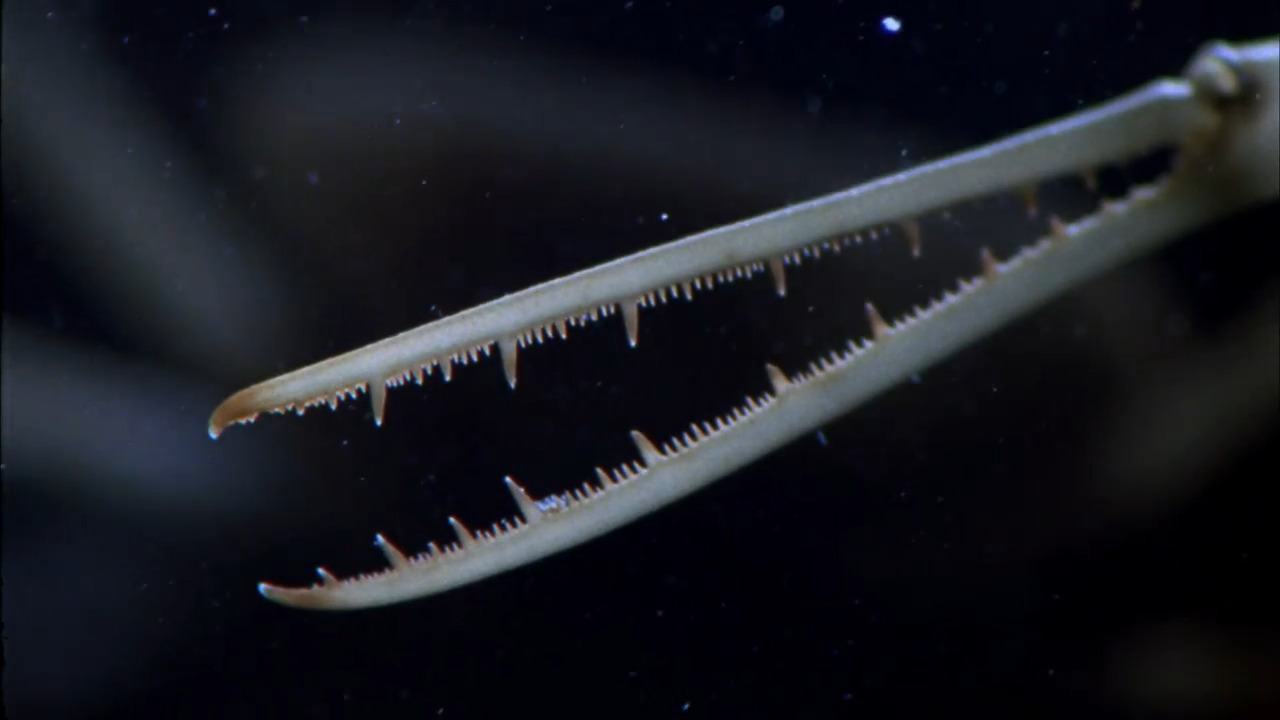
In The Strange World of Troglobites, narrator Sir David Attenborough explores the fascinating world of troglobites, creatures that have adapted to living entirely in caves. These animals, including the Texas blind salamander and the Belizean white crab, are unique to their environments and have evolved specialized features to survive in total darkness. Lacking pigment and eyesight, they rely on other heightened senses to detect food. The cave angelfish uses microscopic hooks to cling to slippery surfaces, and the blind salamander can detect water movement to locate prey. This video is excerpted from BBC’s Planet Earth, a breathtaking documentary series that highlights the natural wonders of our planet.
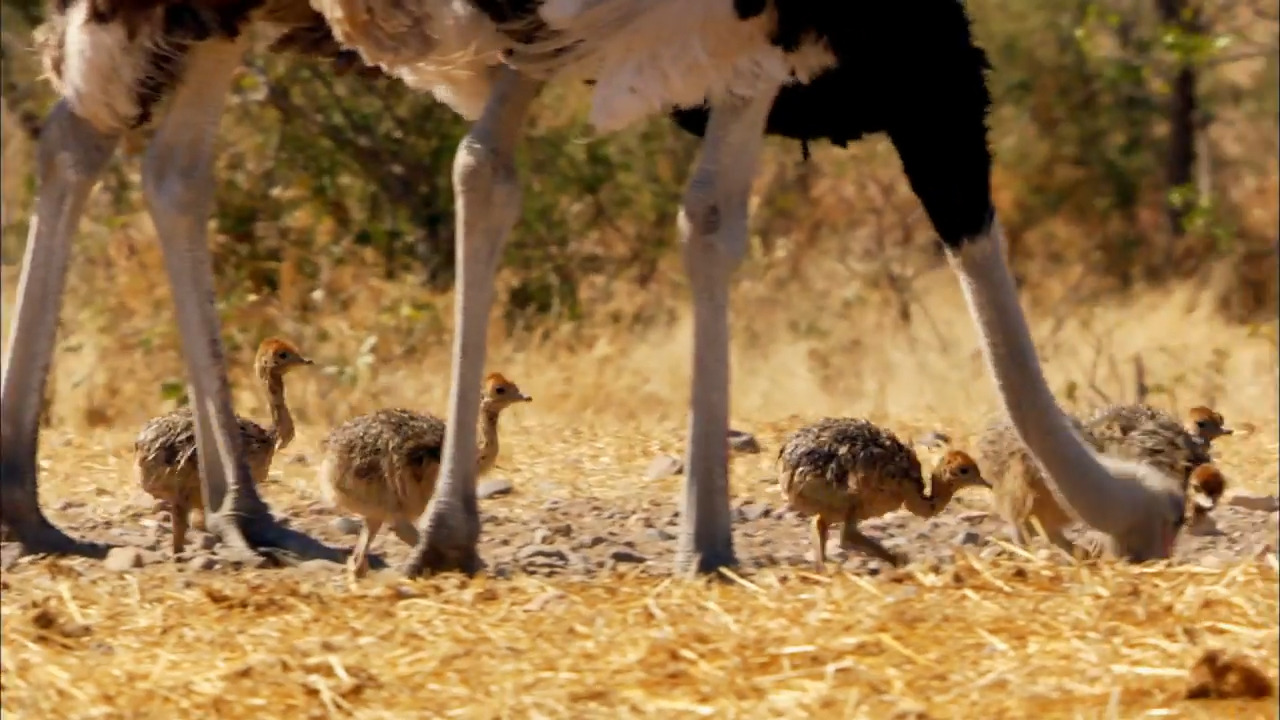
In Ostrich Chicks in the Kalahari narrator Sir David Attenborough describes how ostrich parents tirelessly search for water in the Kalahari Desert. After a long day, they find a watering hole teeming with giraffes, elephants, and zebras. However, danger looms as predators are nearby. When these predators chase away the larger animals, the ostrich family takes the opportunity to drink, demonstrating how survival requires adapting to challenges and opportunities. This video is excerpted from BBC’s Africa, a study of the landscape and wildlife of the world’s wildest continent, Africa.
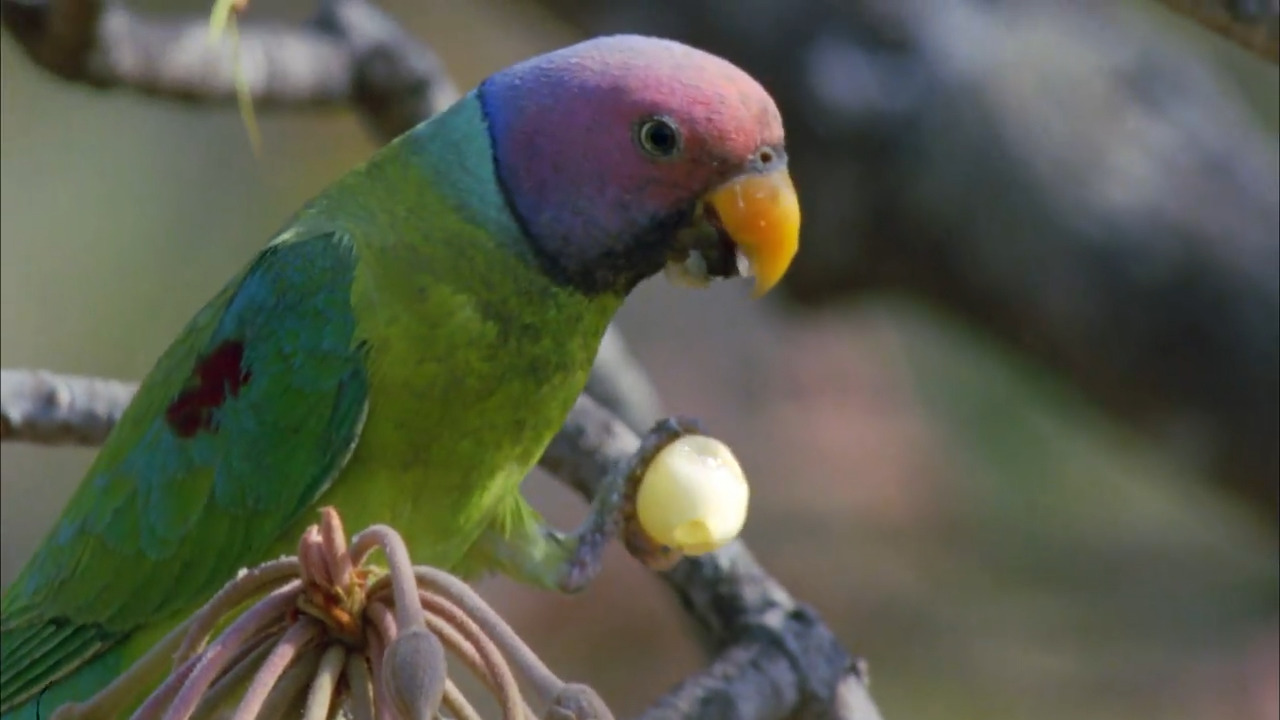
In Inside India’s Teak Forests: Partners in Desperate Times, narrator Sir David Attenborough describes how plants and animals adapt to survive the hot, dry season. Langur monkeys and chital deer form an unlikely partnership to help them survive. This video is excerpted from BBC's Planet Earth, a breathtaking documentary series that highlights the natural wonders of our planet.
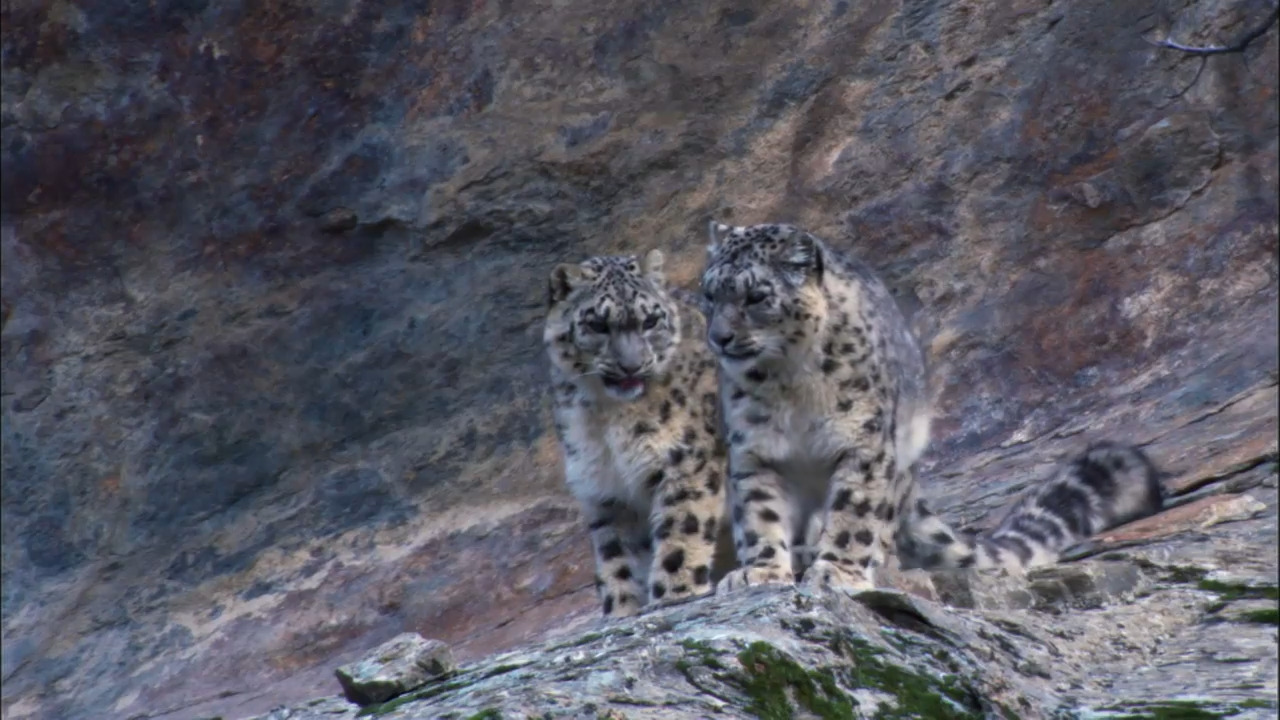
In The Snow Leopard Caught on Film for the First Time!, Sir David Attenborough describes how a seldom-seen female cares for her cub and hunts among the steep cliffs of the Himalayas. Her body is uniquely adapted to the challenges of her environment. This video is excerpted from BBC's Planet Earth, a breathtaking documentary series that highlights the natural wonders of our planet.
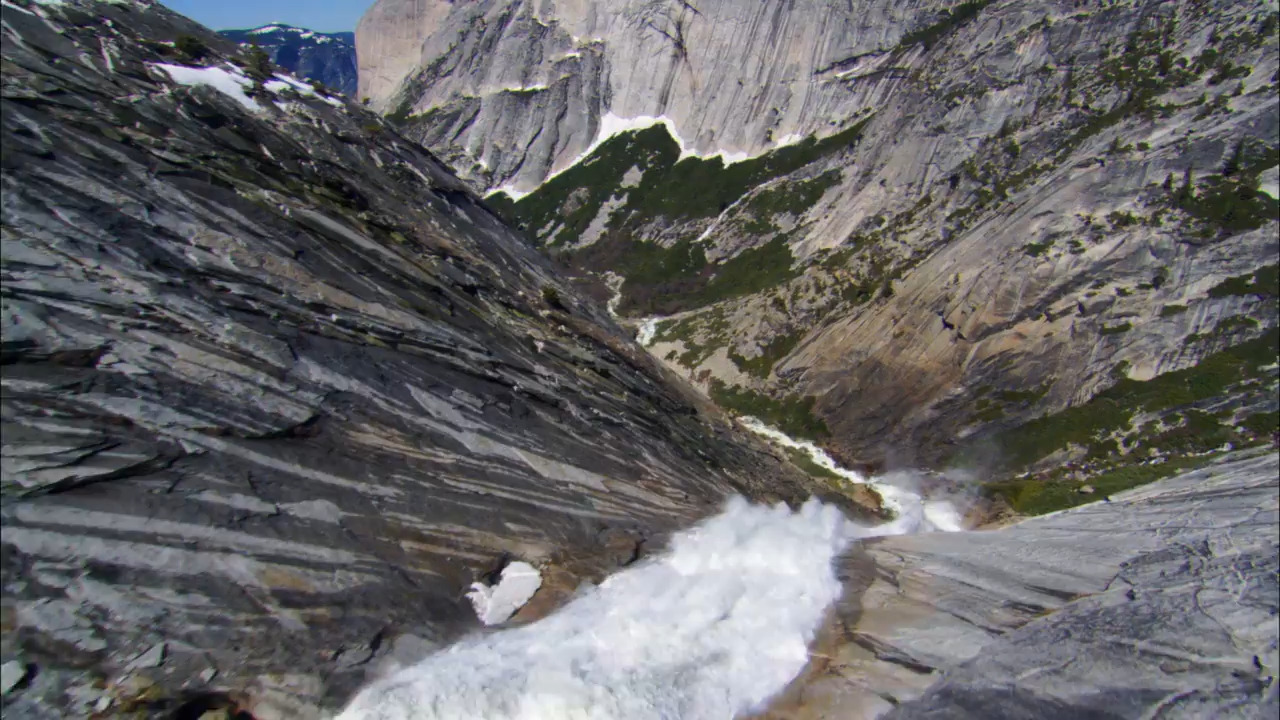
In The Fascinating Animals That Inhabit Mountain Streams, narrator Sir David Attenborough investigates the unusual adaptations of animals that inhabit the rushing waters of mountain streams. This video is excerpted from BBC's Planet Earth, a breathtaking documentary series that highlights the natural wonders of our planet.
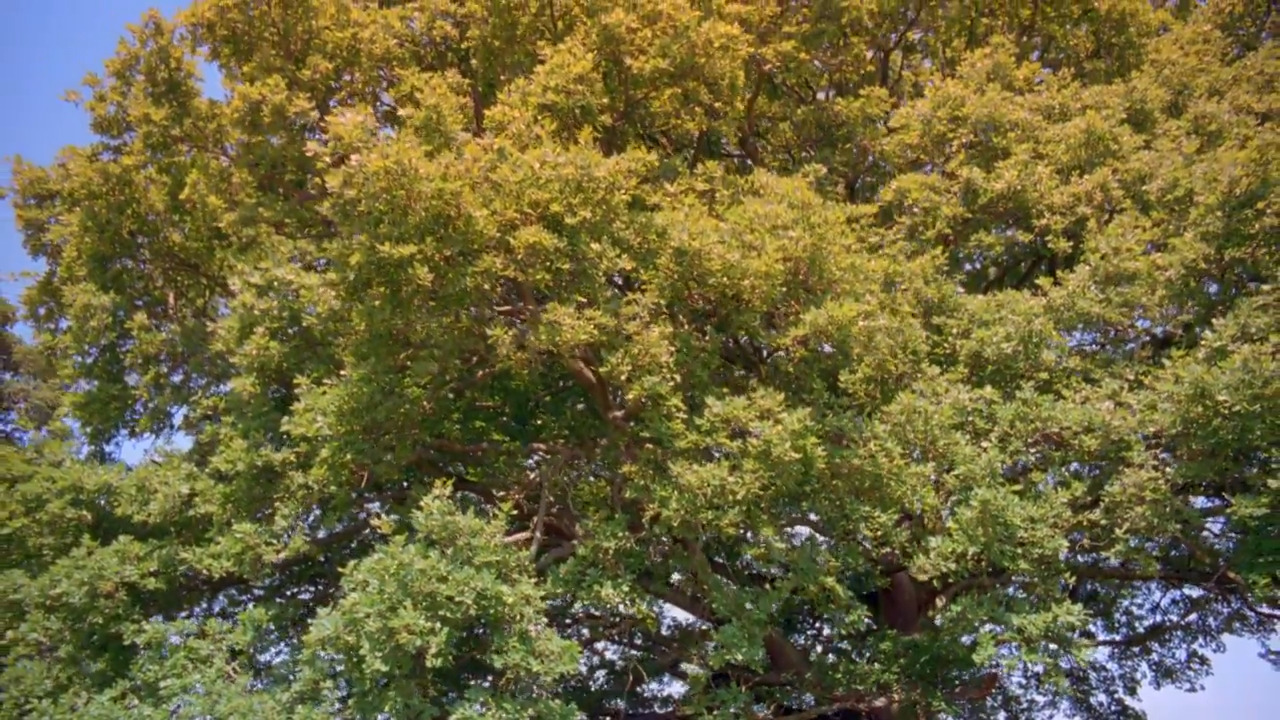
In Our Seasons Are All Because of a Tilt, narrator Sir David Attenborough explains how our annual rhythms are caused by Earth’s tilt on its axis as it orbits the Sun. Trees blossom or shed leaves, daylight increases or decreases, and animals adapt to the changes. This video is excerpted from BBC's Planet Earth, a breathtaking documentary series that highlights the natural wonders of our planet.
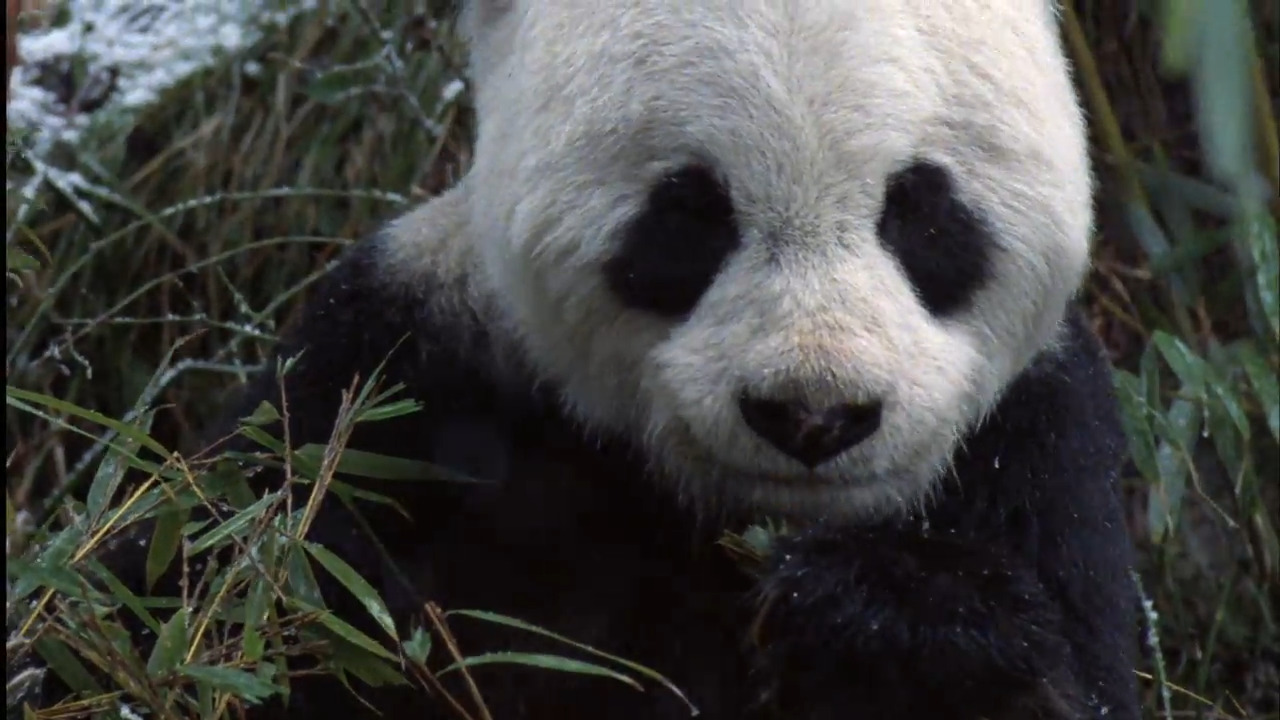
In High Altitude Living in China, narrator Sir David Attenborough describes how only a few animals are adapted to survive winter on the high mountain slopes. Watch a giant panda munch on bamboo and a group of golden snub-nosed monkeys huddle for warmth. This video is excerpted from BBC's Planet Earth, a breathtaking documentary series that highlights the natural wonders of our planet.
Journey back in time with Andy to see dinosaurs and ancient creatures. Then join him on missions around the globe to meet animals in their habitats and discover their unique behaviors and adaptations.
Bring your students on an icy exploration of the polar ecosystem! The Arctic and Antarctica may look frozen and empty at first glance, but they’re full of life perfectly adapted to the cold.
✨ Perfect for grades 3–8, here’s what you need to bring ecosystems to life:
- Iconic BBC Videos: Share the clips on this page to introduce the location, plants, animals, and climate of the polar regions. (Don't miss the narwhals and emperor penguins!) Brought to you by world-class BBC programs like Planet Earth, Frozen Planet, and Seven Worlds, One Planet.
- Free Printable: Use the Polar Brochure Template to help students pull it all together in an ecosystem report with facts they’ve learned (and a little extra research).
It’s everything you need to make ecosystems easy to teach and truly memorable for your students.
In Elephants Adapt to Climate Change, narrator Sir David Attenborough explains how elephants have adapted to drought in Africa. They have worked out a way of reaching acacia pods from the highest branches. This video is excerpted from BBC’s Seven Worlds, One Planet, a series featuring remarkable animal behavior from all seven continents.
In How Ice Provides a Reflective Shield on Earth, geologist Iain Stewart explains that ice is a unique substance. Because it floats and is reflective, it provides a reflective shield for the Earth and impacts how much energy is absorbed, which impacts the climate. The changing amounts of ice on the planet also impact how modern man has adapted. This video is excerpted from BBC’s Earth: The Power of the Planet, a documentary series in which Dr. Iain Stewart discovers how Earth's forces can shape nature, species, and even the climate.
In Navigating the Dark Depths of the Ocean, narrator David Attenborough highlights the deep ocean, where no sunlight reaches, and animals have adapted to survive in total darkness with minimal food. The Dumbo octopus glides effortlessly through the water, conserving energy. The vampire squid uses bioluminescent bacteria to create light patterns that confuse predators. In this extreme environment, creatures must rely on special adaptations to detect food, avoid danger, and navigate the dark depths. This video is excerpted from BBC’s Planet Earth, a breathtaking documentary series that highlights the natural wonders of our planet.
In The Strange World of Troglobites, narrator Sir David Attenborough explores the fascinating world of troglobites, creatures that have adapted to living entirely in caves. These animals, including the Texas blind salamander and the Belizean white crab, are unique to their environments and have evolved specialized features to survive in total darkness. Lacking pigment and eyesight, they rely on other heightened senses to detect food. The cave angelfish uses microscopic hooks to cling to slippery surfaces, and the blind salamander can detect water movement to locate prey. This video is excerpted from BBC’s Planet Earth, a breathtaking documentary series that highlights the natural wonders of our planet.
In Ostrich Chicks in the Kalahari narrator Sir David Attenborough describes how ostrich parents tirelessly search for water in the Kalahari Desert. After a long day, they find a watering hole teeming with giraffes, elephants, and zebras. However, danger looms as predators are nearby. When these predators chase away the larger animals, the ostrich family takes the opportunity to drink, demonstrating how survival requires adapting to challenges and opportunities. This video is excerpted from BBC’s Africa, a study of the landscape and wildlife of the world’s wildest continent, Africa.
In Inside India’s Teak Forests: Partners in Desperate Times, narrator Sir David Attenborough describes how plants and animals adapt to survive the hot, dry season. Langur monkeys and chital deer form an unlikely partnership to help them survive. This video is excerpted from BBC's Planet Earth, a breathtaking documentary series that highlights the natural wonders of our planet.
In The Snow Leopard Caught on Film for the First Time!, Sir David Attenborough describes how a seldom-seen female cares for her cub and hunts among the steep cliffs of the Himalayas. Her body is uniquely adapted to the challenges of her environment. This video is excerpted from BBC's Planet Earth, a breathtaking documentary series that highlights the natural wonders of our planet.
In The Fascinating Animals That Inhabit Mountain Streams, narrator Sir David Attenborough investigates the unusual adaptations of animals that inhabit the rushing waters of mountain streams. This video is excerpted from BBC's Planet Earth, a breathtaking documentary series that highlights the natural wonders of our planet.
In Our Seasons Are All Because of a Tilt, narrator Sir David Attenborough explains how our annual rhythms are caused by Earth’s tilt on its axis as it orbits the Sun. Trees blossom or shed leaves, daylight increases or decreases, and animals adapt to the changes. This video is excerpted from BBC's Planet Earth, a breathtaking documentary series that highlights the natural wonders of our planet.
In High Altitude Living in China, narrator Sir David Attenborough describes how only a few animals are adapted to survive winter on the high mountain slopes. Watch a giant panda munch on bamboo and a group of golden snub-nosed monkeys huddle for warmth. This video is excerpted from BBC's Planet Earth, a breathtaking documentary series that highlights the natural wonders of our planet.