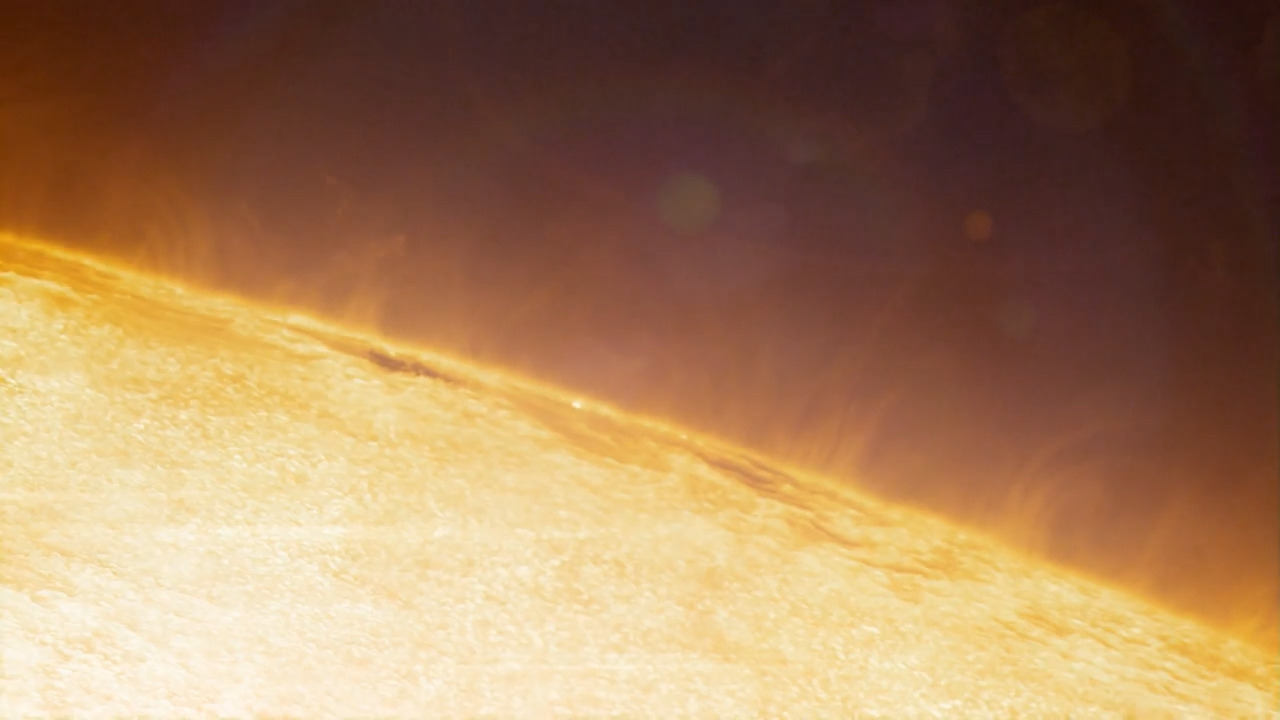
In Mercury, the Solar System's Smallest Planet, narrator Professor Brian Cox highlights the brutal environment of the smallest planet in our Solar System. Its small size meant Mercury didn’t have enough gravity to hang on to its atmosphere. Without the protection of even that thin line of gas, temperatures fluctuate from 842°F (450°C) during the day to -290°F (-180C) degrees at night on the rocky planet. This video is excerpted from BBC’s The Planets, a series that explores the dramatic lives of the eight planets in our Solar System.
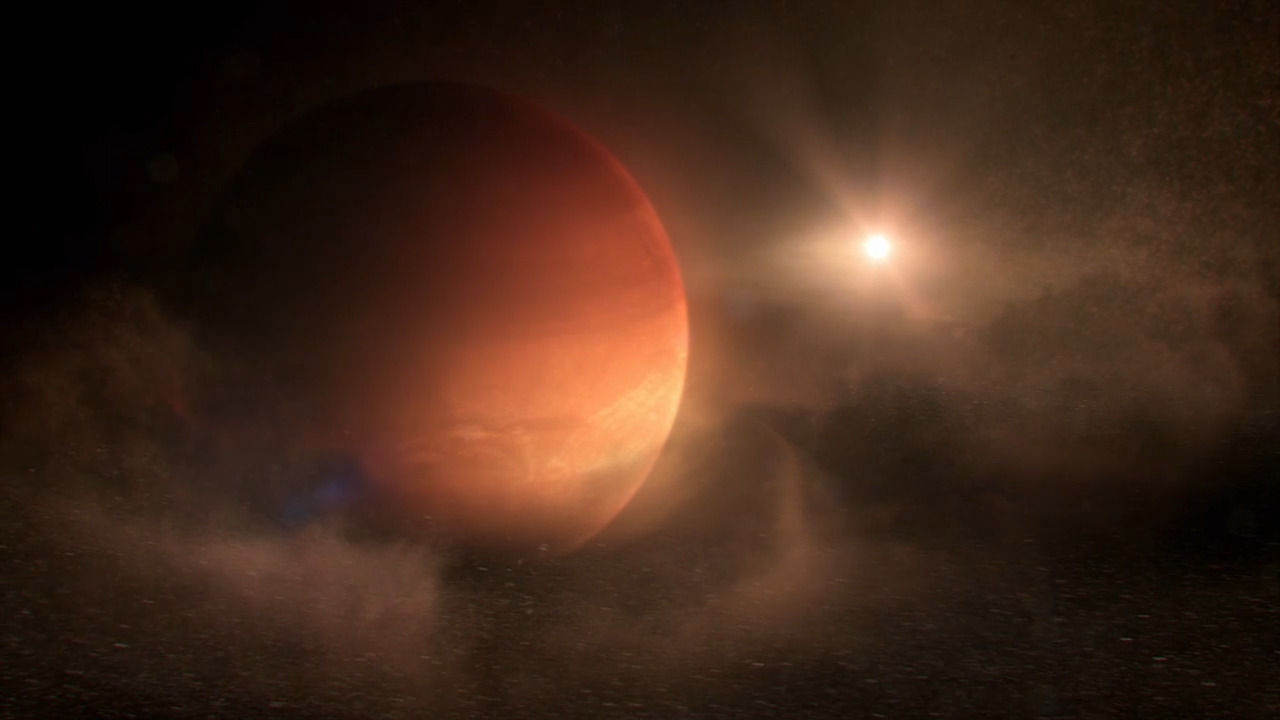
In Jupiter's Influence on the Solar System, Professor Brian Cox describes how Jupiter has had the largest influence on the formation of our Solar System. Learn how our Solar System is particularly unique within the galaxy. This video is excerpted from BBC’s The Planets, a series that explores the dramatic lives of the eight planets in our Solar System.
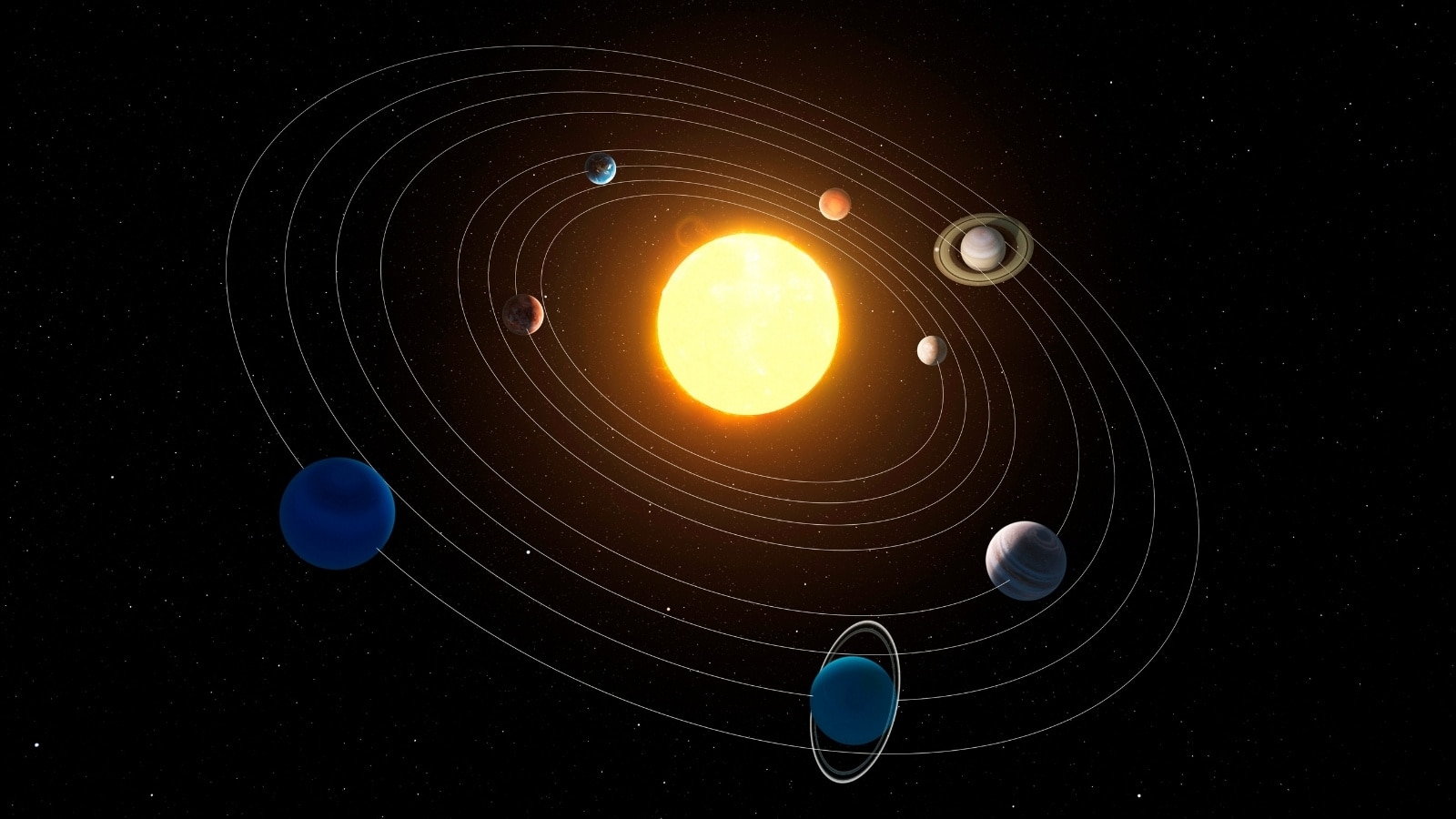
The article "Does Our Solar System Have a Protective Wall?" from BBC's Science Focus explains the concept of the "heliopause," the boundary where the solar wind from the Sun meets the interstellar medium. This boundary, sometimes described as a "wall," plays a crucial role in protecting Earth from harmful cosmic rays.
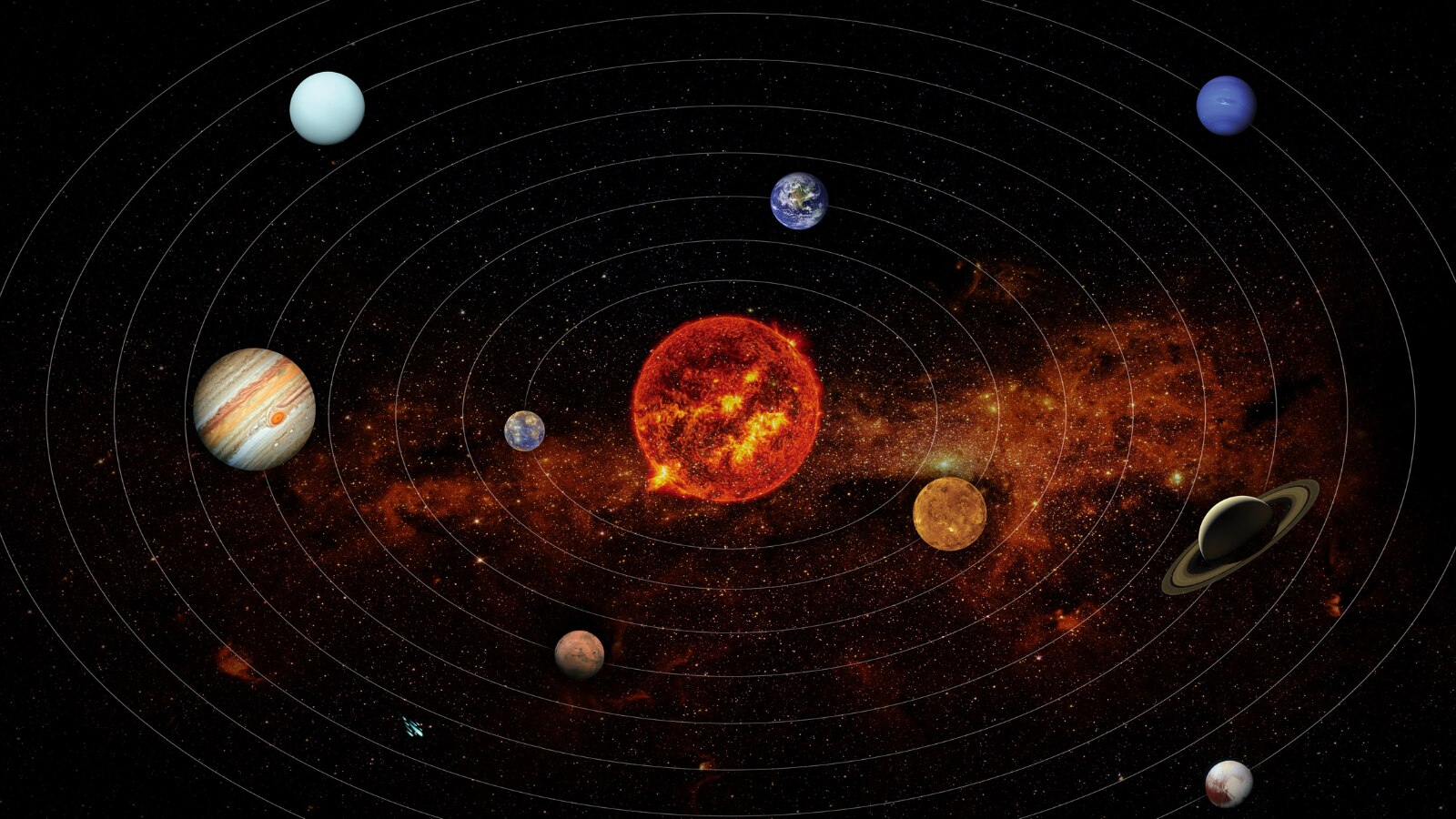
From the scorching surface of Mercury to the icy winds of Neptune, this BBC Learning Hub playlist takes you on an awe-inspiring voyage across our celestial neighborhood. Explore the mysteries of alien worlds, witness dramatic planetary weather, uncover the origins of Saturn’s rings, and ponder life on Mars. Whether you're a curious stargazer or a space science enthusiast, these video clips from landmark BBC series like The Planets and Wonders of the Solar System will ignite learner's imagination and deepen your cosmic curiosity.
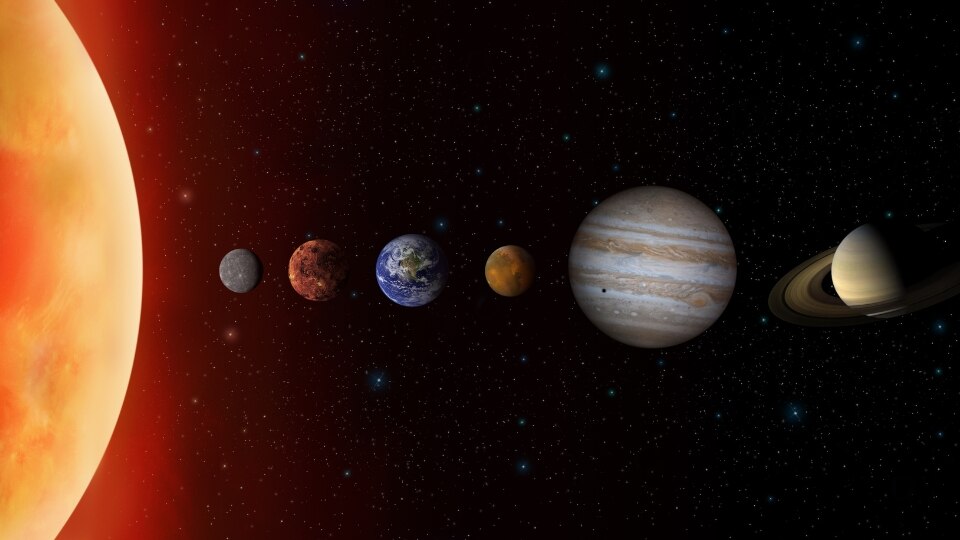
Take a journey through our cosmic neighborhood in this Kahoot about the planets, moons, and fascinating features that make up the Solar System. From the rocky worlds closest to the Sun to the icy giants at its outer reaches, discover what makes each planet unique.
This Kahoot explores planetary traits, orbits, and the vast scale of the Solar System while uncovering the forces that keep an incredible collection of worlds moving through space.
Watch the Planets of Our Solar System playlist and the related videos linked below, then take the Kahoot and see how much you know about the planets, moons, and other wonders of our Solar System.
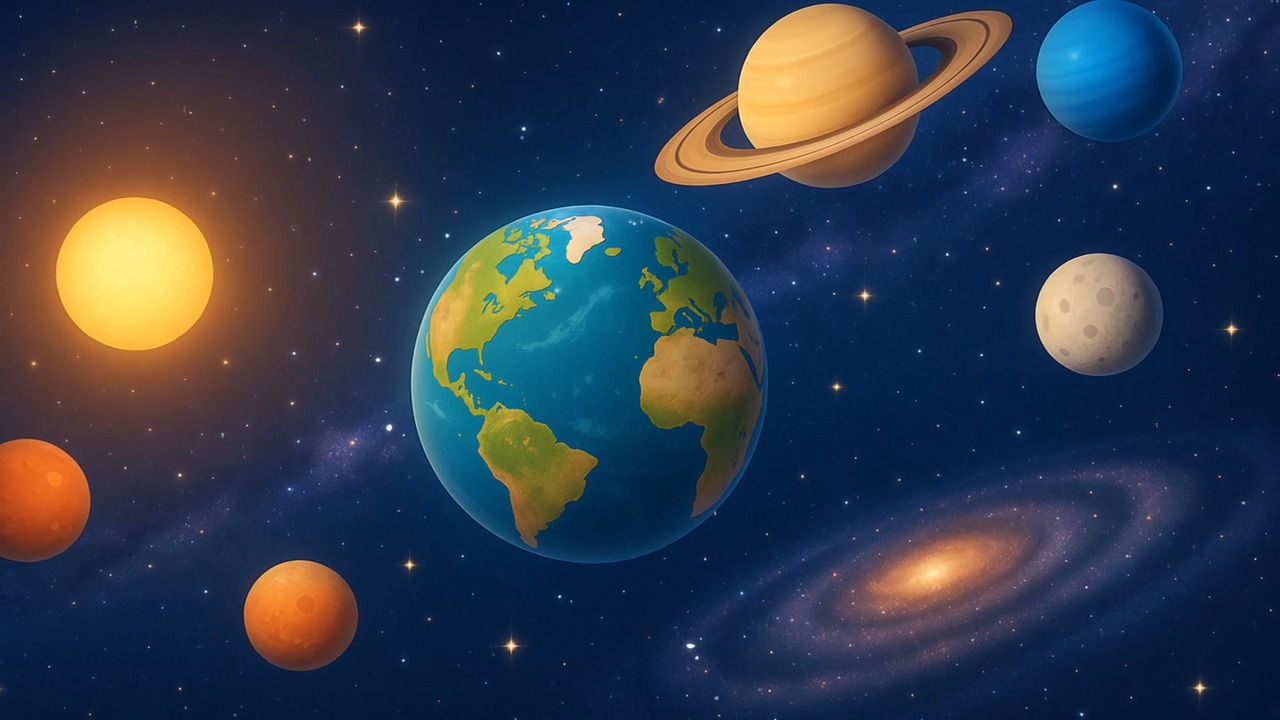
In What Is Outer Space?, learn eight facts about outer space. How many planets are there? Are all stars yellow? Learn that and more in this trip through our Solar System.
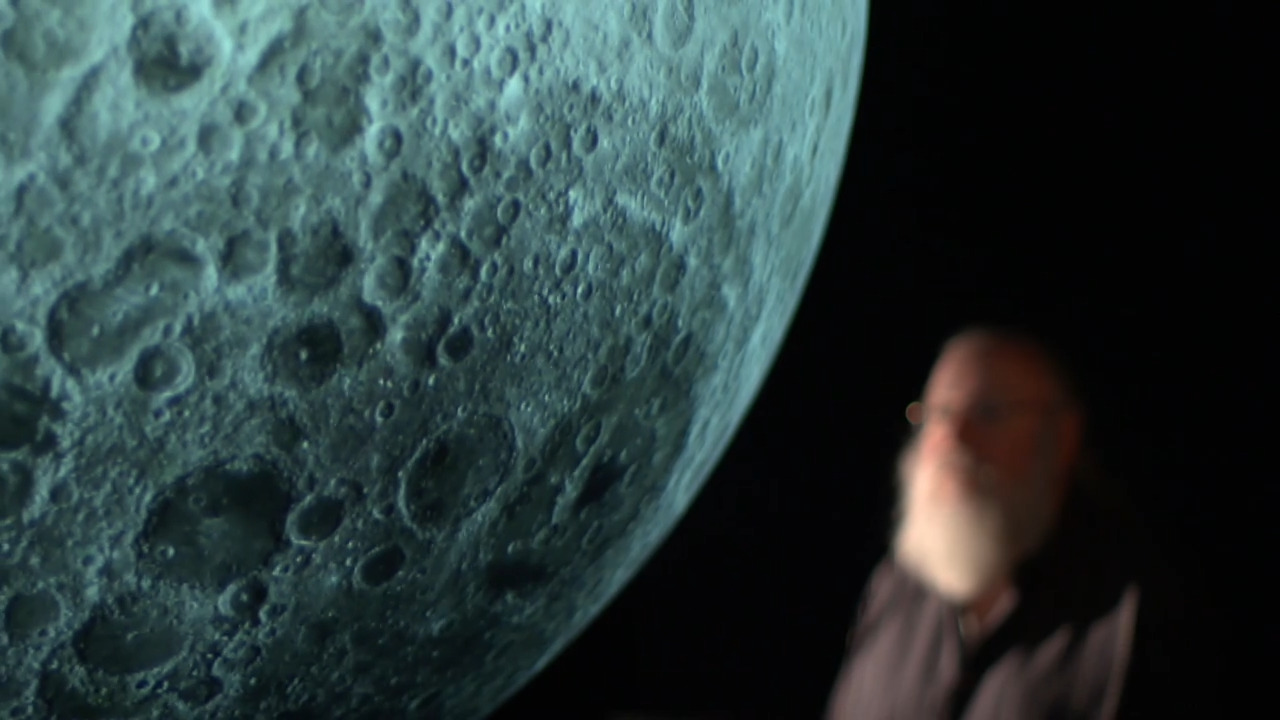
In Uranus and Neptune, Ice Giants, narrator Ruth Wilson explores the turbulence during the teenage years of our Solar System and the connection between the craters on the Moon and the position of Neptune and Uranus. During the late heavy bombardment, icy objects hitting the moon eventually also changed the orbit of the planets, including scattering Uranus and Neptune far from where they originally formed. This video is excerpted from BBC's Horizon: Secrets of the Solar System, a series that looks at how new planets being discovered are forcing scientists to rewrite the history of our own Solar System.
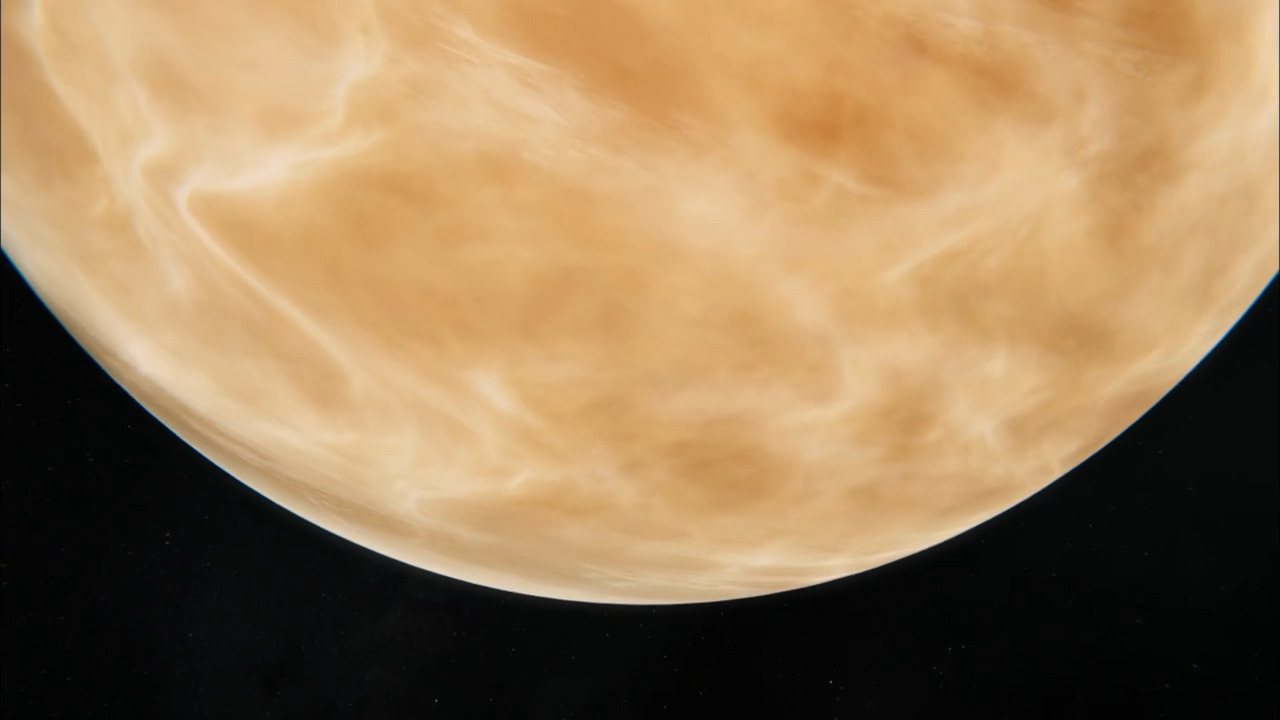
In Venus’s Landscape of Lava, Professor Brian Cox visits India to get a better understanding of how high temperatures helped create the Venus we see today. Venus, often called Earth’s twin, has the hottest average surface temperature besides the Sun in the Solar System, and it's covered in over 50,000 volcanoes. Beneath the green foliage of India, the landscape of lava is very similar to Venus. This video is excerpted from BBC's Wonders of the Solar System, a spellbinding documentary series that explores the most extreme locations on Earth to explain how the laws of physics carved natural wonders across the Solar System.
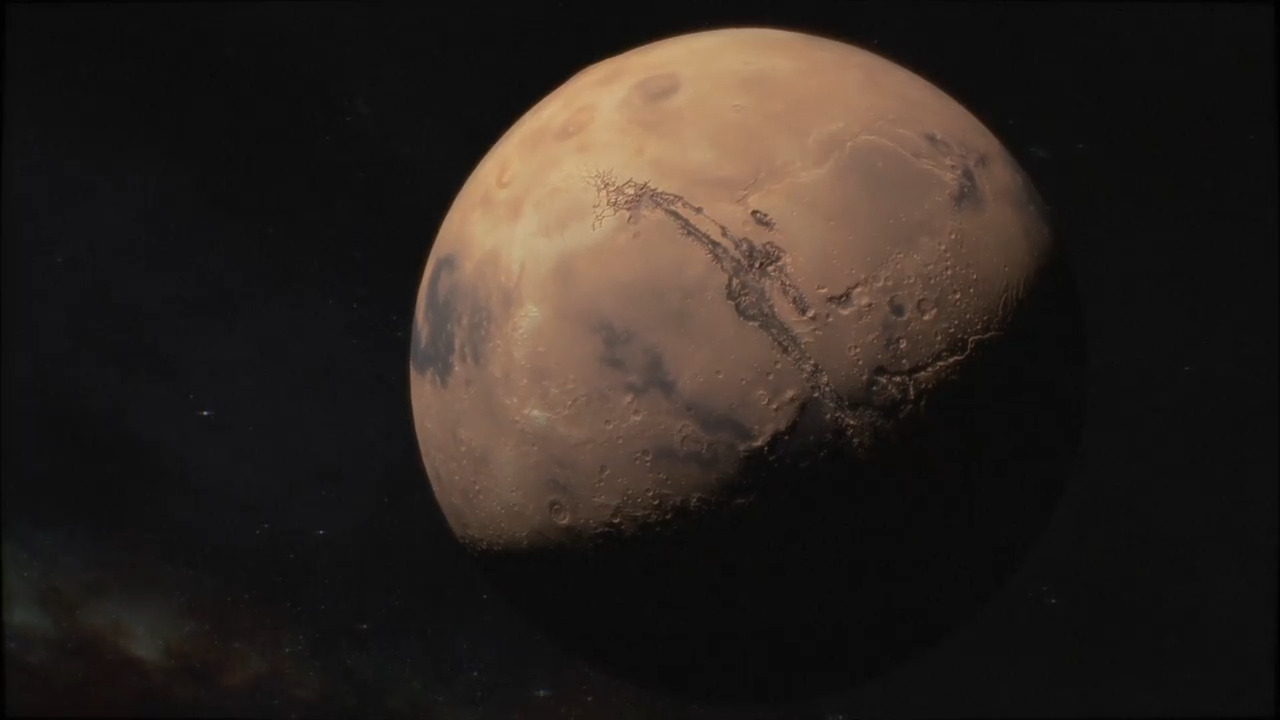
In Postcards From the Surface of Mars, Professor Brian Cox examines the geographic evolution of Mars, noting the vast canyon called Valles Marineris. He looks at photographs taken from the surface of Mars that look eerily similar to Earth: sunsets, clouds, and landscapes. There is, however, one glaring difference: no sign of water. This video is excerpted from BBC's Wonders of the Solar System, a spellbinding documentary series that explores the most extreme locations on Earth to explain how the laws of physics carved natural wonders across the Solar System.
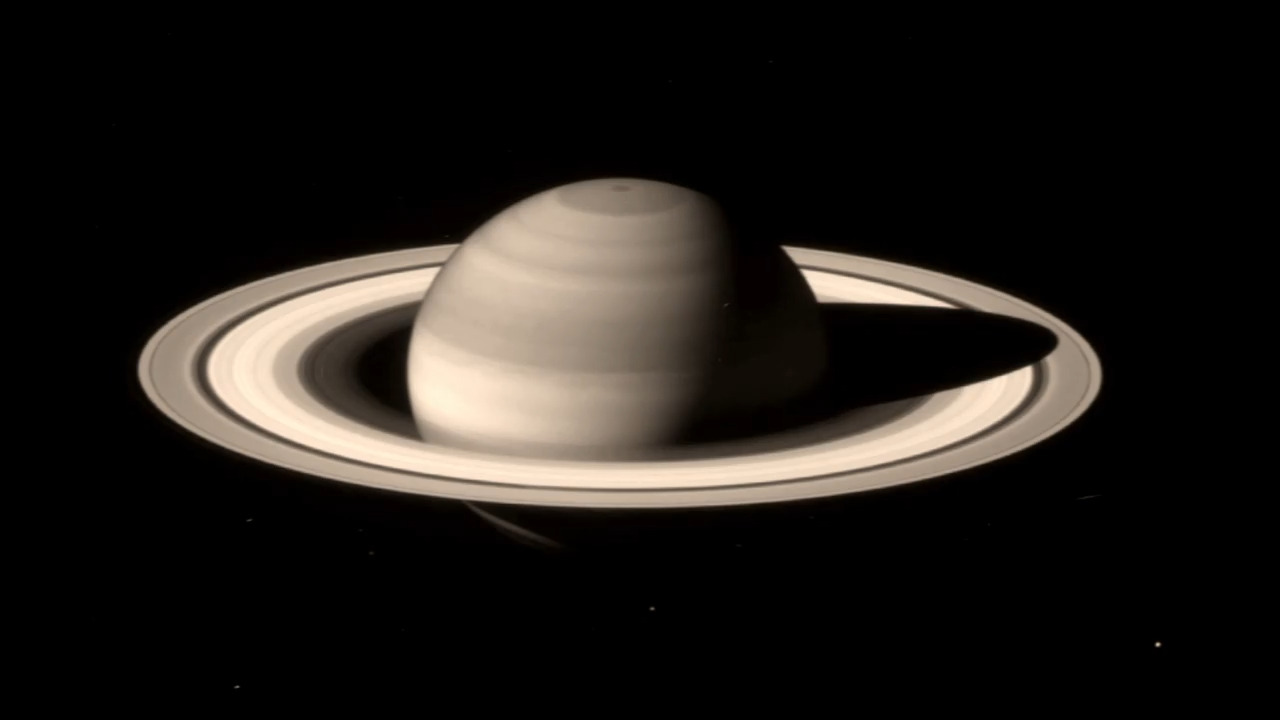
In The Origin of Saturn’s Intricate Rings, Professor Brian Cox visits the control center for Cassini, the spacecraft launched in 1997 that orbits Saturn. Cassini’s mission is to photograph Saturn’s rings and shed light on the origin story of the rings. Saturn behaves like a miniature Solar System with Saturn as sun, and moons that surround the rings, providing us the opportunity to learn about our own origin after the planets formed. This video is excerpted from BBC's Wonders of the Solar System, a spellbinding documentary series that explores the most extreme locations on Earth to explain how the laws of physics carved natural wonders across the Solar System.
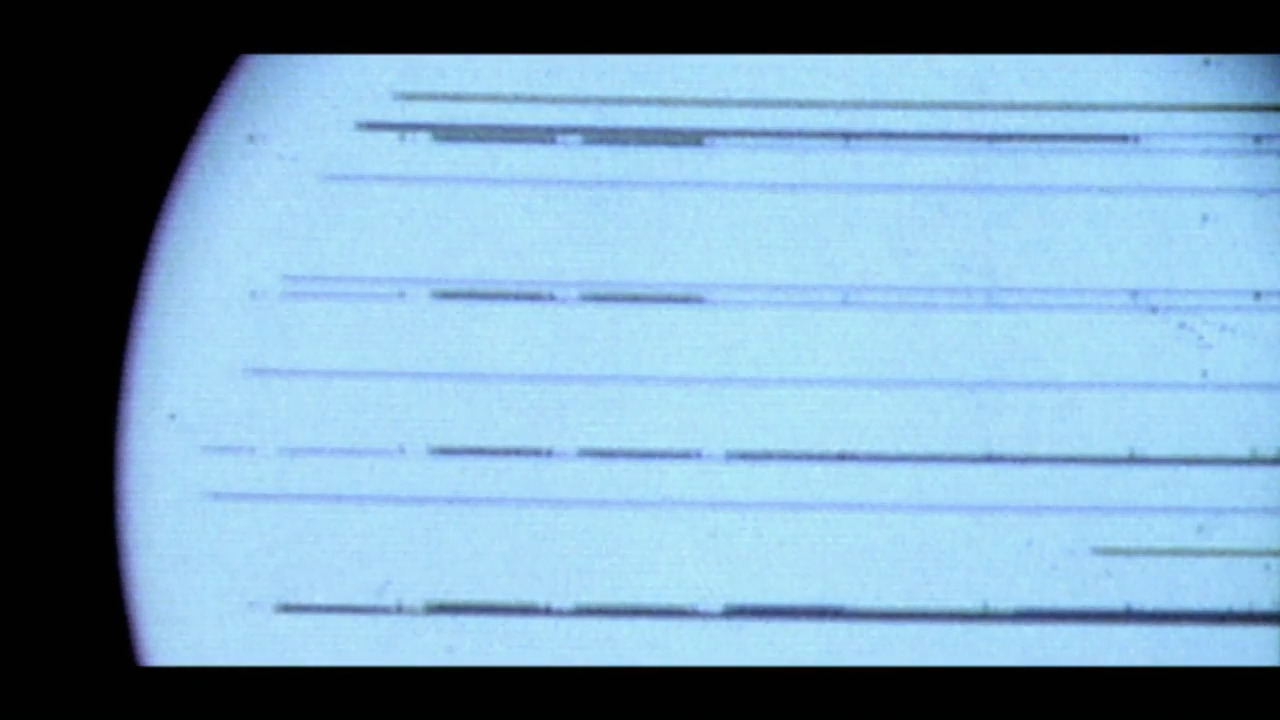
In Uranus, a Boring Planet?, Professor Brian Cox explains what scientists have learned about Uranus, a planet described as featureless and boring. But Uranus does have a mystery! How did it end up tipped on its side with rings that circle it from top to bottom? This video is excerpted from BBC’s The Planets, a series that explores the dramatic lives of the eight planets in our Solar System.

In Neptune, Ice Giant, Professor Brian Cox explains how Neptune is unique because of its atmosphere, cold temperatures, weather, and wind speed. Learn how the pressure and lack of features on Neptune create the highest wind speeds in the Solar System. This video is excerpted from BBC’s The Planets, a series that explores the dramatic lives of the eight planets in our Solar System.
In Mercury, the Solar System's Smallest Planet, narrator Professor Brian Cox highlights the brutal environment of the smallest planet in our Solar System. Its small size meant Mercury didn’t have enough gravity to hang on to its atmosphere. Without the protection of even that thin line of gas, temperatures fluctuate from 842°F (450°C) during the day to -290°F (-180C) degrees at night on the rocky planet. This video is excerpted from BBC’s The Planets, a series that explores the dramatic lives of the eight planets in our Solar System.
In Jupiter's Influence on the Solar System, Professor Brian Cox describes how Jupiter has had the largest influence on the formation of our Solar System. Learn how our Solar System is particularly unique within the galaxy. This video is excerpted from BBC’s The Planets, a series that explores the dramatic lives of the eight planets in our Solar System.
The article "Does Our Solar System Have a Protective Wall?" from BBC's Science Focus explains the concept of the "heliopause," the boundary where the solar wind from the Sun meets the interstellar medium. This boundary, sometimes described as a "wall," plays a crucial role in protecting Earth from harmful cosmic rays.
From the scorching surface of Mercury to the icy winds of Neptune, this BBC Learning Hub playlist takes you on an awe-inspiring voyage across our celestial neighborhood. Explore the mysteries of alien worlds, witness dramatic planetary weather, uncover the origins of Saturn’s rings, and ponder life on Mars. Whether you're a curious stargazer or a space science enthusiast, these video clips from landmark BBC series like The Planets and Wonders of the Solar System will ignite learner's imagination and deepen your cosmic curiosity.
Take a journey through our cosmic neighborhood in this Kahoot about the planets, moons, and fascinating features that make up the Solar System. From the rocky worlds closest to the Sun to the icy giants at its outer reaches, discover what makes each planet unique.
This Kahoot explores planetary traits, orbits, and the vast scale of the Solar System while uncovering the forces that keep an incredible collection of worlds moving through space.
Watch the Planets of Our Solar System playlist and the related videos linked below, then take the Kahoot and see how much you know about the planets, moons, and other wonders of our Solar System.
In What Is Outer Space?, learn eight facts about outer space. How many planets are there? Are all stars yellow? Learn that and more in this trip through our Solar System.
In Uranus and Neptune, Ice Giants, narrator Ruth Wilson explores the turbulence during the teenage years of our Solar System and the connection between the craters on the Moon and the position of Neptune and Uranus. During the late heavy bombardment, icy objects hitting the moon eventually also changed the orbit of the planets, including scattering Uranus and Neptune far from where they originally formed. This video is excerpted from BBC's Horizon: Secrets of the Solar System, a series that looks at how new planets being discovered are forcing scientists to rewrite the history of our own Solar System.
In Venus’s Landscape of Lava, Professor Brian Cox visits India to get a better understanding of how high temperatures helped create the Venus we see today. Venus, often called Earth’s twin, has the hottest average surface temperature besides the Sun in the Solar System, and it's covered in over 50,000 volcanoes. Beneath the green foliage of India, the landscape of lava is very similar to Venus. This video is excerpted from BBC's Wonders of the Solar System, a spellbinding documentary series that explores the most extreme locations on Earth to explain how the laws of physics carved natural wonders across the Solar System.
In Postcards From the Surface of Mars, Professor Brian Cox examines the geographic evolution of Mars, noting the vast canyon called Valles Marineris. He looks at photographs taken from the surface of Mars that look eerily similar to Earth: sunsets, clouds, and landscapes. There is, however, one glaring difference: no sign of water. This video is excerpted from BBC's Wonders of the Solar System, a spellbinding documentary series that explores the most extreme locations on Earth to explain how the laws of physics carved natural wonders across the Solar System.
In The Origin of Saturn’s Intricate Rings, Professor Brian Cox visits the control center for Cassini, the spacecraft launched in 1997 that orbits Saturn. Cassini’s mission is to photograph Saturn’s rings and shed light on the origin story of the rings. Saturn behaves like a miniature Solar System with Saturn as sun, and moons that surround the rings, providing us the opportunity to learn about our own origin after the planets formed. This video is excerpted from BBC's Wonders of the Solar System, a spellbinding documentary series that explores the most extreme locations on Earth to explain how the laws of physics carved natural wonders across the Solar System.
In Uranus, a Boring Planet?, Professor Brian Cox explains what scientists have learned about Uranus, a planet described as featureless and boring. But Uranus does have a mystery! How did it end up tipped on its side with rings that circle it from top to bottom? This video is excerpted from BBC’s The Planets, a series that explores the dramatic lives of the eight planets in our Solar System.
In Neptune, Ice Giant, Professor Brian Cox explains how Neptune is unique because of its atmosphere, cold temperatures, weather, and wind speed. Learn how the pressure and lack of features on Neptune create the highest wind speeds in the Solar System. This video is excerpted from BBC’s The Planets, a series that explores the dramatic lives of the eight planets in our Solar System.