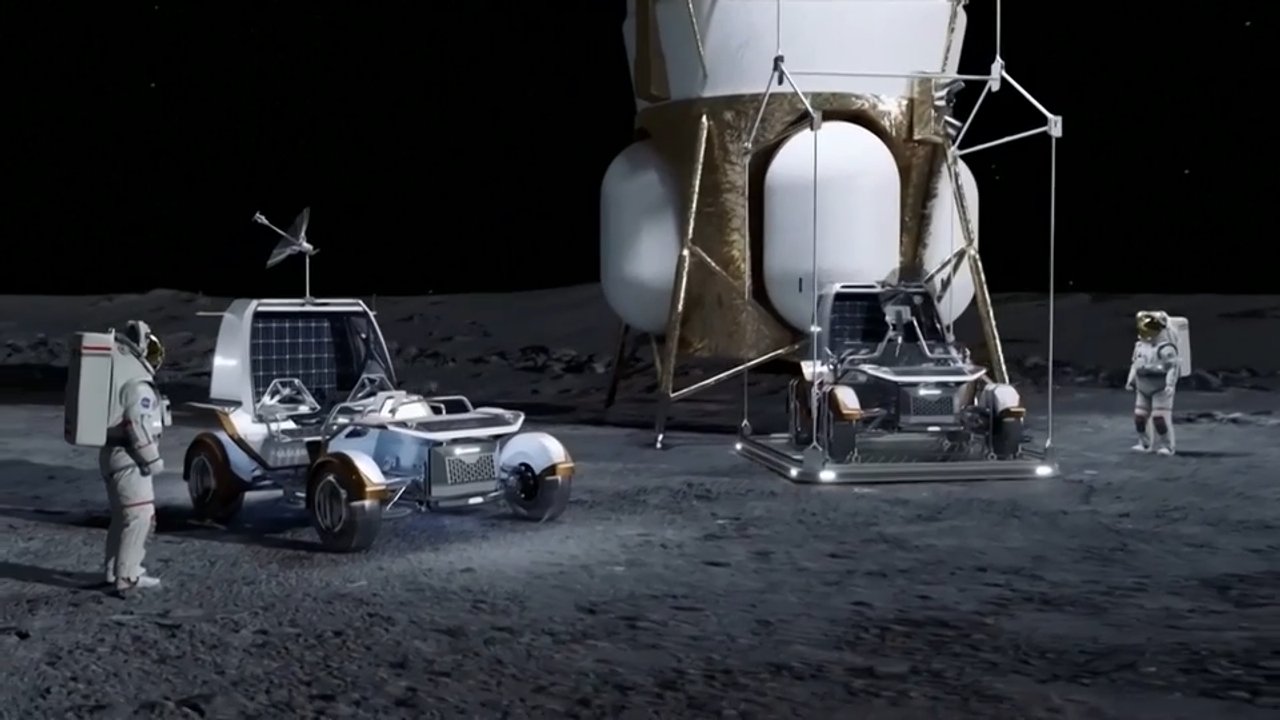
“Shoot for the Moon — if you miss, you’ll land among the stars,” won’t cut it for NASA, who says “Nah, Moon or bust.”
NASA’s got big plans, and their names are Moonbase 1, 2, and 3. They were too busy working on the science to put more into the names, okay? Moonbase 1 will be the first privately-funded lander to reach the lunar south pole, Moonbase 2 will deliver a record amount of equipment that would support astronauts at a lunar base, and Moonbase 3 will focus on gathering research and data.
But these are just glimpses of NASA’s lunar ambitions, namely to put a base on the Moon. It starts with sending dozens of rovers and lunar landers to scope out the perfect spot, followed by building small cabins for short missions, and then building larger structures sustained by nuclear power for the long term. That’s not until 2033, but NASA wants to send astronauts back to the lunar surface by 2028.
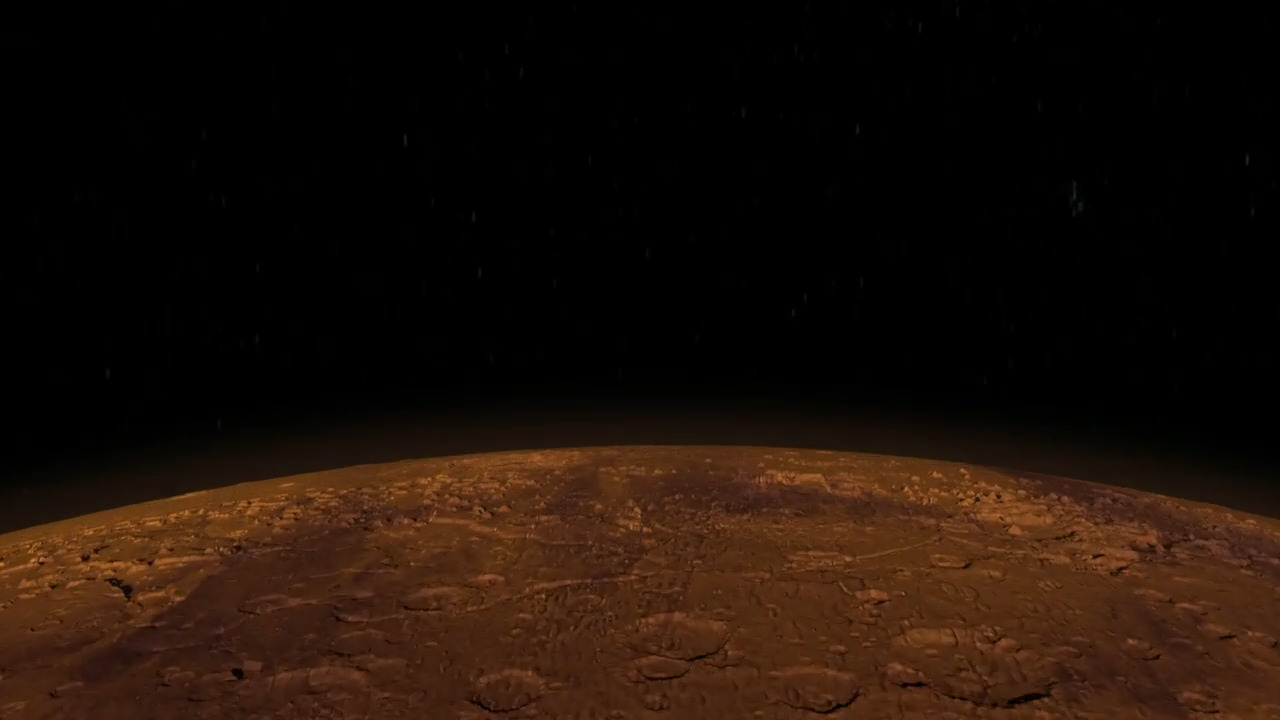
In On the Surface of Mars, see how robots that have collected valuable data and imagery on Mars still could not perform as well as humans could. To that end, NASA is working to make spacesuits less bulky and more flexible, so humans can work on Mars. This video is excerpted from BBC’s The Big Thinkers, Should We Go to Mars?, where Dr. Kevin Fong explores the complex scientific and technological hurdles of space exploration.
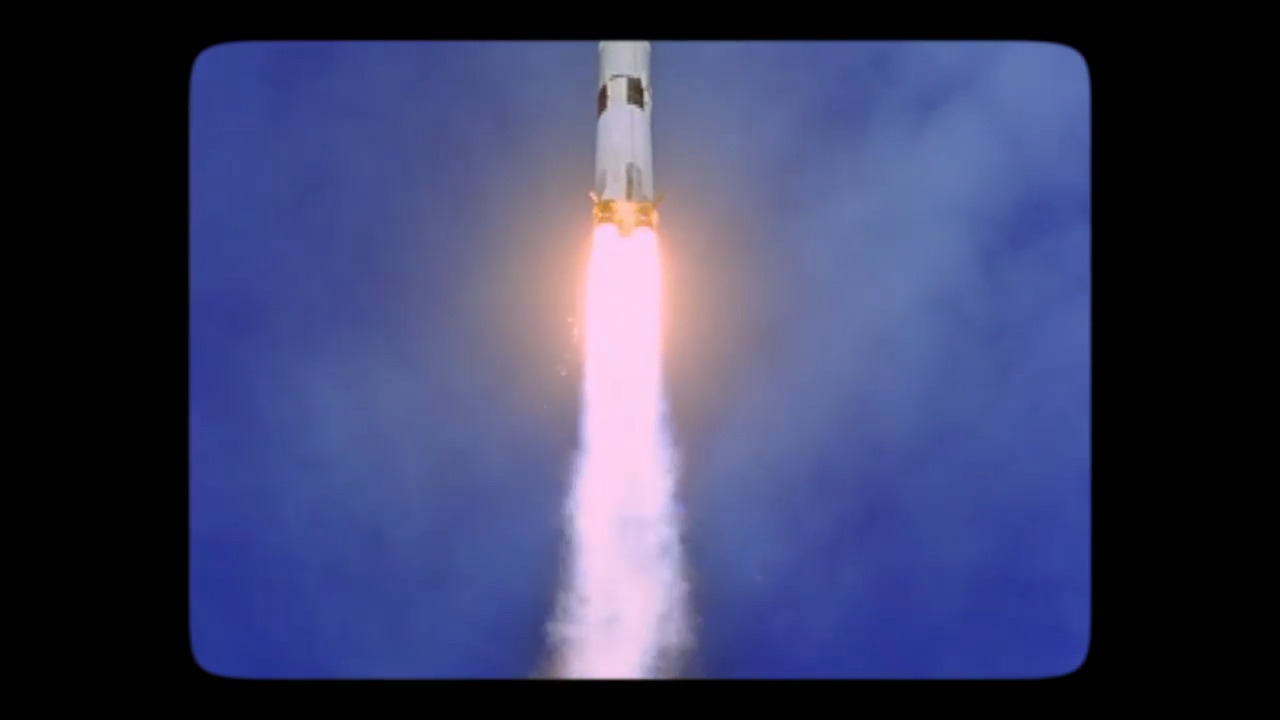
In The Challenges of Sending a Crewed Flight to Mars, learn how sending a crewed flight to Mars requires a large cargo and even larger rocket power. To overcome the difficult initial part of the journey, NASA is building the largest rocket ever. Explore how the challenges of launching a mission to Mars are being addressed by organizations like NASA and SpaceX, including innovative approaches to rocket design and space travel logistics. This video is excerpted from BBC’s The Big Thinkers, Should We Go to Mars?, where Dr. Kevin Fong explores the complex scientific and technological hurdles of space exploration.
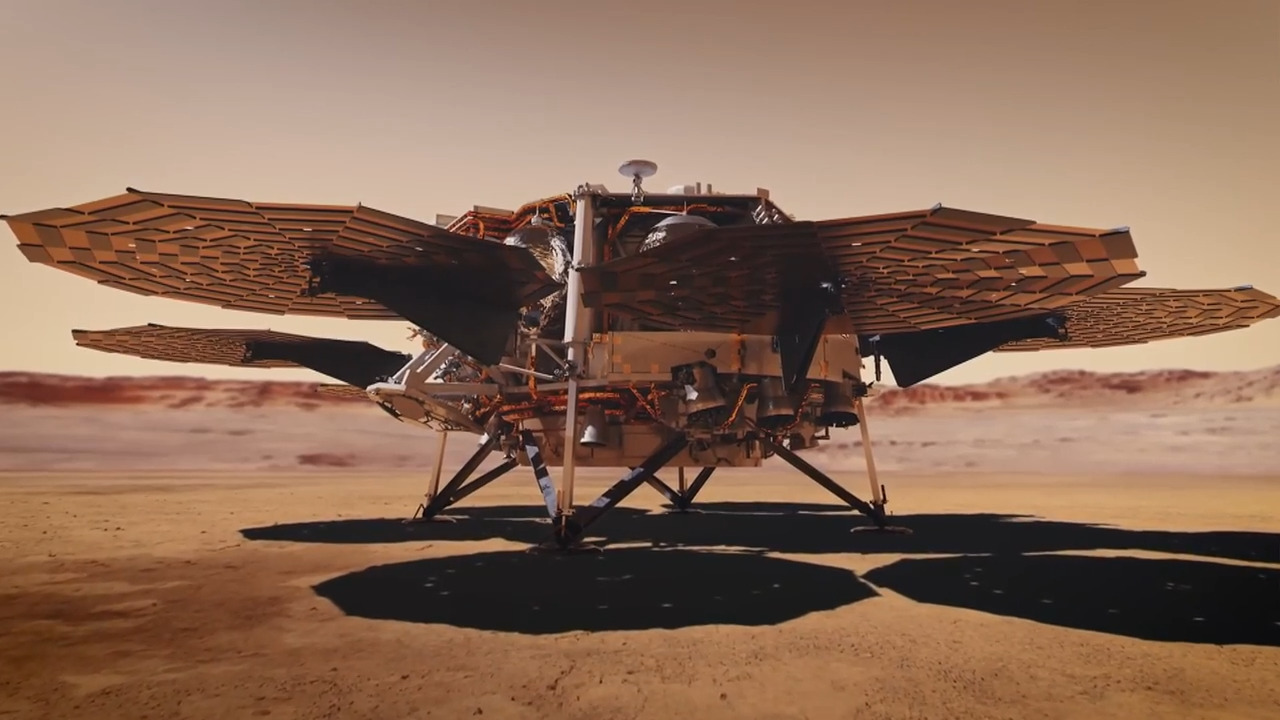
Mars may be cold and barren, but it might have supported life! At least, that’s what scientists think, after finding rocks with some very interesting spots. These markings, nicknamed “leopard spots” and “poppyseeds,” are minerals that could have been made by Martian microbes, early in the planet’s history. They were discovered by the Perseverance Rover, which has been exploring Mars since its 2021 landing.
The rover has been focused on Mars’s Jezero Crater, which used to be a huge lake with a river running into it before drying up billions of years ago. Now, Perseverance collects samples to analyze in its onboard lab! Car Bluetooth is cool but c’mon, it’s no analysis lab…
These rocks aren’t exactly the video diary of an alien’s day in the life on Mars, but they could be the clearest sign of life ever found on Mars, which is thought to be one of the most promising places in our Solar System to look for life outside of Earth. The only way to confirm if the minerals were made by microbes is to get them back to Earth, so NASA and the European Space Agency have proposed a mission to collect them. It’ll be expensive, but this could be the answer to if there was life on other planets!
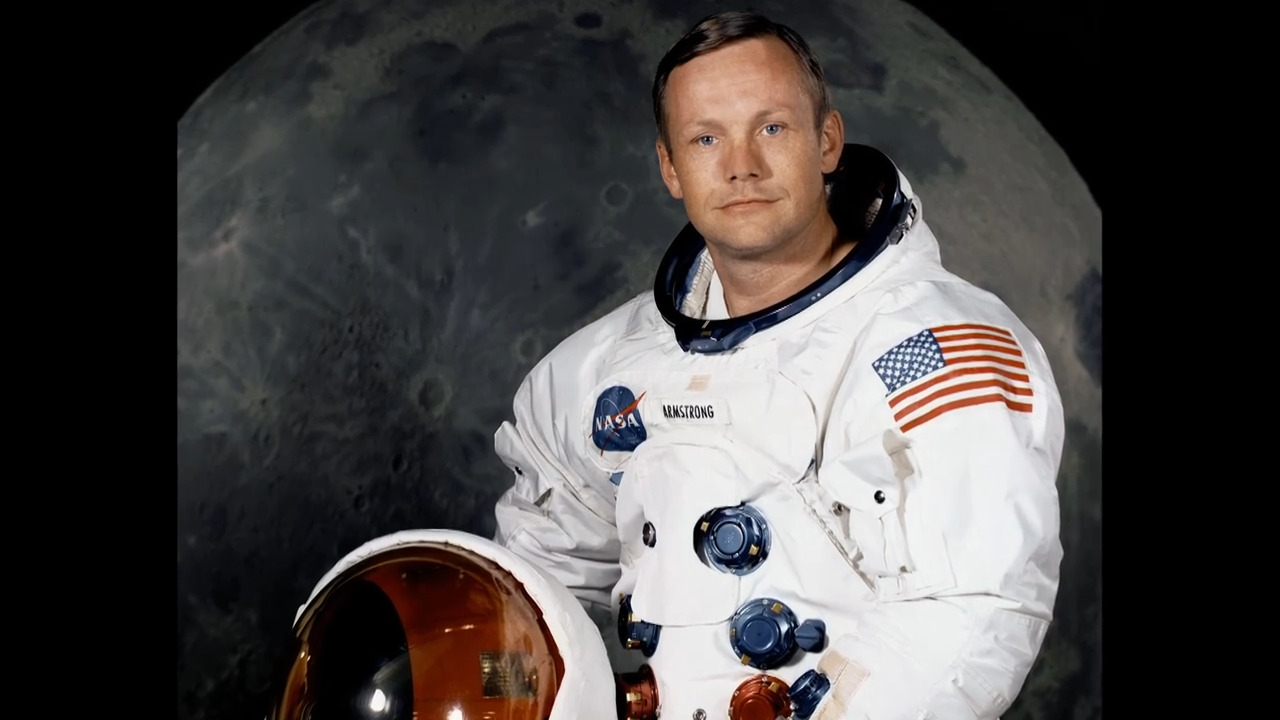
In Neil Armstrong's Giant Leap, host Dermot O'Leary explores the incredible journey to the Moon made by Neil Armstrong. Against the backdrop of the Cold War and an arms race that propelled space exploration, Armstrong's historic lunar landing reshaped humanity's perspective of our place in the Universe. This video is excerpted from BBC’s Icons: The Greatest Person of the 20th Century, a documentary series celebrating the achievements of the most influential figures of the era.
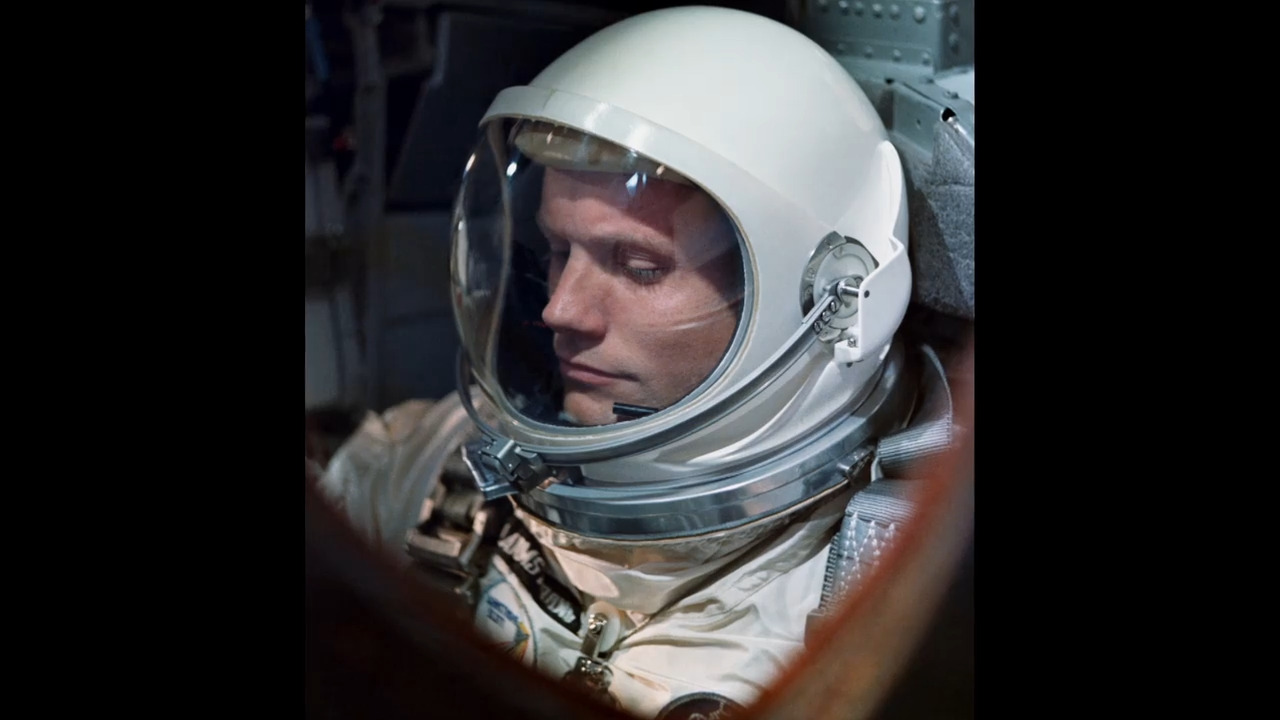
In Neil Armstrong and the Moon Landing, host Dermot O'Leary recounts the dramatic moments during the Apollo 11 landing. Despite a critical error code and lost communication, Neil Armstrong remained calm under pressure, ensuring a successful descent to the Moon. This video is excerpted from BBC’s Icons: The Greatest Person of the 20th Century, a documentary series celebrating the achievements of the most influential figures of the era.
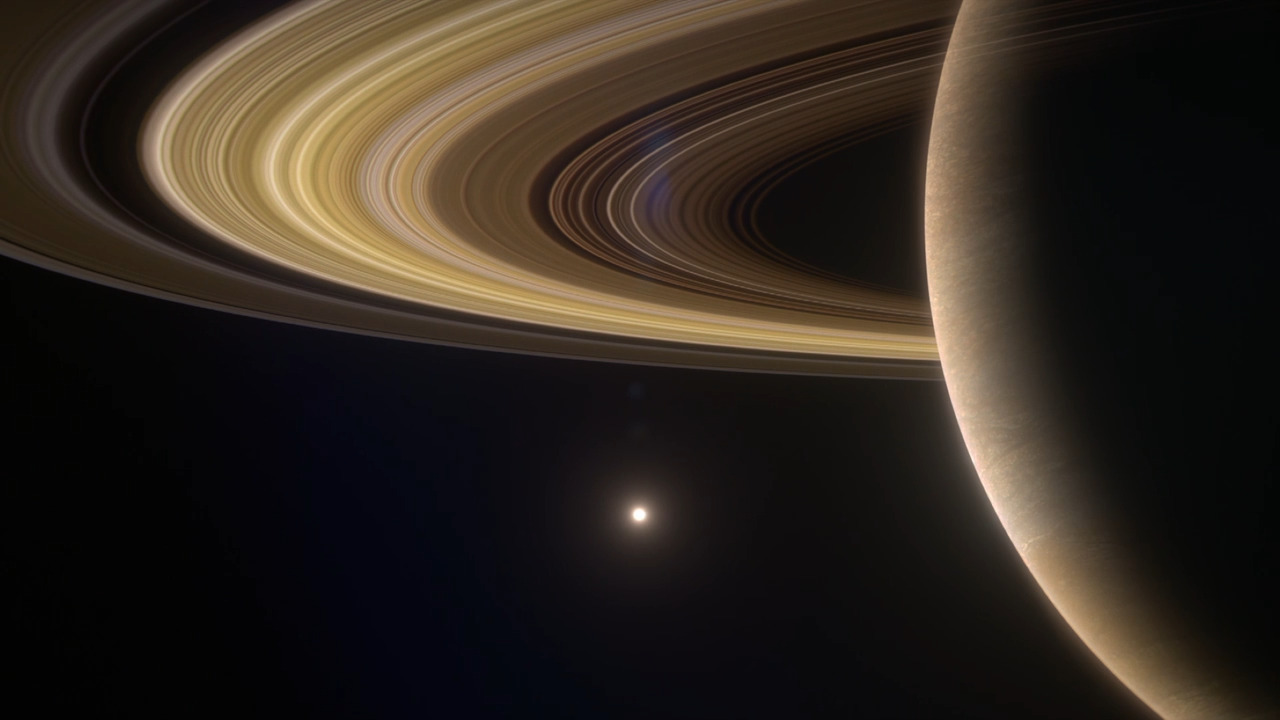
In Exploring Uranus and Neptune, Professor Brian Cox explains why Uranus and Neptune are so difficult to reach, and how the Voyager expedition took advantage of a planetary event that happens every few hundred years to speed through space so we could get a glimpse of these distant planets. This video is excerpted from BBC’s Brian Cox’s Adventures in Space and Time, a series that seeks to explain our place in the Universe. Professor Brian Cox looks back on decades of discovery and toward the next frontier in space, pondering the question: What’s next?
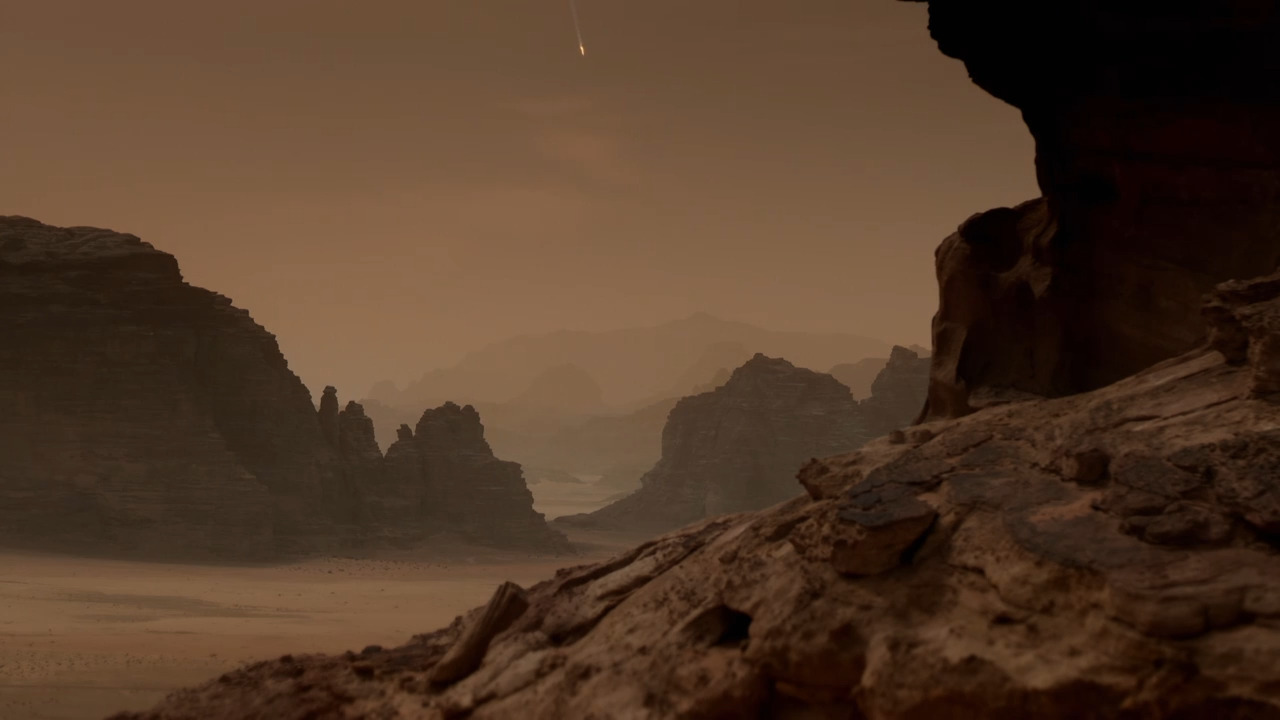
In Exploring Mars, Professor Brian Cox describes the various spacecraft that have landed on Mars and what we have learned from each. Learn how each Mars exploration project yielded more information about the Red Planet, and what the roving laboratory, Curiosity, helped scientists learn about Mars that other spacecraft had not. This video is excerpted from BBC’s The Planets, a series that explores the dramatic lives of the eight planets in our Solar System.
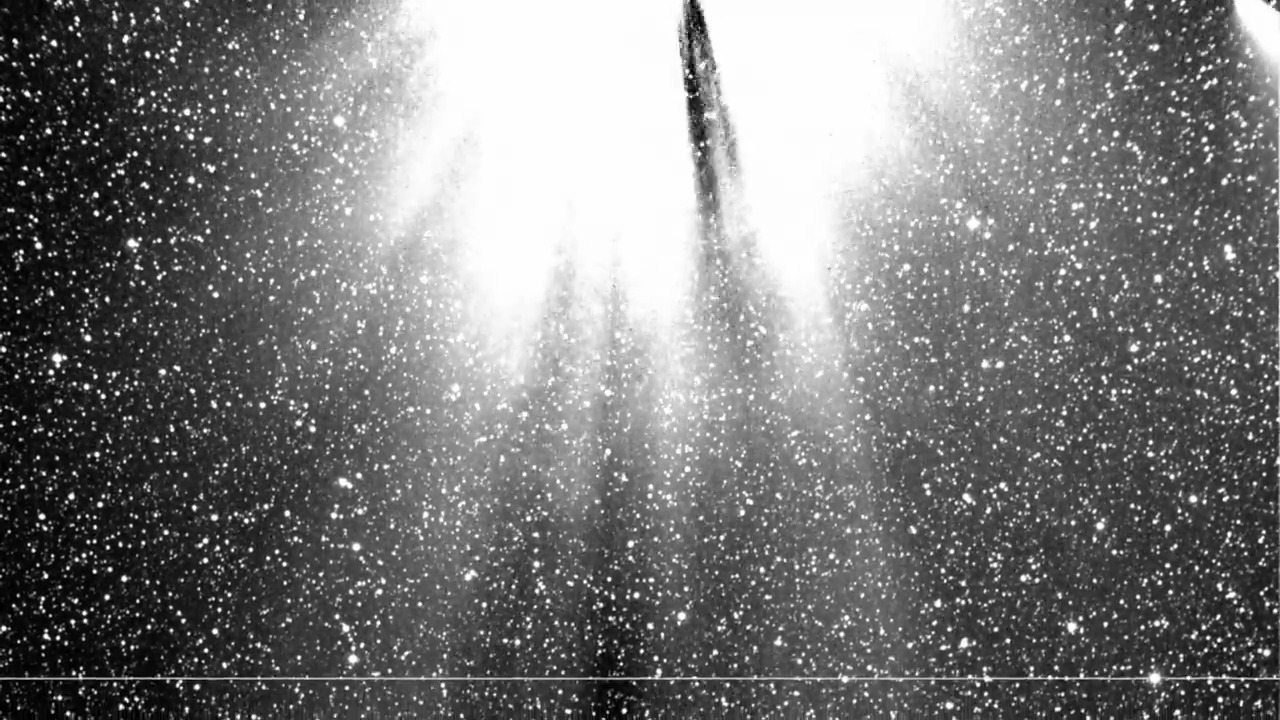
In The Grand Tour of Voyager 1, Professor Brian Cox discusses how the Voyager 1 spacecraft, launched in 1977, continues to send signals back to Earth from its journey to the outer reaches of our Solar System. Learn about the groundbreaking space exploration efforts of the Voyager missions, especially its role in mapping the solar wind’s reach and helping scientists understand the auroras occurring on distant planets like Jupiter and Saturn. Using images from the Hubble Space Telescope and data from Voyager 1, scientists are unraveling the mysteries of the Solar System's farthest edges.
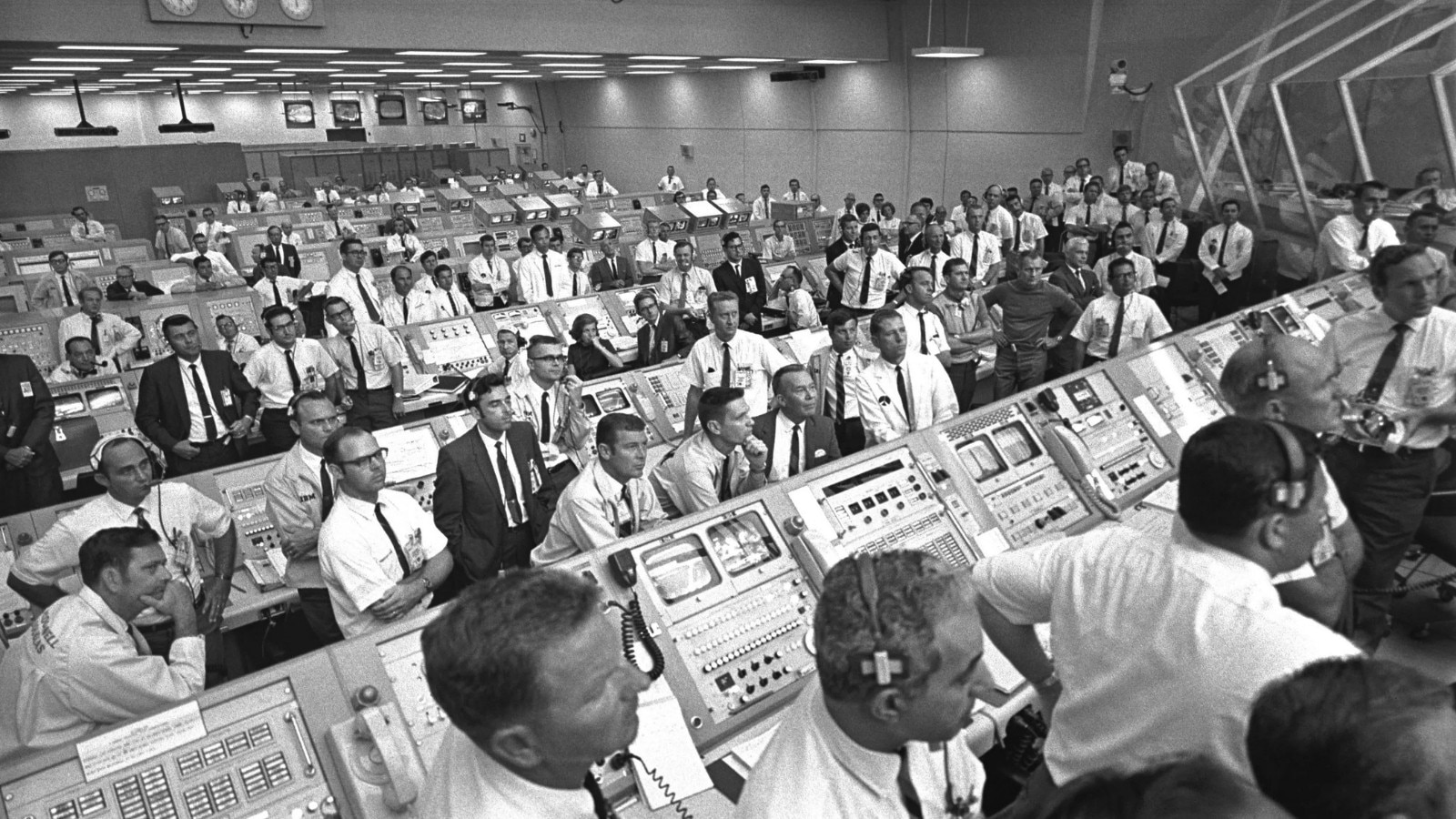
The article "The Women Who Helped Launch Apollo: The Unsung Heroes of the Moon Mission" from BBC's Science Focus reveals the overlooked contributions of women to the Apollo program. It recounts the vital roles played by female engineers, programmers, and seamstresses, such as JoAnn Morgan, Margaret Hamilton, and Judith Love Cohen, whose expertise helped make the Moon landing possible.
The article "Everything You Need to Know About Space Travel (Almost)" from BBC's Science Focus covers the history of space travel, its importance for science and humanity, the challenges of interstellar travel, and the benefits of space exploration.
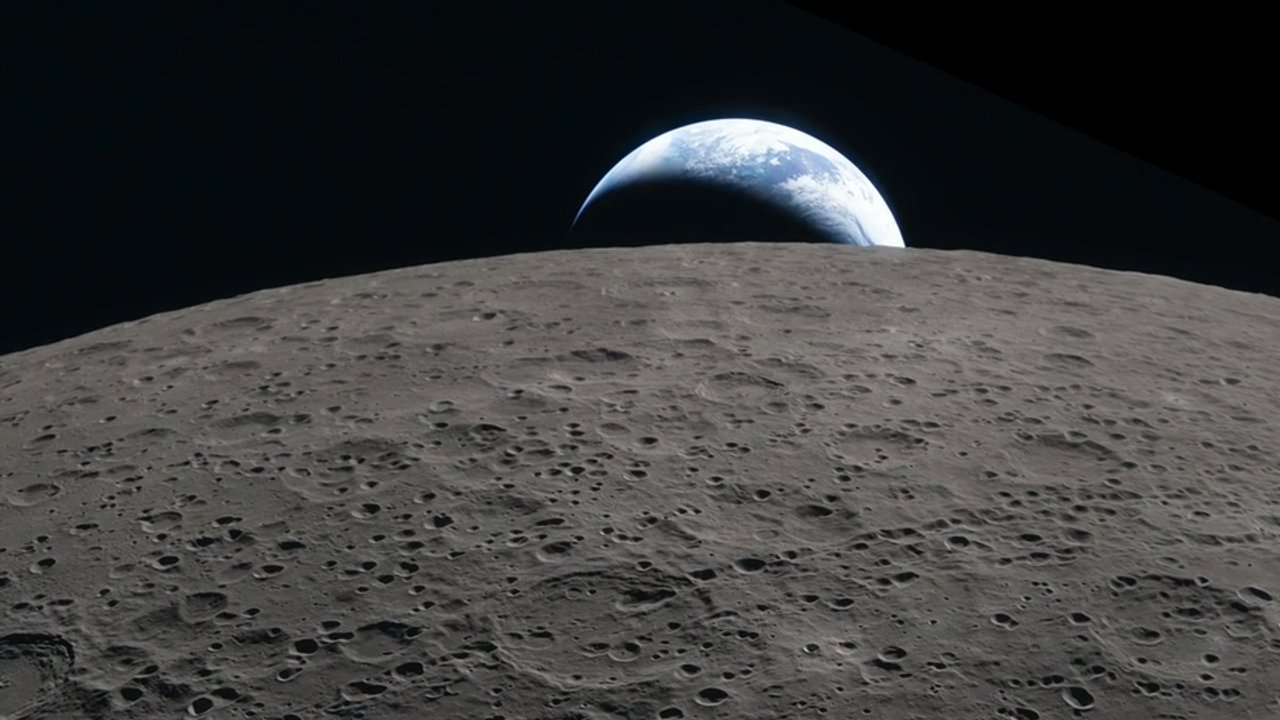
After a historic 10-day mission around the Moon — the first time humans have traveled so far into space since the 70s — the Artemis II crew came away with crucial knowledge: appreciate doors on bathrooms.
Commander Reid Wiseman dished on some other reflections about the trip. For example, the crew didn’t even realize what a big deal this was to people on Earth and didn’t hear much of the news until they talked to their families a few days into the mission. We suppose that’s what happens when you literally have your head in the clouds.
Not only was the journey unforgettable for science, but it was also personally significant for the crew members. One of the most powerful moments came when astronaut Jeremy Hansen named a lunar crater after Wiseman’s late wife, Carroll, a pivotal moment that solidified the crew’s bond.
But that bond wasn’t just to make things more fun — getting along in space is actually a matter of safety, and life inside a spacecraft requires serious teamwork. Think about sharing a room with a stinky sibling or living with a roommate who keeps eating your snacks. Now imagine that, in a room one-fifth the size and no way to escape! The astronauts lived, slept, and worked in extremely close quarters, so it was important to deal with disagreements immediately instead of letting tension build.
As exciting as it was to orbit the Moon, the return to Earth may have been just as intense. The crew re-entered the atmosphere at about 39 times the speed of sound. That’s about 30,000 miles per hour. They experienced forces of about four times normal gravity — about what you feel during the most intense parts of a roller coaster, but the astronauts felt this way for about 13 minutes. Nonstop! And that’s all before parachuting into the Pacific Ocean. All that probably makes it just a little more exhilarating than your bus ride to school.
“Shoot for the Moon — if you miss, you’ll land among the stars,” won’t cut it for NASA, who says “Nah, Moon or bust.”
NASA’s got big plans, and their names are Moonbase 1, 2, and 3. They were too busy working on the science to put more into the names, okay? Moonbase 1 will be the first privately-funded lander to reach the lunar south pole, Moonbase 2 will deliver a record amount of equipment that would support astronauts at a lunar base, and Moonbase 3 will focus on gathering research and data.
But these are just glimpses of NASA’s lunar ambitions, namely to put a base on the Moon. It starts with sending dozens of rovers and lunar landers to scope out the perfect spot, followed by building small cabins for short missions, and then building larger structures sustained by nuclear power for the long term. That’s not until 2033, but NASA wants to send astronauts back to the lunar surface by 2028.
In On the Surface of Mars, see how robots that have collected valuable data and imagery on Mars still could not perform as well as humans could. To that end, NASA is working to make spacesuits less bulky and more flexible, so humans can work on Mars. This video is excerpted from BBC’s The Big Thinkers, Should We Go to Mars?, where Dr. Kevin Fong explores the complex scientific and technological hurdles of space exploration.
In The Challenges of Sending a Crewed Flight to Mars, learn how sending a crewed flight to Mars requires a large cargo and even larger rocket power. To overcome the difficult initial part of the journey, NASA is building the largest rocket ever. Explore how the challenges of launching a mission to Mars are being addressed by organizations like NASA and SpaceX, including innovative approaches to rocket design and space travel logistics. This video is excerpted from BBC’s The Big Thinkers, Should We Go to Mars?, where Dr. Kevin Fong explores the complex scientific and technological hurdles of space exploration.
Mars may be cold and barren, but it might have supported life! At least, that’s what scientists think, after finding rocks with some very interesting spots. These markings, nicknamed “leopard spots” and “poppyseeds,” are minerals that could have been made by Martian microbes, early in the planet’s history. They were discovered by the Perseverance Rover, which has been exploring Mars since its 2021 landing.
The rover has been focused on Mars’s Jezero Crater, which used to be a huge lake with a river running into it before drying up billions of years ago. Now, Perseverance collects samples to analyze in its onboard lab! Car Bluetooth is cool but c’mon, it’s no analysis lab…
These rocks aren’t exactly the video diary of an alien’s day in the life on Mars, but they could be the clearest sign of life ever found on Mars, which is thought to be one of the most promising places in our Solar System to look for life outside of Earth. The only way to confirm if the minerals were made by microbes is to get them back to Earth, so NASA and the European Space Agency have proposed a mission to collect them. It’ll be expensive, but this could be the answer to if there was life on other planets!
In Neil Armstrong's Giant Leap, host Dermot O'Leary explores the incredible journey to the Moon made by Neil Armstrong. Against the backdrop of the Cold War and an arms race that propelled space exploration, Armstrong's historic lunar landing reshaped humanity's perspective of our place in the Universe. This video is excerpted from BBC’s Icons: The Greatest Person of the 20th Century, a documentary series celebrating the achievements of the most influential figures of the era.
In Neil Armstrong and the Moon Landing, host Dermot O'Leary recounts the dramatic moments during the Apollo 11 landing. Despite a critical error code and lost communication, Neil Armstrong remained calm under pressure, ensuring a successful descent to the Moon. This video is excerpted from BBC’s Icons: The Greatest Person of the 20th Century, a documentary series celebrating the achievements of the most influential figures of the era.
In Exploring Uranus and Neptune, Professor Brian Cox explains why Uranus and Neptune are so difficult to reach, and how the Voyager expedition took advantage of a planetary event that happens every few hundred years to speed through space so we could get a glimpse of these distant planets. This video is excerpted from BBC’s Brian Cox’s Adventures in Space and Time, a series that seeks to explain our place in the Universe. Professor Brian Cox looks back on decades of discovery and toward the next frontier in space, pondering the question: What’s next?
In Exploring Mars, Professor Brian Cox describes the various spacecraft that have landed on Mars and what we have learned from each. Learn how each Mars exploration project yielded more information about the Red Planet, and what the roving laboratory, Curiosity, helped scientists learn about Mars that other spacecraft had not. This video is excerpted from BBC’s The Planets, a series that explores the dramatic lives of the eight planets in our Solar System.
In The Grand Tour of Voyager 1, Professor Brian Cox discusses how the Voyager 1 spacecraft, launched in 1977, continues to send signals back to Earth from its journey to the outer reaches of our Solar System. Learn about the groundbreaking space exploration efforts of the Voyager missions, especially its role in mapping the solar wind’s reach and helping scientists understand the auroras occurring on distant planets like Jupiter and Saturn. Using images from the Hubble Space Telescope and data from Voyager 1, scientists are unraveling the mysteries of the Solar System's farthest edges.
The article "The Women Who Helped Launch Apollo: The Unsung Heroes of the Moon Mission" from BBC's Science Focus reveals the overlooked contributions of women to the Apollo program. It recounts the vital roles played by female engineers, programmers, and seamstresses, such as JoAnn Morgan, Margaret Hamilton, and Judith Love Cohen, whose expertise helped make the Moon landing possible.
The article "Everything You Need to Know About Space Travel (Almost)" from BBC's Science Focus covers the history of space travel, its importance for science and humanity, the challenges of interstellar travel, and the benefits of space exploration.
After a historic 10-day mission around the Moon — the first time humans have traveled so far into space since the 70s — the Artemis II crew came away with crucial knowledge: appreciate doors on bathrooms.
Commander Reid Wiseman dished on some other reflections about the trip. For example, the crew didn’t even realize what a big deal this was to people on Earth and didn’t hear much of the news until they talked to their families a few days into the mission. We suppose that’s what happens when you literally have your head in the clouds.
Not only was the journey unforgettable for science, but it was also personally significant for the crew members. One of the most powerful moments came when astronaut Jeremy Hansen named a lunar crater after Wiseman’s late wife, Carroll, a pivotal moment that solidified the crew’s bond.
But that bond wasn’t just to make things more fun — getting along in space is actually a matter of safety, and life inside a spacecraft requires serious teamwork. Think about sharing a room with a stinky sibling or living with a roommate who keeps eating your snacks. Now imagine that, in a room one-fifth the size and no way to escape! The astronauts lived, slept, and worked in extremely close quarters, so it was important to deal with disagreements immediately instead of letting tension build.
As exciting as it was to orbit the Moon, the return to Earth may have been just as intense. The crew re-entered the atmosphere at about 39 times the speed of sound. That’s about 30,000 miles per hour. They experienced forces of about four times normal gravity — about what you feel during the most intense parts of a roller coaster, but the astronauts felt this way for about 13 minutes. Nonstop! And that’s all before parachuting into the Pacific Ocean. All that probably makes it just a little more exhilarating than your bus ride to school.