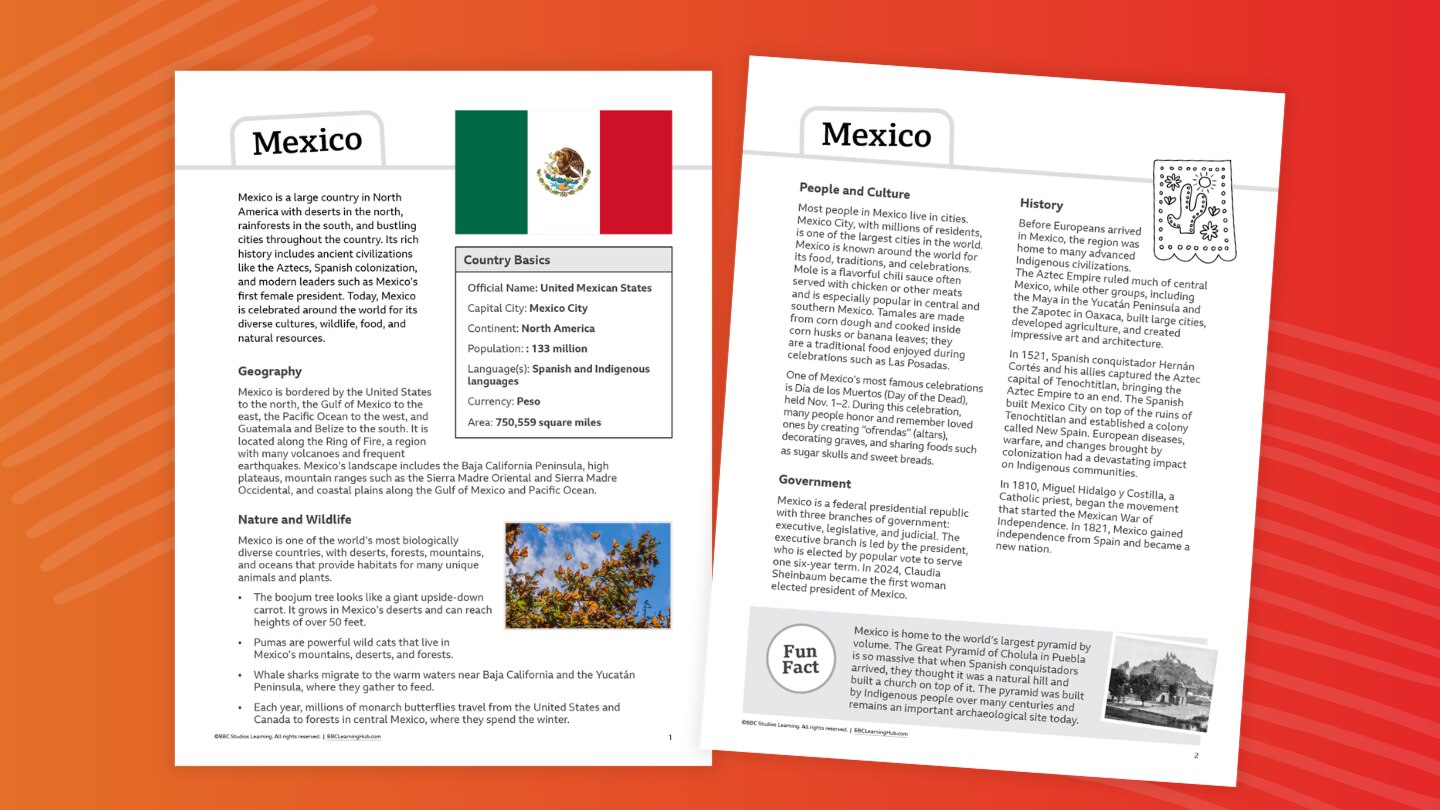
What country is home to ancient pyramids, colorful monarch butterflies, towering volcanoes, and one of the world’s most famous celebrations? Meet Mexico, a country where ancient civilizations, diverse landscapes, and vibrant traditions come together.
From the Aztec and Maya to pumas and whale sharks, Mexico has a remarkable story to tell. Explore the civilizations that shaped the country, discover how Mexico gained independence from Spain, and learn about its food, festivals, languages, government, and cities. You’ll also discover how deserts, mountains, jungles, and coastlines provide habitats for an amazing variety of plants and animals.
Teachers and parents, you can use this fact file to:
- Introduce a geography or social studies unit
- Support nonfiction reading practice
- Compare countries and cultures
- Complete map and research activities
- Prepare students for projects or presentations (use our country report template!)
- Pair with videos, articles, or other informational texts (see Related Resources below)
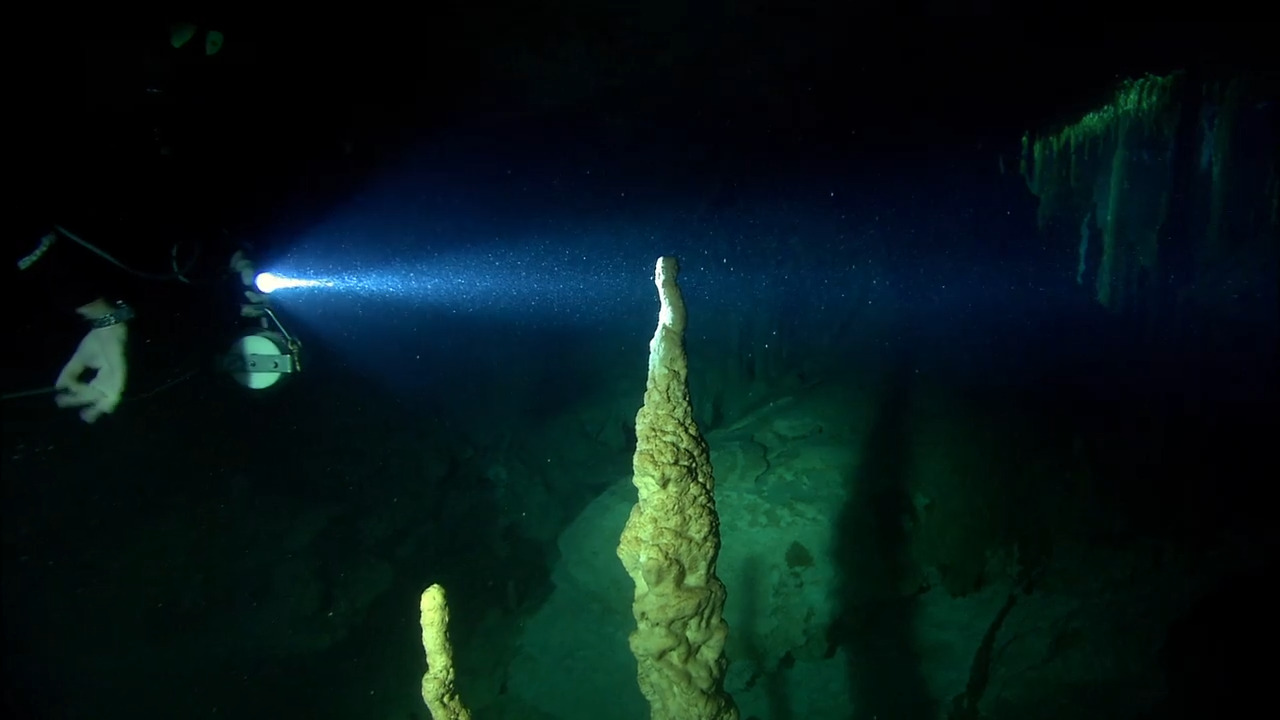
In Exploring the World's Largest Submerged Caverns, narrator Sir David Attenborough follows divers as they explore Mexico's flooded caves, using spools of string as lifelines to navigate these perilous environments. The divers encounter the natural formation of underwater caves, the dangers of disorientation, and fascinating phenomena like haloclines — where fresh water and salt water meet. This video is excerpted from BBC's Planet Earth, a breathtaking documentary series that highlights the natural wonders of our planet.
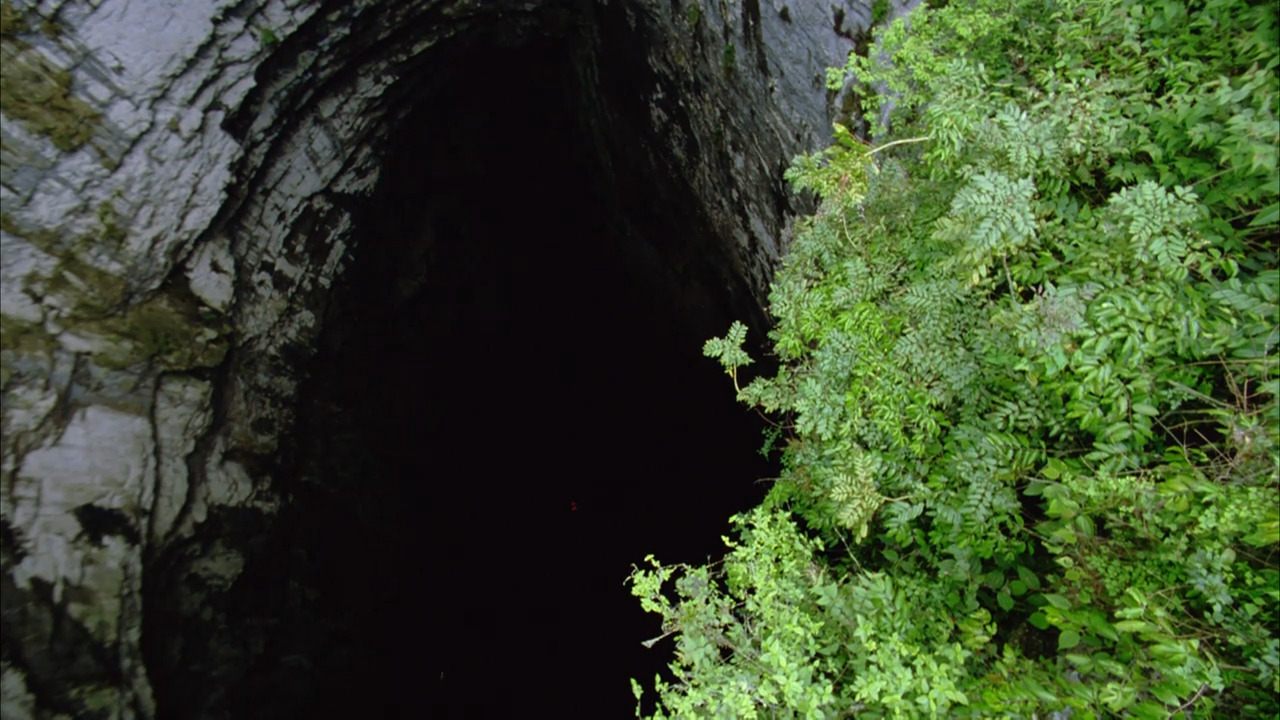
In Exploring the Cave of Swallows, narrator Sir David Attenborough dives deep into the Cave of Swallows in Mexico, the largest cave shaft in the world. Despite its massive size, it was only fully explored two years before humans landed on the Moon. Caves remain some of the least explored places on Earth. However, humans are rarely the first to arrive in these dark, damp environments — many strange and fascinating creatures have already made them their home. This video is excerpted from BBC’s Planet Earth, a breathtaking documentary series that highlights the natural wonders of our planet.

In The Zimmerman Telegram and America’s Entry into WWI, host Andrew Marr takes us back to when the Great War was raging but the Americans hadn’t yet entered the fighting. The Germans attempted to keep America out of the war by getting Mexico to reclaim the territory it lost to the U.S., but this backfired when their telegram was intercepted by the British, ultimately pulling the Americans into the First World War. This video is excerpted from BBC’s Andrew Marr's History of the World, a story of human history that uses reenactments, modern footage, and storytelling to explain history’s greatest achievements.
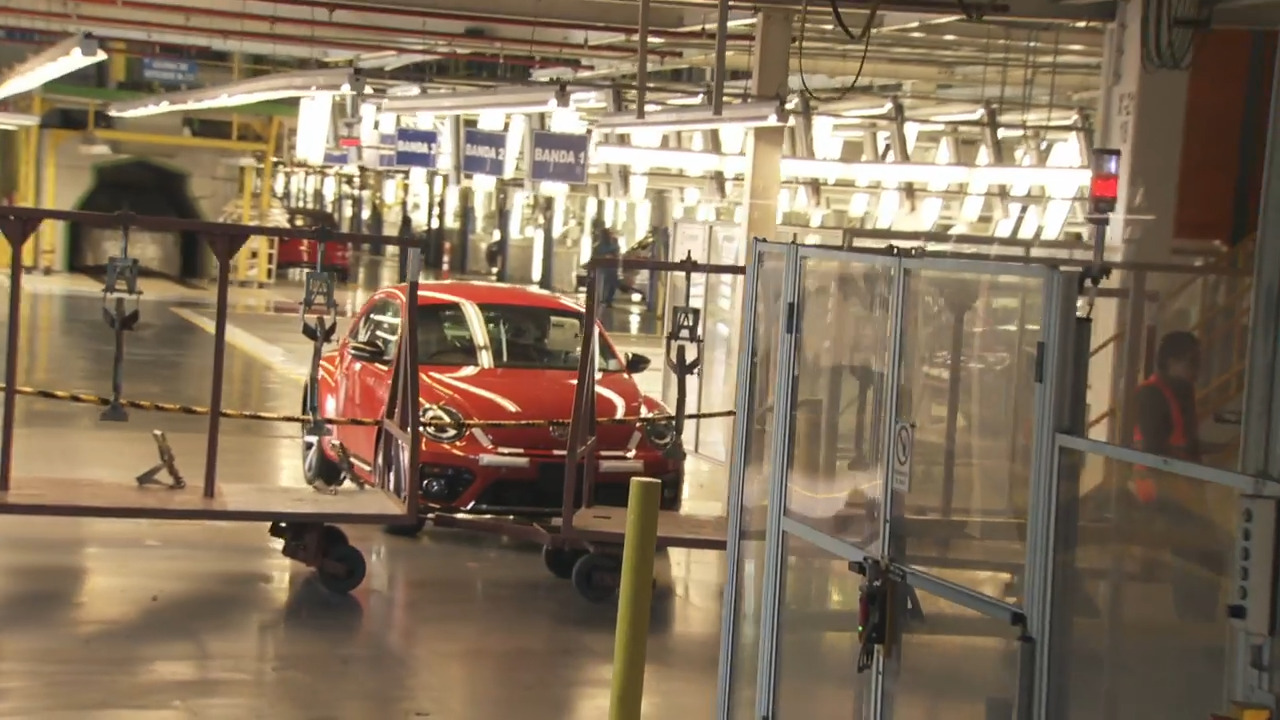
In The Role of Volkswagen in Mexico's Global Car Success, host Simon Reeve takes a tour of the Volkswagen factory in Puebla, Mexico. He learns how four different types of cars are made in four factories under one roof. This massive operation has turned Mexico into a global car export leader, producing over 5 million cars annually. Simon also meets students training to become robotics engineers, gaining hands-on experience while earning higher wages than the average worker in the country. This video is excerpted from BBC’s The Americas With Simon Reeve, in which Simon Reeve explores the landscapes, cultures, and wildlife of North and South America.
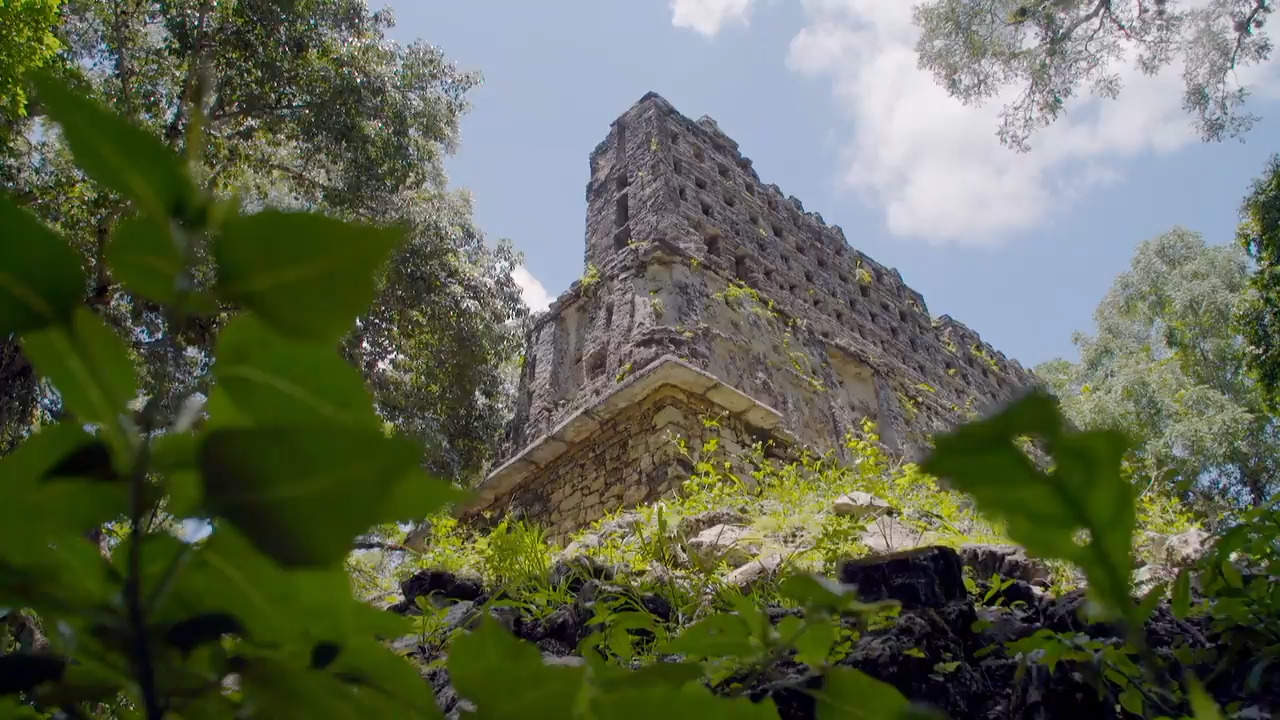
In Secrets of the Mayan Jungle, host Simon Reeve explores the ancient city of Yaxchilan in Mexico. Led by a guide from the Lacandon people — Mayan descendants — he learns how the jungle serves as both a food source and a pharmacy. Simon also uncovers how the arrival of Europeans changed life forever for Indigenous people, bringing devastating diseases that had a lasting impact. This video is excerpted from BBC’s The Americas With Simon Reeve, in which Simon Reeve explores the landscapes, cultures, and wildlife of North and South America.
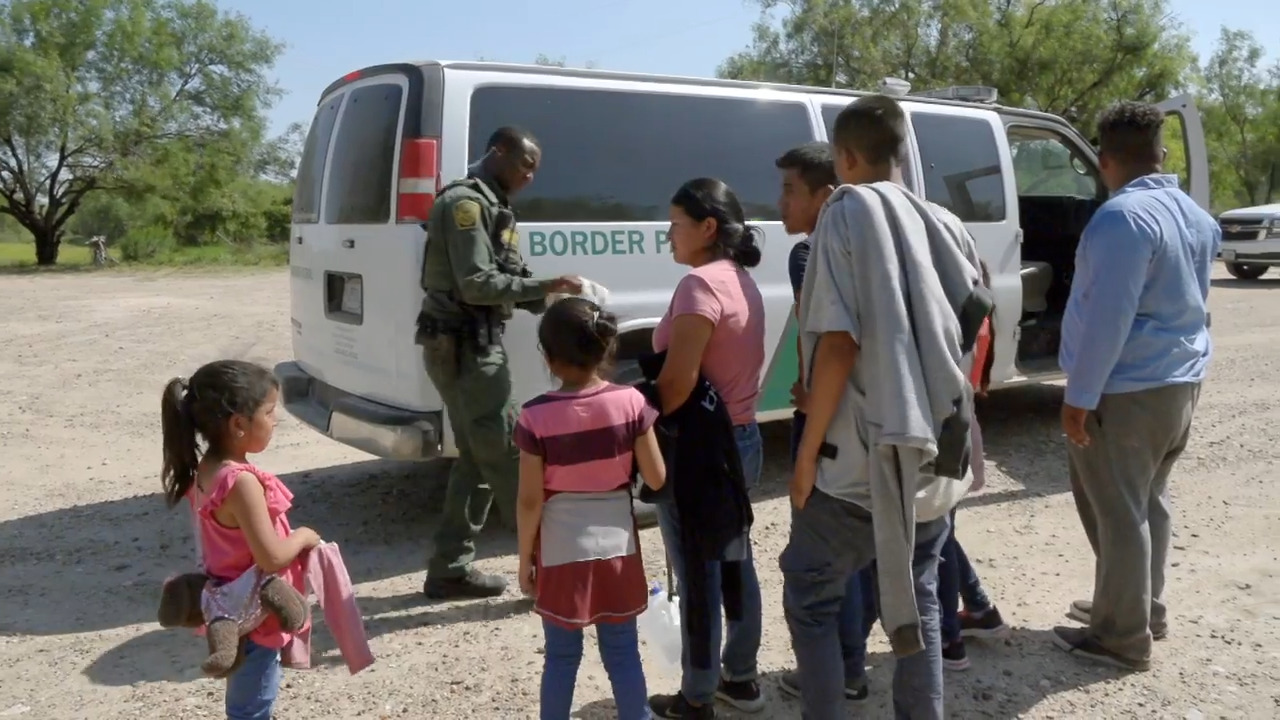
In The Faces and Stories Behind the Texas-Mexico Border Crossing, host Simon Reeve takes a look at immigration at the Texas-Mexico border, revealing challenges faced by both migrants and Border Patrol agents. He sees peoples from Honduras and Guatemala being stopped and beginning the asylum process, a shift from the past when most migrants were from Mexico. Simon also uncovers how the surge forces Border Patrol to focus on paperwork instead of drug/human trafficking, leaving critical issues unaddressed. This video is excerpted from BBC’s The Americas With Simon Reeve, in which Simon Reeve explores the landscapes, cultures, and wildlife of North and South America.
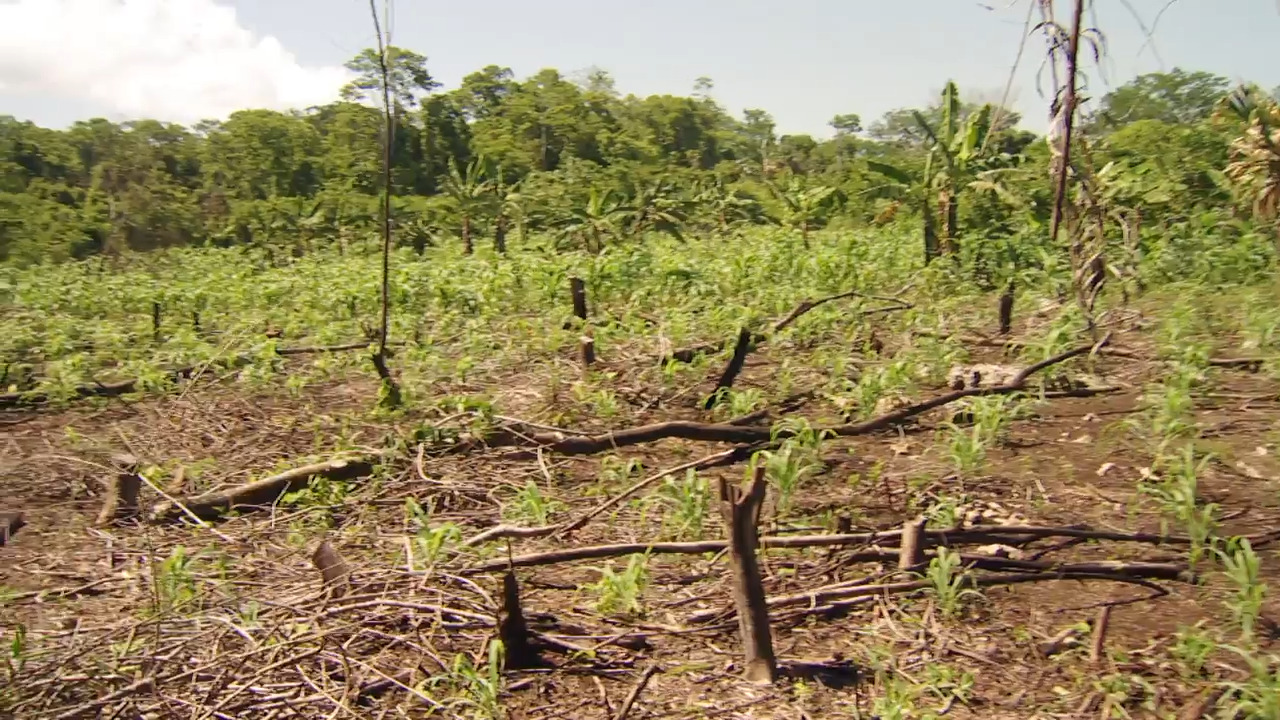
In Saving the Land of the Lacandon People, host Simon Reeve ventures into the heart of Mexico's Lacandon rainforest, an area teeming with life but facing massive threats. Over just a few decades, outsiders have cleared millions of trees to plant crops, putting this rainforest and the Lacandon people in danger. With over 1,500 tree species and home to a third of Mexico’s birds, this forest is a treasure trove of biodiversity that is beginning to disappear. This video is excerpted from BBC’s The Americas With Simon Reeve, in which Simon Reeve explores the landscapes, cultures, and wildlife of North and South America.
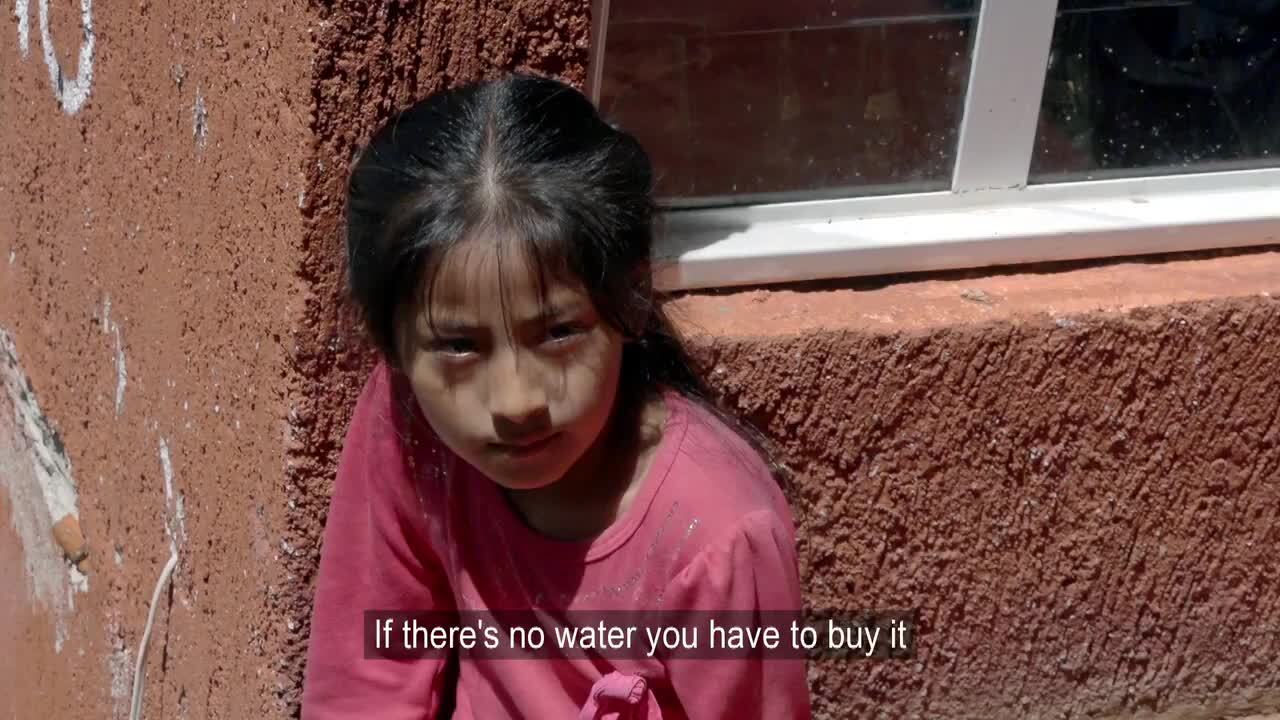
In Follow the Water Wars in Chiapas, host Simon Reeve journeys to Chiapas, Mexico, where he uncovers the harsh reality of life in one of the country’s poorest regions. In San Cristóbal, many families struggle with extreme water shortages. A local shopkeeper reveals how deep wells dug by large corporations, including a massive soda plant, have drained the region’s water supply while receiving preferential treatment. This highlights the stark imbalance between corporate greed and basic survival. This video is excerpted from BBC’s The Americas With Simon Reeve, in which Simon Reeve explores the landscapes, cultures, and wildlife of North and South America.

In The Go Jetters Visit the Mayan Ruins of Chichén Itzá, the Go Jetters crew visits Chichén Itzá in Mexico. Learn about the rubber trees there and the invention of the rubber ball. Discover the great step pyramid, El Castillo. This video is excerpted from BBC's Go Jetters, a series that follows the adventures of four plucky international heroes as they travel the globe visiting the world’s most famous landmarks with their friend and mentor, Ubercorn, a disco-dancing unicorn.

If you were looking up at the sky during any of the World Cup games in Mexico, you may have seen a few Black Hawk helicopters. You also probably missed some good soccer. Pay attention!
But the helicopters weren’t meant to be a distraction — they were patrolling as part of the efforts to help keep the people of Monterrey, Mexico, and 300,000 visiting fans safe. The area saw a lot of crime earlier this year, so the helicopters were brought in (in addition to the more than 1,500 street cameras that peppered the stadium’s area) to protect mainly against crimes like phone theft and robbery.
Working with these cameras and helicopters were robot dogs, which patrolled the stadium using facial recognition and could detect early signs of crowd trouble and alert their masters. Some people were skeptical of the robot dogs, but at least there was no danger of them going potty on the pitch.
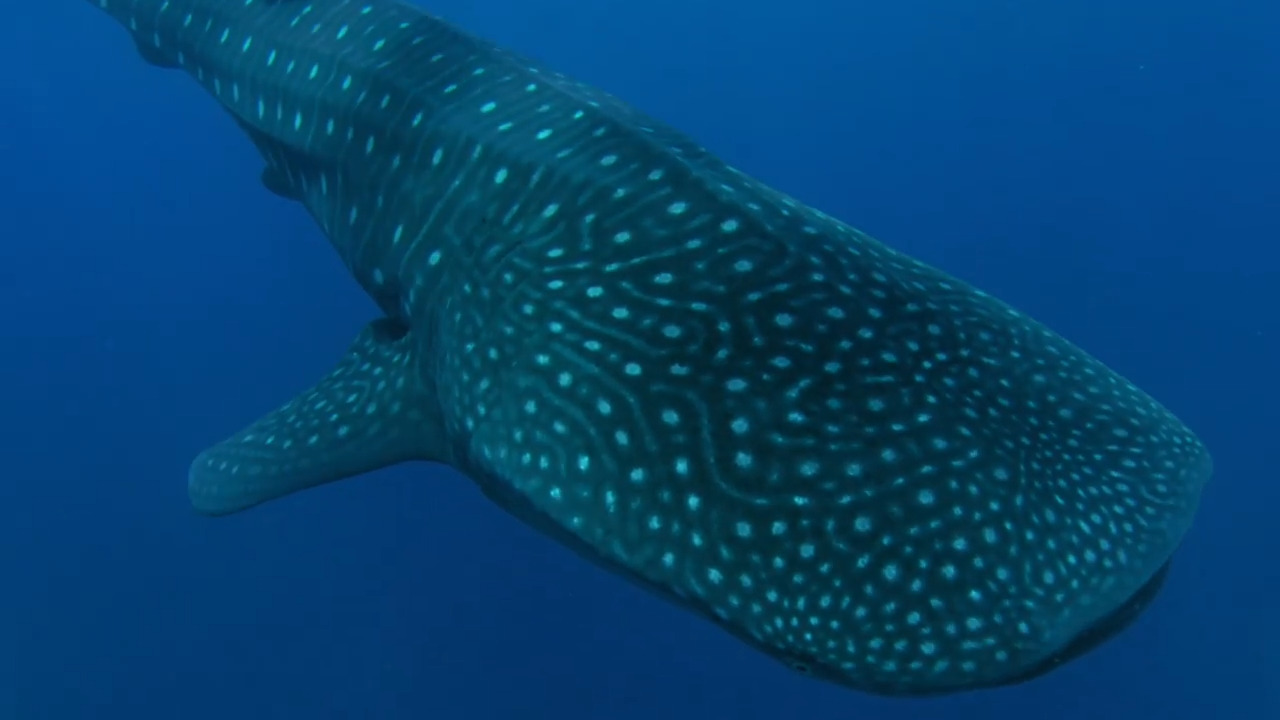
In Whale Sharks Are Both Protector and Predator, narrator Sir David Attenborough explores the fascinating behavior of whale sharks, the largest fish in the ocean. Whale sharks use their massive size and feeding strategies to survive in the ocean, often sharing food sources with predatory species like tuna. This video is excerpted from BBC’s Planet Earth, a breathtaking documentary series that highlights the natural wonders of our planet.
What country is home to ancient pyramids, colorful monarch butterflies, towering volcanoes, and one of the world’s most famous celebrations? Meet Mexico, a country where ancient civilizations, diverse landscapes, and vibrant traditions come together.
From the Aztec and Maya to pumas and whale sharks, Mexico has a remarkable story to tell. Explore the civilizations that shaped the country, discover how Mexico gained independence from Spain, and learn about its food, festivals, languages, government, and cities. You’ll also discover how deserts, mountains, jungles, and coastlines provide habitats for an amazing variety of plants and animals.
Teachers and parents, you can use this fact file to:
- Introduce a geography or social studies unit
- Support nonfiction reading practice
- Compare countries and cultures
- Complete map and research activities
- Prepare students for projects or presentations (use our country report template!)
- Pair with videos, articles, or other informational texts (see Related Resources below)
In Exploring the World's Largest Submerged Caverns, narrator Sir David Attenborough follows divers as they explore Mexico's flooded caves, using spools of string as lifelines to navigate these perilous environments. The divers encounter the natural formation of underwater caves, the dangers of disorientation, and fascinating phenomena like haloclines — where fresh water and salt water meet. This video is excerpted from BBC's Planet Earth, a breathtaking documentary series that highlights the natural wonders of our planet.
In Exploring the Cave of Swallows, narrator Sir David Attenborough dives deep into the Cave of Swallows in Mexico, the largest cave shaft in the world. Despite its massive size, it was only fully explored two years before humans landed on the Moon. Caves remain some of the least explored places on Earth. However, humans are rarely the first to arrive in these dark, damp environments — many strange and fascinating creatures have already made them their home. This video is excerpted from BBC’s Planet Earth, a breathtaking documentary series that highlights the natural wonders of our planet.
In The Zimmerman Telegram and America’s Entry into WWI, host Andrew Marr takes us back to when the Great War was raging but the Americans hadn’t yet entered the fighting. The Germans attempted to keep America out of the war by getting Mexico to reclaim the territory it lost to the U.S., but this backfired when their telegram was intercepted by the British, ultimately pulling the Americans into the First World War. This video is excerpted from BBC’s Andrew Marr's History of the World, a story of human history that uses reenactments, modern footage, and storytelling to explain history’s greatest achievements.
In The Role of Volkswagen in Mexico's Global Car Success, host Simon Reeve takes a tour of the Volkswagen factory in Puebla, Mexico. He learns how four different types of cars are made in four factories under one roof. This massive operation has turned Mexico into a global car export leader, producing over 5 million cars annually. Simon also meets students training to become robotics engineers, gaining hands-on experience while earning higher wages than the average worker in the country. This video is excerpted from BBC’s The Americas With Simon Reeve, in which Simon Reeve explores the landscapes, cultures, and wildlife of North and South America.
In Secrets of the Mayan Jungle, host Simon Reeve explores the ancient city of Yaxchilan in Mexico. Led by a guide from the Lacandon people — Mayan descendants — he learns how the jungle serves as both a food source and a pharmacy. Simon also uncovers how the arrival of Europeans changed life forever for Indigenous people, bringing devastating diseases that had a lasting impact. This video is excerpted from BBC’s The Americas With Simon Reeve, in which Simon Reeve explores the landscapes, cultures, and wildlife of North and South America.
In The Faces and Stories Behind the Texas-Mexico Border Crossing, host Simon Reeve takes a look at immigration at the Texas-Mexico border, revealing challenges faced by both migrants and Border Patrol agents. He sees peoples from Honduras and Guatemala being stopped and beginning the asylum process, a shift from the past when most migrants were from Mexico. Simon also uncovers how the surge forces Border Patrol to focus on paperwork instead of drug/human trafficking, leaving critical issues unaddressed. This video is excerpted from BBC’s The Americas With Simon Reeve, in which Simon Reeve explores the landscapes, cultures, and wildlife of North and South America.
In Saving the Land of the Lacandon People, host Simon Reeve ventures into the heart of Mexico's Lacandon rainforest, an area teeming with life but facing massive threats. Over just a few decades, outsiders have cleared millions of trees to plant crops, putting this rainforest and the Lacandon people in danger. With over 1,500 tree species and home to a third of Mexico’s birds, this forest is a treasure trove of biodiversity that is beginning to disappear. This video is excerpted from BBC’s The Americas With Simon Reeve, in which Simon Reeve explores the landscapes, cultures, and wildlife of North and South America.
In Follow the Water Wars in Chiapas, host Simon Reeve journeys to Chiapas, Mexico, where he uncovers the harsh reality of life in one of the country’s poorest regions. In San Cristóbal, many families struggle with extreme water shortages. A local shopkeeper reveals how deep wells dug by large corporations, including a massive soda plant, have drained the region’s water supply while receiving preferential treatment. This highlights the stark imbalance between corporate greed and basic survival. This video is excerpted from BBC’s The Americas With Simon Reeve, in which Simon Reeve explores the landscapes, cultures, and wildlife of North and South America.
In The Go Jetters Visit the Mayan Ruins of Chichén Itzá, the Go Jetters crew visits Chichén Itzá in Mexico. Learn about the rubber trees there and the invention of the rubber ball. Discover the great step pyramid, El Castillo. This video is excerpted from BBC's Go Jetters, a series that follows the adventures of four plucky international heroes as they travel the globe visiting the world’s most famous landmarks with their friend and mentor, Ubercorn, a disco-dancing unicorn.
If you were looking up at the sky during any of the World Cup games in Mexico, you may have seen a few Black Hawk helicopters. You also probably missed some good soccer. Pay attention!
But the helicopters weren’t meant to be a distraction — they were patrolling as part of the efforts to help keep the people of Monterrey, Mexico, and 300,000 visiting fans safe. The area saw a lot of crime earlier this year, so the helicopters were brought in (in addition to the more than 1,500 street cameras that peppered the stadium’s area) to protect mainly against crimes like phone theft and robbery.
Working with these cameras and helicopters were robot dogs, which patrolled the stadium using facial recognition and could detect early signs of crowd trouble and alert their masters. Some people were skeptical of the robot dogs, but at least there was no danger of them going potty on the pitch.
In Whale Sharks Are Both Protector and Predator, narrator Sir David Attenborough explores the fascinating behavior of whale sharks, the largest fish in the ocean. Whale sharks use their massive size and feeding strategies to survive in the ocean, often sharing food sources with predatory species like tuna. This video is excerpted from BBC’s Planet Earth, a breathtaking documentary series that highlights the natural wonders of our planet.