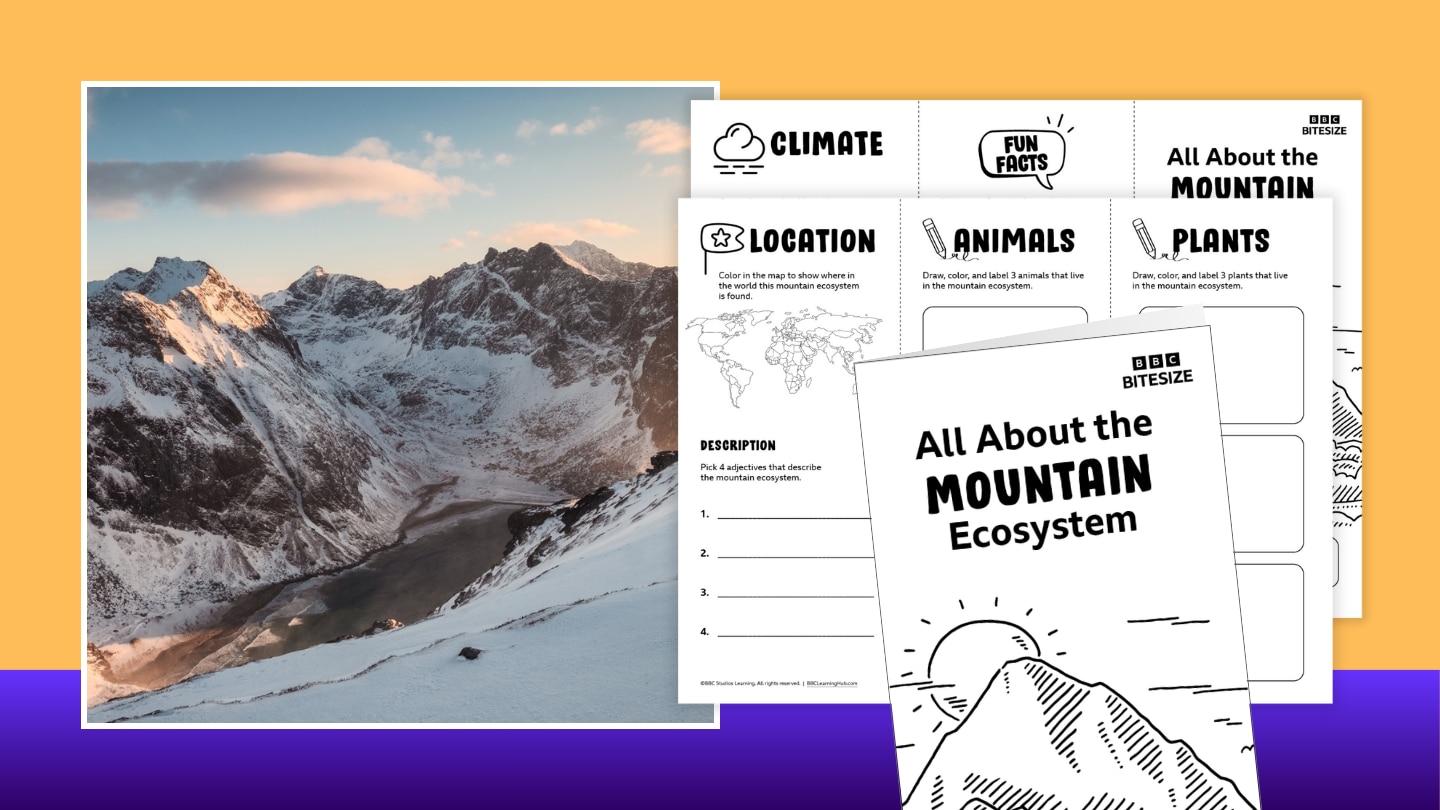
Take your students on a climb through the mountain ecosystem! From the towering Himalayas to the snowy Rockies, mountain ecosystems change as you climb, starting with green forests down low and ending with bare, windswept summits at the top.
✨ Perfect for grades 3–8, here’s what you need to bring ecosystems to life:
- Iconic BBC Videos: Share the clips on this page to introduce the location, plants, animals, and climate of the mountains. (Don't miss the grizzlies and snow leopards!) Brought to you by world-class BBC programs like Planet Earth.
- Free Printable: Use the Mountain Brochure Template to help students pull it all together in an ecosystem report with facts they’ve learned (and a little extra research).
It’s everything you need to make ecosystems easy to teach and truly memorable for your students.
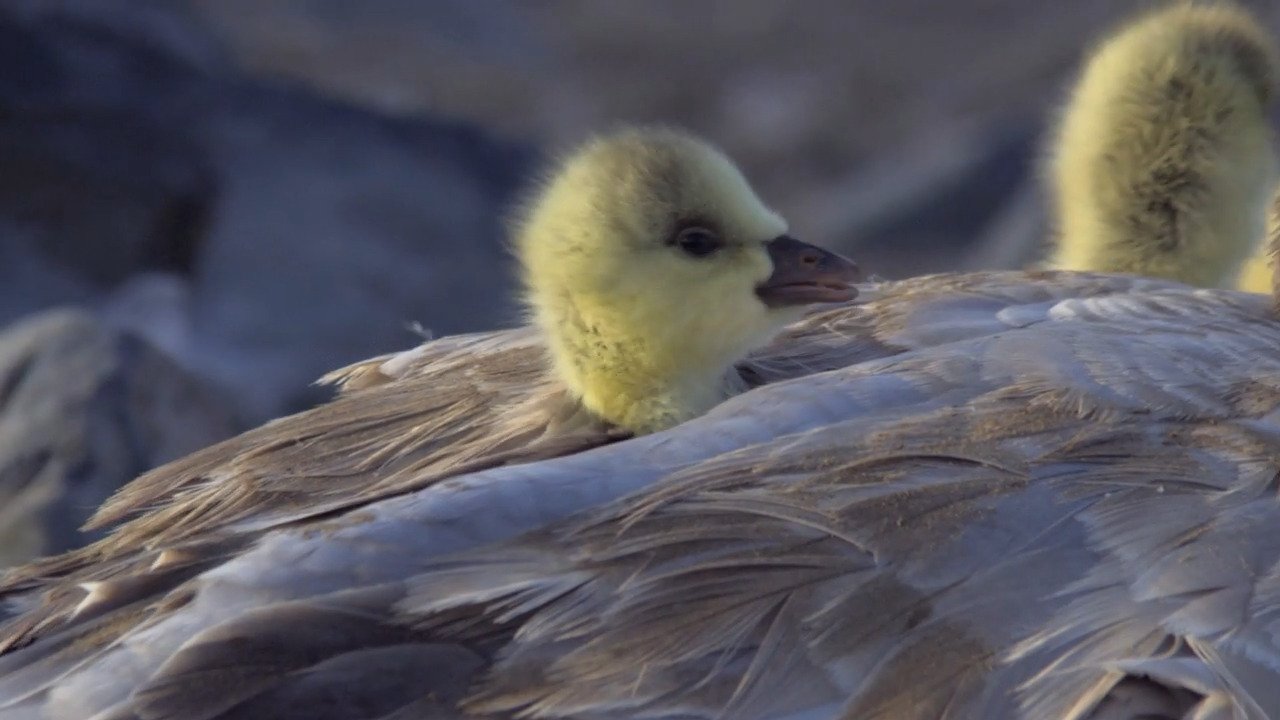
In Bar-Headed Goslings in the Nest, host Andy Day describes how bar-headed geese fly over the Himalayas to land in Tibet and have their babies. Mother geese make cozy nests to house their goslings. This video is excerpted from BBC’s Andy’s Baby Animals, in which Andy Day explores the lives and experiences of baby animals.
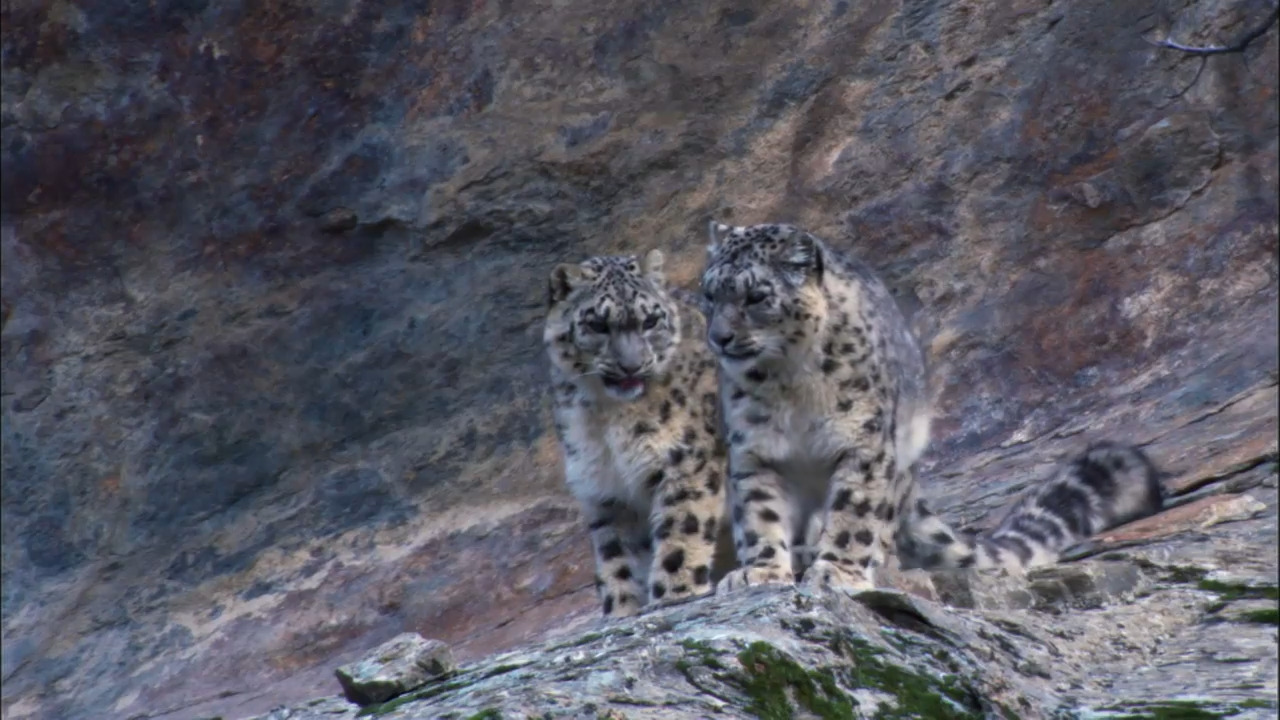
In The Snow Leopard Caught on Film for the First Time!, Sir David Attenborough describes how a seldom-seen female cares for her cub and hunts among the steep cliffs of the Himalayas. Her body is uniquely adapted to the challenges of her environment. This video is excerpted from BBC's Planet Earth, a breathtaking documentary series that highlights the natural wonders of our planet.
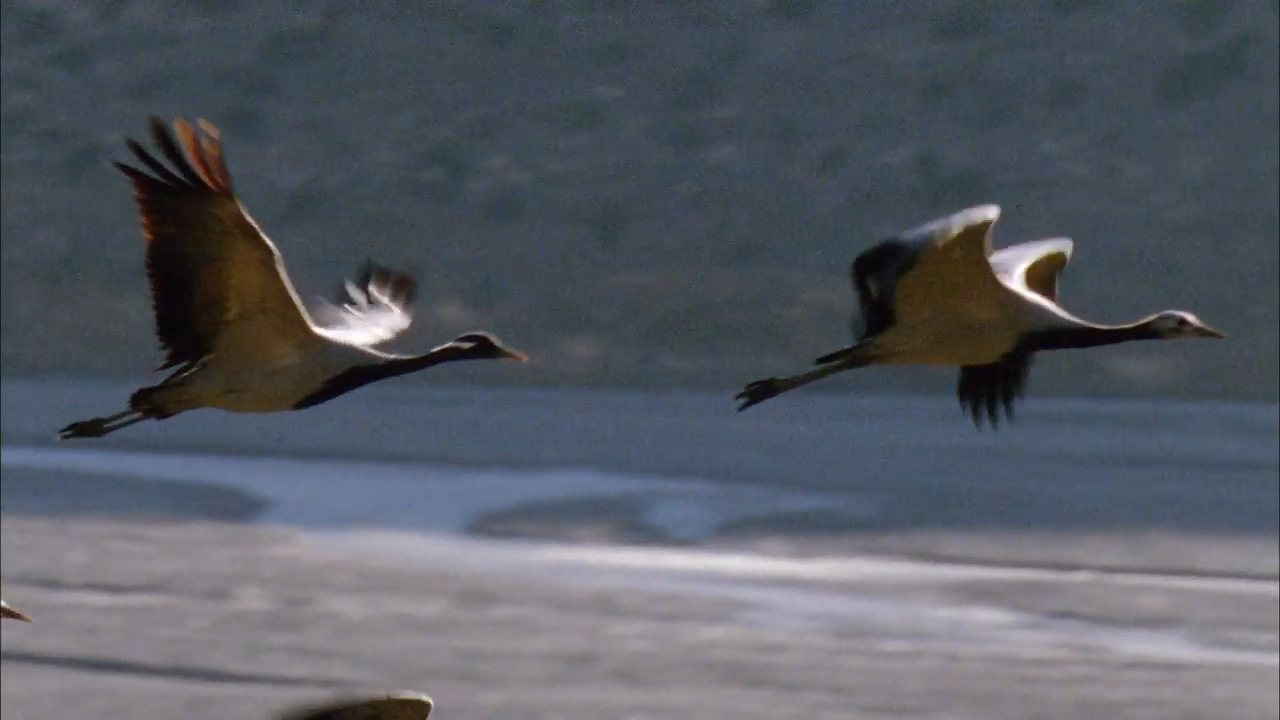
In Demoiselle Cranes: Conquering Everest, narrator Sir David Attenborough explains how birds struggle to cross the Himalayas on their seasonal migration. Cheer on the weak and tired cranes as they face turbulence and storms at such a high altitude. This video is excerpted from BBC's Planet Earth, a breathtaking documentary series that highlights the natural wonders of our planet.
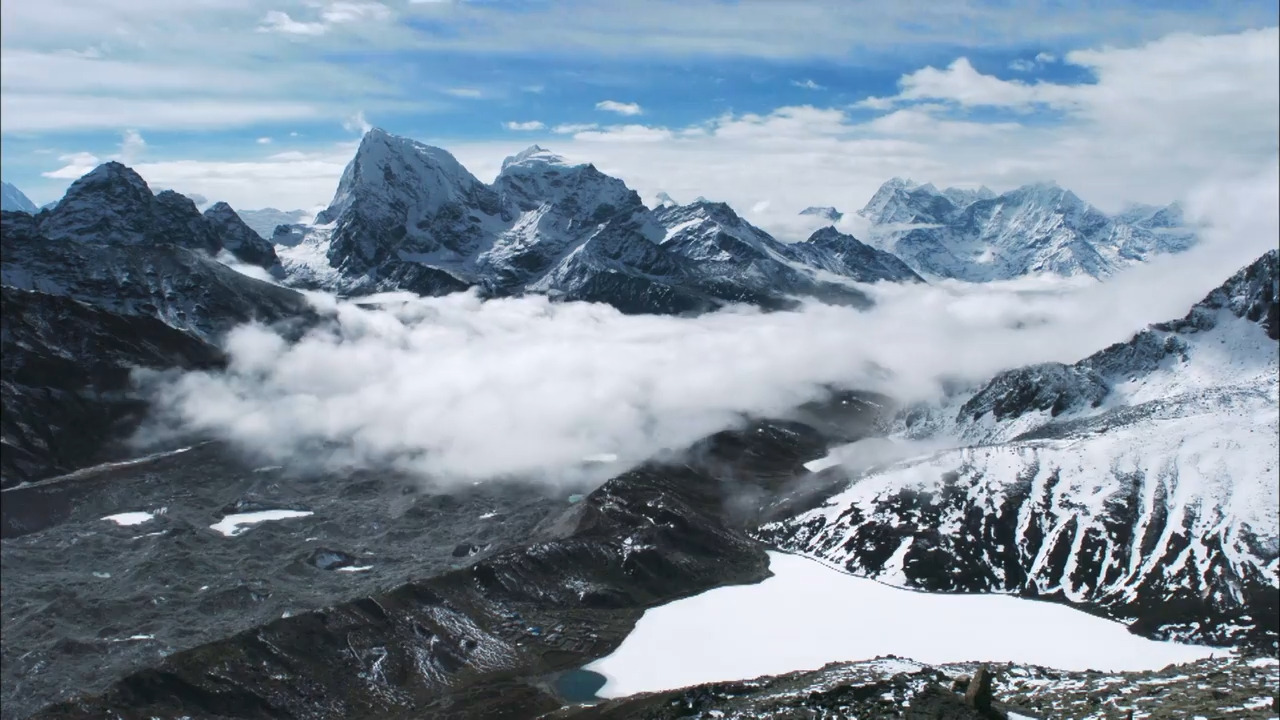
In How Mountains Shape the Climate, narrator Sir David Attenborough takes in soaring views that reveal the extreme altitude of the Himalayas. These mountains are so high that they force the formation of clouds and monsoon rain and snow. This video is excerpted from BBC's Planet Earth, a breathtaking documentary series that highlights the natural wonders of our planet.
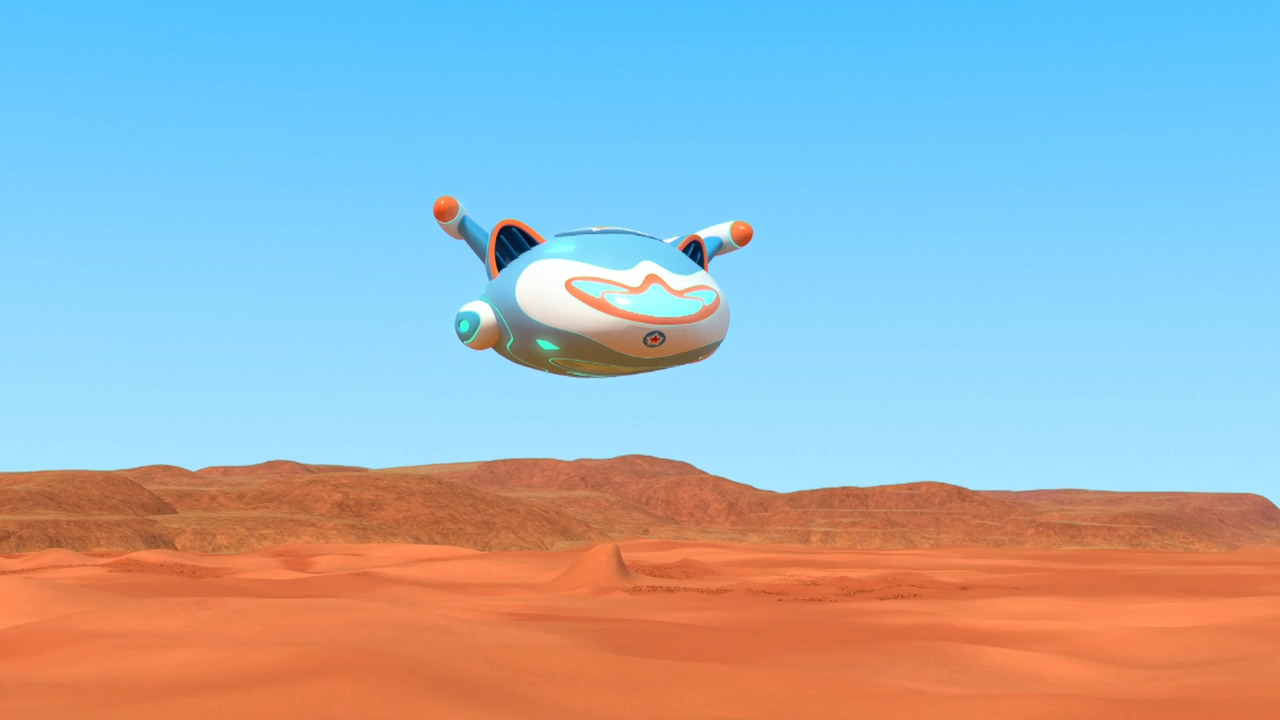
In The Go Jetters Go to the Gobi Desert, the Go Jetters crew visits The Gobi Desert in Central Asia. The Gobi is super dry and windy, with winds blowing as fast as a race car! It's called a “rainshadow desert” because the big Himalayan mountains stop rain and clouds from reaching it. Even though it’s tough to live there because of the wind, the Gobi is a great place to find dinosaur fossils hidden deep in the sand! This video is excerpted from BBC’s Go Jetters, a series that follows the adventures of four plucky international heroes as they travel the globe visiting the world’s most famous landmarks with their friend and mentor, Ubercorn, a disco-dancing unicorn.
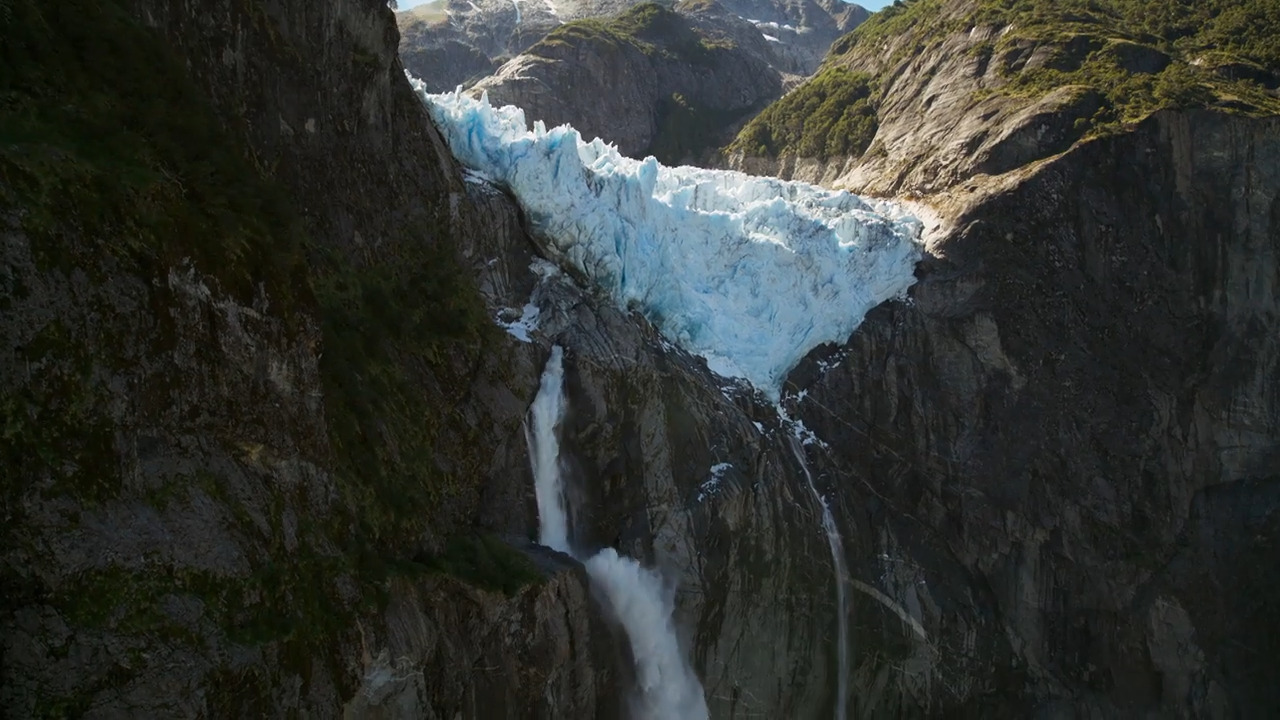
In Rising Temperatures and the World's Mountains, narrator Sir David Attenborough explores the impact of rising temperatures on the world's most iconic mountain ranges — the Alps, the Rockies, the Andes, and the Himalayas. As climate change accelerates, glaciers are melting, snowlines are rising, and ecosystems are shifting. This video is excerpted from BBC’s Planet Earth II, a breathtaking documentary series that highlights the natural wonders of our planet.
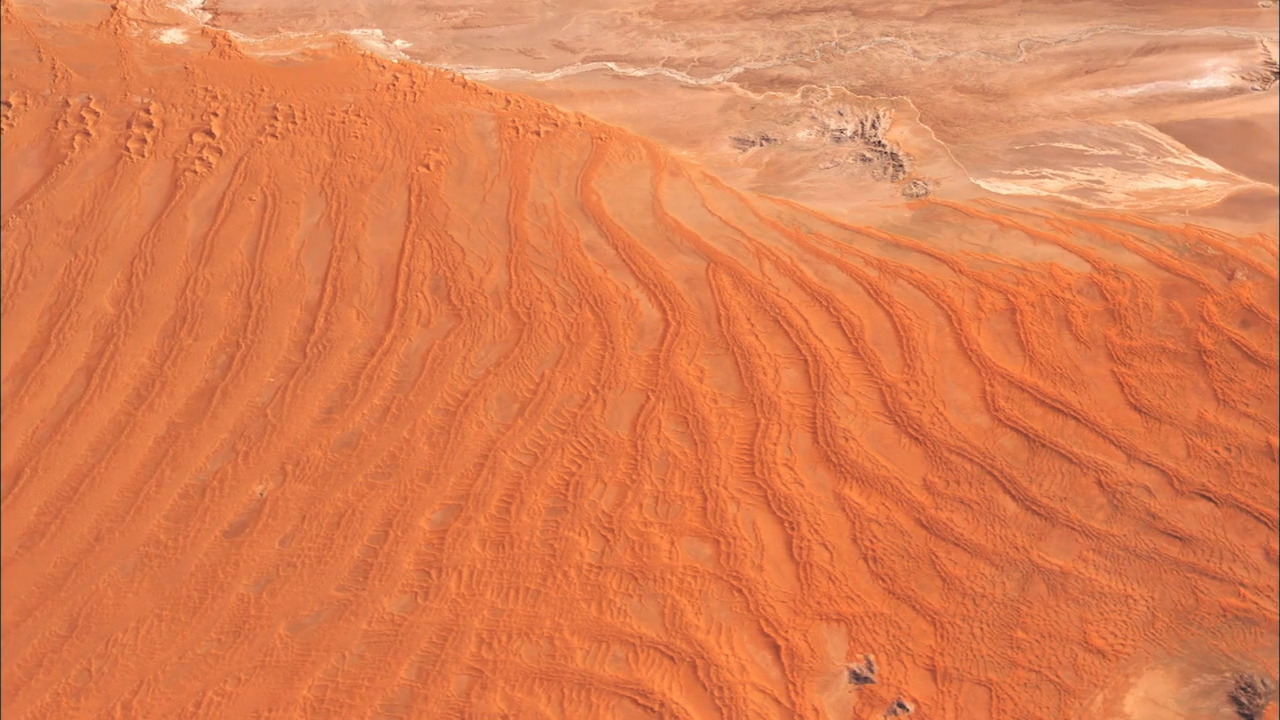
In The Formation of the Gobi Desert, narrator Sir David Attenborough explores the Gobi Desert and its origin. The Himalayas force air upwards, creating rainfall. When the air reaches the other side of the mountains, it is drier. This weather pattern formed the Gobi Desert. This video is excerpted from BBC's Planet Earth, a breathtaking documentary series that highlights the natural wonders of our planet.
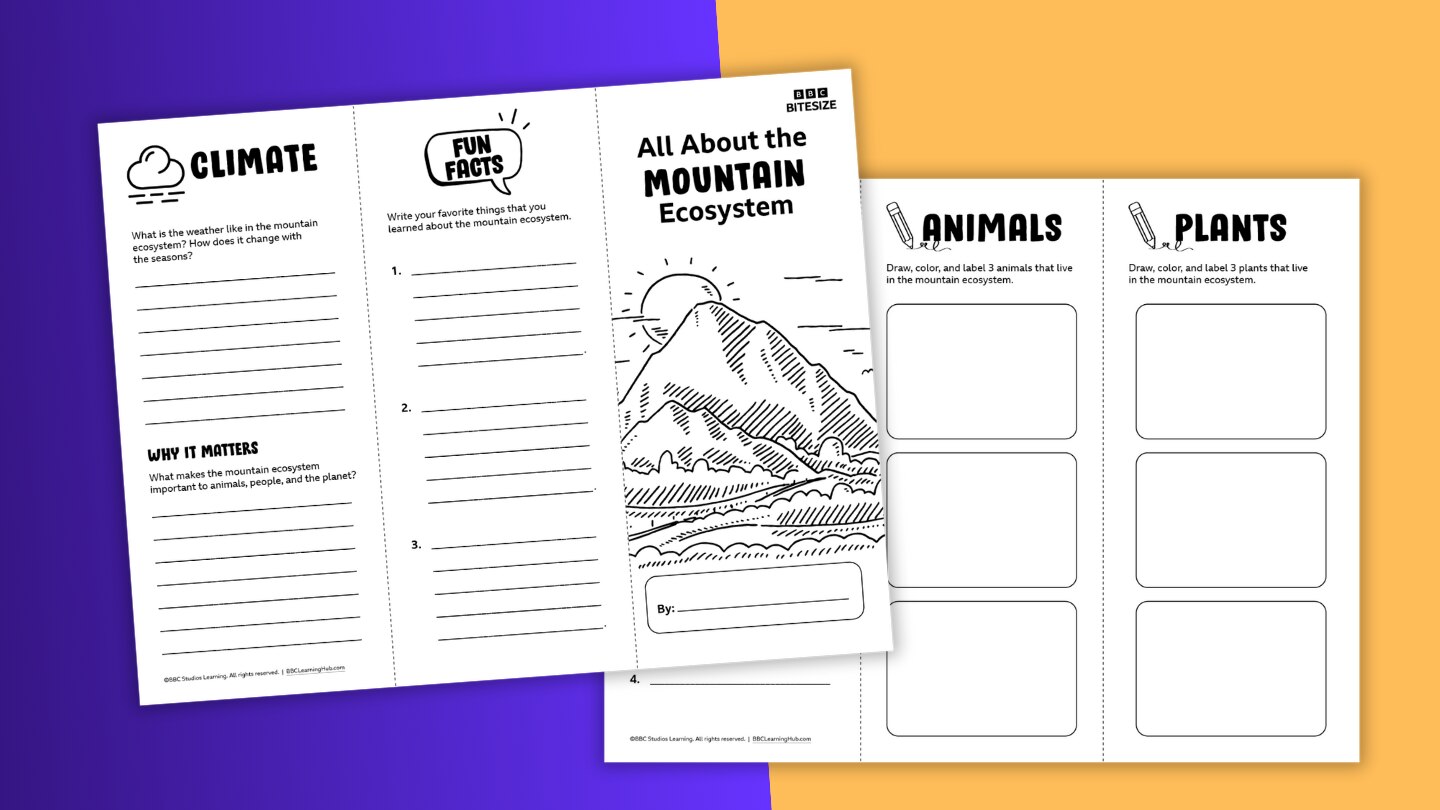
Climb high into the world of mountains! From the snow-capped peaks of the Himalayas to the rugged Rockies, these towering ecosystems challenge life to adapt in amazing ways. After watching our videos, challenge your students to become ecosystem experts by creating their own colorful report filled with fascinating facts. (They’ll need to dig deeper with extra research, too!) Inside the brochure, students will uncover and share:
- Location of the ecosystem on a world map
- Adjectives that describe the ecosystem
- Three animals that live in the ecosystem
- Three plants that grow in the ecosystem
- The climate of the ecosystem
- What makes the ecosystem important
- Their favorite fun facts
Your students will summarize the most important details in their own words while keeping it clear and easy to understand. As they choose what to include, they’ll sharpen their ability to evaluate and combine information from different sources. Best of all, they’ll show off their creativity and communication skills by designing a brochure that’s as fun to read as it is informative!
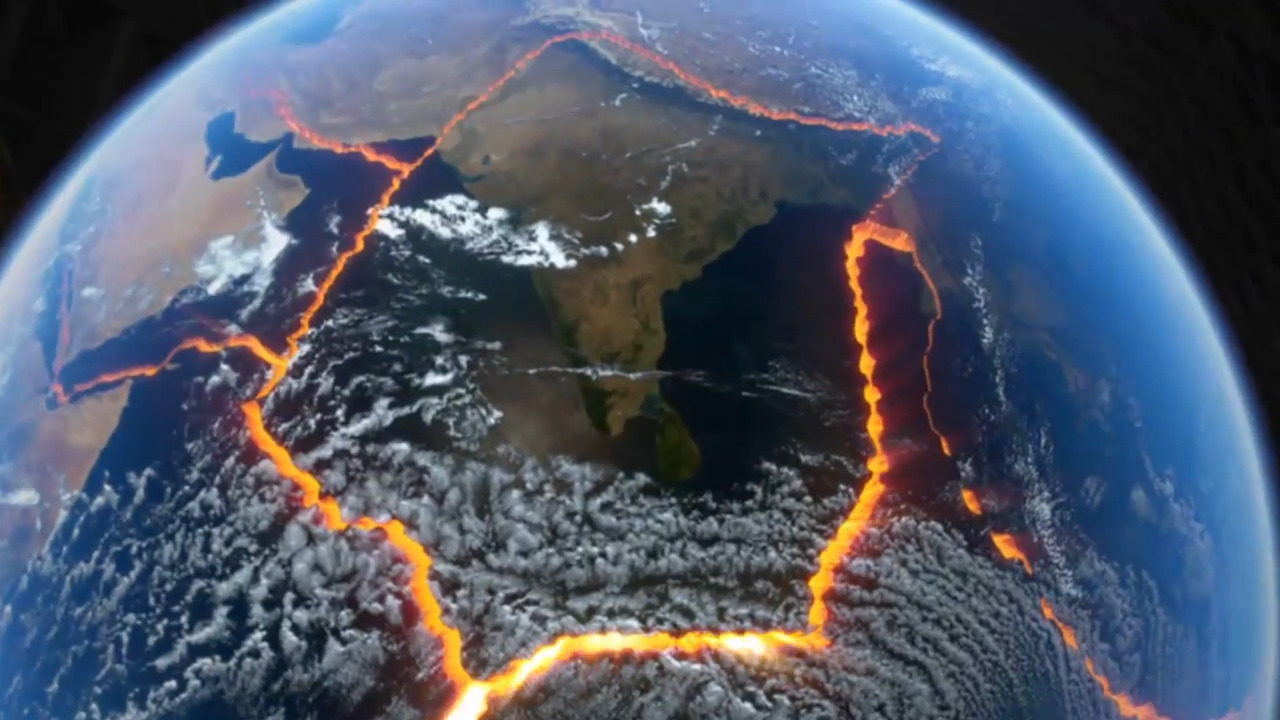
In On the Move, Tectonic Plates Continue to Shape Our World, narrator Richard Hammond describes how shifting tectonic plates are responsible for earthquakes and mountain ranges, and even the creation of new land. When plates collide, the land buckles and creates mountain ranges like the Alps and the Himalayas. Mount Everest, the highest peak on the planet, gets higher by two-tenths of an inch each year because the tectonic plates are still pushing together. This video is excerpted from BBC's Earth Machine, in which Richard Hammond goes to the center of the planet to find out how the Earth works.
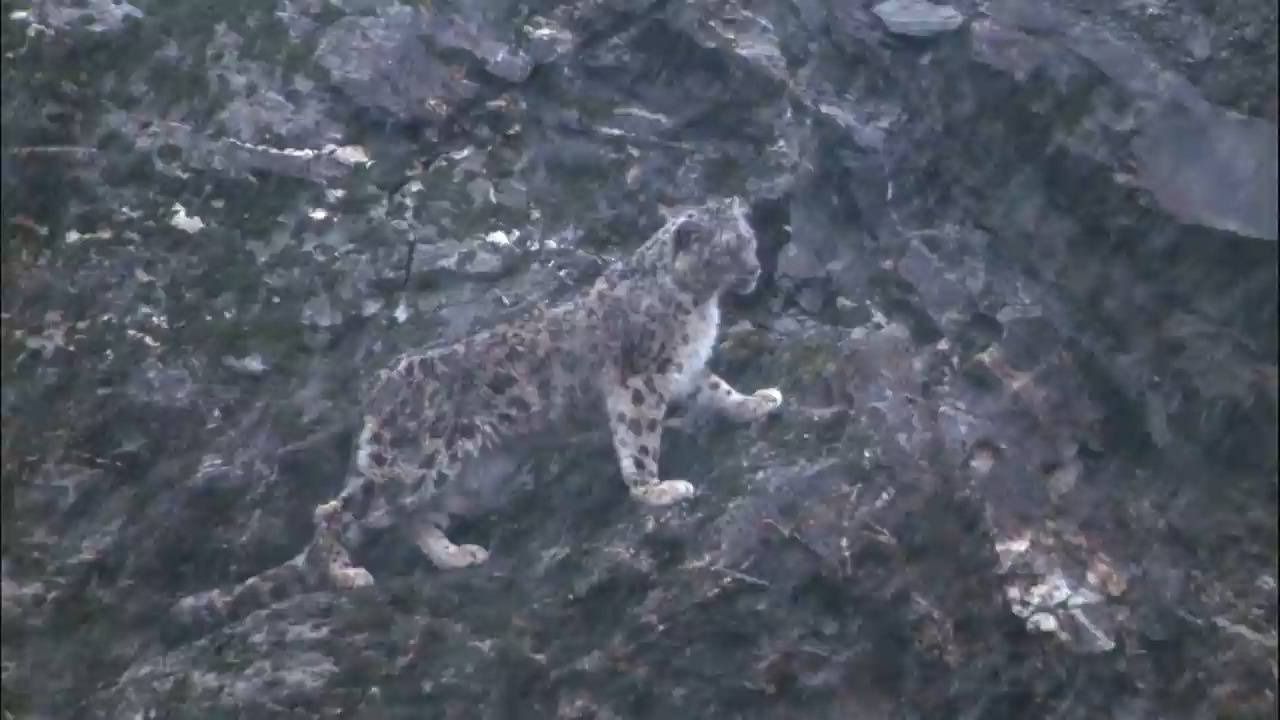
In How the Snow Affects Animals, narrator Sir David Attenborough describes how predators stalk a herd of markhor goats. When snow starts to fall, the golden eagle is hindered, but the snow leopard is helped. This video is excerpted from BBC's Planet Earth, a breathtaking documentary series that highlights the natural wonders of our planet.
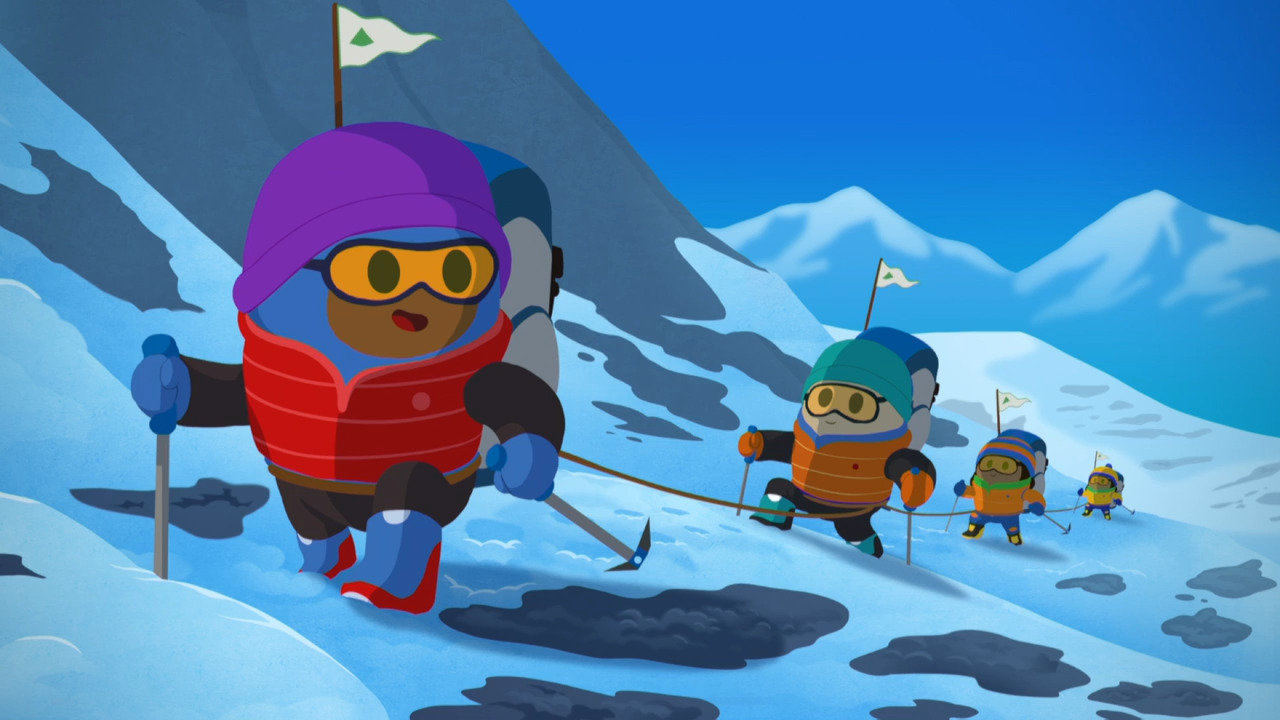
In The Go Jetters Take a Trip to Mount Everest, the Go Jetters crew takes us on an exciting journey to Mount Everest, the tallest mountain in the world! It’s so tall and cold that climbers need about six weeks to reach the top. Along the way, they get help from Sherpas, expert guides who know the mountain better than anyone else. The mountain is always growing a tiny bit every year, making it even more amazing! This video is excerpted from BBC’s Go Jetters, a series that follows the adventures of four plucky international heroes as they travel the globe visiting the world’s most famous landmarks with their friend and mentor, Ubercorn, a disco-dancing unicorn.
Take your students on a climb through the mountain ecosystem! From the towering Himalayas to the snowy Rockies, mountain ecosystems change as you climb, starting with green forests down low and ending with bare, windswept summits at the top.
✨ Perfect for grades 3–8, here’s what you need to bring ecosystems to life:
- Iconic BBC Videos: Share the clips on this page to introduce the location, plants, animals, and climate of the mountains. (Don't miss the grizzlies and snow leopards!) Brought to you by world-class BBC programs like Planet Earth.
- Free Printable: Use the Mountain Brochure Template to help students pull it all together in an ecosystem report with facts they’ve learned (and a little extra research).
It’s everything you need to make ecosystems easy to teach and truly memorable for your students.
In Bar-Headed Goslings in the Nest, host Andy Day describes how bar-headed geese fly over the Himalayas to land in Tibet and have their babies. Mother geese make cozy nests to house their goslings. This video is excerpted from BBC’s Andy’s Baby Animals, in which Andy Day explores the lives and experiences of baby animals.
In The Snow Leopard Caught on Film for the First Time!, Sir David Attenborough describes how a seldom-seen female cares for her cub and hunts among the steep cliffs of the Himalayas. Her body is uniquely adapted to the challenges of her environment. This video is excerpted from BBC's Planet Earth, a breathtaking documentary series that highlights the natural wonders of our planet.
In Demoiselle Cranes: Conquering Everest, narrator Sir David Attenborough explains how birds struggle to cross the Himalayas on their seasonal migration. Cheer on the weak and tired cranes as they face turbulence and storms at such a high altitude. This video is excerpted from BBC's Planet Earth, a breathtaking documentary series that highlights the natural wonders of our planet.
In How Mountains Shape the Climate, narrator Sir David Attenborough takes in soaring views that reveal the extreme altitude of the Himalayas. These mountains are so high that they force the formation of clouds and monsoon rain and snow. This video is excerpted from BBC's Planet Earth, a breathtaking documentary series that highlights the natural wonders of our planet.
In The Go Jetters Go to the Gobi Desert, the Go Jetters crew visits The Gobi Desert in Central Asia. The Gobi is super dry and windy, with winds blowing as fast as a race car! It's called a “rainshadow desert” because the big Himalayan mountains stop rain and clouds from reaching it. Even though it’s tough to live there because of the wind, the Gobi is a great place to find dinosaur fossils hidden deep in the sand! This video is excerpted from BBC’s Go Jetters, a series that follows the adventures of four plucky international heroes as they travel the globe visiting the world’s most famous landmarks with their friend and mentor, Ubercorn, a disco-dancing unicorn.
In Rising Temperatures and the World's Mountains, narrator Sir David Attenborough explores the impact of rising temperatures on the world's most iconic mountain ranges — the Alps, the Rockies, the Andes, and the Himalayas. As climate change accelerates, glaciers are melting, snowlines are rising, and ecosystems are shifting. This video is excerpted from BBC’s Planet Earth II, a breathtaking documentary series that highlights the natural wonders of our planet.
In The Formation of the Gobi Desert, narrator Sir David Attenborough explores the Gobi Desert and its origin. The Himalayas force air upwards, creating rainfall. When the air reaches the other side of the mountains, it is drier. This weather pattern formed the Gobi Desert. This video is excerpted from BBC's Planet Earth, a breathtaking documentary series that highlights the natural wonders of our planet.
Climb high into the world of mountains! From the snow-capped peaks of the Himalayas to the rugged Rockies, these towering ecosystems challenge life to adapt in amazing ways. After watching our videos, challenge your students to become ecosystem experts by creating their own colorful report filled with fascinating facts. (They’ll need to dig deeper with extra research, too!) Inside the brochure, students will uncover and share:
- Location of the ecosystem on a world map
- Adjectives that describe the ecosystem
- Three animals that live in the ecosystem
- Three plants that grow in the ecosystem
- The climate of the ecosystem
- What makes the ecosystem important
- Their favorite fun facts
Your students will summarize the most important details in their own words while keeping it clear and easy to understand. As they choose what to include, they’ll sharpen their ability to evaluate and combine information from different sources. Best of all, they’ll show off their creativity and communication skills by designing a brochure that’s as fun to read as it is informative!
In On the Move, Tectonic Plates Continue to Shape Our World, narrator Richard Hammond describes how shifting tectonic plates are responsible for earthquakes and mountain ranges, and even the creation of new land. When plates collide, the land buckles and creates mountain ranges like the Alps and the Himalayas. Mount Everest, the highest peak on the planet, gets higher by two-tenths of an inch each year because the tectonic plates are still pushing together. This video is excerpted from BBC's Earth Machine, in which Richard Hammond goes to the center of the planet to find out how the Earth works.
In How the Snow Affects Animals, narrator Sir David Attenborough describes how predators stalk a herd of markhor goats. When snow starts to fall, the golden eagle is hindered, but the snow leopard is helped. This video is excerpted from BBC's Planet Earth, a breathtaking documentary series that highlights the natural wonders of our planet.
In The Go Jetters Take a Trip to Mount Everest, the Go Jetters crew takes us on an exciting journey to Mount Everest, the tallest mountain in the world! It’s so tall and cold that climbers need about six weeks to reach the top. Along the way, they get help from Sherpas, expert guides who know the mountain better than anyone else. The mountain is always growing a tiny bit every year, making it even more amazing! This video is excerpted from BBC’s Go Jetters, a series that follows the adventures of four plucky international heroes as they travel the globe visiting the world’s most famous landmarks with their friend and mentor, Ubercorn, a disco-dancing unicorn.