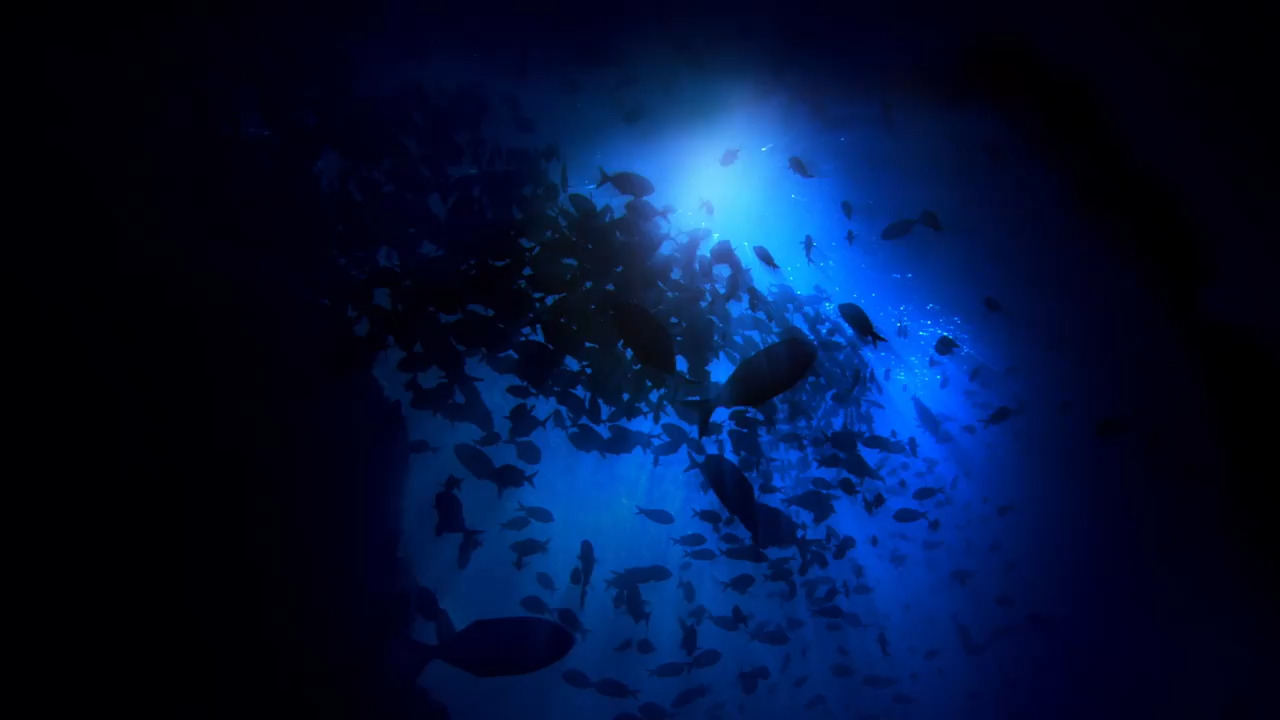
In Finding Refuge in the Sea Caves of Poor Knights Islands, narrator Sir David Attenborough explores the Poor Knights Islands in New Zealand, focusing on the survival strategies of fish and bats that use sea caves as their refuge. After feeding in the open water, demersal fish return to the caves to avoid predators. Big-eyes are night-feeding fish that leave the caves each evening. Bats face danger from snakes that sense their body heat and strike at them as they exit the caves. This video is excerpted from BBC’s Planet Earth, a breathtaking documentary series that highlights the natural wonders of our planet.
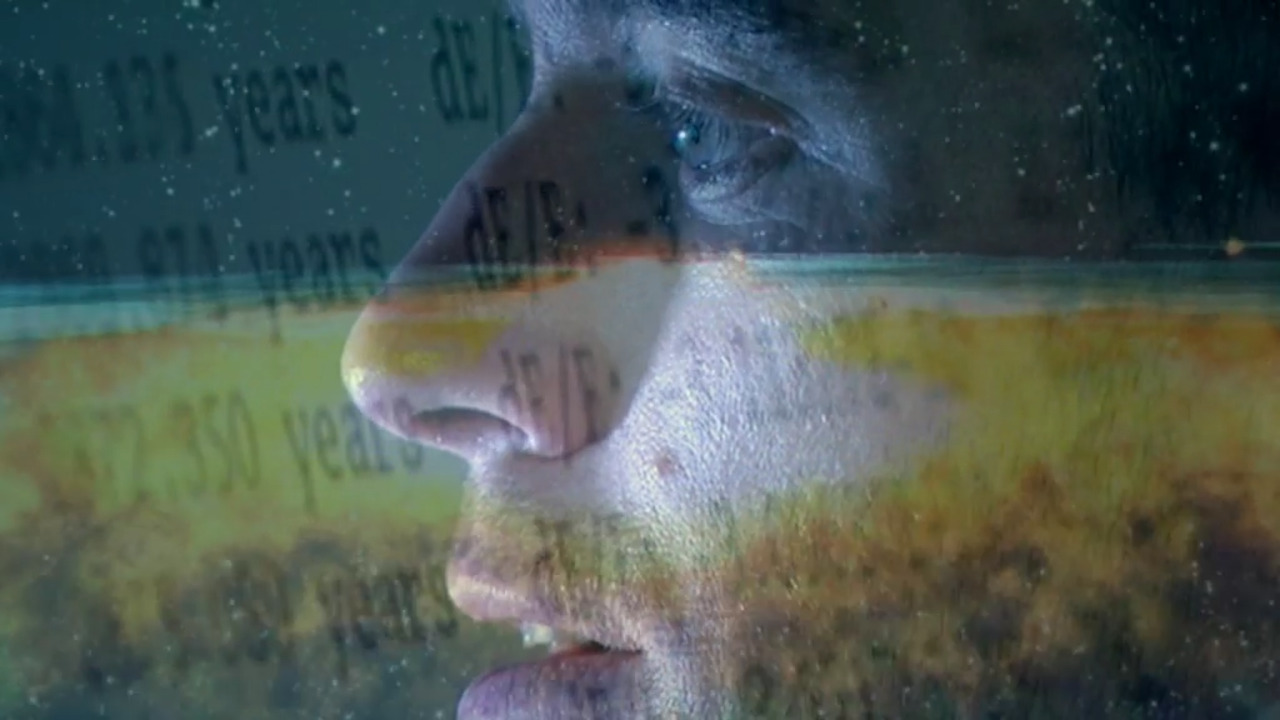
In The Key to Finding Life on Other Worlds, Dr. Sean Raymond uses computer simulations to search for the potential of water — and, therefore, life — on other planets. These simulations show how planetary systems evolve over millions of years, often resulting in planets in the habitable zone with water. This discovery not only enhances our understanding of the conditions for extraterrestrial life but also highlights the possibility of finding Earth-like planets in distant star systems.
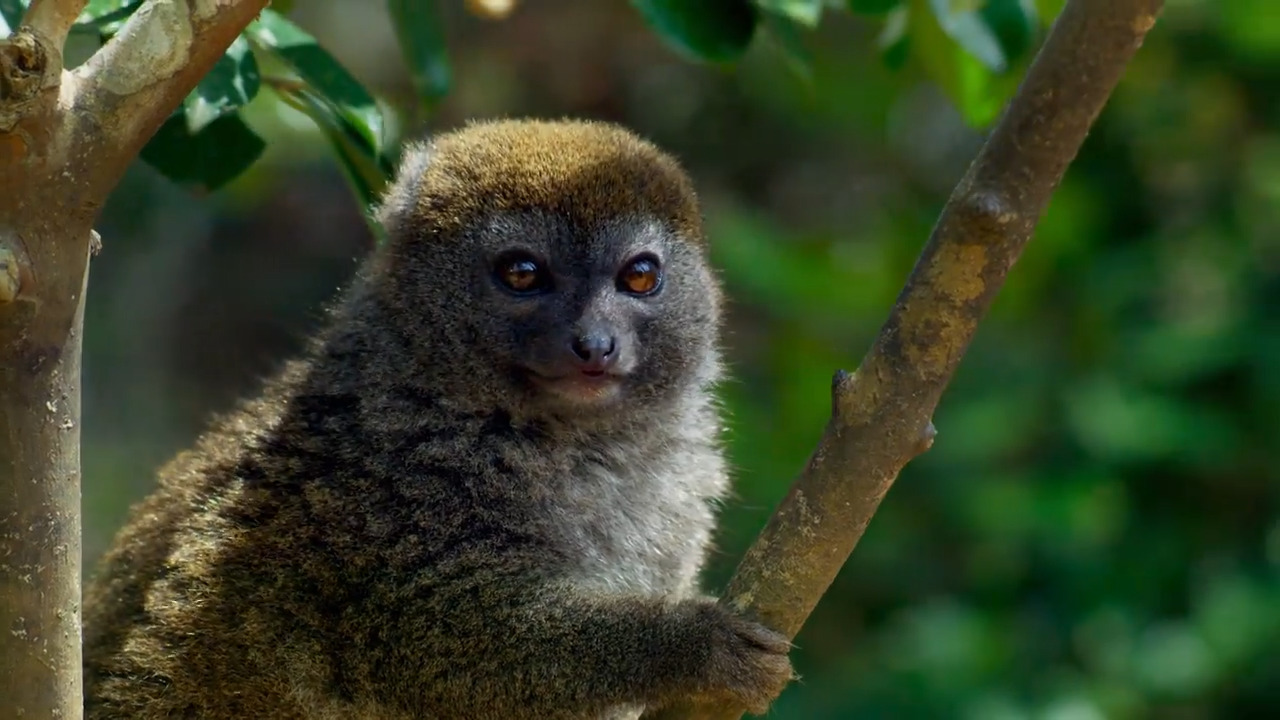
In Finding a Niche in a Crowded Jungle Ecosystem, narrator Sir David Attenborough discovers how animals like the indri — a large lemur native to Madagascar — adapt to survive in one of the most competitive environments on Earth. In the dense jungle, the indri has developed unique strategies to find its place in this crowded ecosystem. This video is excerpted from BBC’s Planet Earth II, a breathtaking documentary series that highlights the natural wonders of our planet.
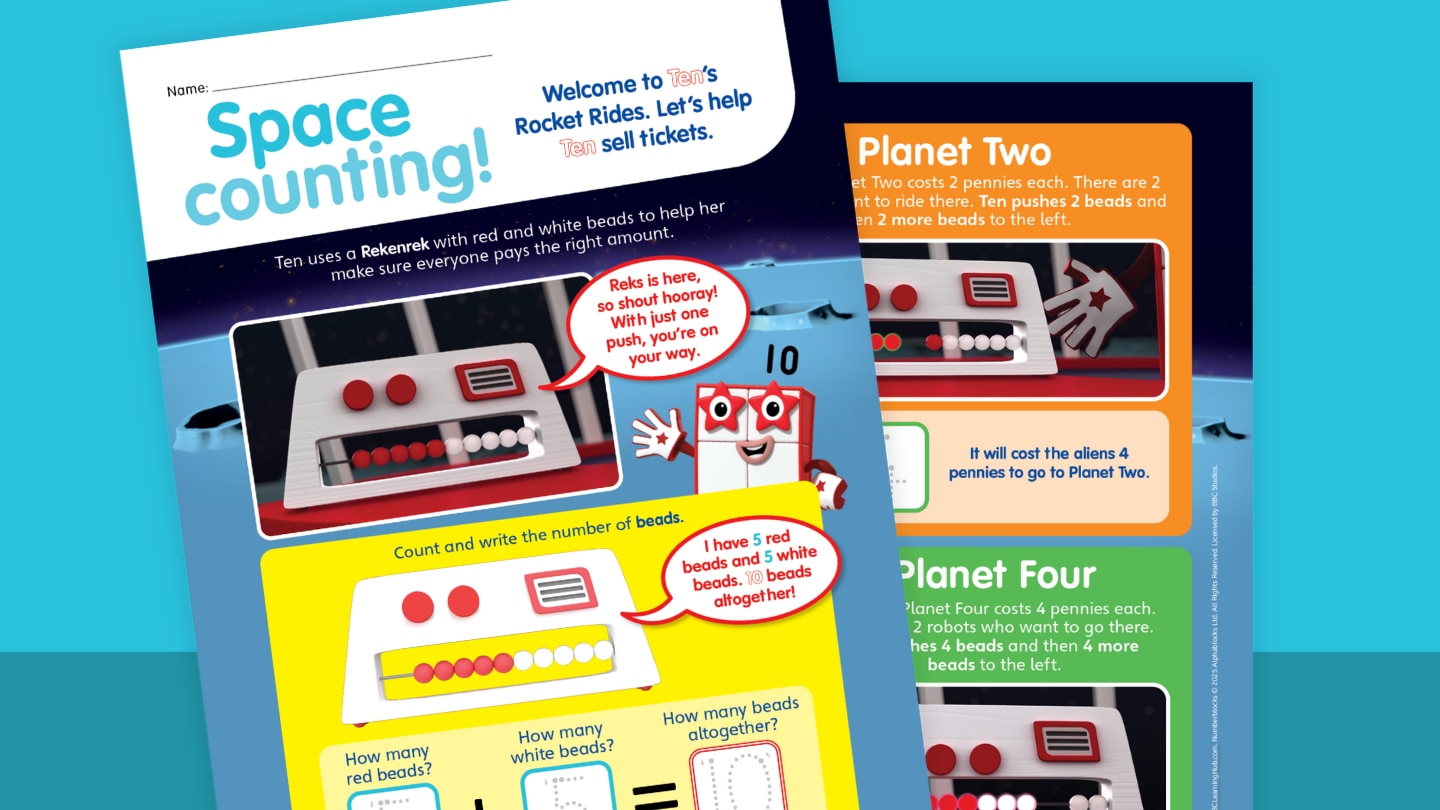
Welcome to Ten's Rocket Rides. Let's help Ten sell tickets. Ten uses a Rekenrek with red and white beads to help her make sure everyone pays the right amount.
A trip to Planet Two costs 2 pennies each. There are 2 aliens who want to ride there. Ten pushes 2 beads and
then 2 more beads to the left. How many beads did Ten push altogether?
A trip to Planet Four costs 4 pennies each. There are 2 robots who want to go there. Ten pushes 4 beads and then 4 more beads to the left. Rekenrek has 10 beads in total. How many are left behind?
Watch full episodes of Numberblocks on their official YouTube channel!
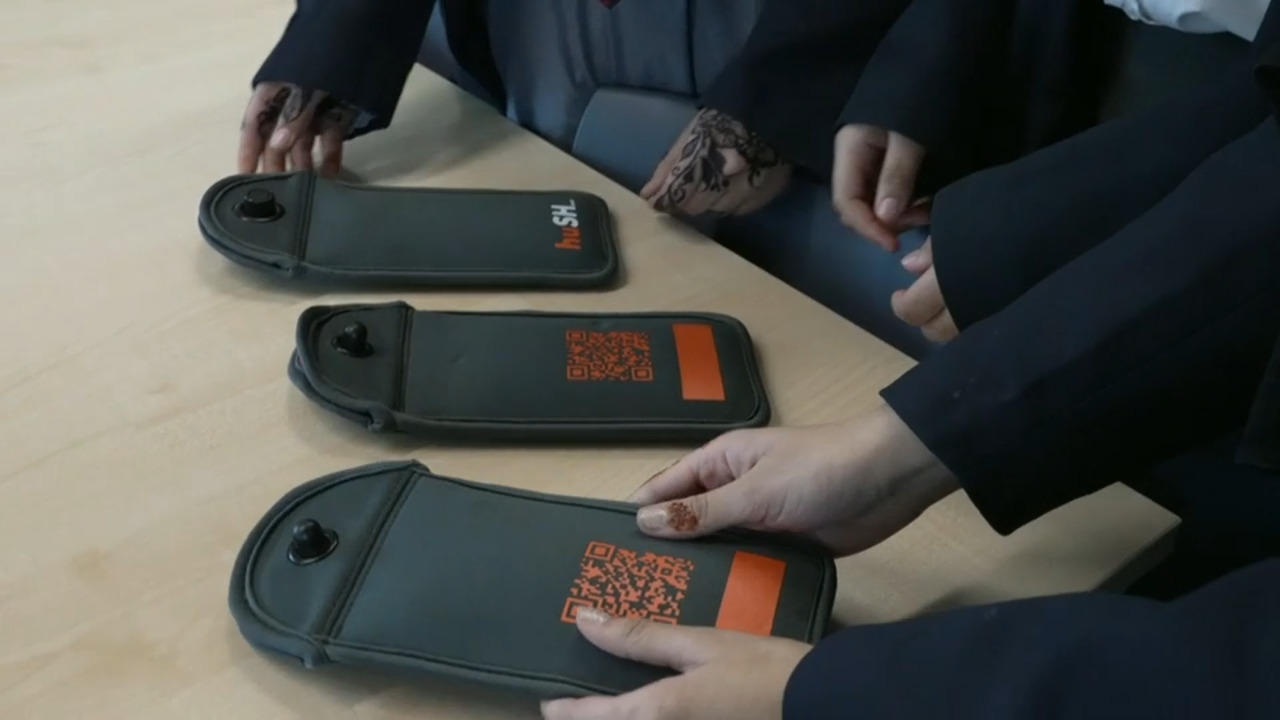
Your phone goes in a pouch the moment you walk in. If it's seen or heard, it's gone — for 4 weeks. That's the policy at Astrea Academy, one of the strictest phone bans in the UK, and yes, those 4 weeks can run straight through school holidays.
Harsh? Maybe. But teachers say it's working. Focus is up, behavior has improved, and students' overall wellbeing has shifted noticeably since the policy took hold.
Student reactions are split. Some think the rules go too far. Others — perhaps surprisingly — admit they don't really need their phones during the school day anyway. Both groups are probably right about something.
Parents are largely on board, and for reasons that go beyond test scores. They're noticing their kids coming home and actually talking — asking questions, making eye contact, and reconnecting in small ways that are easy to dismiss until they're gone. One thing the ban has surfaced that nobody quite expected: parents realizing they have a phone problem too. Several reflected that if they want their kids to put the devices down, they probably need to do the same. Role modeling, it turns out, works both ways.
Phone-free schools aren't going away. The UK is already moving toward national guidelines pushing schools in this direction, alongside measures to encourage more moderate social media use. The experiment at Astrea Academy may be ahead of its time — or just ahead of the curve.
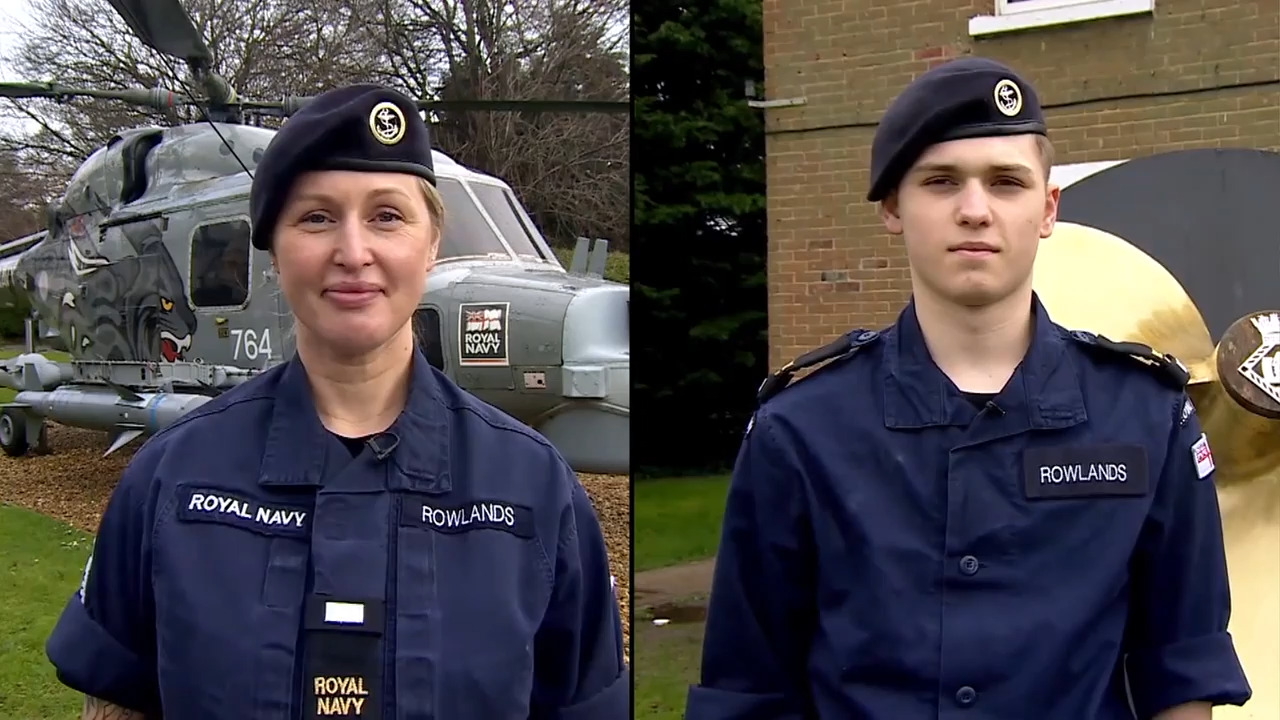
If you see "A.B. Rowlands" twice on a Royal Navy roll call sheet, it's not a typo! For the first time in the Royal Navy's nearly 500-year history, a mother and son are in training together.
Michelle started as a part-time reservist before serving full-time and eventually transferring to the regular Royal Navy. She began part-time so she could pursue her dream of joining the Navy while keeping her regular job and raising her young children. At the time, she didn't think a full-time military career was possible. She sure showed… well, herself! Now, she’s working to qualify as a technician to maintain Navy aircrew survival equipment while her son, Thomas, is training to become an engineer in the submarine service when he turns 18.
Normally, recruits spend their training months far from home, making time with family hard to come by. But Michelle and Tom still squeeze in games of badminton, and Michelle shows no mercy when it comes to the state of Tom's uniforms. After all, some parts of being a mum don't stop just because you're both in the Navy!
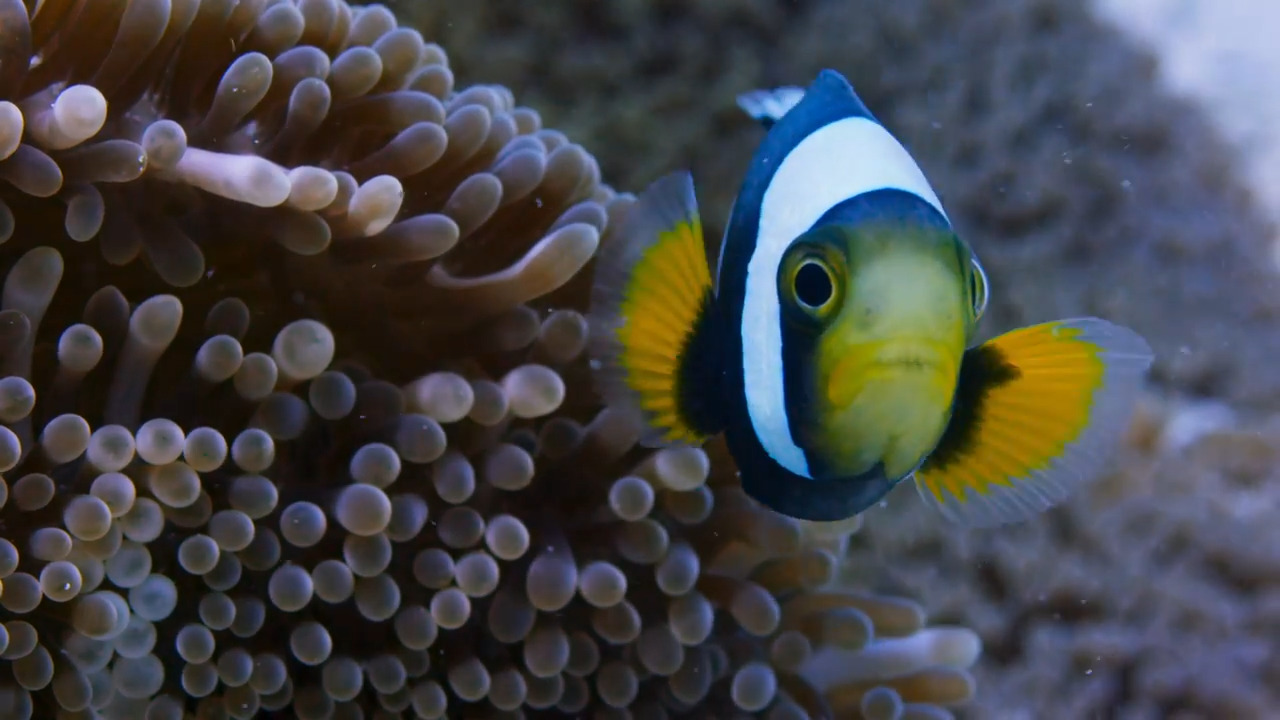
In A Real Life Finding Nemo, Sir David Attenborough explores the unique relationship between the clownfish and the sea anemone. Often poisonous to other fish, the anemone serves as a protective home for the clownfish. The male clownfish repays the favor by keeping the anemone clean and removing debris. This video is excerpted from BBC’s Blue Planet II, a natural history series that explores the world's oceans, the animals that live in them, and the threats they face, using modern filming techniques and equipment to capture previously unseen areas of the ocean.
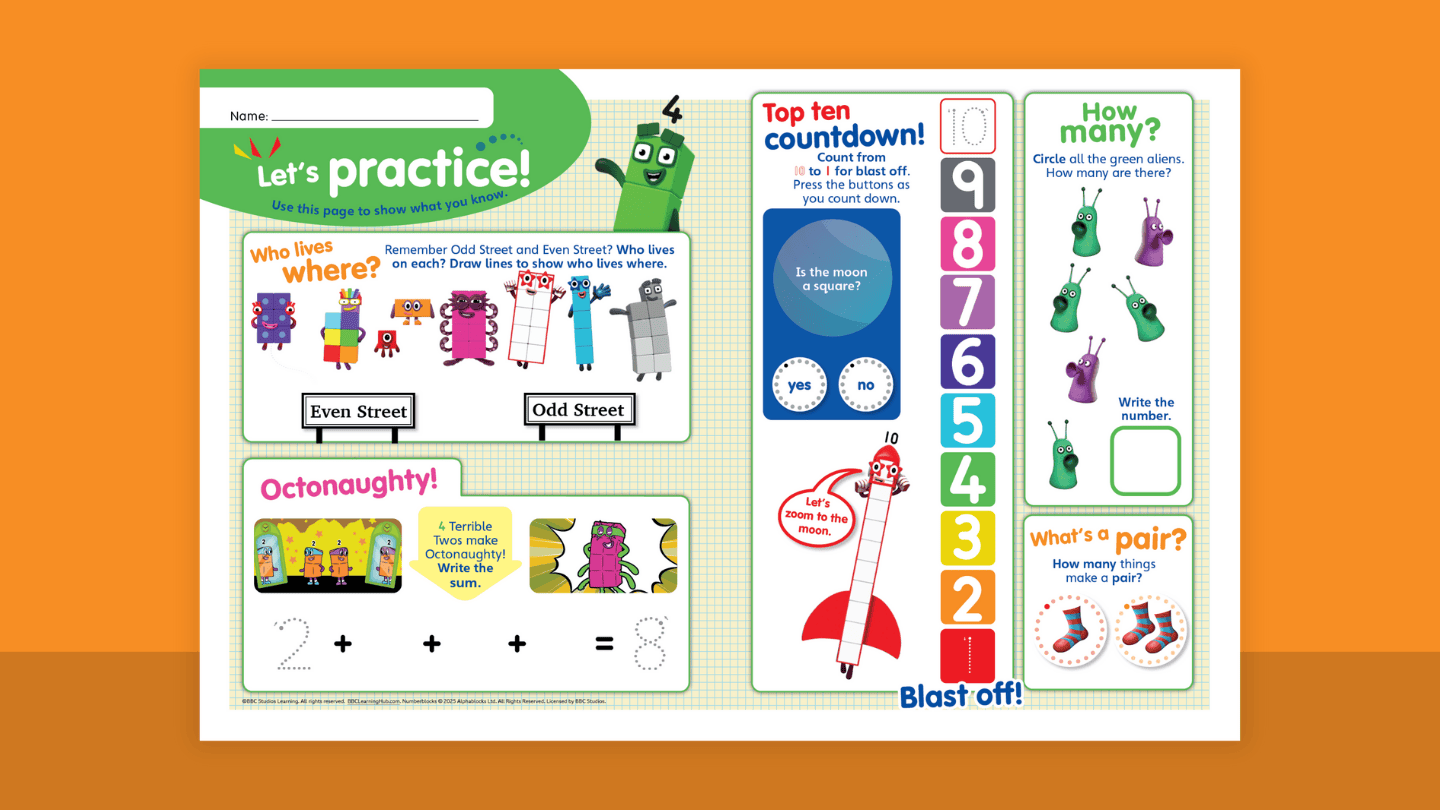
Use this page to show what you know. Who lives where? Remember Odd Street and Even Street? Who lives on each? Draw lines to show who lives where. Count down from 10 to one for blast off. Press the buttons as you count down. Circle all the green aliens. How many are there?
Watch full episodes of Numberblocks on their official YouTube channel!
In Finding Refuge in the Sea Caves of Poor Knights Islands, narrator Sir David Attenborough explores the Poor Knights Islands in New Zealand, focusing on the survival strategies of fish and bats that use sea caves as their refuge. After feeding in the open water, demersal fish return to the caves to avoid predators. Big-eyes are night-feeding fish that leave the caves each evening. Bats face danger from snakes that sense their body heat and strike at them as they exit the caves. This video is excerpted from BBC’s Planet Earth, a breathtaking documentary series that highlights the natural wonders of our planet.
In The Key to Finding Life on Other Worlds, Dr. Sean Raymond uses computer simulations to search for the potential of water — and, therefore, life — on other planets. These simulations show how planetary systems evolve over millions of years, often resulting in planets in the habitable zone with water. This discovery not only enhances our understanding of the conditions for extraterrestrial life but also highlights the possibility of finding Earth-like planets in distant star systems.
In Finding a Niche in a Crowded Jungle Ecosystem, narrator Sir David Attenborough discovers how animals like the indri — a large lemur native to Madagascar — adapt to survive in one of the most competitive environments on Earth. In the dense jungle, the indri has developed unique strategies to find its place in this crowded ecosystem. This video is excerpted from BBC’s Planet Earth II, a breathtaking documentary series that highlights the natural wonders of our planet.
Welcome to Ten's Rocket Rides. Let's help Ten sell tickets. Ten uses a Rekenrek with red and white beads to help her make sure everyone pays the right amount.
A trip to Planet Two costs 2 pennies each. There are 2 aliens who want to ride there. Ten pushes 2 beads and
then 2 more beads to the left. How many beads did Ten push altogether?
A trip to Planet Four costs 4 pennies each. There are 2 robots who want to go there. Ten pushes 4 beads and then 4 more beads to the left. Rekenrek has 10 beads in total. How many are left behind?
Watch full episodes of Numberblocks on their official YouTube channel!
Your phone goes in a pouch the moment you walk in. If it's seen or heard, it's gone — for 4 weeks. That's the policy at Astrea Academy, one of the strictest phone bans in the UK, and yes, those 4 weeks can run straight through school holidays.
Harsh? Maybe. But teachers say it's working. Focus is up, behavior has improved, and students' overall wellbeing has shifted noticeably since the policy took hold.
Student reactions are split. Some think the rules go too far. Others — perhaps surprisingly — admit they don't really need their phones during the school day anyway. Both groups are probably right about something.
Parents are largely on board, and for reasons that go beyond test scores. They're noticing their kids coming home and actually talking — asking questions, making eye contact, and reconnecting in small ways that are easy to dismiss until they're gone. One thing the ban has surfaced that nobody quite expected: parents realizing they have a phone problem too. Several reflected that if they want their kids to put the devices down, they probably need to do the same. Role modeling, it turns out, works both ways.
Phone-free schools aren't going away. The UK is already moving toward national guidelines pushing schools in this direction, alongside measures to encourage more moderate social media use. The experiment at Astrea Academy may be ahead of its time — or just ahead of the curve.
If you see "A.B. Rowlands" twice on a Royal Navy roll call sheet, it's not a typo! For the first time in the Royal Navy's nearly 500-year history, a mother and son are in training together.
Michelle started as a part-time reservist before serving full-time and eventually transferring to the regular Royal Navy. She began part-time so she could pursue her dream of joining the Navy while keeping her regular job and raising her young children. At the time, she didn't think a full-time military career was possible. She sure showed… well, herself! Now, she’s working to qualify as a technician to maintain Navy aircrew survival equipment while her son, Thomas, is training to become an engineer in the submarine service when he turns 18.
Normally, recruits spend their training months far from home, making time with family hard to come by. But Michelle and Tom still squeeze in games of badminton, and Michelle shows no mercy when it comes to the state of Tom's uniforms. After all, some parts of being a mum don't stop just because you're both in the Navy!
In A Real Life Finding Nemo, Sir David Attenborough explores the unique relationship between the clownfish and the sea anemone. Often poisonous to other fish, the anemone serves as a protective home for the clownfish. The male clownfish repays the favor by keeping the anemone clean and removing debris. This video is excerpted from BBC’s Blue Planet II, a natural history series that explores the world's oceans, the animals that live in them, and the threats they face, using modern filming techniques and equipment to capture previously unseen areas of the ocean.
Use this page to show what you know. Who lives where? Remember Odd Street and Even Street? Who lives on each? Draw lines to show who lives where. Count down from 10 to one for blast off. Press the buttons as you count down. Circle all the green aliens. How many are there?
Watch full episodes of Numberblocks on their official YouTube channel!