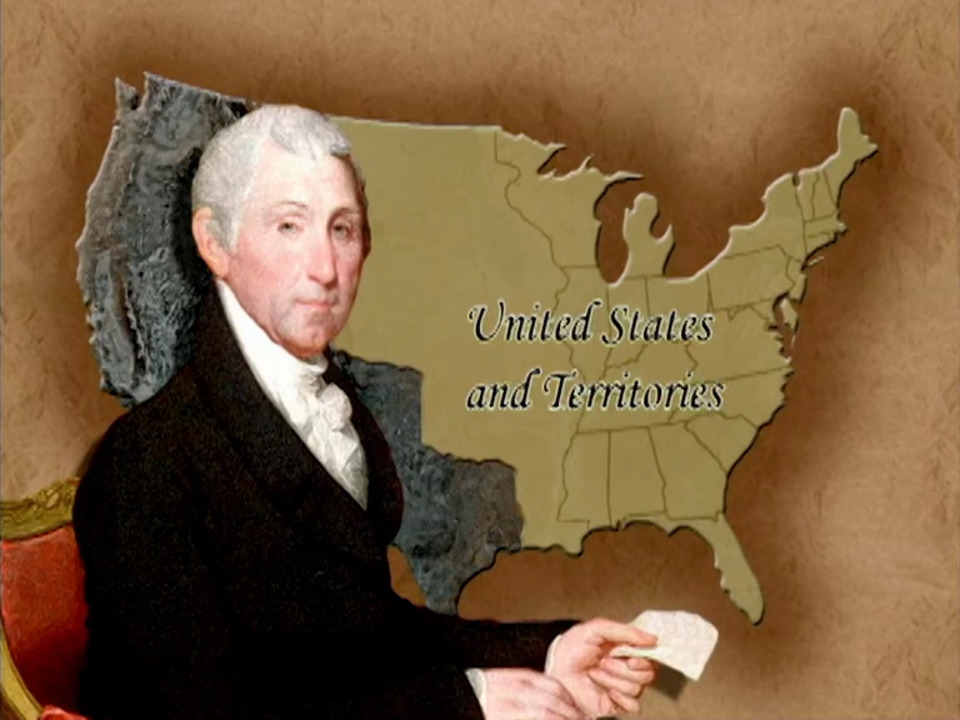
In James Monroe, the Monroe Doctrine, and a Growing Nation, learn how President James Monroe led the United States during a period of rising national pride and optimism after the War of 1812. His administration obtained Florida from Spain, and in 1823, Monroe issued the Monroe Doctrine, declaring the Western Hemisphere closed to new European colonies while pledging U.S. neutrality in European conflicts. These actions helped establish the United States as a full-fledged nation, though the "Era of Good Feelings" would eventually come to a bitter end as political and sectional tensions resurfaced.
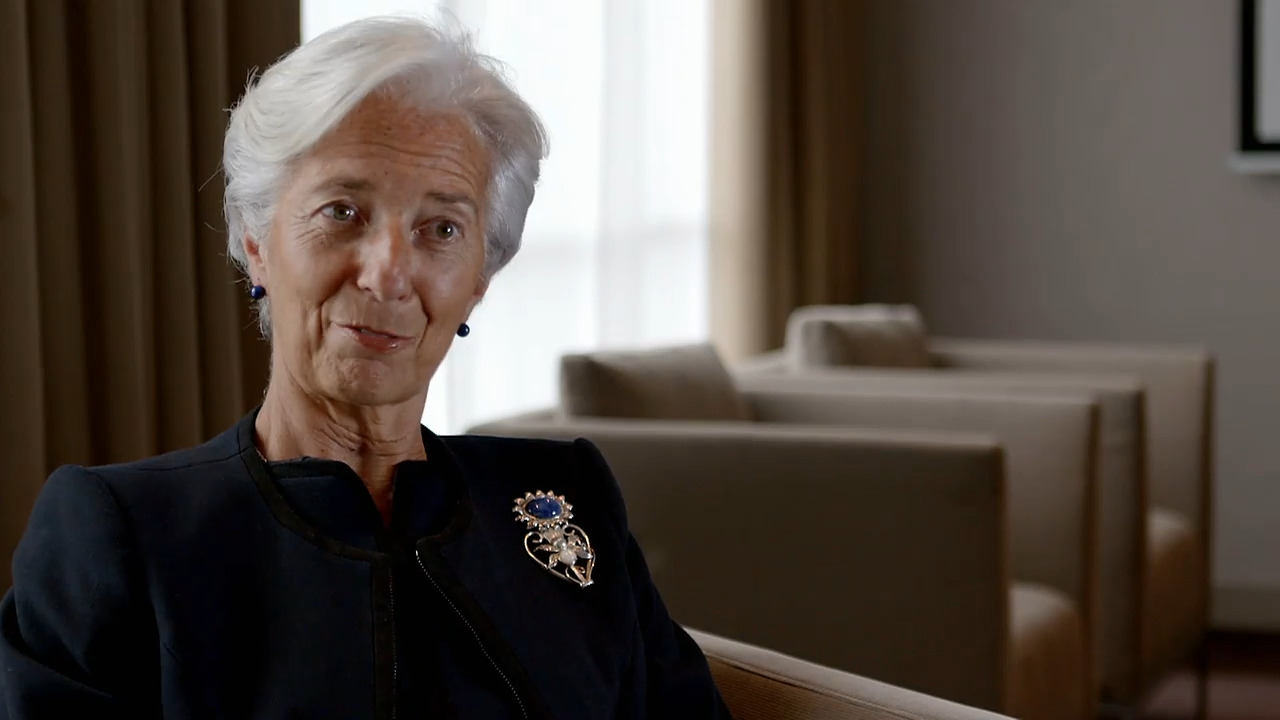
In Christine Lagarde, Titan of Finance, learn how Lagarde made history as the first woman to lead the International Monetary Fund and now serves as President of the European Central Bank. She shares stories about overcoming challenges in a male-dominated field, including being told she could never become a law firm partner simply because she was a woman. She worked tirelessly while raising two children, later earning their admiration for paving her own way. Lagarde believes that empowering women in finance and leadership will create prosperity for all. This video is excerpted from BBC's Her Story: The Female Revolution, which explores the history and impact of women’s rights movements and achievements of women.
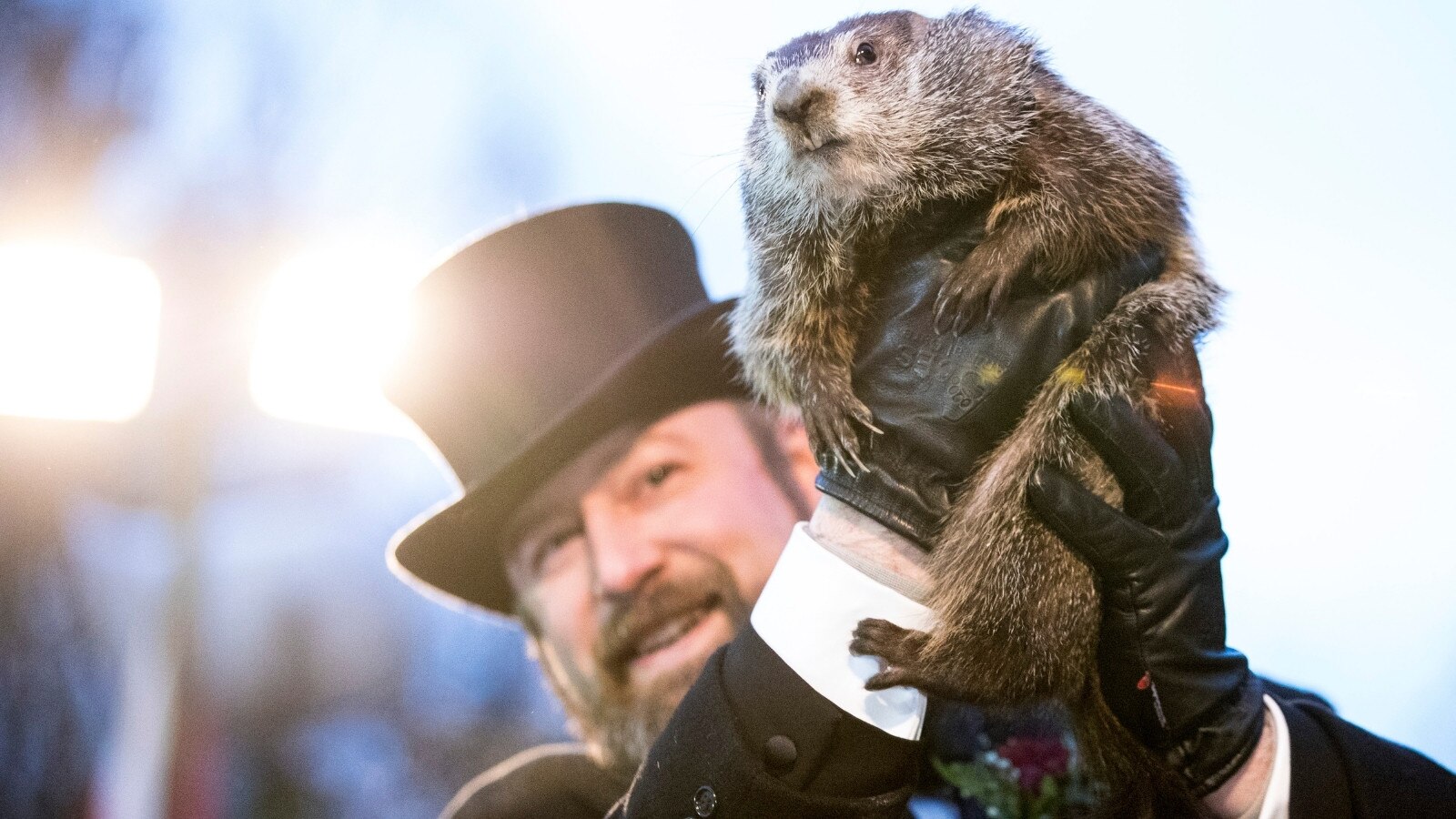
The article "The Origins and Meaning of Groundhog Day" from BBC's HistoryExtra explains the history and significance of Groundhog Day. It discusses how the tradition started, its roots in European festivals, and the role of Punxsutawney Phil in predicting the weather.
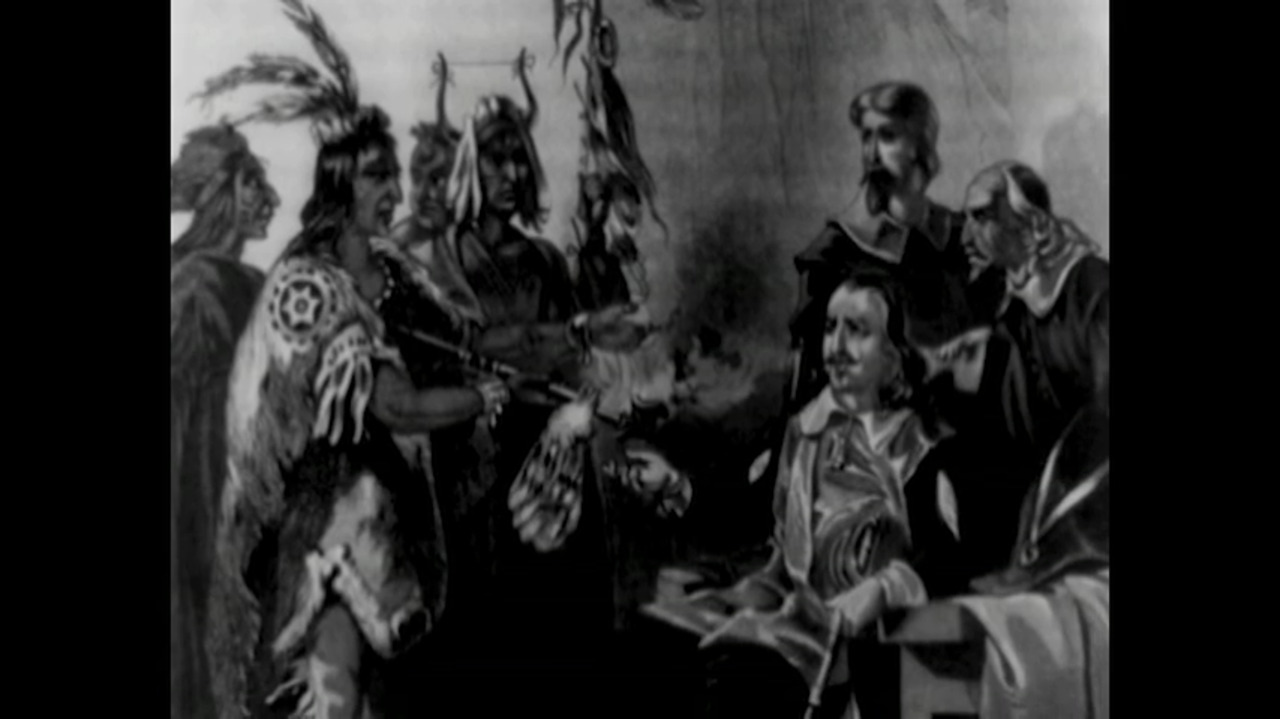
In The Iroquois Legacy, explore the complex relationship between Native Americans and European settlers. Long before the U.S. Constitution, the Iroquois created their own constitution and political system, influencing Founding Fathers like Benjamin Franklin and John Adams. Despite this influence, the Iroquois faced difficult relationships with European settlers, including conflicts over land and the eventual destruction of their alliance during the American Revolution. Many Iroquois were forced to flee to Canada, where their descendants still live today.

In Hamsters in the City, narrator Sir David Attenborough highlights European hamsters searching for food in Vienna's parks and cemeteries. Their preferred snacks are flowers, with candle wax for dessert. This video is excerpted from BBC’s Seven Worlds, One Planet, a series featuring remarkable animal behavior from all seven continents.
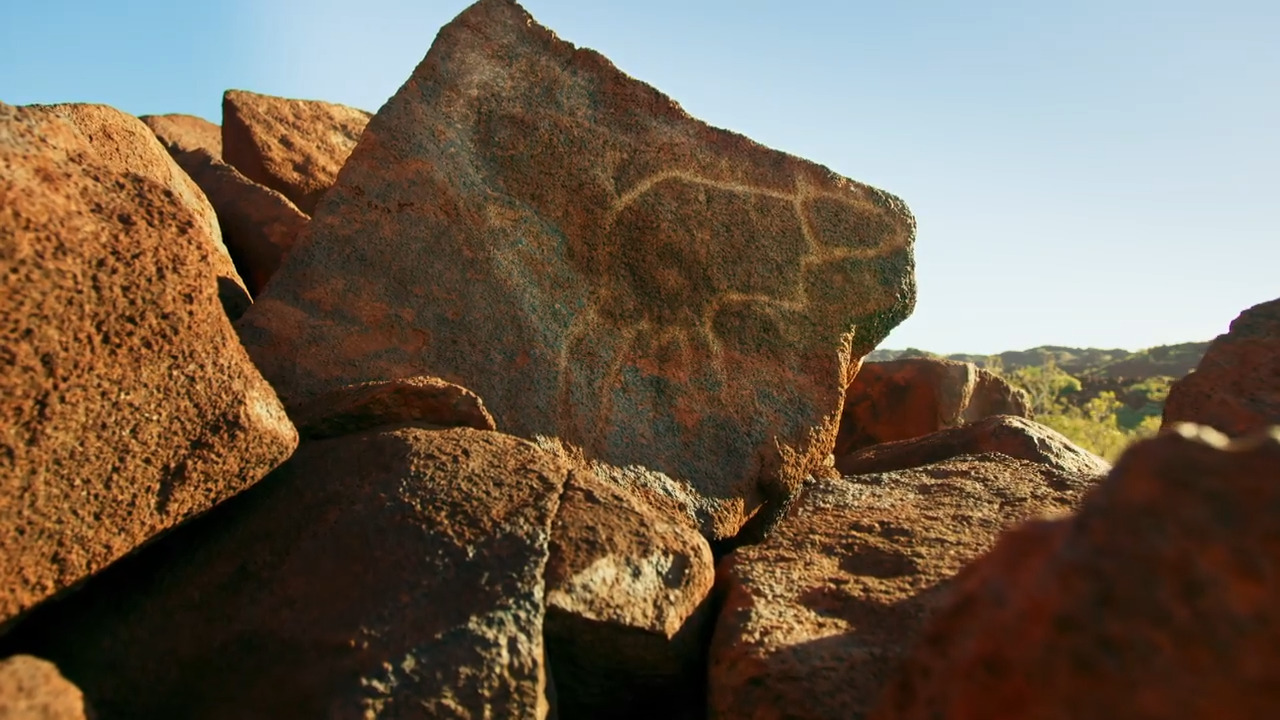
In The Disappearing Mammals of Australia, narrator Sir David Attenborough discusses animal images carved on stone by prehistoric humans. Then Europeans arrived and decimated the unique wildlife of Australia. The future of wildlife now depends on human intervention. This video is excerpted from BBC’s Seven Worlds, One Planet, a series featuring remarkable animal behavior from all seven continents.
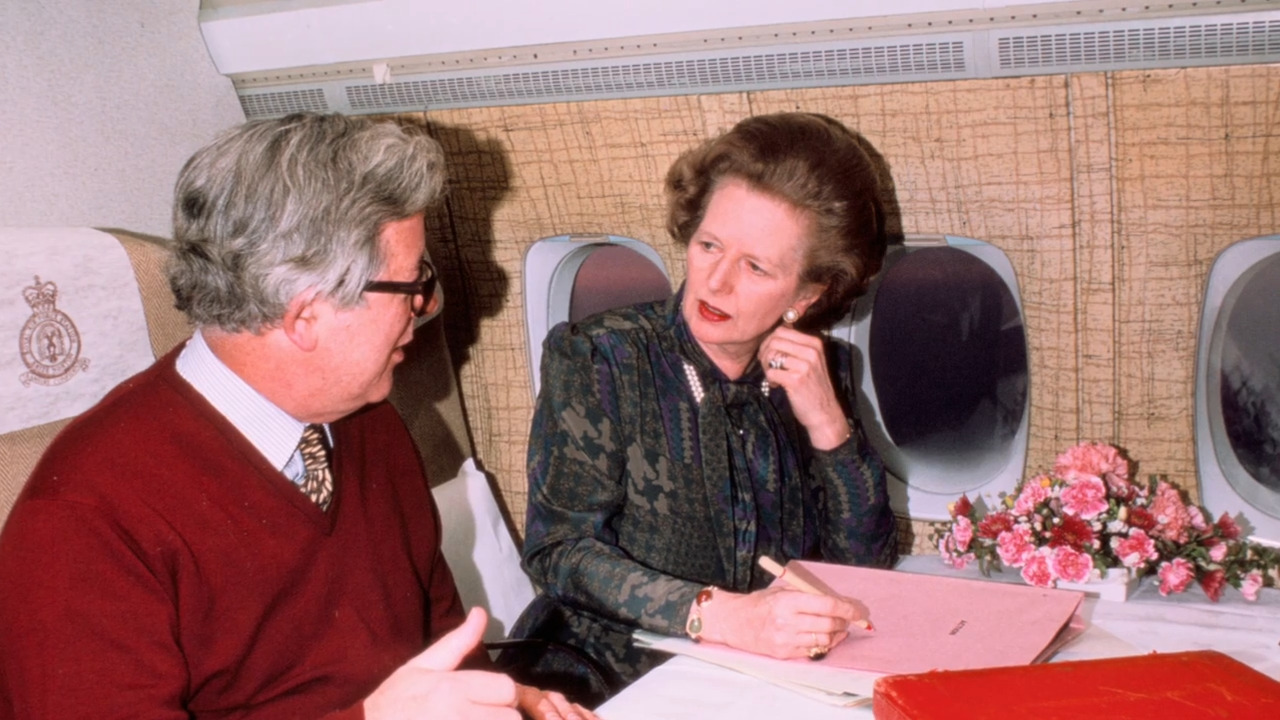
In Margaret Thatcher, Iron Lady, host Trevor McDonald explores the remarkable journey of Britain's first female prime minister. Thatcher's rise from modest beginnings to leading a major European economy was both revolutionary and divisive, as she shattered barriers of gender and class while introducing sweeping economic reforms. This video is excerpted from BBC’s Icons: The Greatest Person of the 20th Century, a documentary series celebrating the achievements of the most influential figures of the era
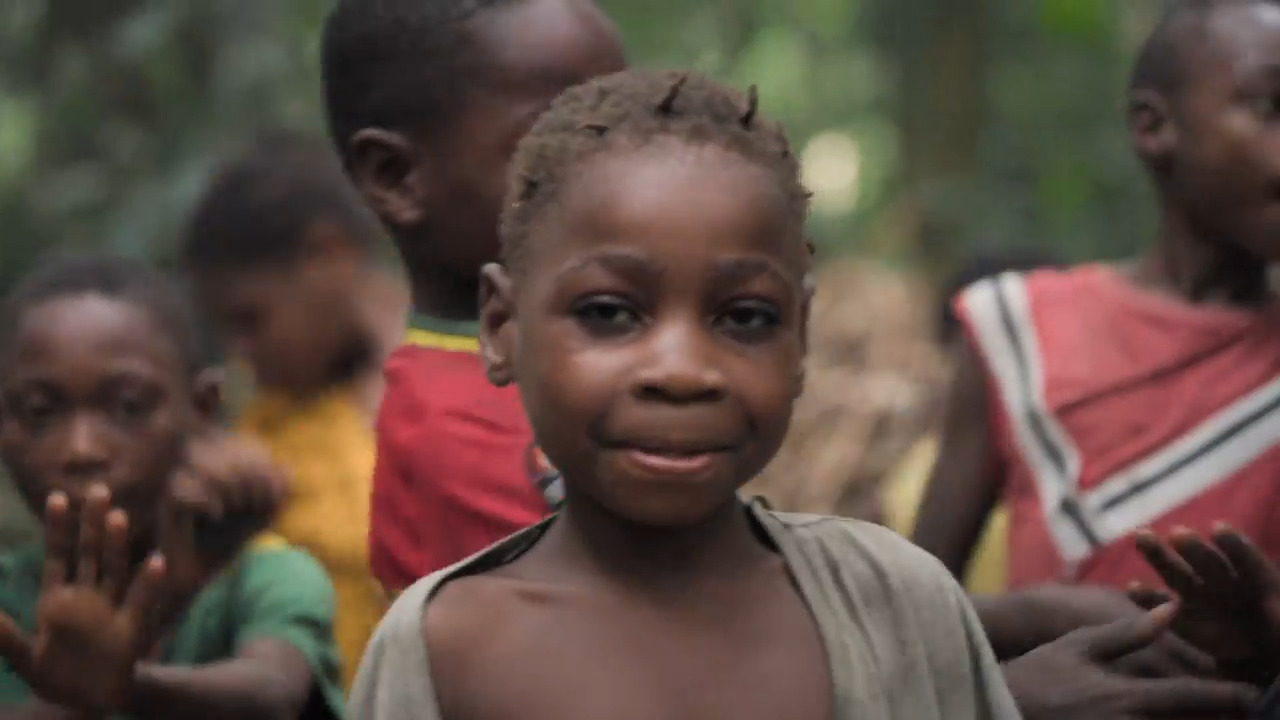
In The First People of the Congo, host Simon Reeve travels through the Congo and meets the Baka community, the first Indigenous people of the Congo Basin. The Baka people are skilled at building huts quickly, with the women doing most of the work while the men hunt. They live simply, taking only what they need from the forest and sharing everything with one another, a lifestyle that has survived despite the challenges they faced from European colonists. This video is excerpted from BBC’s Wilderness With Simon Reeve, an epic adventure into the heart of Earth’s last great wild areas, where nature is at its most beautiful and fragile.
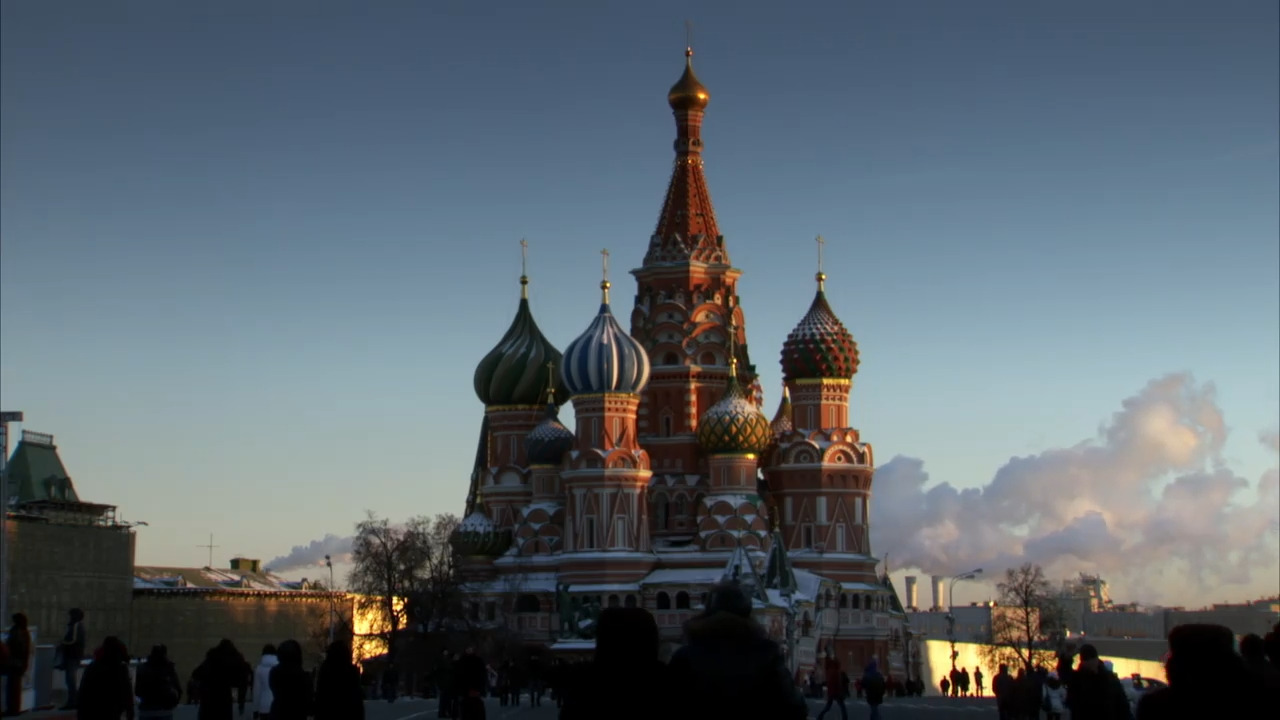
In Ivan the Terrible and Siberian Expansion, host Andrew Marr describes the Russia of the past as a poor country until a dip in global temperatures drove up the prices and the demand for fur pelts. Russian mercenaries ventured into Siberia where their superior European weapons helped them defeat local forces. This video is excerpted from BBC’s Andrew Marr's History of the World, a story of human history that uses reenactments, modern footage, and storytelling to explain history’s greatest achievements.
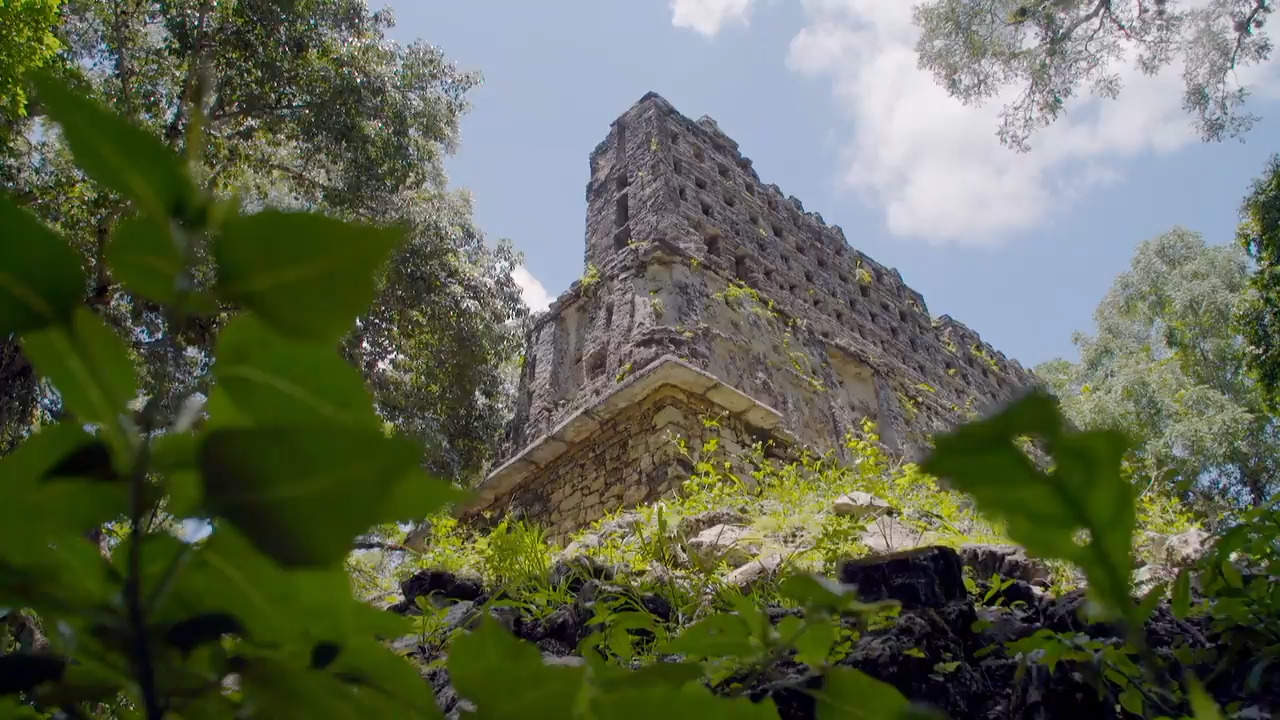
In Secrets of the Mayan Jungle, host Simon Reeve explores the ancient city of Yaxchilan in Mexico. Led by a guide from the Lacandon people — Mayan descendants — he learns how the jungle serves as both a food source and a pharmacy. Simon also uncovers how the arrival of Europeans changed life forever for Indigenous people, bringing devastating diseases that had a lasting impact. This video is excerpted from BBC’s The Americas With Simon Reeve, in which Simon Reeve explores the landscapes, cultures, and wildlife of North and South America.
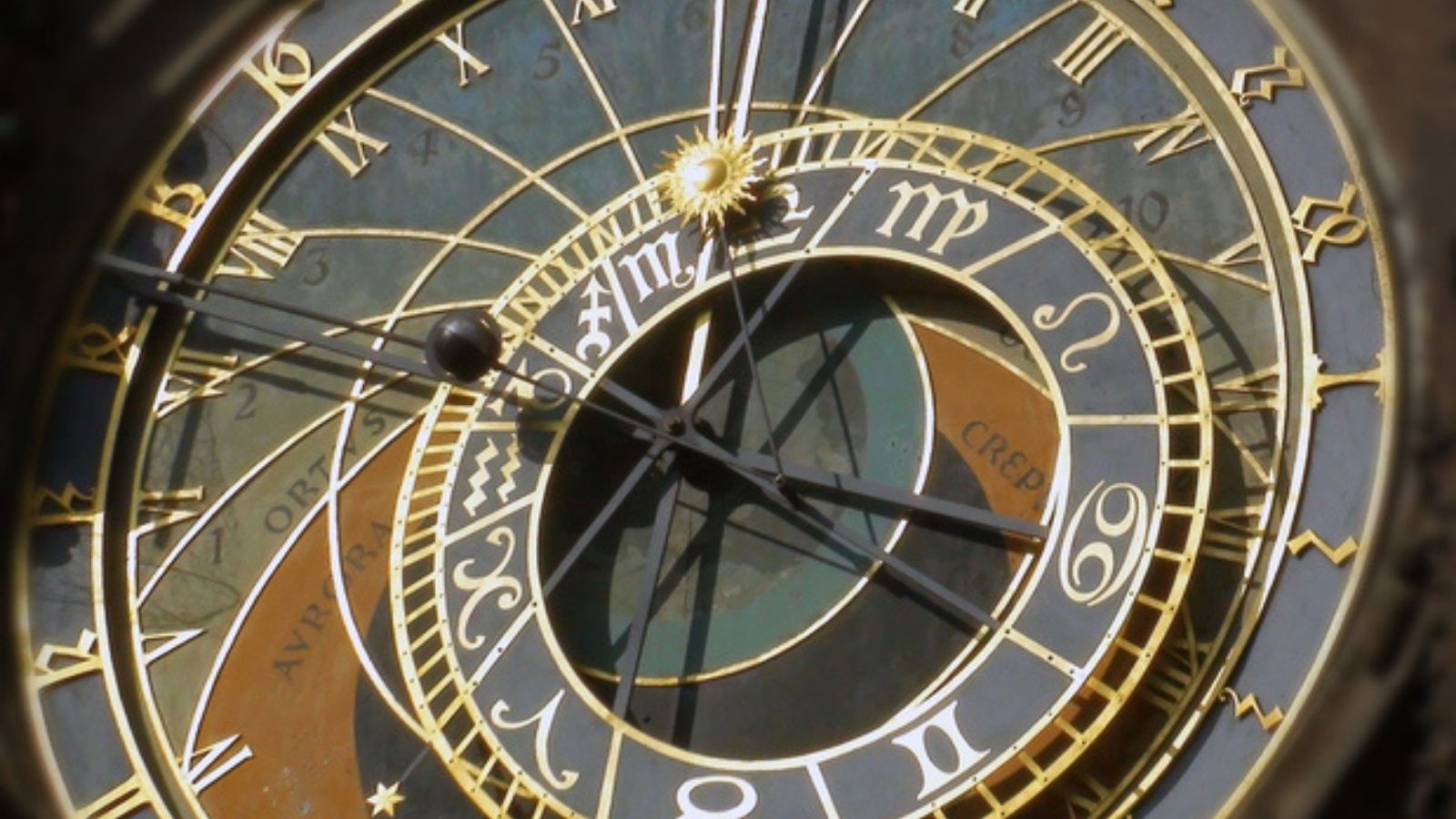
The article "How Scientists From Around the World Helped Shape Modern Science" from BBC's HistoryExtra explains how science in the 16th to 18th Centuries wasn't only shaped by famous Europeans like Copernicus or Newton. Thinkers from Asia, Africa, and the Americas also made important contributions.
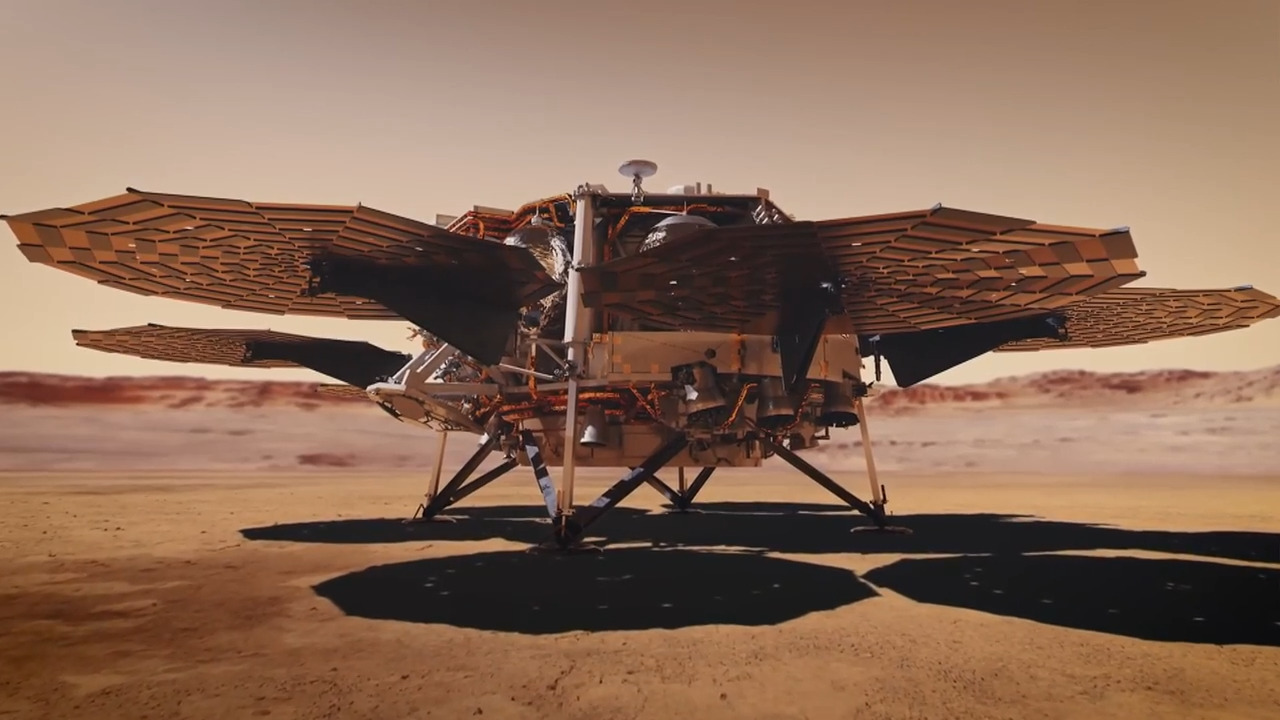
Mars may be cold and barren, but it might have supported life! At least, that’s what scientists think, after finding rocks with some very interesting spots. These markings, nicknamed “leopard spots” and “poppyseeds,” are minerals that could have been made by Martian microbes, early in the planet’s history. They were discovered by the Perseverance Rover, which has been exploring Mars since its 2021 landing.
The rover has been focused on Mars’s Jezero Crater, which used to be a huge lake with a river running into it before drying up billions of years ago. Now, Perseverance collects samples to analyze in its onboard lab! Car Bluetooth is cool but c’mon, it’s no analysis lab…
These rocks aren’t exactly the video diary of an alien’s day in the life on Mars, but they could be the clearest sign of life ever found on Mars, which is thought to be one of the most promising places in our Solar System to look for life outside of Earth. The only way to confirm if the minerals were made by microbes is to get them back to Earth, so NASA and the European Space Agency have proposed a mission to collect them. It’ll be expensive, but this could be the answer to if there was life on other planets!
In James Monroe, the Monroe Doctrine, and a Growing Nation, learn how President James Monroe led the United States during a period of rising national pride and optimism after the War of 1812. His administration obtained Florida from Spain, and in 1823, Monroe issued the Monroe Doctrine, declaring the Western Hemisphere closed to new European colonies while pledging U.S. neutrality in European conflicts. These actions helped establish the United States as a full-fledged nation, though the "Era of Good Feelings" would eventually come to a bitter end as political and sectional tensions resurfaced.
In Christine Lagarde, Titan of Finance, learn how Lagarde made history as the first woman to lead the International Monetary Fund and now serves as President of the European Central Bank. She shares stories about overcoming challenges in a male-dominated field, including being told she could never become a law firm partner simply because she was a woman. She worked tirelessly while raising two children, later earning their admiration for paving her own way. Lagarde believes that empowering women in finance and leadership will create prosperity for all. This video is excerpted from BBC's Her Story: The Female Revolution, which explores the history and impact of women’s rights movements and achievements of women.
The article "The Origins and Meaning of Groundhog Day" from BBC's HistoryExtra explains the history and significance of Groundhog Day. It discusses how the tradition started, its roots in European festivals, and the role of Punxsutawney Phil in predicting the weather.
In The Iroquois Legacy, explore the complex relationship between Native Americans and European settlers. Long before the U.S. Constitution, the Iroquois created their own constitution and political system, influencing Founding Fathers like Benjamin Franklin and John Adams. Despite this influence, the Iroquois faced difficult relationships with European settlers, including conflicts over land and the eventual destruction of their alliance during the American Revolution. Many Iroquois were forced to flee to Canada, where their descendants still live today.
In Hamsters in the City, narrator Sir David Attenborough highlights European hamsters searching for food in Vienna's parks and cemeteries. Their preferred snacks are flowers, with candle wax for dessert. This video is excerpted from BBC’s Seven Worlds, One Planet, a series featuring remarkable animal behavior from all seven continents.
In The Disappearing Mammals of Australia, narrator Sir David Attenborough discusses animal images carved on stone by prehistoric humans. Then Europeans arrived and decimated the unique wildlife of Australia. The future of wildlife now depends on human intervention. This video is excerpted from BBC’s Seven Worlds, One Planet, a series featuring remarkable animal behavior from all seven continents.
In Margaret Thatcher, Iron Lady, host Trevor McDonald explores the remarkable journey of Britain's first female prime minister. Thatcher's rise from modest beginnings to leading a major European economy was both revolutionary and divisive, as she shattered barriers of gender and class while introducing sweeping economic reforms. This video is excerpted from BBC’s Icons: The Greatest Person of the 20th Century, a documentary series celebrating the achievements of the most influential figures of the era
In The First People of the Congo, host Simon Reeve travels through the Congo and meets the Baka community, the first Indigenous people of the Congo Basin. The Baka people are skilled at building huts quickly, with the women doing most of the work while the men hunt. They live simply, taking only what they need from the forest and sharing everything with one another, a lifestyle that has survived despite the challenges they faced from European colonists. This video is excerpted from BBC’s Wilderness With Simon Reeve, an epic adventure into the heart of Earth’s last great wild areas, where nature is at its most beautiful and fragile.
In Ivan the Terrible and Siberian Expansion, host Andrew Marr describes the Russia of the past as a poor country until a dip in global temperatures drove up the prices and the demand for fur pelts. Russian mercenaries ventured into Siberia where their superior European weapons helped them defeat local forces. This video is excerpted from BBC’s Andrew Marr's History of the World, a story of human history that uses reenactments, modern footage, and storytelling to explain history’s greatest achievements.
In Secrets of the Mayan Jungle, host Simon Reeve explores the ancient city of Yaxchilan in Mexico. Led by a guide from the Lacandon people — Mayan descendants — he learns how the jungle serves as both a food source and a pharmacy. Simon also uncovers how the arrival of Europeans changed life forever for Indigenous people, bringing devastating diseases that had a lasting impact. This video is excerpted from BBC’s The Americas With Simon Reeve, in which Simon Reeve explores the landscapes, cultures, and wildlife of North and South America.
The article "How Scientists From Around the World Helped Shape Modern Science" from BBC's HistoryExtra explains how science in the 16th to 18th Centuries wasn't only shaped by famous Europeans like Copernicus or Newton. Thinkers from Asia, Africa, and the Americas also made important contributions.
Mars may be cold and barren, but it might have supported life! At least, that’s what scientists think, after finding rocks with some very interesting spots. These markings, nicknamed “leopard spots” and “poppyseeds,” are minerals that could have been made by Martian microbes, early in the planet’s history. They were discovered by the Perseverance Rover, which has been exploring Mars since its 2021 landing.
The rover has been focused on Mars’s Jezero Crater, which used to be a huge lake with a river running into it before drying up billions of years ago. Now, Perseverance collects samples to analyze in its onboard lab! Car Bluetooth is cool but c’mon, it’s no analysis lab…
These rocks aren’t exactly the video diary of an alien’s day in the life on Mars, but they could be the clearest sign of life ever found on Mars, which is thought to be one of the most promising places in our Solar System to look for life outside of Earth. The only way to confirm if the minerals were made by microbes is to get them back to Earth, so NASA and the European Space Agency have proposed a mission to collect them. It’ll be expensive, but this could be the answer to if there was life on other planets!