
The article "Diners Enjoy World’s First Restaurant Meal Made From Lab-Grown Meat" from BBC's Science Focus details a historic event where Singapore's 1880 restaurant served cultured chicken developed by Eat Just. This milestone in the food industry showcased a sustainable alternative to traditional meat, aiming to reduce environmental impact and animal slaughter.

Since 2022, many big restaurant chains in the UK have started showing calorie counts right on their menus. It only takes a small amount of space, but it’s sparked a lot of opinions.
Some people think it’s really helpful. If you’re trying to understand what you’re eating or make choices that fit your goals, seeing the numbers can make things clearer. It can also help people eat out with friends without feeling like they’re totally guessing.
But others say it can have a downside. For some people, especially those who already feel stressed about food, seeing calorie numbers can make meals feel less enjoyable or even a bit stressful. Instead of focusing on taste, sharing, or just enjoying food, it can shift attention to the numbers.
Research suggests that calorie labels might slightly change what people order — by about 2% fewer calories on average per meal. That’s only a small difference per meal, but over time, small changes can add up.
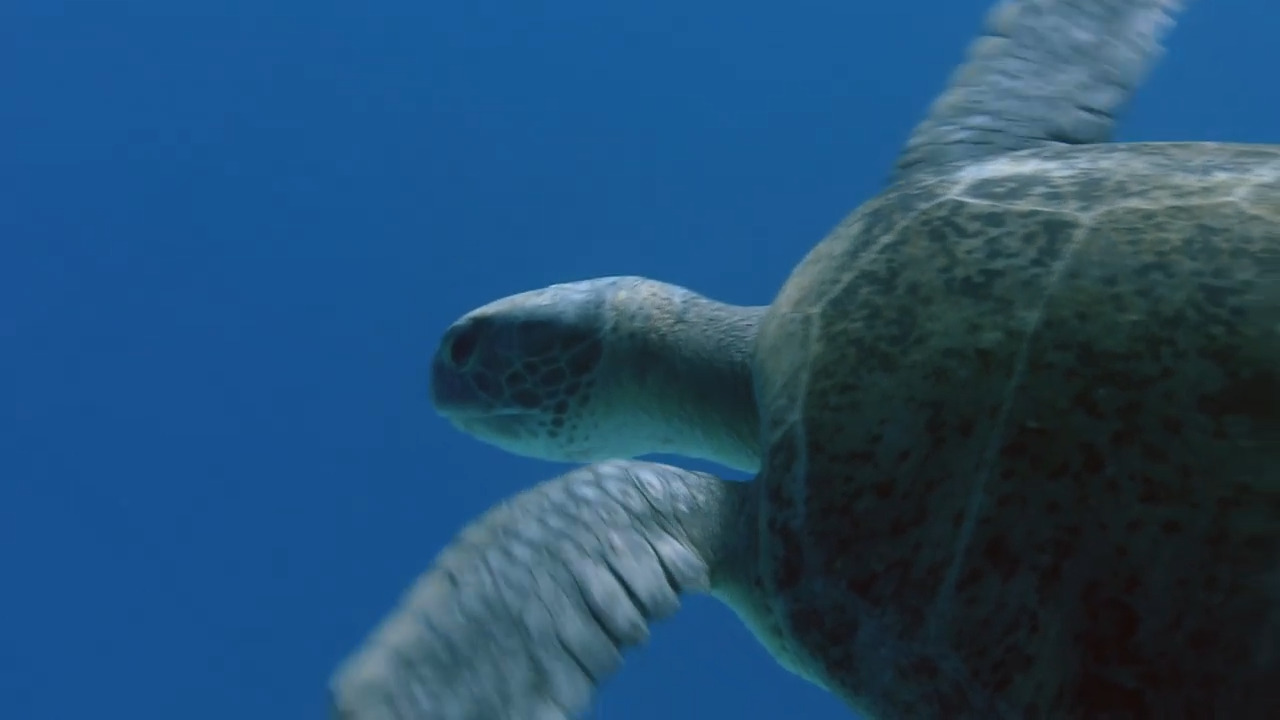
In Turtles on Ascension Island, narrator David Attenborough highlights the green sea turtles that travel incredible distances to lay their eggs on the beaches of Ascension Island. A female turtle may swim over 1,000 miles from her feeding grounds without eating for two months. At night, female turtles come ashore to nest, while eggs laid earlier in the season begin to hatch. Newly hatched turtles must quickly reach the ocean to avoid predators. However, their journey is just beginning — most will not survive the next 20 years. Yet, those that do will return to the same beach where they were born, guided by an instinct that scientists still do not fully understand. This video is excerpted from BBC’s Planet Earth, a breathtaking documentary series that highlights the natural wonders of our planet.

The article "A Healthy Diet Could Reduce the Symptoms of Depression" from BBC's Science Focus explains that dietary changes can reduce depression symptoms in just three weeks. A study in Australia found that young adults who switched to a diet rich in fruits, vegetables, fish, and lean meats showed significant improvement in mood compared with those who continued eating processed foods.
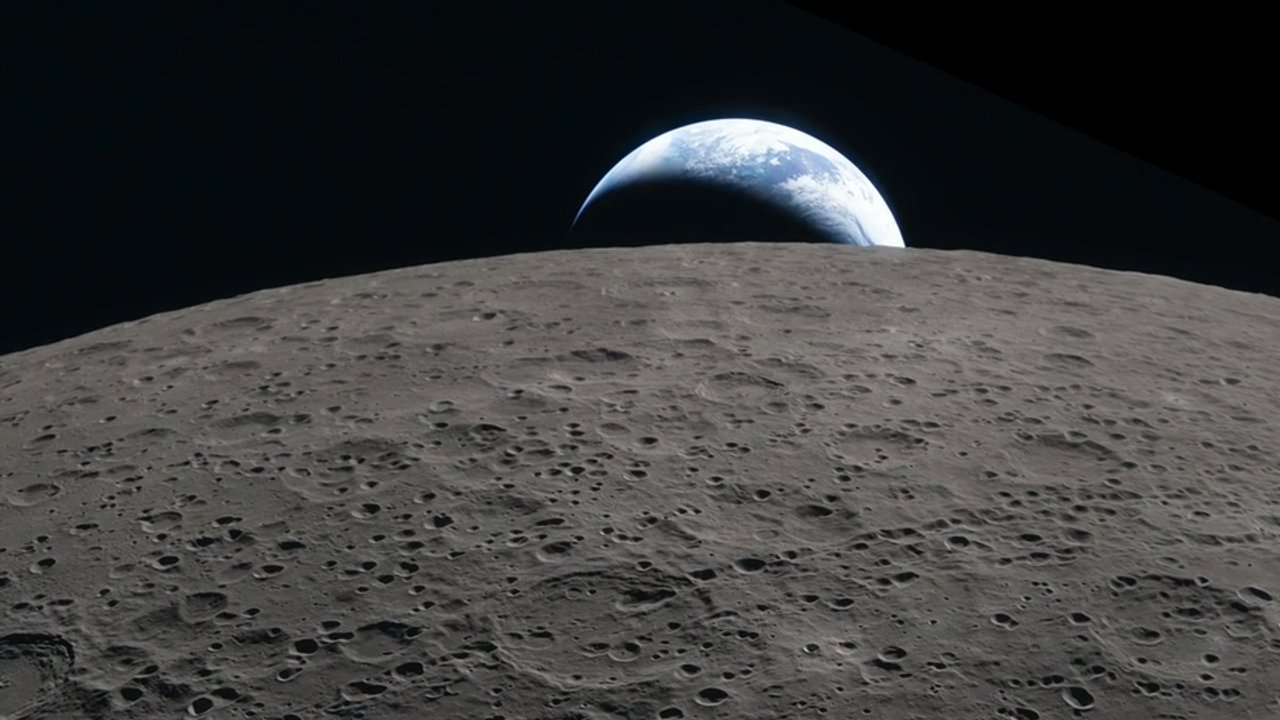
After a historic 10-day mission around the Moon — the first time humans have traveled so far into space since the 70s — the Artemis II crew came away with crucial knowledge: appreciate doors on bathrooms.
Commander Reid Wiseman dished on some other reflections about the trip. For example, the crew didn’t even realize what a big deal this was to people on Earth and didn’t hear much of the news until they talked to their families a few days into the mission. We suppose that’s what happens when you literally have your head in the clouds.
Not only was the journey unforgettable for science, but it was also personally significant for the crew members. One of the most powerful moments came when astronaut Jeremy Hansen named a lunar crater after Wiseman’s late wife, Carroll, a pivotal moment that solidified the crew’s bond.
But that bond wasn’t just to make things more fun — getting along in space is actually a matter of safety, and life inside a spacecraft requires serious teamwork. Think about sharing a room with a stinky sibling or living with a roommate who keeps eating your snacks. Now imagine that, in a room one-fifth the size and no way to escape! The astronauts lived, slept, and worked in extremely close quarters, so it was important to deal with disagreements immediately instead of letting tension build.
As exciting as it was to orbit the Moon, the return to Earth may have been just as intense. The crew re-entered the atmosphere at about 39 times the speed of sound. That’s about 30,000 miles per hour. They experienced forces of about four times normal gravity — about what you feel during the most intense parts of a roller coaster, but the astronauts felt this way for about 13 minutes. Nonstop! And that’s all before parachuting into the Pacific Ocean. All that probably makes it just a little more exhilarating than your bus ride to school.

At the Weald & Downland Living Museum, a group of volunteers has stepped straight into the year 1461 — and they’re sticking to it. That means no electricity, no central heating, no phones, and no modern conveniences.
They’re living, working, eating, and sleeping the medieval way: cooking over open fires, coping with cold and damp conditions, and adjusting to just two simple meals a day (including a lot of porridge). There’s no caffeine, no snacks, and definitely no scrolling.
It’s a tough experiment in historical living — but one surprising takeaway so far? They don’t miss their phones as much as they expected.
The article "Diners Enjoy World’s First Restaurant Meal Made From Lab-Grown Meat" from BBC's Science Focus details a historic event where Singapore's 1880 restaurant served cultured chicken developed by Eat Just. This milestone in the food industry showcased a sustainable alternative to traditional meat, aiming to reduce environmental impact and animal slaughter.
Since 2022, many big restaurant chains in the UK have started showing calorie counts right on their menus. It only takes a small amount of space, but it’s sparked a lot of opinions.
Some people think it’s really helpful. If you’re trying to understand what you’re eating or make choices that fit your goals, seeing the numbers can make things clearer. It can also help people eat out with friends without feeling like they’re totally guessing.
But others say it can have a downside. For some people, especially those who already feel stressed about food, seeing calorie numbers can make meals feel less enjoyable or even a bit stressful. Instead of focusing on taste, sharing, or just enjoying food, it can shift attention to the numbers.
Research suggests that calorie labels might slightly change what people order — by about 2% fewer calories on average per meal. That’s only a small difference per meal, but over time, small changes can add up.
In Turtles on Ascension Island, narrator David Attenborough highlights the green sea turtles that travel incredible distances to lay their eggs on the beaches of Ascension Island. A female turtle may swim over 1,000 miles from her feeding grounds without eating for two months. At night, female turtles come ashore to nest, while eggs laid earlier in the season begin to hatch. Newly hatched turtles must quickly reach the ocean to avoid predators. However, their journey is just beginning — most will not survive the next 20 years. Yet, those that do will return to the same beach where they were born, guided by an instinct that scientists still do not fully understand. This video is excerpted from BBC’s Planet Earth, a breathtaking documentary series that highlights the natural wonders of our planet.
The article "A Healthy Diet Could Reduce the Symptoms of Depression" from BBC's Science Focus explains that dietary changes can reduce depression symptoms in just three weeks. A study in Australia found that young adults who switched to a diet rich in fruits, vegetables, fish, and lean meats showed significant improvement in mood compared with those who continued eating processed foods.
After a historic 10-day mission around the Moon — the first time humans have traveled so far into space since the 70s — the Artemis II crew came away with crucial knowledge: appreciate doors on bathrooms.
Commander Reid Wiseman dished on some other reflections about the trip. For example, the crew didn’t even realize what a big deal this was to people on Earth and didn’t hear much of the news until they talked to their families a few days into the mission. We suppose that’s what happens when you literally have your head in the clouds.
Not only was the journey unforgettable for science, but it was also personally significant for the crew members. One of the most powerful moments came when astronaut Jeremy Hansen named a lunar crater after Wiseman’s late wife, Carroll, a pivotal moment that solidified the crew’s bond.
But that bond wasn’t just to make things more fun — getting along in space is actually a matter of safety, and life inside a spacecraft requires serious teamwork. Think about sharing a room with a stinky sibling or living with a roommate who keeps eating your snacks. Now imagine that, in a room one-fifth the size and no way to escape! The astronauts lived, slept, and worked in extremely close quarters, so it was important to deal with disagreements immediately instead of letting tension build.
As exciting as it was to orbit the Moon, the return to Earth may have been just as intense. The crew re-entered the atmosphere at about 39 times the speed of sound. That’s about 30,000 miles per hour. They experienced forces of about four times normal gravity — about what you feel during the most intense parts of a roller coaster, but the astronauts felt this way for about 13 minutes. Nonstop! And that’s all before parachuting into the Pacific Ocean. All that probably makes it just a little more exhilarating than your bus ride to school.
At the Weald & Downland Living Museum, a group of volunteers has stepped straight into the year 1461 — and they’re sticking to it. That means no electricity, no central heating, no phones, and no modern conveniences.
They’re living, working, eating, and sleeping the medieval way: cooking over open fires, coping with cold and damp conditions, and adjusting to just two simple meals a day (including a lot of porridge). There’s no caffeine, no snacks, and definitely no scrolling.
It’s a tough experiment in historical living — but one surprising takeaway so far? They don’t miss their phones as much as they expected.