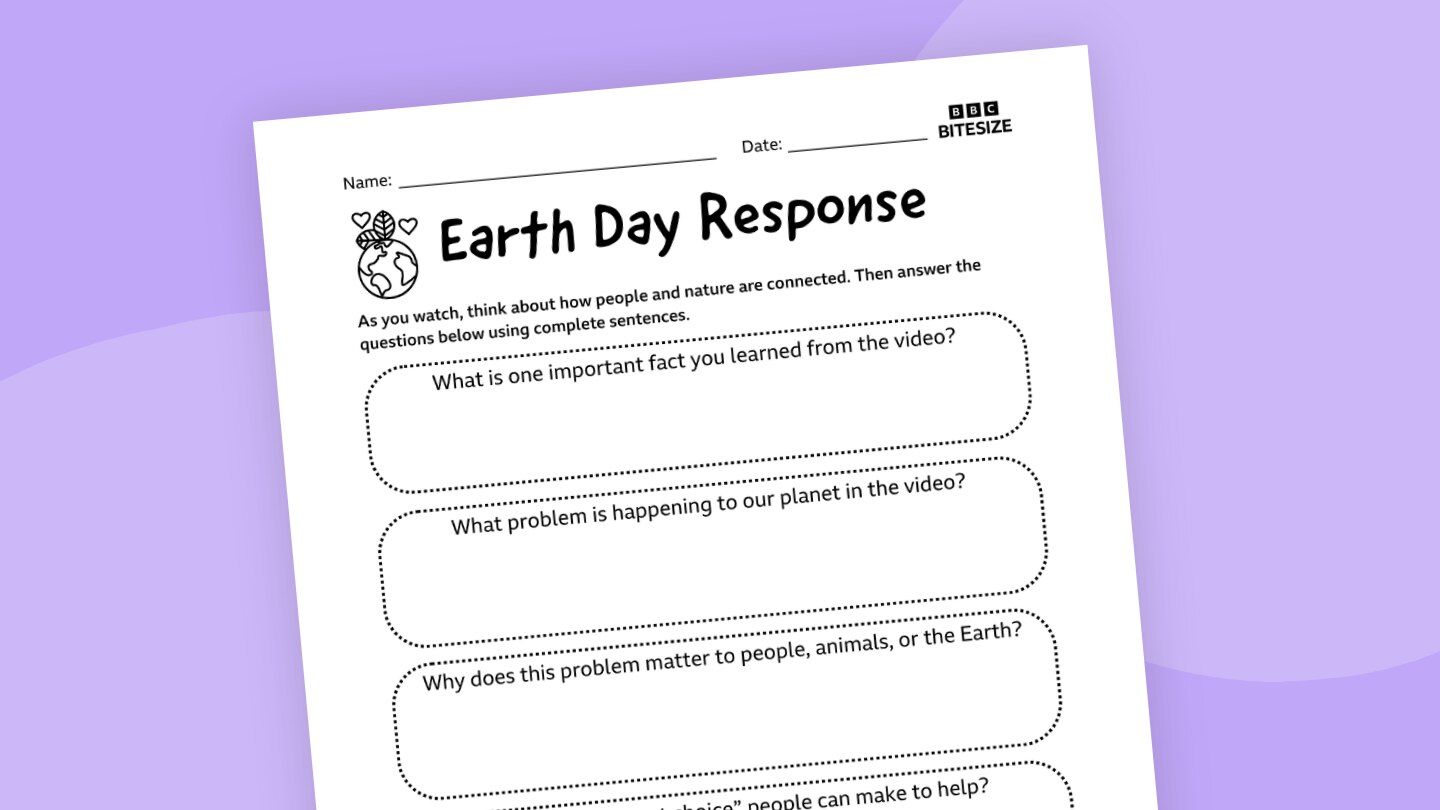
Earth Day is April 20, and we’re celebrating all month long with engaging activities — like our Earth Day video response worksheet! Start by choosing one of the incredible BBC videos from our Earth Day Collection, featuring topics like protecting our planet, innovative ideas for a better future, and inspiring conservation stories.
After watching, have your Grade 3–8 students complete the worksheet questions. You can also give students the option to choose their own video — either from the collection or another relevant clip in our extensive library — since the worksheet is designed to work with any selection.
It’s a simple, meaningful way to spark curiosity and help students connect with real-world environmental issues.
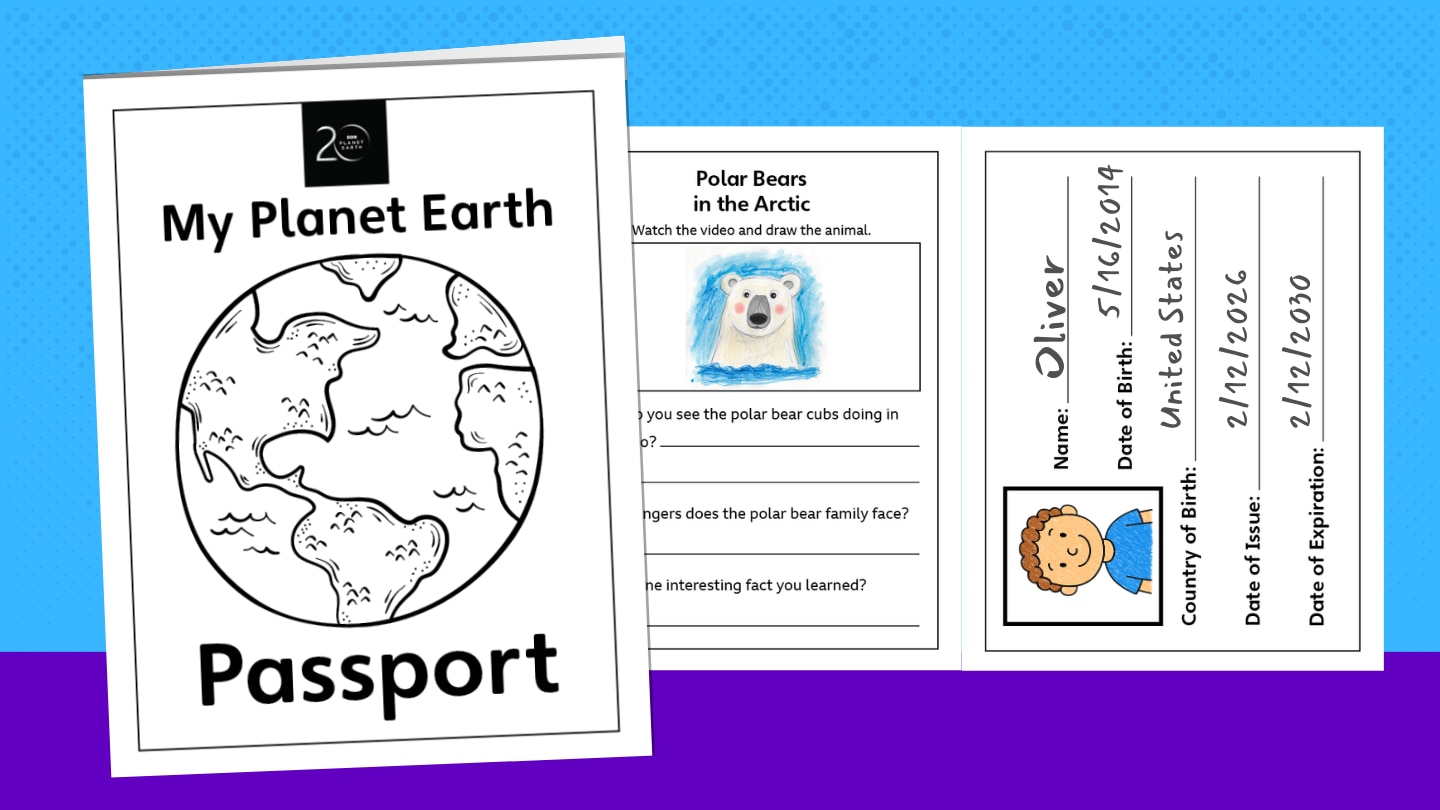
This Planet Earth Passport is your students' perfect guide (just right for ages 8–11) to exploring some of the most-watched videos clips from the iconic BBC series Planet Earth. And it's right in time for Earth Day on April 22!
You can take part by showing your class our playlist of eight amazing animal videos and using our passport as a companion. Students will follow the map to each location and answer questions at each stop. They'll explore:
- Polar Bears in Antarctica
- Bobcats in the Rocky Mountains
- Catfish in France
- Marine Iguanas in the Galápagos
- Cave Swiftlets in Borneo
- Mouse Lemurs in Madagascar
- Dolphins in Western Australia
- Emperor Penguins in Antarctica
To make copies of the passport, print on both sides flipped on the long edge. Make sure you collate and then cut them in half (there are two passports per set).
This Earth Day (or anytime this month), share this inspiring video playlist designed to spark curiosity and action in students ages 8–14. From incredible wildlife conservation stories to real-world environmental solutions, each clip invites students to explore the beauty of our planet — and the challenges it faces.
Get a closer look at how forests support life on Earth, discover innovative ideas like renewable energy, and meet the people working to protect endangered species and restore habitats. Along the way, students will see how small choices can make a big difference for our world.
Packed with powerful moments and meaningful learning, this playlist encourages students not just to learn about the Earth — but to think about how they can help protect it.
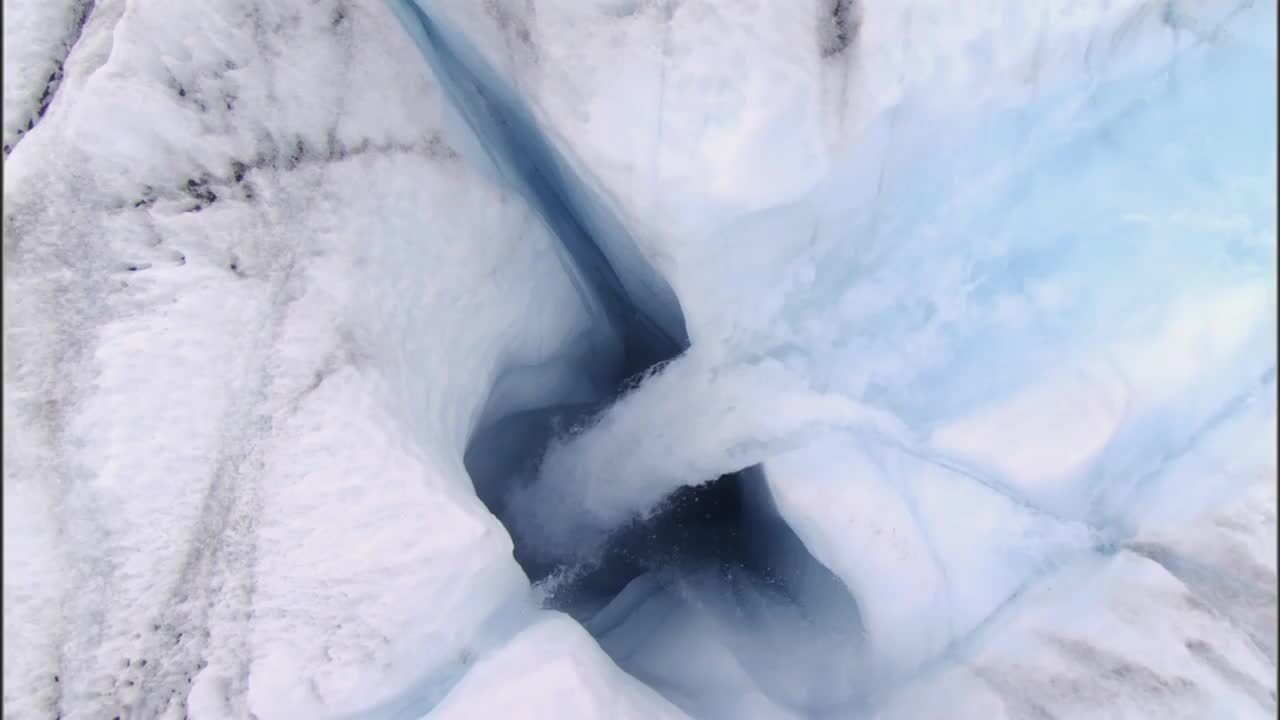
In Can We Stop the Glacier Melt?, geologist Iain Stewart explains the crucial role ice plays in our planet’s climate and how it’s being affected by global warming. Scientists are studying Greenland's massive Jakobshavn Glacier to understand how the ice is melting and the impact that has on rising sea levels. Over just the last few decades, the glacier has retreated significantly, and if Greenland's ice melts completely, it could raise sea levels by 23 feet (7 meters), threatening places like London and Florida. This video is excerpted from BBC’s Earth: The Power of the Planet, a documentary series in which Dr. Iain Stewart discovers how Earth's forces can shape nature, species, and even the climate.
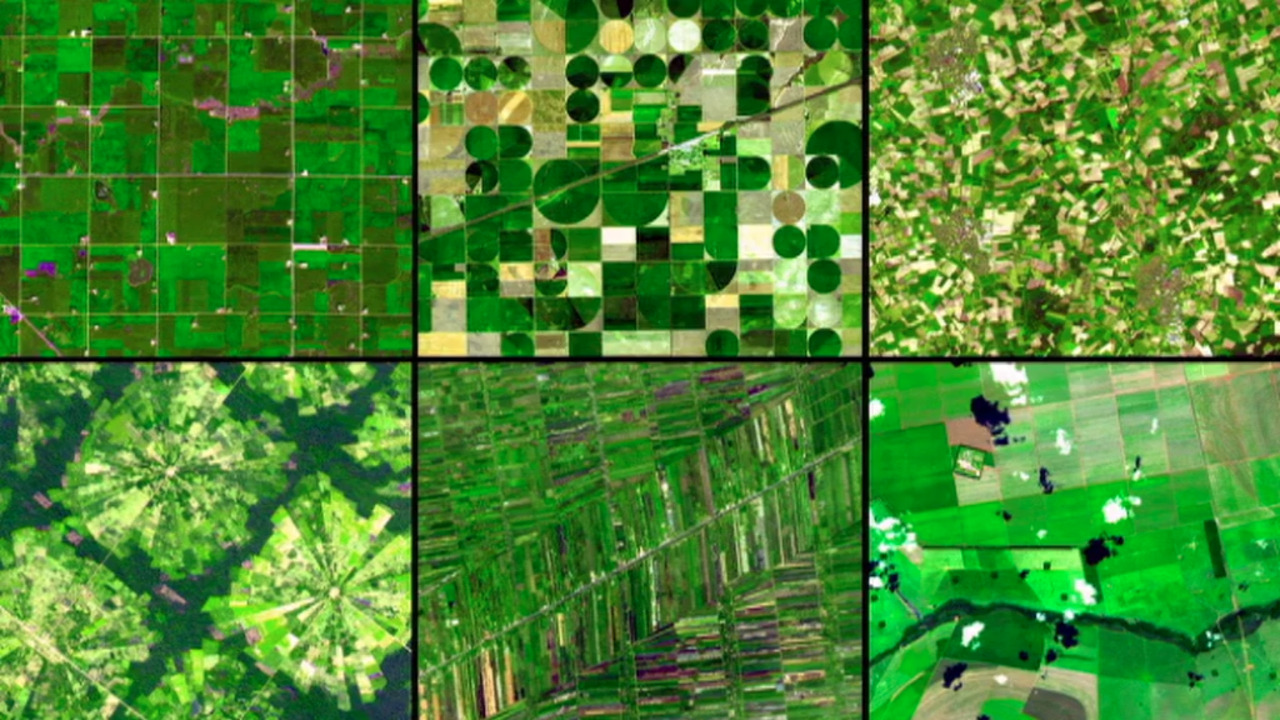
In Making Smart Choices for Our Planet, narrator Sir David Attenborough explains how important it is to understand and take care of the natural world as we rely on it for things like air, food, and even our happiness. As the world’s population grows, we are using more and more resources like water and food sources, which could lead to problems in the future. But there’s hope! If we use science and technology wisely, we can make better choices and live more sustainably, helping the Earth for future generations. This video is excerpted from BBC’s Horizon: How Many People Can Live on Planet Earth?, which explores the challenges of supporting a growing global population.
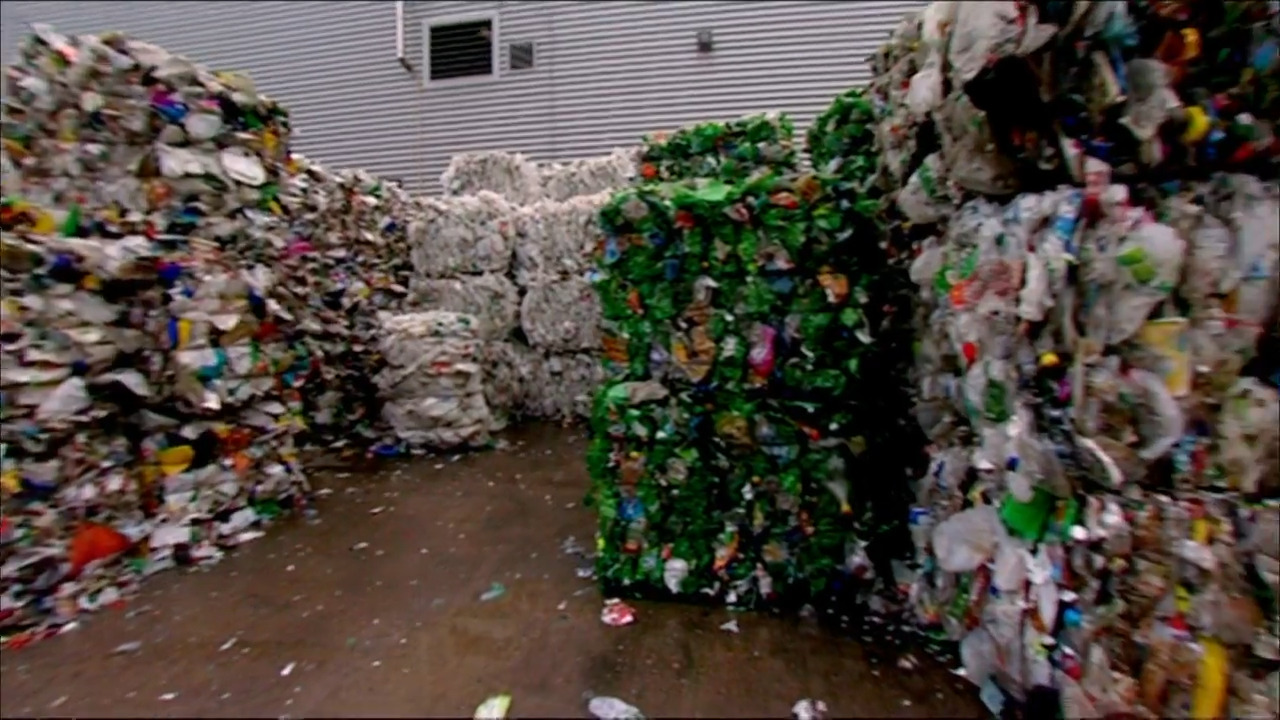
In Inside a Super Recycling Plant, plastic is everywhere, and while it’s bad for wildlife, many people wonder — how bad is it for us? Every year, millions of tons of plastic end up in landfills, but new technology is making recycling more effective. At a cutting-edge plant, 5 million plastic bottles are cleaned, chopped up, and turned into brand-new, food-safe bottles every day — without any waste! This process gives old plastic a fresh start and shows progress in tackling the massive plastic problem. This video is excerpted from BBC’s Bang Goes the Theory, a series that delves into the ways science impacts our lives and shapes the world we experience every day.
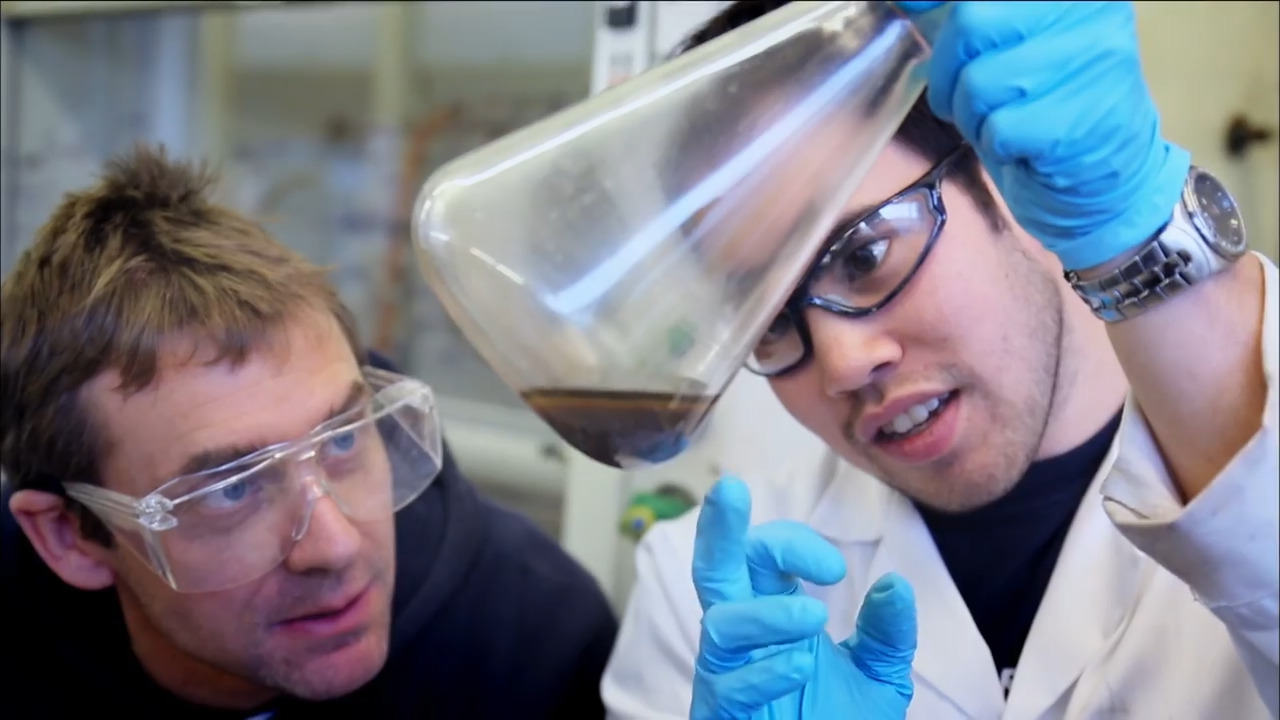
In Turning Plastic Waste Into Diesel Fuel, dive into the world of crude oil and how it's used to make plastic through a process that creates long chains called polymers. Jem tries to turn waste plastic back into something useful: diesel fuel! Using a hot, oxygen-free oven, he cooks the plastic to turn it into liquid fuel, and with help from chemists, he successfully gets a car to run on the diesel made from waste plastic. It’s a cool experiment showing how we can recycle plastic into something powerful! This video is excerpted from BBC’s Bang Goes the Theory, a series that delves into the ways science impacts our lives and shapes the world we experience every day.
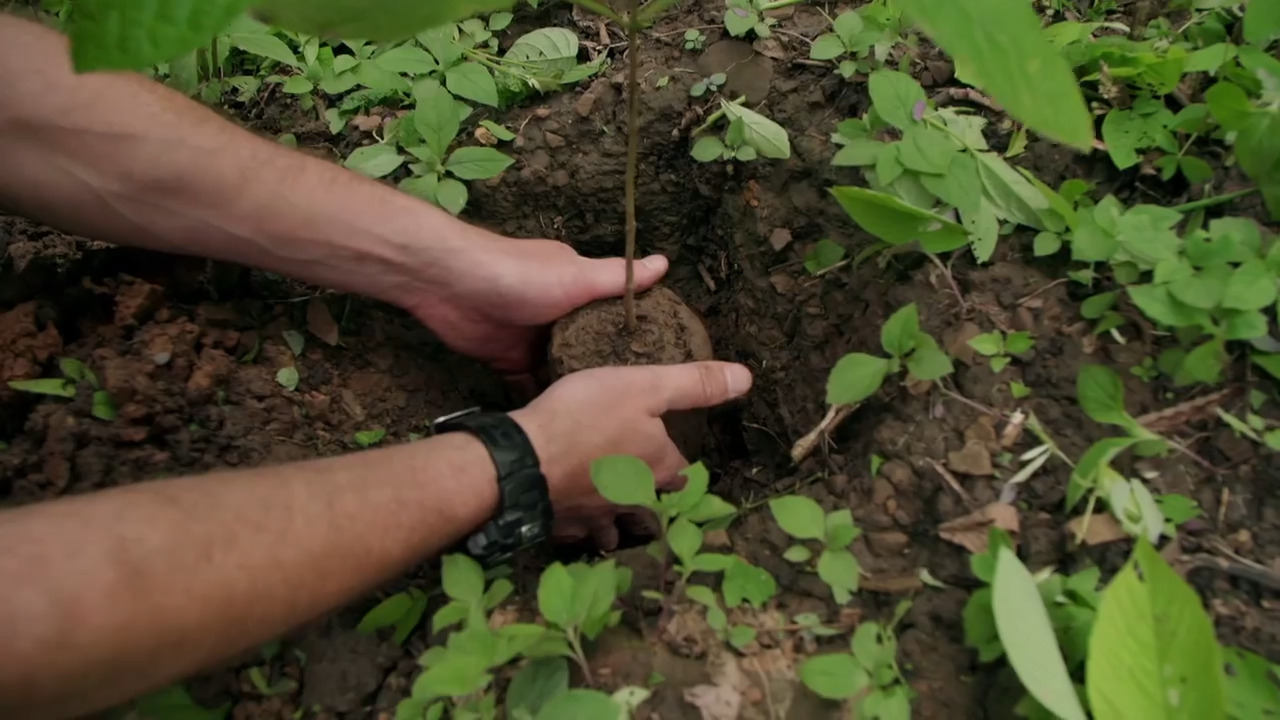
In Hope for the Future, host Simon Reeve travels to a rewilding project in Montana and is encouraged by visible hope in the fight to slow climate change. This video is excerpted from BBC's Incredible Journeys With Simon Reeve, a series that highlights one journalist’s travels across the globe and the diverse cultures and peoples he meets along the way.
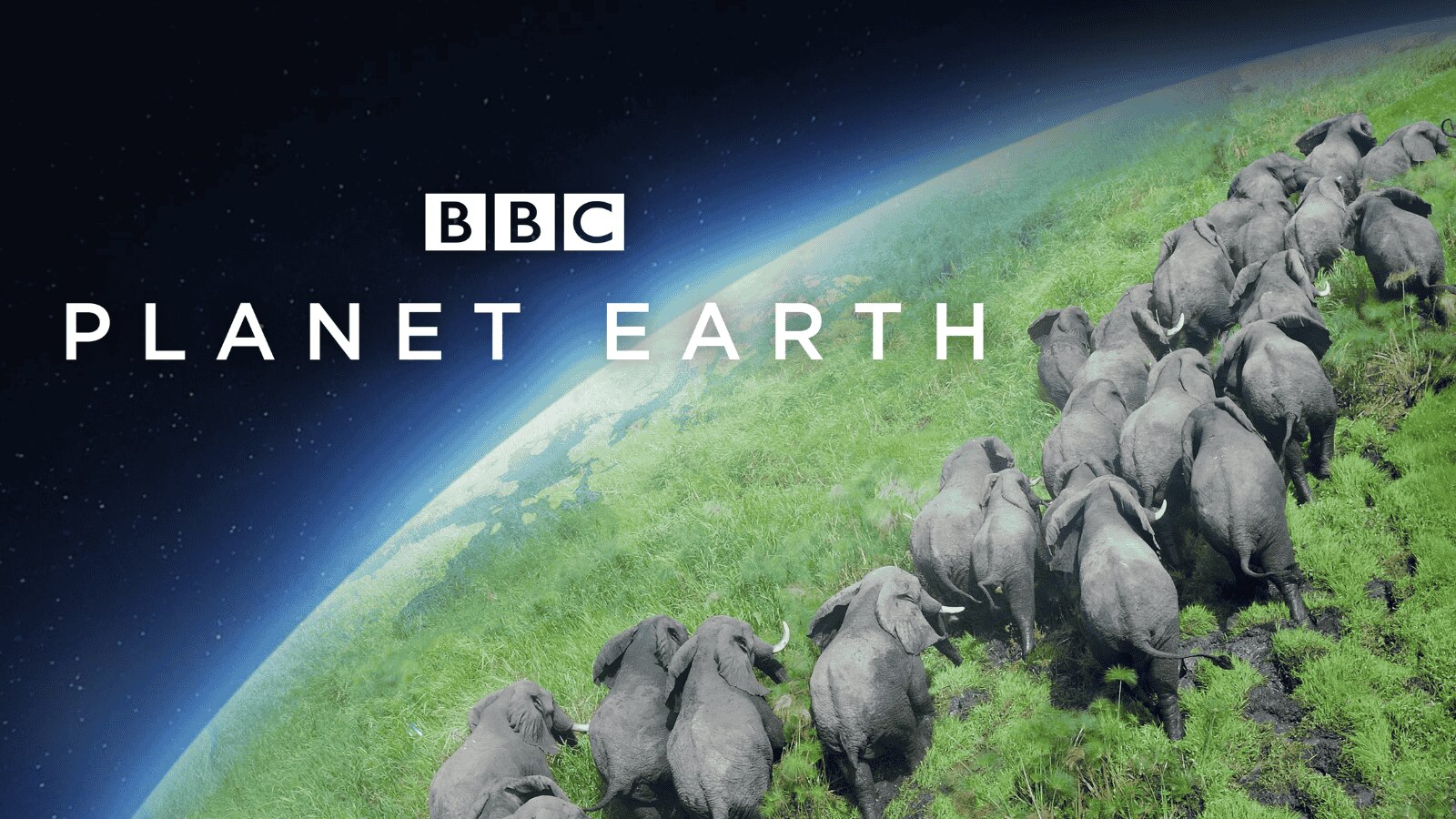
March 5, 2026, marks the 20th anniversary of premiere of BBC's Planet Earth (and it's just in time for Earth Day on April 22, too!). The breathtaking and award-winning documentary series, narrated by none other than Sir David Attenborough, highlights the natural wonders of our planet. In honor of this momentous occasion, we've put together some of the most popular clips from this beloved natural history show for students ages 8–14.
Get up close and personal with hydroplaning dolphins. Witness an iguana hatchling's terrifying race to survive, pursued by racer snakes. Watch the first steps of two polar bear cubs emerging from hibernation. More of the real-life magic of our blue marble awaits in this video playlist, part of our Planet Earth Collection. Grab your Planet Earth Passport and start exploring!
A total lunar eclipse happens when the Earth moves directly between the Sun and the Moon, blocking sunlight from reaching the Moon’s surface. During the eclipse, the Moon can appear dark red or copper-colored as sunlight bends through Earth’s atmosphere.
Even though the Moon travels around Earth about every 28 days, total lunar eclipses are rare. That’s because the Moon’s orbit is tilted slightly, so most months, the Moon passes a little above or below Earth’s shadow instead of through it. Only every six months or so are the Sun, Earth, and Moon lined up closely enough for a possible lunar eclipse.
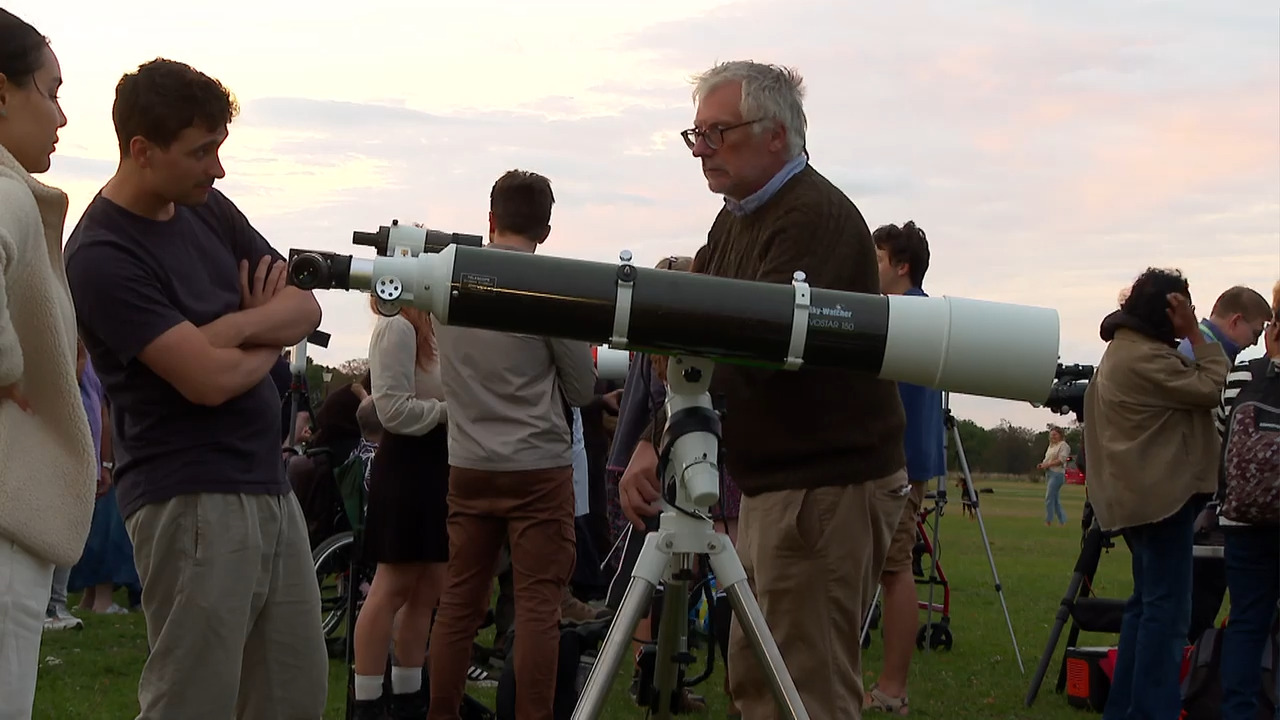
Last September, millions of people around the world watched the rare event during organized watch parties and backyard gatherings. Astronomers encouraged people to bring blankets, snacks, and telescopes to enjoy the nighttime spectacle together. While cloudy skies blocked views in some places, observers across parts of Africa, Asia, the Middle East, and Australia were able to see the eclipse from beginning to end under clear skies.
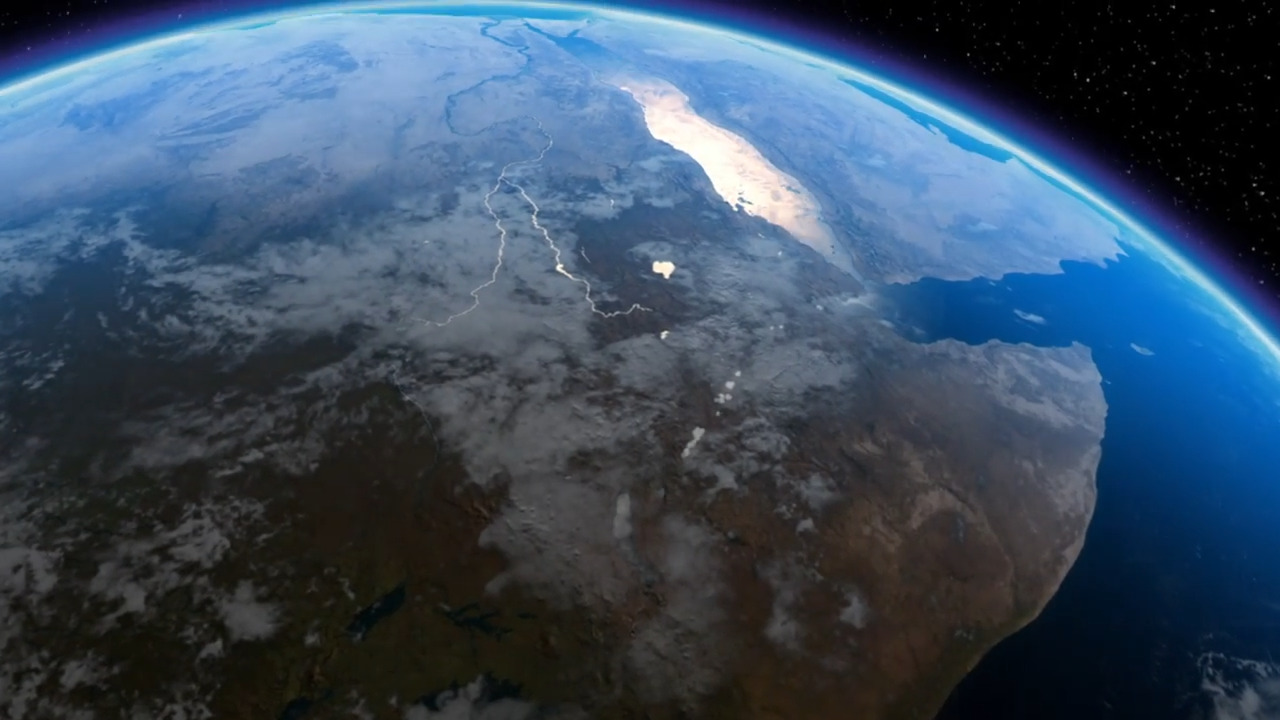
In How Earth Got Its Water, geologist Iain Stewart explains how Earth's first oceans were born from a rainstorm that lasted hundreds of thousands of years. But that epic downpour only gave Earth half its water — the rest came from space! Scientists crashed a satellite into a comet to uncover how these icy space rocks helped fill our oceans billions of years ago. And the story isn’t over — today, in East Africa, a massive crack is slowly splitting the continent, and one day, it could form a brand-new ocean! This video is excerpted from BBC’s Earth: The Power of the Planet, a documentary series in which Dr. Iain Stewart discovers how Earth's forces can shape nature, species, and even the climate.
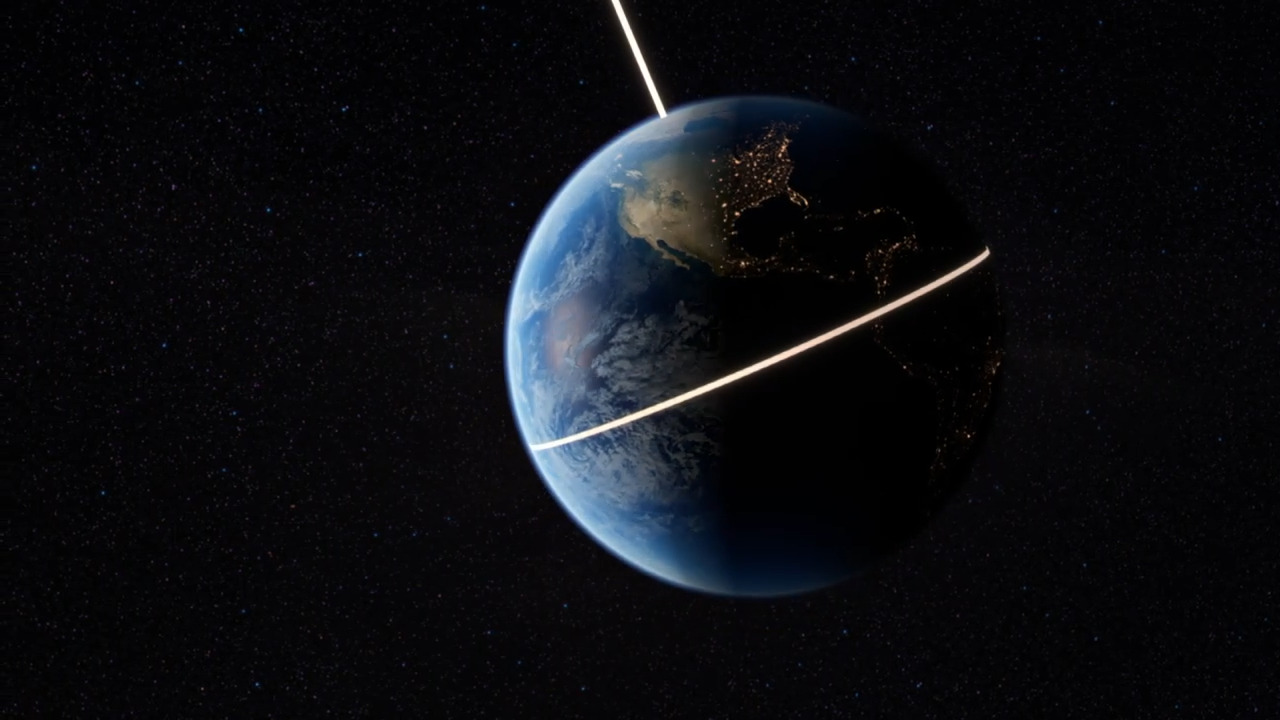
In How Earth’s Tilt Shapes Our Climate, learn how the Earth’s 23.4° axial tilt causes seasons. Discover the equinoxes, when day and night are equal, and the solstices, which bring the longest and shortest days of the year. This video is excerpted from BBC's Orbit: Earth's Extraordinary Journey, an engaging documentary that explores the intricate dance between Earth and the Sun, revealing how our planet's motions shape the seasons, weather patterns, and life on Earth.
Earth Day is April 20, and we’re celebrating all month long with engaging activities — like our Earth Day video response worksheet! Start by choosing one of the incredible BBC videos from our Earth Day Collection, featuring topics like protecting our planet, innovative ideas for a better future, and inspiring conservation stories.
After watching, have your Grade 3–8 students complete the worksheet questions. You can also give students the option to choose their own video — either from the collection or another relevant clip in our extensive library — since the worksheet is designed to work with any selection.
It’s a simple, meaningful way to spark curiosity and help students connect with real-world environmental issues.
This Planet Earth Passport is your students' perfect guide (just right for ages 8–11) to exploring some of the most-watched videos clips from the iconic BBC series Planet Earth. And it's right in time for Earth Day on April 22!
You can take part by showing your class our playlist of eight amazing animal videos and using our passport as a companion. Students will follow the map to each location and answer questions at each stop. They'll explore:
- Polar Bears in Antarctica
- Bobcats in the Rocky Mountains
- Catfish in France
- Marine Iguanas in the Galápagos
- Cave Swiftlets in Borneo
- Mouse Lemurs in Madagascar
- Dolphins in Western Australia
- Emperor Penguins in Antarctica
To make copies of the passport, print on both sides flipped on the long edge. Make sure you collate and then cut them in half (there are two passports per set).
This Earth Day (or anytime this month), share this inspiring video playlist designed to spark curiosity and action in students ages 8–14. From incredible wildlife conservation stories to real-world environmental solutions, each clip invites students to explore the beauty of our planet — and the challenges it faces.
Get a closer look at how forests support life on Earth, discover innovative ideas like renewable energy, and meet the people working to protect endangered species and restore habitats. Along the way, students will see how small choices can make a big difference for our world.
Packed with powerful moments and meaningful learning, this playlist encourages students not just to learn about the Earth — but to think about how they can help protect it.
In Can We Stop the Glacier Melt?, geologist Iain Stewart explains the crucial role ice plays in our planet’s climate and how it’s being affected by global warming. Scientists are studying Greenland's massive Jakobshavn Glacier to understand how the ice is melting and the impact that has on rising sea levels. Over just the last few decades, the glacier has retreated significantly, and if Greenland's ice melts completely, it could raise sea levels by 23 feet (7 meters), threatening places like London and Florida. This video is excerpted from BBC’s Earth: The Power of the Planet, a documentary series in which Dr. Iain Stewart discovers how Earth's forces can shape nature, species, and even the climate.
In Making Smart Choices for Our Planet, narrator Sir David Attenborough explains how important it is to understand and take care of the natural world as we rely on it for things like air, food, and even our happiness. As the world’s population grows, we are using more and more resources like water and food sources, which could lead to problems in the future. But there’s hope! If we use science and technology wisely, we can make better choices and live more sustainably, helping the Earth for future generations. This video is excerpted from BBC’s Horizon: How Many People Can Live on Planet Earth?, which explores the challenges of supporting a growing global population.
In Inside a Super Recycling Plant, plastic is everywhere, and while it’s bad for wildlife, many people wonder — how bad is it for us? Every year, millions of tons of plastic end up in landfills, but new technology is making recycling more effective. At a cutting-edge plant, 5 million plastic bottles are cleaned, chopped up, and turned into brand-new, food-safe bottles every day — without any waste! This process gives old plastic a fresh start and shows progress in tackling the massive plastic problem. This video is excerpted from BBC’s Bang Goes the Theory, a series that delves into the ways science impacts our lives and shapes the world we experience every day.
In Turning Plastic Waste Into Diesel Fuel, dive into the world of crude oil and how it's used to make plastic through a process that creates long chains called polymers. Jem tries to turn waste plastic back into something useful: diesel fuel! Using a hot, oxygen-free oven, he cooks the plastic to turn it into liquid fuel, and with help from chemists, he successfully gets a car to run on the diesel made from waste plastic. It’s a cool experiment showing how we can recycle plastic into something powerful! This video is excerpted from BBC’s Bang Goes the Theory, a series that delves into the ways science impacts our lives and shapes the world we experience every day.
In Hope for the Future, host Simon Reeve travels to a rewilding project in Montana and is encouraged by visible hope in the fight to slow climate change. This video is excerpted from BBC's Incredible Journeys With Simon Reeve, a series that highlights one journalist’s travels across the globe and the diverse cultures and peoples he meets along the way.
March 5, 2026, marks the 20th anniversary of premiere of BBC's Planet Earth (and it's just in time for Earth Day on April 22, too!). The breathtaking and award-winning documentary series, narrated by none other than Sir David Attenborough, highlights the natural wonders of our planet. In honor of this momentous occasion, we've put together some of the most popular clips from this beloved natural history show for students ages 8–14.
Get up close and personal with hydroplaning dolphins. Witness an iguana hatchling's terrifying race to survive, pursued by racer snakes. Watch the first steps of two polar bear cubs emerging from hibernation. More of the real-life magic of our blue marble awaits in this video playlist, part of our Planet Earth Collection. Grab your Planet Earth Passport and start exploring!
A total lunar eclipse happens when the Earth moves directly between the Sun and the Moon, blocking sunlight from reaching the Moon’s surface. During the eclipse, the Moon can appear dark red or copper-colored as sunlight bends through Earth’s atmosphere.
Even though the Moon travels around Earth about every 28 days, total lunar eclipses are rare. That’s because the Moon’s orbit is tilted slightly, so most months, the Moon passes a little above or below Earth’s shadow instead of through it. Only every six months or so are the Sun, Earth, and Moon lined up closely enough for a possible lunar eclipse.
Last September, millions of people around the world watched the rare event during organized watch parties and backyard gatherings. Astronomers encouraged people to bring blankets, snacks, and telescopes to enjoy the nighttime spectacle together. While cloudy skies blocked views in some places, observers across parts of Africa, Asia, the Middle East, and Australia were able to see the eclipse from beginning to end under clear skies.
In How Earth Got Its Water, geologist Iain Stewart explains how Earth's first oceans were born from a rainstorm that lasted hundreds of thousands of years. But that epic downpour only gave Earth half its water — the rest came from space! Scientists crashed a satellite into a comet to uncover how these icy space rocks helped fill our oceans billions of years ago. And the story isn’t over — today, in East Africa, a massive crack is slowly splitting the continent, and one day, it could form a brand-new ocean! This video is excerpted from BBC’s Earth: The Power of the Planet, a documentary series in which Dr. Iain Stewart discovers how Earth's forces can shape nature, species, and even the climate.
In How Earth’s Tilt Shapes Our Climate, learn how the Earth’s 23.4° axial tilt causes seasons. Discover the equinoxes, when day and night are equal, and the solstices, which bring the longest and shortest days of the year. This video is excerpted from BBC's Orbit: Earth's Extraordinary Journey, an engaging documentary that explores the intricate dance between Earth and the Sun, revealing how our planet's motions shape the seasons, weather patterns, and life on Earth.