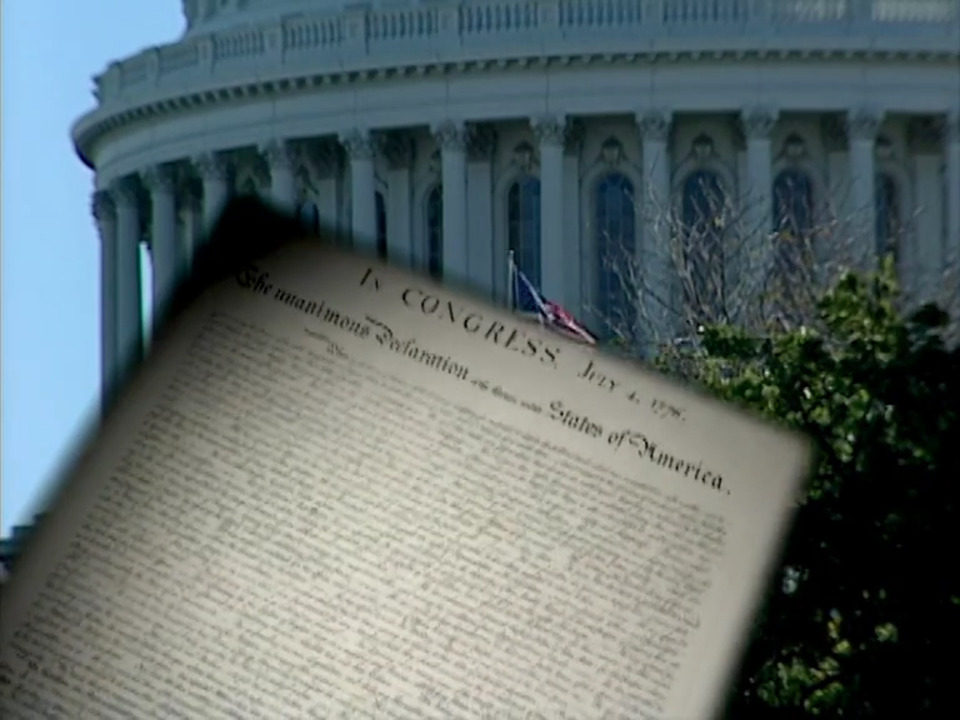
In Thomas Jefferson and the Declaration of Independence, learn how the colonies made the case for independence from Britain during the Revolutionary War. A Committee of Five, including Thomas Jefferson, drafted the document, drawing on ideas from the Virginia Declaration of Rights and John Locke. The Declaration outlined reasons for independence, the philosophy behind it, the king’s offenses, and concluded with the resolution for freedom. It was approved on July 4, 1776, and its original draft is now on permanent display in Washington, D.C.
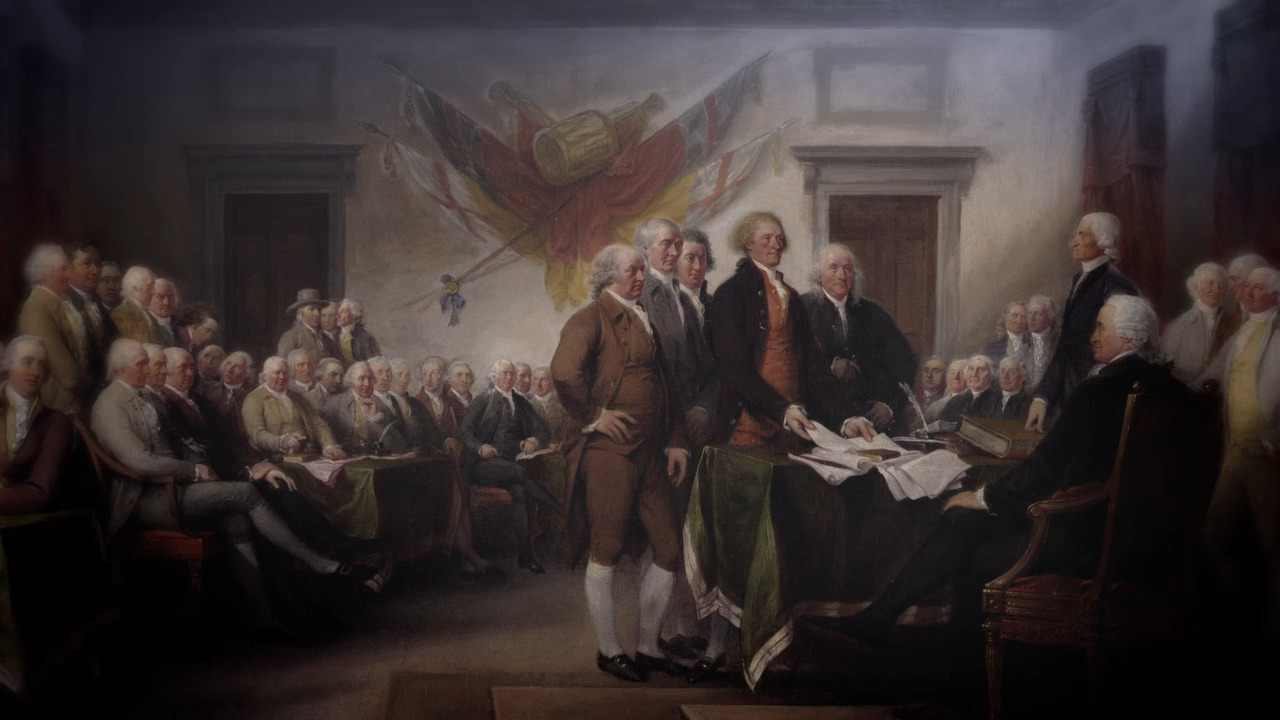
In Disagreements on the Declaration of Independence, historian Lucy Worsley researches the ambiguity of the first drafts of the agreement. It had to satisfy people from 13 states, with opposing views on divisive subjects such as slavery and religion. This video is excerpted from BBC's American History's Biggest Fibs with Lucy Worsley, in which Worsley reveals the myths and manipulations behind American history.
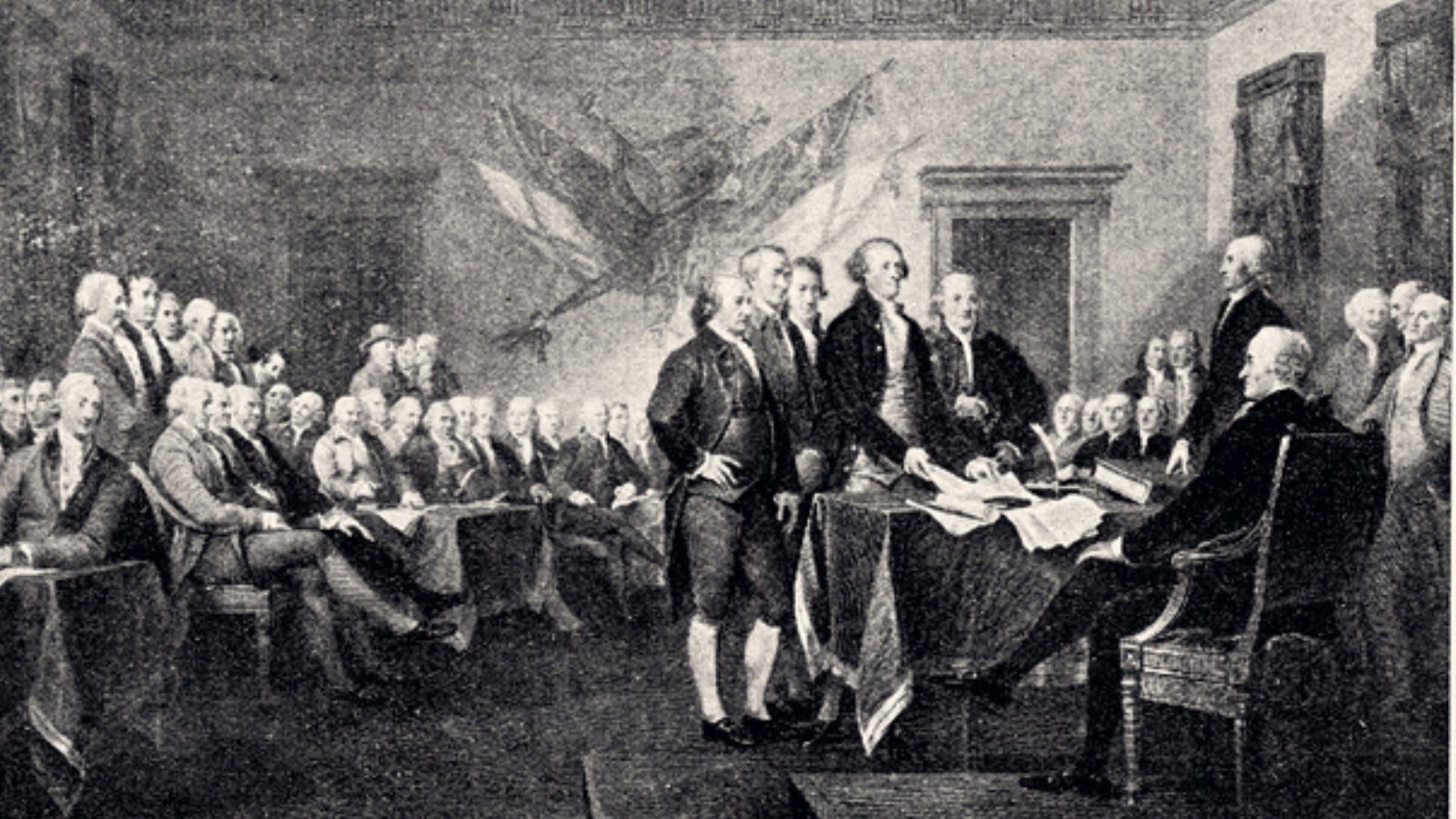
The article "The Declaration of Independence: A Revolutionary Document and Its Unfinished Promise" from BBC's HistoryExtra explains the origins and content of the Declaration of Independence, which declared the American colonies free from British rule. The document outlined grievances against King George III and promised freedom and equality, yet it ignored key groups like enslaved people and Native Americans.
In Thomas Jefferson and the Declaration of Independence, learn how the colonies made the case for independence from Britain during the Revolutionary War. A Committee of Five, including Thomas Jefferson, drafted the document, drawing on ideas from the Virginia Declaration of Rights and John Locke. The Declaration outlined reasons for independence, the philosophy behind it, the king’s offenses, and concluded with the resolution for freedom. It was approved on July 4, 1776, and its original draft is now on permanent display in Washington, D.C.
In Disagreements on the Declaration of Independence, historian Lucy Worsley researches the ambiguity of the first drafts of the agreement. It had to satisfy people from 13 states, with opposing views on divisive subjects such as slavery and religion. This video is excerpted from BBC's American History's Biggest Fibs with Lucy Worsley, in which Worsley reveals the myths and manipulations behind American history.
The article "The Declaration of Independence: A Revolutionary Document and Its Unfinished Promise" from BBC's HistoryExtra explains the origins and content of the Declaration of Independence, which declared the American colonies free from British rule. The document outlined grievances against King George III and promised freedom and equality, yet it ignored key groups like enslaved people and Native Americans.