
The Problem With Preschool Screen Time
One school is trying to combat the effects of too much screen time. The average three-year-old spends roughly three hours a day on screens, so this school is incorporating more hands-on experience in early learning. They are finding that children who have had too much screen time no longer have the language skills to articulate their needs and haven’t learned how to regulate their emotions. This video is excerpted from BBC News.
More News Stories

Scientists use a revolutionary technique to better study the DNA of bones from burial sites over a thousand years old. Highlighting gradual changes in the DNA is unlocking Britain’s history, providing information on human migration and the interaction between different populations from the Romans to the Anglo-Saxons. This video is excerpted from BBC News.
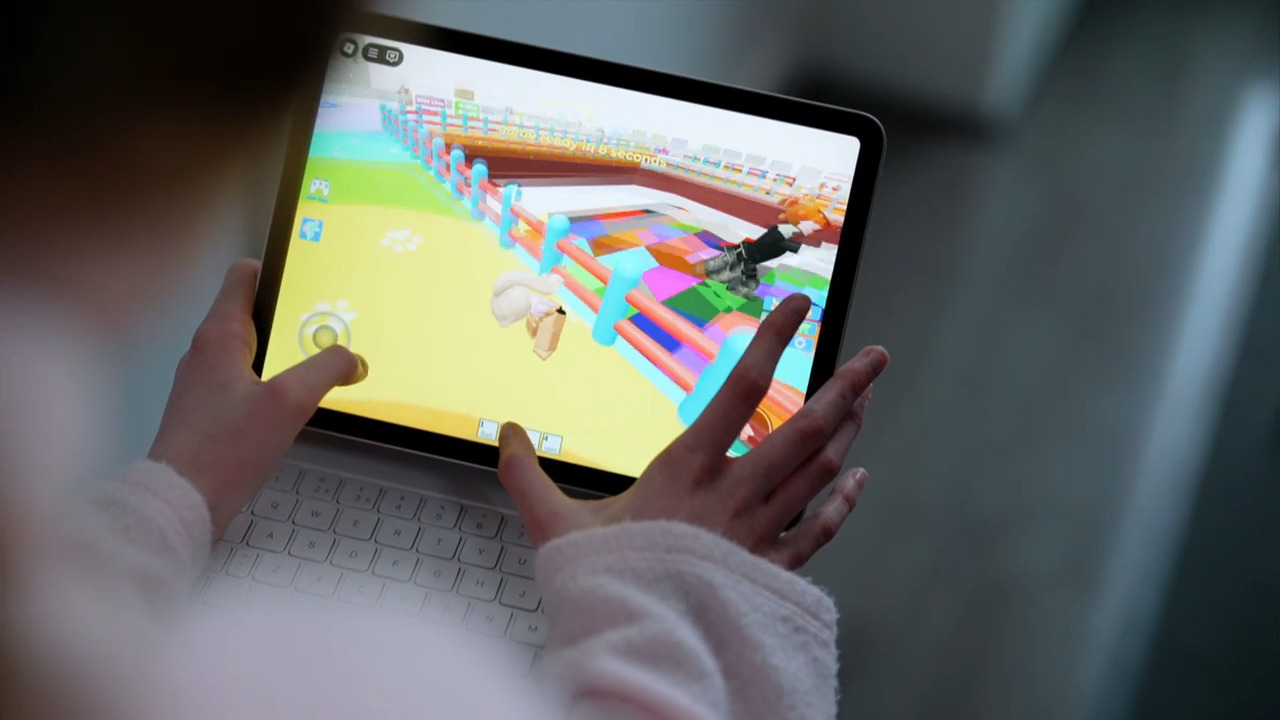
Discover how the Roblox platform has gone from a small company to the UK’s most popular gaming platform for kids ages 8-12 with more than 40 million user-generated games. Critics worry that Roblox exposes children to inappropriate content, but Roblox co-founder and CEO, Dave Baszucki, says Roblox has no tolerance for inappropriate content and will continue to introduce new safeguards in the future. This video is excerpted from BBC News.
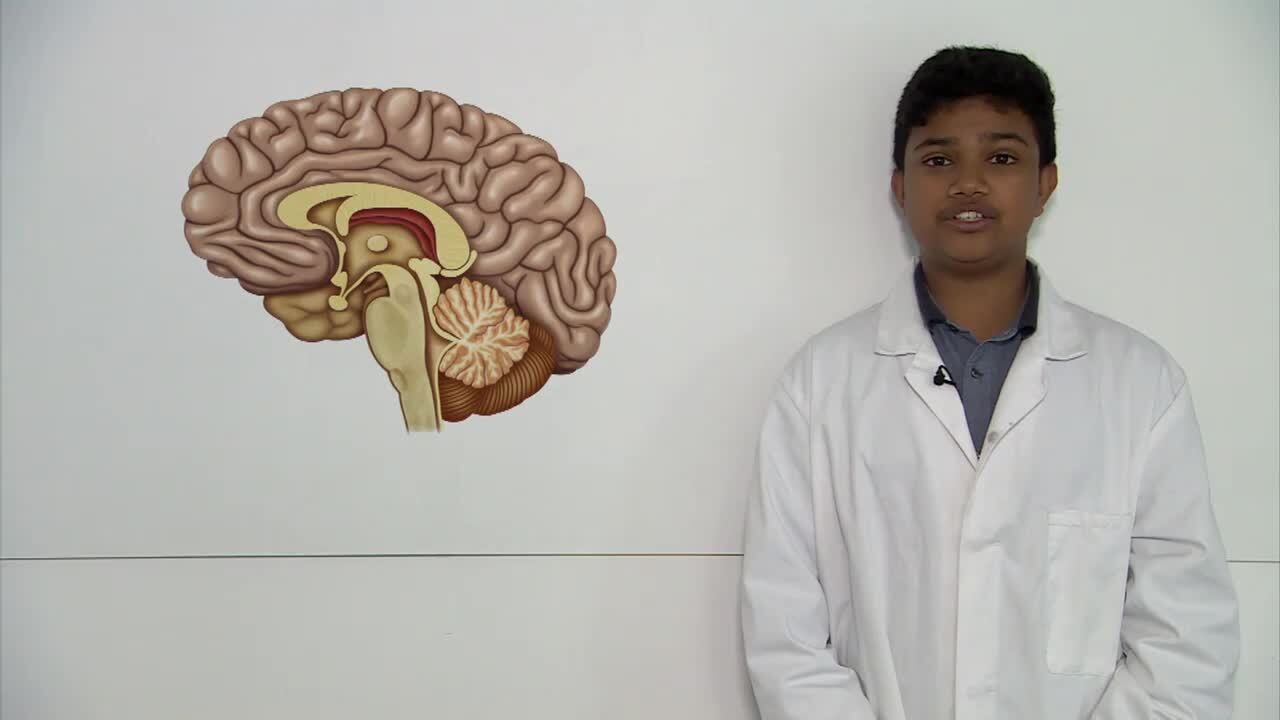
What if school started so early that your brain felt like it was the middle of the night? For a lot of teens, that’s actually what’s happening.
One school decided to take the science seriously. Researchers have found that during adolescence, your body clock shifts later—meaning you naturally fall asleep later and wake up later. So when teens are forced to get up at 7 a.m., it’s not just “early”… it’s the biological equivalent of an adult waking up at 4:30 a.m. Imagine trying to learn, focus, and take tests at that hour every single day.
Instead of ignoring this, the school changed its start time to better match how teenage brains actually work. The goal? Help students get enough sleep, feel more awake in class, and stop the cycle of constant exhaustion.
It raises a big question: if we know teens’ brains are wired this way, should more schools rethink their schedules too?
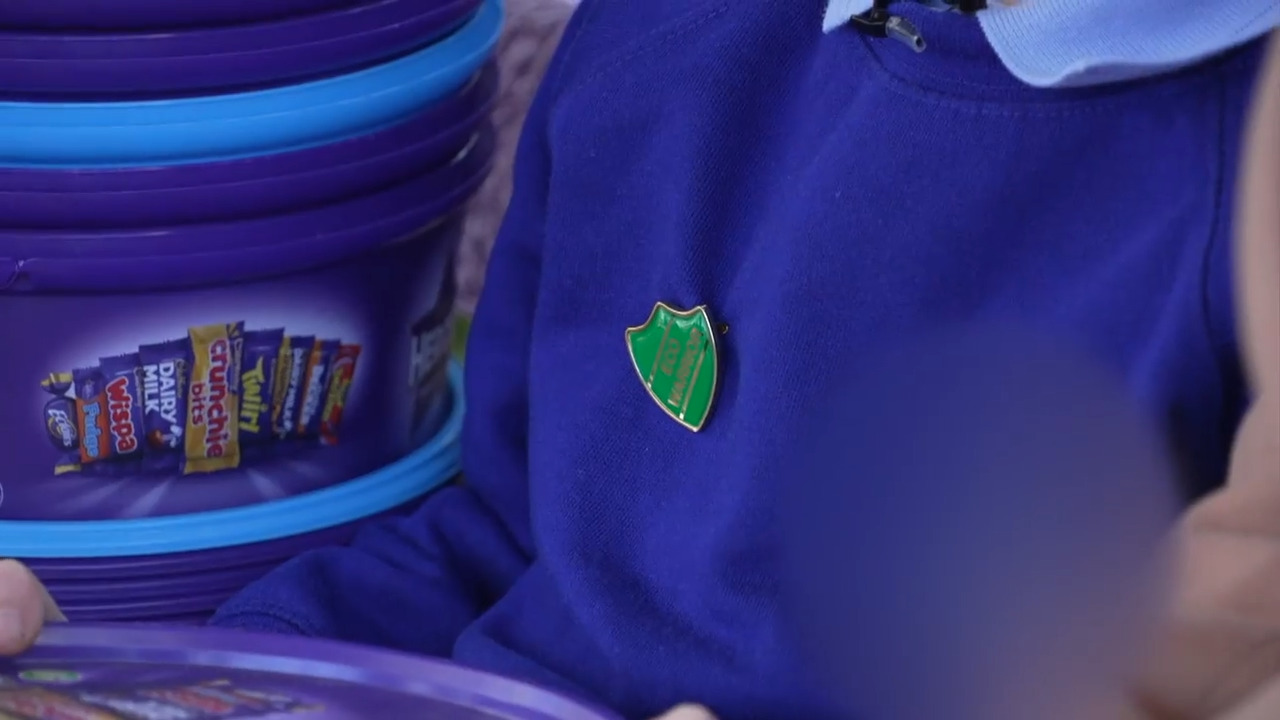
Join “Sweet Tub Teddy” (as he was nicknamed) as he visits a recycling center where the more than 2,000 tubs he has collected will be made into furniture rather than go into a landfill. The next day, Teddy and his class are surprised with a bench of their own dedicated to Teddy and his efforts to make a difference. This video is excerpted from BBC News.
Scientists use a revolutionary technique to better study the DNA of bones from burial sites over a thousand years old. Highlighting gradual changes in the DNA is unlocking Britain’s history, providing information on human migration and the interaction between different populations from the Romans to the Anglo-Saxons. This video is excerpted from BBC News.
Discover how the Roblox platform has gone from a small company to the UK’s most popular gaming platform for kids ages 8-12 with more than 40 million user-generated games. Critics worry that Roblox exposes children to inappropriate content, but Roblox co-founder and CEO, Dave Baszucki, says Roblox has no tolerance for inappropriate content and will continue to introduce new safeguards in the future. This video is excerpted from BBC News.
What if school started so early that your brain felt like it was the middle of the night? For a lot of teens, that’s actually what’s happening.
One school decided to take the science seriously. Researchers have found that during adolescence, your body clock shifts later—meaning you naturally fall asleep later and wake up later. So when teens are forced to get up at 7 a.m., it’s not just “early”… it’s the biological equivalent of an adult waking up at 4:30 a.m. Imagine trying to learn, focus, and take tests at that hour every single day.
Instead of ignoring this, the school changed its start time to better match how teenage brains actually work. The goal? Help students get enough sleep, feel more awake in class, and stop the cycle of constant exhaustion.
It raises a big question: if we know teens’ brains are wired this way, should more schools rethink their schedules too?
Join “Sweet Tub Teddy” (as he was nicknamed) as he visits a recycling center where the more than 2,000 tubs he has collected will be made into furniture rather than go into a landfill. The next day, Teddy and his class are surprised with a bench of their own dedicated to Teddy and his efforts to make a difference. This video is excerpted from BBC News.